Ultimate Koh Samet Travel Guide
06 Feb, 2026
08 Feb, 2025
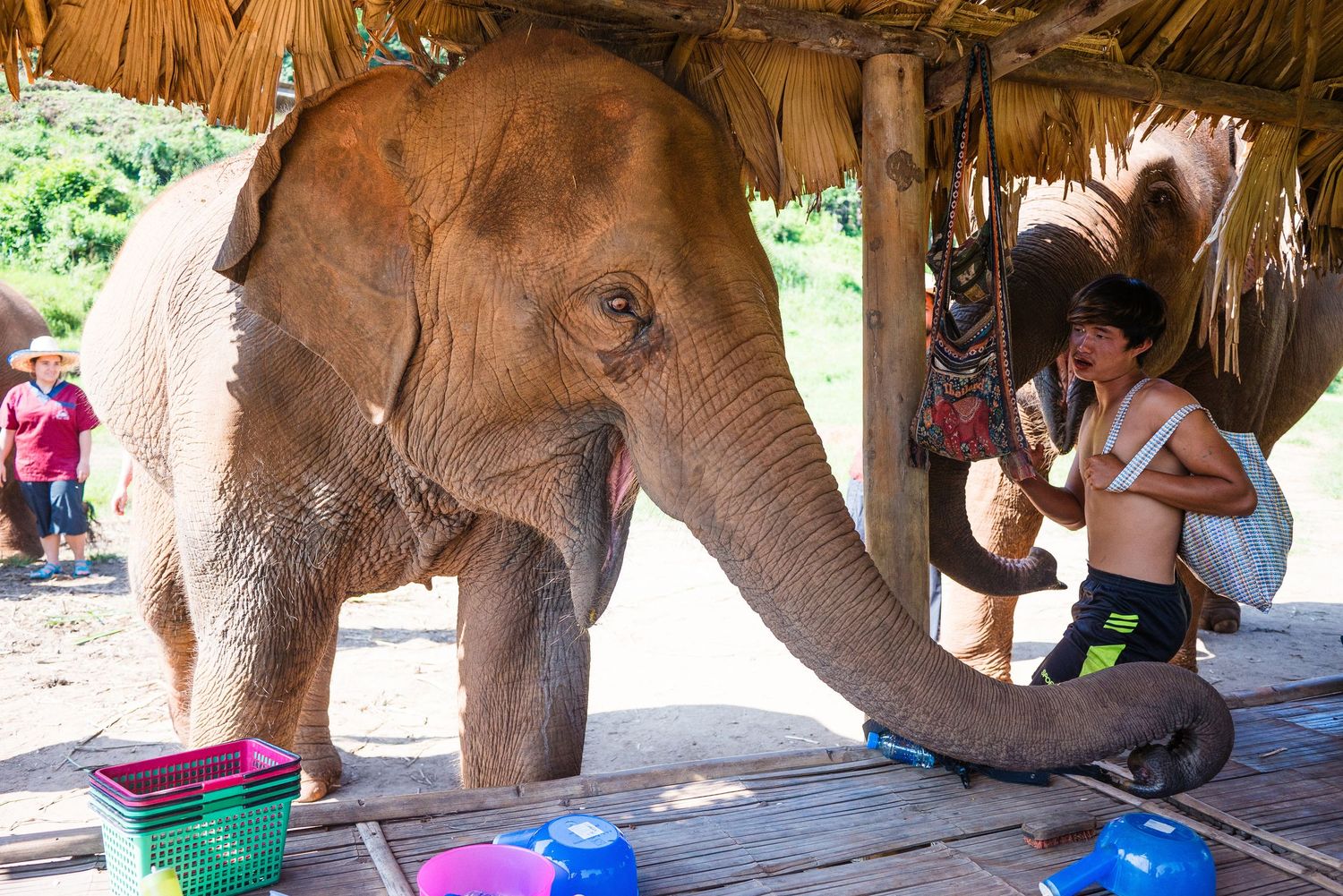
This Elephant Experience at Rantong review is based on my half-day visit to Ran-Tong Elephant Sanctuary in Chiang Mai, Thailand. If you’re researching ethical elephant experiences and want to know what actually happens, how ethical it really is, and whether it’s worth your time and money, this review covers everything from first-hand experience.
During my time at Rantong Elephant Sanctuary, I took part in feeding, interacting with, and washing rescued elephants, while also learning about their rehabilitation and care. Below, I’ll break down the experience step by step and give an honest assessment of whether the Elephant Experience at Rantong lives up to its ethical claims.
During a trip to Bangkok early last year, I began to warm to the idea of visiting an elephant sanctuary. However, Bangkok isn’t ideally situated for such an excursion, as Elephant World in Kanchanaburi is located a few hours' drive away. My fellow travellers were also largely indifferent to the idea. Once that particular elephant-free trip came to a close, it didn’t take long before plans for a new adventure in Thailand and Southeast Asia began to take shape. This time, I was determined to finally get up close and personal with an elephant, or perhaps even several.
Uncertain about the exact location and country for this experience, I began to search for different elephant sanctuaries on Viator. After a bit of research, I concluded that Chiang Mai would fit perfectly into my itinerary. It promised to be a hassle-free option and, importantly, an ethical sanctuary that I could feel good about supporting.
One sanctuary that stood out was the Elephant Experience at Ran-Tong Elephant Sanctuary in Chiang Mai, Thailand, which claims to offer an ethical way for visitors to connect with rescued elephants. From my own experience, I would agree with this claim. However, we will delve deeper into this subject later on, it’s important to explore the broader ethics of such places.
Founded in 2009, Ran-Tong Elephant Sanctuary is dedicated to the rehabilitation and care of elephants that have suffered from abuse or neglect. Visitors are promised a hands-on experience, giving them the opportunity to engage closely with the elephants while also gaining a deeper understanding of their needs and behaviours.
My experience on the tour was unforgettable. My friends and I booked the half-day elephant experience at Ran-Tong, as we felt that dedicating an entire day would be too much of a commitment and would cut into our time exploring Chiang Mai. The length of the half-day tour turned out to be perfect—it left us still buzzing with excitement and completely satisfied with the experience. However, I could have easily stayed longer, as it was so enjoyable.
The tour includes a convenient free hotel pickup, which immediately gave a sense of confidence and ease. We were transported in the typical Southeast Asian minibus, equipped with the comforting luxuries of air conditioning and bottled water—simple but appreciated. The hour-long drive flew by, especially with the friendly bunch of fellow tourists sharing the ride. Before we knew it, we had arrived at the sanctuary, where we were all outfitted in matching clothes and hats, ready to begin our hands-on experience.
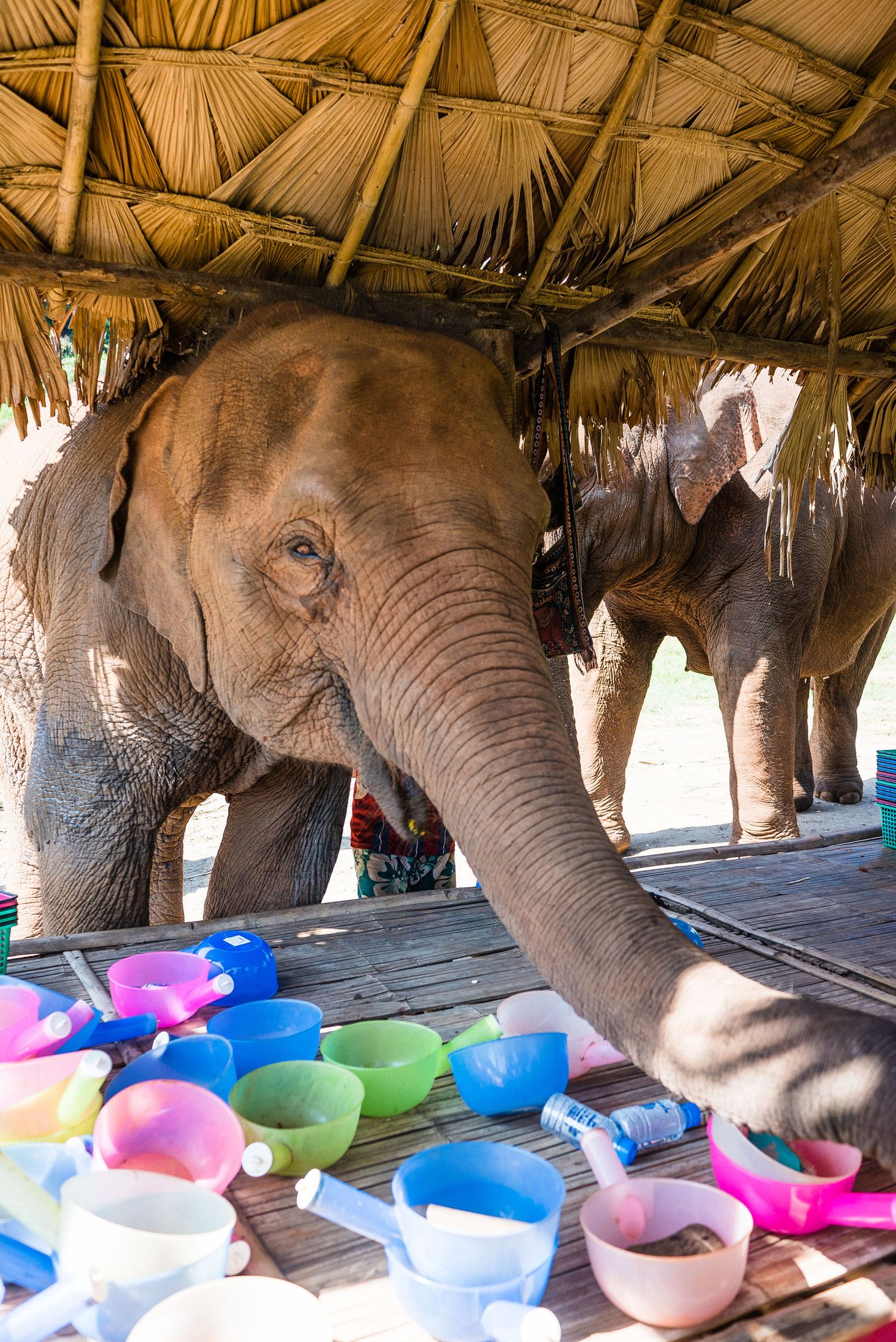
Our first task was preparing food for the elephants.
As we made breakfast for our new friends, the guide provided us with a quick, informative crash course on elephant facts and general knowledge. In the background, we could see elephants roaming freely, interacting with other groups of visitors. The food preparation aspect was a bit of a novelty, but it also helped make the experience feel more interactive and engaging. It gave us a chance to be involved in a meaningful way while waiting for the next part of the tour.
Although it may have seemed like a way to pass the time, it actually added value to the overall experience. Looking back, I believe the brief introduction to elephant anatomy and behaviour was essential. Had I been thrust into the experience without this foundational knowledge—just stepping off the bus and jumping right into the action—I don’t think I would have appreciated the connection with the elephants as much. The pre-tour lesson deepened my understanding and enhanced my enjoyment of the whole experience..
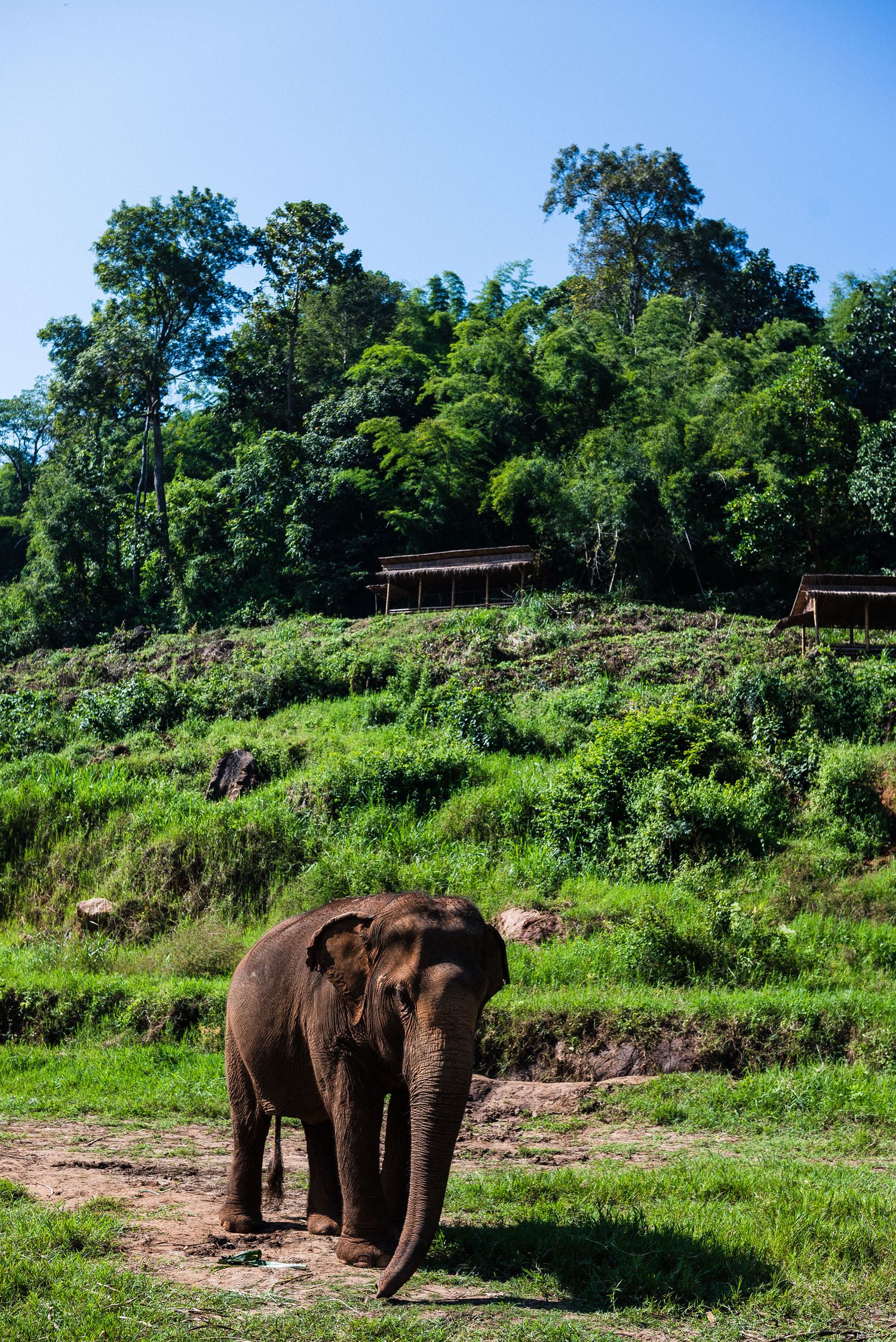
Once the food baskets were prepped and ready, our small group made its way to meet and feed the baby elephants. Our guide, along with two other staff members, demonstrated the correct method for handing over large chunks of pumpkin to the little elephants. While it was certainly fun feeding the young elephants, this part of the tour felt a little more like a petting zoo experience compared to the rest of the day, which was far more free-range and interactive. The babies, though adorable, didn’t offer the same sense of connection and natural interaction as the adults did later on.
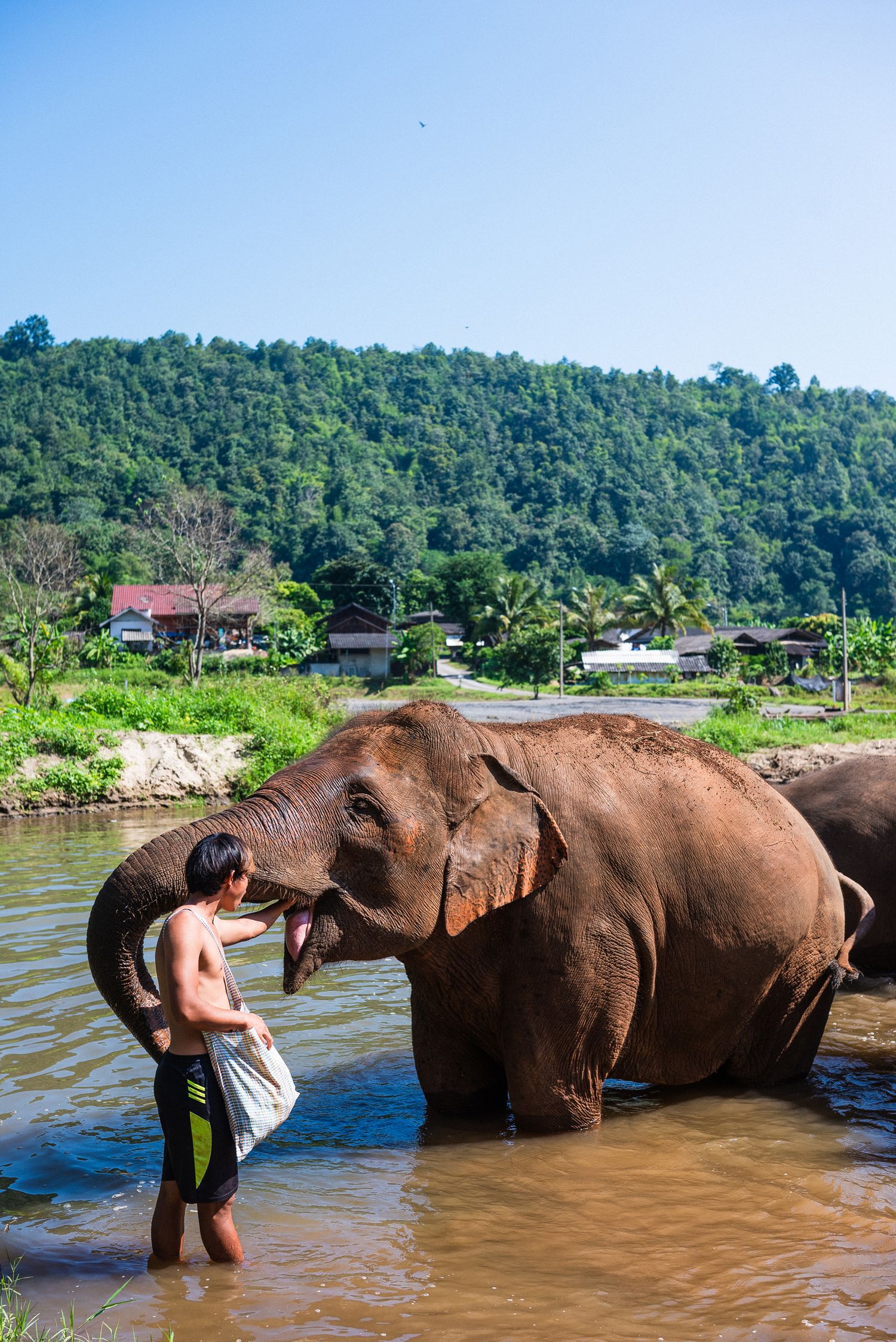
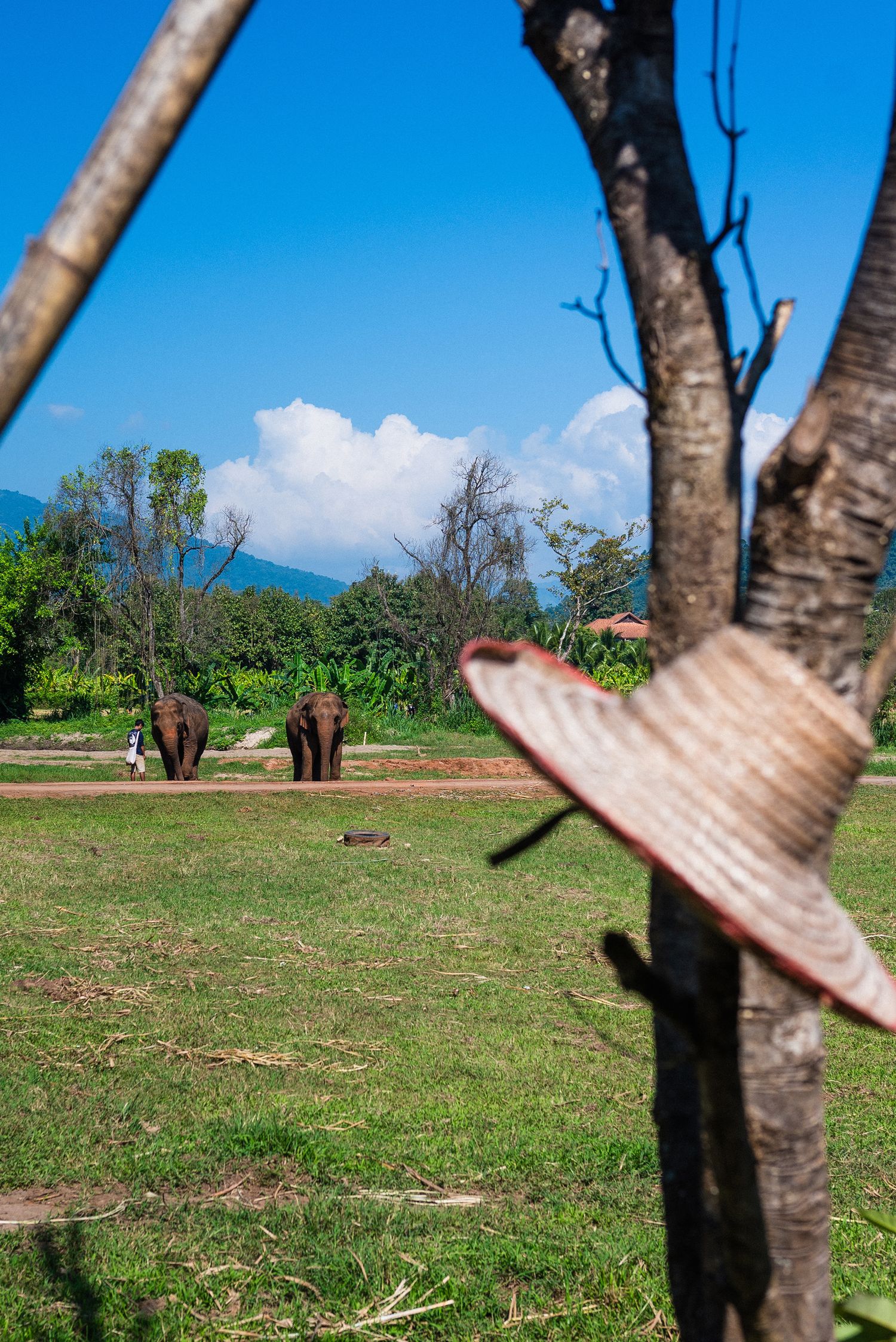
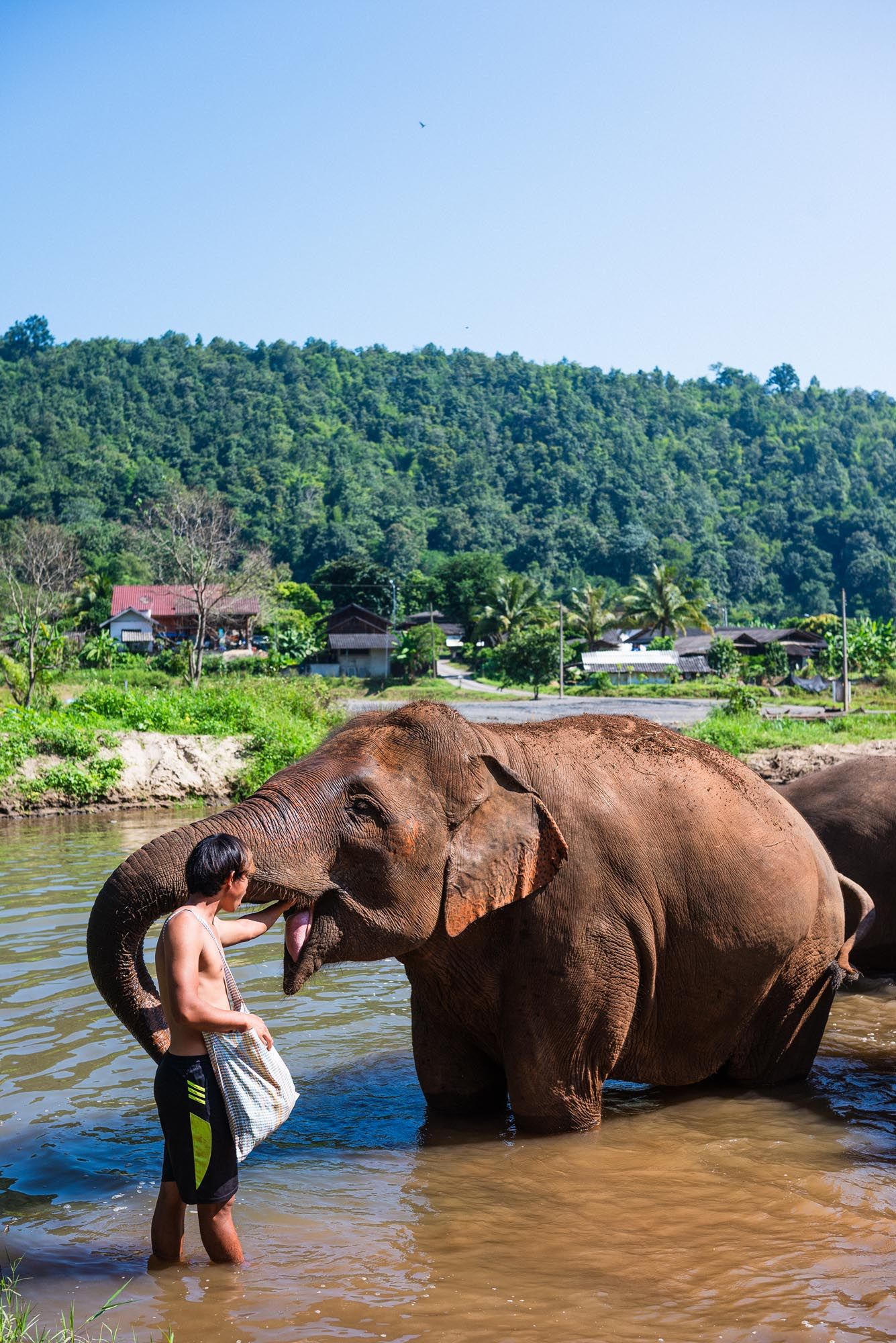
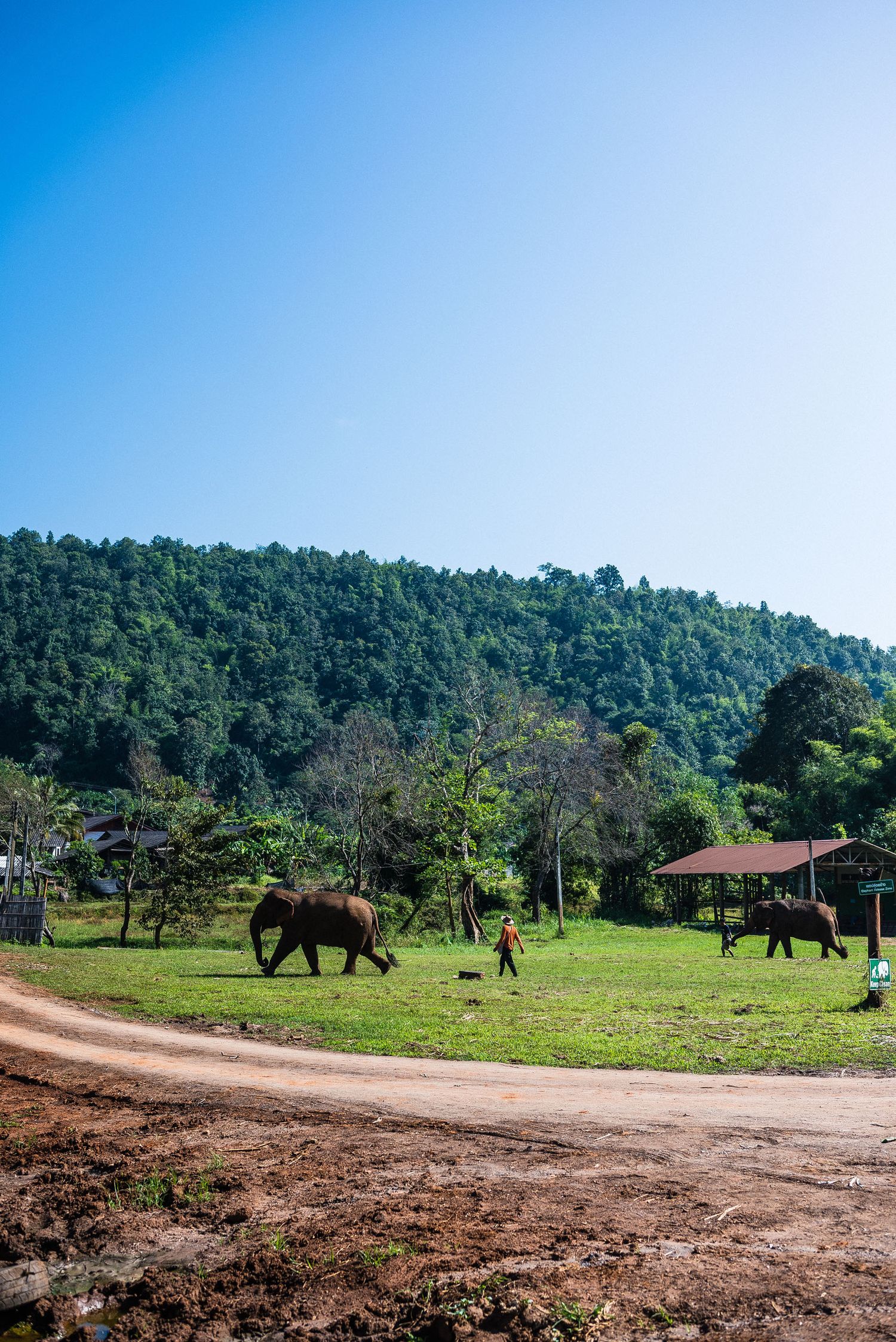
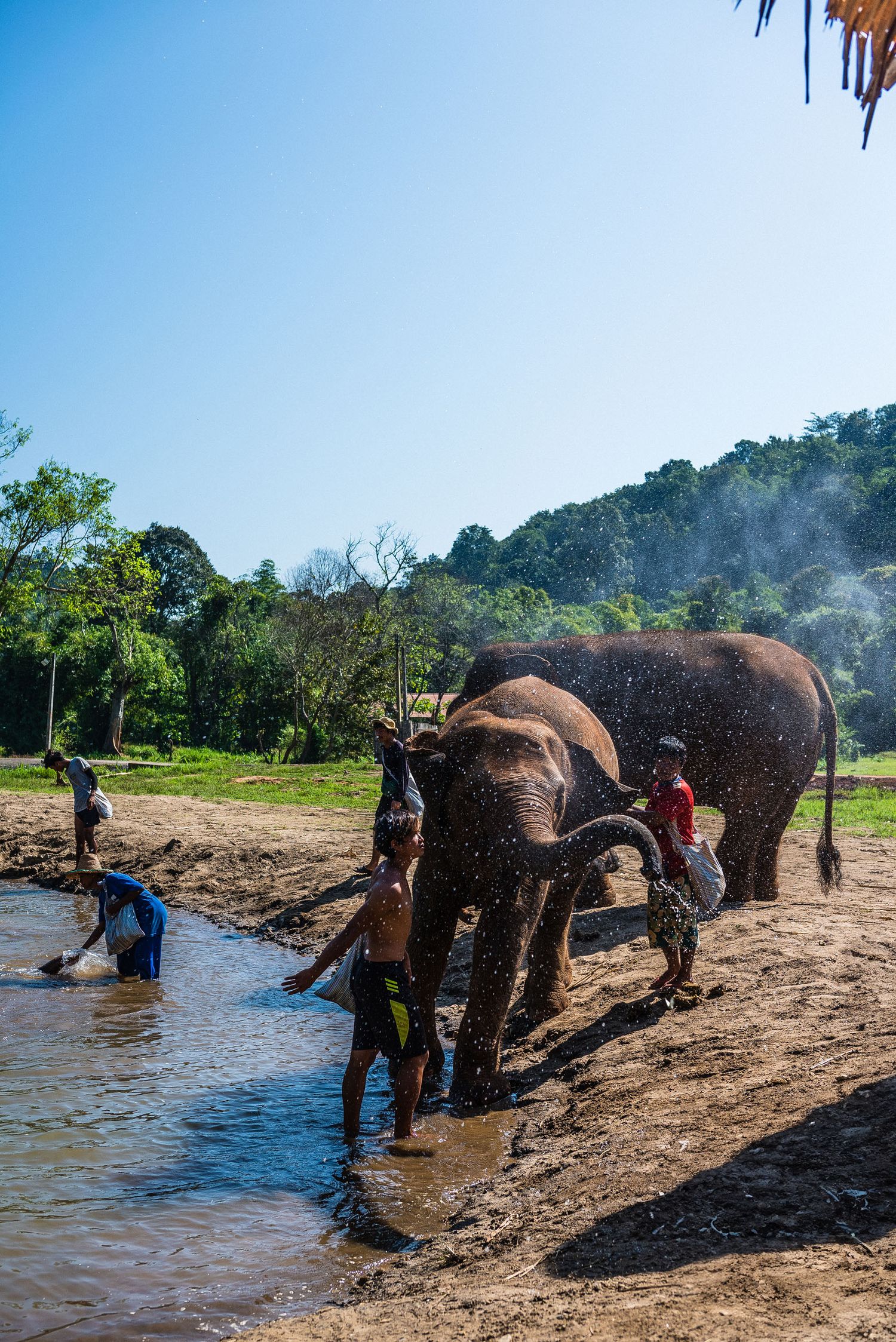
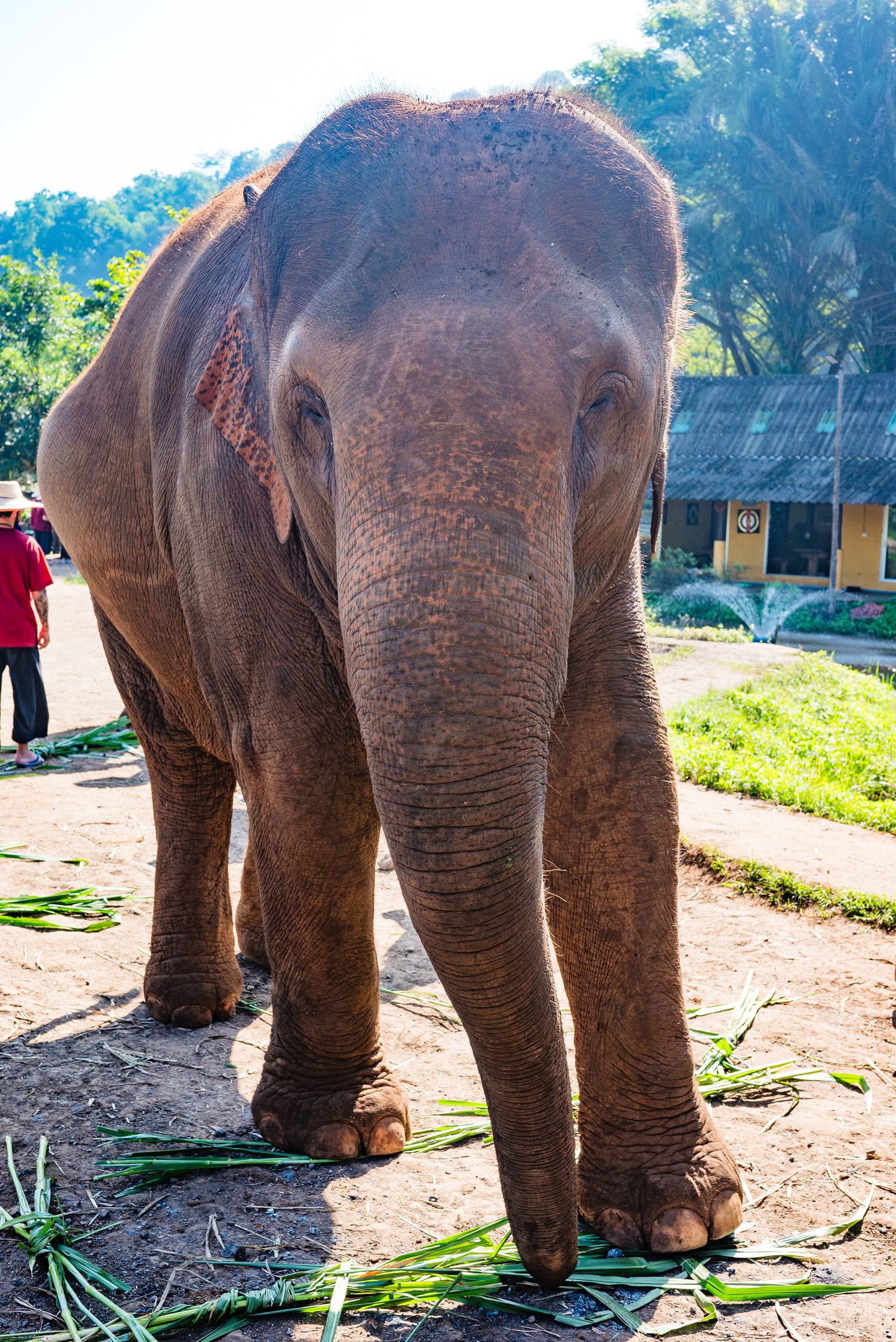
After the baby elephants had been satisfied, we moved on to collect bamboo branches to feed the adult elephants. With a bit more guidance on how to approach and feed the larger elephants, we were each given the opportunity to feed, touch, and engage with the adults in a way that felt both relaxed and relatively natural. This part of the tour was more immersive, allowing us to interact with the elephants at our own pace. The guides ensured there was no rush, letting us spend time with the elephants without feeling pressured to move on quickly. Eventually, the guides decided it was time to wash the elephants. This transition marked a shift in the experience, allowing us to participate in another crucial aspect of the elephants' care. Washing the elephants, which involved scrubbing their large bodies with brushes and getting splashed with water in the process, was not only fun but also provided a deeper level of engagement. It was a unique way to bond with the elephants and contribute to their well-being, making the entire experience feel even more meaningful.
After our refreshing dip in the pond to wash the elephants, it was time to say our goodbyes. We headed back to the changing area to shower and return our outfits, a simple but necessary part of the experience. Before leaving the sanctuary, we were treated to lunch, served in an open-air setting with a beautiful view of the elephants going about their day.
To my surprise, the lunch—which I hadn’t expected to be anything extraordinary—was actually quite delicious. We were served a generous portion of pad Thai, which was full of flavour, and some traditional mango sticky rice that was the perfect sweet touch to finish the meal. It was a welcome and satisfying end to an already memorable experience, providing a moment to relax and reflect on the day. Overall, I would wholeheartedly recommend this tour to anyone visiting Chiang Mai. While there are certainly longer, more intensive elephant experiences available, this half-day tour was more than enough for me. It offered a perfect balance of interaction, education, and relaxation, allowing us to connect with the elephants without feeling overwhelmed. Whether you’re a first-time visitor or an elephant enthusiast, this experience is well worth the time, offering an ethical, hands-on adventure in the heart of Thailand.
It’s always a good idea to research and read reviews before visiting, as the standards of care can vary even within individual sanctuaries. Ethical practices in elephant tourism are not always black and white, and some sanctuaries may engage in certain practices that might raise concerns for certain visitors.
Overall, based on the information available and my time there, the Elephant Experience at Ran-Tong seems to align with many of the principles of ethical elephant tourism, especially compared to sanctuaries that offer elephant rides or performances. However, it’s always important for visitors to stay informed and consider their own ethical standards when choosing a sanctuary to support.
If you're planning to visit an elephant sanctuary in Thailand, there are a few guidelines to help ensure you're supporting an ethical operation:
No elephant rides or performances: A truly ethical sanctuary will not offer rides or performances as part of the experience. Elephants should be free to move and behave naturally.
Rescue and rehabilitation focus: Look for sanctuaries that rescue elephants from harmful situations (e.g., logging, circuses, or street begging) and focus on rehabilitation and care, rather than exploiting them for profit.
Education and conservation: Ethical sanctuaries prioritize education and conservation efforts, helping visitors understand the plight of elephants both in captivity and in the wild.
Transparency: Research the sanctuary’s practices, funding, and animal care policies. Ethical sanctuaries will be open about their methods and the elephants' well-being.
Elephants at Elephant Nature Park (Chiang Mai): Located in Northern Thailand, Elephant Nature Park is one of the most famous sanctuaries for rescued elephants. The park is home to over 30 elephants that have been rescued from various forms of abuse. Visitors can learn about the elephants' stories and interact with them in an ethical and caring environment.
Phuket Elephant Sanctuary (Phuket): This sanctuary focuses on providing a safe haven for elephants that have been retired from logging or the tourism industry. The sanctuary's ethical approach ensures that visitors can spend quality time with the elephants, offering them food, bathing, and walking in a natural setting.
ChangChill Elephant Sanctuary (Chiang Mai): Another ethical sanctuary in Chiang Mai, ChangChill focuses on providing elephants with a free-range environment. Visitors can observe the elephants in their natural habitat, participate in feeding and bathing them, and learn about the importance of conservation.
Samui Elephant Sanctuary (Koh Samui): Located on the beautiful island of Koh Samui, this sanctuary is dedicated to rescuing and rehabilitating elephants. It offers visitors an opportunity to spend time with elephants in a humane and ethical setting, away from the traditional riding or performance-based activities.
The Elephant Sanctuary (Surin): In the northeastern province of Surin, known as the "Land of Elephants," this sanctuary houses elephants that were previously used for logging or street performances. Visitors can join the elephants in their natural environment, feeding and caring for them, and participate in various conservation activities.
These sanctuaries in Thailand provide visitors with an ethical way to interact with elephants while supporting conservation and rescue efforts for these incredible animals.
I booked this experience through Viator, as I do for all my tours now and have been doing so for the past 2 years.