06 Feb, 2026
Best time to visit Chiang mai?
Chiang Mai Weather By Month
January
Cool and dry, with pleasant temperatures around 20-28°C (68-82°F). This is one of the best months to visit.
February
Still cool, with temperatures ranging from 21-30°C (70-86°F). Ideal for outdoor activities and exploring.
March
Warm and dry, with temperatures climbing to 25-35°C (77-95°F). Some humidity starts to build.
April
Hot and dry, with temperatures reaching 30-40°C (86-104°F). Songkran festival takes place in mid-April.
May
Hot and humid, with temperatures around 27-36°C (81-97°F). The rainy season begins late in the month.
June
Rainy and humid, temperatures around 25-34°C (77-93°F). Frequent afternoon showers.
July
Wet and humid, with temperatures between 25-33°C (77-91°F). The rainy season continues.
August
Rainy and humid, similar to July, with temperatures ranging from 25-32°C (77-90°F). Occasional heavy rainfall.
September
The wettest month, with temperatures around 24-30°C (75-86°F). Expect frequent downpours.
October
Less rain, with temperatures around 24-31°C (75-88°F). Humidity begins to decrease.
November
Cool and dry, with pleasant temperatures around 20-28°C (68-82°F). This is one of the best months to visit.
December
Cool and dry, with temperatures ranging from 18-28°C (64-82°F). A great time for sightseeing and outdoor activities.
Best time to visit Chiang mai?
Chiang Mai, one of Thailand's most popular destinations, is often sighted as a must-visit location in Thailand. Known for its cooler, refreshing atmosphere, it offers a welcome escape from the heat and hustle of the southern beaches and cities.
While the city itself is filled with things to explore, some of the most unforgettable experiences in Chiang Mai can be found in the province's stunning natural landscapes. With warm and pleasant weather year-round, it’s a great place to visit, though rain and smoke can occasionally be problematic.
Here’s a seasonal guide to help you choose the ideal time to visit.
Temperatures are coolest in November to January
Thailand is rarely cold, but by November, the rains begin to taper off, and cooler air from the north sweeps in, especially during the evenings. This signals the start of the “cool” season, a welcome shift that starts the beginning of the country’s high tourist season. While the busiest time in major cities like Bangkok occurs over the Christmas and New Year holidays, there's so much more to discover during these months.
During this season, if you visit Chiang Mai, you’ll find locals donning sweaters as the temperatures dip to a cool 12–15°C (53–60°F) at night, while travelers from colder climates enjoy the warmth in shorts and T-shirts. Whatever your preference, the milder temperatures make it a fantastic time for outdoor activities. Parks and rivers, which close during the rainy season, are now accessible again.
Even the country’s highest peak, Doi Inthanon, can experience the occasional morning frost, offering an unusual but captivating experience in Thailand’s usually warm climate.
For nature enthusiasts, this season provides the perfect opportunity to explore Thailand’s misty mountain landscapes. While there are several spots in the country where you can enjoy breathtaking sea-of-cloud views, such as Phu Chee Fah, Doi Pha Hom Pok, or Doi Angkhang, there's no place like Doi Luang Chiang Dao. Open only from November through January, this mountain offers a rare, limited experience with only 150 visitors allowed each day. Although it requires some advance planning—especially since the booking system is mainly in Thai—it's well worth the effort. The panoramic views at sunrise and sunset are absolutely spectacular. You can secure your spot by sending a message through the official Facebook group.
For the more adventurous types, the cool season is also the perfect time for river activities. While rivers are still flowing, they are much calmer than during the monsoon season, when torrential rains cause dangerous swells. The Nam Wa River in Nan Province is famous for its thrilling long-distance rapids, but for beginners or those who prefer a slightly quieter experience, Chiang Mai’s Mae Taeng River is a great alternative, offering rapids that are exhilarating yet more manageable.
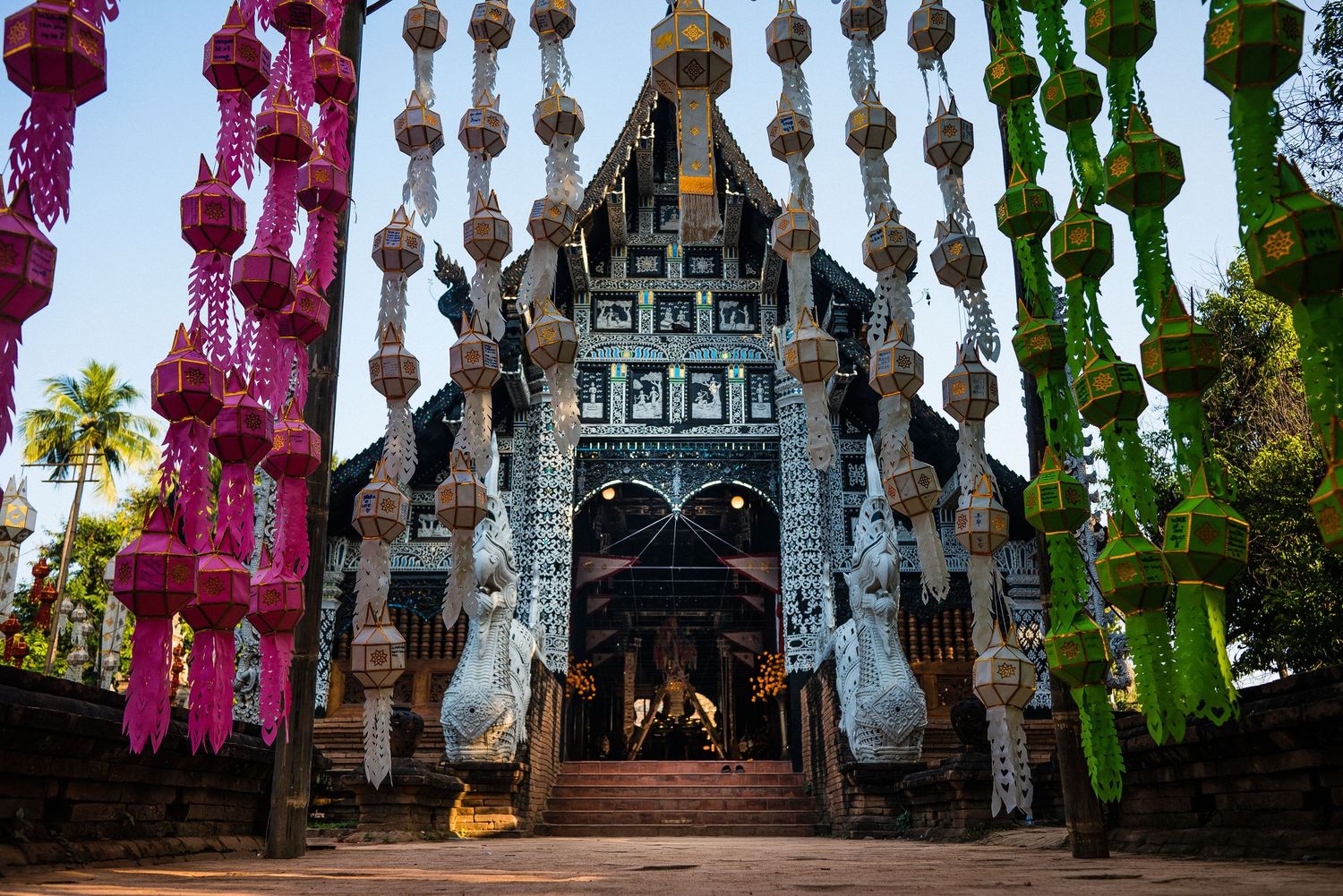
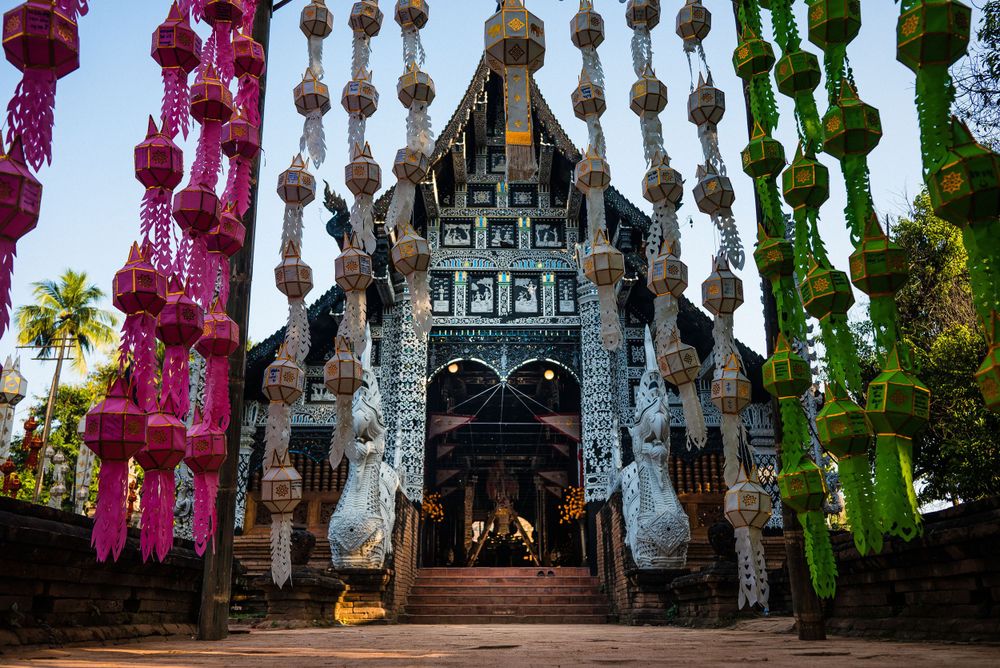
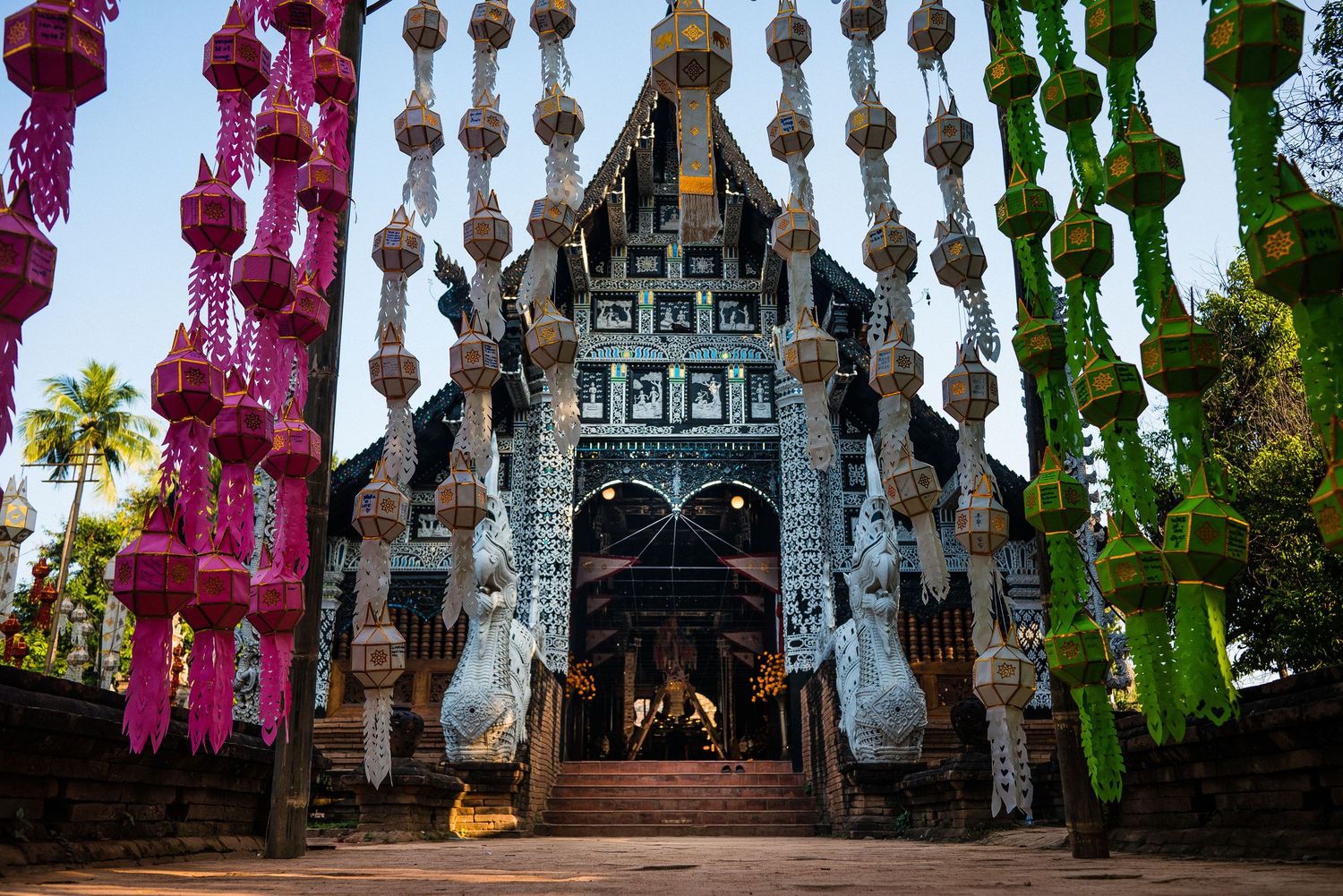
In addition to its natural beauty, the cool season is also a time of rich cultural celebration in Thailand. One of the highlights is the Loi Krathong festival, which takes place on the full moon in November. This event holds deep significance in the lunar calendar and marks the end of the rainy season. People all across the country express gratitude to the water spirits for the year's blessings by floating beautifully crafted, candle-lit rafts adorned with flowers and incense. Many participants write prayers on paper or add personal items like hair or nails to their rafts, symbolically releasing bad luck as they send the rafts drifting into the water. It’s a deeply spiritual occasion and one of the most enchanting celebrations in Thai culture.
In sum, November through January is the ideal time to visit Thailand, offering a pleasant climate, stunning natural beauty, exciting outdoor activities, and rich cultural traditions, making it a perfect destination for any traveller looking to experience the best of what the country has to offer.
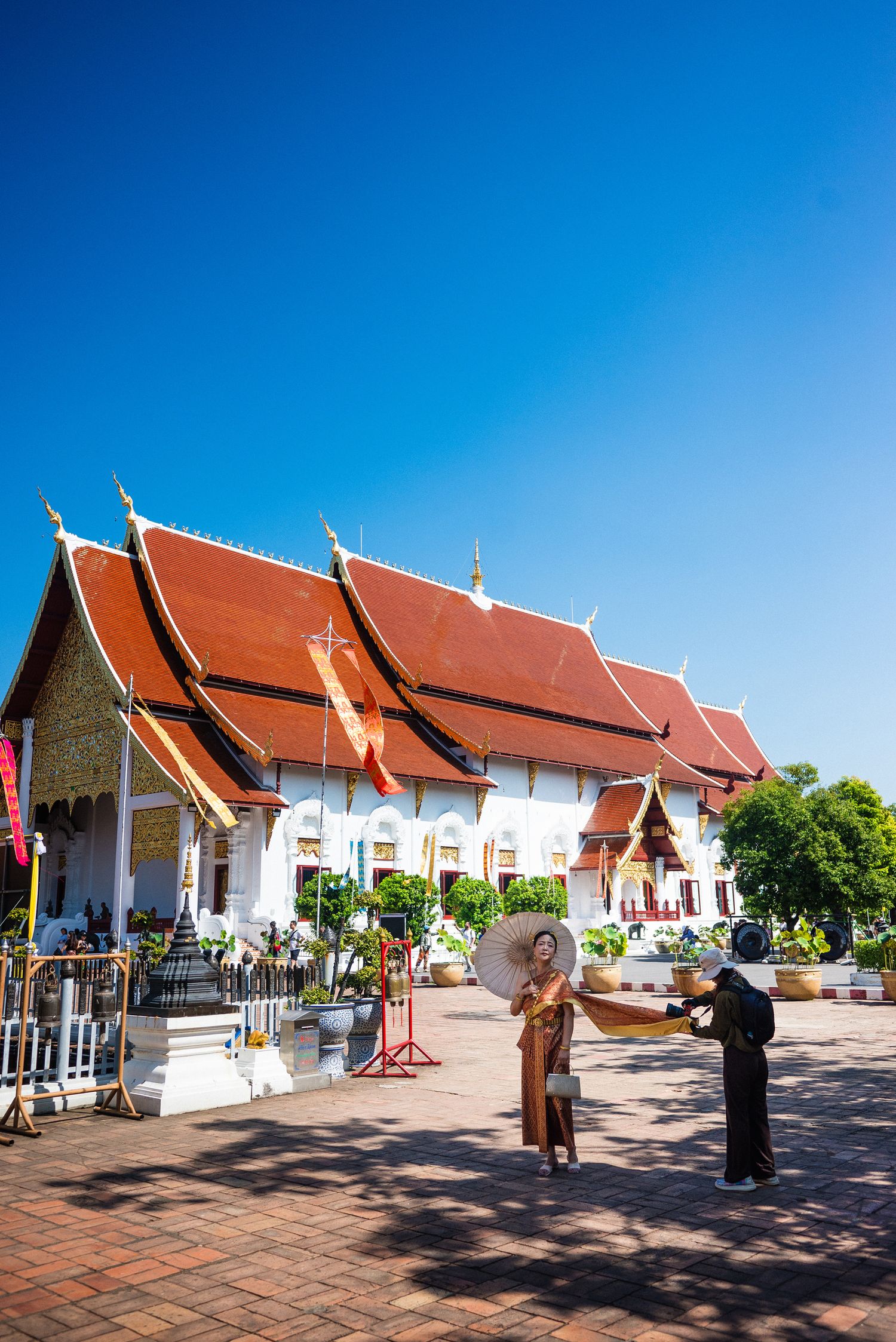
April in Chiang Mai is a time of vibrant celebration
As the city comes alive with Songkran, Thailand’s iconic three-day water festival marking the Thai New Year. While the temperatures soar to a blistering 30–40°C (86–104°F), the energy of Songkran offers a refreshing contrast. The festival officially takes place from April 13 to 15, but in Chiang Mai, the fun spills over from April 12 to 16, allowing extra time for the festivities.
During Songkran, the entire city transforms into a massive water battleground. Locals and visitors alike take to the streets, armed with water guns, while family and friends gather to honor their elders with traditional blessings. Chiang Mai is one of the top destinations for this celebration, with the Old City Moat becoming the epicenter of water fights, street concerts, and unrestrained revelry. If you prefer to stay dry, or are traveling with young children, it’s wise to stay in a hotel outside the Old City. This gives you the flexibility to enjoy as much or as little of the water-splashing excitement as you want. But April in Chiang Mai isn’t just about water fights—it’s also a time when the region’s food scene comes into full bloom. This is when some of the best seasonal produce is at its peak, and the culinary offerings are as vibrant as the festival itself. Mangoes, the quintessential summer fruit, reach their peak sweetness, their rich, juicy flesh oozing with sugary goodness. Mangosteens, known as the "queen of fruits," also make their seasonal appearance, offering a delicate balance of tart and sweet flavours.
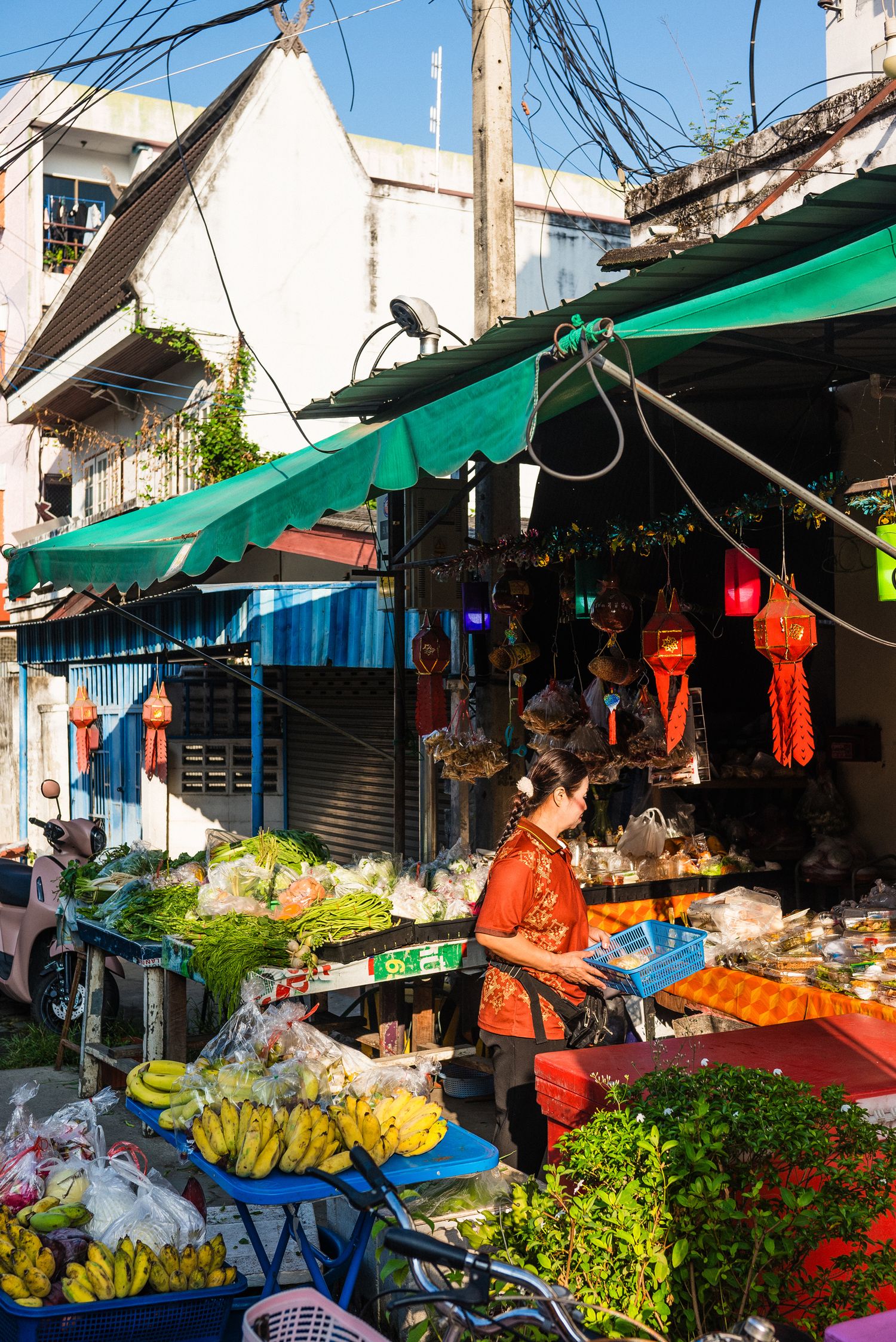
Additionally, the month of April sees the harvest of one of the region's more unusual delicacies: red ant eggs. These protein-packed morsels are highly sought after, prized for their unique taste and texture. Locals incorporate them into everything from hearty soups to crispy omelets, adding a delightful crunch and a savory umami flavor. You can find fresh mangoes, mangosteens, and red ant eggs at Warorot Market, a bustling hub for local produce and exotic ingredients.
For a more curated dining experience, head to Han Teung Chiangmai, a beloved local restaurant known for its Northern Thai specialties. Located conveniently close to Chiang Mai University and the historic Wat Umong Temple, Han Teung offers a menu that celebrates the flavors of the season. Whether you’re craving a refreshing mango salad or a dish incorporating the unique red ant eggs, this is the place to indulge in the tastes of April while soaking in the local culture.
In summary, April is not only the peak of summer in Chiang Mai, but also a time when the city’s culinary offerings shine. From the explosive fun of Songkran to the mouthwatering seasonal fruits and regional delicacies, this is the perfect month to dive into both the culture and cuisine of northern Thailand.
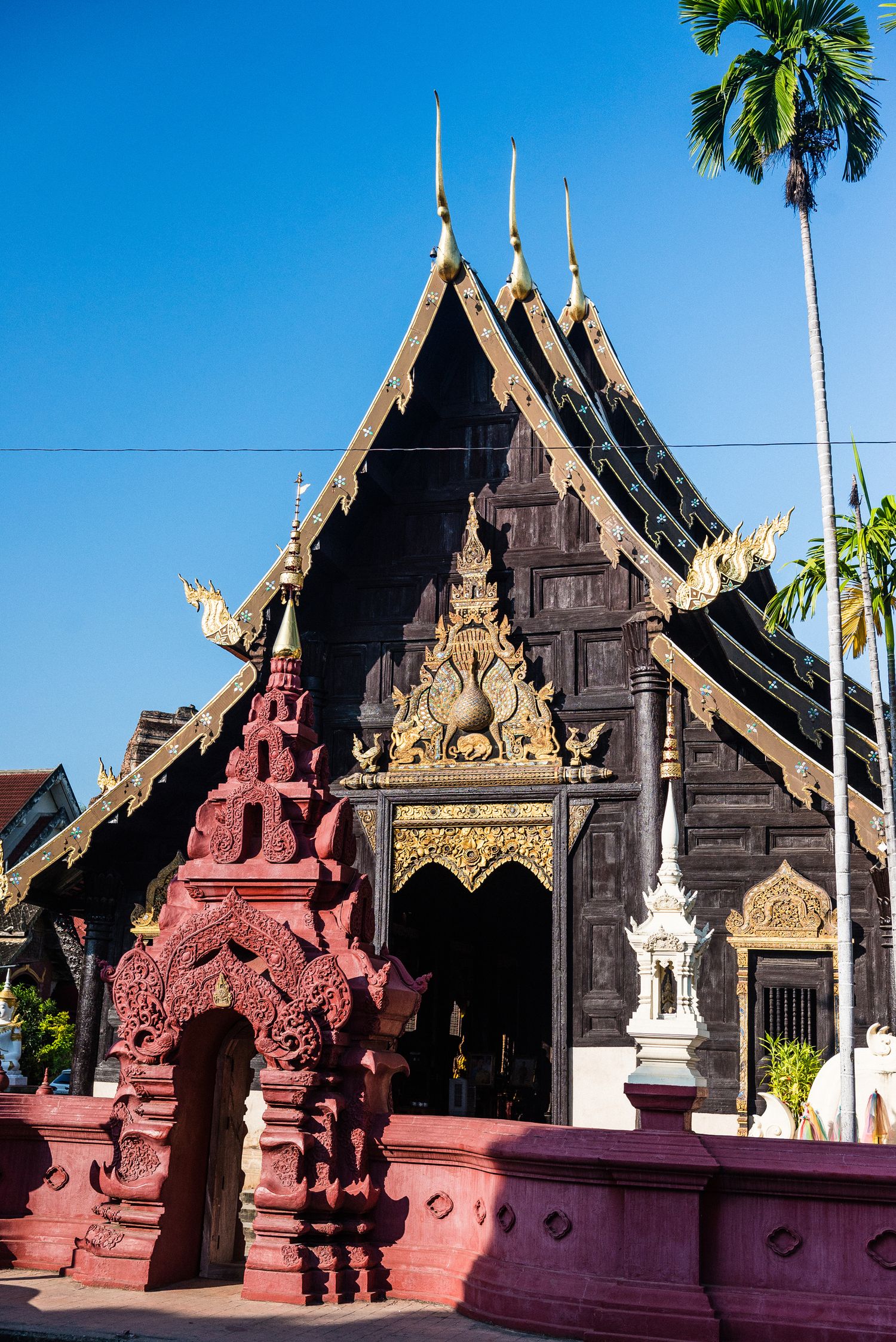
From May to October, Thailand’s rainy season ushers in lower prices
While the monsoon rains can be unpredictable compared to other regions, they bring lush, vibrant landscapes and dramatic skies that are a photographer’s dream.
In Northern Thailand, the rains typically arrive as short, intense downpours in the late afternoon or evening, keeping temperatures hovering around a warm, humid 30°C (86°F). There are, however, occasional stretches when the rain falls relentlessly for days, blanketing the region in a steady gray mist—an ideal trade-off for cooler temperatures and the absence of scorching sun.
During this time, Chiang Mai and its surroundings transform into a green paradise. Jungle forests, shimmering rice paddies, and mist-covered mountain peaks create a captivating backdrop. While the cloud cover can obscure distant views, a stay in a bamboo hut homestay in areas like Mae Wang or Chiang Dao offers a peaceful retreat. You can enjoy a cup of hot coffee while soaking in the natural beauty—without breaking the bank. It’s an authentic, budget-friendly experience.
Waterfalls, too, are at their most spectacular during the rainy season, with spots like Nam Tok Bua Tong (the Sticky Waterfall) and Mae Sa Waterfall being popular places for visitors to cool off and splash around. Keep in mind that in recent years, authorities have become more vigilant about flash flooding, so there may be occasional closures to ensure the safety of travelers.
For those seeking a bit of music and culture, head to Pai in July for the annual Pai Jazz & Blues Festival. This charming mountain town comes alive with a packed schedule of outdoor performances at cafes and bars, continuing rain or shine. It’s the perfect way to experience the rainy season’s atmosphere while enjoying great live music in a laid-back setting. Overall, the rainy season offers a more tranquil side of Thailand. With lower rates, fewer crowds, and the beauty of nature in full bloom, it’s an ideal time to explore the country at a slower pace, with the occasional refreshing downpour adding to the charm.
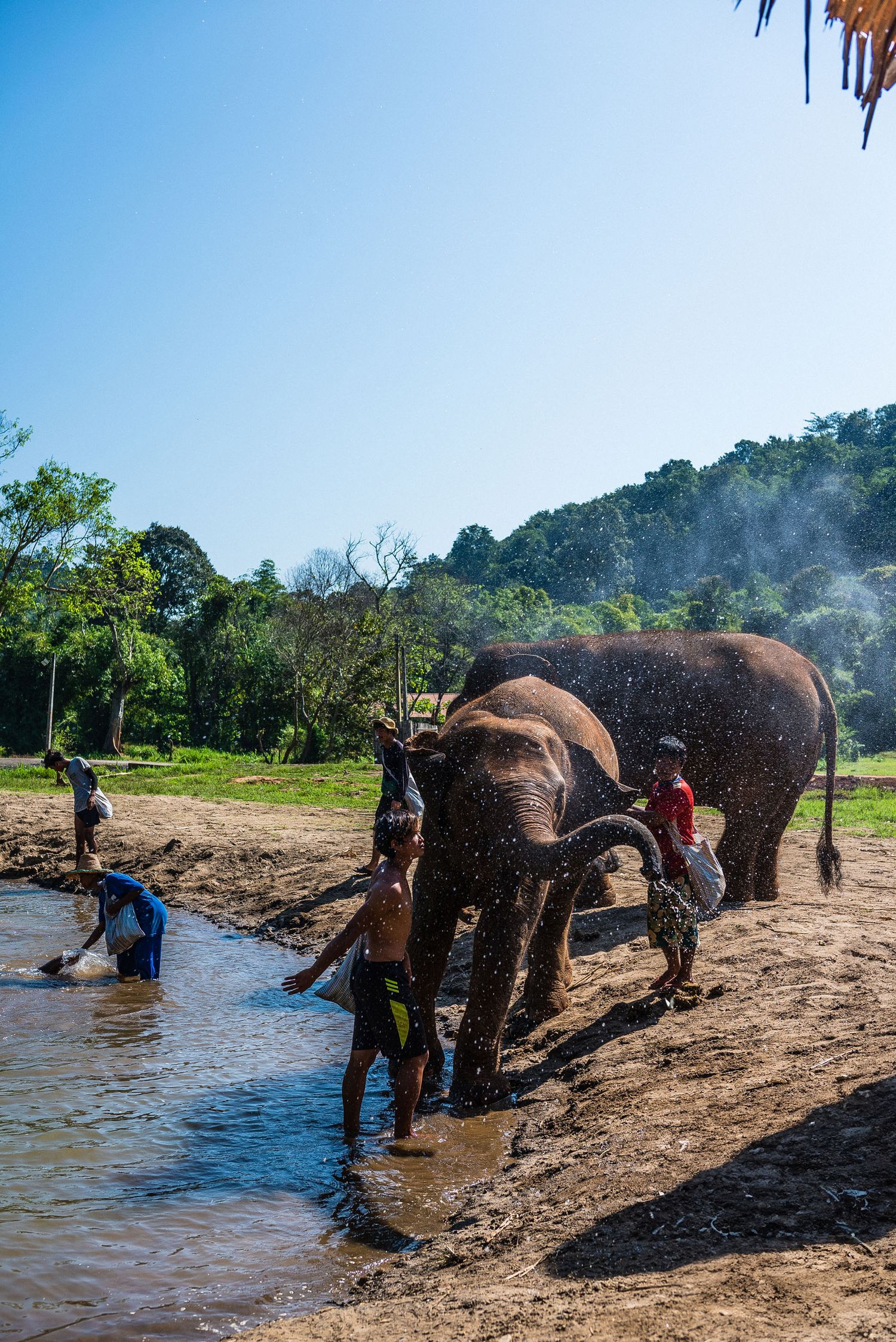
Ran-Tong Save & Rescue Elephant Centre
Chiang Mai is an excellent base for visiting various elephant sanctuaries, offering visitors the chance to experience Thailand’s elephants up close. However, one crucial factor to keep in mind when choosing a sanctuary is the ethical treatment of the elephants. Not all elephant experiences are created equal, and it's essential to ensure that the animals are treated with respect and compassion. In this review, I'll provide a detailed breakdown of my experience at the Ran-Tong Save & Rescue Elephant Centre, a place hopefully dedicated to elephant rescue, rehabilitation, and ethical care.
November 2024