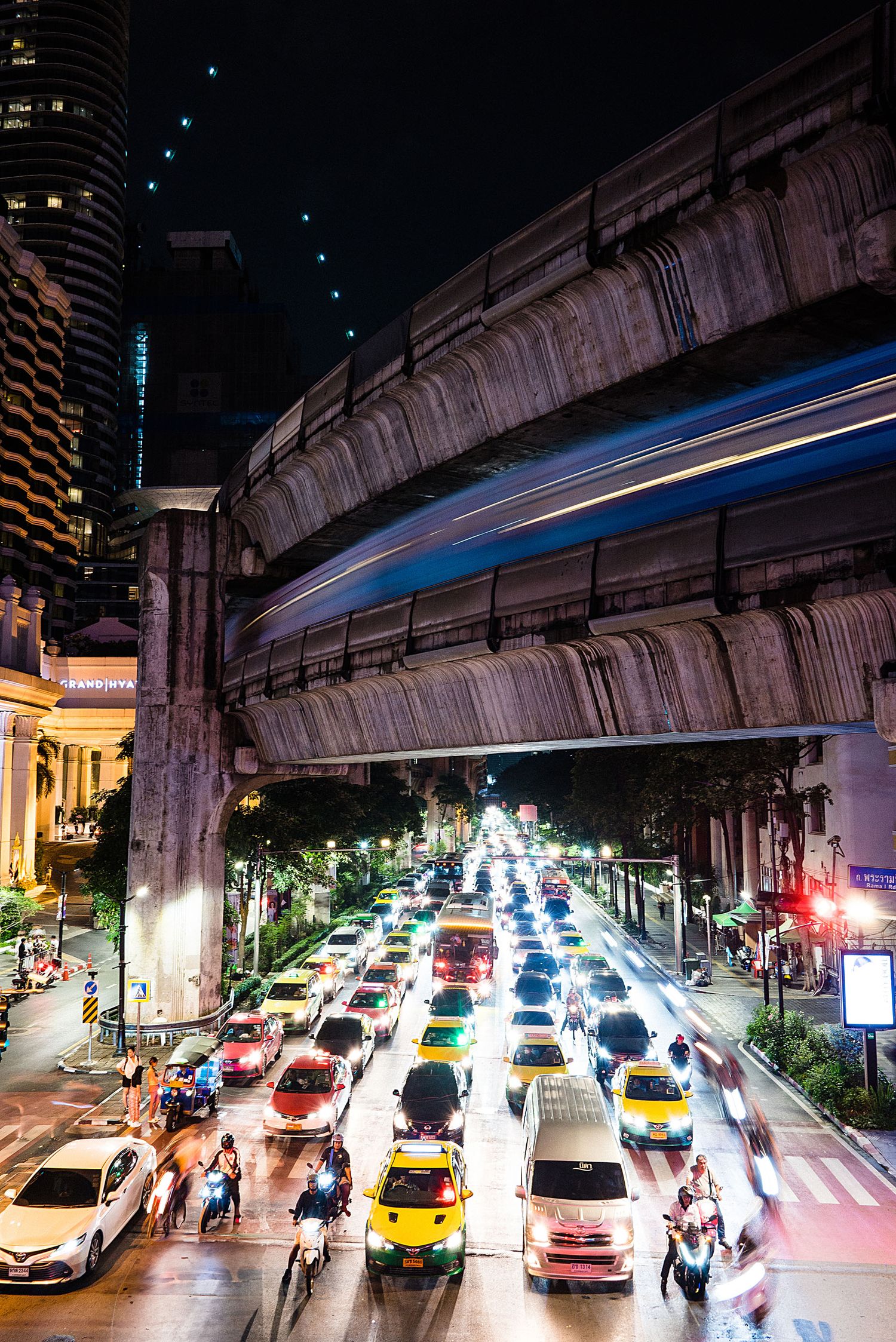
Visiting Thailand in 2025 Up to date information
Thailand has long been a popular destination for travellers, offering everything from bustling cities and historical landmarks to idyllic beaches and rich cultural experiences. As we look ahead to 2025, let's talk about some questions you need to know the answer to before visiting one of my favourite countries.
Do I Need a Visa to visit Thailand?
Nationals of the United Kingdom, along with citizens from 92 other countries can visit Thailand for tourism without requiring a visa. Visitors are allowed to stay for up to 60 days under this visa exemption, so you do not need a visa if your stay is within this period. It's valid for six months with a 60-day stay limit per visit.
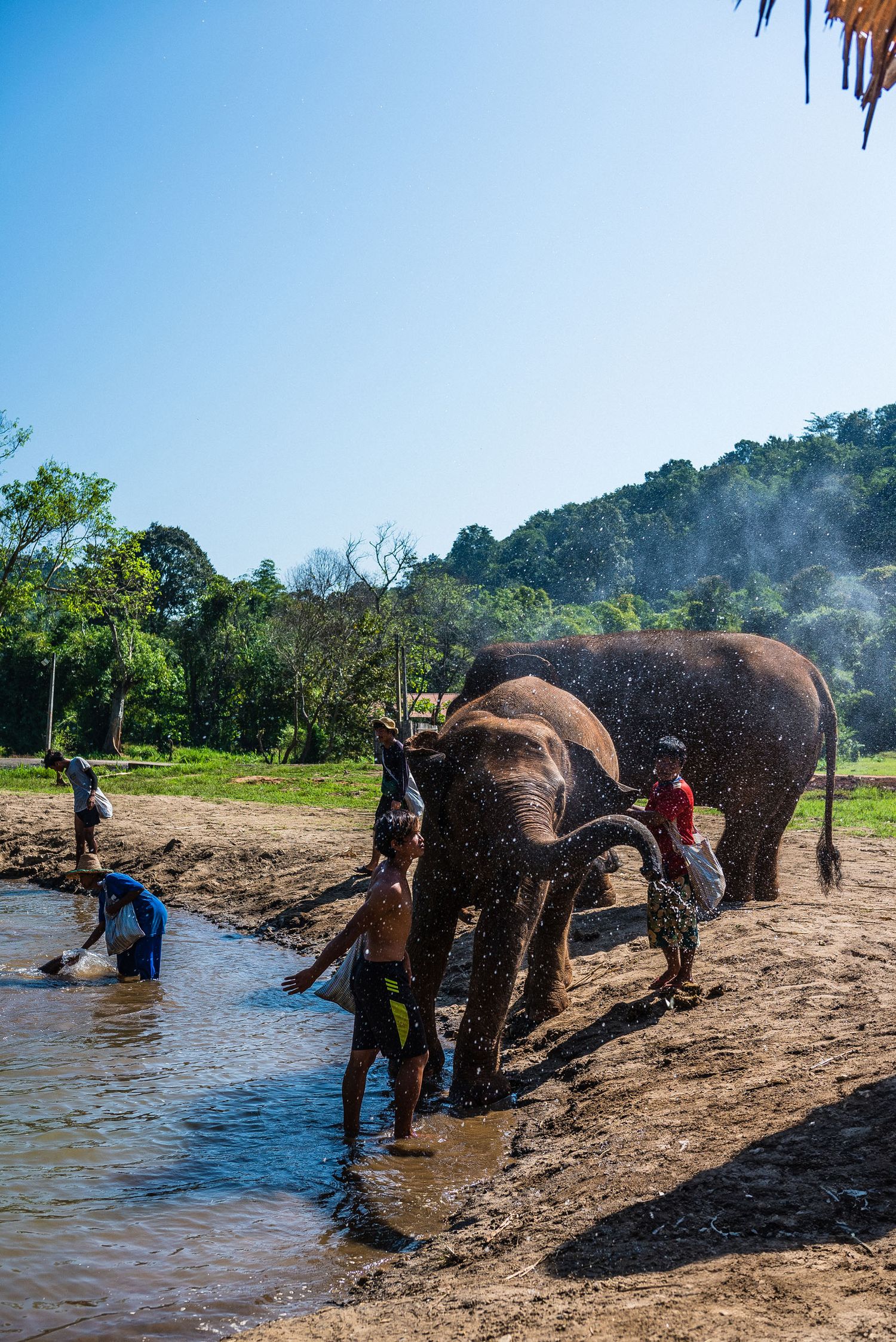
When is the Best Time to Visit Thailand?
The best time to visit Thailand depends on the type of experience you're looking for, as the country has a tropical climate with distinct seasons. Generally, Thailand is a year-round destination, but understanding the weather patterns will help you decide when to go:
November to February (Cool, Dry Season)
This is widely considered the best time to visit Thailand. The weather is cooler and dry, making it perfect for outdoor activities like sightseeing, hiking, and exploring the beaches. Expect pleasant temperatures,
especially in northern regions like Chiang Mai, where it can be cooler (but still warm/hot) in the evenings.
Ideal for: Beach holidays, trekking, and sightseeing.
Pros: Comfortable weather, low humidity, ideal for outdoor adventures.
Cons: This is the peak tourist season, so popular spots can get crowded, and prices may be higher, although my last trip to Thailand was in November, and it didn't feel crowded or I noticed much of a price difference.
March to May (Hot Season)
During these months, Thailand experiences hot and dry weather, with temperatures soaring, particularly in inland areas like Bangkok and Chiang Mai. The heat can be intense, especially in April, which is typically the hottest month of the year.
Ideal for: Visiting islands with cooler sea breezes (e.g., Phuket, Koh Samui), enjoying water activities.
Pros: Fewer tourists compared to peak season, lower accommodation prices.
Cons: High temperatures can make outdoor activities uncomfortable; inland areas can be extremely hot.
June to October (Rainy Season)
This is Thailand's monsoon season, with the southwest monsoon bringing regular showers, especially in coastal areas like Phuket and Krabi. However, the rain usually comes in short, heavy bursts and doesn't last all day, and the landscape becomes lush and green.
Ideal for: Visiting less crowded destinations, enjoying lower prices, and experiencing Thailand’s natural beauty.
Pros: Fewer tourists, cheaper flights and accommodation, lush landscapes.
Cons: Unpredictable weather, some tourist attractions (like remote islands) may be harder to access due to rain and rough seas.
Best Time for Specific Activities
For Beaches and Islands: November to April is the best time for sunny, beach-friendly weather.
For Festivals: The Thai New Year (Songkran) in April and Loy Krathong in November are two of the most exciting cultural celebrations in the country.
For Trekking and Outdoor Adventures: November to February offers the best weather for hiking and exploring northern Thailand’s mountains.
Ultimately, the best time to visit Thailand will depend on your preferences for weather, activities, and budget. If you want perfect beach weather, aim for the cool, dry season. But if you're looking for fewer crowds and cheaper prices, the rainy season might still offer a great experience with a little flexibility.
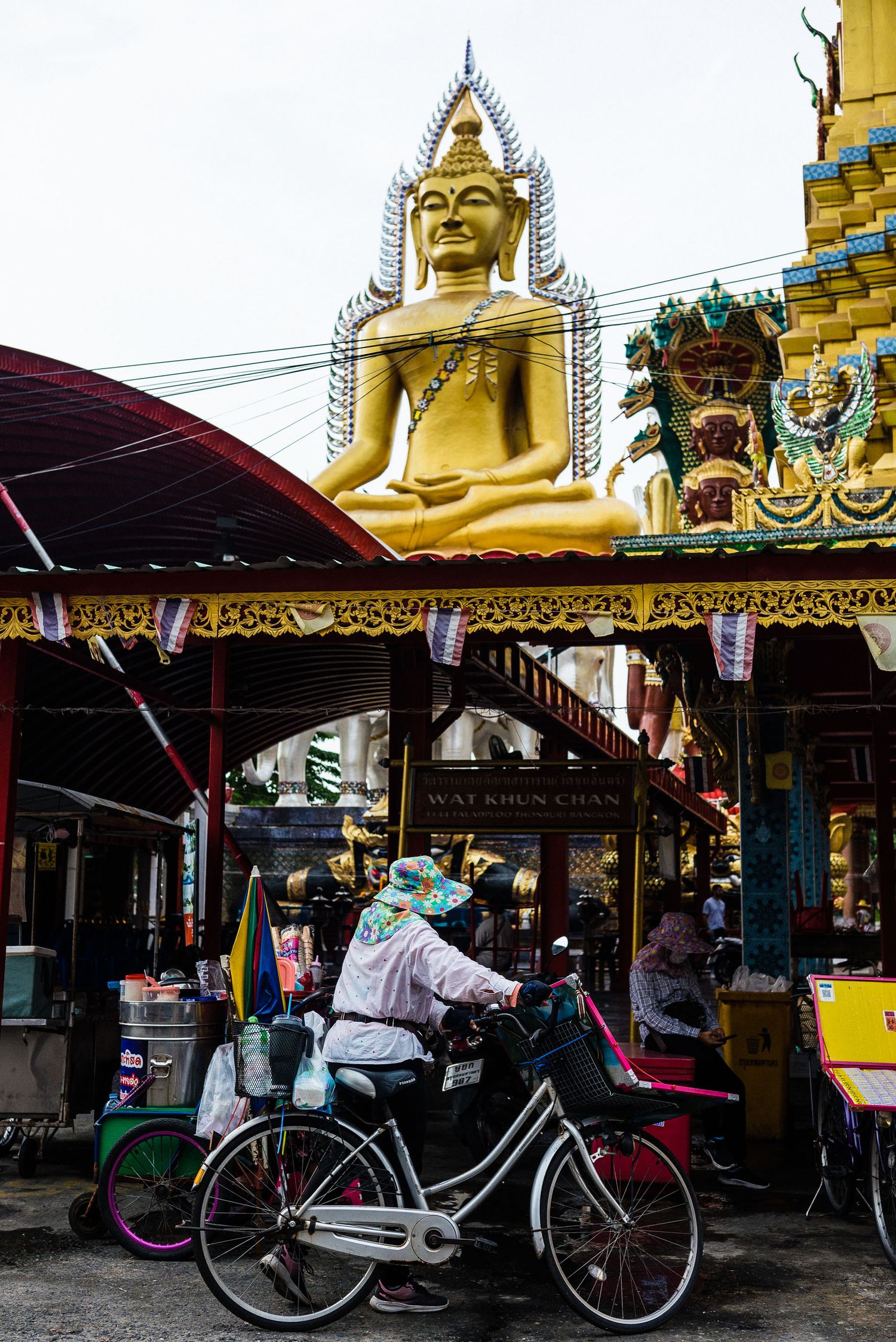
Is Thailand Safe for Travelers?
Thailand is one of Southeast Asia's most popular travel destinations, drawing millions of tourists each year with its stunning beaches, However, as with any destination, the question of safety often arises. Is Thailand safe for travellers? Overall, Thailand is considered a relatively safe destination for tourists. The country has a well-developed tourism industry, which means infrastructure is robust, and locals are accustomed to visitors from around the world. In fact, Thailand consistently ranks as one of the safest countries in Southeast Asia for tourists. That said, like any popular tourist destination, there are certain safety concerns you should be aware of. While violent crime against tourists is rare, petty crime, scams, and accidents can happen. As with many tourist-heavy destinations, petty theft is one of the most common issues. Pickpocketing, bag-snatching, and scams targeting foreigners can occur, particularly in busy areas like markets, beaches, and popular tourist attractions. However, this can happen almost anywhere in the world.
Scams Targeting Tourists
Thailand has earned a reputation for various scams that specifically target tourists. These include the "gem scam," where tourists are convinced to buy overpriced gems, or the "tuk-tuk scam," where you may be taken to overpriced shops after a ride. Another common scam is the "Grand Palace Closed" scam, where you’re told that a popular attraction is closed for a special event and offered an alternative tour. These scams are easy to avoid and once you have educated yourself a bit about the common scams you won't have any problems.
Road Safety and Traffic
Thailand has a high rate of road accidents, and the roads can be chaotic, especially in busy cities like Bangkok. Motorbikes are a popular mode of transportation, and accidents involving tourists on rented bikes are not uncommon. Additionally, the quality of roads can vary outside major cities, so be cautious when travelling in rural areas. To me personally, this feels like the biggest risk. When in Thailand I love using Grab to order a bike to get around. There have been a few occasions where it has felt very dangerous, and in hindsight, I should have asked to end the journey early and order a different motorbike rider.
Food and Water Safety
The Thai food scene is world-renowned, and street food is a huge part of the experience. However, food safety can be a concern for some travellers. While food from reputable stalls and restaurants is usually safe, street food from less sanitary places can lead to foodborne illnesses.
Stick to food from busy, well-established stalls or restaurants. Avoid tap water (which may not always be safe to drink) and opt for bottled water instead. It's also a good idea to carry some basic anti-diarrheal medicine with you in case of food-related issues.
Vaccinations and Health Precautions
Before travelling to Thailand, it’s recommended to check if you need any vaccinations. Common vaccinations recommended for travellers to Thailand include Hepatitis A and B, Typhoid, and Tetanus. If you’re visiting rural areas or engaging in outdoor activities, you may also consider getting vaccinated for Japanese Encephalitis or Malaria, depending on your itinerary. If this will be your first time travelling to Asia, see getting these vaccinations as an investment as they can keep you safe in many other countries around the world.
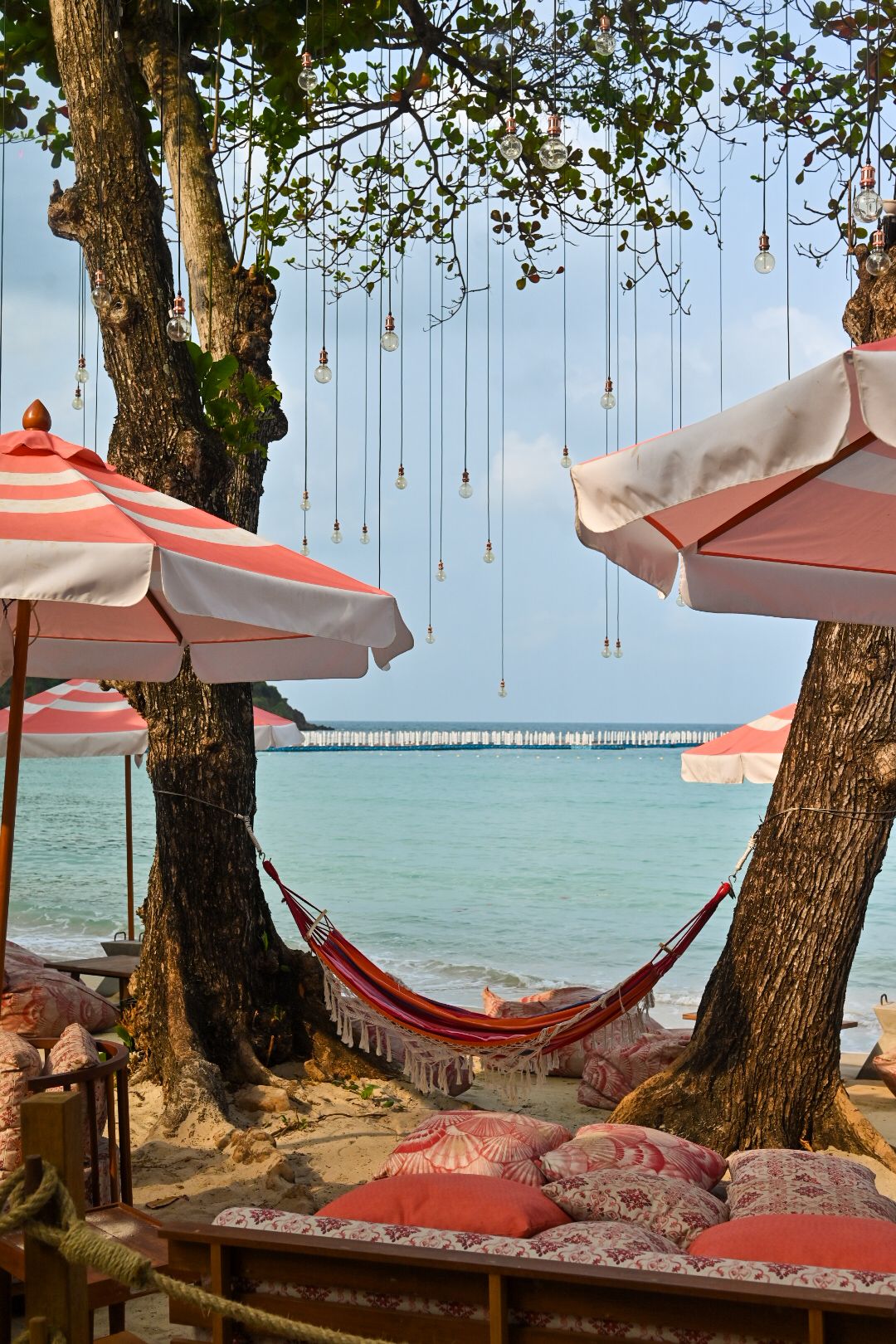
Is It Easy to Get Around in Thailand? A Traveler's Guide
Getting around Thailand is relatively easy thanks to a wide range of transportation options that cater to different budgets and preferences. Whether you’re exploring the bustling streets of Bangkok or travelling between islands, there are several ways to get from point A to point B
Taxis and Ride-Hailing Apps
In major cities like Bangkok, Chiang Mai, and Pattaya, taxis are one of the most convenient ways to get around. Taxis in Thailand are affordable compared to Western standards, and the drivers are usually friendly. However, the key to a smooth experience is ensuring that the meter is running. Many taxi drivers may try to negotiate a flat rate, especially for tourists, but insisting on using the meter will save you money.
In addition to traditional taxis, ride-hailing apps like Grab (the Southeast Asian equivalent of Uber) are widely used across Thailand. Grab allows you to book taxis, private cars, and even motorbike taxis directly from your smartphone. One of my biggest tip is to Download grab and register a payment method before arriving in Thailand. I find it so much easier than dealing with taxis.
BTS Skytrain and MRT Subway (Bangkok)
In Bangkok, the BTS Skytrain and MRT Subway are incredibly convenient and efficient ways to navigate the city, especially during rush hours when traffic congestion is at its peak. The Skytrain is elevated and covers most of the city's key areas, including popular districts like Sukhumvit, Silom, and Siam. The MRT, while underground, connects other important areas, such as Chatuchak Market and the historic city centre.
Both systems are clean, air-conditioned, and affordable. Tickets are easy to purchase at ticket machines, and routes are well-signposted in English.
Tuk-Tuks
Tuk-tuks are iconic in Thailand and offer a unique way to travel short distances. They are three-wheeled vehicles that are especially popular in touristy areas like Khao San Road in Bangkok or Chiang Mai’s Old City. While tuk-tuks can be a fun and memorable experience, they’re not always the most practical option for long journeys or busy streets. Negotiate the price beforehand and always ask for a price before hopping in. Don't be surprised if the first price offered is ridiculous, you can almost always haggle down to a more reasonable rate.
Intercity Travel: Buses, Trains, and Flights
Buses
Buses are one of the most popular and affordable ways to travel between cities and regions in Thailand. From Bangkok, you can easily take a bus to places like Chiang Mai, Ayutthaya, Pattaya, and the southern islands like Krabi and Phuket. The bus stations in major cities are well-connected and offer a variety of options, from budget buses to more luxurious VIP coaches.
Long-distance buses usually come with air-conditioning, and the ride can be comfortable, especially on overnight buses. Tickets can be bought at the station or booked online in advance.
Trains
Thailand's train network is another great way to get around, especially if you’re looking for a more scenic journey. Trains in Thailand are divided into different classes, from the budget-friendly third-class carriages to more comfortable first-class sleeper trains. The most famous route is the overnight sleeper train between Bangkok and Chiang Mai, which provides a unique and affordable way to travel north.
Domestic Flights
Thailand is a large country, and sometimes the fastest way to travel between major cities and tourist destinations is by plane. The country has several low-cost carriers, such as AirAsia, Nok Air, and Thai Lion Air, which offer affordable flights between cities like Bangkok, Chiang Mai, Phuket, Krabi, and Koh Samui.
Airports are generally well-connected by public transport, taxis, or ride-hailing apps, making transfers convenient.
Island Hopping: Ferries and Boats
Thailand is famous for its beautiful islands, and exploring them is one of the highlights of any trip. Getting from one island to another is typically done by ferry or speedboat.
Ferries and Speedboats
To travel between popular islands such as Koh Samui, Koh Phi Phi, Koh Tao, and Koh Lanta, ferries and speedboats are the primary modes of transportation. Ferries are slower but more affordable, while speedboats are quicker but can be a bit pricier. The ferry terminals are usually well-organized, and tickets can be easily purchased online or at the port.
Motorbike Rentals
Renting a motorbike is a popular option for getting around smaller cities, towns, and rural areas. In places like Chiang Mai, Pai, and the islands, renting a scooter or motorbike allows you the freedom to explore at your own pace. Rental shops are abundant, and prices are relatively low. However, road conditions can vary, and driving in Thailand can be chaotic.
Travel Insurance: Always have travel insurance that covers transportation-related incidents, including accidents or cancellations.
Navigation Apps: Google Maps and local apps like Grab can help you navigate efficiently and avoid getting lost. You will be surprised how well Google Maps can work in remote areas.
How Cheap is Traveling and Staying in Thailand?
Thailand is one of Southeast Asia's most affordable travel destinations, offering great value for money in terms of accommodation, food, transport, and activities. Whether you're backpacking on a budget or looking for mid-range or luxury experiences, Thailand caters to all types of travellers. .
Accommodation Costs
Budget: Hostels and guesthouses are very affordable, ranging from $5 to $15 USD per night for dormitory beds and $10 to $25 USD for private rooms.
Mid-Range: A 3-star hotel or guesthouse will typically cost $25 to $60 USD per night.
Luxury: High-end resorts and boutique hotels range from $80 to $200
Food and Dining
Street Food: Thailand’s street food is incredibly cheap, with meals costing between $1 to $3 USD. Dishes like pad thai, satay, and mango sticky rice are must-tries.
Restaurants: Casual restaurants charge $5 to $10 USD per meal. Western food and upscale dining can cost $8 to $15 USD per dish.
Coffee and Drinks: A cup of coffee costs around $1 to $3 USD, while fresh fruit juices and Thai iced tea are typically $1 to $2 USD.
Transportation Costs
Public Transport: In cities like Bangkok, the BTS Skytrain and MRT subway cost between $0.50 to $1.50 USD per ride. In other cities, local buses and songthaews are usually $0.50 to $2 USD.
Tuk-Tuks and Taxis: Short tuk-tuk rides cost around $2 to $5 USD; taxis start at $1.50 USD (make sure the meter is on).
Motorbike Rentals: Renting a scooter costs about $5 to $10 USD per day.
Trains and Buses: Long-distance travel by train or bus is affordable, typically $5 to $30 USD depending on the class and destination.
Activities and Attractions
Cultural Sites: Entrance fees to temples and cultural sites range from $1 to $5 USD, with some popular ones charging up to $15 USD.
National Parks: Entry fees for parks like Erawan or Khao Sok are usually $3 to $10 USD. Activities like hiking and snorkelling are affordable, though organized tours can be pricier.
Island Activities: Island tours start at $20 to $40 USD for day trips. Snorkelling, kayaking, and exploring waterfalls are also budget-friendly.
Overall, Thailand is a budget-friendly destination. It’s still possible to travel comfortably without breaking the bank. However, if you plan to go to Thailand with a similar budget you would take for a trip somewhere like Western Europe or the US, you can definitely expect to be living the high life.
Help Support the Blog
If you’d like to support this website at no additional cost to yourself, and you're in need of a website host/builder or a foreign currency card, please consider using the affiliate links on the right. In addition to supporting the site through affiliate links, you can also purchase prints of most of the photos featured in my blogs. Your purchase helps keep the content coming and supports the work I do. Thank you for your support!"

Pixieset Website
get $20 off
Travel debit card
Earn £10 free
Etsy Store