Visiting Wadi Al Arbeieen
Wadi Al Arbeieen (also spelled Wadi Al Arbaeen) is one of Oman’s most spectacular and least crowded wadis. Tucked deep into the Eastern Hajar Mountains, this dramatic canyon offers turquoise pools, palm-filled oases, towering rock walls, hidden waterfalls, and some of the most rewarding swimming and hiking experiences in the country.
Unlike more famous wadis such as Wadi Shab or Wadi Bani Khalid, Wadi Al Arbeieen remains largely untouched by mass tourism. Getting here requires effort, navigation skills, and respect for nature but that’s exactly what makes it so special.
This guide brings together everything you need to know in one place: how to get there, where to park, exact hiking routes, swimming spots, safety advice, what to wear, and how far you can realistically explore.
Wadi Al Arbeieen – Quick Facts
- Location: Eastern Hajar Mountains, Oman
- Distance from Muscat: ~90 minutes by car
- Best time to visit: October to April
- Difficulty: Easy to moderate (route dependent)
- Main highlights: Turquoise pools, waterfalls, canyon scenery
- Swimming: Yes – multiple natural pools
- Vehicle needed: SUV recommended, 4WD after rain
- Facilities: None
- Entrance fee: Free
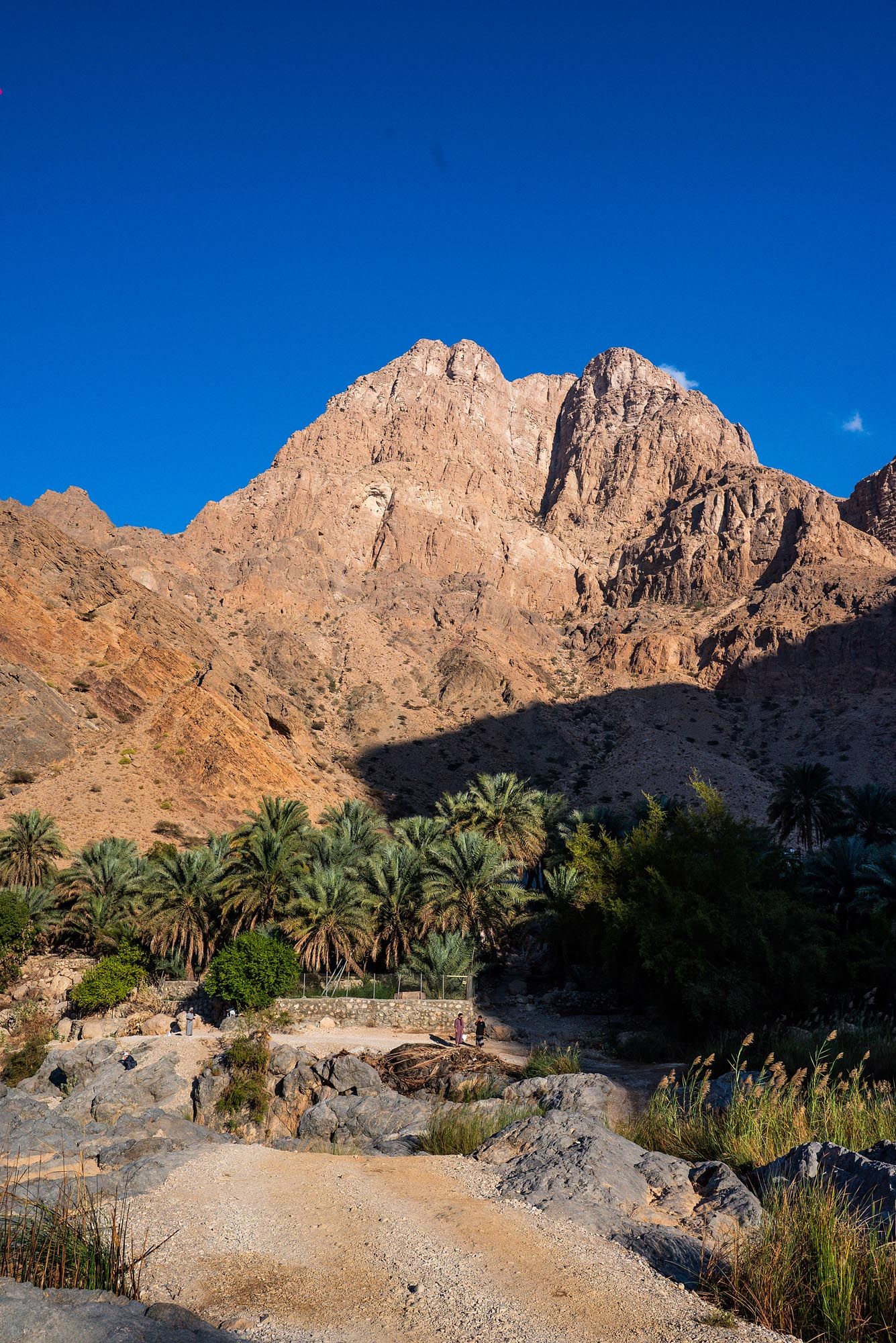
Wadi Al Arbeieen is absolutely worth visiting if you’re looking for a more adventurous and less commercial wadi experience in Oman. It’s wild, scenic, and feels untouched, with emerald pools and dramatic canyon walls. The hike involves some scrambling and navigation, but that’s part of what makes it rewarding. If you enjoy exploring and swimming in natural settings rather than following paved paths, this wadi is well worth the effort.
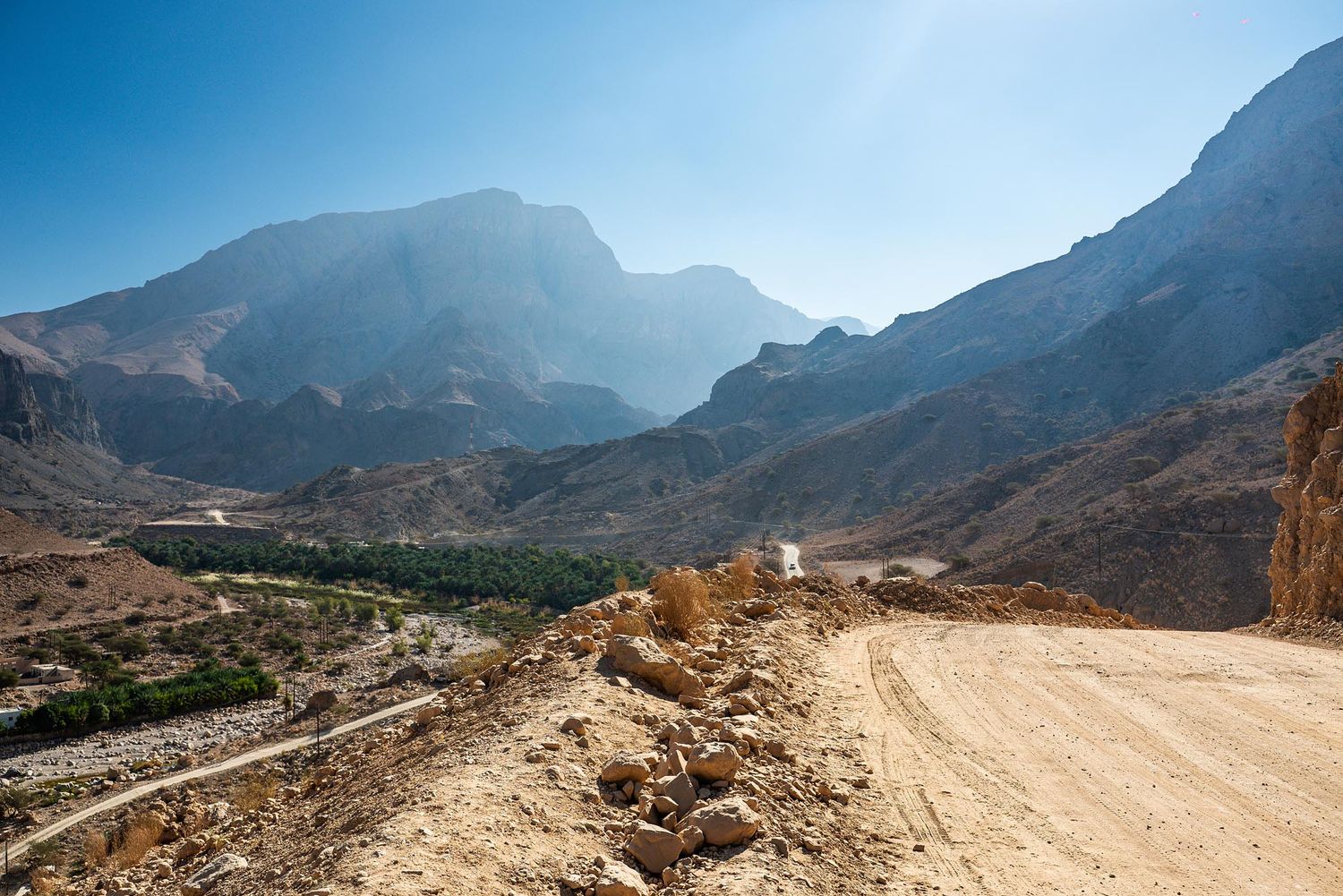
Where Is Wadi Al Arbeieen?
📍 Quick Facts: Where Is Wadi Al Arbeieen?
- Region: Eastern Hajar Mountains
- Distance from Muscat: ~90 minutes by car
- Nearest Town: 3 km from Wilayat Quriyat
- Access Routes:
- From Muscat via Highway 17 (4WD recommended)
- Terrain: Mountain wadi with deep freshwater pools and rocky canyon paths
- Travel Tip: Best visited by 4WD; after heavy rains, some parts may only be navigable for a few kilometres
Wadi Al Arbeieen is tucked away in the dramatic Eastern Hajar Mountains of Oman, around 90 minutes’ drive from Muscat, making it one of the best and easiest day trips from the capital (if you have a car). The wadi also sits just 3 kilometres from Wilayat Quriyat, placing it within easy reach for anyone exploring Oman’s eastern coastline.
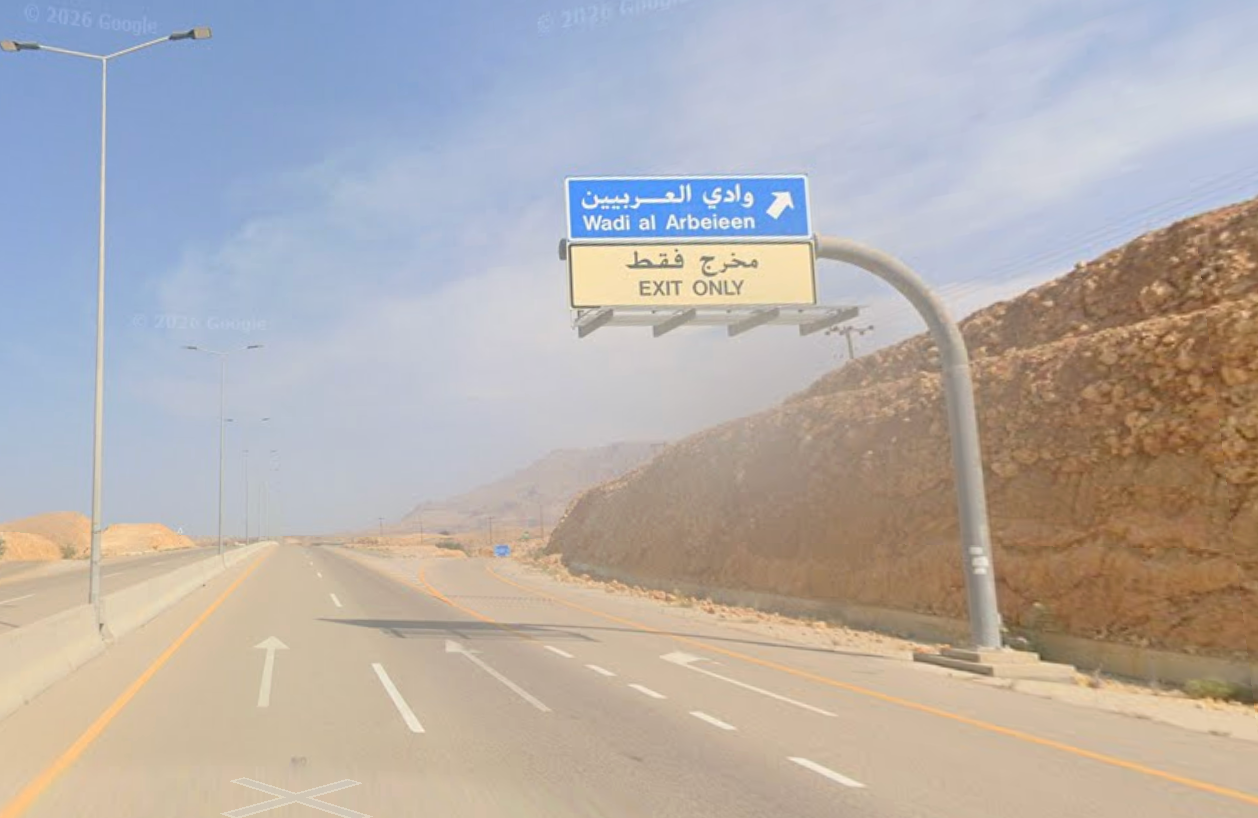
You can reach Wadi Al Arbeieen via Highway 17, before turning inland toward the mountains. A 4WD is generally recommended, especially after heavy rain when sections of the track can become uneven, rocky, or partially flooded.
That said, I actually ended up visiting in a sedan after being let down by my rental company. While it is possible to reach the wadi without a 4WD in dry conditions, there were definitely moments where I would have felt far more comfortable in a larger vehicle with better ground clearance. If you have the choice, go for the 4WD — it just makes the whole experience less stressful and more enjoyable.
The turning off Highway 17 is very clear and easy to spot. I was advised by the hotel I was staying at in the wadi to turn off Google Maps after taking this exit, as they said it would send me the wrong way. However, in my experience, Google Maps actually did a great job and kept me on track.
The key thing to remember is that when the road changes from asphalt to gravel, you need to turn left. There is a sign clearly indicating this left turn, but this was another piece of advice given to me by the hotel. It’s very important that you take this left turn.
Why Visit Wadi Al Arbeieen?
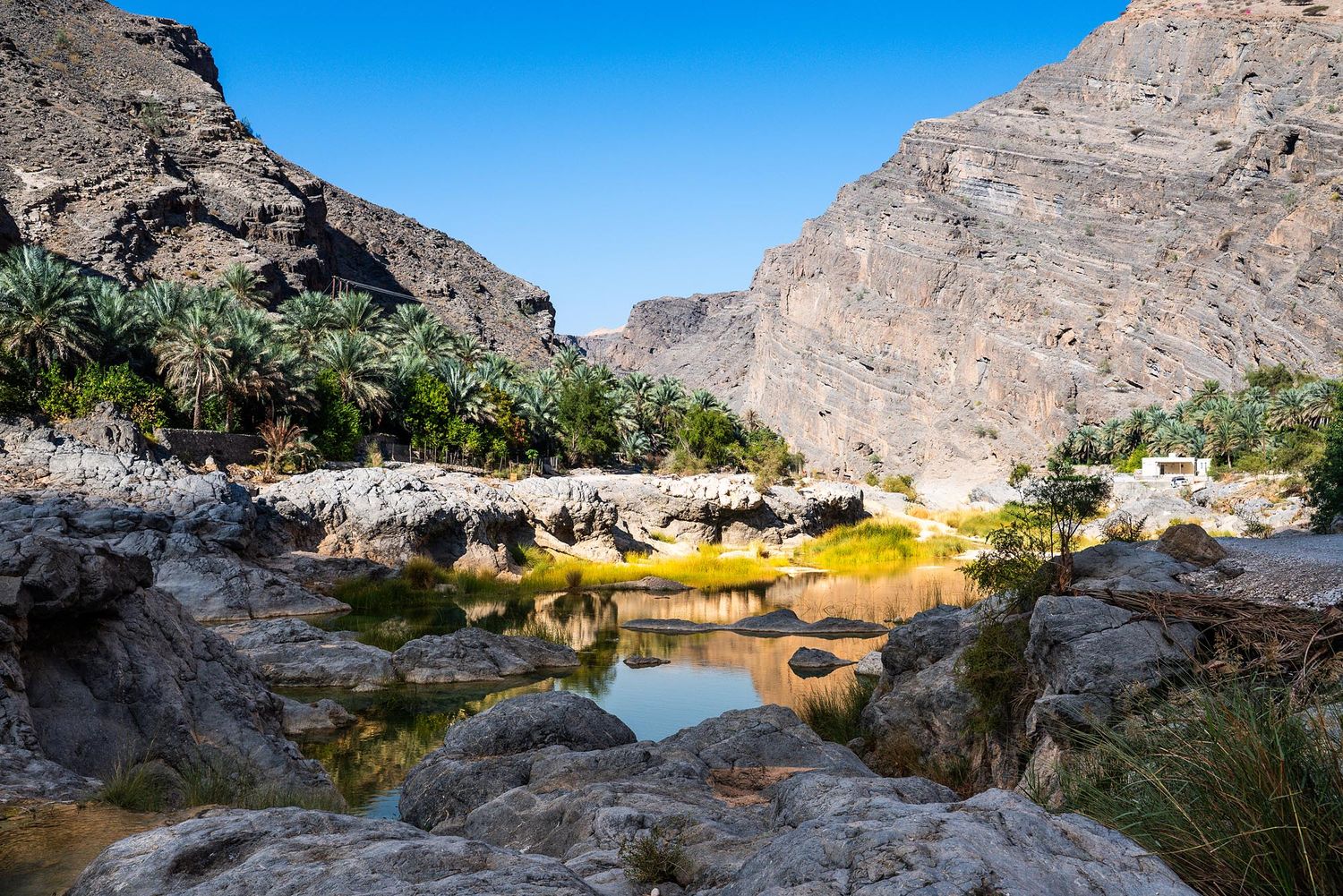
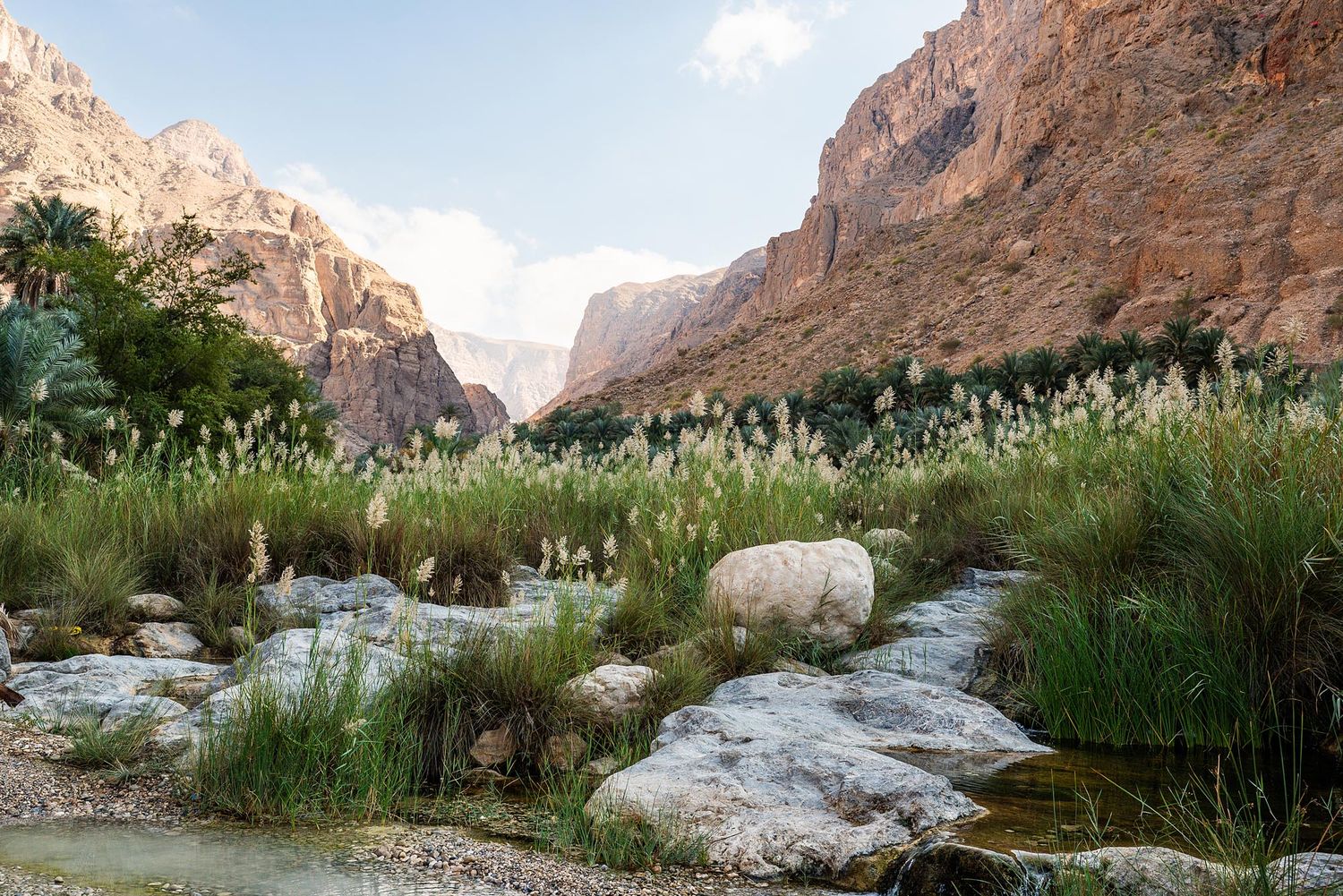
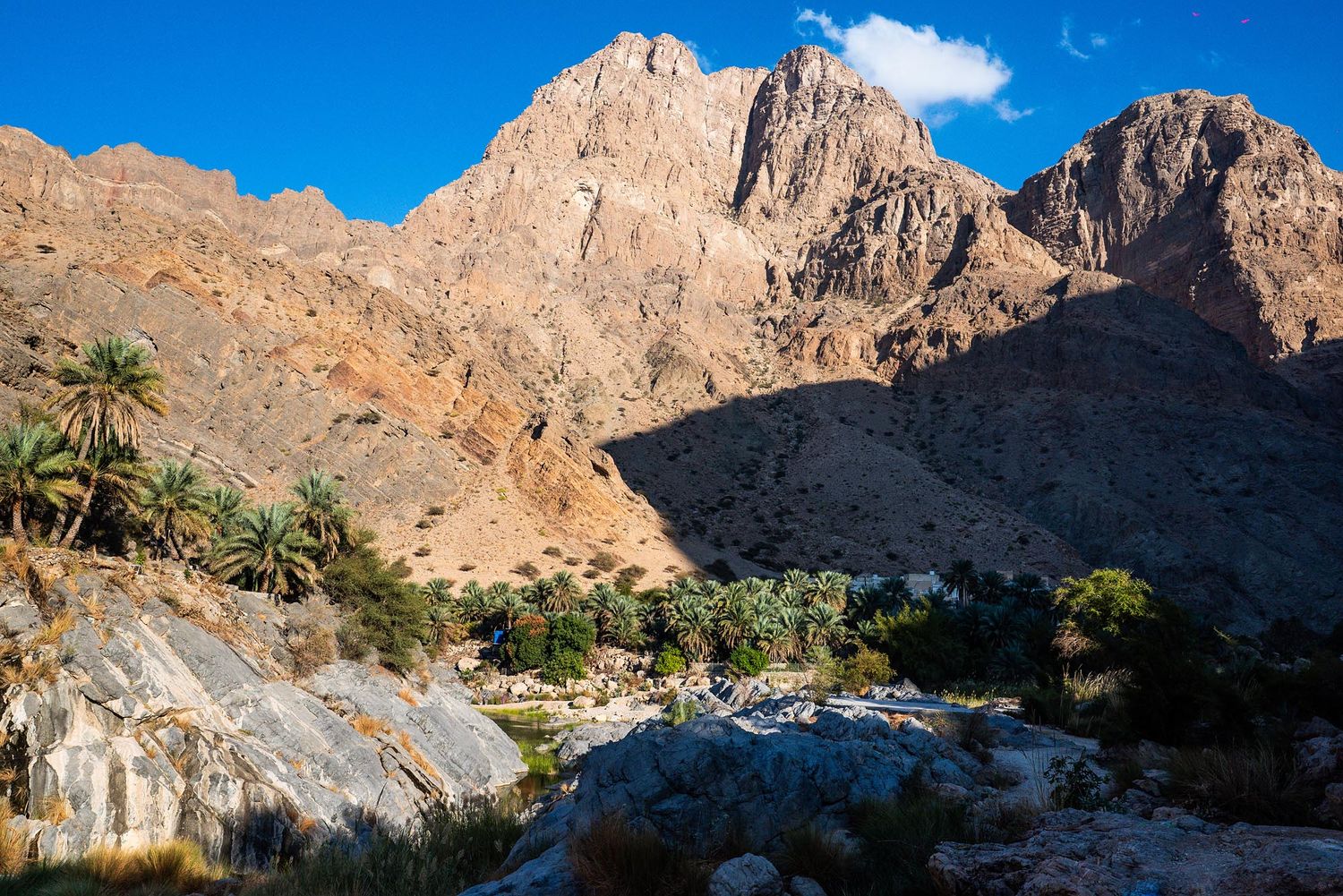
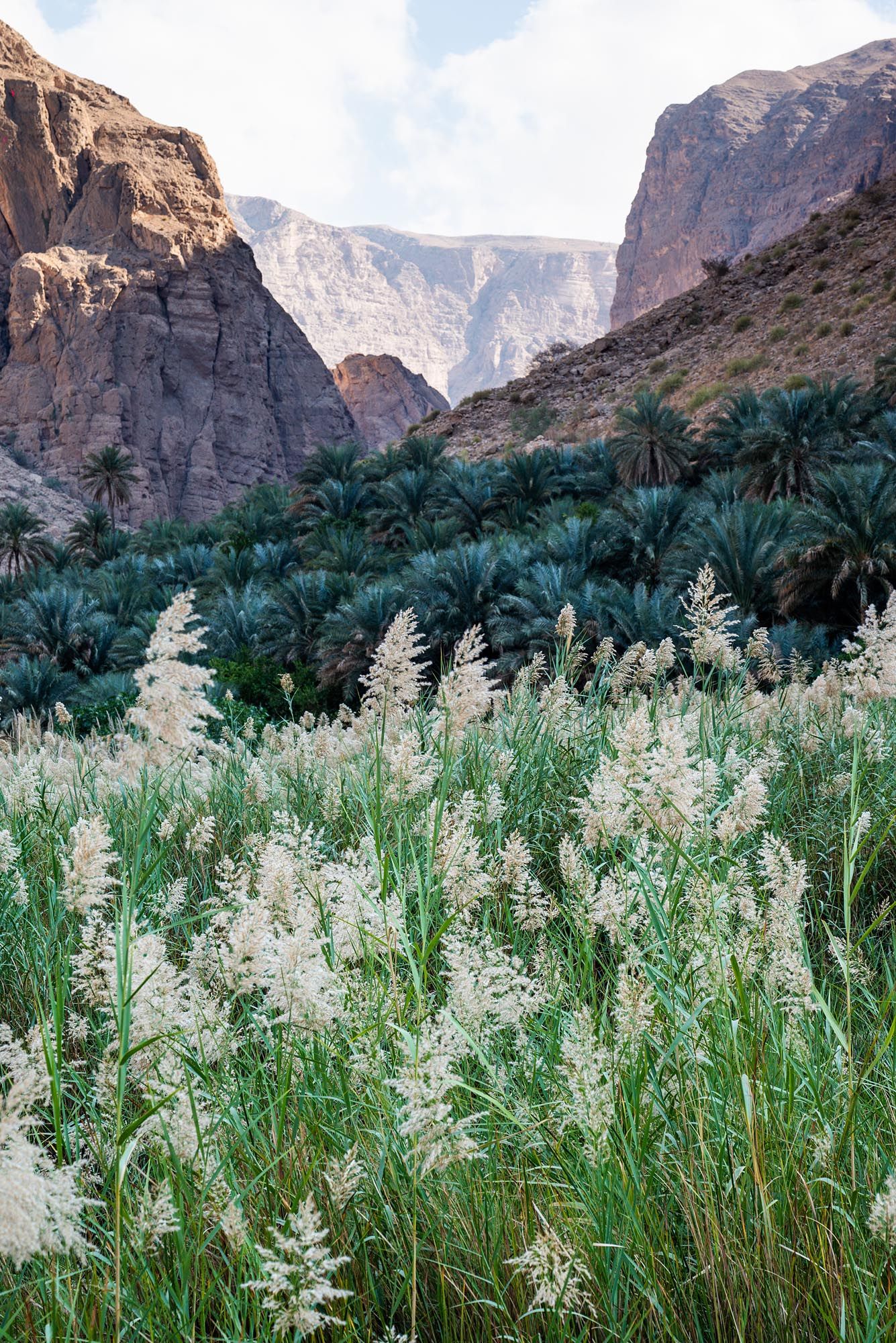
Wadi Al Arbeieen is often described as one of the most beautiful wadis in Oman, and after visiting, I can completely see why. The setting is pretty dramatic, with huge canyon walls on either side, bright green palm trees, and pools of clear emerald and turquoise water.
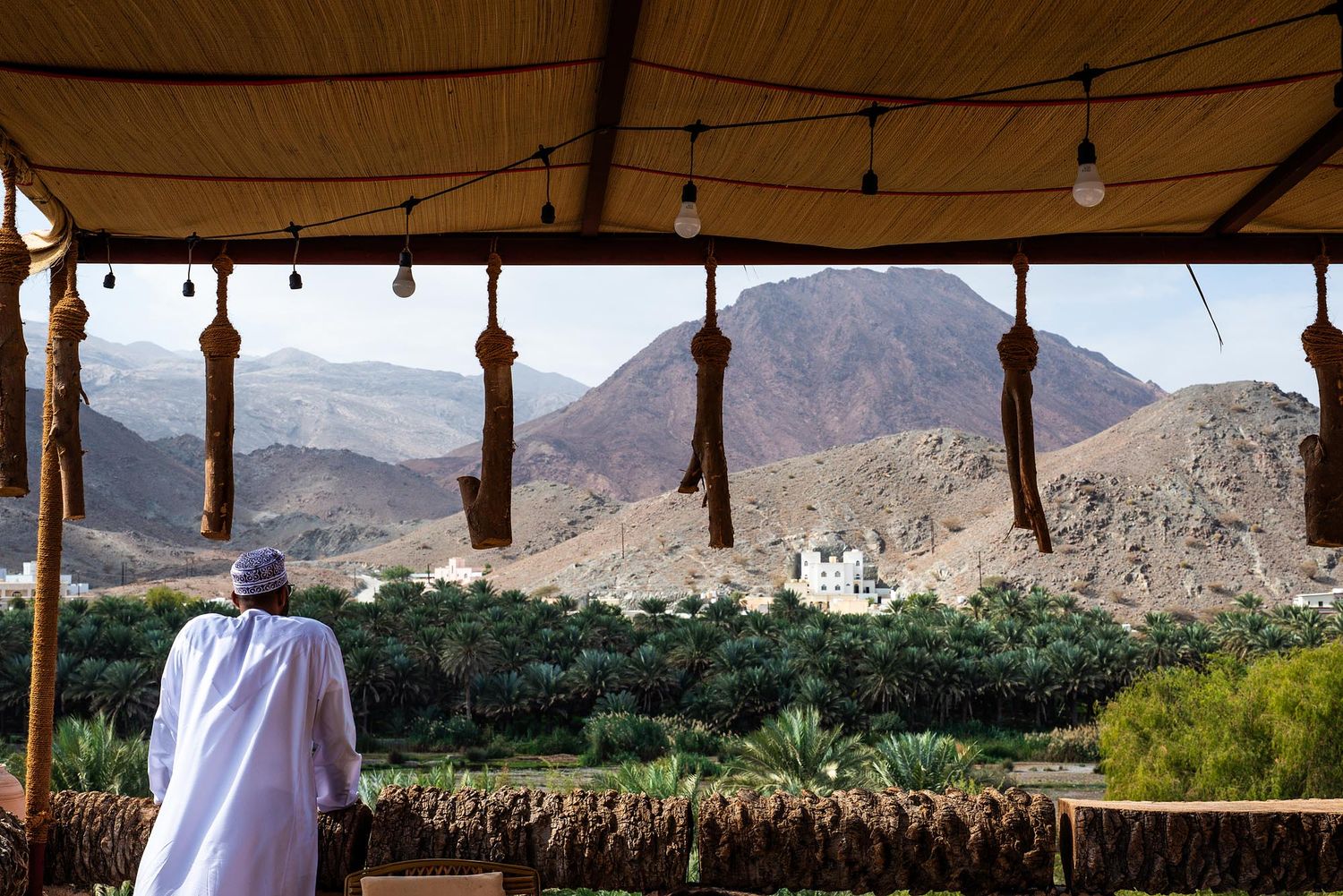
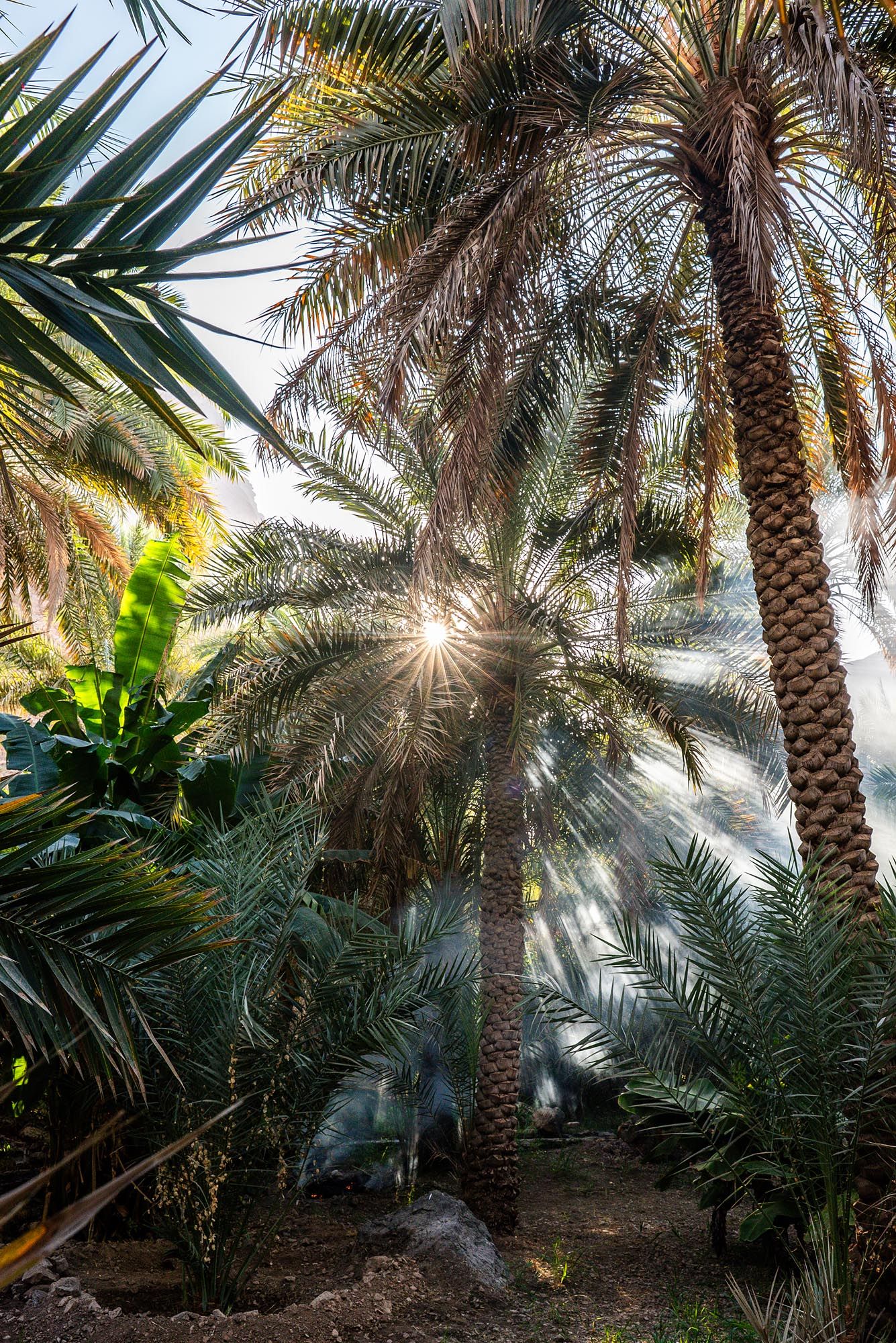
The water flows through much of the wadi year-round, fed by spring and rainwater from the Eastern Hajar Mountains. As you walk further in, you pass small falaj irrigation channels and pockets of farmland that show how important this water source is to the surrounding villages. It doesn’t feel staged or built for tourism — it feels lived-in and natural. Seeing the falaj was really interesting, especially as their importance was referenced so much in the two books I read about Oman before my trip. They also featured heavily in the documentary I watched about Oman.
The main reason I chose Wadi Al Arbeieen wasn’t just because it’s beautiful. It was because it’s quieter. When most people visit Oman and want to see a wadi, they usually head to Wadi Shab from Muscat. It’s stunning, but it’s also one of the most popular and tour-heavy spots in the country. For this part of my trip, I wanted something different. I wanted to experience the landscape in solitude. I wanted to enjoy the mountains without crowds — although you will struggle to find a crowd anywhere in Oman.
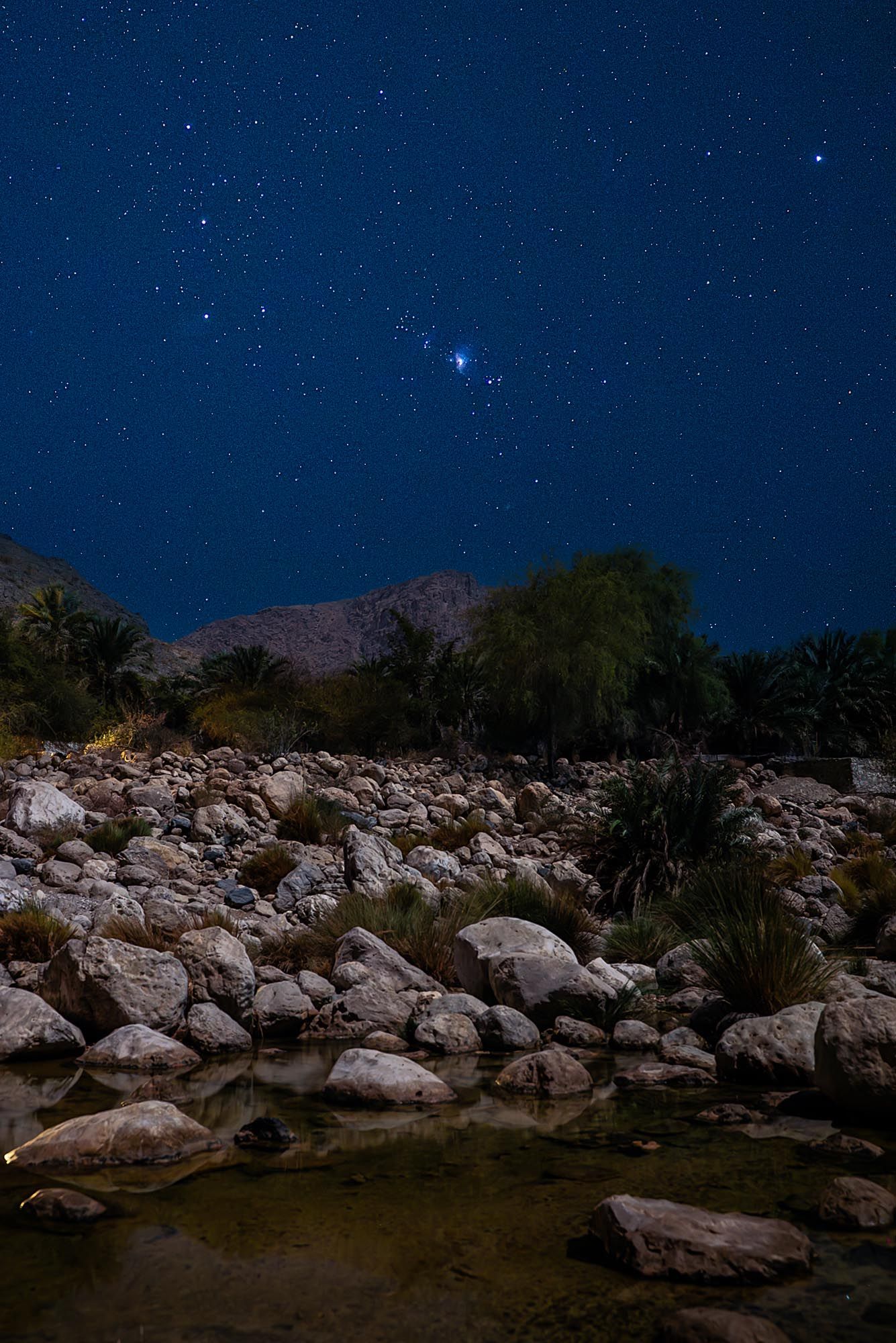
Another big draw for me was that there are a few hotel options in the area. I wanted to experience the wadi in the evening, see the stars, and wake up early to watch the sunrise hit the canyon walls. That simply wouldn’t be possible if I had taken one of the typical day tours.
Wadi Al Arbeieen feels more adventurous too. You’re not just walking along a clear tourist path. You scramble over rocks, cross through water, and if you go far enough, you’ll need to swim. Because there are fewer visitors, it still feels like a bit of a discovery.
If you’re looking for the most famous, most photographed, easiest-access wadi in Oman, there are other options. But if you want dramatic scenery, fewer crowds, and the chance to properly experience Oman’s mountain landscape at your own pace, Wadi Al Arbeieen is hard to beat.
Getting to Wadi Al Arbeieen
There is no public transport to Wadi Al Arbeieen, so driving is the only way to get there, whether that’s in a rental car or as part of a tour. During the planning stages of my trip, I looked into the cost of hiring a private car to take me to the wadi and back to Muscat. The lowest price I found was 100 OMR (around £190). Depending on your group size, that could actually work out cheaper than booking a tour. However, if you don’t want to drive yourself, I think a tour would be the best option outside of hiring a rental car.
Where to Park Wadi Al Arbeieen
There is no official car park, but once you arrive it becomes obvious where to park, as other cars will already be there. You are basically parking at the side of the track or wherever you can squeeze your car in.
📍 23.033652, 58.991539 – parking location on Google Maps
Parking space is limited, and weekends or midday can be busier.
Wadi Al Arbeieen Hiking Overview
Personally, this hike was one of the absolute highlights of my visit to Wadi Al Arbeieen.
Hiking Wadi Al Arbeieen is nothing like walking along a well-marked trail. In fact, I went the wrong way on my first attempt at this hike. Basically, once you have parked your car, you will start walking towards the wadi and will want to head down towards the water — don’t follow the road that goes up the hill to the left. That will lead you to the very small village of Al Sawayh. You’ll see the first emerald pool after about 340 metres. It’s shallow at first and perfect for dipping your feet. Even this short section already gives you a sense of the dramatic canyon walls and bright green palm trees
The Falaj Route (500 m–1 km, Moderate, 20–30 mins)
We hired a local guide to take us along the Falaj route, but you can easily do it yourself. To continue, follow the falaj irrigation channel that runs beside the stream. This ancient water system leads you deeper into the wadi, past date plantations and irrigated farmland. The falaj is fascinating to see in action and gives a real sense of how the water sustains the villages here. Walking this section feels a bit like stepping back in time — it’s quiet, green, and incredibly scenic.
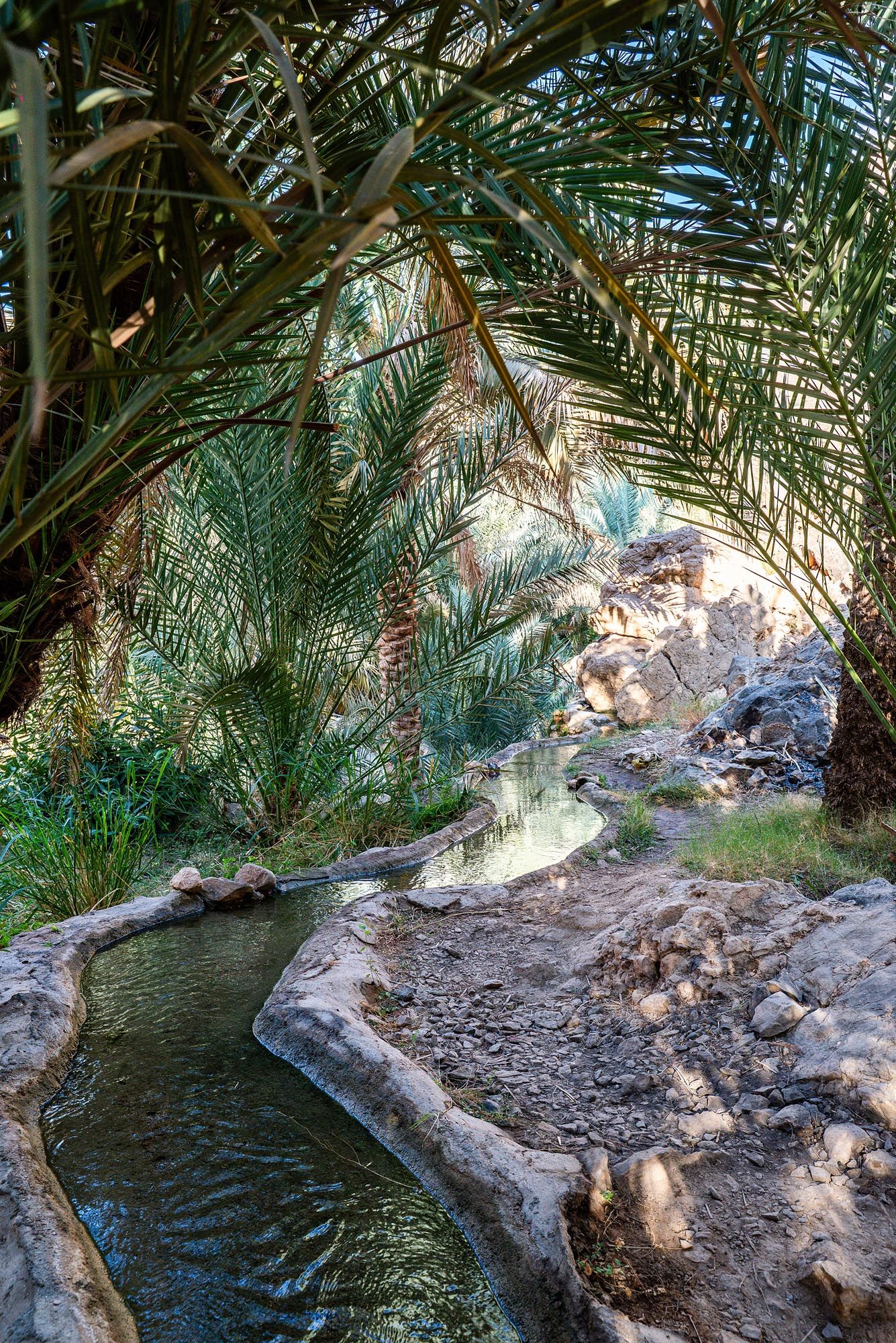
The Boulder Scramble (1–1.5 km, Moderate–Challenging, 30–45 mins)
The falaj eventually ends, and this is where the hike gets a little more adventurous. You’ll find yourself stepping down into the wadi floor, scrambling over boulders, and winding through narrow channels. There are small cairns and occasional paint marks to guide you. The terrain is uneven, rocks can be slippery, and there’s no path, so keep your wits about you. This section is also where the deeper pools begin, perfect for a refreshing dip.
The Waterfall Push (1.5–2 km+, Challenging, 30–60 mins)
If you keep going, you’ll reach the main waterfall pool — the jewel of Wadi Al Arbeieen. Wide, clear, and emerald-colored, this is the kind of spot you want to linger in. The water is deep enough for swimming, and the waterfall itself is incredibly photogenic. Beyond here, the hike becomes progressively harder with deeper water crossings and larger boulders. Most visitors turn around at the waterfall, which makes it easy to enjoy a peaceful experience without crowds.
Swimming Spots & Pools at Wadi Al Arbeieen
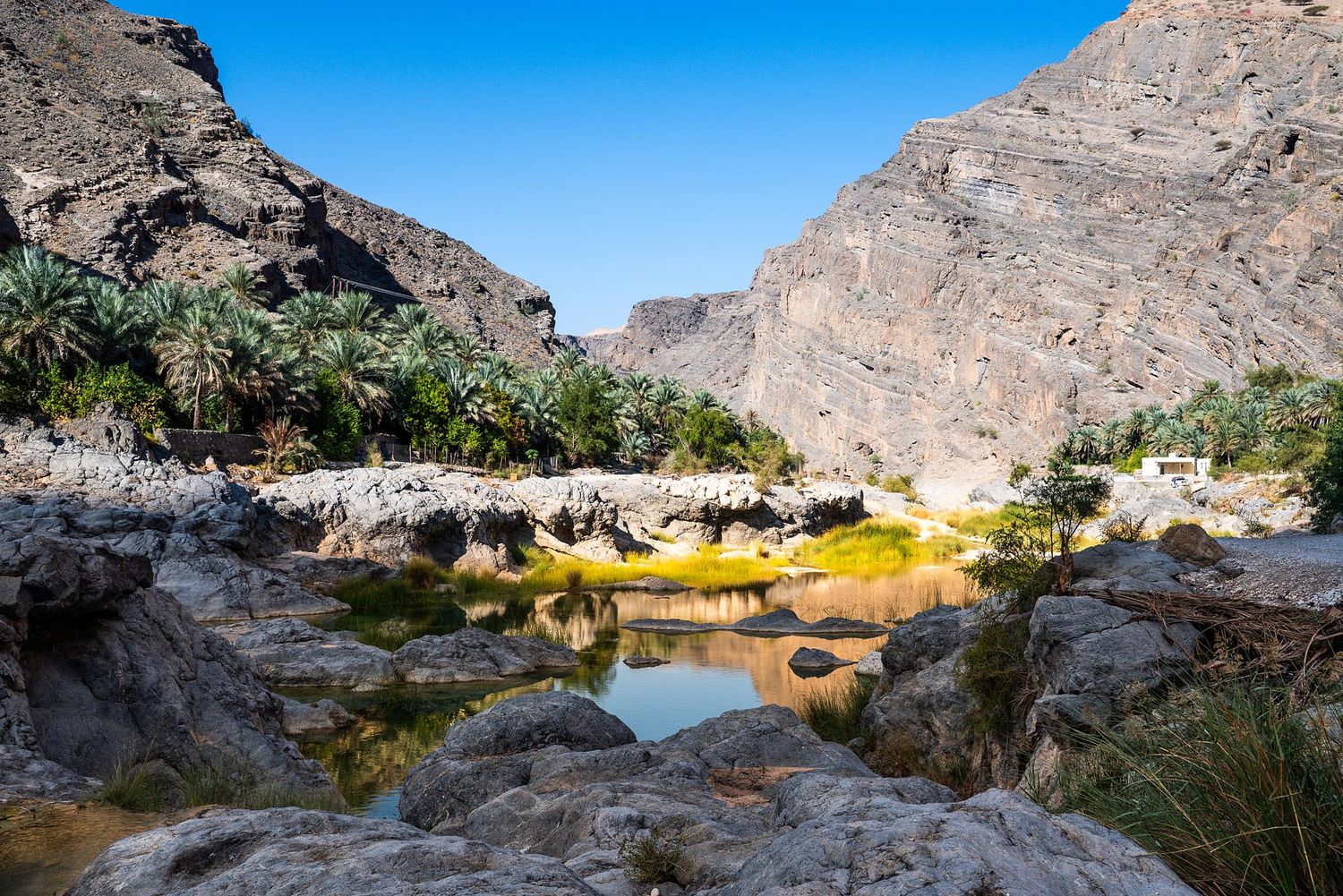
One of the best things about Wadi Al Arbeieen is how much choice you have when it comes to taking a dip, not all the pools are in one place, but in stages as you walk deeper into the canyon. The swimming here isn't about one big, obvious pool or a marked "swimming area." You will find several emerald pockets of water tucked between boulders.
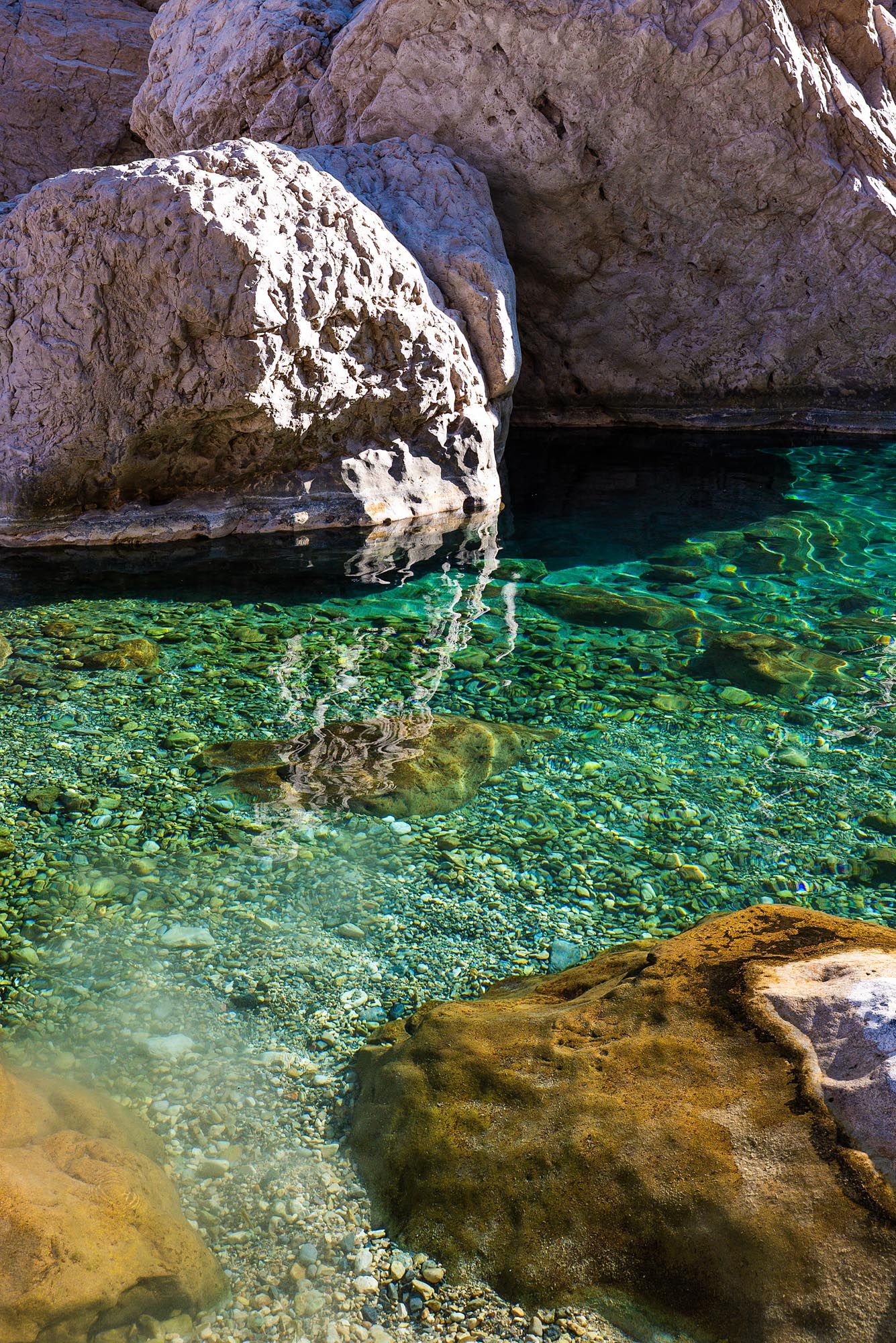
First Pool
The first place most people encounter water is the easy one, just a short stroll from the parking area. About 340 metres in, following the initial trail toward the wadi — you'll see a shallow but beautiful turquoise pool. It's not deep enough for serious swimming, but it's perfect for cooling off after the short walk in. Because it's right there, it's often the first taste of the water and sets the tone for what comes next.
This pool is shallow at first, perfect for dipping feet or sitting with your legs in the cool water, but it gradually deepens the nearer you get to the tiny cascade. Even here, the canyon walls stand tall on either side and the colour of the water is more vivid than you'd expect — almost surreal against the rocks.
From here, most day trippers will rest, snap a few photos, and then start their official wadi exploration.
The Falaj Pools — Quiet & Scenic (500m–1km)
As you follow the falaj irrigation channel deeper into the wadi (a route that many hikers prefer over walking straight up the rocky streambed), you'll start to see water in more places that feel naturally meant to be here. The falaj itself brings life to the valley — feeding date plantations, palm groves, and little natural springs.
This section feels ancient and peaceful. The pools here are smaller and more scattered — places where you can stop for a drink or rest your legs, and where the light through the palms makes the water shimmer in shades of blue and green.
At this point, the water isn't anywhere near as crowded or obvious as other popular wadis in Oman. You might have an entire pool to yourself for minutes at a time — and that quiet feeling of having nature all to yourself is part of what makes Wadi Al Arbeieen so special.
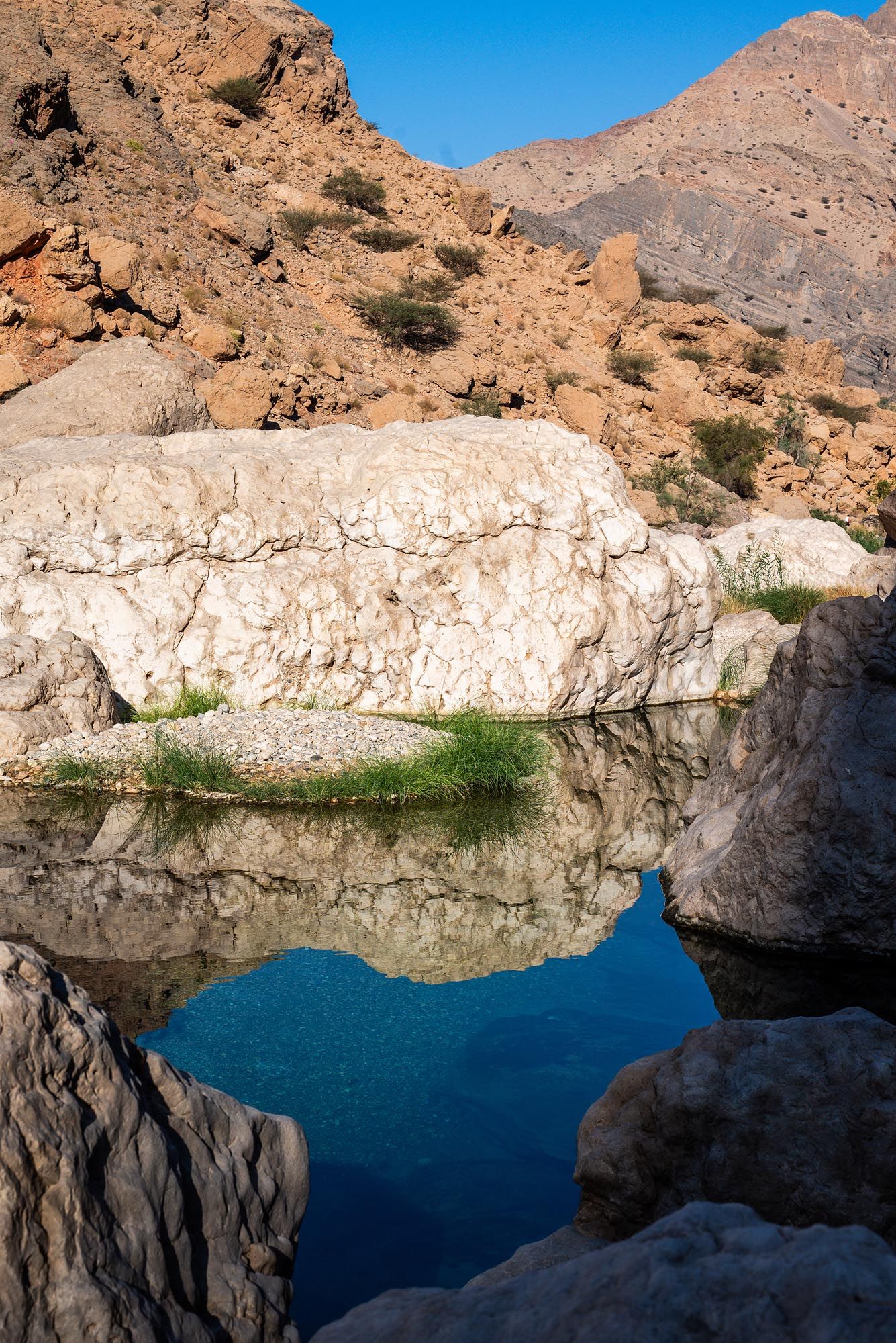
Boulder Basin Pools — Adventurous Dips (1–1.5 km)
Once you leave the falaj and drop down into the wadi floor, you enter the section that feels properly wild. Here, the stream cuts its way through bigger, smoother rocks, and deeper pools begin to form naturally in between boulders. Some of these are just ankle-deep, others are perfect for wading, and a few are deep enough for actual swimming.
This is where the hike starts to reward you with water that feels more like swimming than just cooling off. You'll notice:
Sections where the water is entirely still — like natural rock bathtubs
Smaller cascades feeding into glassy pools
Areas where light from above turns the water an almost glowing emerald
These pools are not always obvious — you have to look for them. Sometimes you'll find a perfectly calm basin tucked behind a rock, other times you'll stumble on it after clambering over a boulder or two.
The Main Waterfall Pool — The Big One (1.5–2+ km)
The crown jewel of Wadi Al Arbeieen's water features is definitely the main waterfall pool. It's the moment when the canyon opens just enough to let sunlight hit the water directly, and the basin spreads out wide with colours that range from deep blue to bright emerald depending on the light.
This pool is worth the extra effort to reach because:
It's big: A proper swimming area rather than a puddle
It's deep: You can swim out into the water away from the edges
It's scenic: A small, photogenic waterfall feeds in on one side
It's peaceful: Most hikers stop here, so it feels like your own private oasis
The water can be cool, especially in early morning or outside of rainy season, but it feels incredibly refreshing after the hike. There's usually very little current, meaning you can float, swim or just sit on the rocks beside it and enjoy the serenity.
If you’re visiting Wadi Al Arbeieen as a day trip from Muscat, the key is choosing a hotel with easy highway access toward Quriyat (Route 17). You don’t need to stay deep inside the city — in fact, being slightly east or near the coastal road makes for a much smoother early start. Here are the three hotels I personally stayed at in Muscat: the Royal Tulip Muscat, which was a comfortable stay but not the most convenient location for a wadi day trip; Al Bustan Palace, a Ritz-Carlton Hotel, which is by far the best location for a day trip thanks to its quicker access to the coastal highway; and the Centara Muscat Hotel, which in my opinion has the worst location for a day trip and isn’t a particularly great location in general.
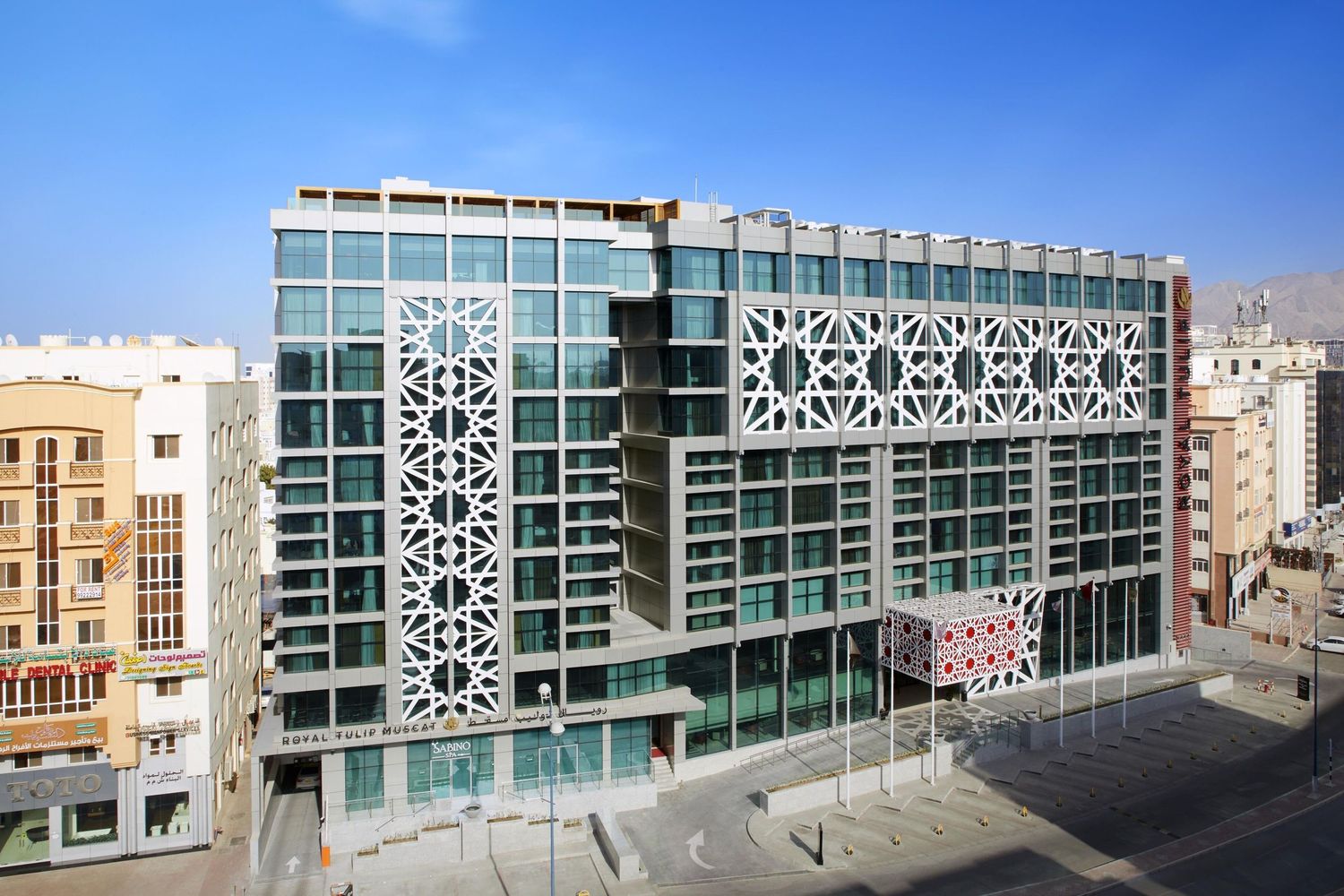
Royal Tulip Muscat
Great Value for money
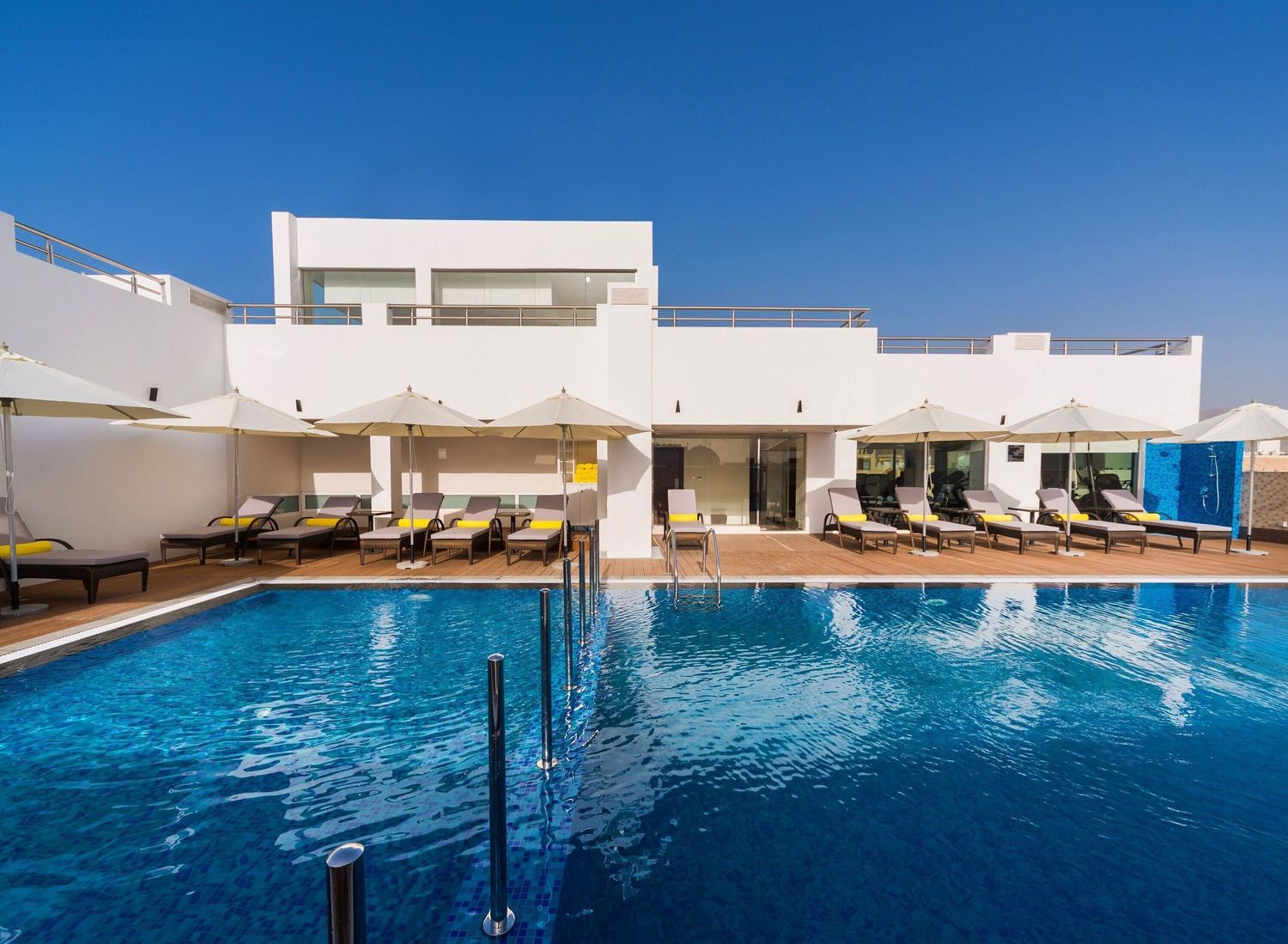
Centara
Cheap and Near the airport (personally I wouldn't stay here again)
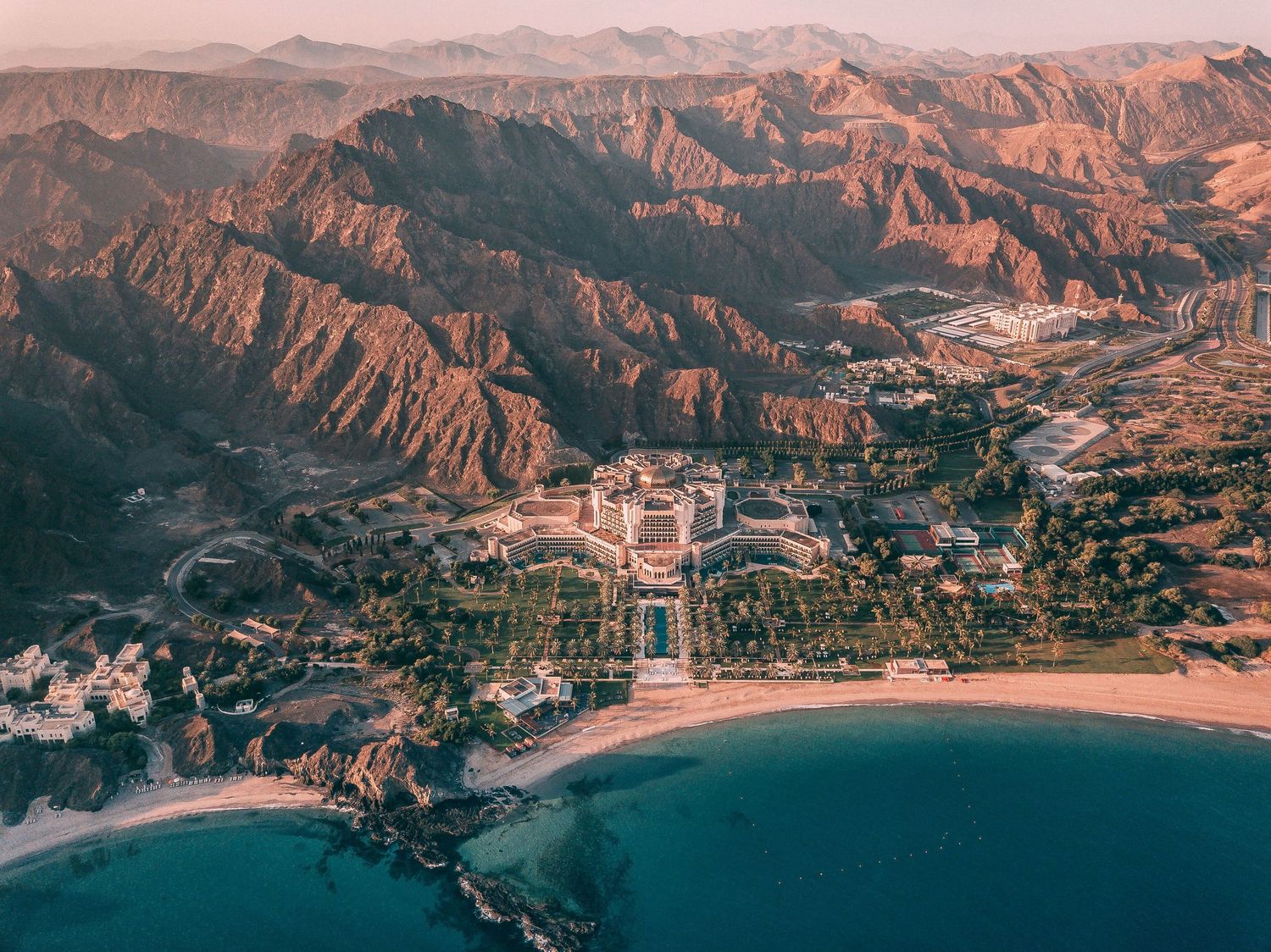
Al Bustan Palace, a Ritz-Carlton Hotel
I loved this hotel!
Best Time to Visit Wadi Al Arbeieen
Best season: October to April
If you’re planning a trip to Wadi Al Arbeieen, aim for the cooler months between October and April. This is when Oman’s desert heat becomes far more manageable, making the hike and swim genuinely enjoyable rather than exhausting. Daytime temperatures are warm but comfortable, and the water feels refreshing instead of shockingly cold.
Winter is ideal
December through February is arguably the sweet spot. The air is crisp in the morning, hiking is far more pleasant, and you won’t feel drained by the heat before you even reach the waterfall. Because the canyon walls are high and narrow in sections, the sun only reaches the wadi floor for short windows during winter — which actually adds to the atmosphere. You get dramatic light beams hitting the emerald pools while much of the canyon stays shaded and cool.
Avoid midday in summer
From May to September, temperatures can soar well above 40°C (104°F). The exposed sections between pools offer little protection from the sun, and the boulders become extremely hot underfoot. If you do visit in summer, go very early in the morning and keep the hike short. Midday heat here can be intense and potentially dangerous.
Morning light is best for photography
If you’re visiting for photos (and honestly, you should be), early morning is the best time. The light is softer, the canyon is quieter, and the water often looks its most vivid emerald before the sun sits high overhead. Late afternoon can also work beautifully, especially when sunlight catches the waterfall pool at the right angle — but mornings tend to be calmer and less crowded.
One more thing worth noting: always check the weather forecast before visiting. Heavy rain in the surrounding mountains can cause flash floods, even if it’s dry where you’re standing. In a place as dramatic as Wadi Al Arbeieen, conditions can change quickly — and that raw, wild feel is part of what makes it so special.
Wadi Al Arbeieen vs Wadi Shab: Which Wadi Should You Visit?
If you’re planning a trip to Oman and want to explore its famous wadis, you’ve probably heard of both Wadi Al Arbeieen and Wadi Shab. While both offer stunning scenery and swimming opportunities, they provide very different experiences — and which one you choose depends on what kind of adventure you’re looking for.
Wadi Shab is Oman’s most famous wadi and draws large crowds, especially on weekends. Its turquoise pools, waterfalls, and dramatic canyon scenery are undeniably beautiful, and it’s relatively easy to access from Muscat. Many visitors enjoy the well-marked trails, short hike, and boat ride that takes you across the wadi to the swimming area. If you want a hassle-free day trip with clear paths, basic facilities, and lots of fellow travelers, Wadi Shab is perfect.
Wadi Al Arbeieen, on the other hand, is far less crowded and feels wild and untouched. It’s tucked deeper into the Eastern Hajar Mountains and requires more effort to reach, with some scrambling over rocks, navigating pools, and occasionally swimming along the route. Unlike Wadi Shab, there are no official facilities or tour-heavy spots, so you get a more authentic experience of Oman’s mountains and waterways. The sense of adventure here is stronger, and the serenity is unmatched — perfect for travelers who want to escape the crowds and explore at their own pace.
In terms of logistics, Wadi Shab is more accessible for all vehicles, while Wadi Al Arbeieen is best visited with a 4WD, particularly after rain. Wadi Shab also has clear signage and boat crossings, whereas Wadi Al Arbeieen requires paying close attention to the trail and pools.
Ultimately, if you want easier access and a more tourist-friendly experience, Wadi Shab is ideal. But if you’re seeking solitude, adventure, and untouched natural beauty, Wadi Al Arbeieen is the better choice. For travelers who have time, visiting both offers a perfect contrast: one wadi bustling with activity, the other quiet and wild.
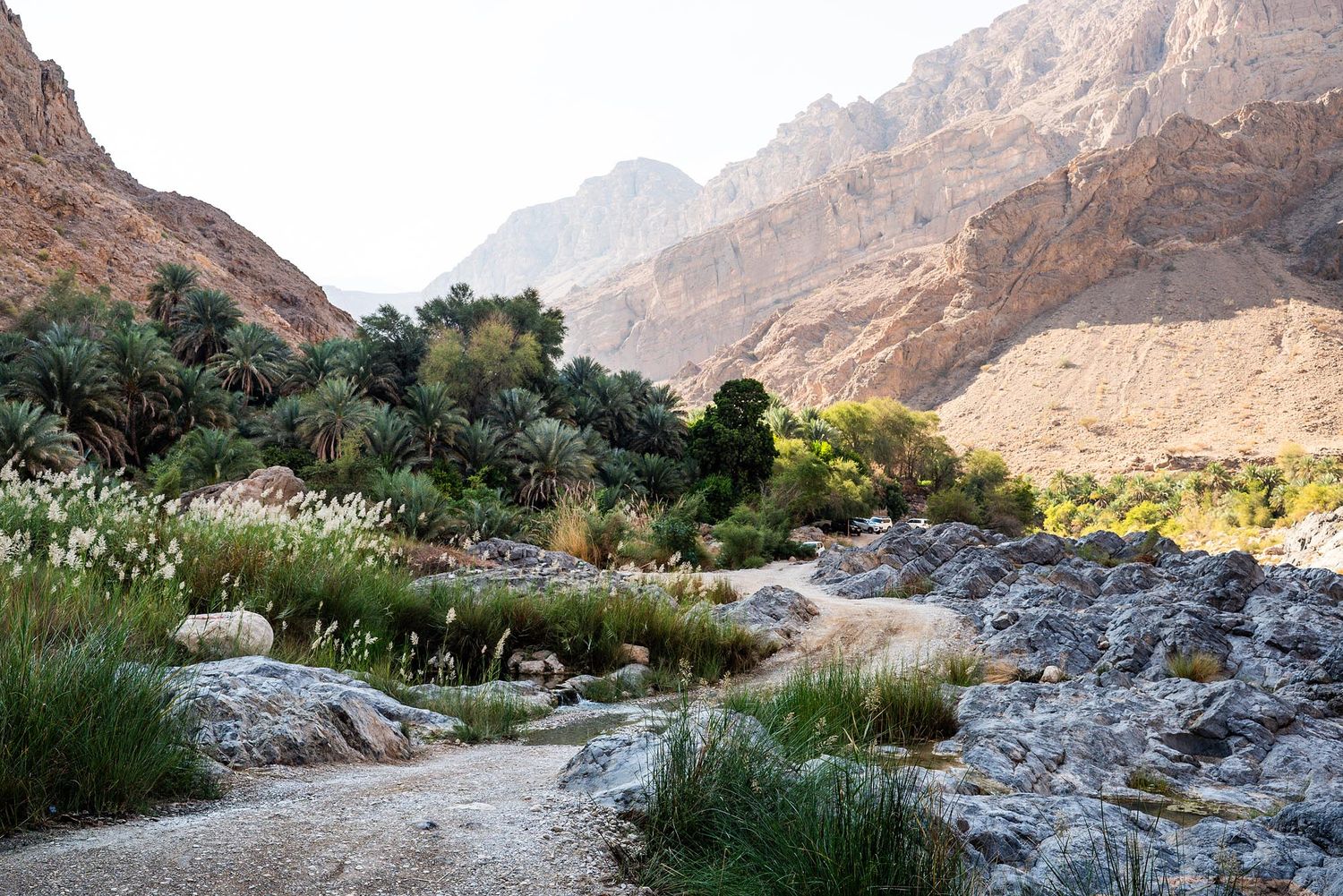
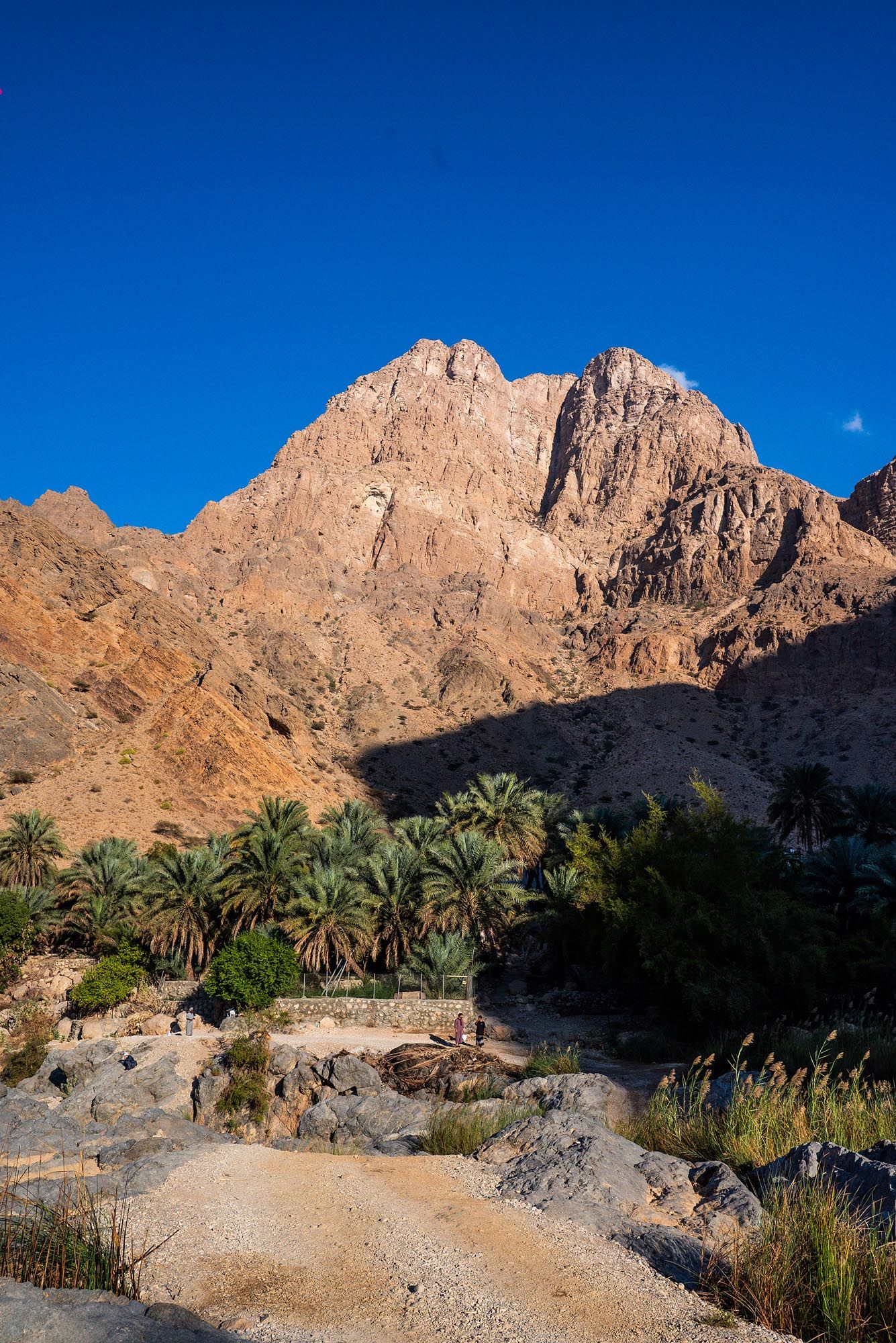
Is Wadi Al Arbeieen Worth Visiting?
Short answer? Yes — absolutely.
For me, Wadi Al Arbeieen was one of the real highlights of my time in Oman. It feels wild, untouched, and far less commercial than some of the more famous wadis. There are no ticket booths, no boardwalks, no cafés — just dramatic canyon walls, emerald pools, palm trees, and that sense that you’ve properly discovered somewhere.
It’s not the easiest wadi. You’ll scramble over boulders, get your feet wet, possibly go the wrong way at first (I did), and need to actually pay attention to where you’re stepping. But that’s part of what makes it rewarding. It feels like an adventure rather than a sightseeing stop.
If you’re expecting a simple, paved walk to a waterfall, this isn’t that. But if you enjoy exploring, swimming in natural pools, and being somewhere that still feels raw and authentic, then Wadi Al Arbeieen is 100% worth the effort.
If you’re planning a trip to Oman or still undecided,let me start by saying: Oman is truly amazing. Feel free to check out some of my other Oman-related blogs below, and if you haven’t booked your flights or hotels yet, you can search for them below.