Table of Contents
- Introduction to Fanja Heritage House
- A Brief History of Fanja Heritage House
- Where Is Fanja Heritage House & Is It Worth Stopping?
- Parking, Tickets & First Impressions
- What You’ll See Inside Fanja Heritage House
- How Long Should You Spend Here?
- Final Thoughts – Is Fanja Heritage House Worth Visiting?
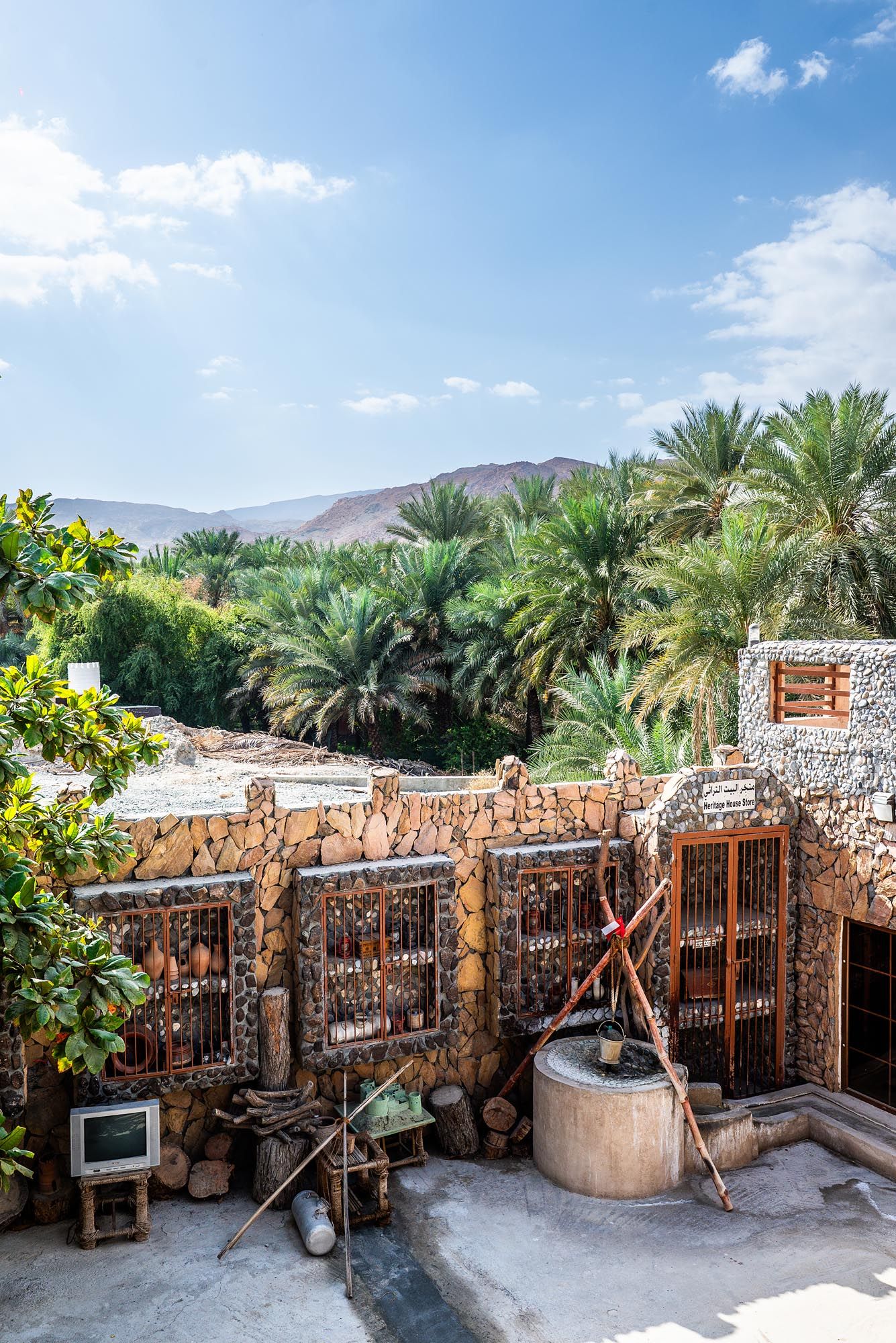
Located in the quiet area of Bidbid, along the well-travelled route between Muscat and Nizwa, Fanja Heritage House is a restored traditional Omani home that offers visitors a brief glimpse into the country’s architectural and cultural past. Rather than being a large museum or major tourist attraction, the site feels more like a small heritage stop — a place to slow down, take in the surroundings, and enjoy a moment of calm away from the road.
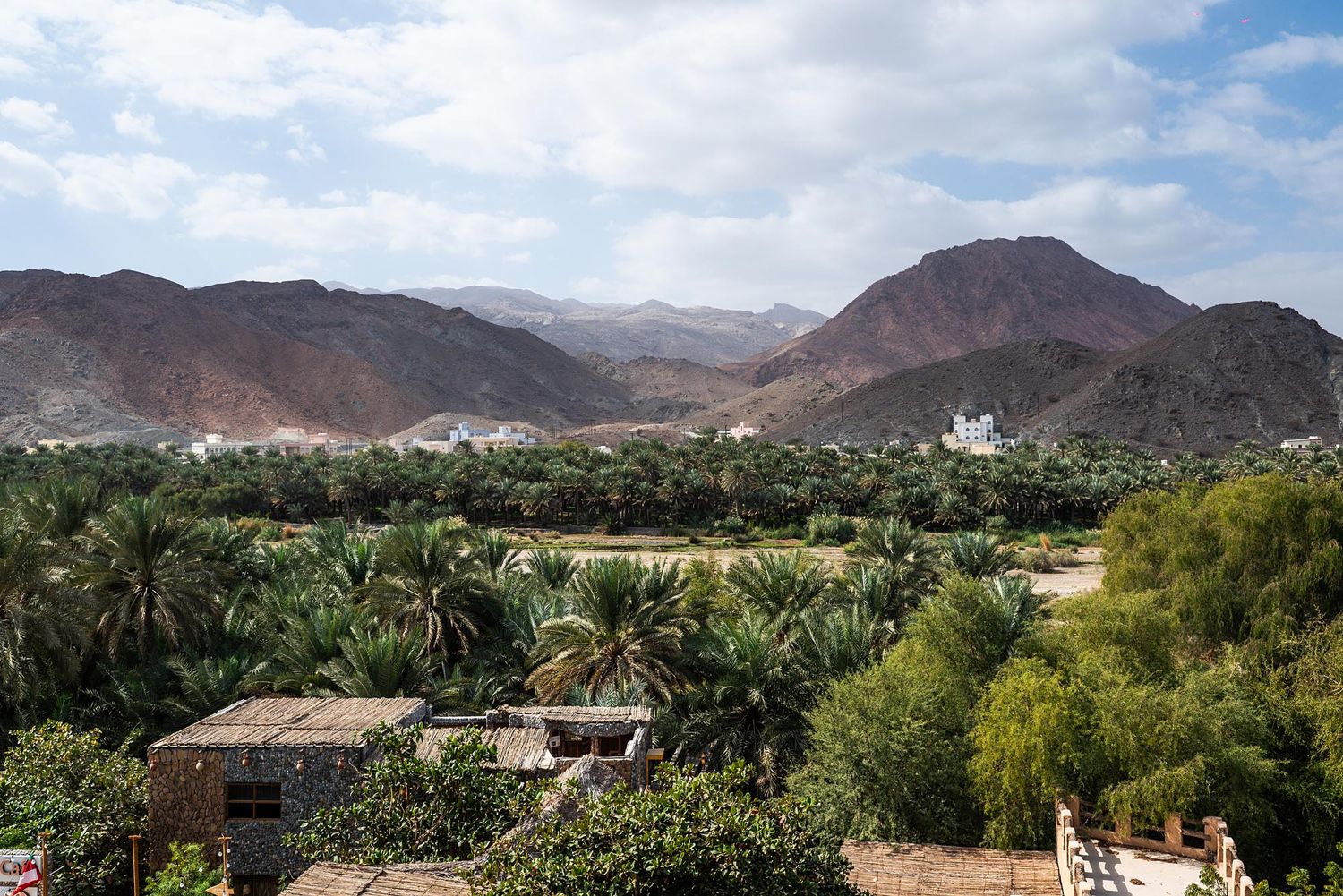
Surrounded by rocky hills and traditional settlements, the heritage house blends into its environment naturally. Its recent restoration has transformed the building into a modest cultural project, combining preservation with modern additions such as viewing platforms and a café. This balance makes it an easy and accessible stop for travellers passing through central Oman.
A Brief History of Fanja Heritage House
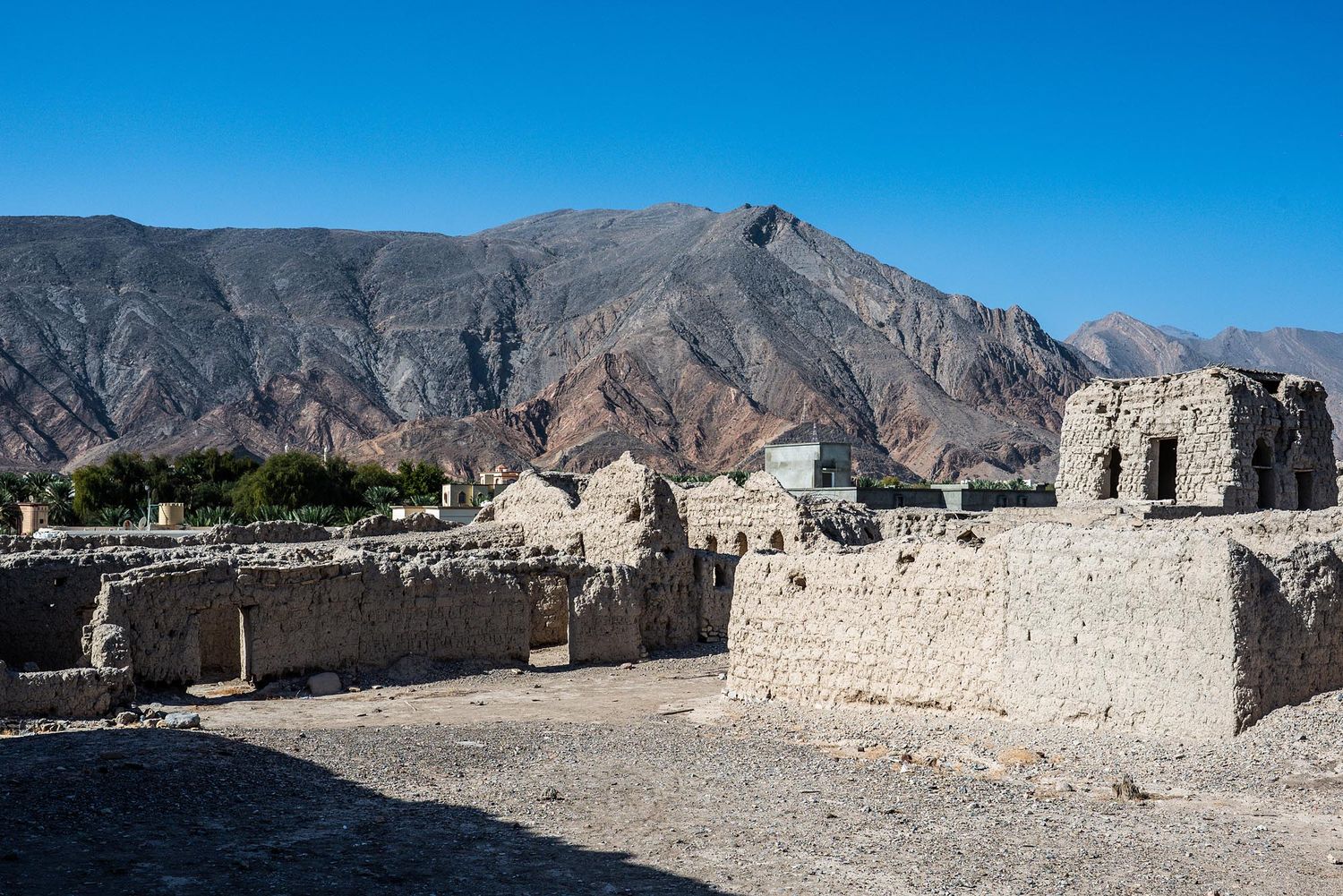
Fanja Heritage House is part of the wider historic landscape of the Bidbid region, an area that has long played a role in Oman’s inland trade routes and settlement patterns. Traditional houses in this region were typically built using local materials such as stone, mud, and palm wood, designed to withstand the harsh climate while providing shelter and privacy for extended families.
Like many historic homes in Oman, the house fell into disuse over time as modern construction replaced older buildings. Rather than being lost to decay, the structure was later restored as part of a heritage preservation effort, giving it a new purpose as a cultural and economic project. Today, it stands as an example of how Oman is working to protect its architectural heritage while adapting historic spaces for modern visitors.
The restoration reflects a wider national focus on safeguarding traditional buildings, not just as monuments, but as living spaces that can still be used, visited, and appreciated.
Where Is Fanja Heritage House & Is It Worth Stopping?
Fanja Heritage House sits just off the main route between Muscat and Nizwa, making it a convenient pause if you don’t want to do the drive in one go.
Other Good Stops Along This Route
If you’re planning to turn the journey into more of a sightseeing day, a few other worthwhile stops include:
Samail Fort
Harat Al Yemen
Bayt Ar Ridaydah
Fanja fits nicely into this list as a relaxed, no-rush stop rather than a headline attraction
Where Is Fanja Heritage House & Is It Worth Stopping?
Harat Al Yemen: Explore the Ancient Neighborhood of Izki, Oman
Guide
Step back in time at Harat Al Yemen in Izki, one of Oman’s most authentic and quietly fascinating historical sites. This blog covers how to get there, what to expect, and why this peaceful stop between Muscat and Nizwa is well worth adding to your road trip.
Parking, Tickets & First Impressions
There’s a free car park right outside the heritage house—although, to be fair, parking feels free almost everywhere in Oman.
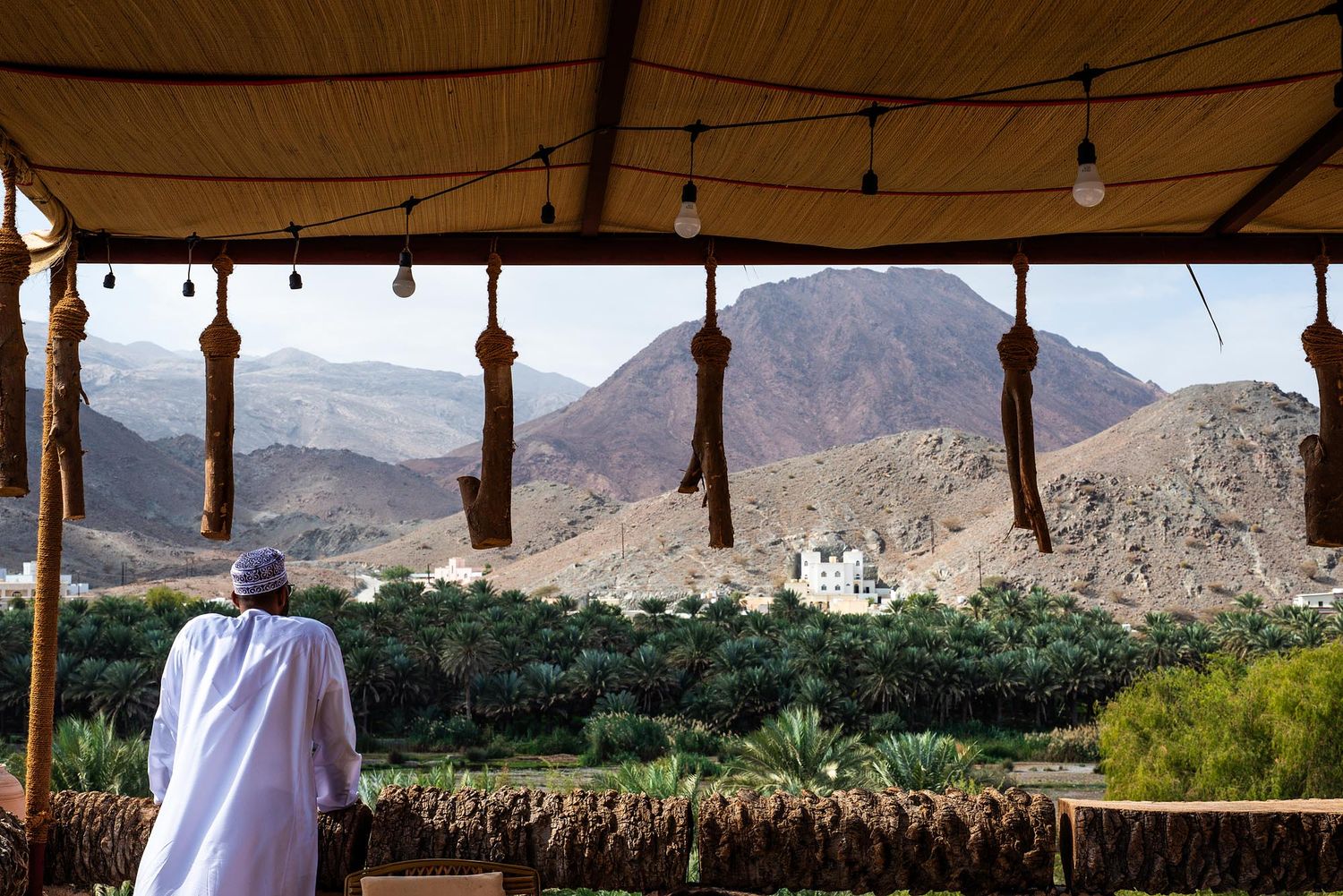
At the entrance, you’ll find a small coffee shop, which is actually one of the highlights of the visit. This is also where you pay for your guest ticket before heading inside.
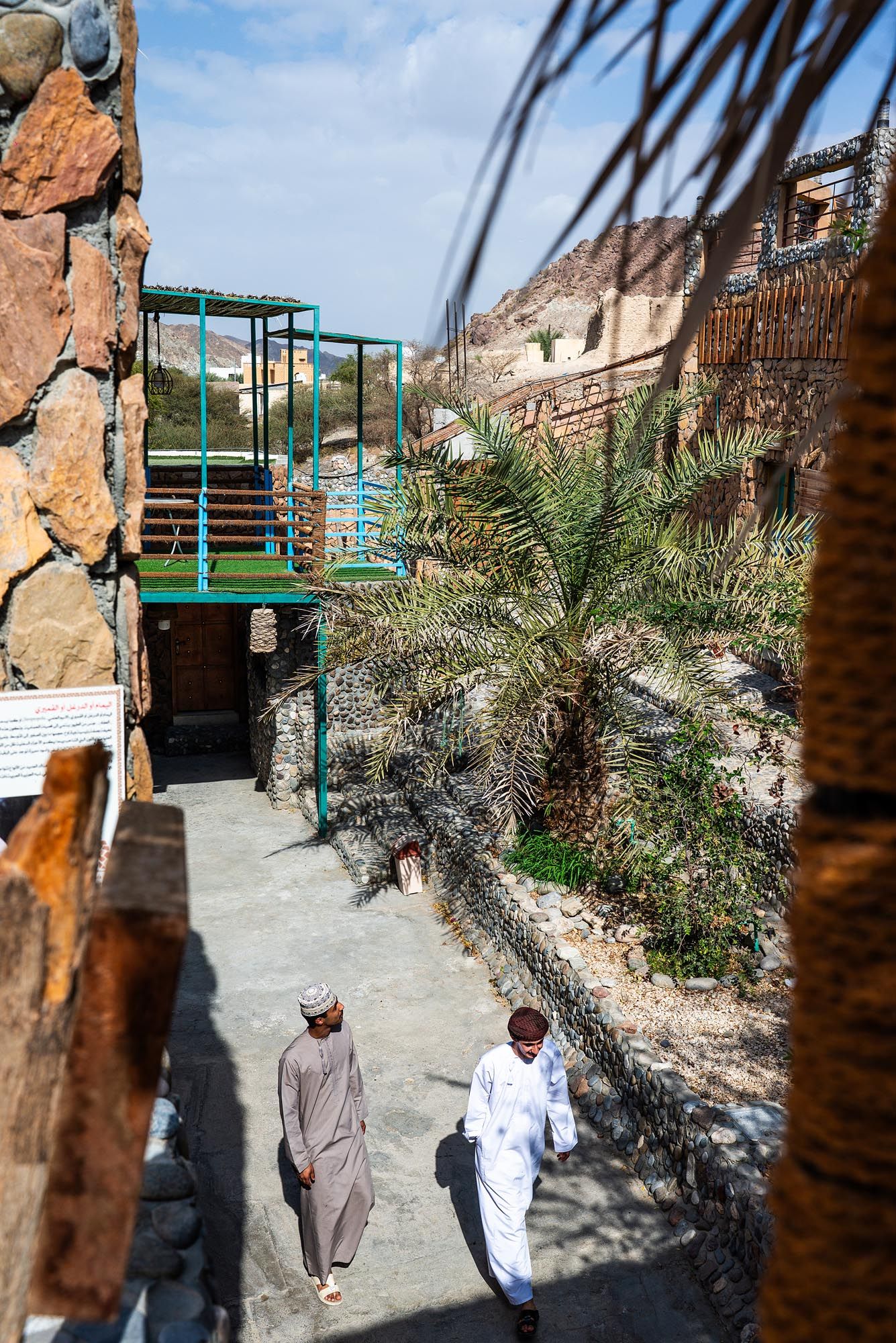
The area has been thoughtfully restored, blending traditional architecture with modern touches, and it’s clear there’s been effort put into turning the site into a sustainable heritage project.
What You’ll See Inside Fanja Heritage House
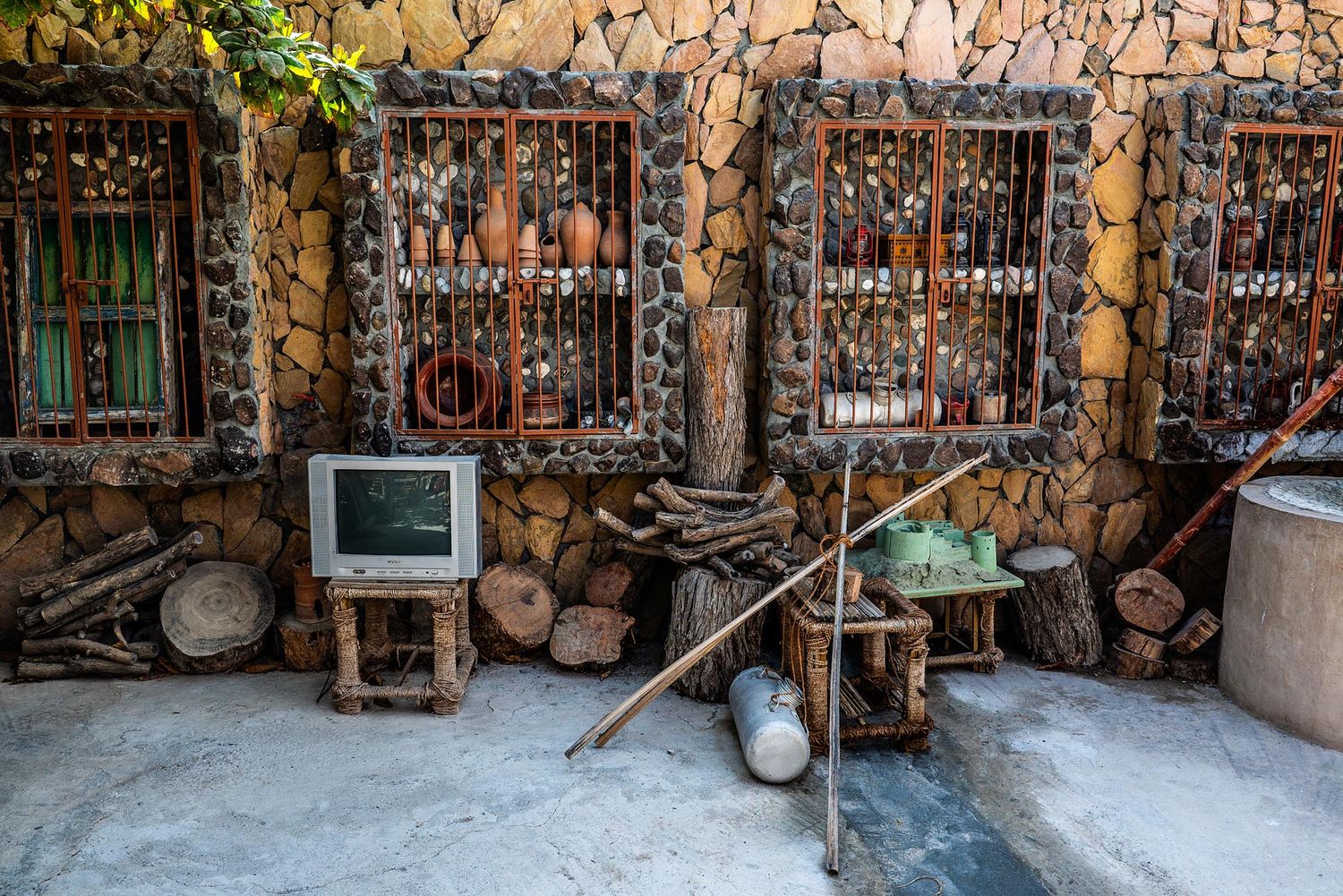
Once past the coffee shop, the experience becomes quite limited.
Exhibits & Atmosphere
Inside, there isn’t a huge amount to explore. You’ll find: A few small displays, Some birds, Minimal interpretive information. It’s peaceful, but there’s not much happening, and you won’t need long to see everything.
Views & Surroundings
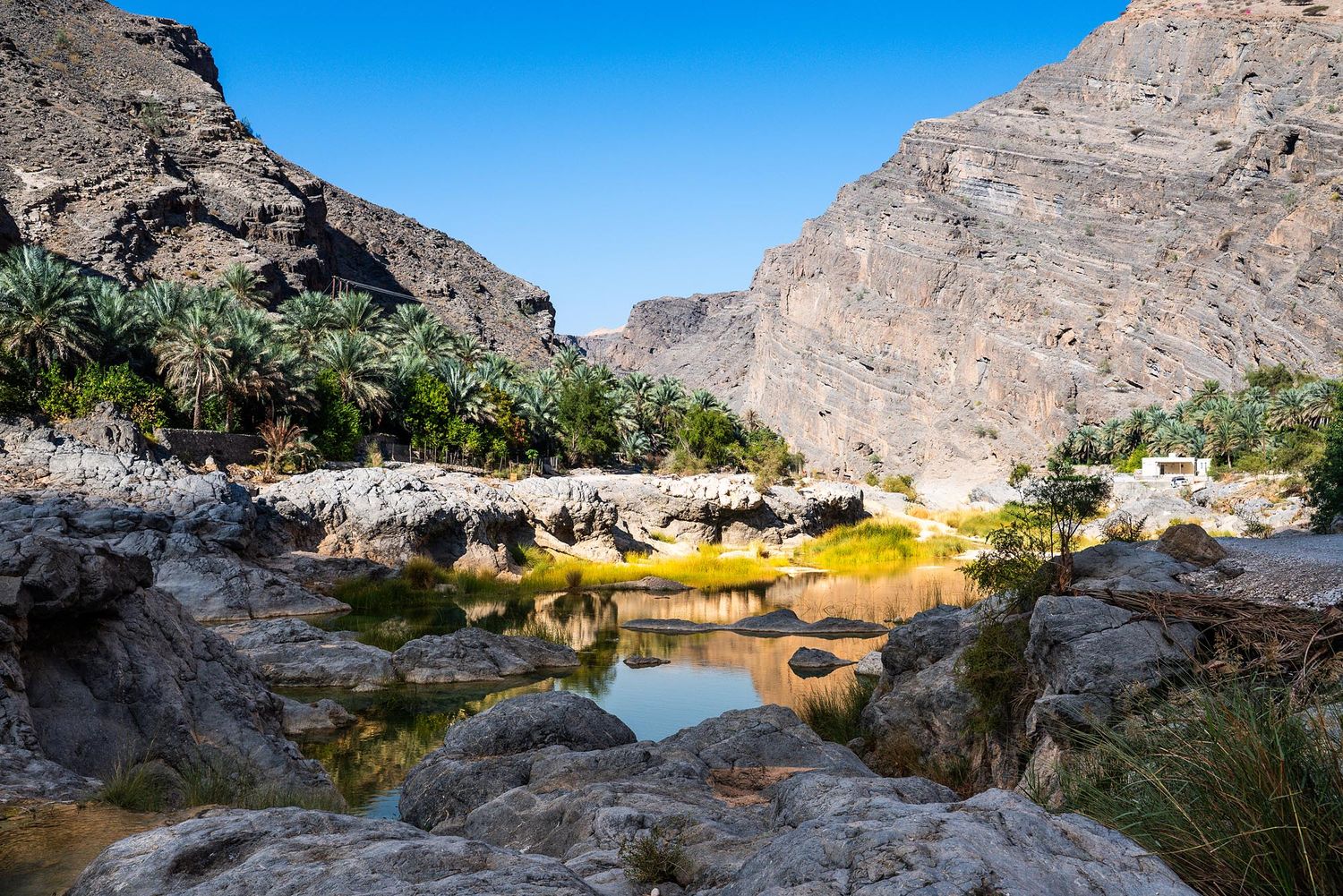
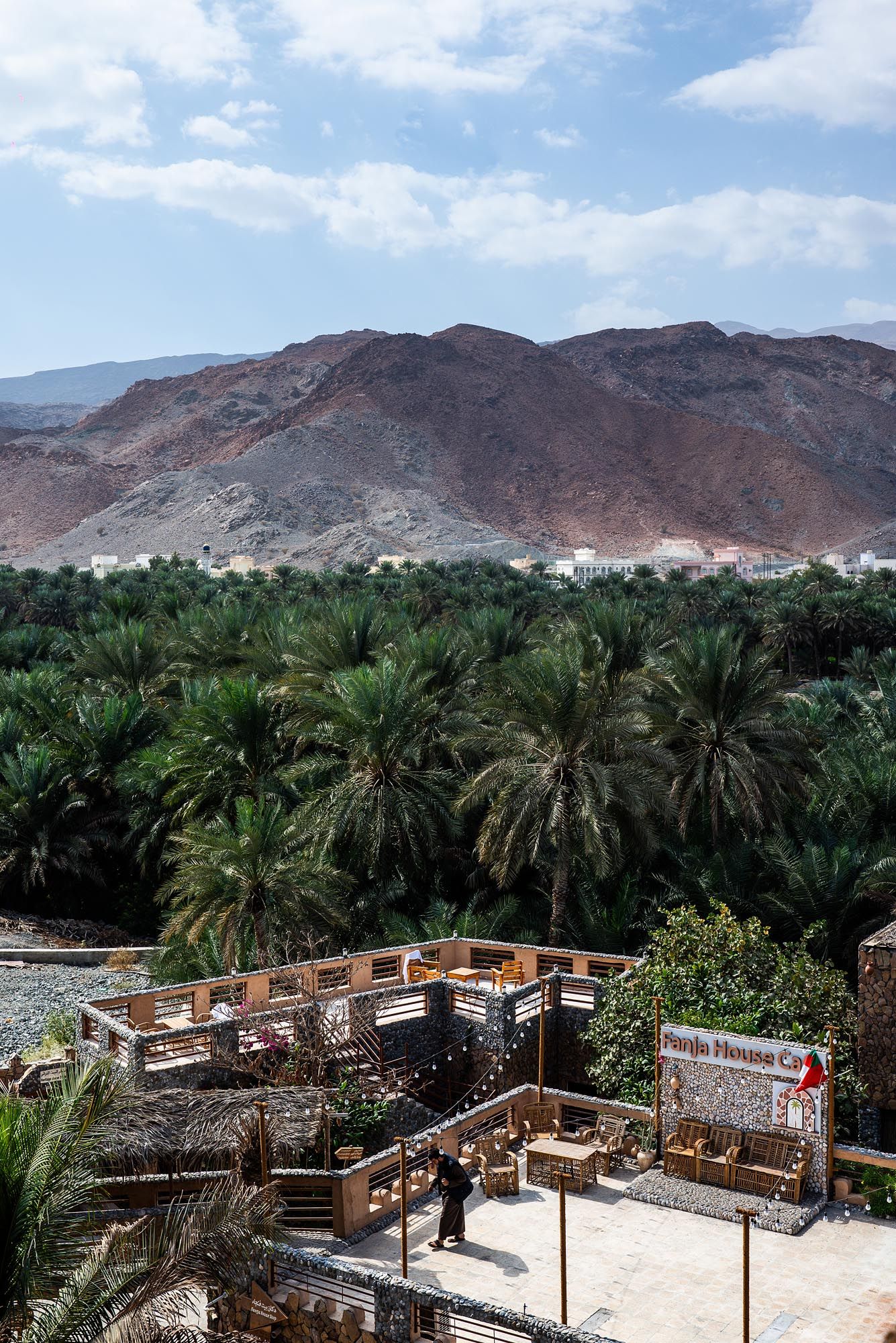
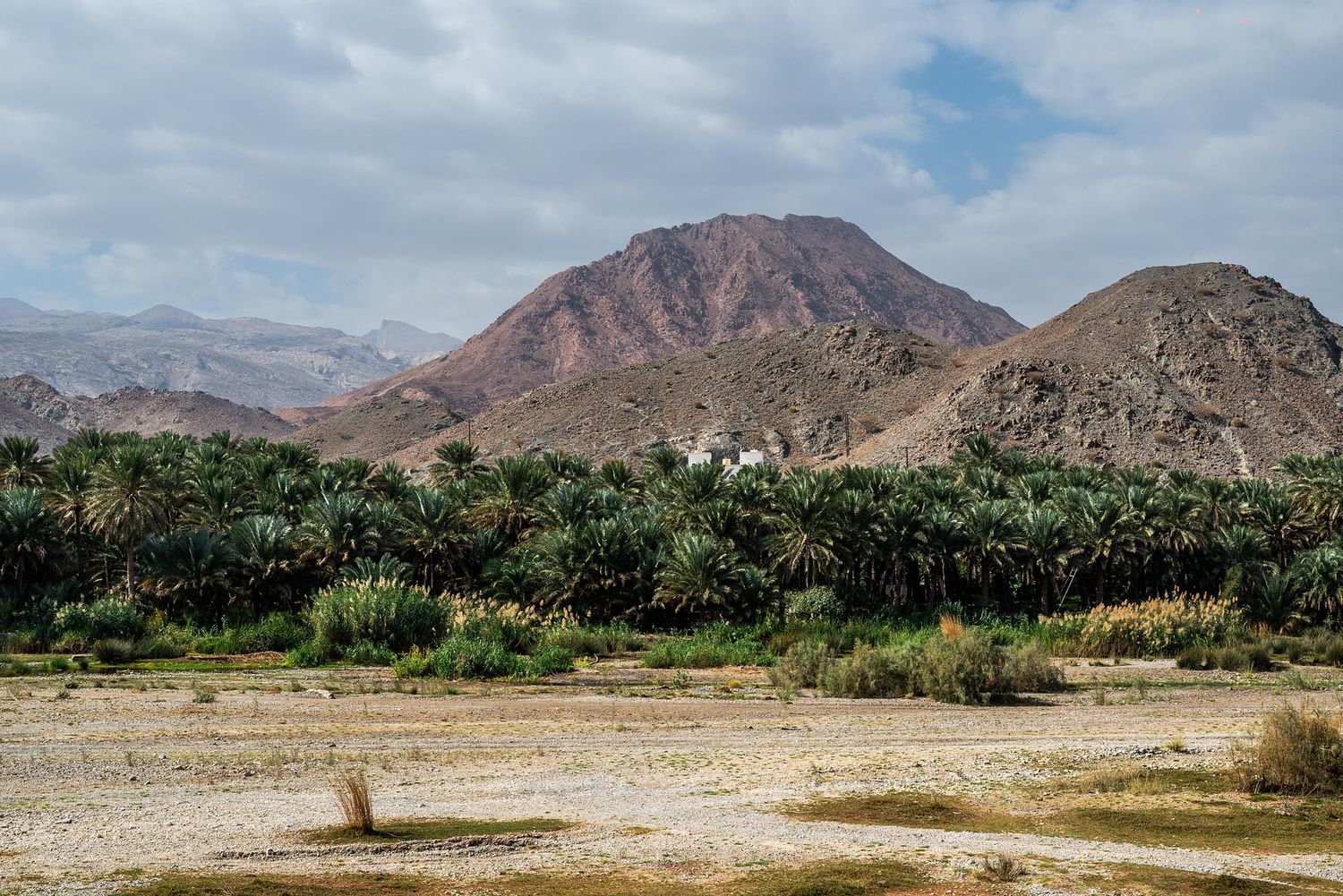
One of the nicer aspects of Fanja Heritage House is the viewpoints. From the seating areas near the café, you can enjoy elevated views over the surrounding landscape, including a clear view down into the riverbed below, which adds to the sense of calm.
How Long Should You Spend Here?
I’d recommend spending around an hour at Fanja Heritage House.
It’s ideal if: You want a break from driving, You’re already passing through the area, You fancy a coffee with a view in a quiet setting
It’s not somewhere you need to rush to, and it’s definitely not worth going out of your way for—but as a rest stop with a bit of cultural flavour, it works well.
How Long Should You Spend Here?
Final Thoughts – Is Fanja Heritage House Worth Visiting?
I enjoyed my time at Fanja Heritage House, mainly because of how quiet and relaxed it was. Like most places in Oman, it’s peaceful, uncrowded, and easy to visit.
That said, expectations matter. There’s not a lot to see once inside, and the visit is more about the atmosphere than the attractions themselves.
In short:
✔ Worth stopping if you’re passing through
✔ Nice for a short break and a coffee
✖ Not worth a special trip on its own
If you’re driving to Nizwa and want to slow the journey down a bit, Fanja Heritage House is a perfectly pleasant place to do just that.