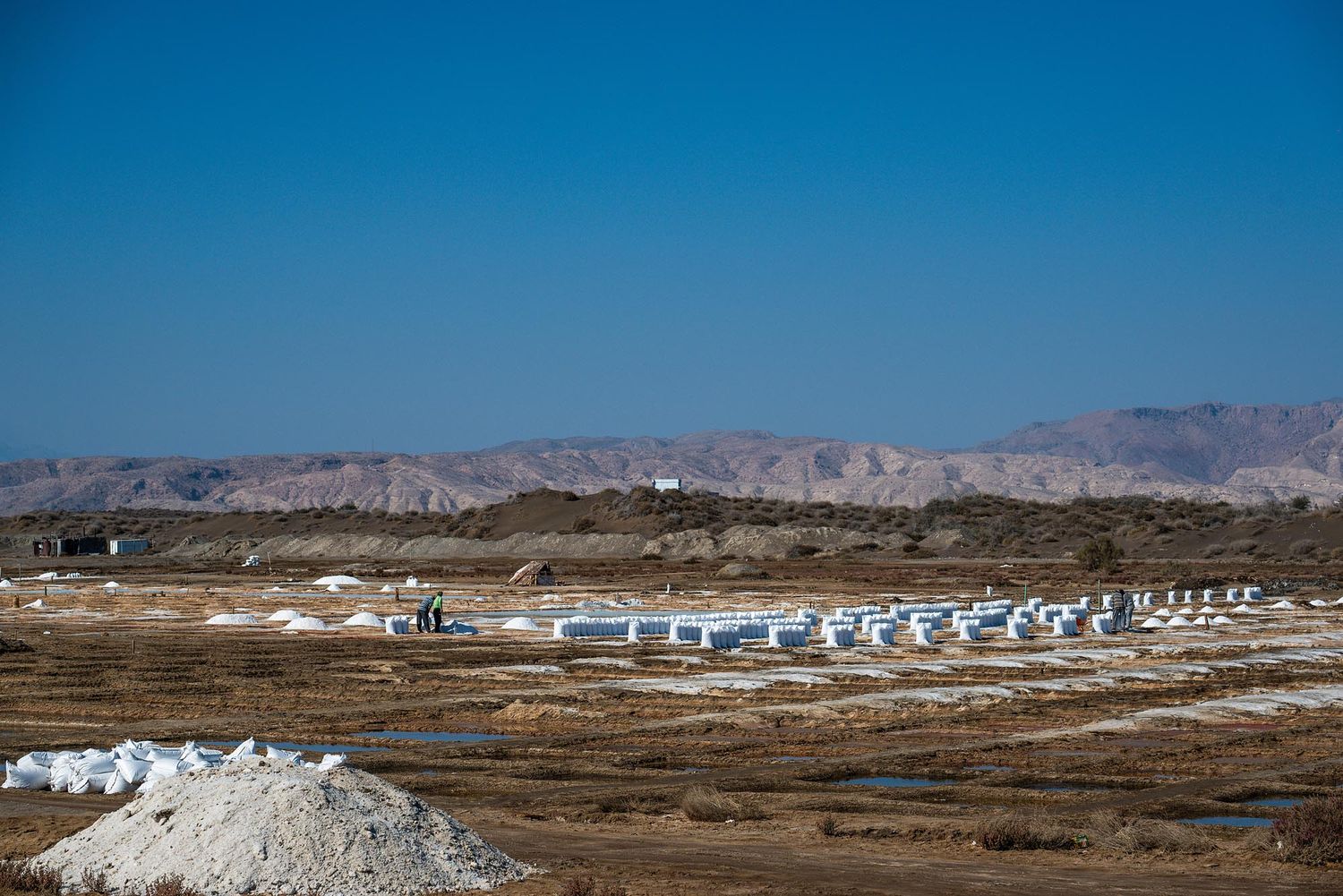
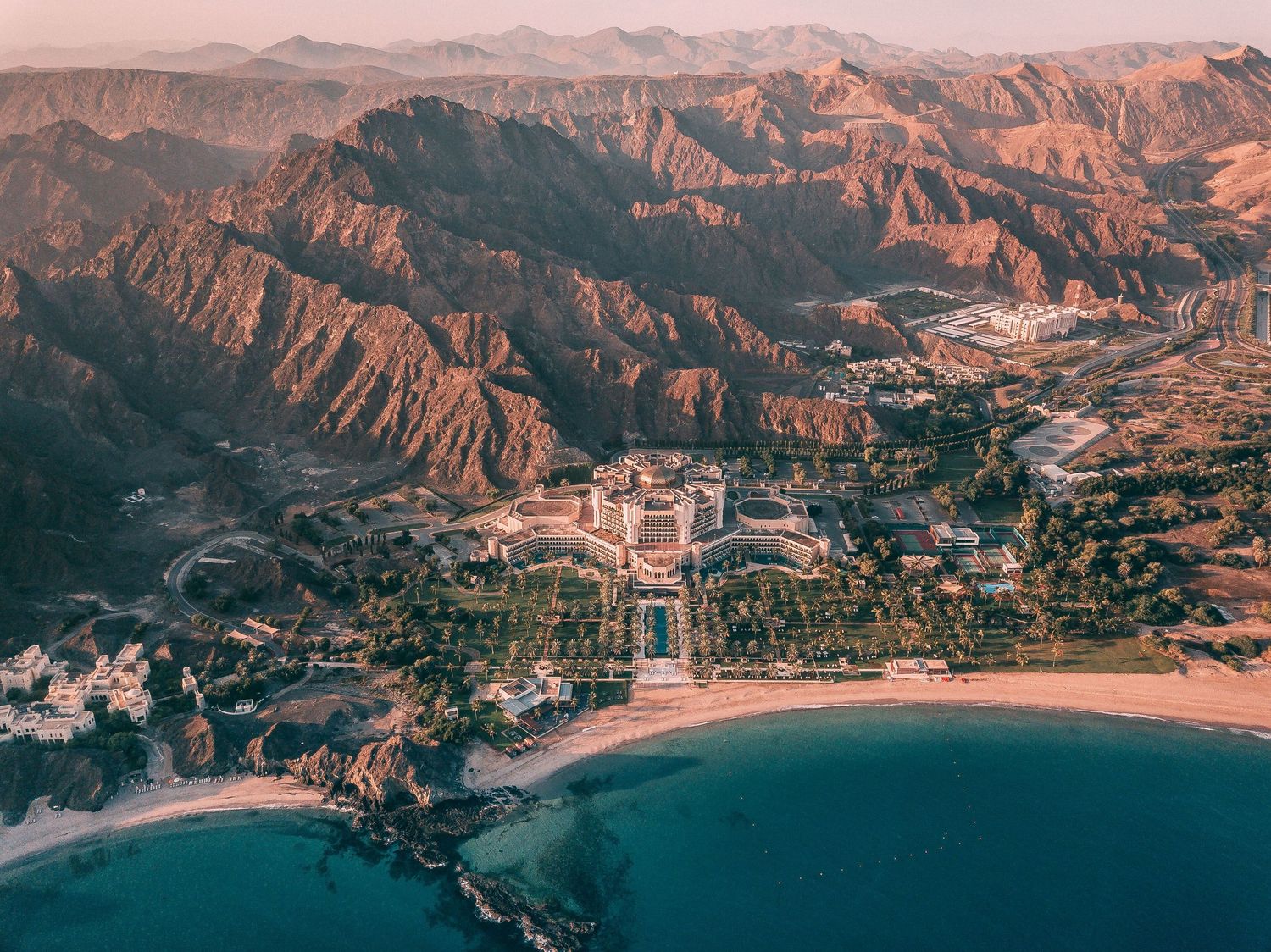
Whilst scanning Google Maps and planning my route from my hotel in Wadi Al Arbein to the Al Bustan Palace near Muscat, I came across a strange-looking place that was being labelled as a tourist attraction. Calling the Quriyat Salt Pans a tourist attraction is probably a bit of a stretch, but it’s certainly an interesting spot.
I saved the location to my Google list and added it to my drive, and if you’re travelling along Route 17, the main coastal road that runs along much of Oman’s coastline, I’d argue it’s 100 percent worth making a quick detour to stop and have a look.
Hopefully I’ll convince you that it’s worth the stop, but before I give any false impressions, don’t drive all the way from Muscat just to see this. It works best as a bonus location rather than a main event.
Quriyat-salt-pans
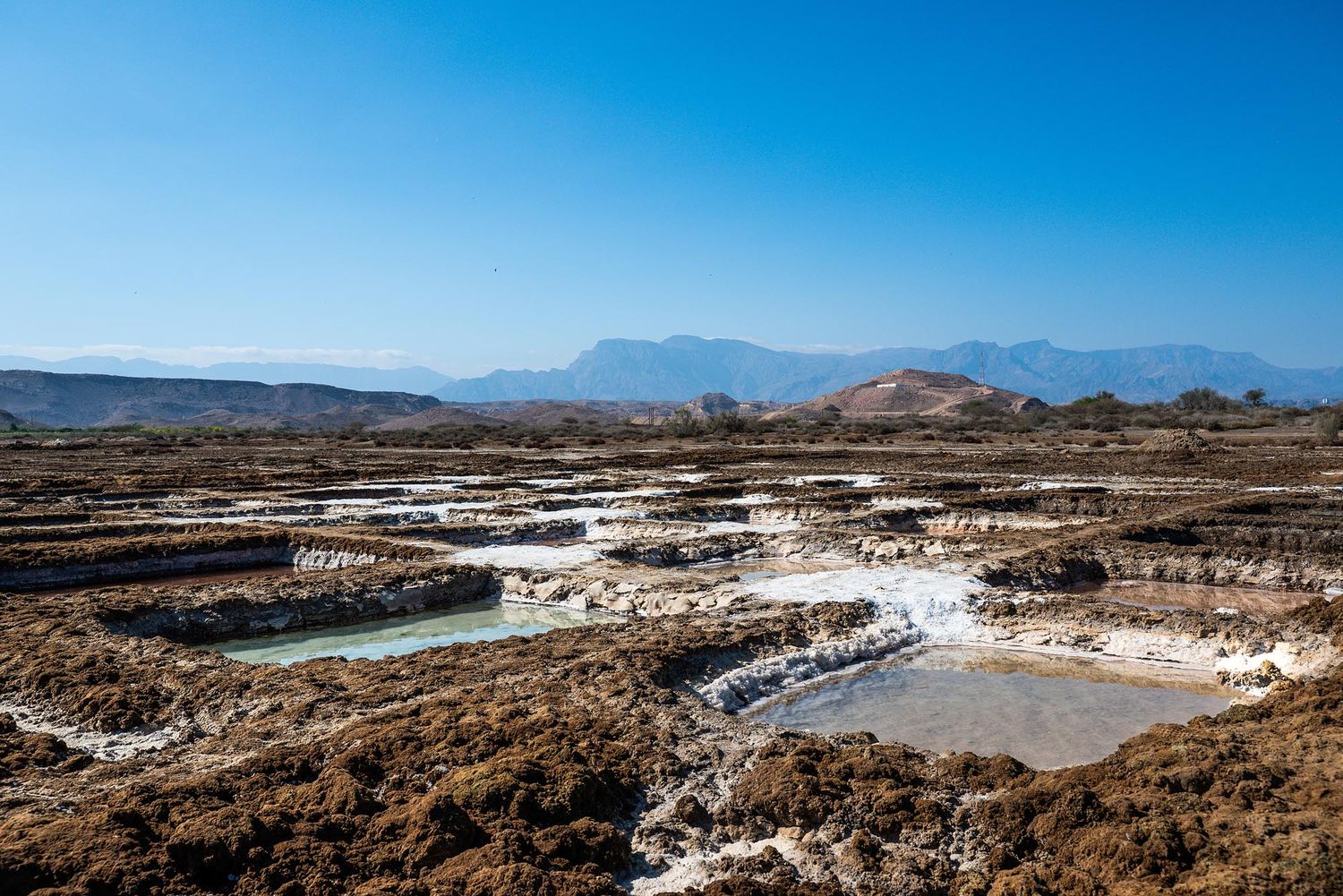
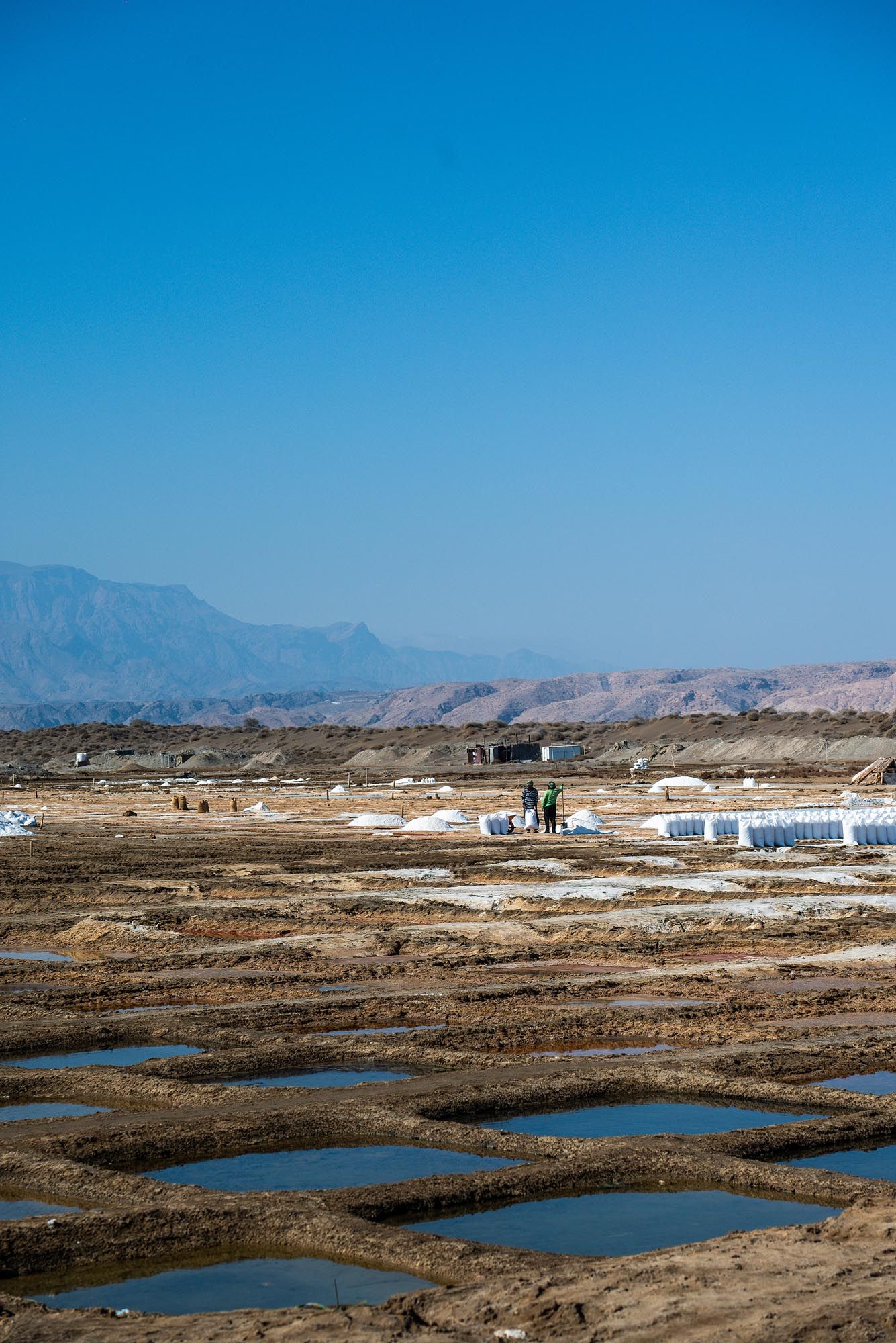
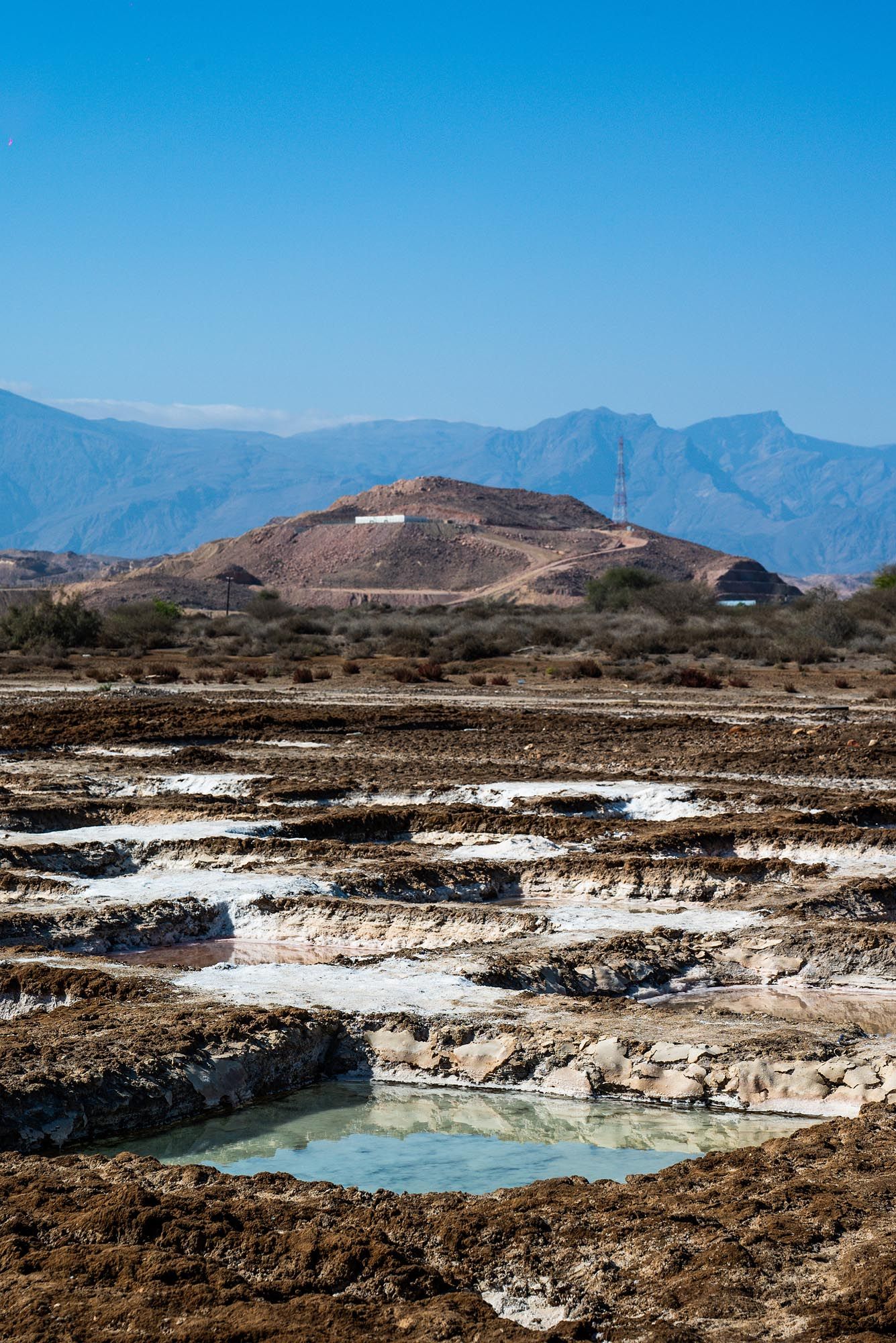
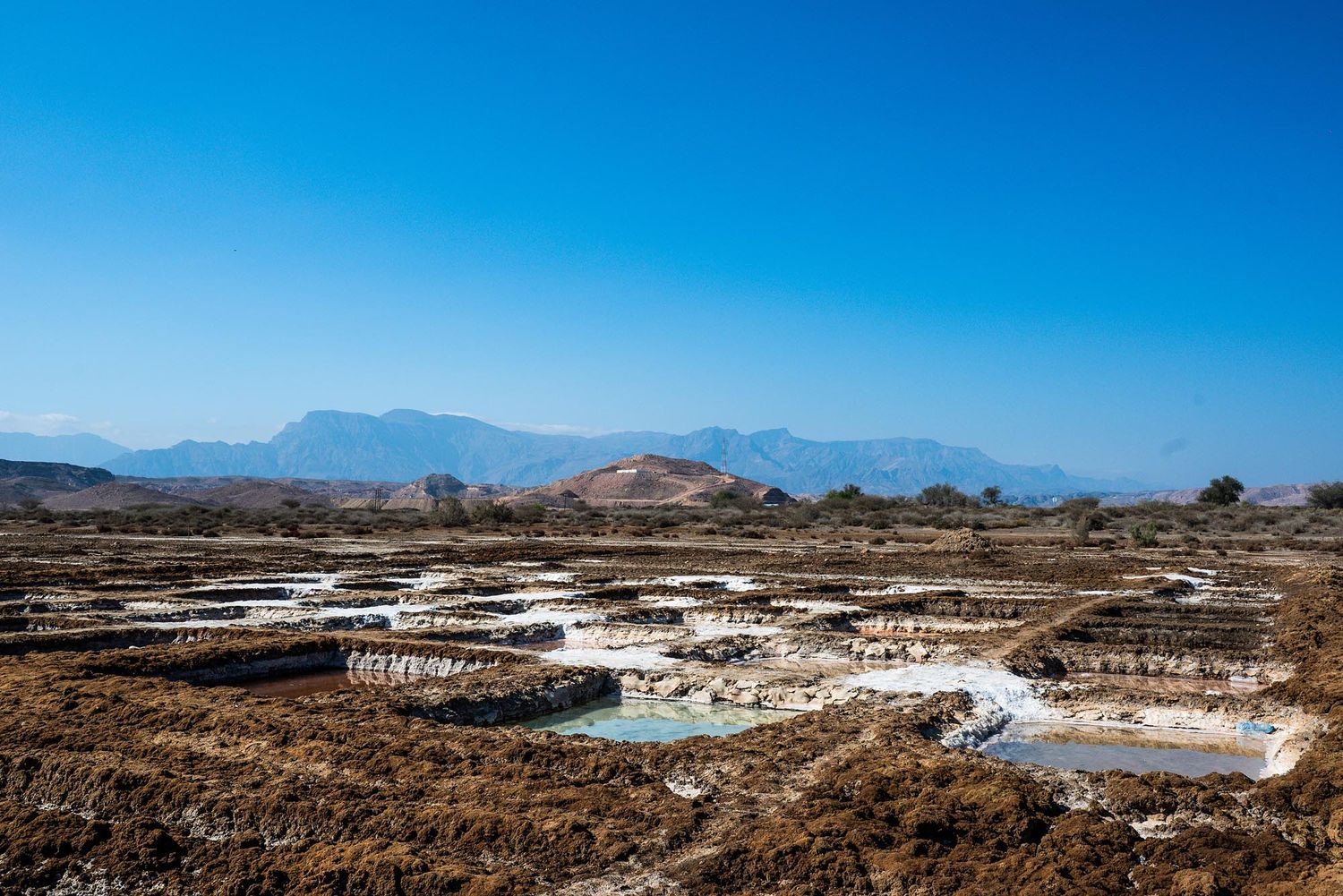
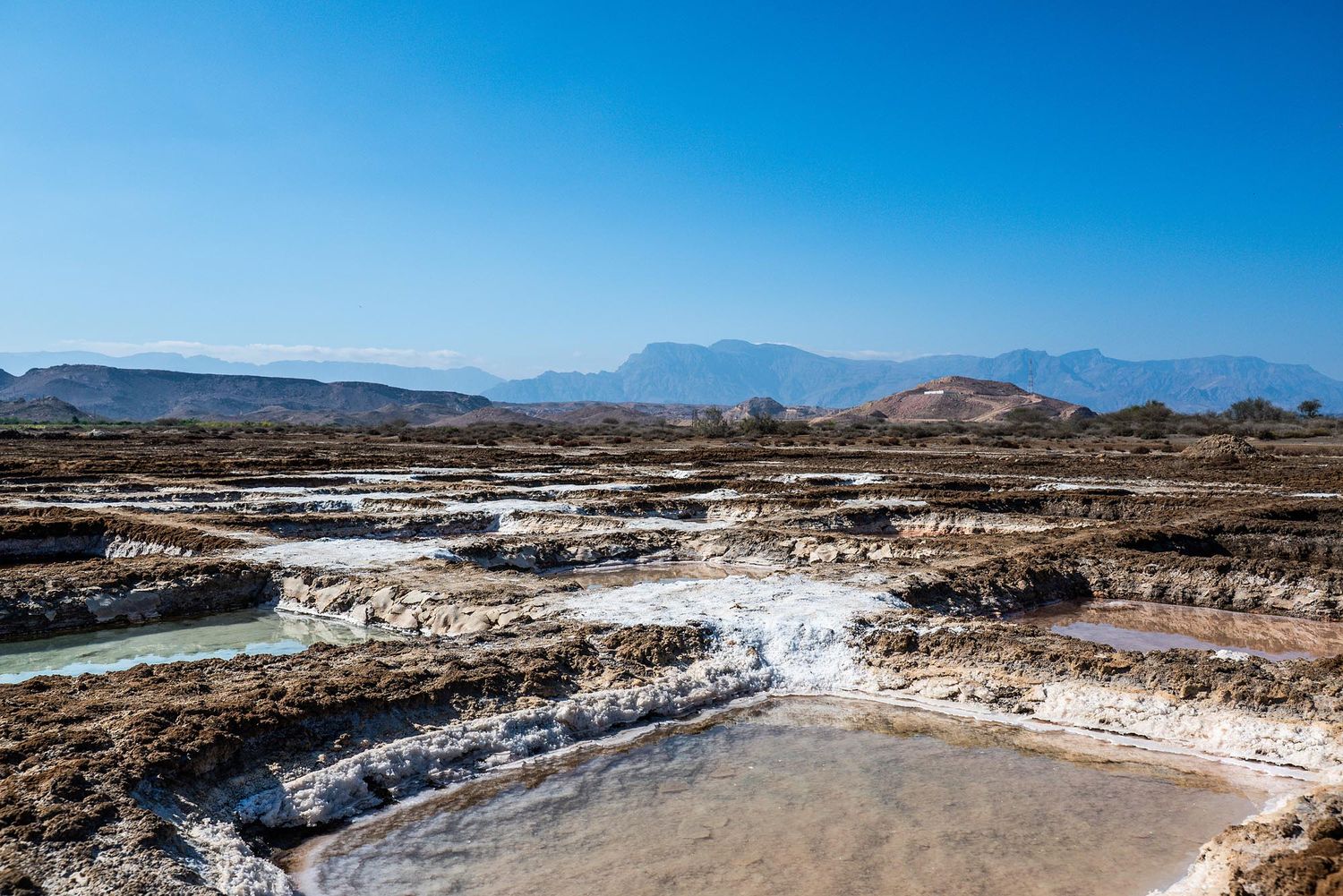
Quriyat Salt Pans are a traditional salt-harvesting area located near the coastal town of Quriyat in Oman, around 80 kilometres southeast of Muscat. The site consists of shallow, man-made salt pools where seawater is channelled in and left to evaporate naturally under the sun, leaving behind crystallised salt that can be collected by hand.
Salt production in the Quriyat area has taken place for centuries and has long been an important local industry. The location of the pans along the coast made them well suited for harvesting seawater, while Oman’s hot, dry climate allowed salt to form efficiently through evaporation. Historically, salt produced here would have been used locally for food preservation, fishing communities, and trade within the region.
The layout of the salt pans reflects practical design rather than aesthetics, with simple square and rectangular basins arranged to control water flow and evaporation rates. Much of the process remains unchanged today, relying on natural conditions rather than modern machinery. This continuity offers insight into traditional Omani livelihoods and the way coastal communities have adapted to their environment over generations.
Where Are the Quriyat Salt Pans?
The Quriyat Salt Pans are actually quite easy to find, though they’re a little tucked away. Getting to the general area is straightforward, and honestly, with Google Maps you don’t really need me to explain it in too much detail.
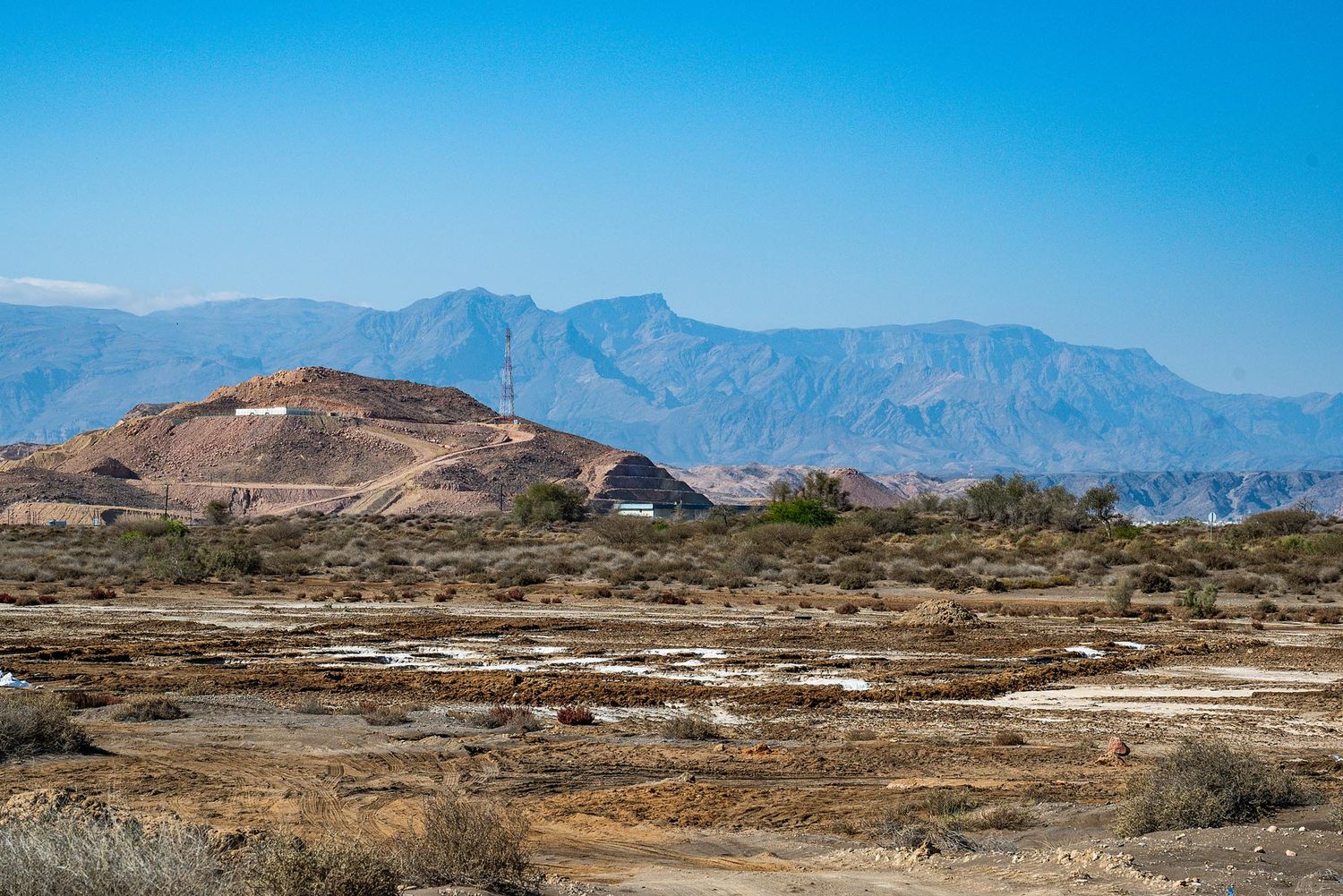
Once you leave Route 17, you’ll find yourself on Daghmar Street (though I don’t recall seeing a street sign). The turning for the gravel road that leads to the salt pans isn’t very obvious — there’s no sign or anything indicating it’s the right way. Just look out for a gravel track with a large red-and-white power tower on one side and what looks like a small compound with date trees on the other.
Follow the gravel track for a short distance, and eventually, on the left, you’ll start to see the salt pans spreading out along the flat coastal landscape.
What Makes the Quriyat Salt Pans Interesting
At first, the salt pans just look like flat basins along the coast, maybe that doesn’t sound very interesting. However, the geometric patterns to me felt like a unique thing I had never seen before — neat squares and rectangles that form a kind of natural mosaic. Depending on the light, the water can be pale blue, turquoise, or milky white, while the salt adds a rough texture that catches the sun in interesting ways. It was fun trying to photograph them, although the best photos of the salt pans are from a drone.
These pans are a place of work, with locals harvesting salt much the same way they’ve done for generations. When travelling, you can get caught up in visiting all the tourist attractions without seeing real life. I think this place gives you a chance to see some real Omani life.
Are the Quriyat Salt Pans worth visiting?
Not on its own, but if you’re passing by, it’s definitely worth a stop. If you’re renting a car, chances are you’ll be driving along Route 17, which makes it an easy detour. And if you’re a bit nervous about driving in Oman, the good news is that Route 17 is an extremely chill road to drive on.
If you haven’t rented a car, I’d say it’s probably too difficult to reach. For me, it was a quick stop on one of my days in Oman, and I was very pleased with the visit. It’s not a place you’ll spend a long time at, but it adds another interesting sight to your day, and Oman is full of them.
Visitor Tips for the Quriyat Salt Pans
Best time to visit
Early morning or late afternoon is ideal. The soft light brings out the patterns and colours in the pans, while midday sun can be harsh, especially in summer.
Getting there
You’ll need a car to reach the salt pans. They’re not accessible by public transport, and most visitors stop by while driving along Route 17.
The gravel track
The short gravel track leading to the pans is bumpy but easy to navigate. Look out for landmarks like a red-and-white power tower and a small date-tree compound. Drive slowly and carefully — most standard cars can handle it.
Parking
There’s no formal parking, so you’ll need to pull over safely off the track. Keep in mind it’s a working area, so don’t block the path or disturb anyone harvesting salt.