Travel Dairy Entry
Honest Thoughts about Tunis.
During my trip to Tunisia, I stayed in two places: Tunis and Sidi Bou Said. I originally intended to spend an equal amount of time in both, but to be honest, I didn’t like Tunis at all. So, I left early and headed to Sidi Bou Said. Click below to find out why I didn’t like Tunis and to read more about my experience in Sidi Bou Said
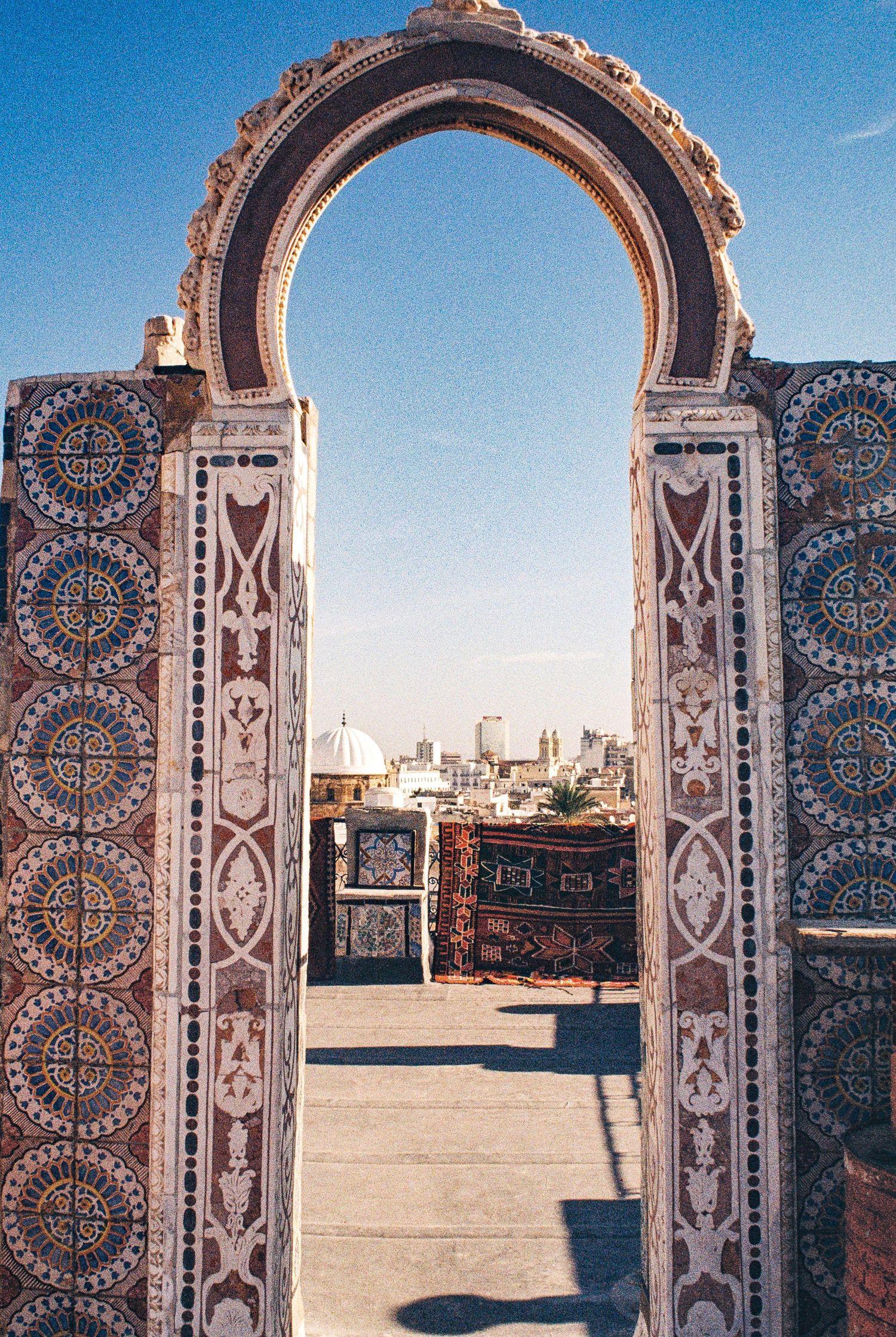
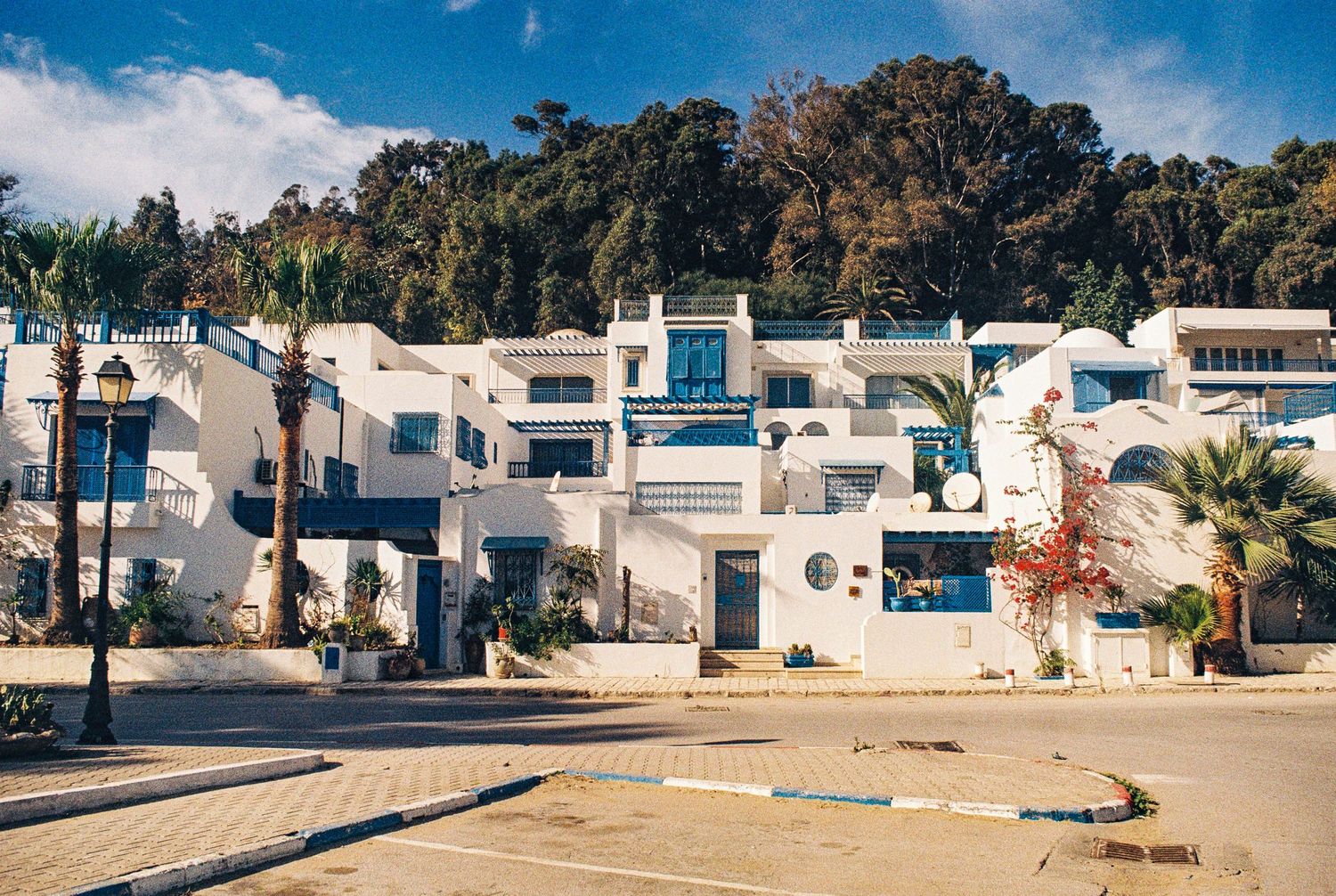
Sidi Bou Said, a charming coastal town just 20 kilometres from Tunis, is known for its picturesque blue-and-white architecture, cobblestone streets, and breathtaking views of the Mediterranean Sea. Often dubbed the “Santorini of Tunisia,” this hidden gem offers more than just beauty—it's a perfect place for culture, history, and photography lovers alike. Whether you’re planning a quick day trip or a leisurely stay, here's everything you need to know about visiting Sidi Bou Said, plus answers to some of the most commonly asked questions about Tunisia.
Best Photo Spots in Sidi Bou Said
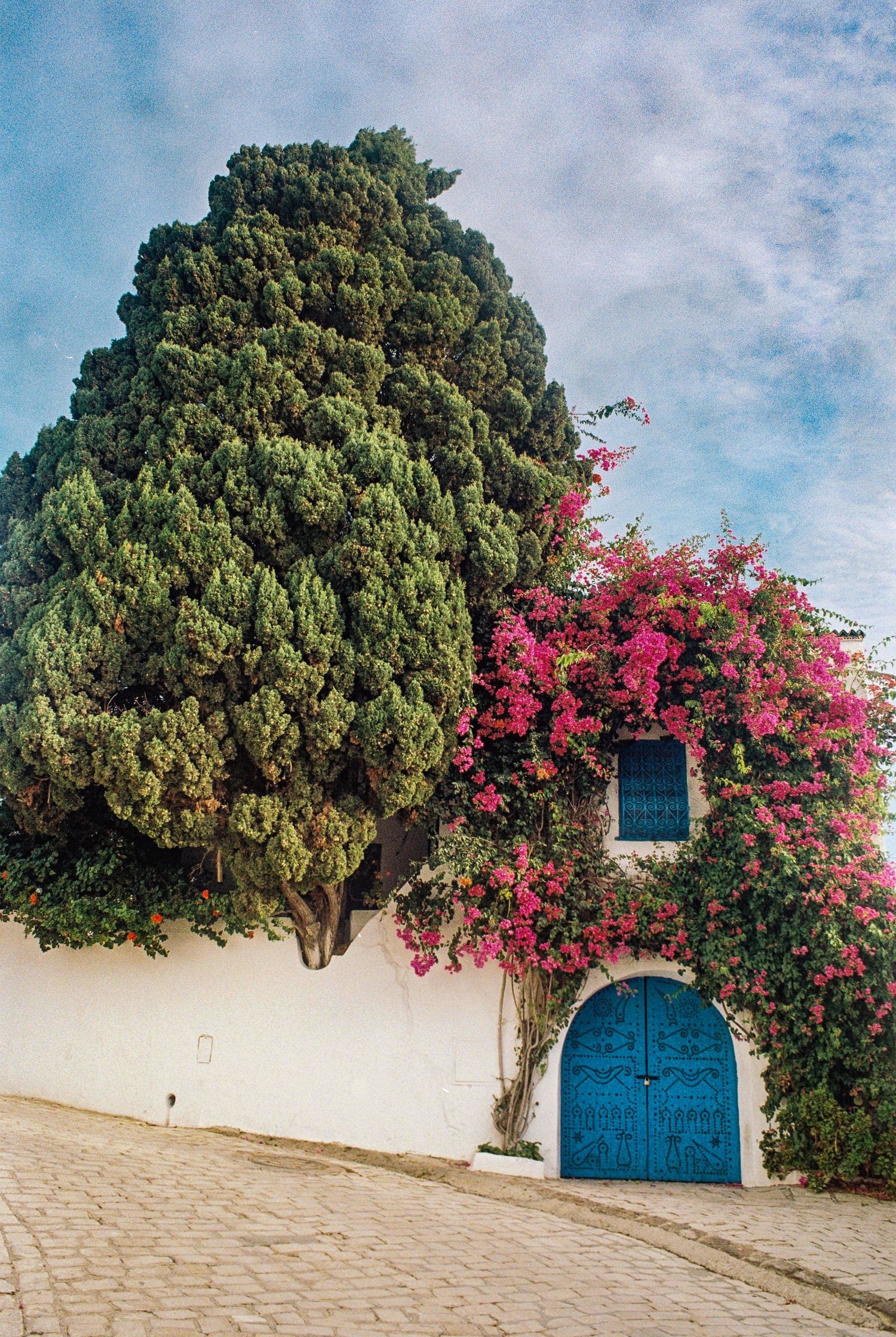
The Famous Blue Doors and Windows
Known for his attention to detail and ability to create visually stunning compositions, Bella has worked on a wide range of projects, including weddings, music videos, corporate events, and short films. Her versatile skill set allows her to adapt to various environments and effectively collaborate with clients to bring their visions to life.
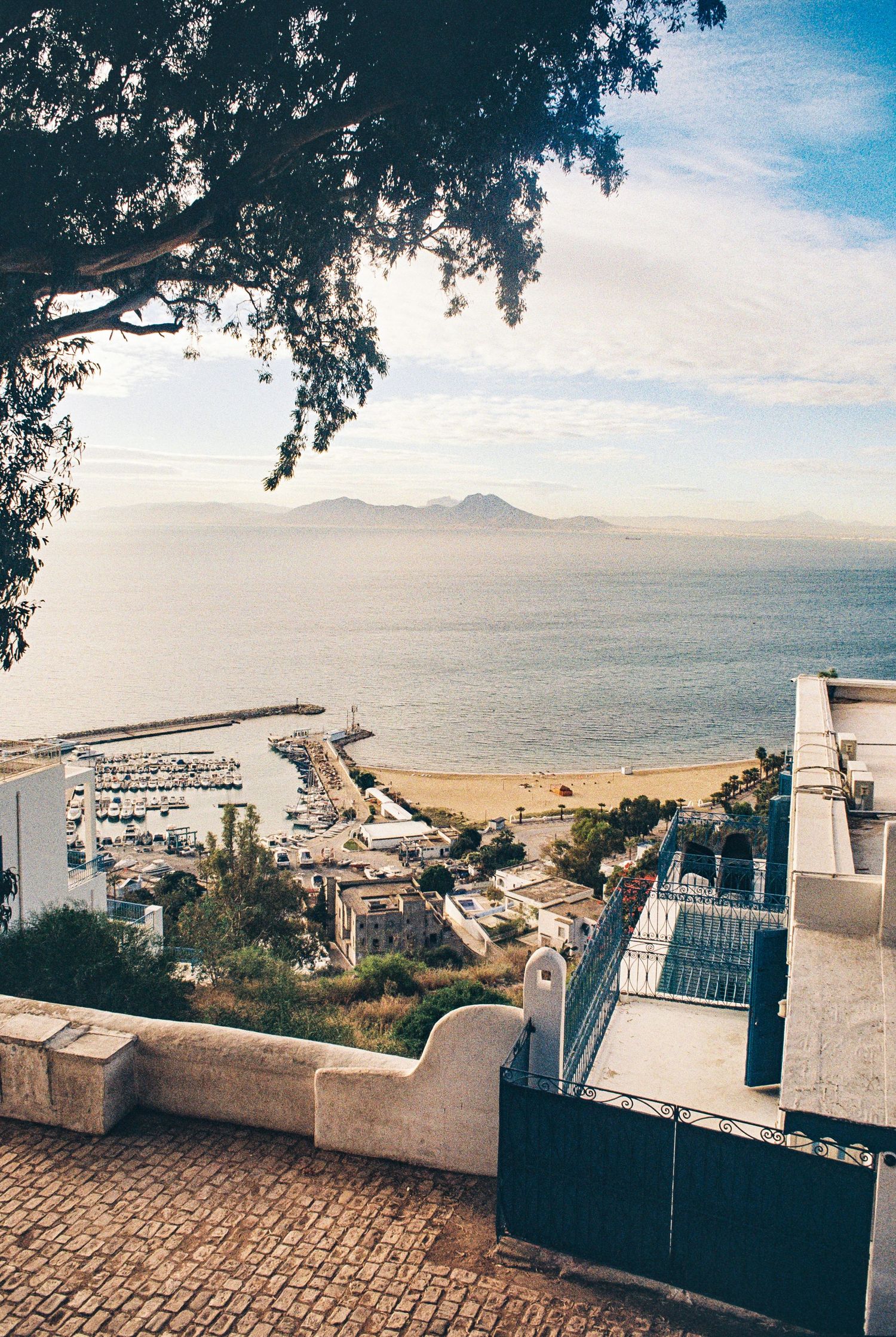
The Café des Nattes
Located on a hill with a stunning view of the sea, this traditional café is one of the best spots for a photo of the town's signature blue and white buildings
Best Photo Spots in Sidi Bou Said
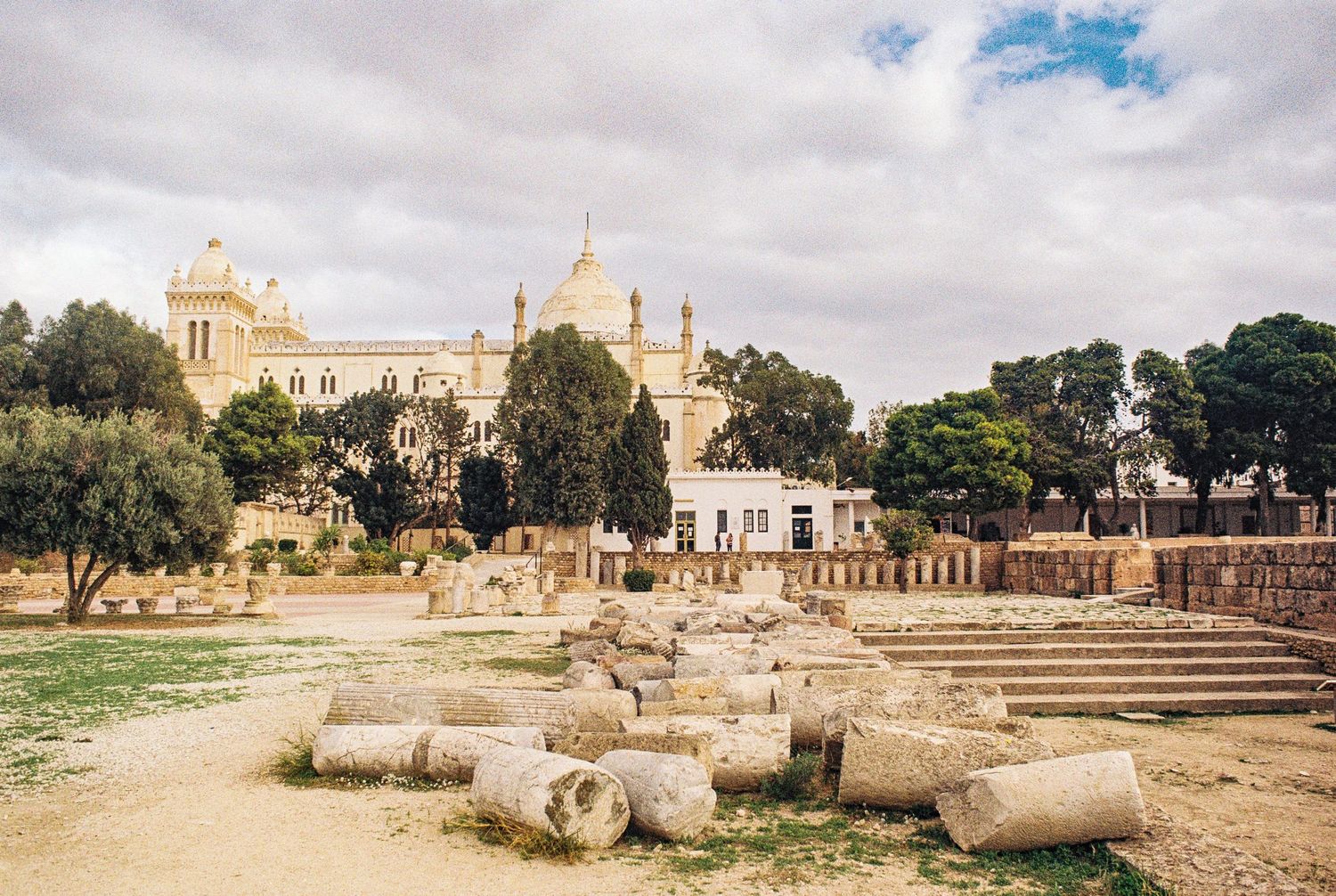
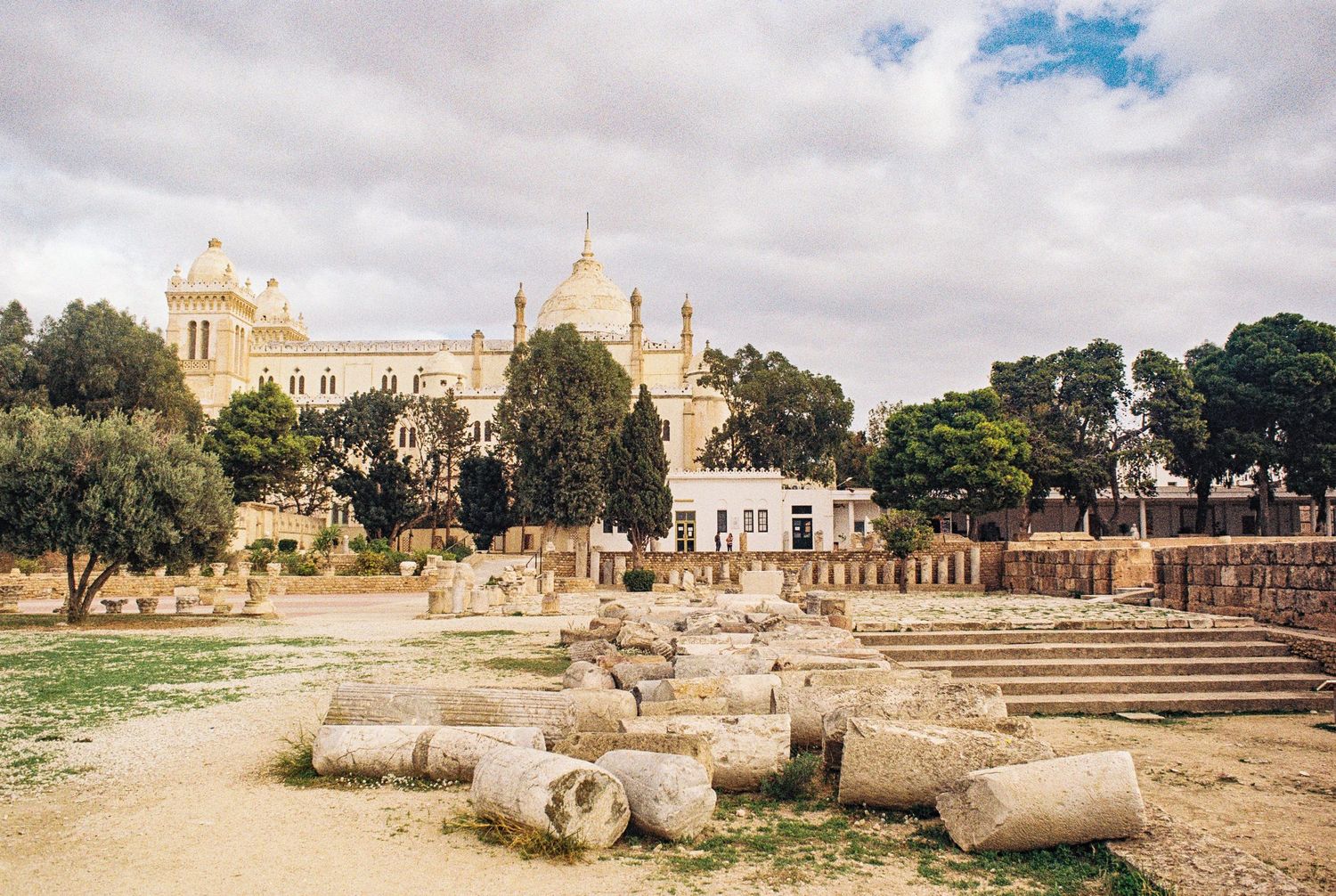
The Ruins of Carthage
Just a short distance away, the ruins of Carthage offer a beautiful contrast to Sidi Bou Said’s architectural beauty, providing sweeping views of the Mediterranean.
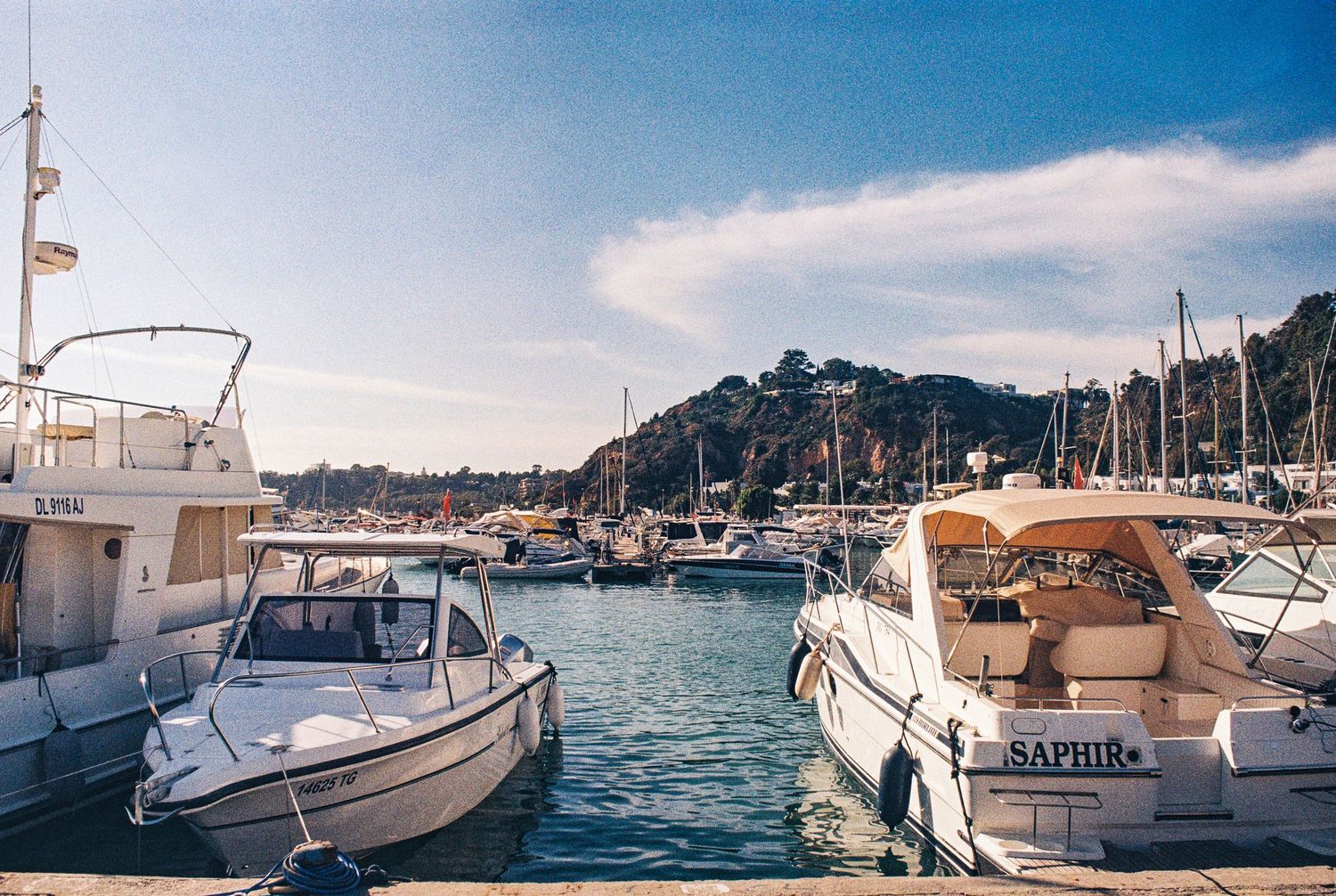
The Seafront
Walking along the water’s edge or near the marina gives you a chance to capture the serene Mediterranean and the town’s charming skyline.
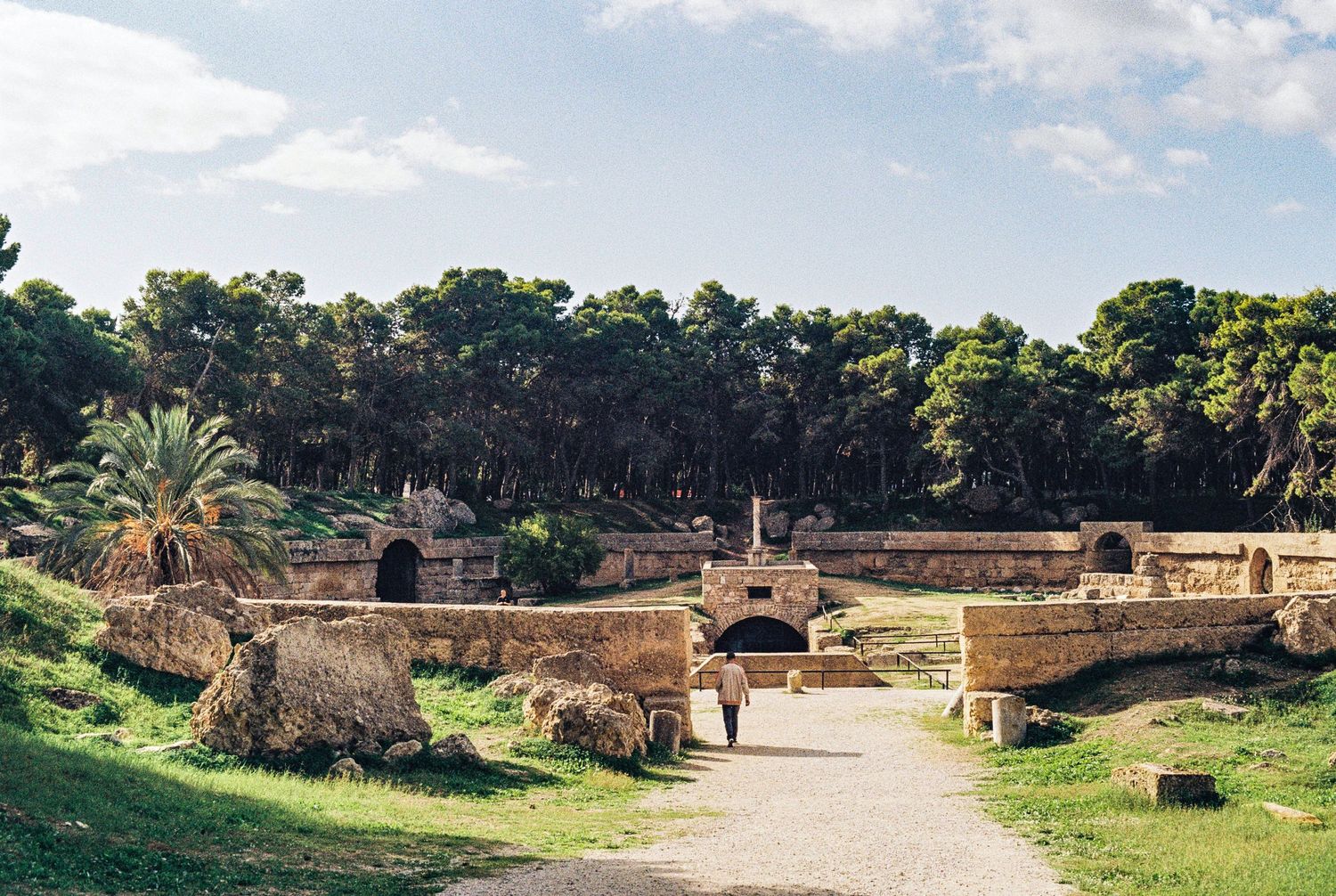
Things to Do in Sidi Bou Said
Visit the Villa des Pins
The Villa des Pins is a beautiful historical house that exudes the charm of old-world Tunisia. Formerly the residence of wealthy aristocrats, this villa now serves as a cultural center, housing exhibitions and hosting events related to Tunisian art and culture. The lush gardens surrounding the villa provide a peaceful environment perfect for an afternoon stroll. It’s a great spot to immerse yourself in the artistic spirit of the region and learn about Tunisia’s cultural heritage.
Wander Through the Cobblestone Streets
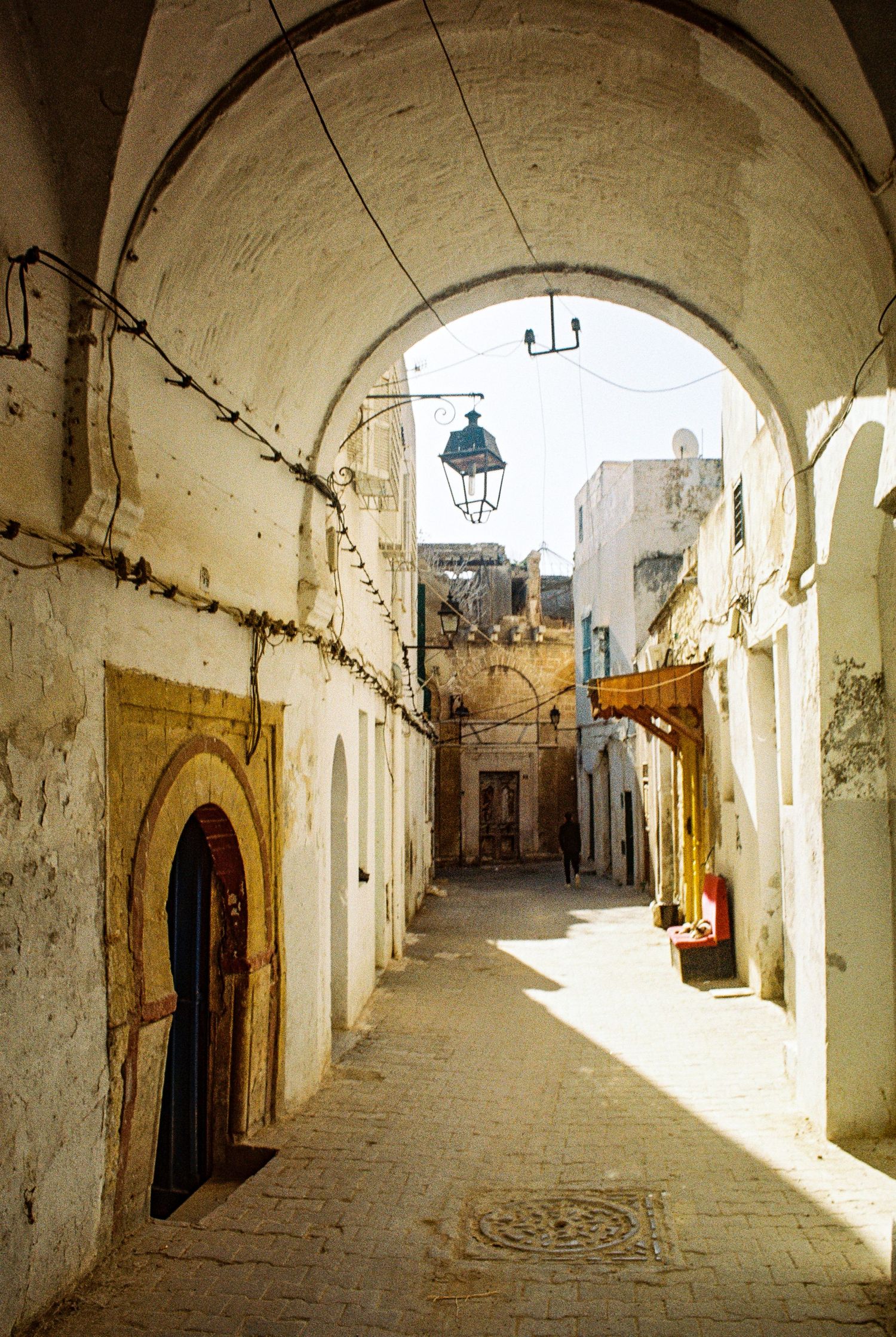
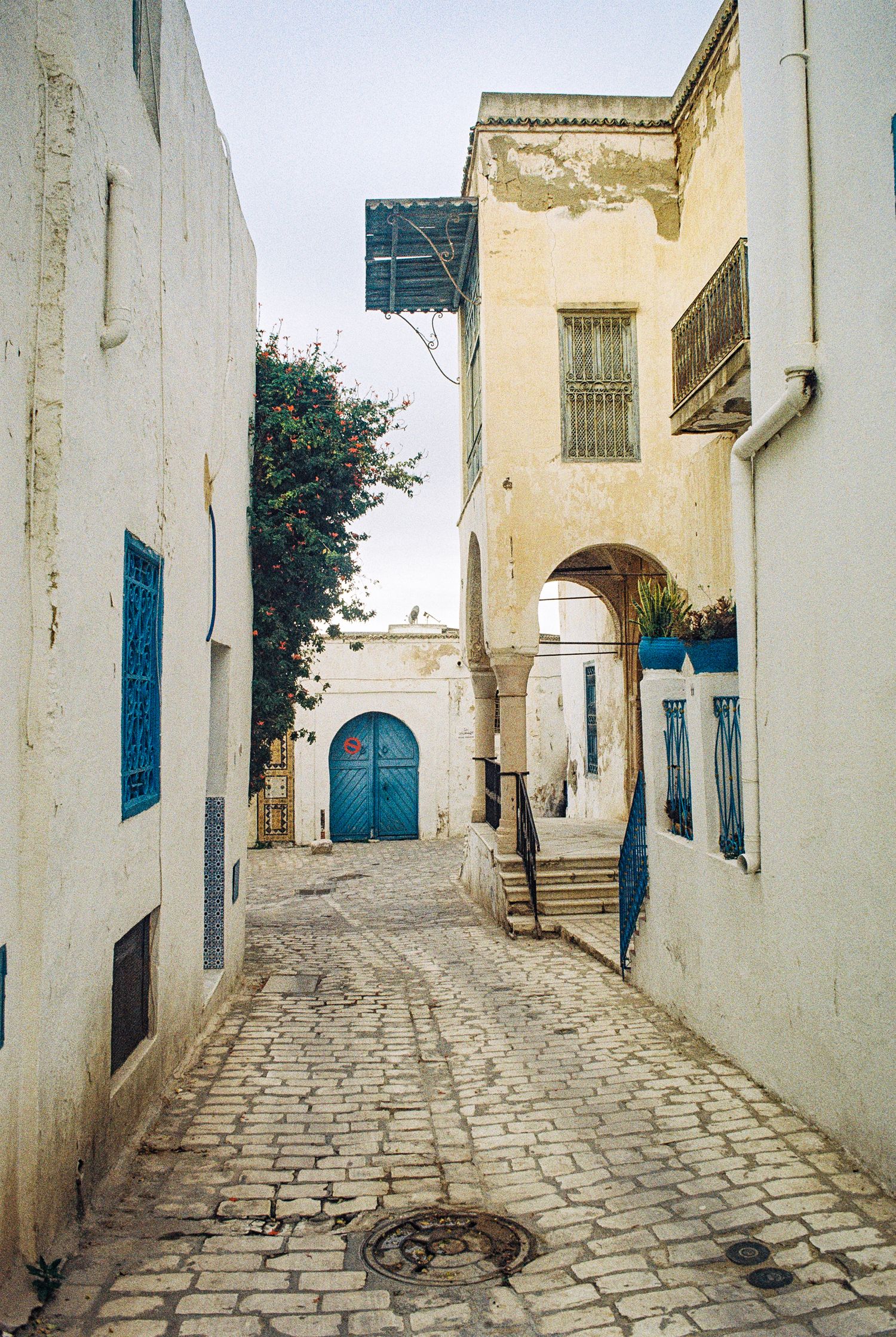
One of the most obvious but still fun things to do in Sidi Bou Said is simply walk the charming streets. The village’s narrow, winding alleys are lined with traditional white-and-blue homes, bougainvillea-covered walls, and panoramic views of the Mediterranean Sea. You’ll find yourself stopping every few steps to take photos of the vibrant doors, ornate window grills, and colourful flower-filled balconies (well I did anyway). There’s a certain tranquillity in these quiet streets.
Relax at one of the Café
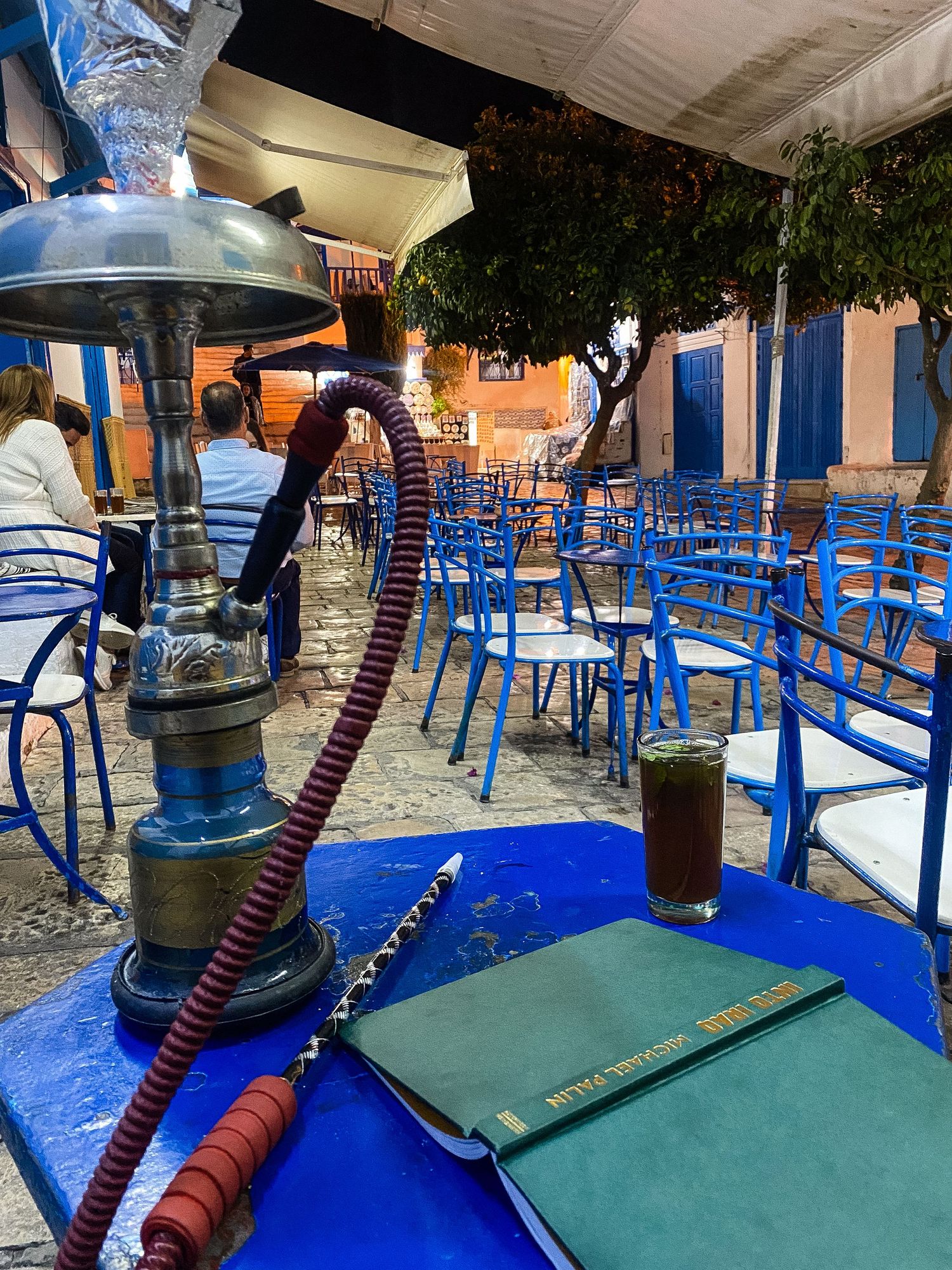
No visit to Sidi Bou Said would be complete without spending some time at the legendary Café des Nattes. Situated in the heart of the village, this café is known for its traditional Tunisian coffee and authentic atmosphere. The café's outdoor seating area is a perfect place to sit and watch the world go by, with views of the village and the Mediterranean Sea. However, this is not the only cafe in Sidi Bou said, I actually preferred sitting at the cafe just opposite called Café des Nattes. Don't expect much in terms of service but it's a great location to sit and relax with a mint tea.
Explore the Dar el-Annabi Museum
If you’re interested in learning more about the history of the region, the Dar el-Annabi Museum is a must-visit. Located in a traditional Tunisian house, the museum showcases the lifestyle of wealthy Tunisian families from the 18th and 19th centuries. Visitors can explore the beautifully preserved rooms, which feature traditional furniture, intricate tile work, and elaborate courtyards. The museum also offers insight into local customs, art, and the architecture that makes Sidi Bou Said unique.
Tour the Ennejma Ezzahra Palace
For those who appreciate history and architecture, a visit to the Ennejma Ezzahra Palace is a highlight of any trip to Sidi Bou Said. This magnificent palace, built in the early 20th century, is an example of Arab-Andalusian architecture at its finest. Once the residence of the famous Tunisian aristocrat and music lover, Baron Rodolphe d'Erlanger, the palace now houses the Arab Music Museum. You can explore the opulent rooms and courtyards, enjoy exhibits on classical Arab music, and take in the beauty of the palace's architecture. The palace is set in a lovely garden, making it an ideal spot to relax and enjoy the Mediterranean air.
Digital Prints For Sale
Climb to the Top for Spectacular Views
Sidi Bou Said offers some of the most stunning panoramic views in Tunisia. The village's elevated position means you can enjoy breathtaking vistas of the Mediterranean Sea and the Gulf of Tunis. If you're up for a little adventure, make your way to the top of the hill for the best views of the village’s distinctive blue-and-white buildings against the backdrop of the sparkling sea. The view is particularly stunning at sunset when the sky turns into a beautiful canvas of colors.
Check Out the Local Art Galleries
Sidi Bou Said is known as an artist’s haven, and it’s no surprise given the vibrant atmosphere and stunning landscapes that have inspired many creatives over the years. Throughout the village, you’ll find numerous small galleries showcasing works by local and international artists. Whether it’s paintings, sculptures, or photography, you’ll have plenty of opportunities to appreciate the local art scene and perhaps even take home a unique souvenir.
Stroll Along the Marina
The marina in Sidi Bou Said is another great place to relax and take in the views. You can enjoy a leisurely walk along the water, watch the boats gently bobbing in the harbor, or simply sit at one of the nearby cafés and enjoy a refreshing drink. The marina is a peaceful escape, perfect for those looking to unwind after a day of exploring the village.
Shop for Handcrafted Souvenirs
If you’re in the mood for some shopping, Sidi Bou Said has plenty of quaint shops selling handcrafted goods. From intricately designed pottery and handmade carpets to silver jewelry and locally made textiles, you’ll find a wide variety of unique souvenirs. The craftsmanship and attention to detail make these items special, and many shops are owned by local artisans, allowing you to directly support the community.
Great Mosque of Sidi Bou Said
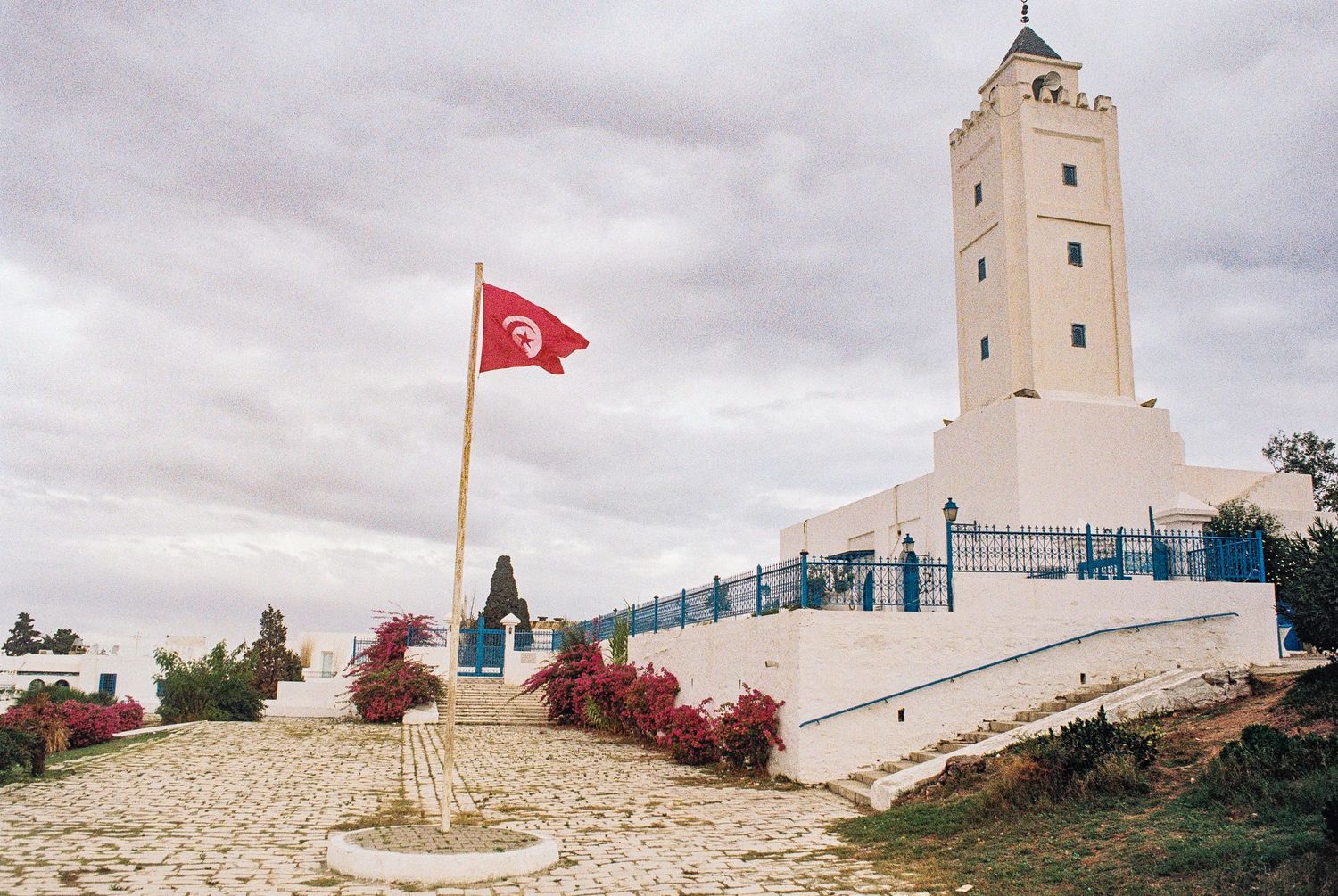
For a touch of history and spirituality, take a moment to visit the Great Mosque of Sidi Bou Said. This mosque, dating back to the 13th century, is one of the most important landmarks in the village. Its simple yet striking design, with traditional Islamic architectural elements, offers a glimpse into Tunisia’s religious heritage. The mosque is set amidst lush greenery, adding to its serene and peaceful ambience.
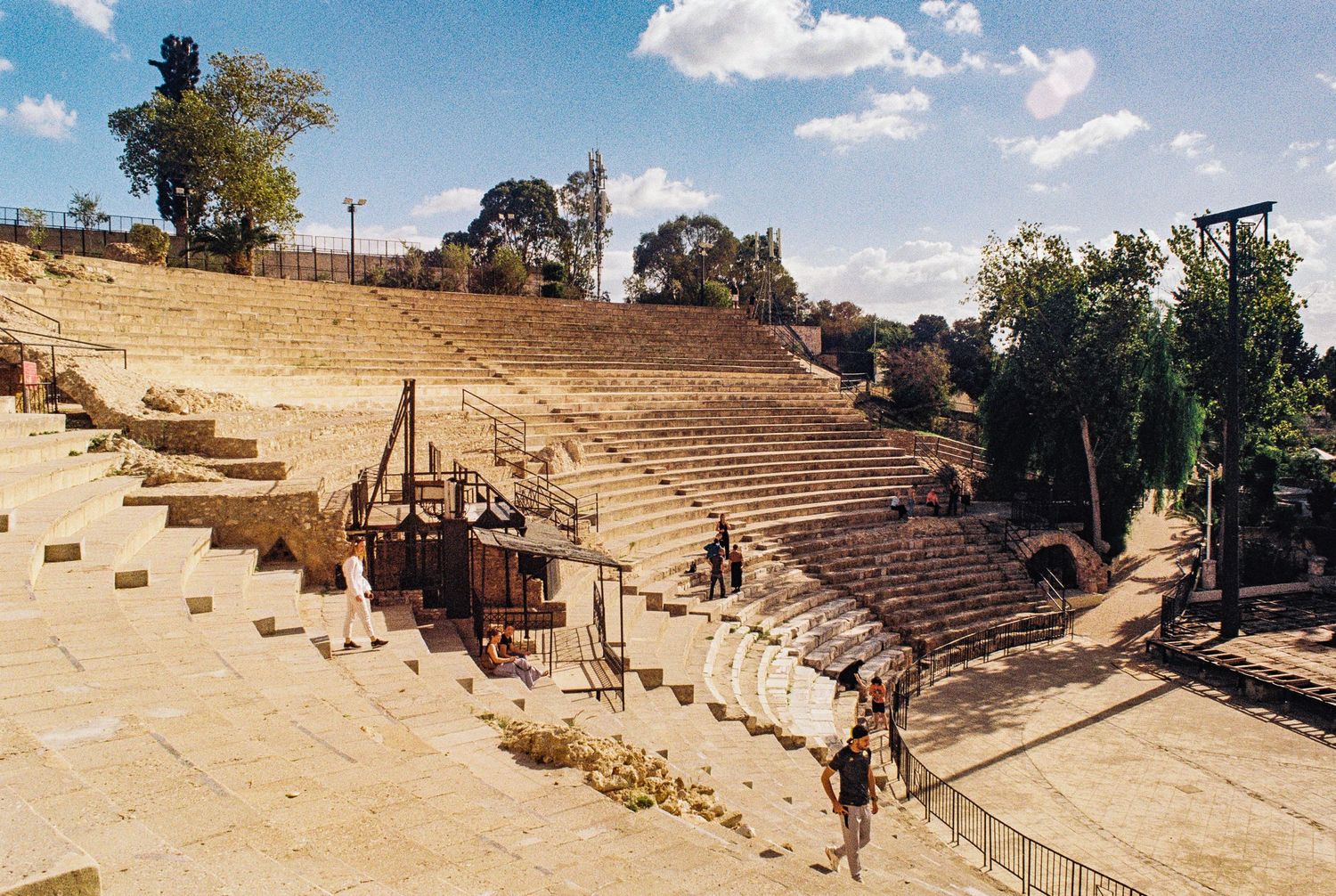
Ancient Ruins of Carthage
Carthage, the legendary Phoenician city that once rivalled Rome as a Mediterranean superpower, stands as one of Tunisia’s most celebrated historical sites. Located just next to Sidi Bou Said, this UNESCO World Heritage site offers a fascinating glimpse into the ancient world. Whether you're a history enthusiast, an archaeology lover, or simply curious about one of the most pivotal ancient civilizations, Carthage’s ruins are an essential part of any Tunisian itinerary and the highlight of my trip.
Carthage’s ruins are scattered over several key sites, each offering a unique piece of history. While exploring, it’s important to take your time to appreciate both the scale and the significance of the remnants. Here are some of the highlights:
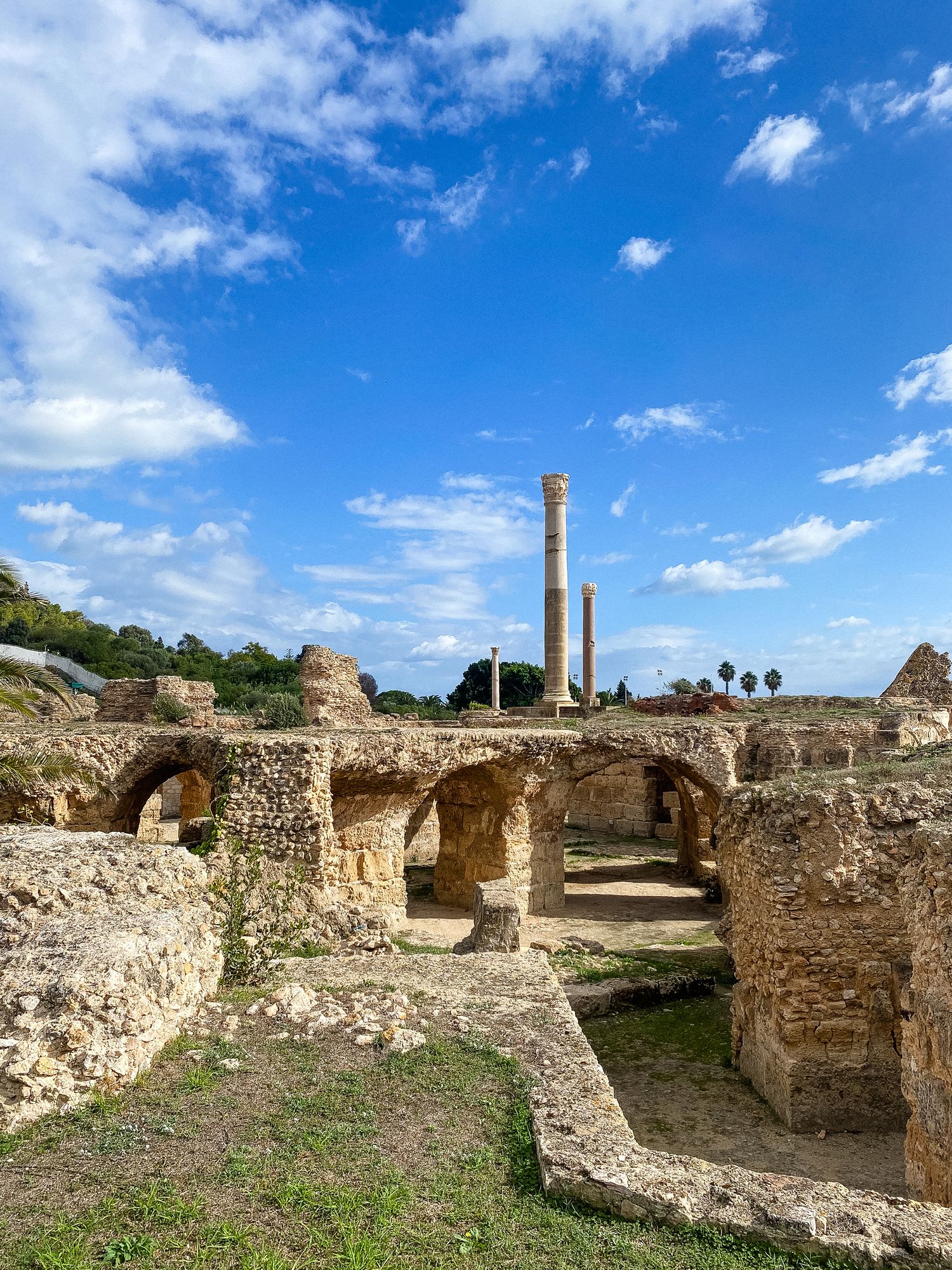
The Antonine Baths
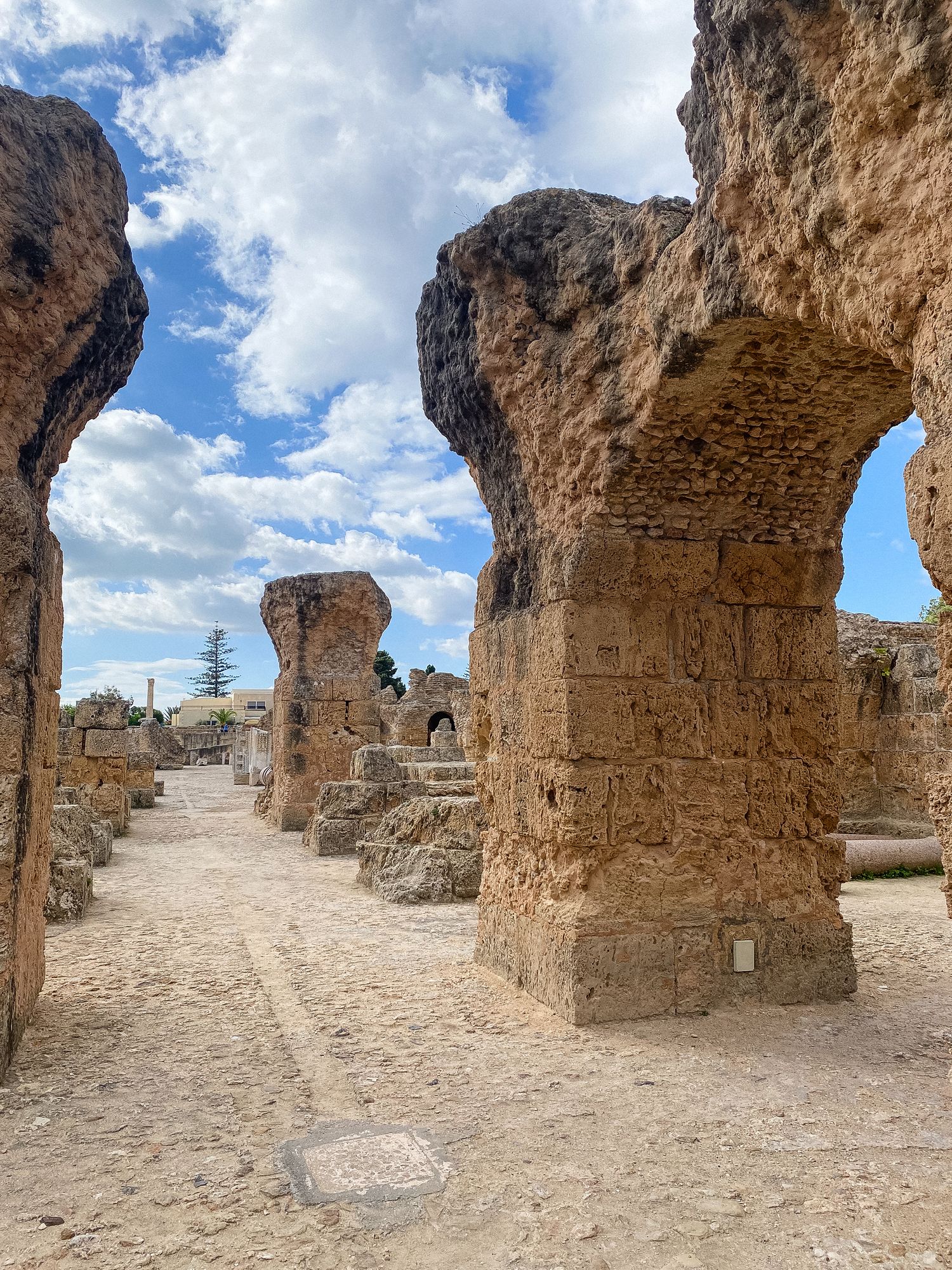
One of the largest Roman bath complexes ever built, the Antonine Baths are a must-see. Situated near the coast, the baths once featured grand colonnades, pools, and vast chambers. Visitors can still imagine the grandeur of this once-bustling social space, as well as enjoy beautiful views of the Mediterranean from the ruins. These baths rival the size of the famous Baths of Caracalla in Rome, making them a key highlight of Carthage’s rich history.
Carthage’s Tophet
The Tophet is perhaps the most mysterious and evocative site in Carthage. It’s an ancient burial ground associated with child sacrifice, a practice often linked to Carthaginian religion. The Tophet is home to thousands of urns containing the remains of children, and while the exact practices remain debated, it offers an intriguing insight into the darker side of Carthaginian culture. The site is both haunting and historically significant, and it’s one of the most talked-about locations in Carthage.

Carthage’s Punic Ports
The Punic Ports were a vital part of Carthage’s naval power. The two harbors, known as the Circular Harbor and the Military Harbor, were once bustling with ships, trade, and military activity. Today, you can wander around these impressive ruins and get a sense of the scale of the ancient Carthaginian fleet. The Circular Harbor, in particular, gives a stunning view of the Mediterranean Sea and the modern city of Tunis. Imagine the naval battles and the trade routes that once flowed through this space—it’s easy to see why Carthage was a force to be reckoned with.
The Byrsa Hill and the Carthage Museum
At the heart of ancient Carthage lies Byrsa Hill, the city’s acropolis. The hill was once home to Carthage’s royal palace and sacred temples. Today, it offers one of the best panoramic views of the city and the sea. The nearby Carthage Museum provides a deeper dive into the region’s history, displaying artifacts from the Punic and Roman periods, as well as a range of items that illustrate Carthage’s rich cultural exchange with neighboring civilizations.
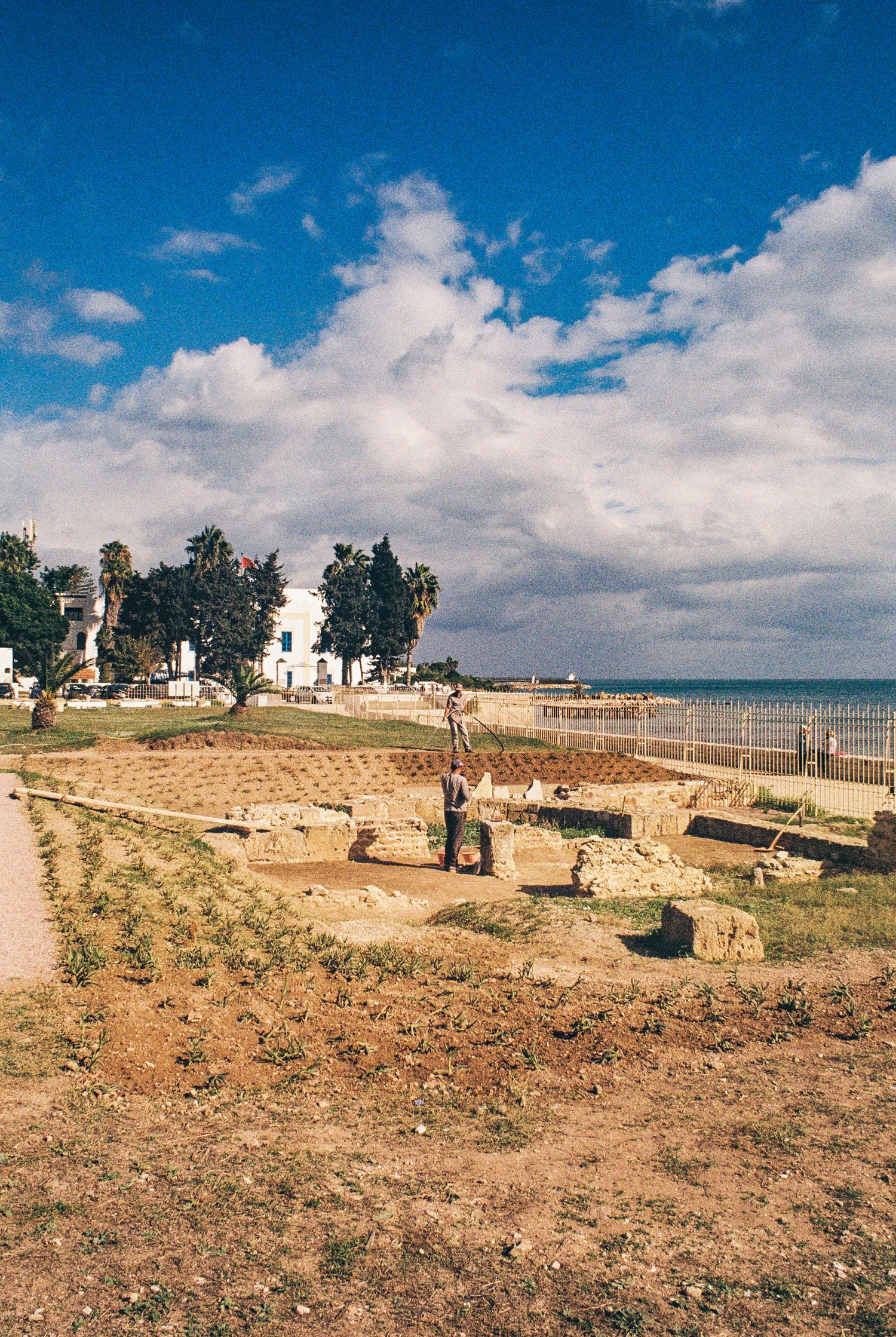
Exploring the Ruins: What to Expect
Exploring Carthage requires a bit of walking, so wear comfortable shoes and be prepared to cover some ground. The ruins are spread out over a large area, and while some sites are well-preserved, others are more fragmentary. There are also plenty of signs and plaques in both French and English that provide historical context, but to really get the most out of your visit, consider hiring a local guide or using an audio guide. They’ll be able to bring the ruins to life and offer deeper insights into the history behind each location.
Practical Tips for Visiting
Getting There: Carthage is located just 15 minutes from downtown Tunis, making it easy to visit as part of a day trip. You can take a taxi, a local train, or use a ride-hailing app like Uber to get there. The Carthage – Salambo station is conveniently located for accessing several of the ruins.
Best Time to Visit: The best time to visit Carthage is in the cooler months of spring (March to May) or fall (September to November), as the weather can be sweltering in summer. Early morning visits are ideal to avoid the crowds and the heat.
Entry Fees: Entrance fees vary by site, so be sure to check current prices before you go. Some sites, such as the Carthage Museum and the Punic Ports, may have a combined ticket, which allows for access to multiple ruins.
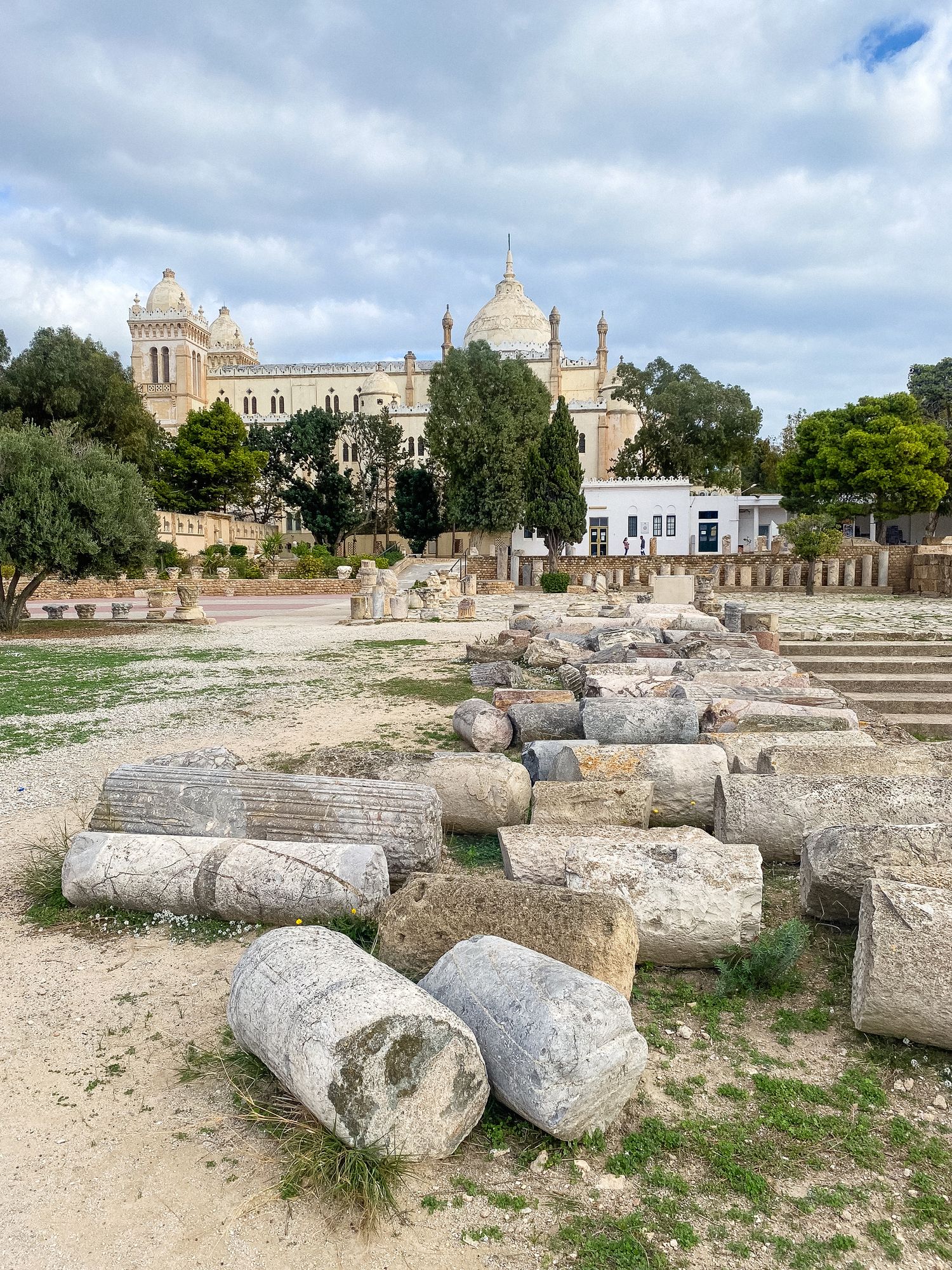
Sidi Bou Said
FAQ
Is It Safe to Travel to Tunisia Right Now?
Tunisia is generally safe for travellers, and most tourists have a positive experience. Like any other destination, it's always good to stay aware of your surroundings and follow local advice. It's worth checking the latest travel advisories from your government before your trip to ensure you’re up to date on any safety concerns.
Can You Wear Shorts in Tunisia?
Yes, you can wear shorts in Tunisia, especially in tourist areas like Sidi Bou Said. However, it's a good idea to dress modestly when visiting religious sites or rural areas. For men, it's fine to wear shorts in most places, but women should consider wearing longer skirts or pants in more conservative areas, especially outside of major tourist spots.
Do Brits Need a Visa for Tunisia?
British passport holders do not need a visa for stays of up to 90 days in Tunisia. However, your passport must be valid for at least six months from your date of entry. Always check for any updates regarding visa requirements before you travel.
What Is the Currency in Tunisia Called?
The currency of Tunisia is the Tunisian Dinar (TND). While major credit cards are accepted in tourist areas, it's a good idea to carry cash for smaller purchases. ATMs are available
Is Sidi Bou Said Older than Santorini?
While both Sidi Bou Said and Santorini are renowned for their stunning white-and-blue aesthetic, Sidi Bou Said has a longer history. Sidi Bou Said was founded in the 12th century, making it older than Santorini, which has a history dating back to ancient times but wasn’t developed as a popular tourist destination until much later. However, Santorini’s distinct architecture—due to the volcanic eruption—gives it a unique edge in terms of stunning views.
Best Time to Visit Sidi Bou Said?
The best time to visit Sidi Bou Said is during the spring (April to June) or fall (September to November). The weather is pleasant, and there are fewer tourists compared to the summer months. If you enjoy the buzz of high season, July and August will bring a lively atmosphere, but it can get crowded.
Getting to Sidi Bou Said
Getting to Sidi Bou Said is relatively easy, especially since it’s located just 20 minutes from the capital, Tunis. Whether you're traveling by taxi, public transport, or car, here are the best ways to get there:
By Taxi
Taxis are a convenient way to get to Sidi Bou Said, especially if you're coming from central Tunis. You can easily grab a taxi from anywhere in the city. The ride typically takes around 20–30 minutes, depending on traffic, and should cost between 10–15 Tunisian Dinars (TND) (around $3–$5 USD). Make sure the driver uses the meter or agree on a price beforehand to avoid misunderstandings. For a more comfortable and modern alternative to taxis, both Uber and Bolt operate in Tunis. You can order a ride through their apps, and the price is typically a bit higher than a regular taxi but offers the convenience of cashless payment and a clear fare estimate. Expect a ride to cost around 12–20 TND (roughly $4–$7 USD).
By Train
The Tunisian railway network offers a direct train route from the city center to Sidi Bou Said, making it one of the easiest and most affordable options. The train departs regularly from the Tunis Gare (Tunis Central Train Station) and the Bab El Khadra station in the city center. The journey takes about 20–25 minutes and costs around 1–2 TND (about $0.30–$0.60 USD). You'll want to get off at the Sidi Bou Said train station, which is a short walk from the village itself.
By Bus
Public buses are also available, though they might take a bit longer due to multiple stops along the way. You can catch a bus from the central bus station in Tunis. The fare is inexpensive (around 1–2 TND), but be prepared for a longer journey (30–40 minutes) depending on traffic.
January 2025
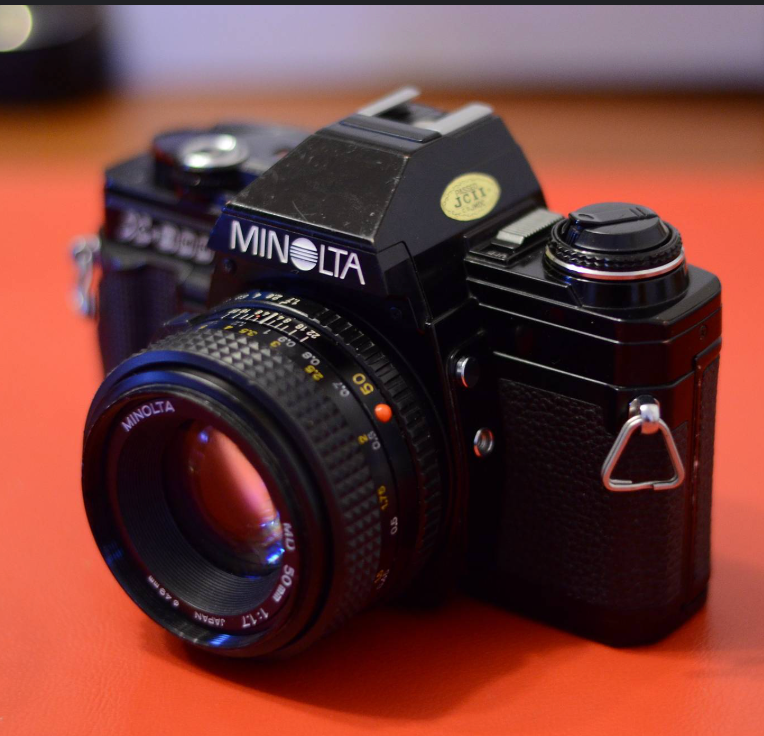
Wondering why the photos on this blog are so grainy, its not some rero Instagram filter but rather all the photos (expect the ones taken on my Iphone) were shot on film.