I began my most apprehensive driving experience to date with one strict rule in mind: don’t drive after dark. Every travel blog I’d read about Morocco repeated this advice like a mantra. Yet, as luck would have it, by the time I’d navigated the chaos of Fez Airport and collected my rental car, a little VW Up!, the sun had already dipped below the horizon.
So there I was, cruising into the Moroccan night, on route to my first stop, Ifrane.
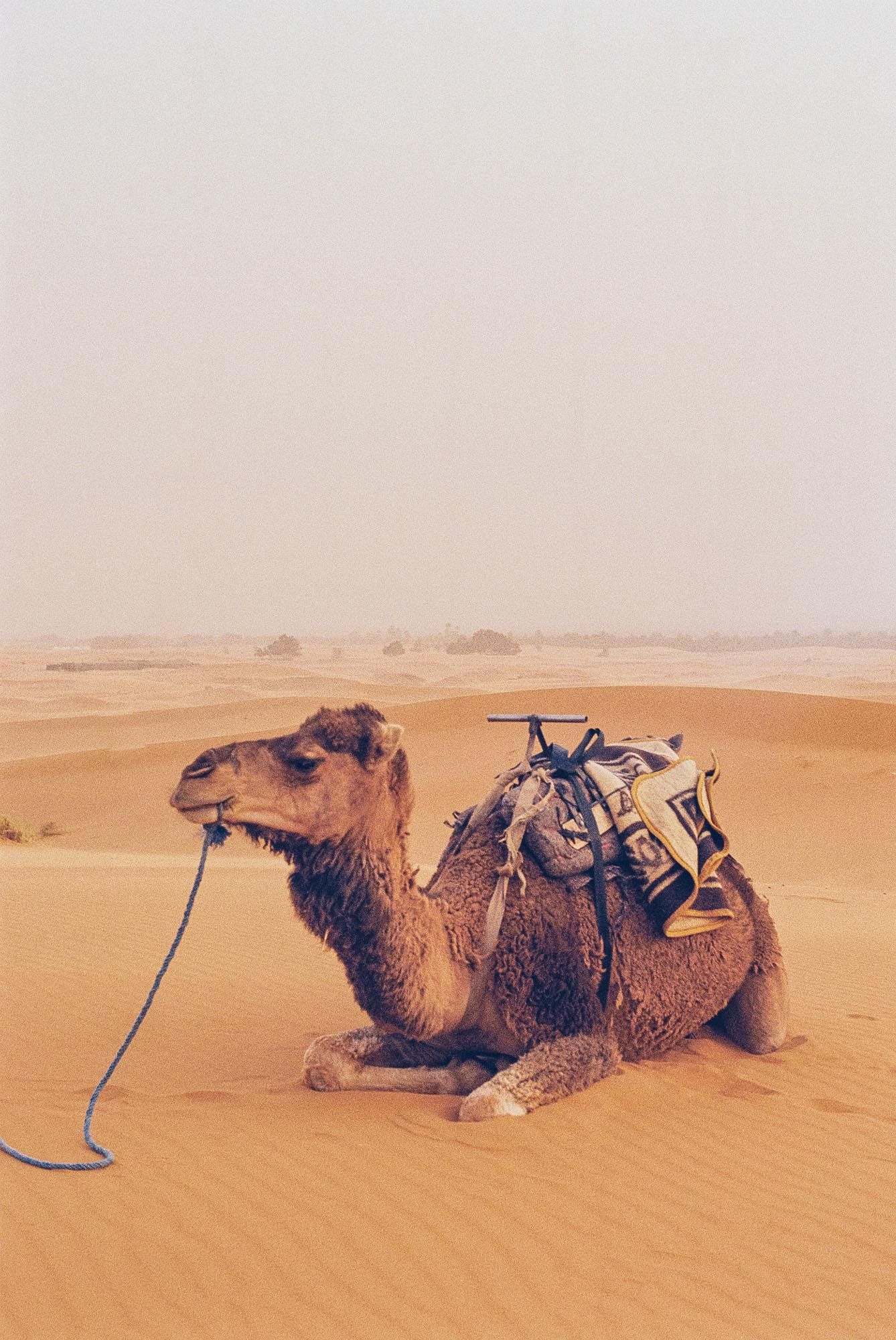
Table of Contents
- My Experience Driving from Fez to Merzouga
- Other Ways to Get from Fez to Merzouga
- Why You Should Drive Yourself
- Safety Tips for Driving in Morocco
- Getting Petrol and Preparing Your Car
- How Long Does It Take to Drive from Fez to Merzouga?
- The Best Stops Along the Route
- Final Thoughts: Is Driving from Fez to Merzouga Worth It?
Ifran hotel
Zephyr Ifrane
This was the hotel I stayed in on my journey from Fez Airport to Merzouga, on the edge of the Sahara. It made a great first stop after a long travel day, perfectly comfortable and surprisingly good value for the price.
The room was simple but clean, the breakfast was tasty, and the hotel has a large pool, which was a welcome sight after hours on the road. It also seems to be a popular stop for cyclists.
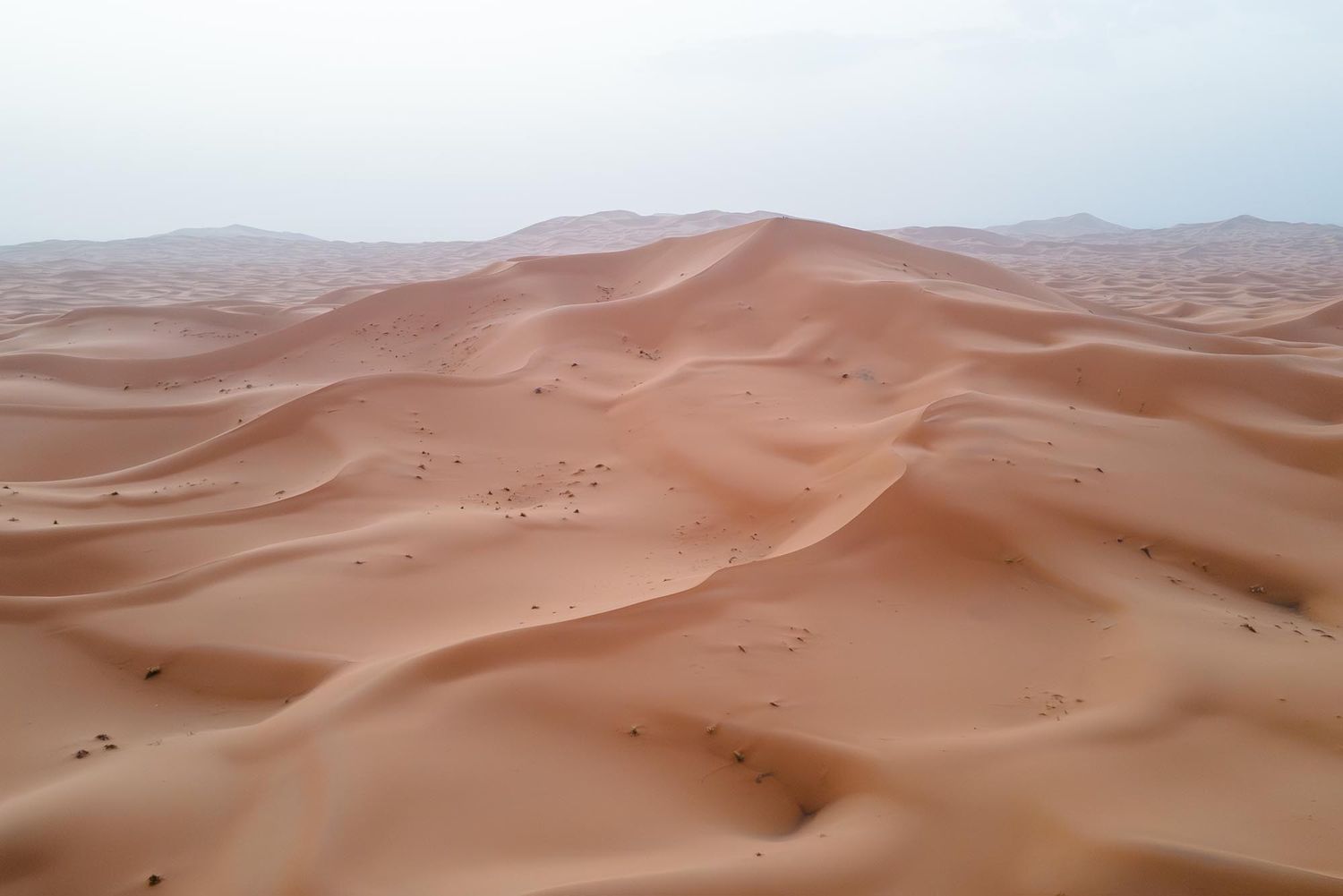
The journey from Fez to Merzouga covers around 460 kilometres (285 miles), taking roughly 8–9 hours of driving time. It’s a trip that takes you through mountain passes, pine forests, barren plains, and ultimately, into the golden dunes of the Sahara Desert.
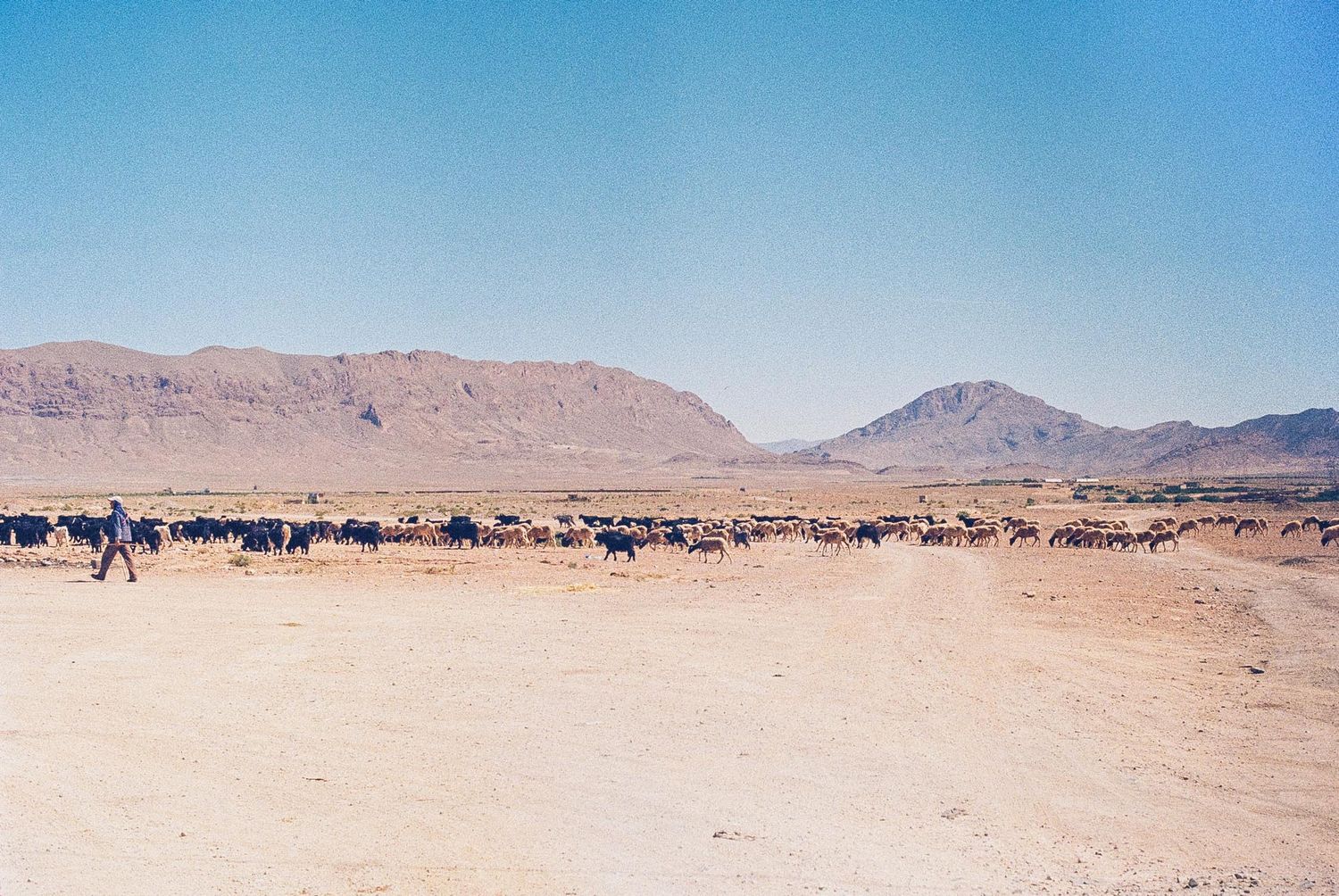
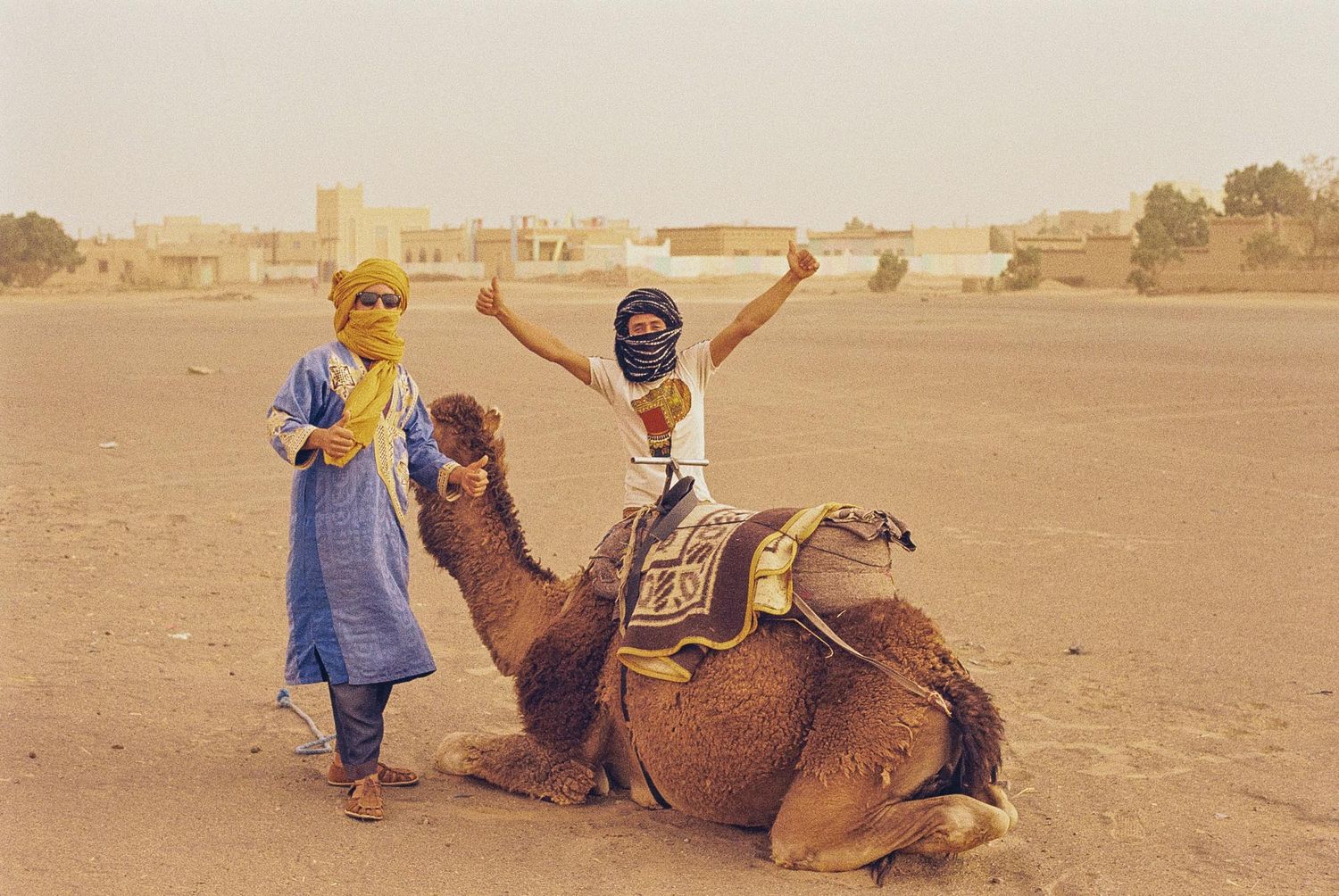
The drive was nothing short of unforgettable. Between the occasional donkey wandering into the road, sandstorms swirling in the distance, and police checkpoints appearing without warning, every mile felt like a small adventure, sometimes relaxing, other times very stressful. And yet, despite all of that, I loved it. By the time I arrived in the desert, dusty, tired, and slightly dazed, I felt a real sense of achievement.
Other Ways to Get from Fez to Merzouga
If the idea of driving yourself across Morocco doesn’t appeal, don’t worry — there are other ways to make the journey.
By Bus:
The most budget-friendly option is the Supratours bus, which departs from Fez and arrives in Merzouga after about 10–11 hours. It’s reliable, air-conditioned, and affordable (roughly 250–300 MAD / €25–30).
By Private Transfer or Tour:
Many visitors choose a private driver or organised desert tour. This option is more expensive (usually €100–200 per person), but includes sightseeing stops, a local guide, and often a night in a desert camp.
By Flight:
There are no direct commercial flights from Fez to Merzouga. The nearest airport is in Errachidia, around two hours from the dunes — you could fly from Casablanca or Fez to Errachidia and continue by taxi or transfer.
Why You Should Drive Yourself
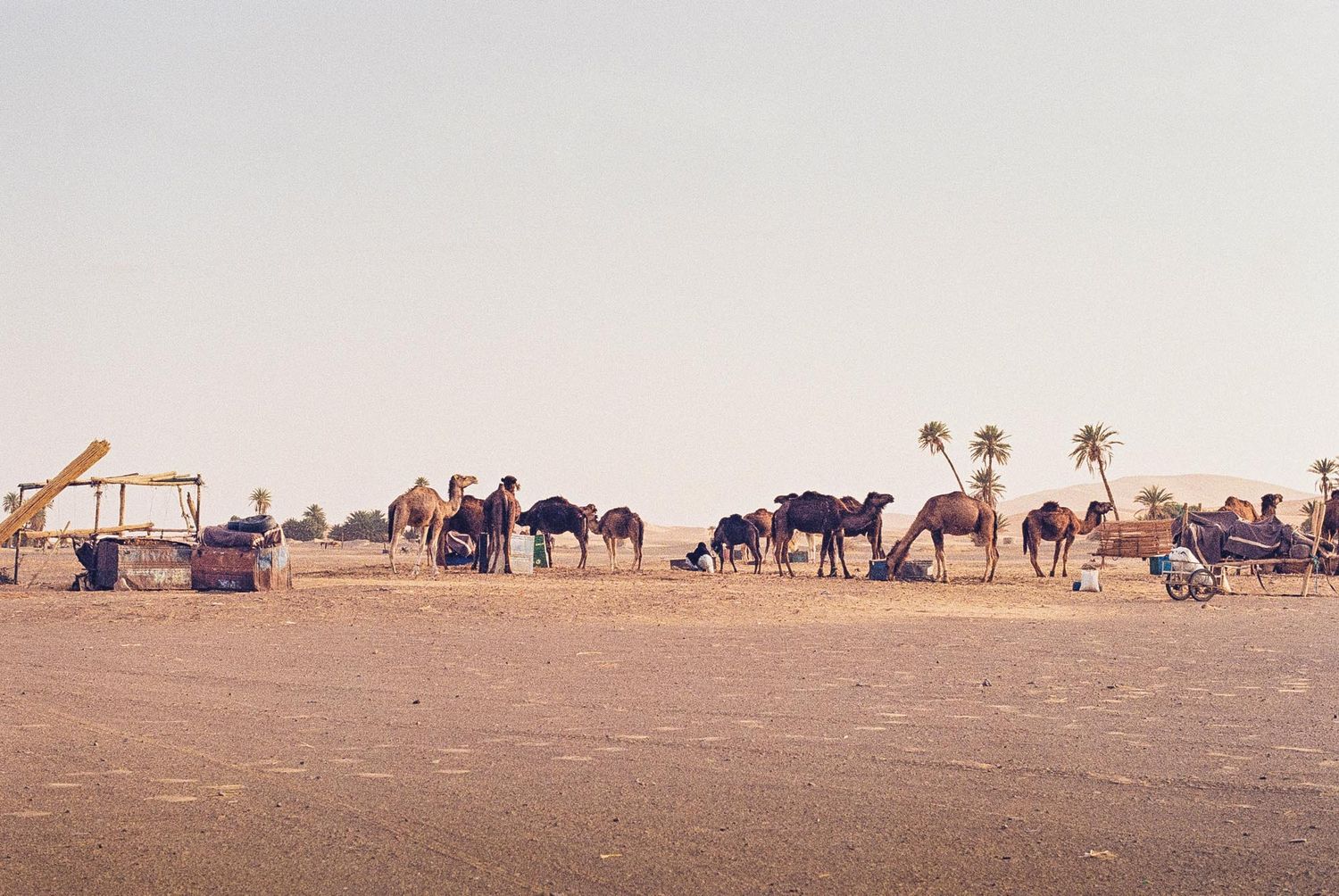
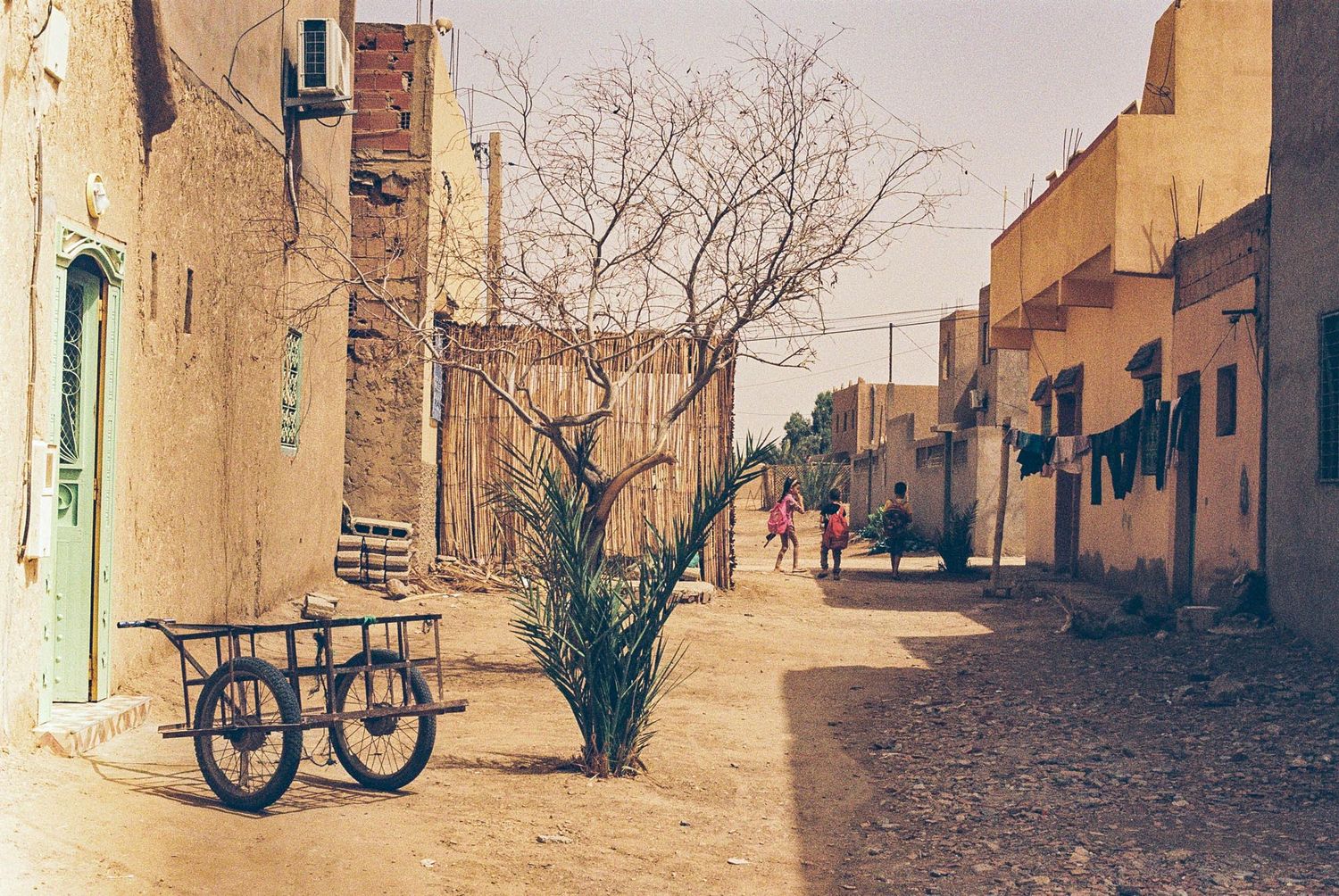
Driving from Fez to Merzouga gives you freedom — the freedom to stop whenever something catches your eye, explore hidden mountain villages, and move at your own pace. You’re not tied to a group tour schedule or bus route.
The roads are surprisingly decent for most of the journey, and with navigation apps working fine offline, it’s very manageable. For me, having my own car meant I could stop in Ifrane, nicknamed the “Little Switzerland” of Morocco, wander through the cedar forests near Azrou, and pause in Midelt for a mint tea overlooking the mountains.
It’s not just about getting from A to B — it’s about embracing the drive itself as part of the adventure.
Safety Tips for Driving in Morocco
Driving in Morocco isn’t difficult, but it’s very different from driving in Western Europe. Here are a few important things to keep in mind:
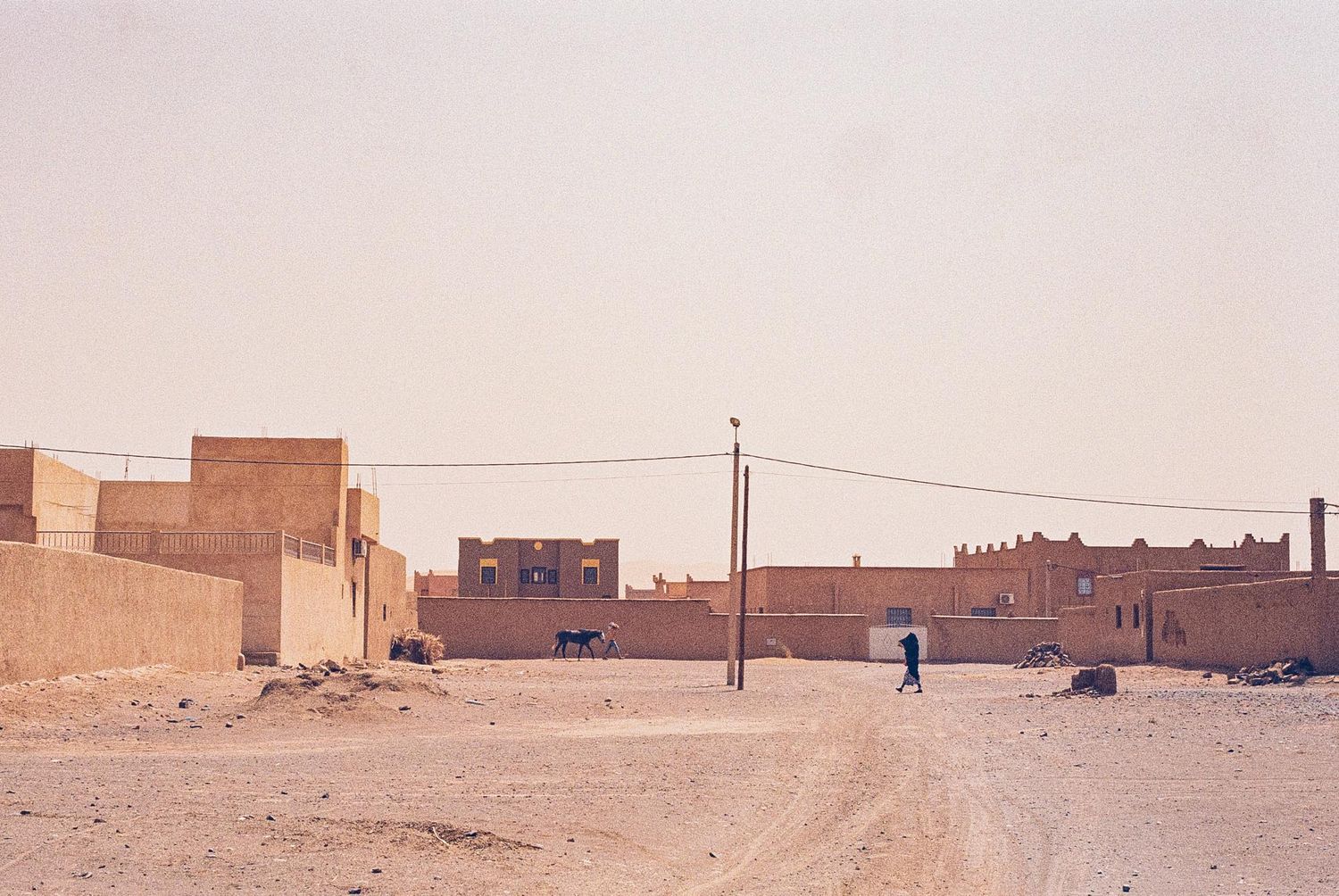
- Avoid driving after dark. Animals and pedestrians can appear suddenly on unlit roads.
- Watch for police checkpoints. Always be polite and have your documents ready.
- Expect unpredictable drivers. Lane discipline is… flexible.
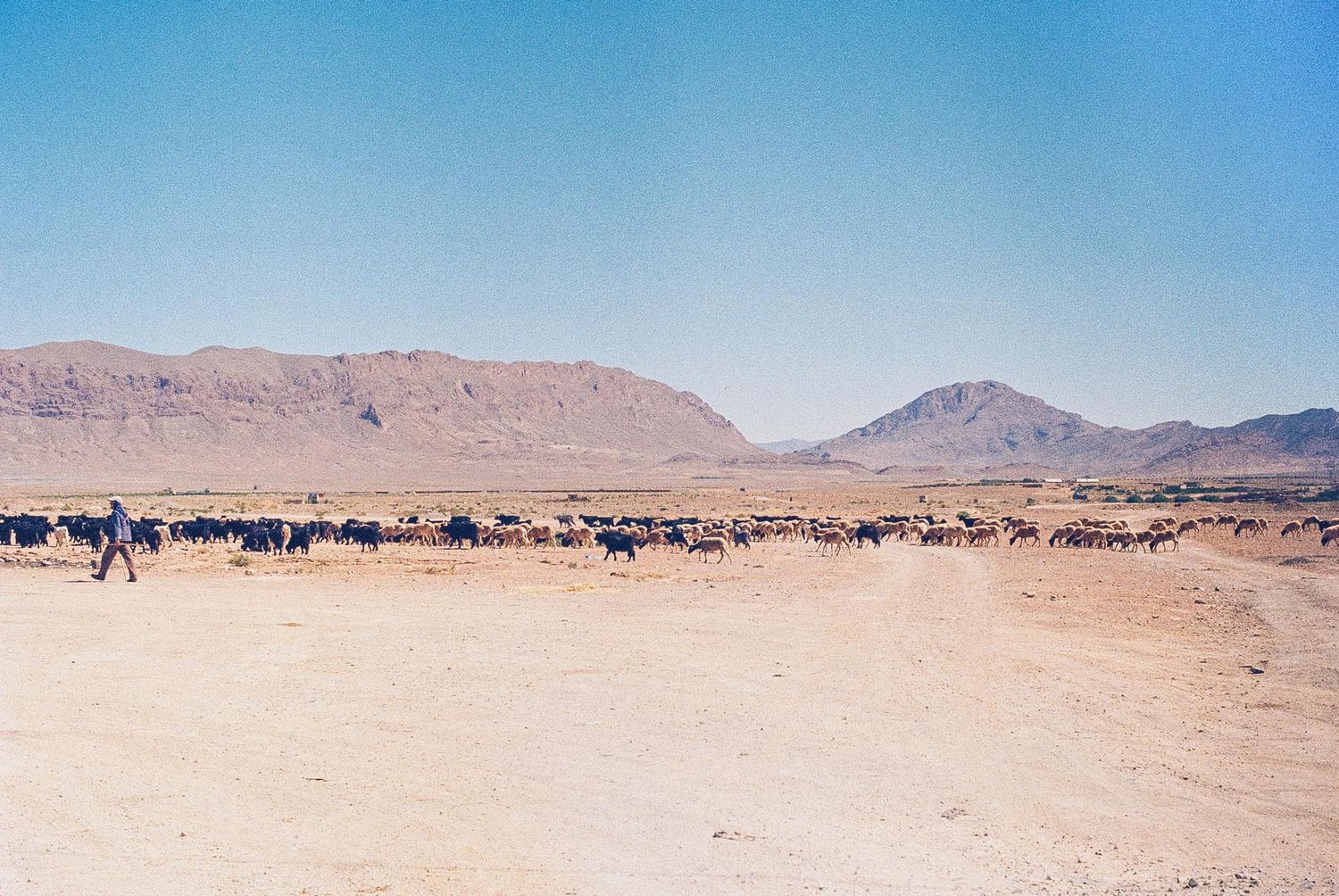
- Slow down through villages. Locals, bikes, and donkeys share the road.
- Keep cash handy. Petrol stations and smaller cafés often don’t take cards.
If you take your time, stay alert, and don’t rush, you’ll find it much more enjoyable — and much less stressful — than you might expect.
Getting Petrol and Preparing Your Car
Fuel availability isn’t a big issue, but you should always fill up in larger towns before heading deeper into the desert. I made sure to top up in Midelt and again in Errachidia, just to be safe.
Most petrol stations accept both cash and card, but it’s best to carry some Moroccan dirhams for remote stops. Also, remember that once you’re closer to Merzouga, the roads become quieter and stations fewer.
Before leaving Fez, check your tyres, spare wheel, and fluids, and make sure your rental company provides the insurance documents.
How Long Does It Take to Drive from Fez to Merzouga?
In total, the drive takes around 8 to 9 hours, depending on traffic and how often you stop. Many people choose to break the journey overnight in either Ifrane, Azrou, or Midelt.
My own drive was spread over two days. I stopped in Ifrane for the night, then continued early the next morning, passing through Errachidia and Erfoud before finally reaching Merzouga by late afternoon.
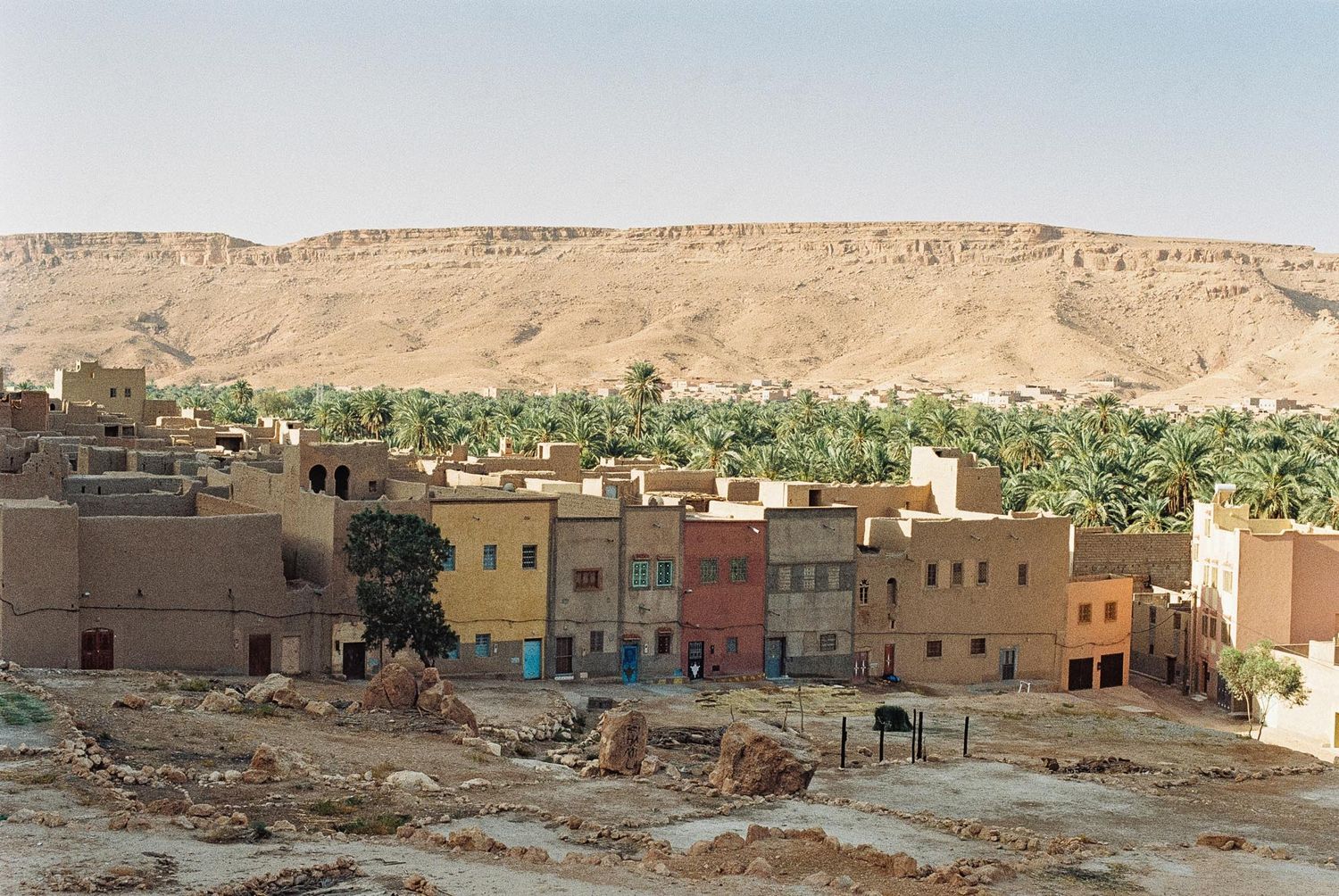
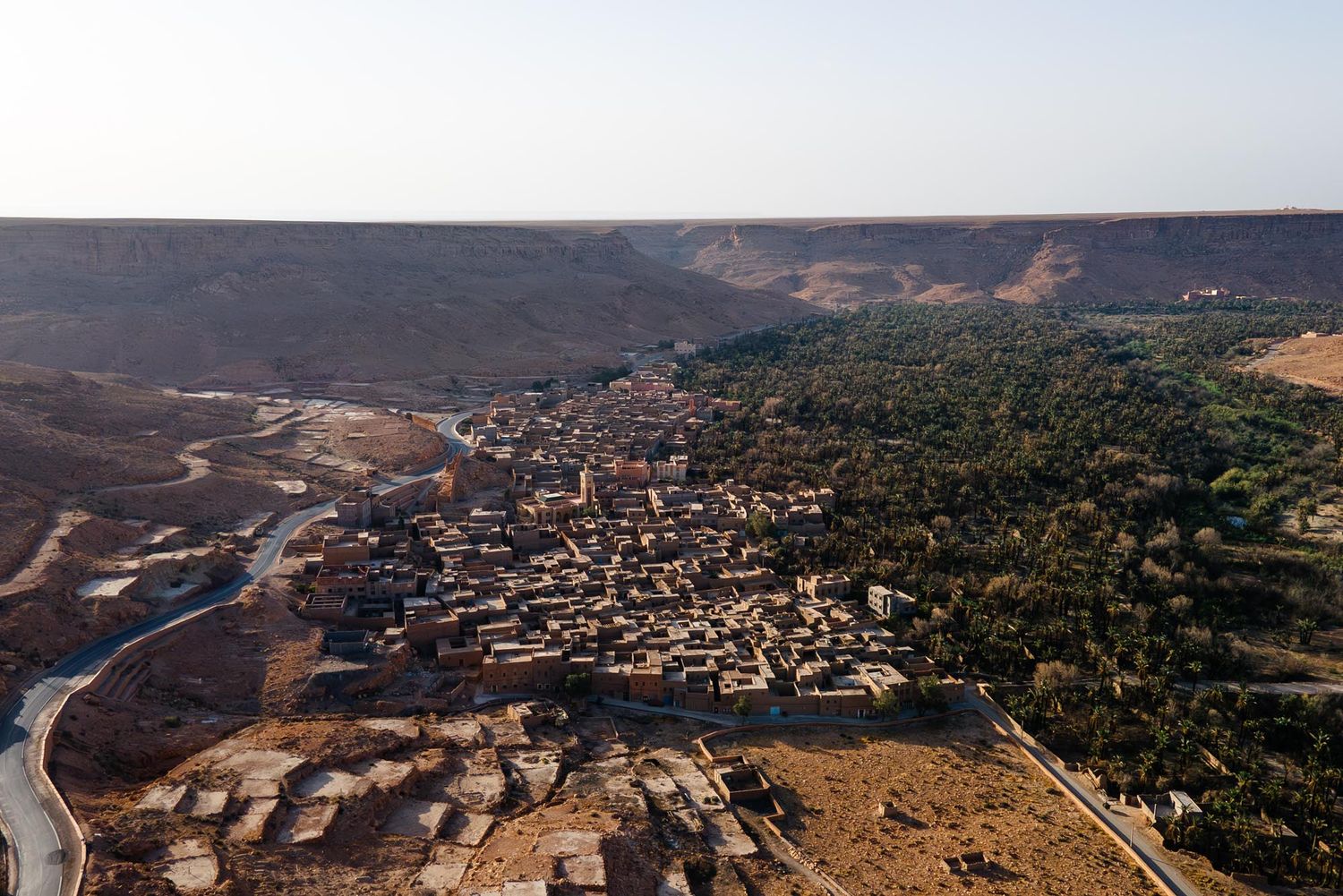
The scenery changes dramatically along the way — from alpine forests to desert plains — making it one of the most visually diverse road trips you can do in Morocco.
The Best Stops Along the Route
There are plenty of beautiful and interesting stops along the Fez to Merzouga route. Here are a few that really stood out to me:
- Ifrane: A charming alpine-style town often called the cleanest in Africa.
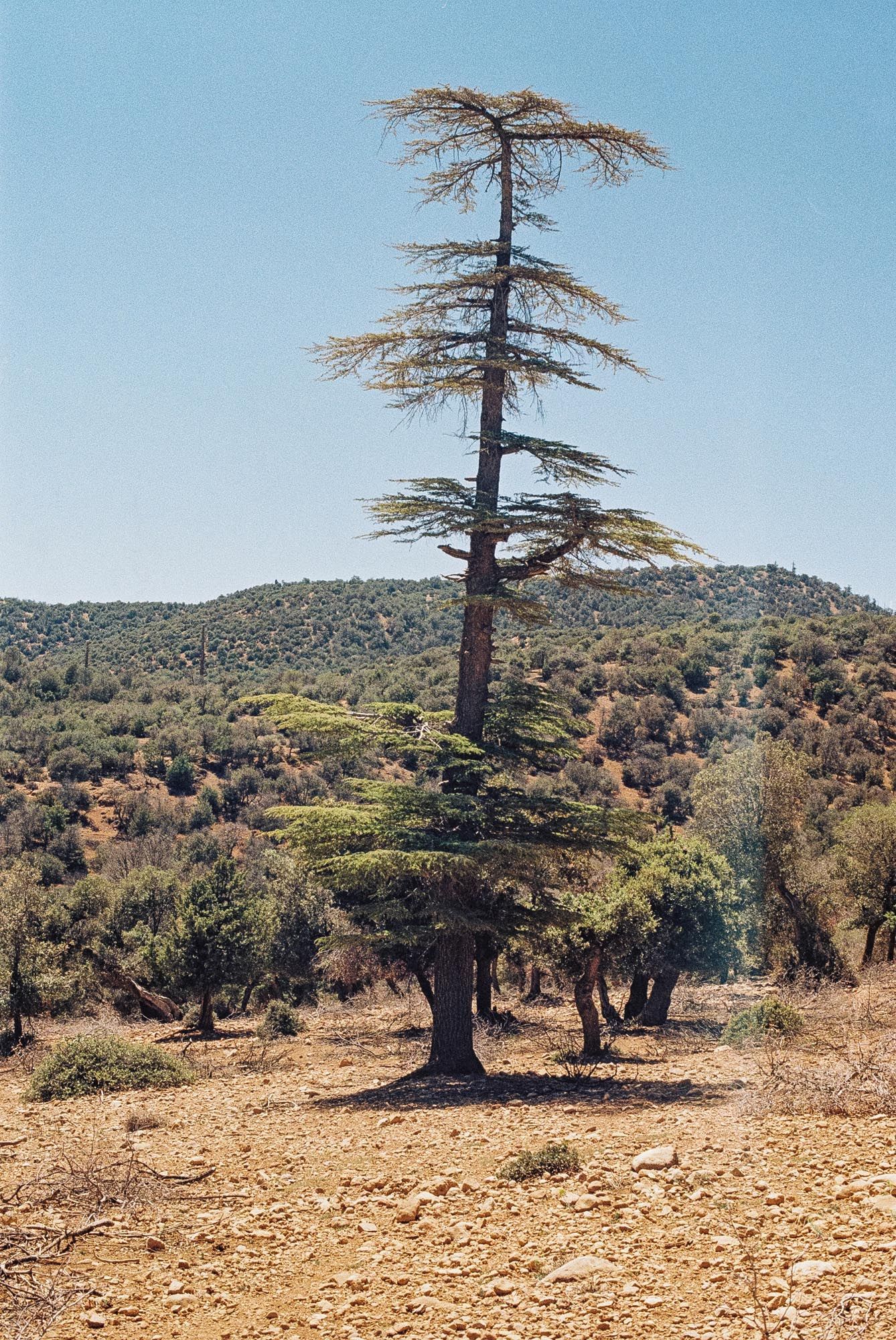
- Azrou: Famous for its cedar forests and wild monkeys.
- Midelt: A quiet mountain town, ideal for an overnight rest.
- Errachidia: A larger city where you can refuel and grab food before the desert.
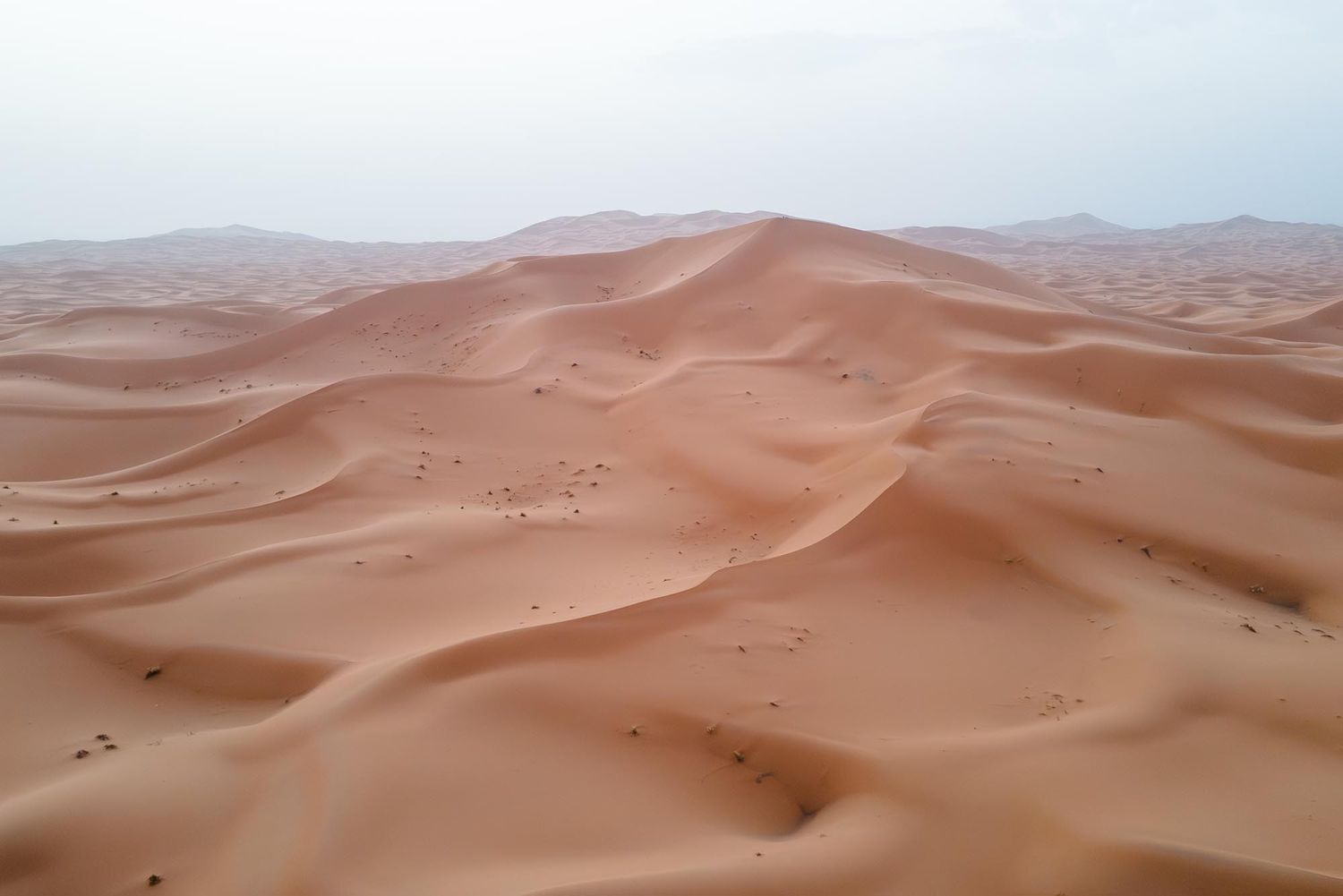
- Erfoud: Known for its fossils and as the “gateway to the Sahara.”
- Rissani: A traditional town with a lively market — perfect for a short detour.
Each place has its own distinct feel and gives you a glimpse of Morocco’s regional diversity.
Final Thoughts: Is Driving from Fez to Merzouga Worth It?
Absolutely. Driving from Fez to Merzouga is not just a way to reach the Sahara — it’s an experience in itself. It’s raw, authentic, occasionally chaotic, and utterly unforgettable.
Whether you’re weaving through mountain roads, stopping in sleepy villages, or watching the dunes appear on the horizon, the sense of independence is unbeatable. For me, it remains one of the most memorable drives I’ve done anywhere in the world.
So yes — if you’re comfortable behind the wheel and love the open road, driving from Fez to Merzouga is 100% worth it.