Tallinn, the capital of Estonia, is a hidden gem in Northern Europe. Known for its medieval Old Town, vibrant arts scene, and unique blend of history and modernity, Tallinn offers something for every type of traveler. Whether you're exploring its cobblestone streets, indulging in delicious local cuisine, or discovering its rich cultural heritage, this charming city will captivate you at every turn.
In this guide, we'll cover the top things to do in Tallinn, answer some frequently asked questions, and give you helpful tips to make the most out of your visit.
Frequently Asked Questions About Tallinn
Where to Avoid in Tallinn?
While Tallinn is generally safe, it’s wise to be cautious in some areas late at night. Lasnamäe, a residential district on the outskirts of the city, is considered less tourist-friendly, especially after dark. Stick to well-lit, popular areas like the Old Town or Kalamaja after dark.
Is it Safe to Walk Around Tallinn at Night?
Yes, Tallinn is generally safe to walk around at night. The city is known for its low crime rate, and locals are friendly. However, always take basic precautions—avoid poorly lit or secluded areas, and keep an eye on your belongings.
Can I Drink Tap Water in Tallinn?
Yes, tap water in Tallinn is safe to drink. Estonia has high-quality drinking water, and the tap water is tested regularly to meet European standards.
Can You See the Northern Lights in Tallinn?
While the Northern Lights (Aurora Borealis) are more commonly seen further north in Finland and Sweden, it is possible to catch a glimpse of them in Tallinn during winter months, especially on clear, cold nights with low light pollution.
Do They Speak English in Tallinn?
Yes, English is widely spoken in Tallinn, especially in the tourist areas. Estonians are generally proficient in English, and many signs and menus are available in English as well.
What is the Most Eaten Food in Estonia?
The most commonly eaten food in Estonia is black bread, which is often served with butter and cheese. Estonians also enjoy hearty stews, smoked fish, and dishes like verivorst (blood sausage), especially around the holidays.
15 Best Things to Do in Tallinn
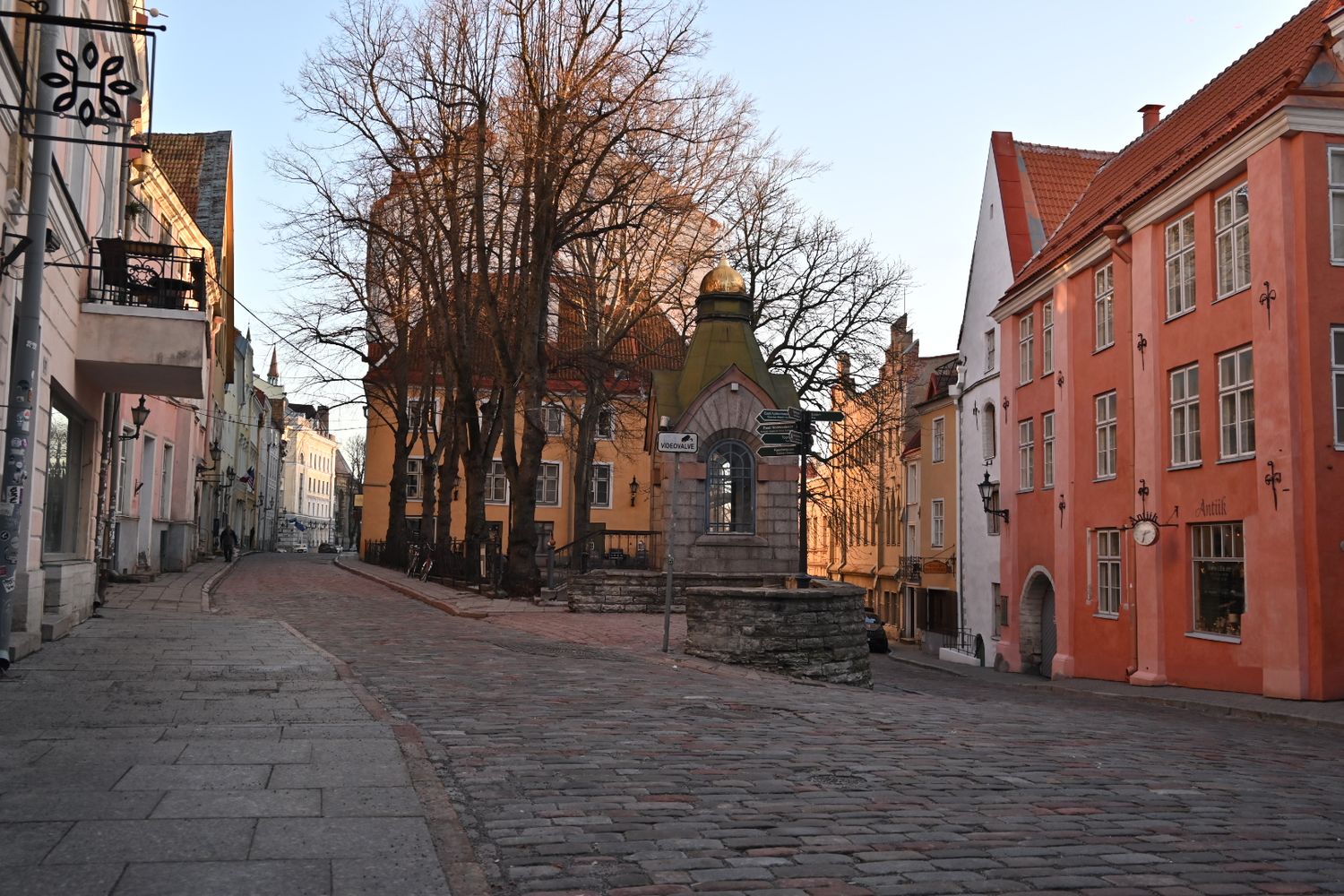
1.Wander Through Tallinn’s UNESCO World Heritage Old Town
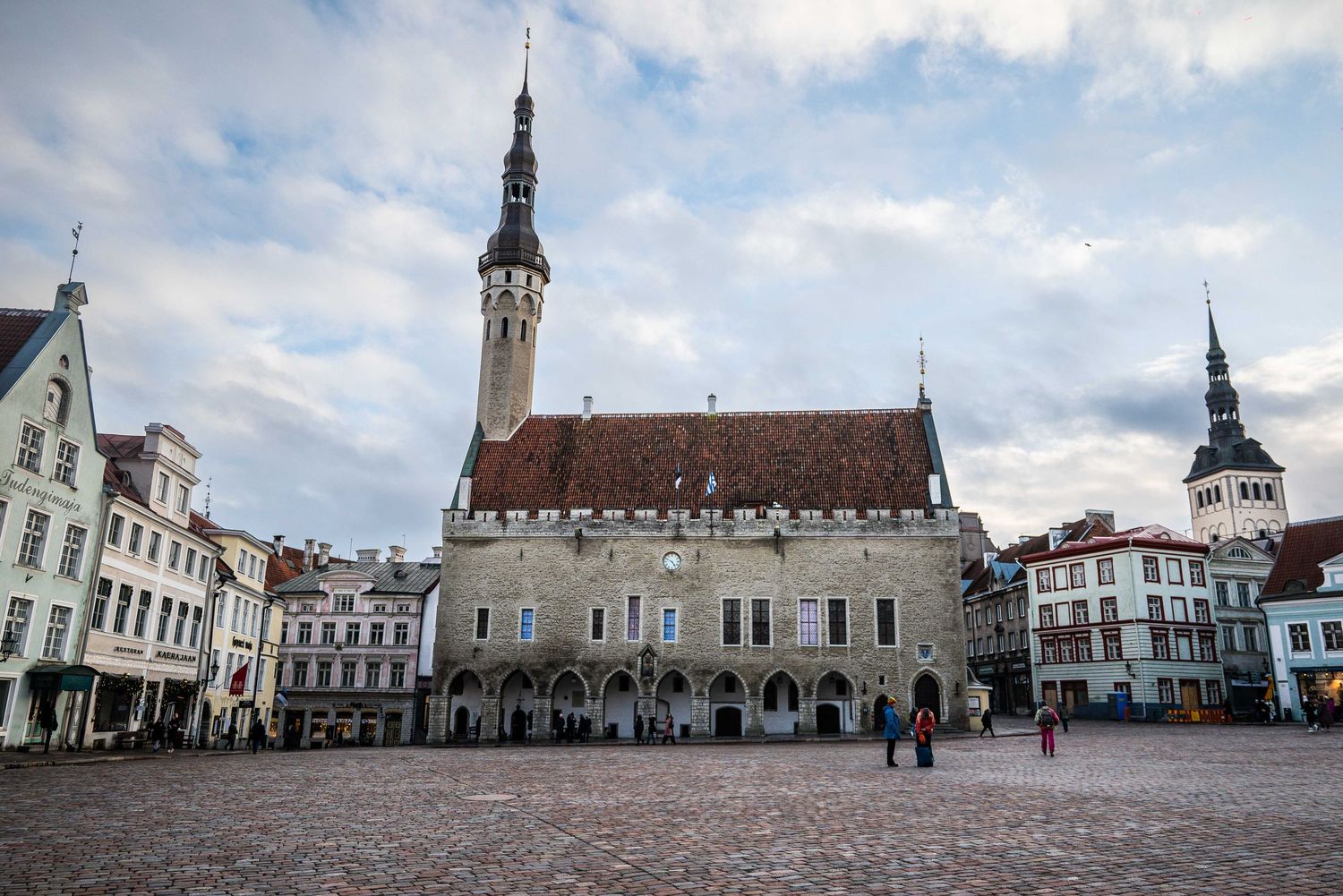
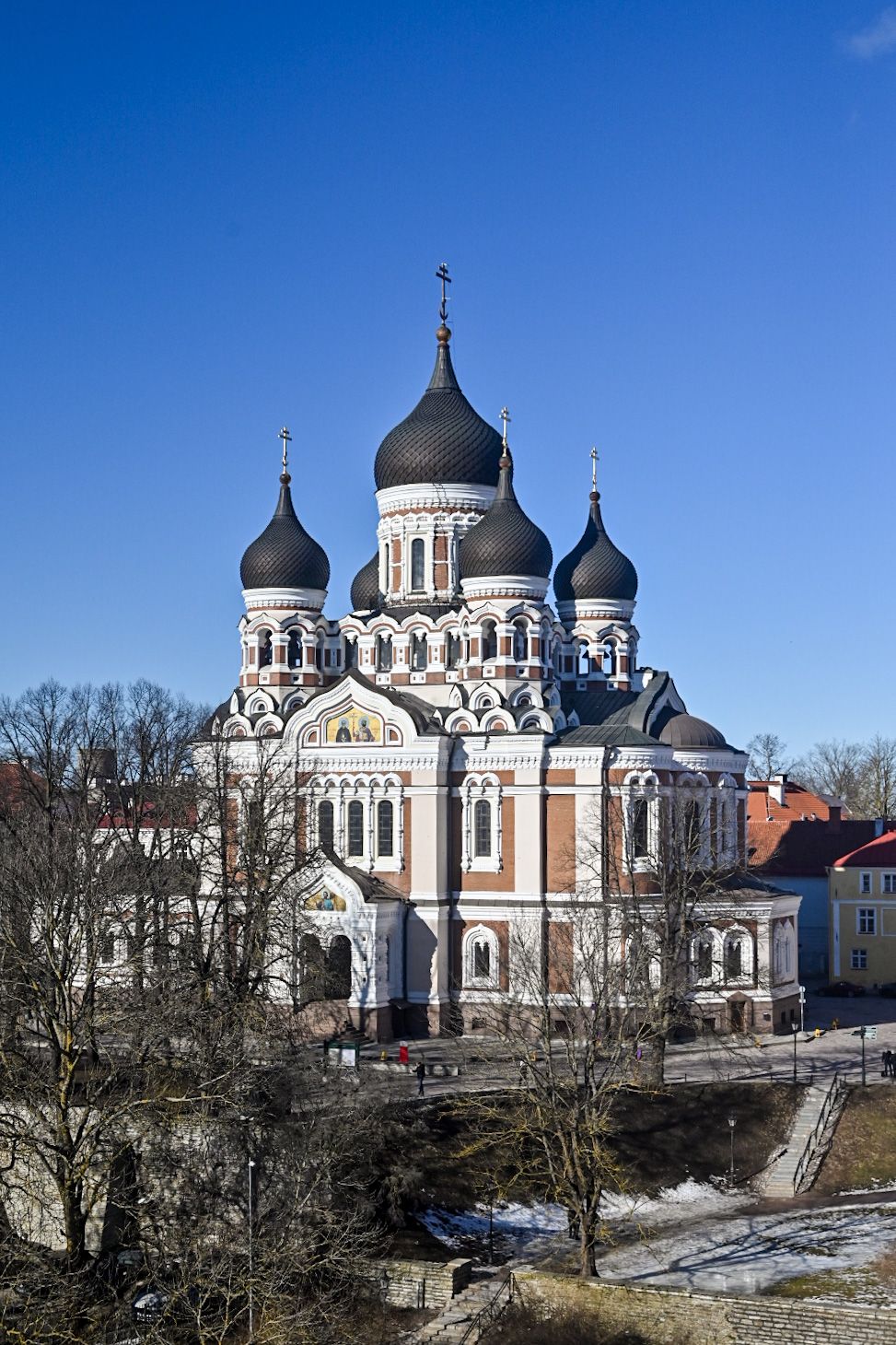
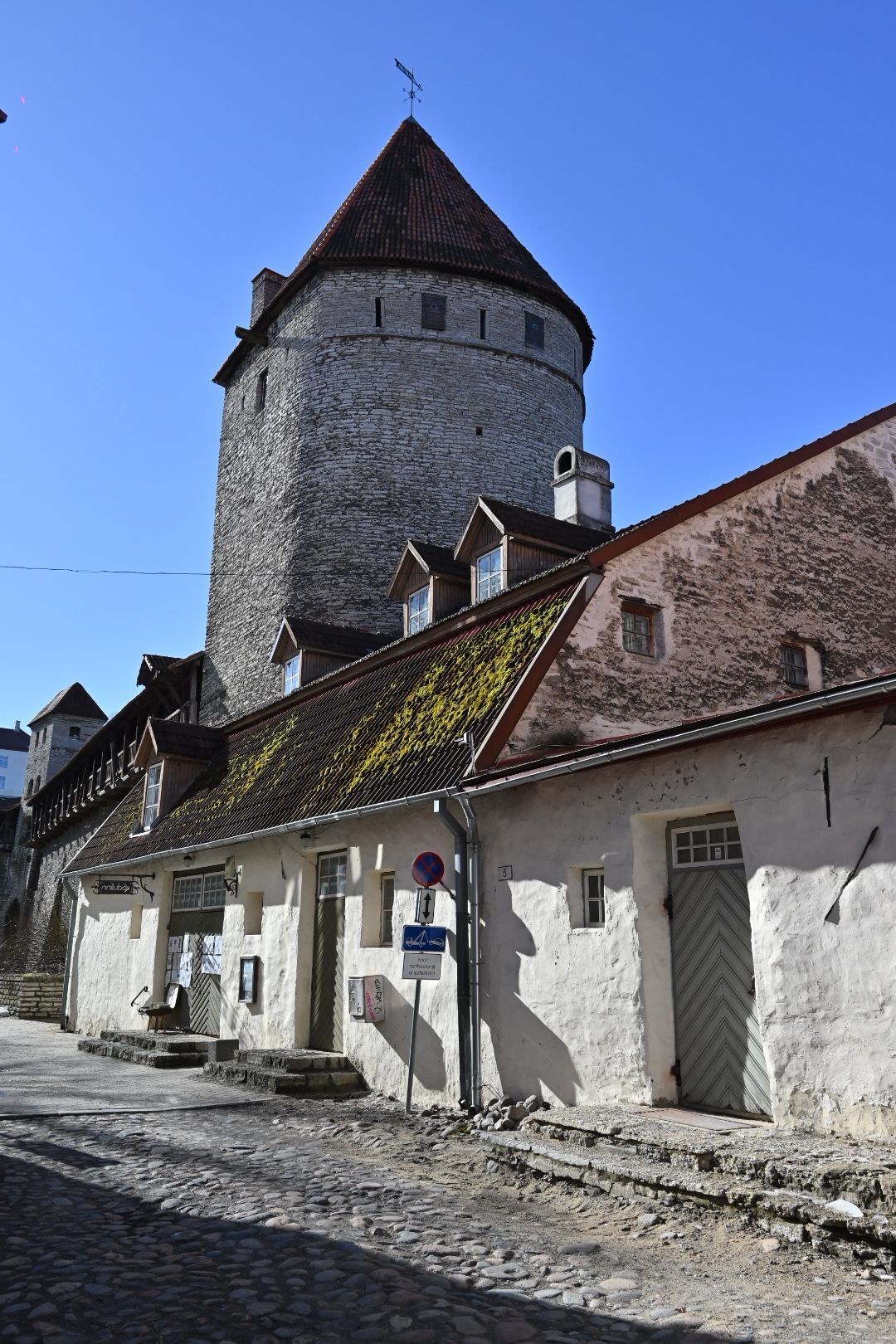
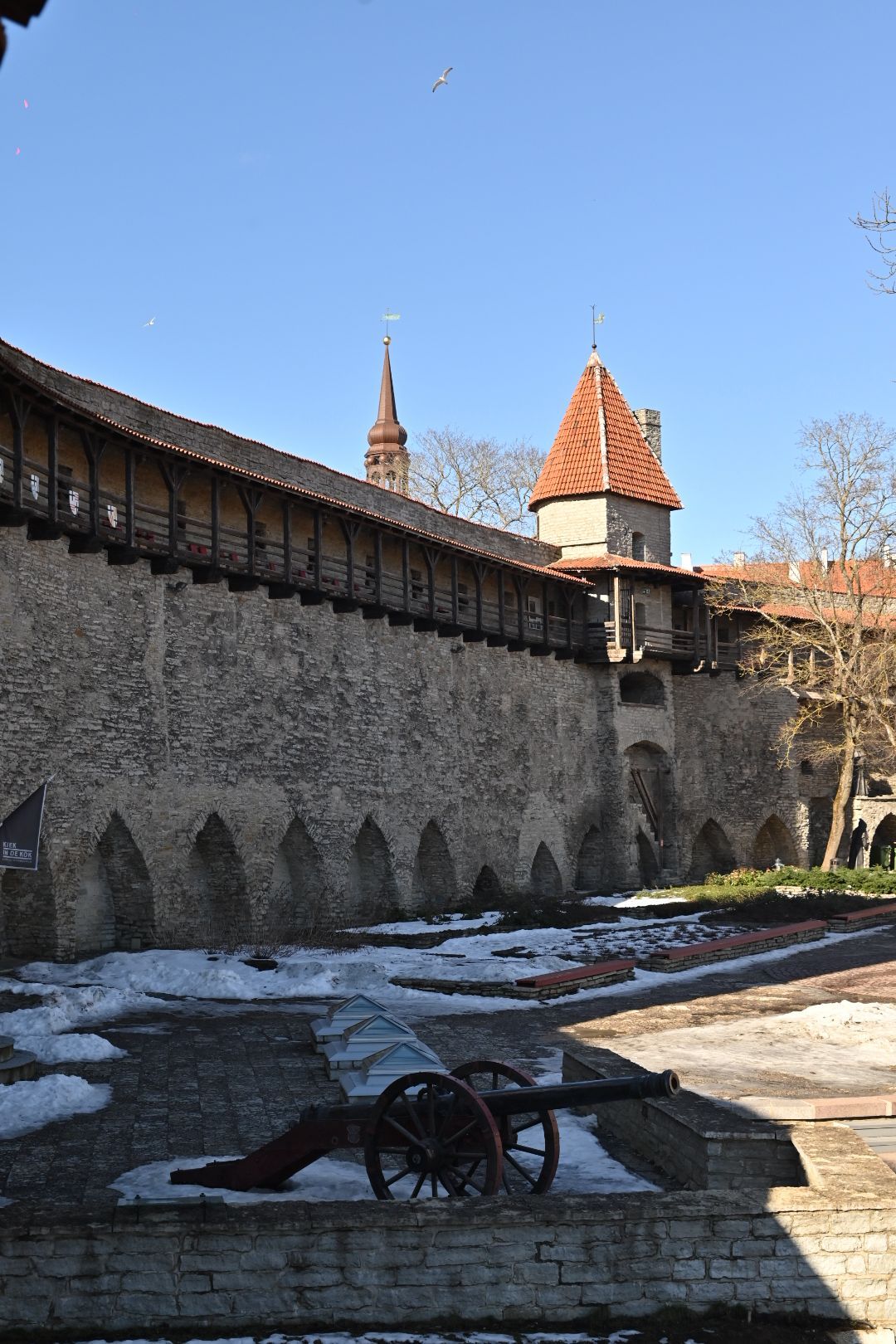
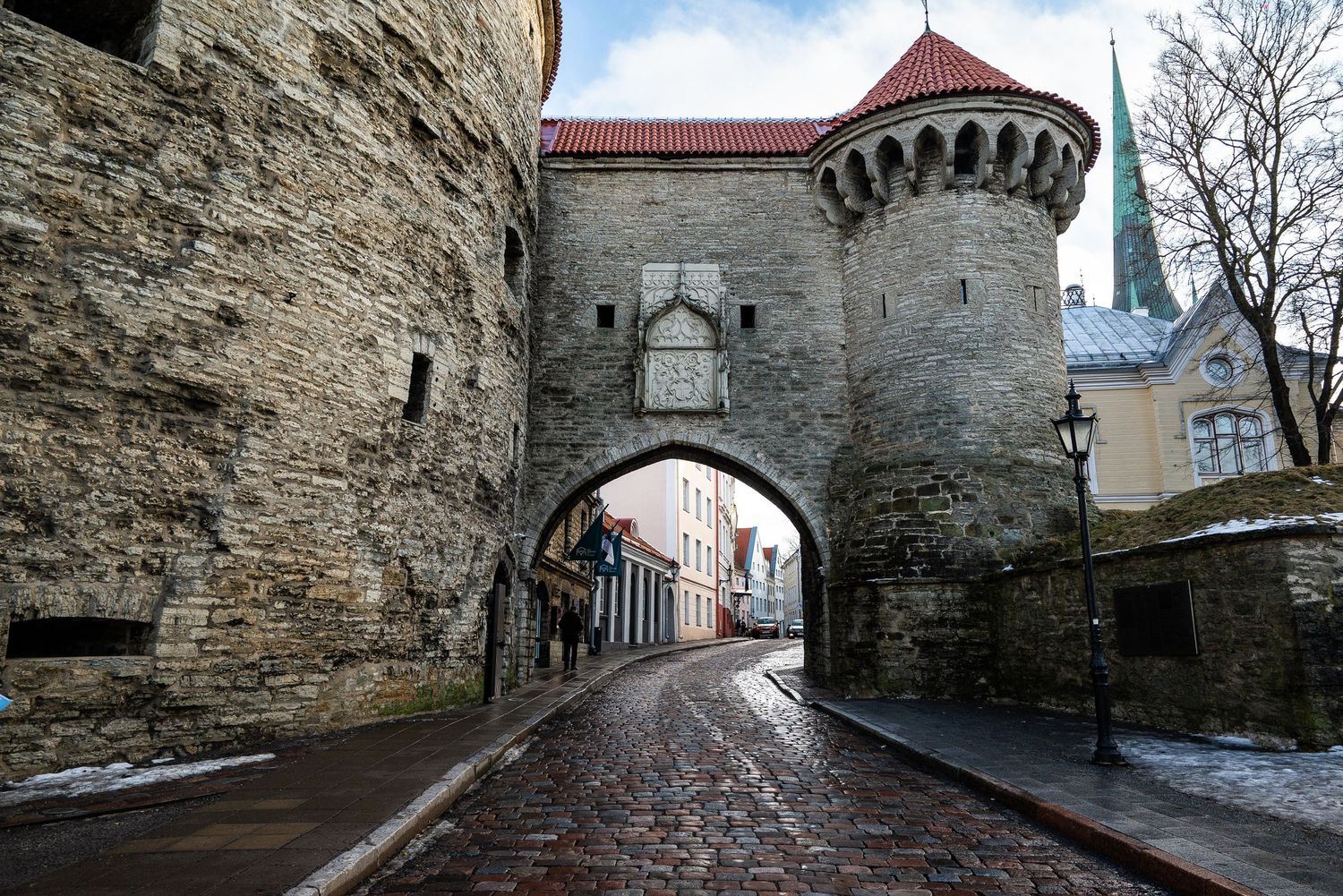
The heart of Tallinn is its Old Town, a medieval masterpiece that's been recognized as a UNESCO World Heritage site. Stroll along the narrow, winding streets, past medieval walls, towers, and picturesque squares. Be sure to visit the Alexander Nevsky Cathedral, a stunning Russian Orthodox church perched atop Toompea Hill, offering panoramic views of the city.
Also, make time for Raekoja Plats (Town Hall Square), where you can soak in the atmosphere and grab a drink at one of the many cozy cafes.
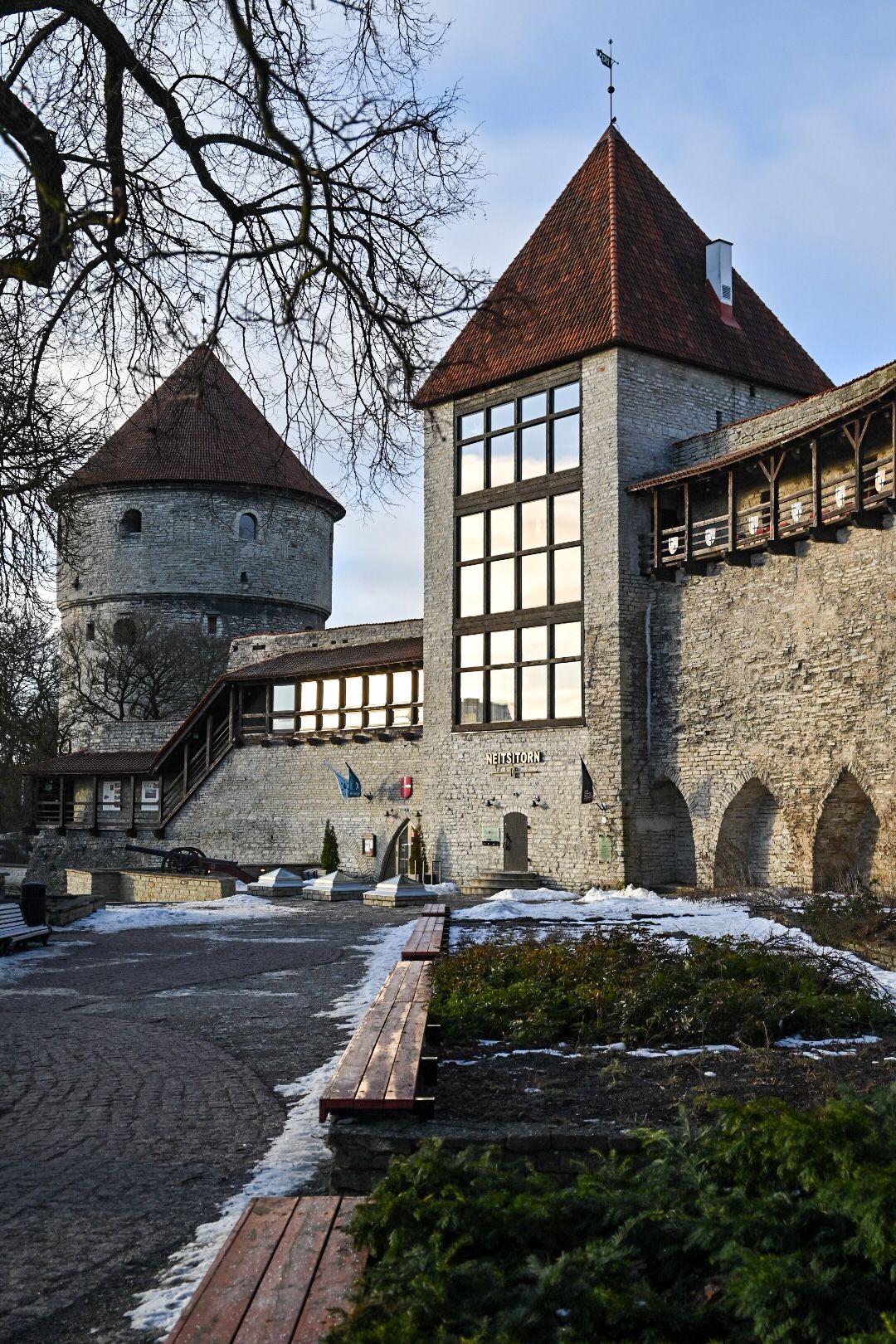
Tip: Don’t miss the Kiek in de Kök museum, a 15th-century defensive tower where you can explore Tallinn’s military history and enjoy excellent views from the top.
2. Visit the Kalamaja District for Bohemian Vibes
Kalamaja is one of Tallinn’s coolest neighbourhoods, known for its colourful wooden houses, hipster cafes, and independent boutiques. Take a stroll through this laid-back area to experience a different side of the city. Telliskivi Creative City is a must-visit—an old industrial complex turned into a hub for local artists and entrepreneurs.
3. Explore the Seaplane Harbour (Lennusadam)
If you’re fascinated by maritime history, the Seaplane Harbour is a must-see. This expansive museum is housed in a stunning seaplane hangar and showcases Estonia's naval past. You can even board historical ships and submarines or experience interactive exhibitions that bring Estonia's maritime history to life.
4. Take a Day Trip to Kadriorg Park and Palace
Kadriorg Park is one of Tallinn’s most beautiful green spaces, perfect for a relaxing stroll. Within the park, you’ll find the Kadriorg Palace, a magnificent Baroque palace built by Tsar Peter the Great. Today, it houses the Art Museum of Estonia and is a fantastic spot for art lovers.
5. Climb to the Top of St. Olaf’s Church TowerSt.
Olaf’s Church, once considered the tallest building in the world, offers incredible views of Tallinn from its tower. The church itself is a stunning example of medieval architecture, and the climb to the top is well worth it for the panoramic vistas.
6. Visit the Museum of Occupations
For a deeper understanding of Estonia’s tumultuous 20th-century history, head to the Museum of Occupations and Freedom. This museum tells the story of Estonia’s periods of Soviet and Nazi occupation, shedding light on the country’s fight for independence.
7. Enjoy Tallinn’s Vibrant Food Scene
Estonian cuisine is hearty and flavorful, with a strong emphasis on local produce, fish, and meat. Try the classic kama (a traditional Estonian dessert), mulgipuder (a hearty porridge made with barley and potatoes), or a serving of smoked fish. Tallinn’s food scene is a mix of traditional restaurants and modern eateries, making it a foodie’s paradise.
Recommended Spots:
Rataskaevu 16: A cozy, highly-rated spot serving traditional Estonian dishes.
F-Hoone: A trendy restaurant in Telliskivi that offers a modern twist on local cuisine.
8. Relax at the Telliskivi Creative City
The Telliskivi Creative City is the place to be for those looking for Tallinn’s cutting-edge art scene. This vibrant district is home to independent galleries, street art, unique boutiques, and trendy cafes. It's also the perfect place to pick up local handmade crafts or enjoy a craft beer from one of the many breweries.
9. Go on a Tallinn Food Tour
If you’re a food lover, taking a food tour around Tallinn is a great way to explore the city’s culinary scene. These tours often combine tastings of traditional Estonian dishes, street food, and drinks while offering a chance to explore different neighborhoods and learn about local history.
10. Take a Boat Tour Around Tallinn Bay
Tallinn’s location by the sea makes it an ideal spot for boat tours. Enjoy a relaxing cruise around the bay, with views of the city’s medieval skyline, modern buildings, and the vast blue expanse of the Baltic Sea. Some tours also include a trip to nearby Aegna Island.
9. Go on a Tallinn Food Tour
If you’re a food lover, taking a food tour around Tallinn is a great way to explore the city’s culinary scene. These tours often combine tastings of traditional Estonian dishes, street food, and drinks while offering a chance to explore different neighborhoods and learn about local history.
10. Take a Boat Tour Around Tallinn Bay
Tallinn’s location by the sea makes it an ideal spot for boat tours. Enjoy a relaxing cruise around the bay, with views of the city’s medieval skyline, modern buildings, and the vast blue expanse of the Baltic Sea. Some tours also include a trip to nearby Aegna Island.
11. Explore the Tallinn TV Tower
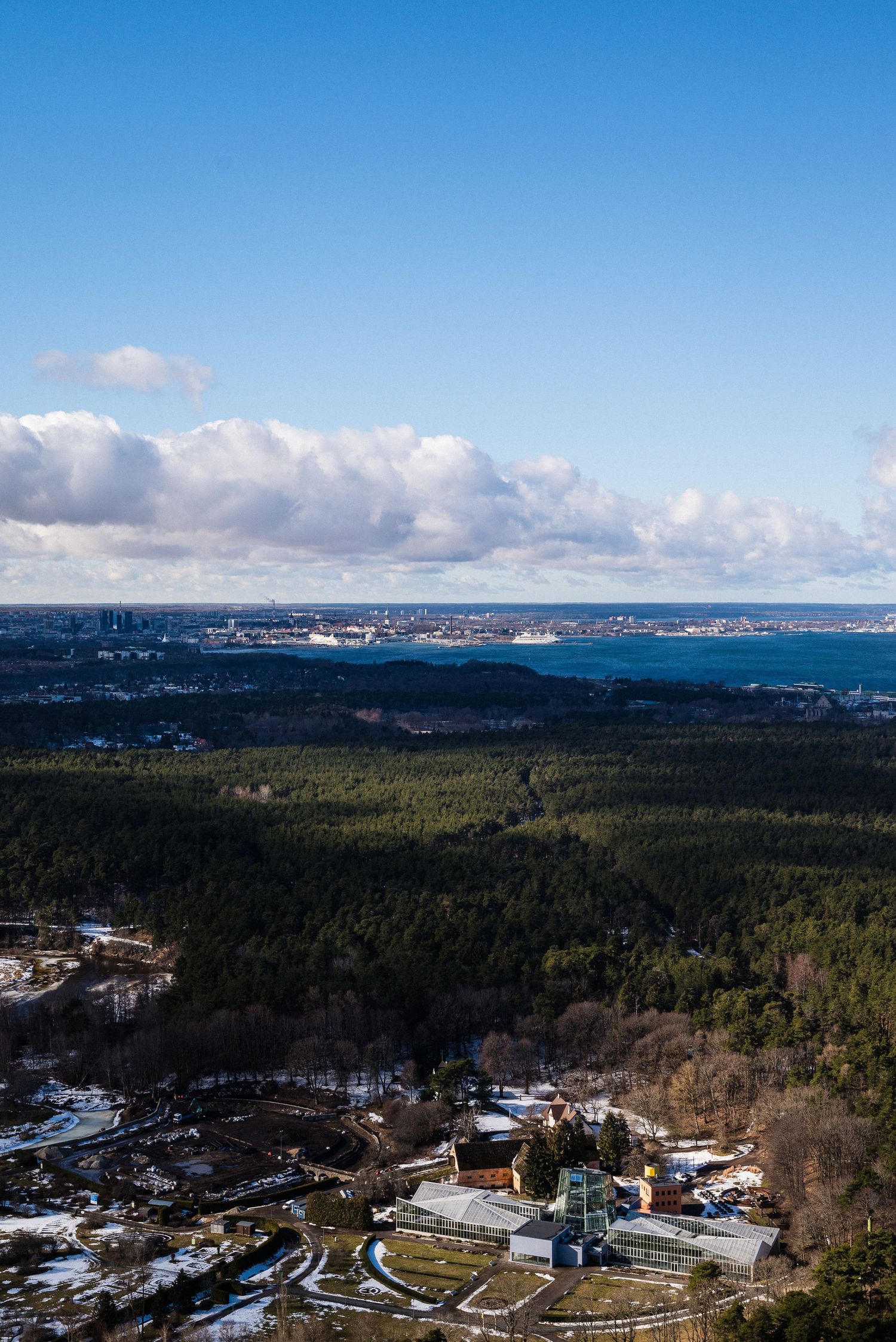
For a bird’s-eye view of the city, head to the Tallinn TV Tower. Standing at 314 meters, it’s the tallest building in Estonia and offers stunning views of the surrounding area. The observation deck is perfect for capturing panoramic photos of Tallinn and beyond.
12. Visit the Kumu Art Museum
The Kumu Art Museum is one of the largest and most impressive art museums in the Baltic region. Its collection includes both classic and contemporary Estonian art, offering a comprehensive look at the nation’s artistic evolution.
13. Check Out the Estonian Open Air Museum
Located just outside of Tallinn, the Estonian Open Air Museum offers a glimpse into traditional rural life. The museum features historic farmhouses, windmills, and other buildings that showcase Estonia’s past. It’s a great place to learn about the country’s rural traditions and explore the natural beauty of the surrounding landscape.
14. Experience the Nightlife in Tallinn
Tallinn has a lively nightlife scene, with everything from cozy pubs to upscale bars. The Old Town is home to many great spots, but the Kalamaja and Telliskivi areas also feature some of the city’s best bars and clubs.
15. Visit the Patarei Sea Fortress
For something a little different, head to the Patarei Sea Fortress. This abandoned fortress has been used as a prison and is now a chilling historical site. The fortress is slowly being renovated, but it’s still an intriguing stop for anyone interested in Soviet history and military structures.
When Is the Best Time to Visit Tallinn?
Summer (June to August) is the most popular time to visit Tallinn. With long days, blooming nature, and outdoor terraces, it's when the city truly comes alive. Locals cherish the short summer after long winters, and festivals like Jaanipäev (Midsummer) and Laulupidu (Singing Festival) highlight Estonian culture. However, the city can get crowded with cruise ship tourists, and accommodation prices are higher.
Spring (March to May) and Autumn (September to November) offer fewer crowds and lower prices, but the weather can be unpredictable, with occasional late snow and chilly winds. November brings the Black Nights Film Festival (PÖFF), drawing film lovers from the Baltics.
Winter (December to February) is cold, dark, and snowy, with short days and festive charm. The Christmas market in Raekoja Plats is a highlight, and you can warm up with glöggi (mulled wine) or try local winter dishes like verivorst (blood sausage). Tallinn also offers cross-country skiing in Pirita and Nõmme.
Each season in Tallinn offers something unique, whether it’s the vibrant summer or cozy winter atmosphere.
How Much Time Should I Spend in Tallinn?
You can explore Tallinn’s charming Old Town in a day, but to truly enjoy the city, plan for at least two days. This allows time to visit Kadriorg Park and its top art museums. For a slower pace, three or four days lets you explore more, including the Estonian Open Air Museum, Seaplane Harbour, and Tallinn’s lesser-known districts like Kalamaja, Telliskivi, and Pirita.
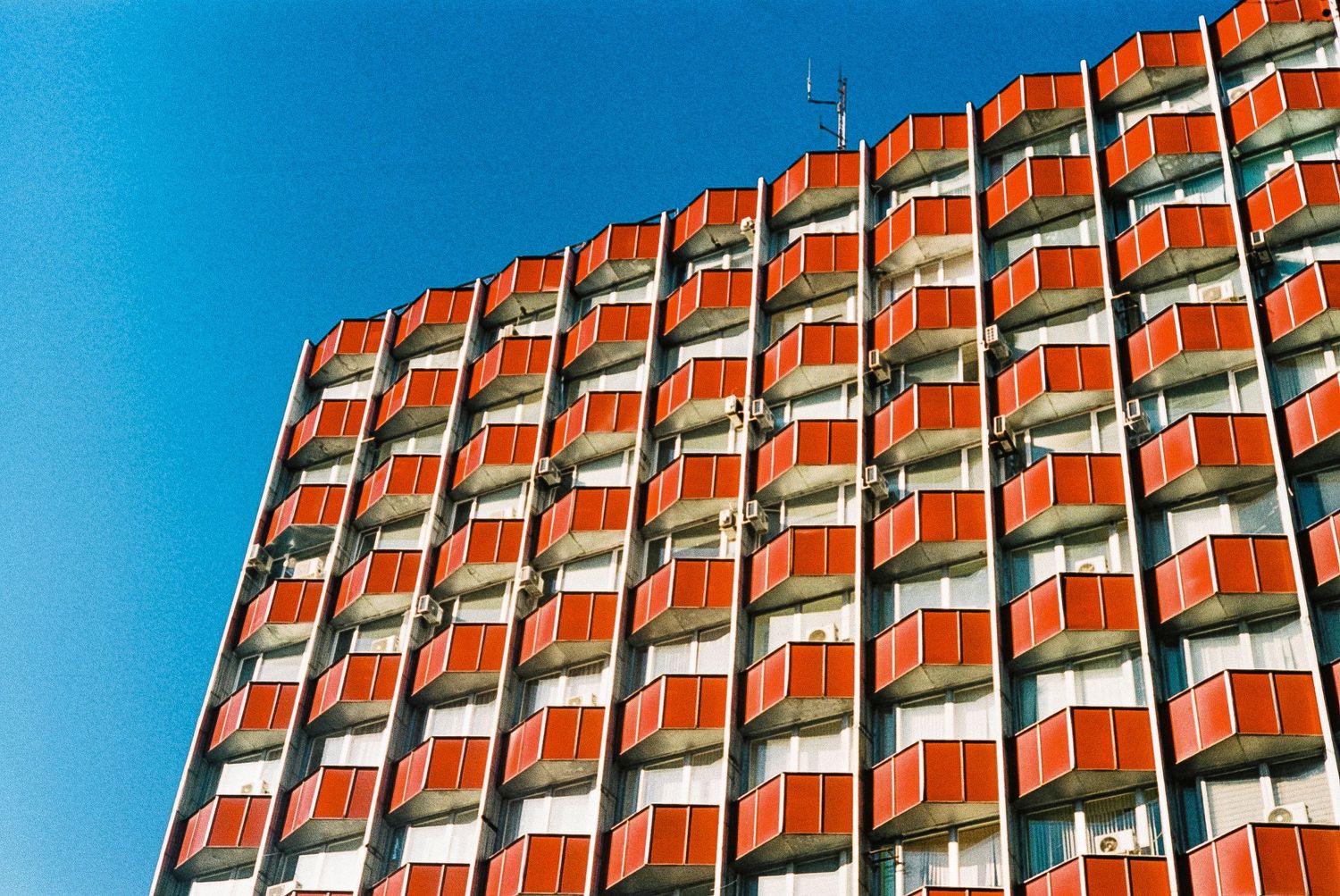
For a deeper dive, consider exploring Tallinn’s Soviet architecture or enjoy some urban nature on foot. There’s plenty to see if you take the time to wander beyond the main tourist spots.
Getting Around Tallinn
Lennart Meri Tallinn Airport is just 4 km from the city and connects to over 50 European destinations. Due to tram upgrades, a bus currently links the airport to the Old Town, and the project is expected to finish by February 2025. Regular ferries also depart from Port of Tallinn to Helsinki, Stockholm, and the Åland Islands in summer.
Local transport is easy to navigate. The Old Town is walkable, and buses are punctual and modern. You can buy a green transportation card or pay via credit card on buses. For taxis, download the Bolt app—Estonia’s answer to Uber. If you're traveling outside the city, buses and trains from Balti jaam station can take you to domestic destinations, and long-distance buses depart from Bussijaam.
Digital Prints For Sale
How Much Money Do I Need for Tallinn?
Since the war in Ukraine, inflation has driven prices up in the Baltics, making Tallinn more expensive than it once was. However, it’s still relatively affordable compared to Western European capitals, especially if you avoid tourist hotspots near Town Hall Square.
Here’s an idea of what you can expect to pay in Tallinn.
- Hostel dorm bed: €15–€25 (Approx. £13–£22 / $18–$27)
- Basic room for two: from €40 (Approx. £34 / $44)
- Self-catering apartment (including Airbnb): from €45 (Approx. £38 / $48)
- Public transport ticket: €2 (Approx. £1.70 / $2.20)
- Coffee: €2–€3 (Approx. £1.70–£2.60 / $2.20–$3.30)
- Pirukas (pie) in a cafe: €2–€3 (Approx. £1.70–£2.60 / $2.20–$3.30)
- Dinner for two: €50–€80 (Approx. £43–£69 / $55–$90)
- Beer at the bar: €4–€6 (Approx. £3.50–£5.20 / $4.50–$6.50)
As you can see, Tallinn offers great value, especially if you shop or dine outside tourist areas. For transport, a green transport card can be purchased and topped up for convenience, making it easy to get around without breaking the bank.
Tallinn offers a perfect blend of medieval charm, modern culture, and natural beauty. Whether you’re a history buff, a foodie, or an adventurer, this vibrant city has something to offer. With its rich culture, stunning architecture, and friendly locals, Tallinn is definitely a city you won’t want to miss during your travels in Northern Europe.