Visiting Dala Township from Yangon
The easiest and most interesting way to get to Dala Township is by using the public ferry.
To reach Dala, head to Pansodan Ferry Terminal in downtown Yangon. From researching beforehand, I’d read that foreigners are usually taken inside the terminal building to a separate ticket desk. The commonly quoted price online is $2.20 / 3,000 kyat one way, although I also saw conflicting information suggesting 3000 kyat for a return trip.
In reality, our experience was very different. We were ushered straight past the building and onto the bridge leading to the floating dock where the ferry departs. We paid a man who was sitting on the floor near the boat, and as of December 2025, the price was 3000 kyat for a single crossing. It wasn’t possible to buy a return ticket, despite what I’d read online. Whether this was an official ticket or not is unclear, but it didn’t really matter. The ferry runs every 10 minutes, so there’s never a long wait.
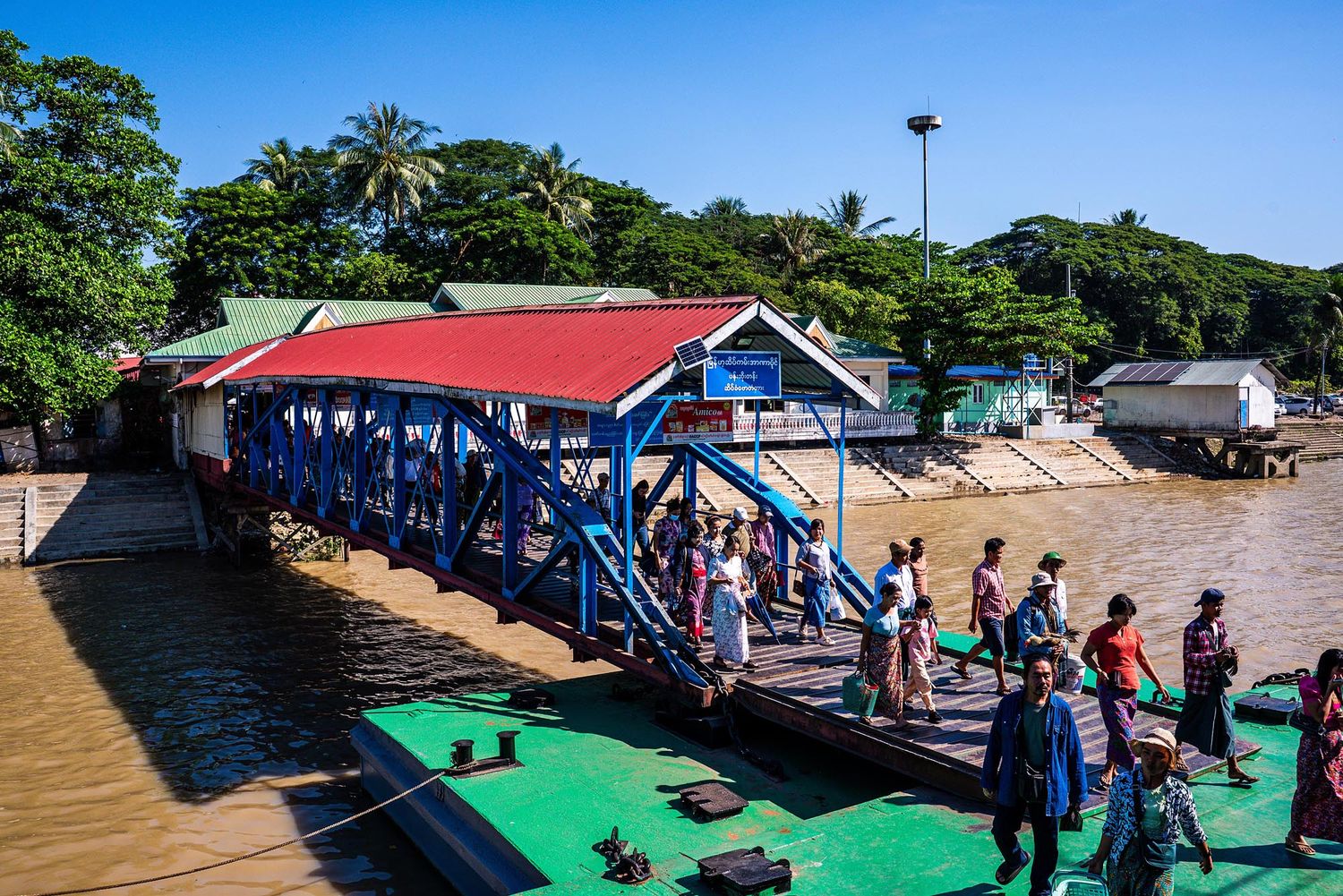
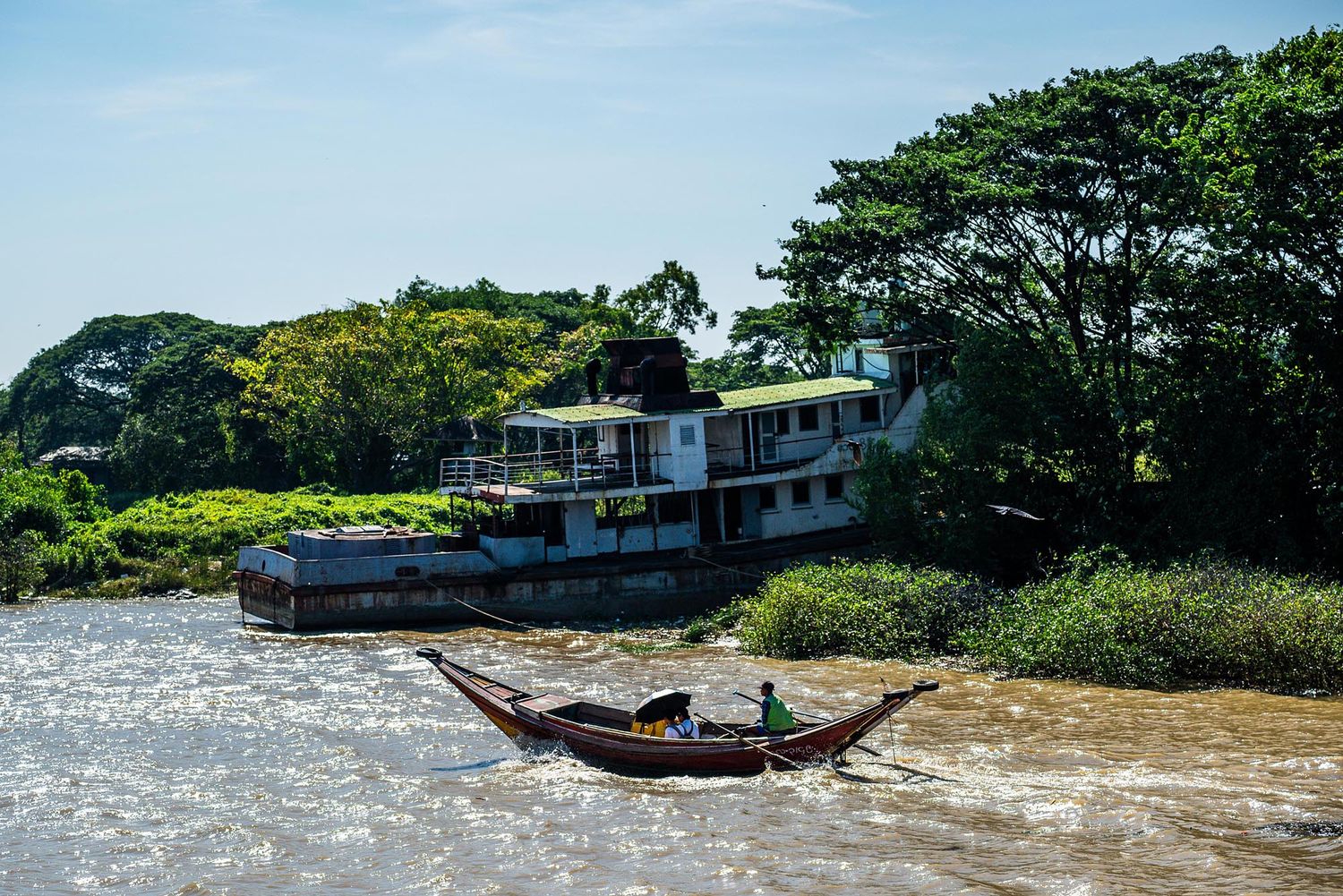
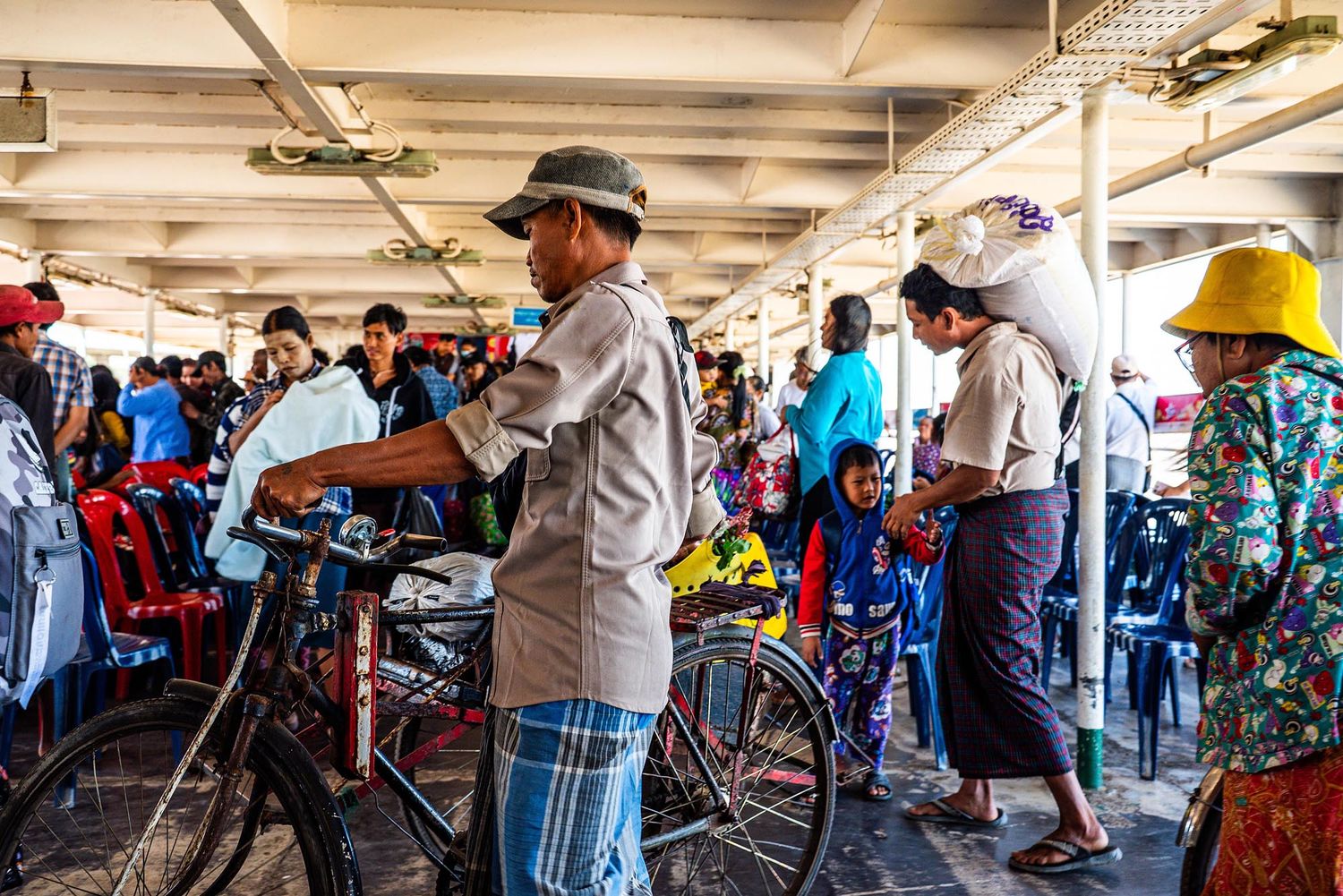
The crossing itself takes about five minutes. Once the boat docks, everyone makes a mad dash to get off, and this is where things can feel a bit intense. You’ll immediately be surrounded by hawkers and people offering tours.
According to various online resources and even warning signs inside the ferry terminal. Dala has a reputation for scams. Based on my experience, this reputation isn’t completely unfounded.
If you’re planning to take a tour, the best advice is to walk away from the dock and head further into the township. Things quickly calm down, and you’ll find it much easier to negotiate with rickshaw, tuk-tuk, or taxi drivers without the pressure.
We arranged a rickshaw tour, which was actually a great way to see Dala and gain some local insight. That said, spoiler alert — they did try to scam us. We agreed on 1,000 kyat for half an hour, but at the end of the tour they claimed we’d been out for two and a half hours.
Luckily, I had my phone mounted to my camera and had been filming, which gave me a clear timestamp showing we’d only been out for around an hour and a half. In the end, we paid for two hours, simply because it was all the spare cash we had and, at that point, we were ready to move on without further hassle.
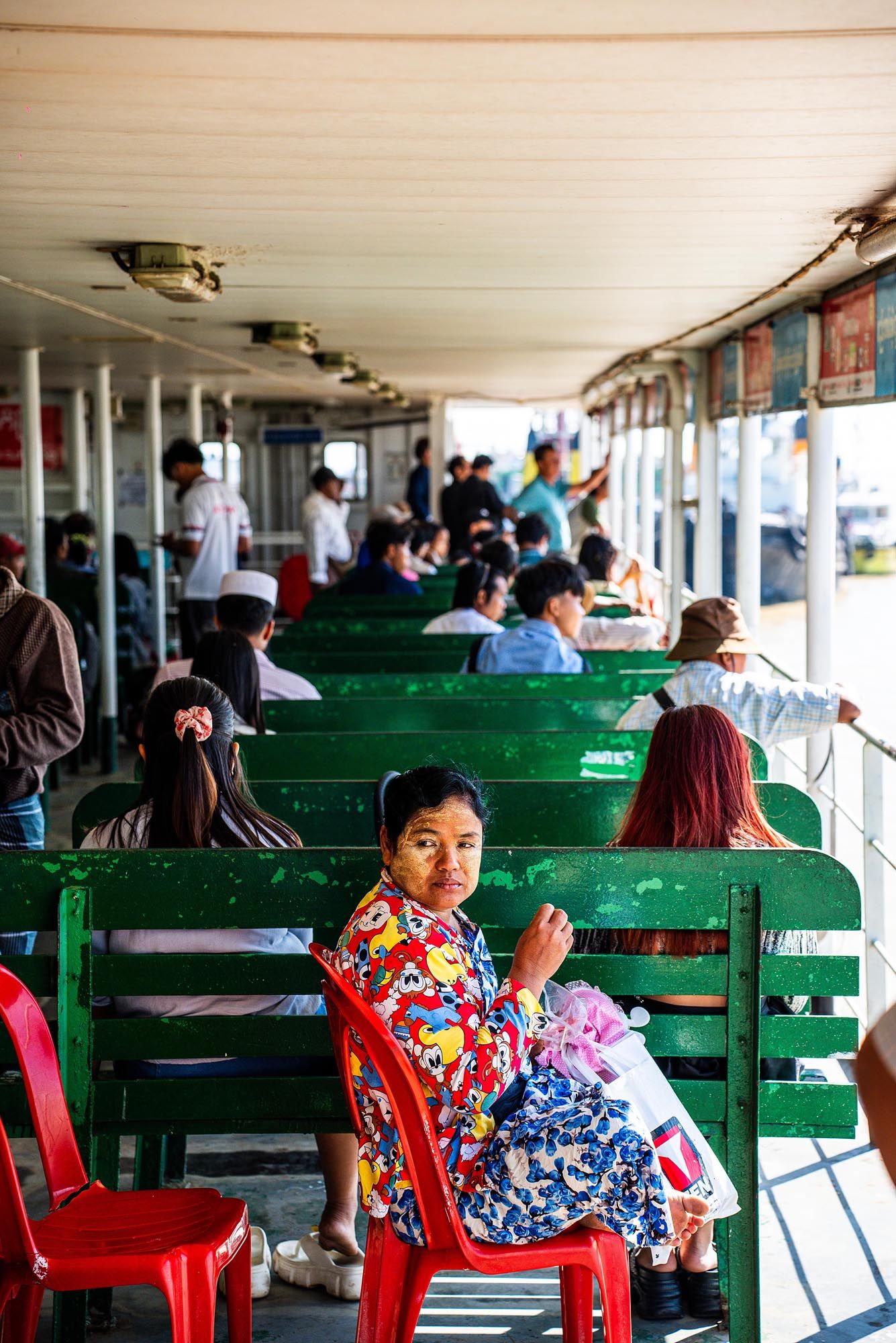
It’s worth noting that me and my travel companion aren’t easily intimidated, given our stature and travel experience. I do think they may have pushed harder if we’d seemed more vulnerable. It’s a shame to start with the negative side of Dala, but it’s important to be aware that situations like this are highly likely. That said, it didn’t ruin the experience, and despite the likelihood of being overcharged, I still think Dala is well worth visiting.
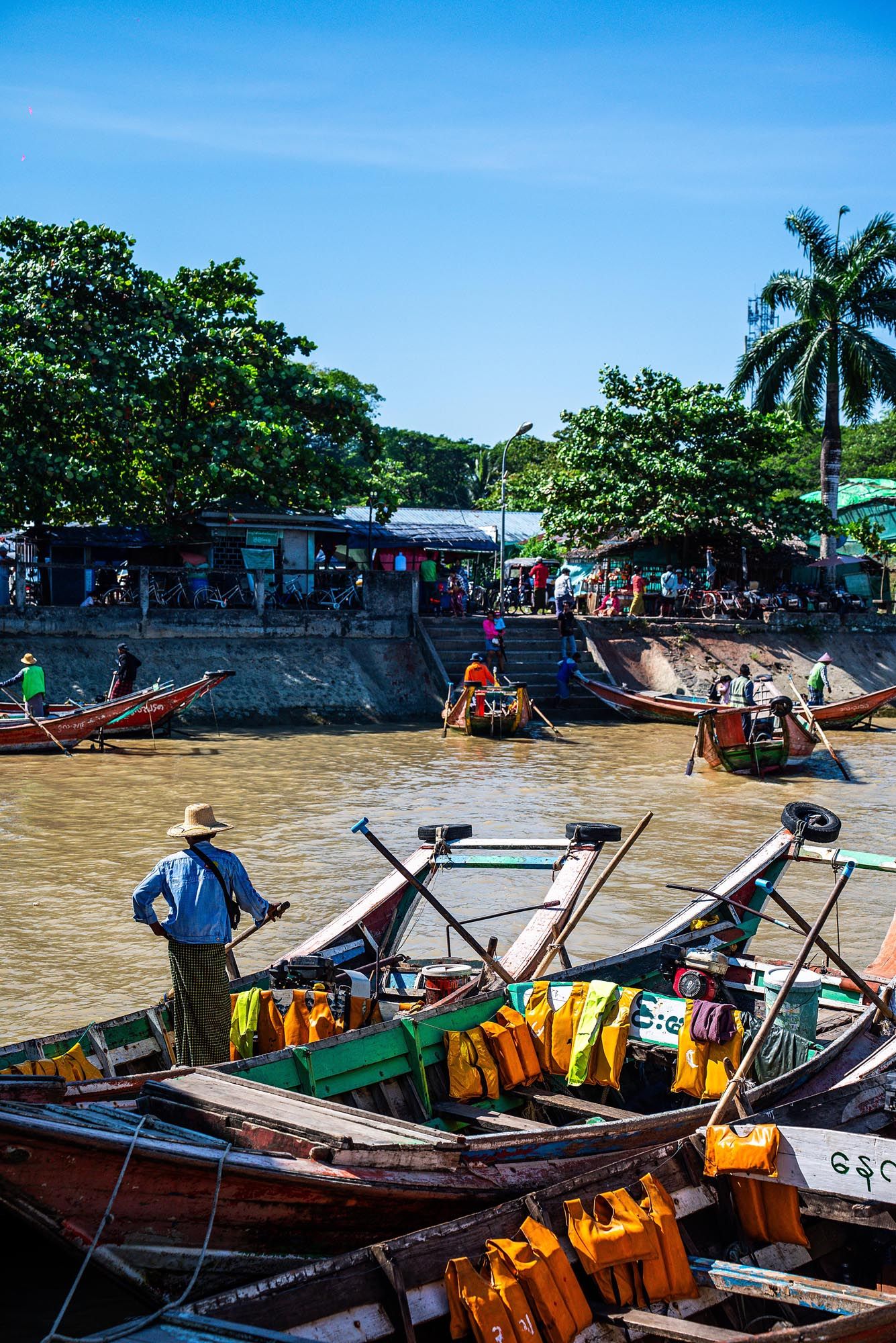
One of the stops on our tour was a local fishing village. If you stay near the river in Yangon, you’ll notice small, brightly coloured boats travelling back and forth all day. The fishing village is where many of them dock.
The water, in every shade of brown imaginable, somehow makes the colourful boats stand out even more.
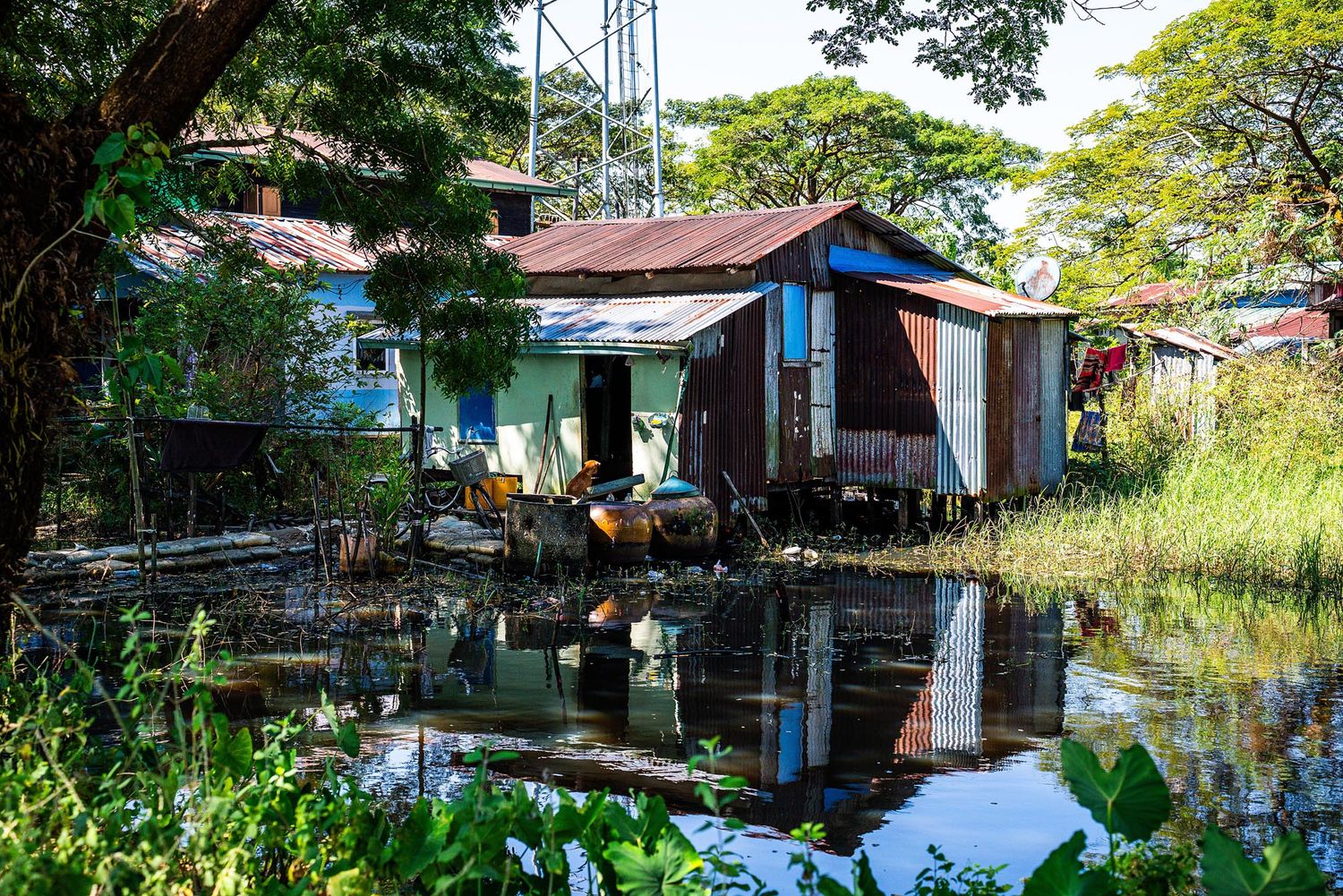
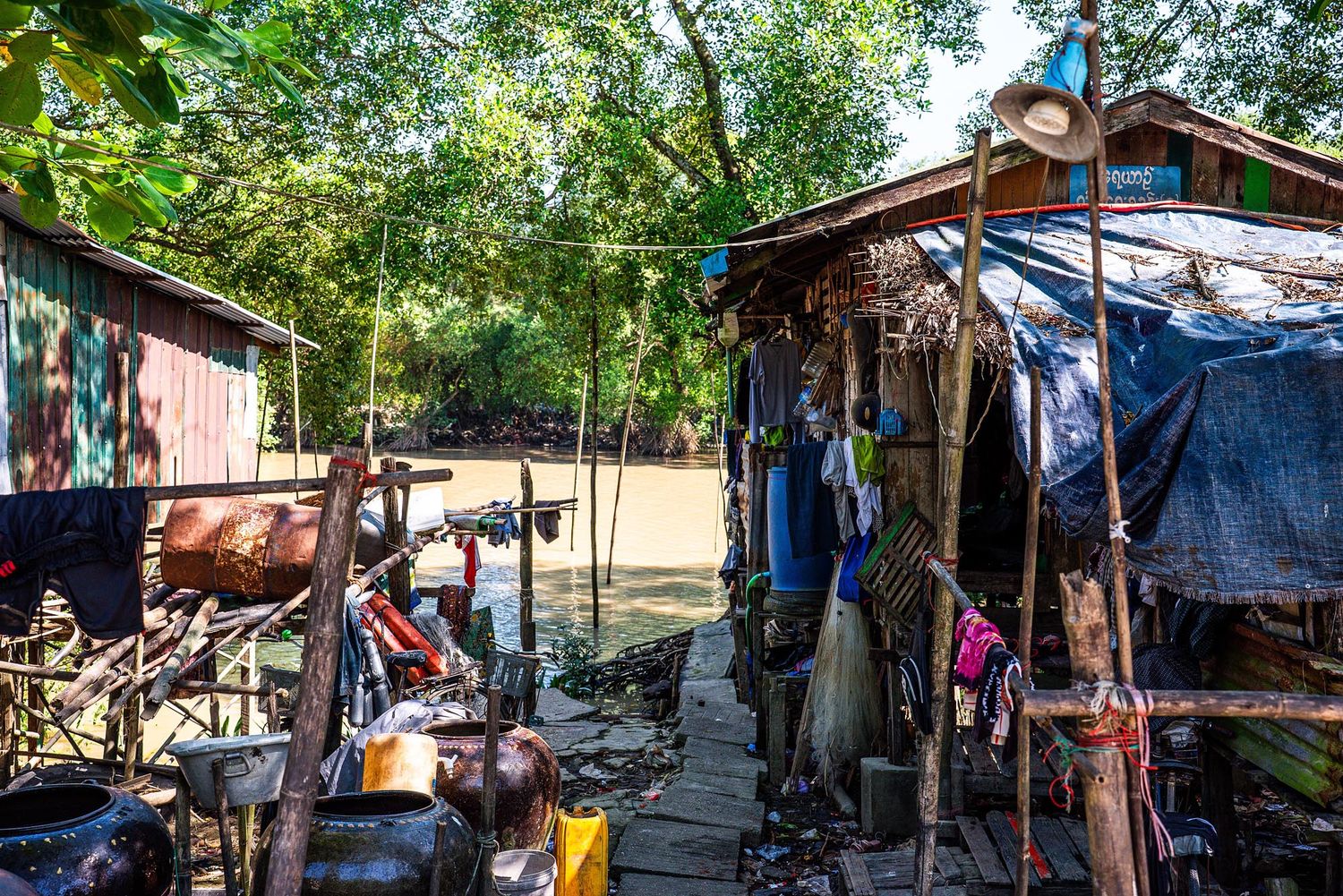
The village itself is lined with people’s homes on both sides of the river. Many have barely any walls, and no proper doors or windows, giving you a very direct glimpse into daily life. Rubbish collects everywhere, but this isn’t unique to Dala, much of Yangon struggles with litter, and here it’s simply part of normal life.
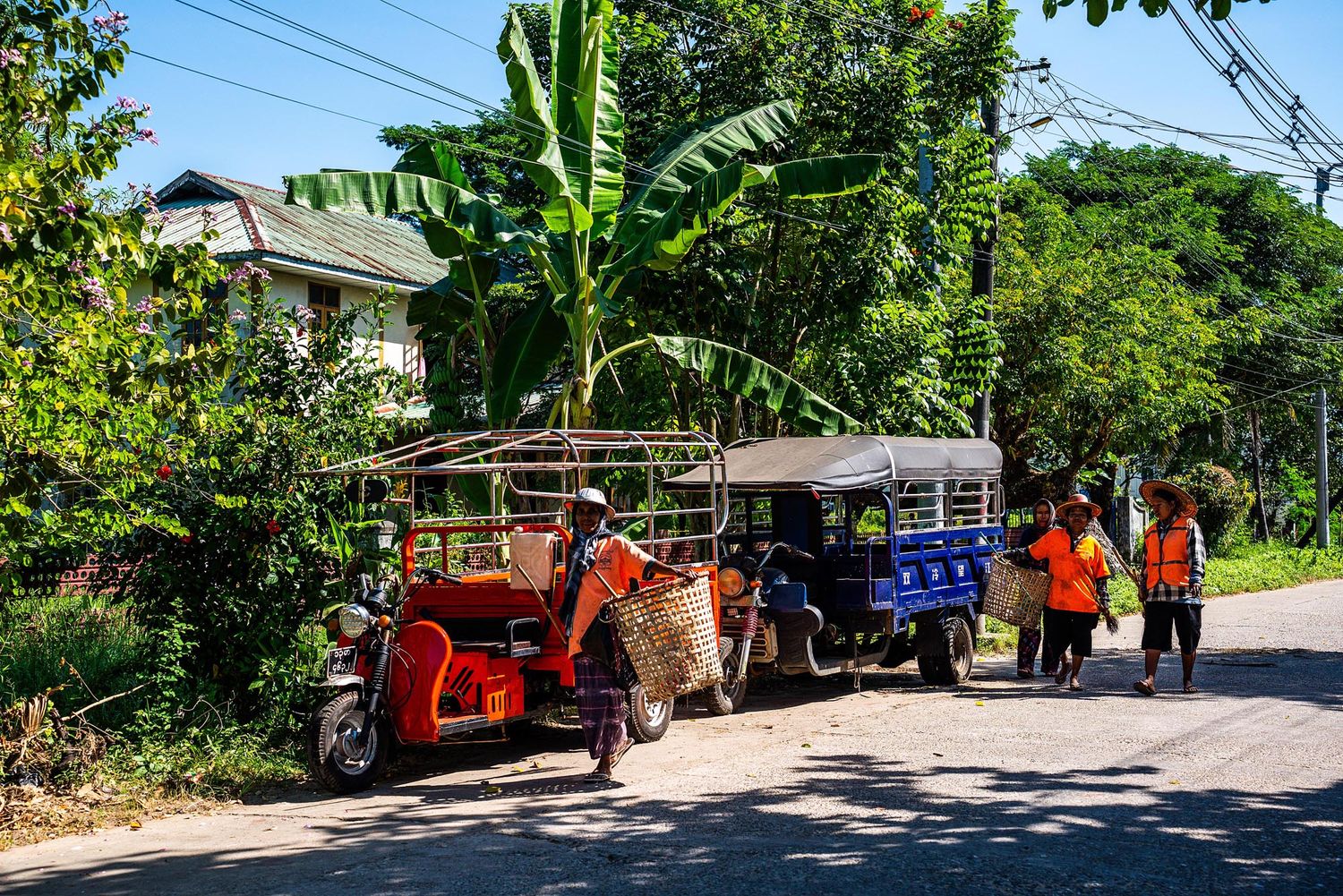
After the fishing village, we headed further inland to a small local village. There were lots of children here, completely fascinated by us as tourists. It’s highly unlikely many of them attend school, and instead they seem to spend their days helping their families. Despite this, no one asked for money, and the children were genuinely sweet and curious.
The houses in Dala are small,about the size of what we’d consider a shed back home. They’re often made from scrap materials and plants, with front yards filled with rubbish. It’s confronting at times, but it’s also very real.
Is Dala Township Worth Visiting?
Visiting Dala was the part of my last trip to Asia that I’ve thought about the most. Travelling around Southeast Asia, you do see glimpses of poverty,often more so the further you move away from tourist centres but Dala stayed with me in a different way.
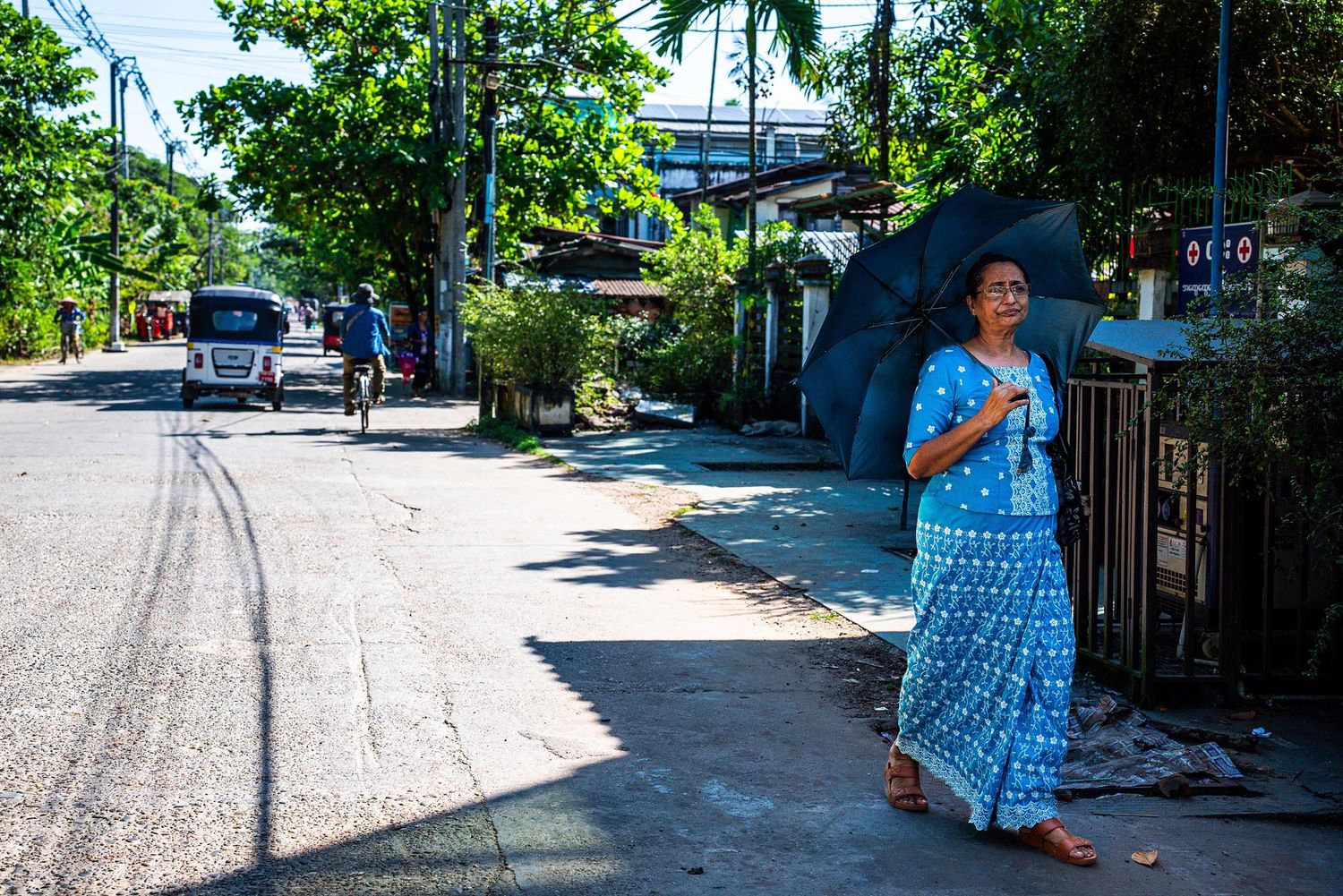
It’s important to say that the level of poverty in Dala varies from street to street. Some areas are clearly struggling, while others are surprisingly neat, and some of the buildings were actually quite nice. That contrast is part of what makes the place so interesting.
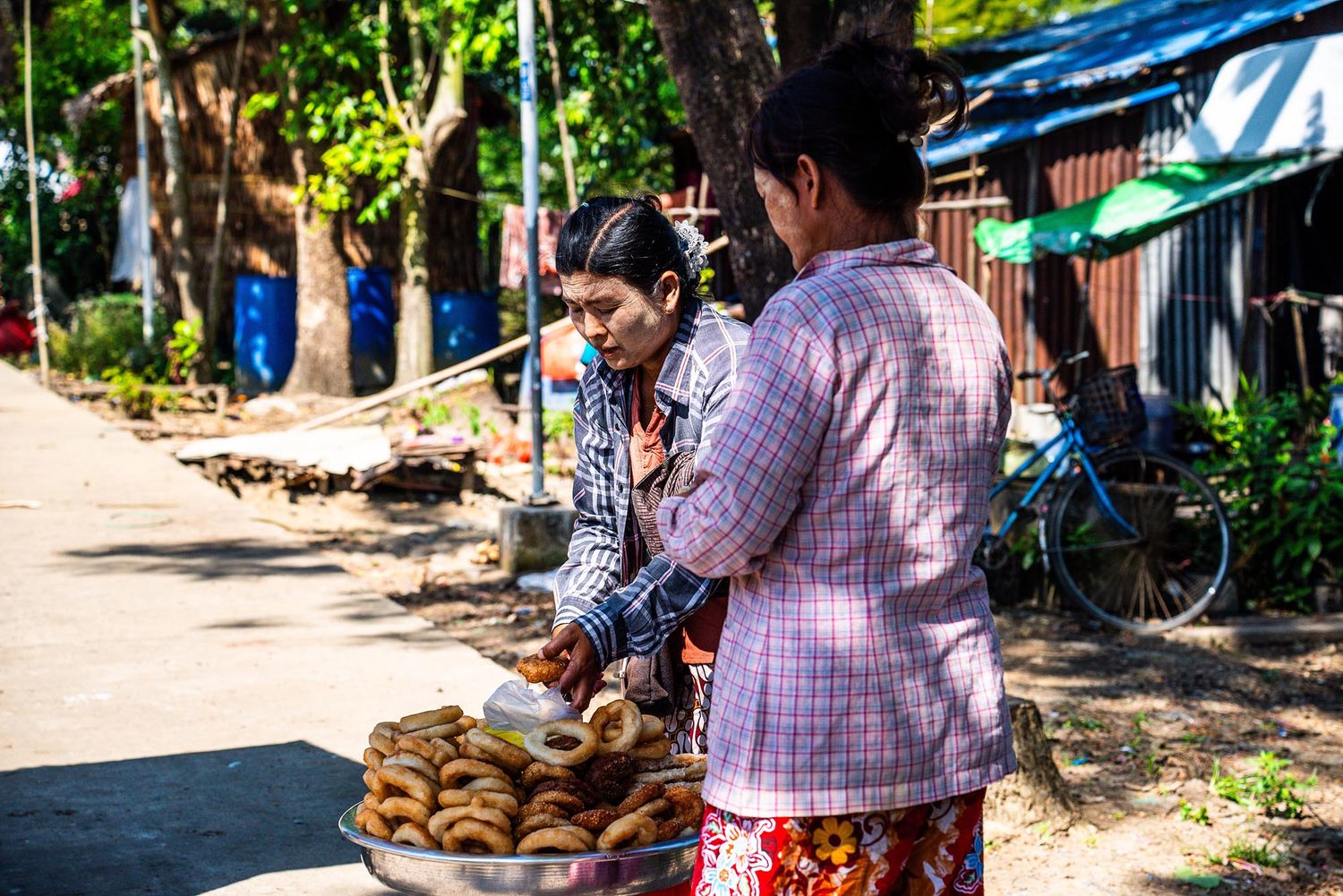
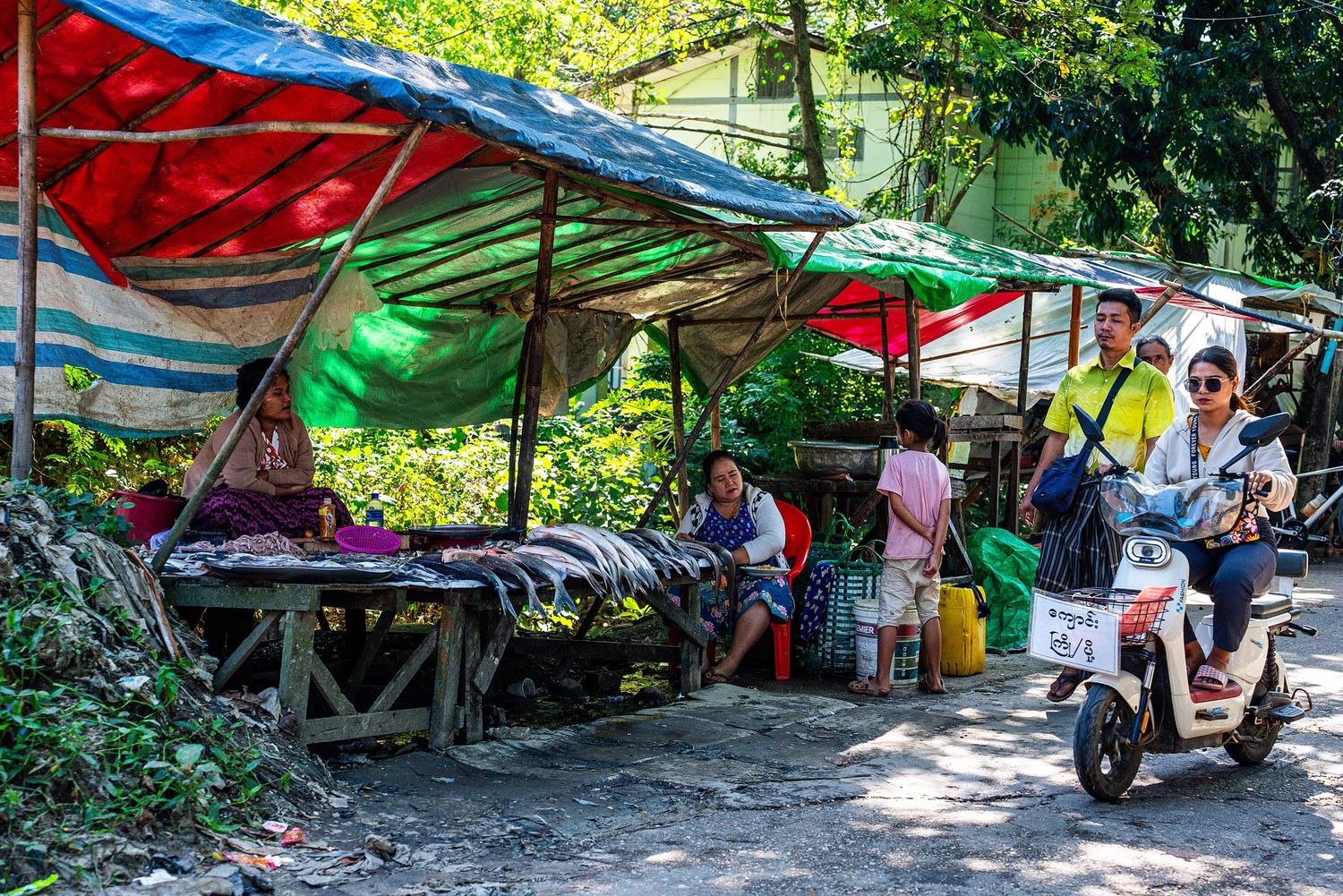
Dala felt wild but safe, poor but not hopeless. There’s a lot of daily life happening, a lot of work, and a lot of people just getting on with things. As a Westerner, it’s confronting there’s no getting around that but it’s also grounding. It forces you to slow down, observe, and reflect rather than just consume an experience and move on.
It isn’t a comfortable place to visit, but it’s an honest one. And for me, that’s exactly why it left such a lasting impression.