The Alms-Giving Ceremony in Luang Prabang: A Complete Visitor’s Guide
If you’re planning on visiting Luang Prabang, first of all, congratulations. Laos is an amazing country, and Luang Prabang offers a unique Asian experience that makes it worth the visit. One of the most memorable things you can do during your stay is witness the alms-giving ceremony. Yes, you’ll have to get up early to see it, but it’s worth the early start, and besides, you can always go back to bed afterwards. No one’s going to judge you.
- What Is the Alms-Giving Ceremony in Luang Prabang?
- Best Time and Locations to See the Alms-Giving Ceremony in Luang Prabang
- How to Respectfully Observe and Give Alms as a Visitor
- My Personal Experience of the Alms-Giving Ceremony in Luang Prabang
- What Other People Say About the Alms-Giving Ceremony in Luang Prabang
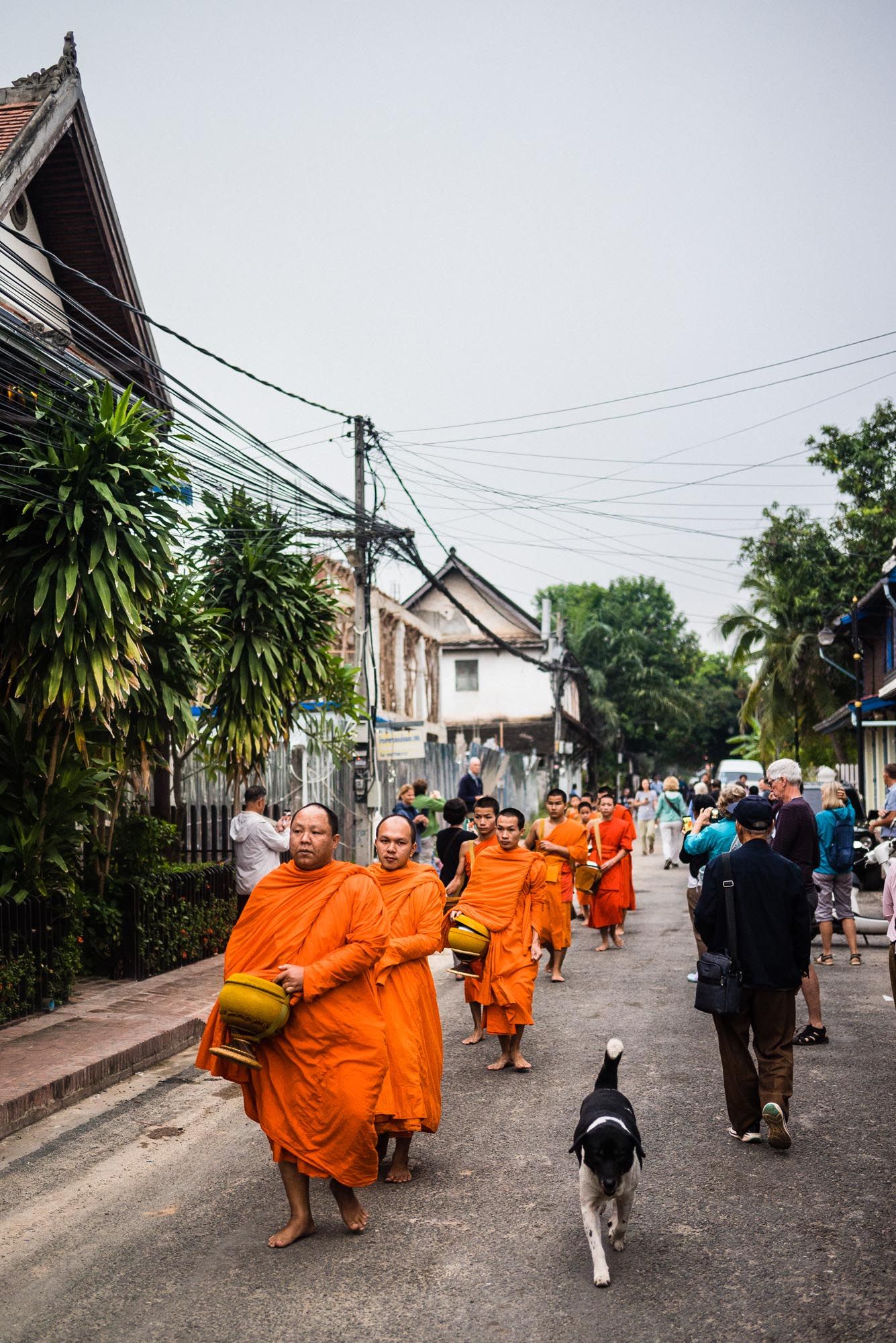
What Is the Alms-Giving Ceremony in Luang Prabang?
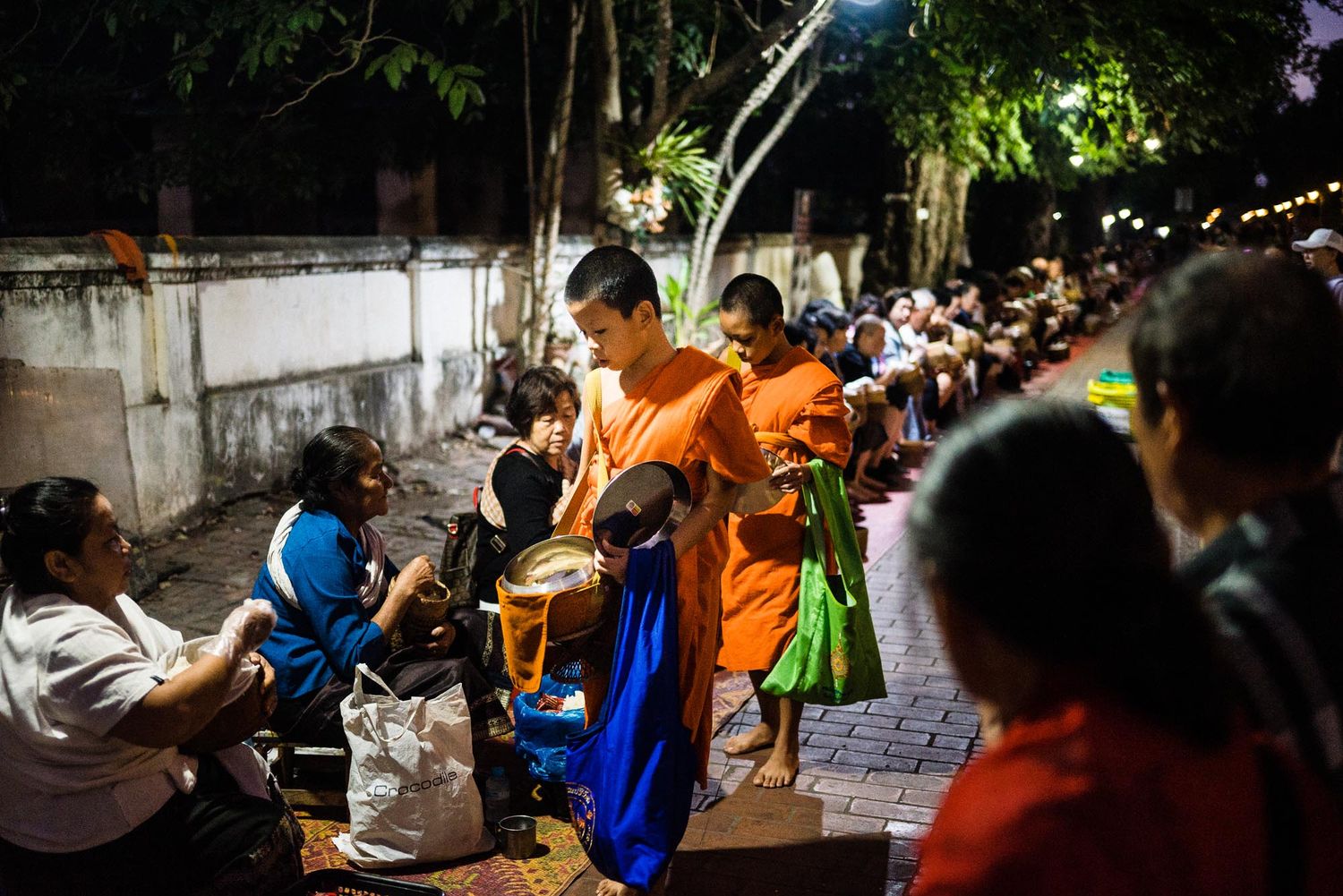
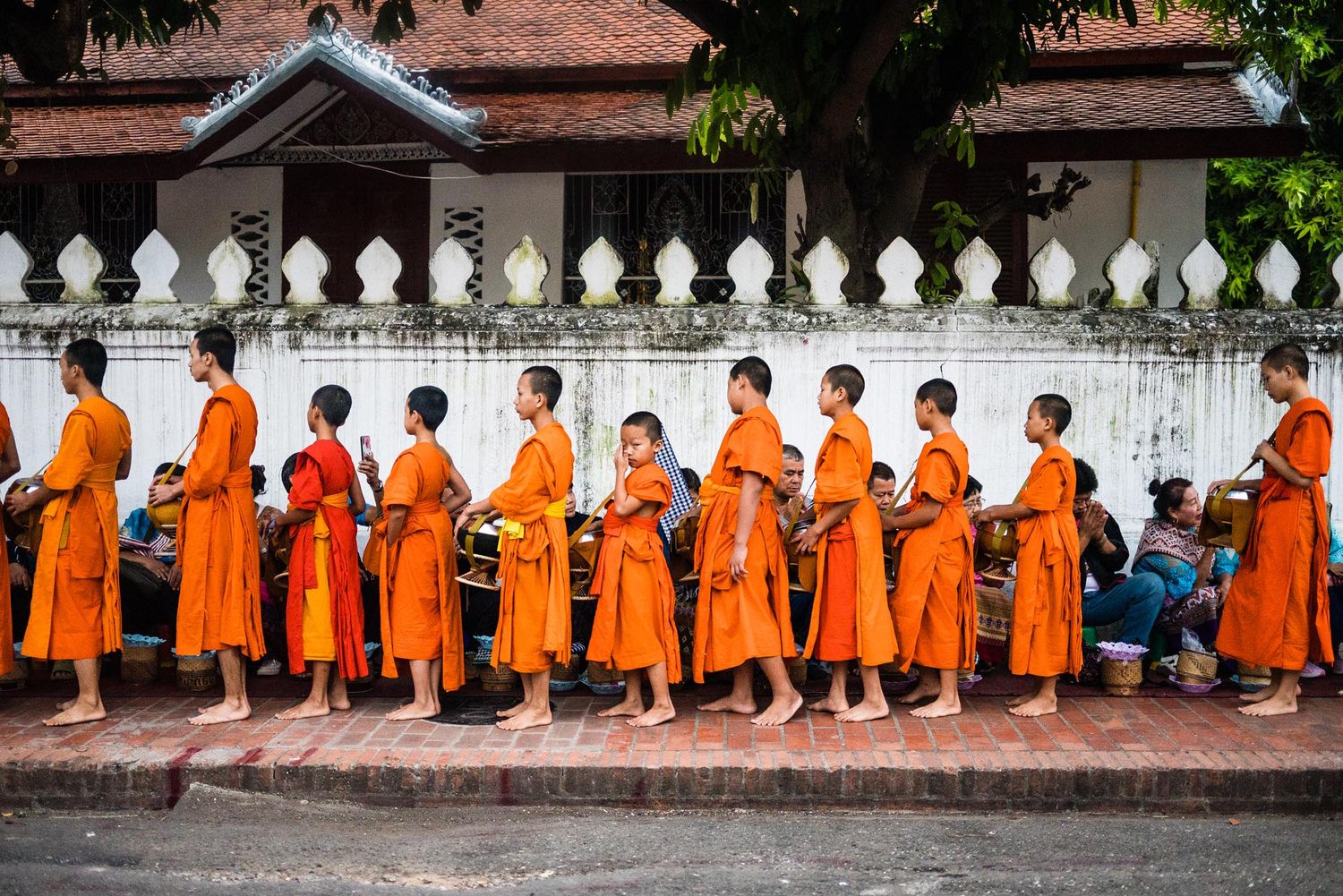
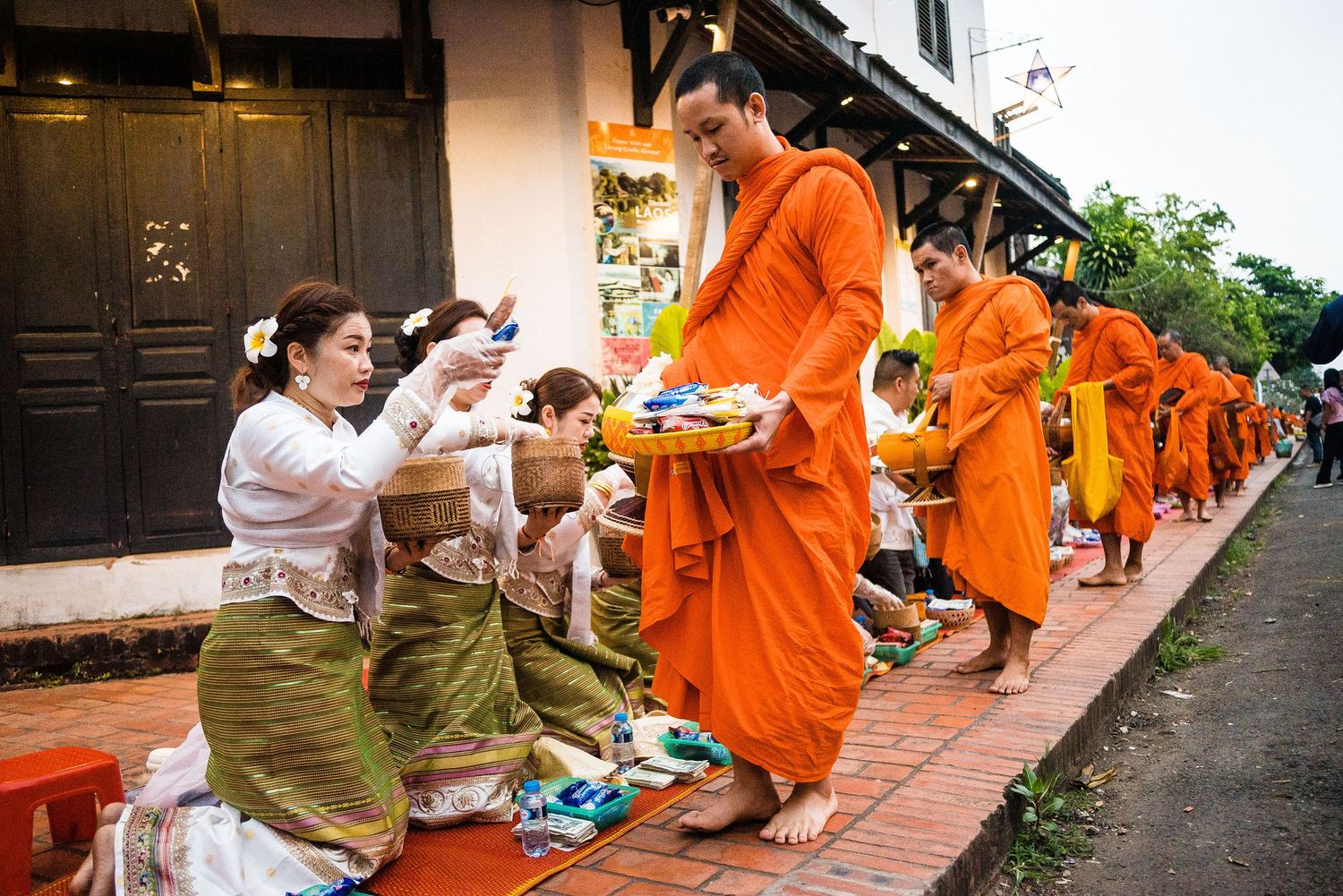
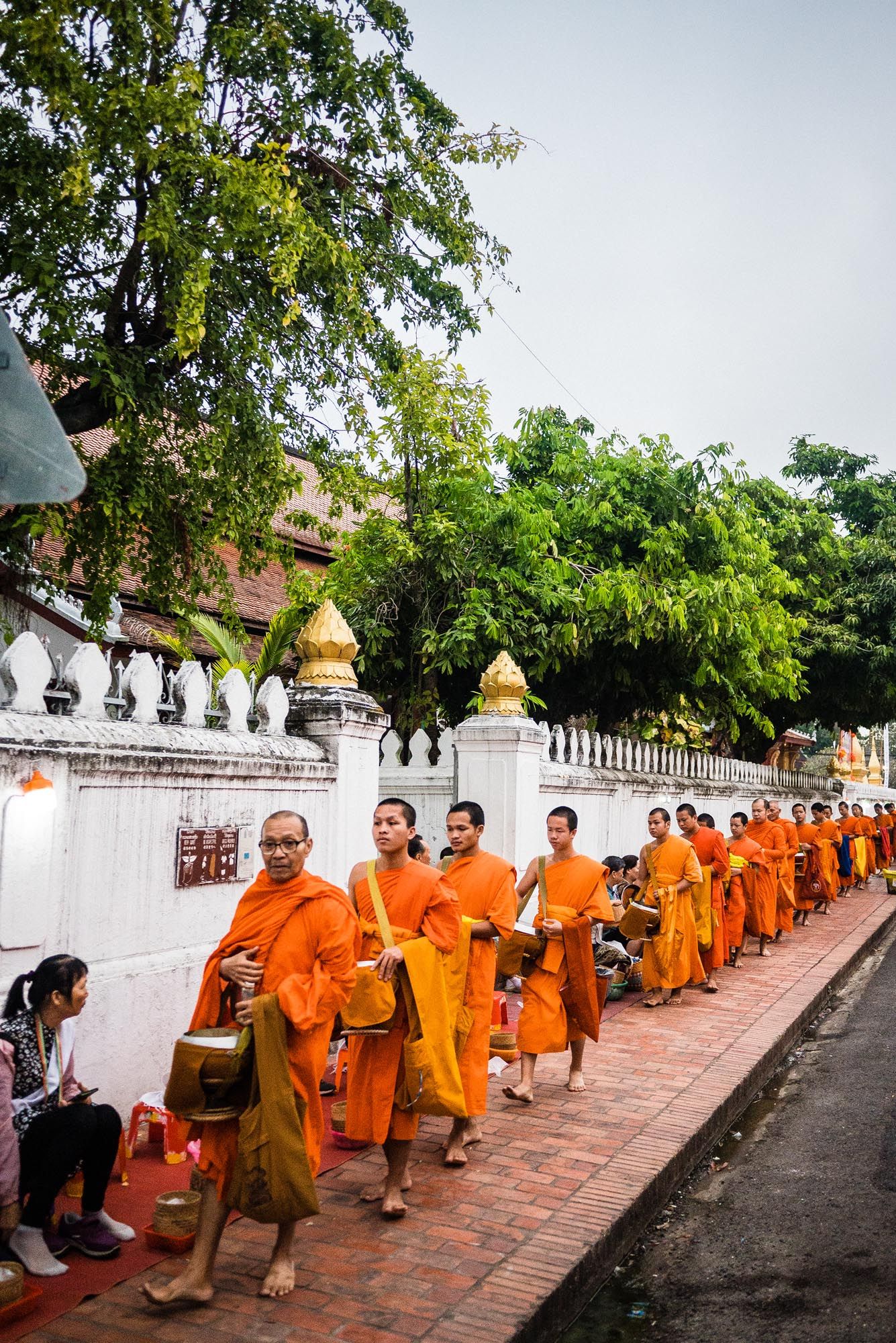
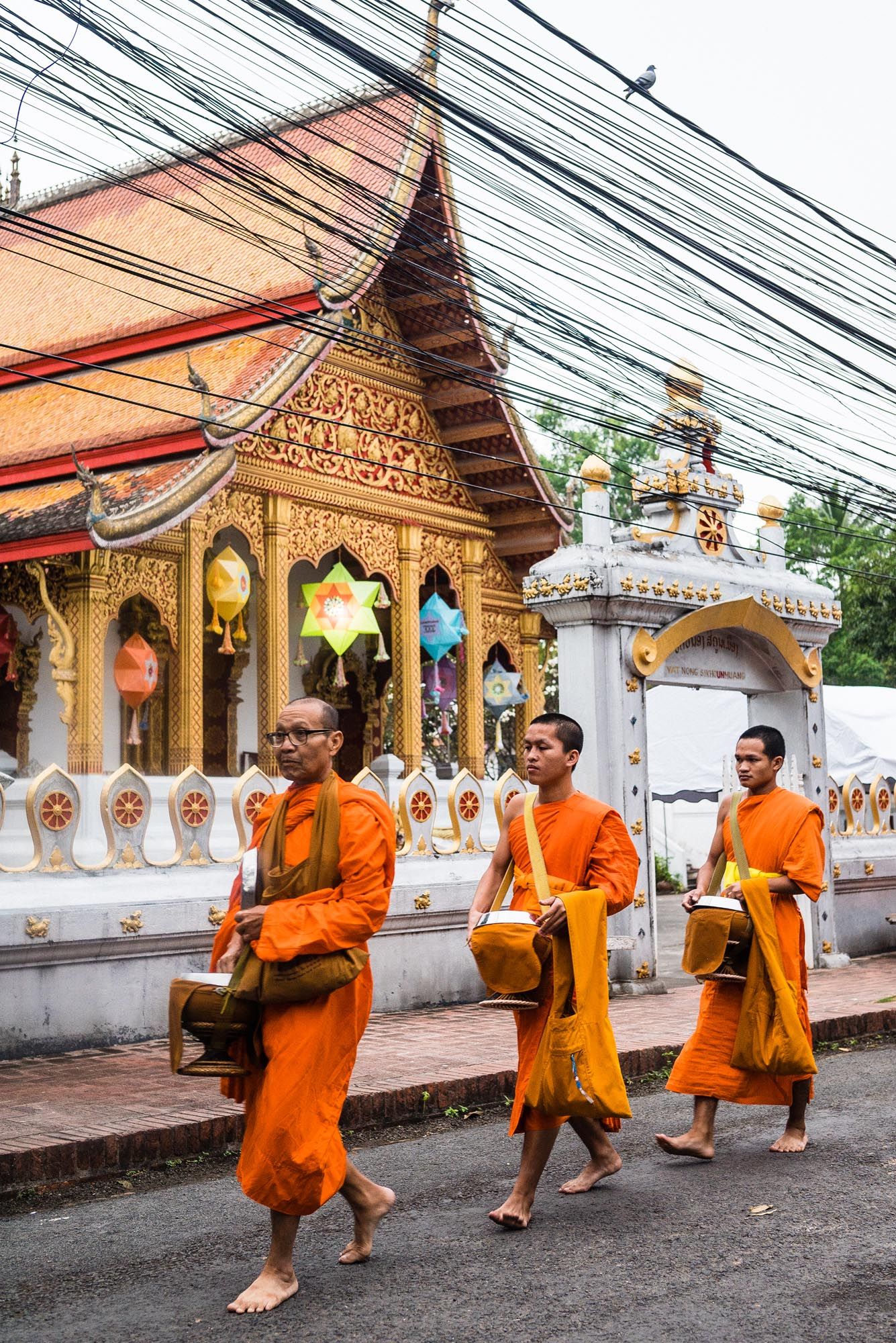
The Alms-Giving Ceremony in Luang Prabang, known locally as tak bat, is one of the most sacred and visually striking Buddhist rituals in Laos. Every morning at dawn, hundreds of Buddhist monks and novices walk silently through the streets of Luang Prabang to collect food offerings from the local community.
The offerings usually consist of sticky rice, fruit, and simple home-prepared foods. This ritual provides the monks with their main meal of the day and supports their monastic lifestyle, which centres on meditation, study, and mindfulness.
For local Lao people, taking part in the alms-giving ceremony is an important spiritual act. It represents dana, or generosity, a core principle of Buddhism. By giving alms, laypeople believe they earn merit, which brings spiritual benefits both in this life and the next.
Why the Alms-Giving Ceremony Is So Important in Luang Prabang
Unlike many places where traditions have become heavily commercialised, the alms-giving ceremony in Luang Prabang remains a deeply meaningful daily practice. The town’s strong Buddhist heritage and UNESCO World Heritage status have helped preserve this centuries-old ritual.
This ceremony is not a performance for tourists — it is a living religious tradition. When observed respectfully, it offers visitors a rare insight into Lao Buddhist culture and everyday life in Luang Prabang.
Best Locations to See the Alms-Giving Ceremony
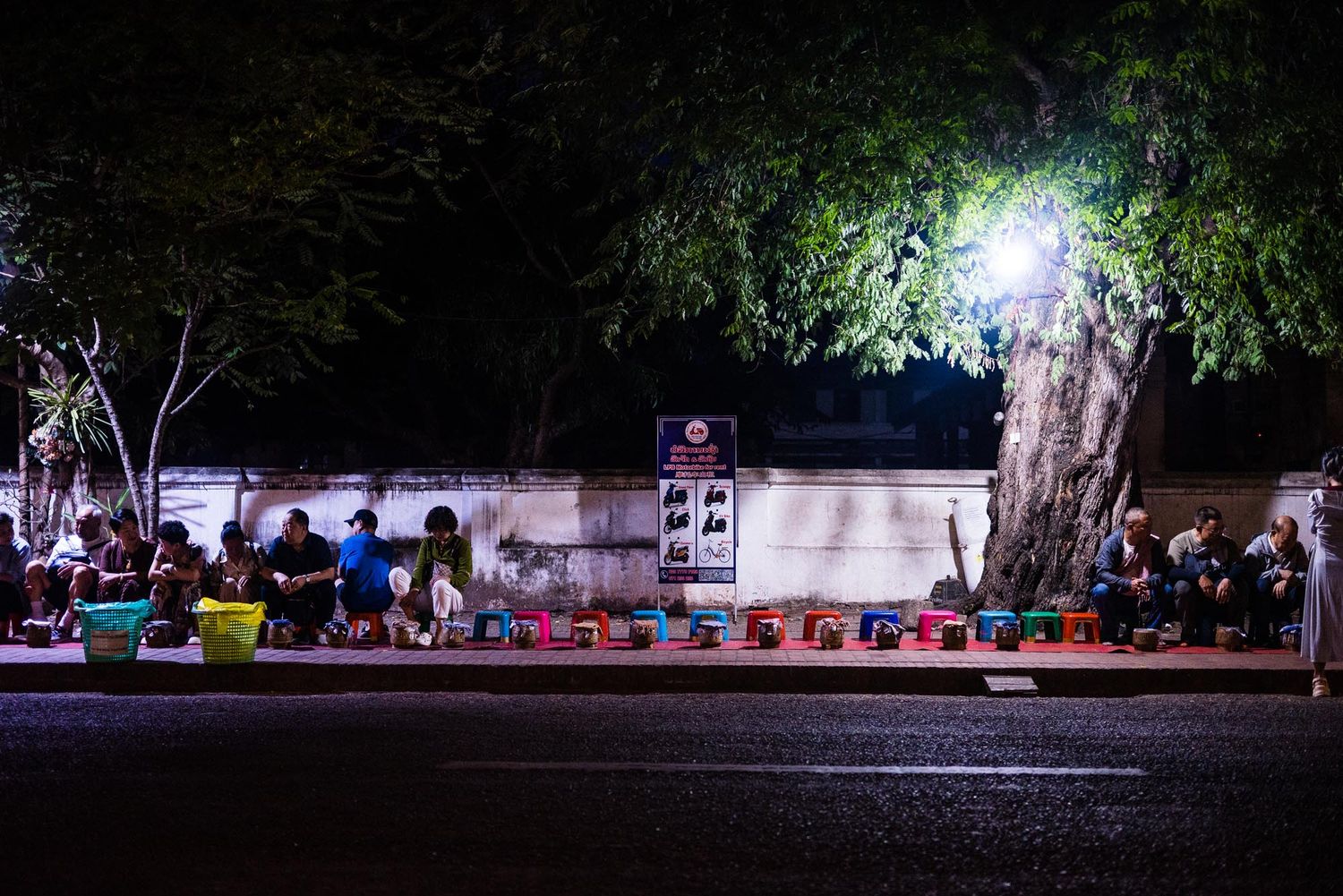
Standing near temple walls or sitting quietly along the roadside is preferable to blocking the street or crowding the monks.
Some of the most popular and appropriate places to observe the Alms-Giving Ceremony in Luang Prabang include:
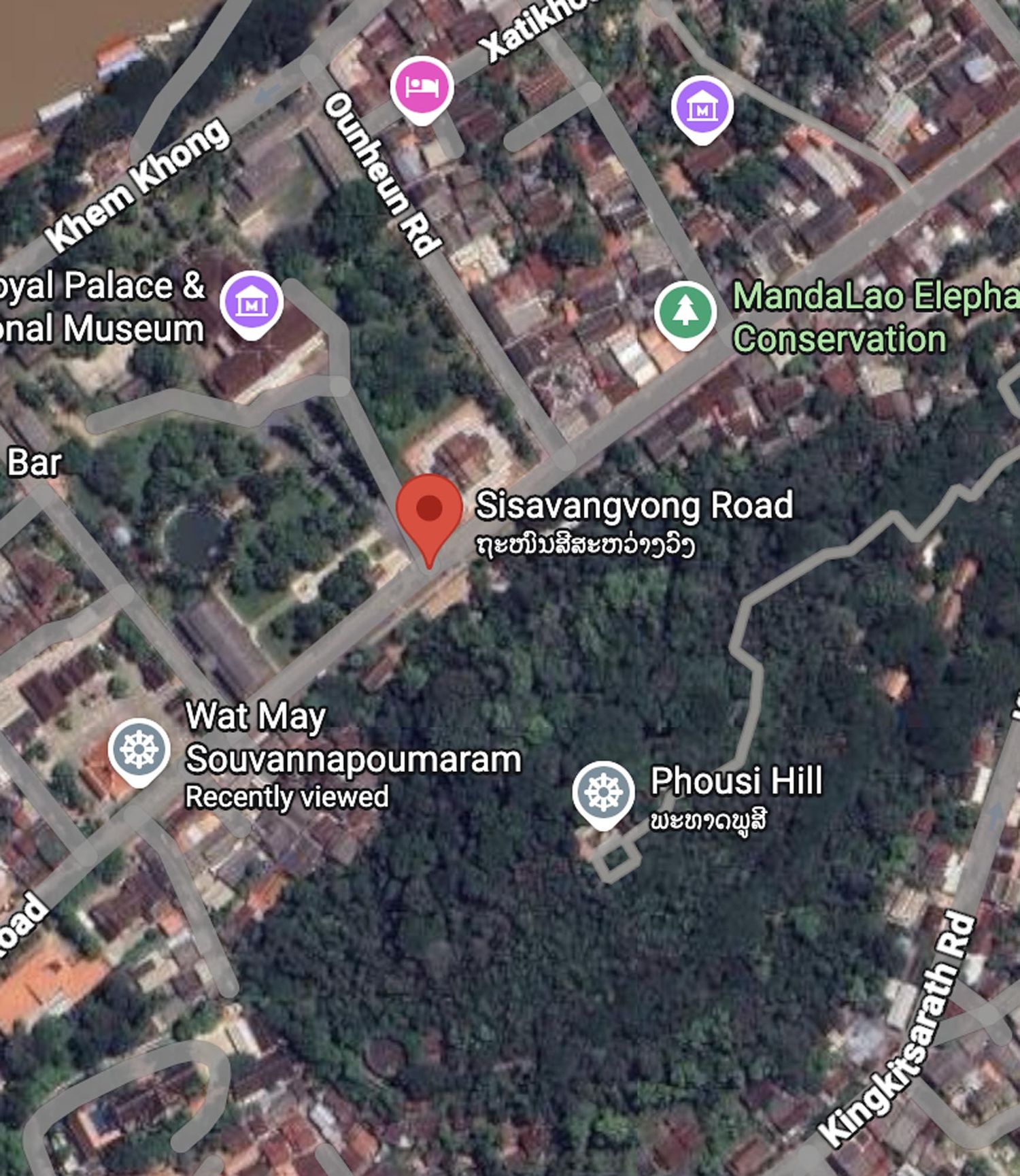
Sisavangvong Road, near the Royal Palace
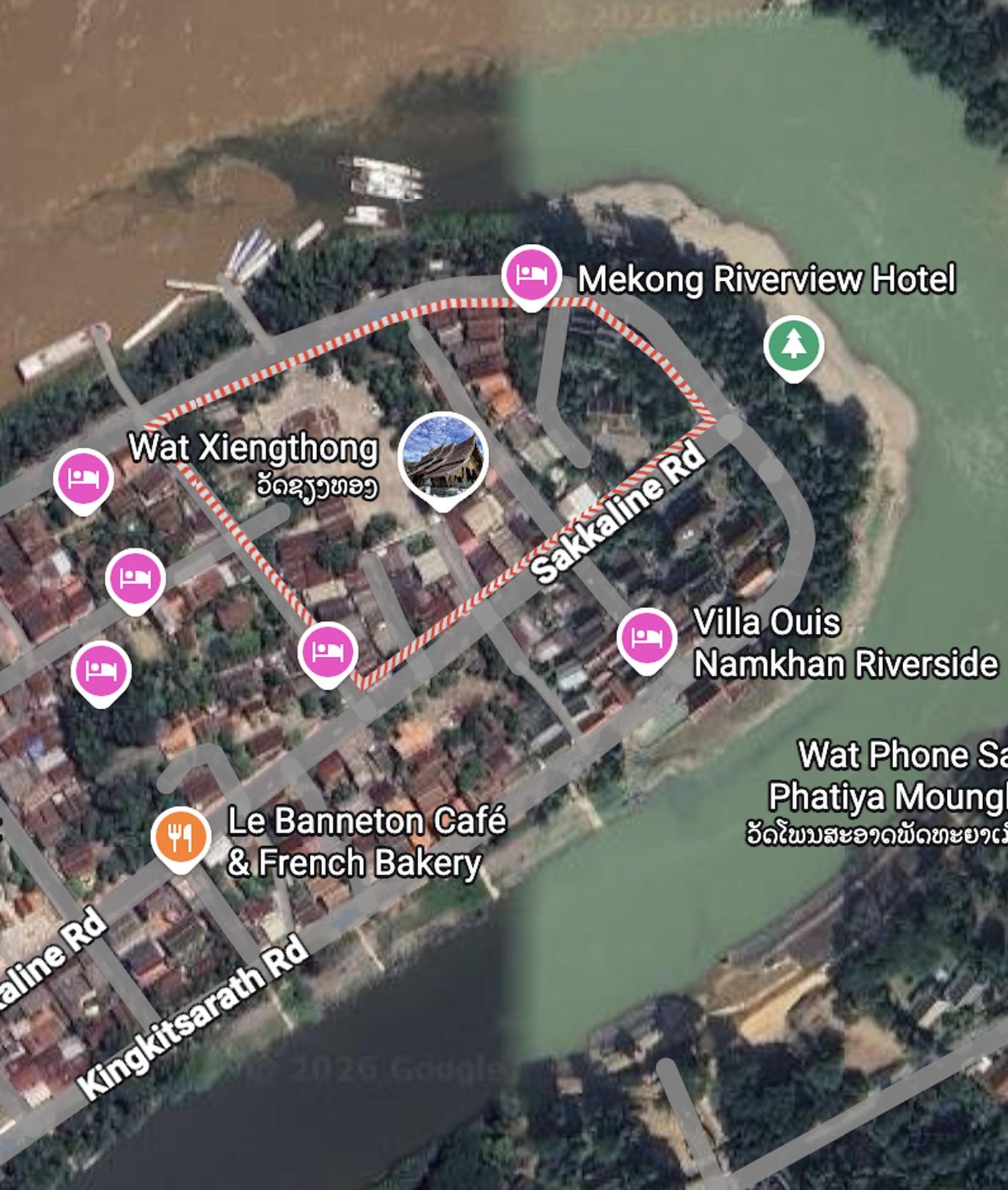
Areas around Wat Xieng Thong
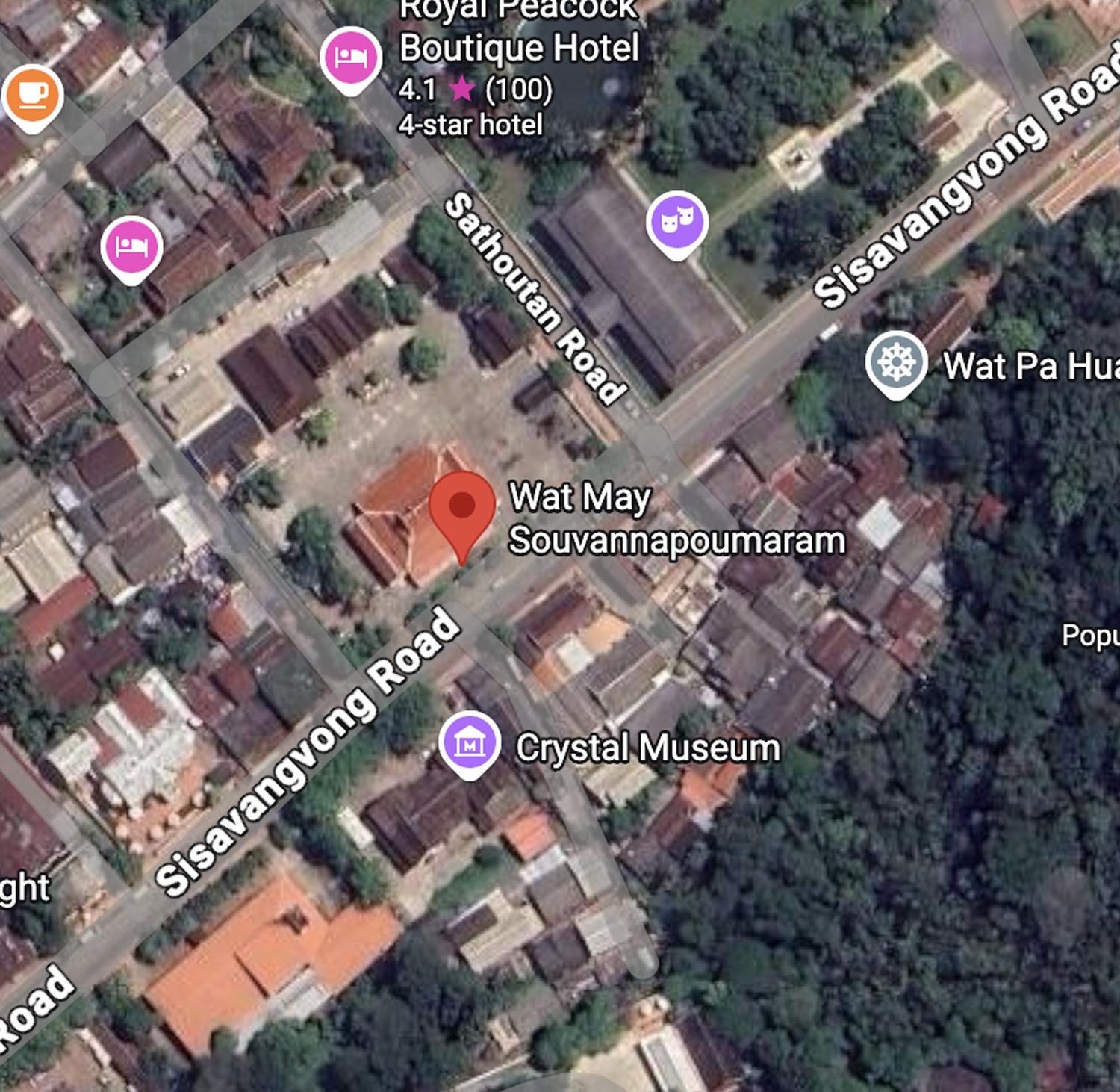
Wat Mai where monks begin their procession
The Best Time to Witness the Alms-Giving Ceremony
The ceremony typically begins at sunrise, around 5:30 AM, and continues for about an hour. It is one of the first activities of the day in Luang Prabang, and it is essential to wake up early to observe the full ritual. The monks, often accompanied by novices, proceed in single file along the main streets of the town, collecting alms from both the local people and respectful visitors.
How to Respectfully Participate in or Observe the Ceremony
If you are a visitor, observing the ceremony can be a moving and profound experience, but it is crucial to do so with respect. The alms-giving tradition is a sacred act, and there are several important cultural and ethical guidelines you should follow:
Arrive Early
The alms-giving ceremony begins at dawn, and it is advisable to arrive at least 10-15 minutes early to secure a respectful spot. Typically, the best view is from the side of the street or along the temple walls.
Dress Modestly
As the ceremony is a sacred religious observance, it is important to dress respectfully. Avoid wearing shorts, tank tops, or revealing clothing. Both men and women should cover their shoulders and knees. A simple, modest outfit such as long pants and a shirt with sleeves is ideal.
Do Not Disrupt the Ceremony
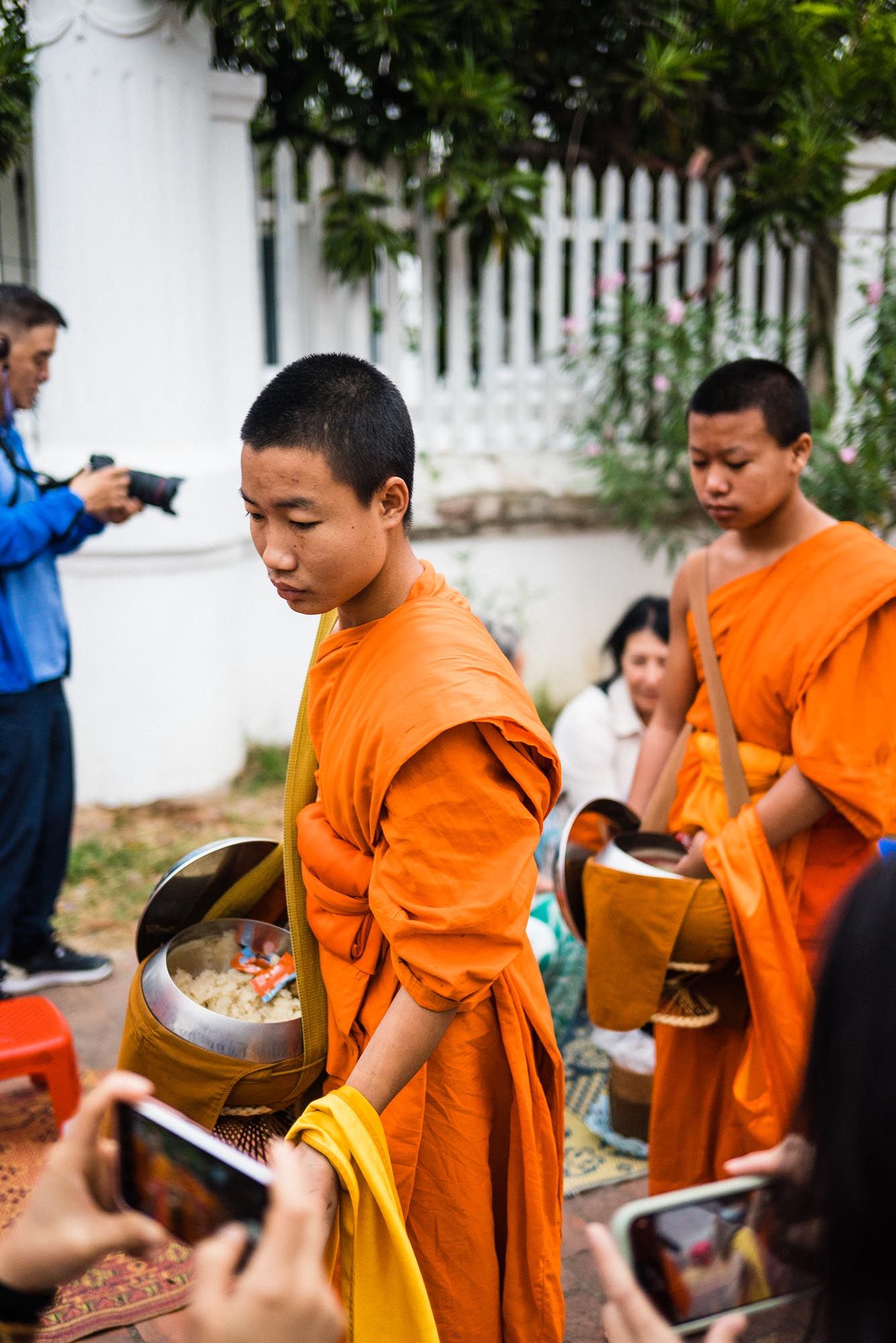
While it may be tempting to take photographs or videos, always be mindful of your surroundings. Avoid standing in the direct path of the monks and novices. If you wish to take pictures, do so respectfully and without disturbing the ceremony. Many locals prefer that tourists not use flash photography, as it can be distracting or intrusive.
Give Alms Respectfully
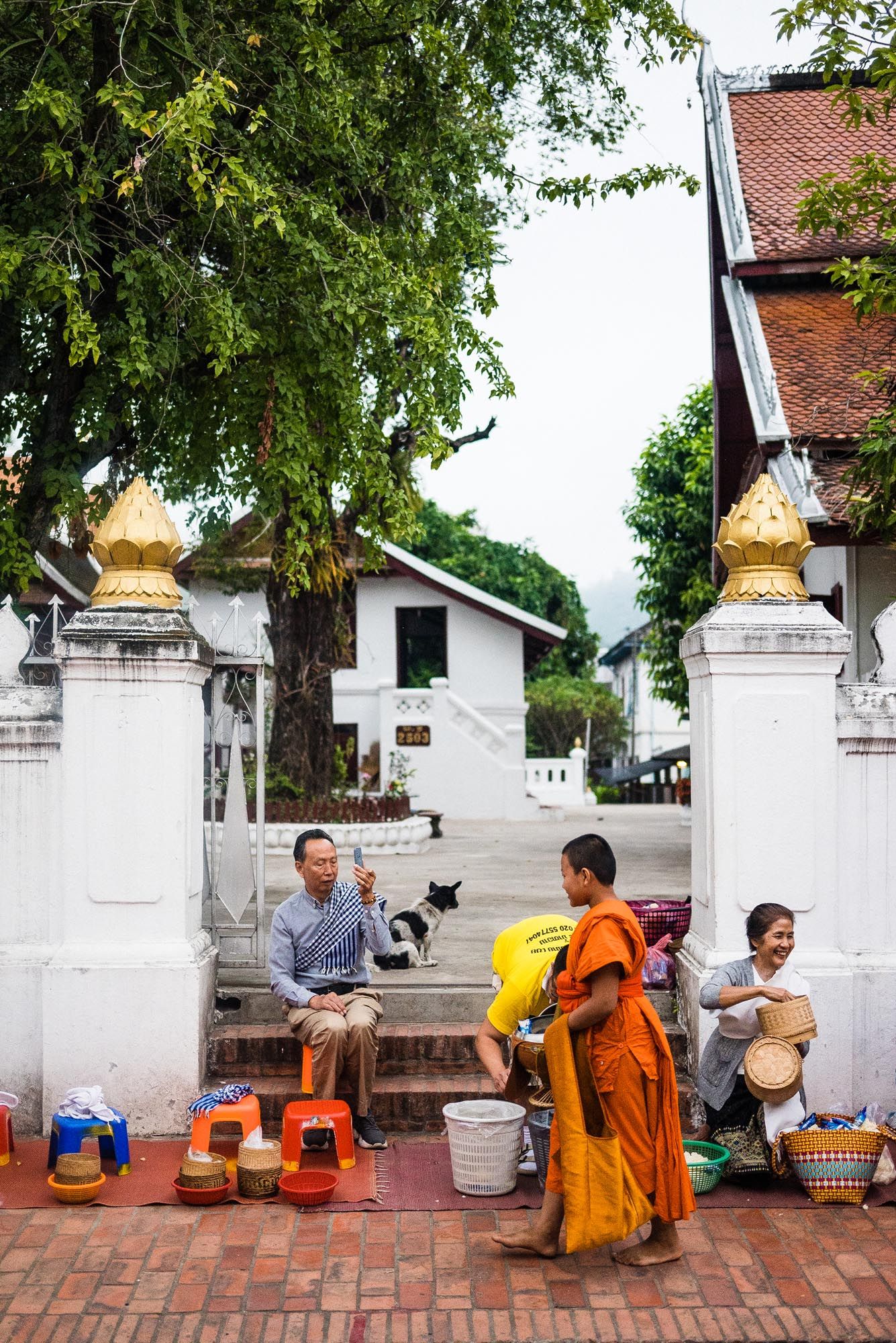
If you wish to participate by giving alms, you can buy small offerings, typically in the form of sticky rice or other foods, from local vendors around the ceremony. To offer alms:
Sit on the ground or kneel: It's important to show respect by sitting or kneeling when offering alms. Stand with your head slightly lower than the monks as a sign of humility.
Offer with both hands: Hold your offering with both hands when presenting it to the monks.
Be mindful of timing: The monks typically do not speak or acknowledge the offerings. Avoid trying to engage them in conversation. Simply offer your food and let them continue their walk.
Maintain Silence
Silence is important during the alms-giving ceremony. This is a quiet, meditative moment for both the monks and the community, so avoid speaking or making loud noises that could disrupt the spiritual atmosphere.
Do Not Touch the Monks
It is important to remember that monks are highly respected figures in Lao society. Visitors should never touch a monk or his robes. If you are a woman, be particularly cautious about physical contact; it is considered disrespectful for women to touch or hand something directly to a monk. Instead, place your offering in the monk’s alms bowl, and let him accept it without direct physical contact.
Respect Local Customs
While witnessing the alms-giving is a beautiful experience, it is important to respect local customs and understand that this is a religious ritual, not a tourist attraction. If you wish to observe, do so quietly and respectfully, without drawing attention to yourself
The alms-giving ceremony in Luang Prabang is a deeply sacred and culturally significant ritual that offers insight into Lao Buddhist traditions and the daily life of monks and novices. Witnessing the ceremony can be an incredibly moving experience if done with respect and reverence. Whether you choose to participate by giving alms or simply observe, it is an opportunity to connect with the spirit of generosity, humility, and mindfulness that is central to Lao culture.
By understanding the spiritual importance of the tak bat and adhering to the cultural customs, visitors can have a meaningful and respectful experience that enhances their understanding of this beautiful, historic town.
My Personal Experience of the Alms-Giving Ceremony in Luang Prabang
I was genuinely excited to witness the alms-giving ceremony in Luang Prabang. It was one of the things I was most looking forward to seeing in the city, and while getting up so early in the morning was a bit of a struggle, once the initial shock of being awake wore off, it turned into a very relaxed and fascinating experience.
Even the walk from my hotel through the quiet streets of Luang Prabang was interesting in itself. I passed smaller, more local alms-giving setups and watched people preparing for the day ahead, which felt just as meaningful as the main ceremony.
When I reached the main area where the alms-giving was taking place, the atmosphere did shift slightly. Unfortunately, there were a few disappointing moments where other tourists weren’t being as respectful or as quiet as you’d hope. That said, it didn’t ruin the experience overall, and the ceremony itself still felt special.
One of my main motivations, aside from witnessing the ceremony and being part of this cultural experience, was photography. However, taking photos turned out to be much harder than I expected. I was very conscious of being respectful, especially after seeing videos and articles about tourists getting in the way or photographing monks in inappropriate ways. Because of that, I kept my distance as much as possible.
I do feel like I could have taken better photos if I’d pushed closer, but that would have crossed a line for me. At times, taking photos felt uncomfortable, as if the monks were becoming a spectacle for tourists rather than participants in a sacred ritual. It’s difficult to find the balance between respecting the ceremony, enjoying the experience, and not feeling like an intrusive observer with a camera.
Overall though, I absolutely loved the experience, and I would 100% recommend it to anyone visiting Luang Prabang. It’s worth getting up early for, and it will likely be one of the most memorable moments of your time in the city.


What Other People Say About the Alms-Giving Ceremony in Luang Prabang
Opinions on the alms-giving ceremony in Luang Prabang are mixed, and much of the experience seems to depend on where and how it is witnessed. Many travellers describe the ceremony as deeply meaningful in theory, rooted in a Buddhist tradition that dates back over 600 years, symbolising generosity, merit-making, and the relationship between monks and the local community.
However, a recurring theme in reviews is disappointment with how commercialised parts of the ceremony have become, particularly along the main tourist streets. Several visitors mention being put off by organised seating sold to tourists, vendors offering overpriced low-quality food for monks, and large crowds treating the ceremony more like a photo opportunity than a sacred ritual. Some reviewers found it uncomfortable to see excessive photography, loud behaviour, inappropriate dress, and tourists standing too close to the monks, despite clear signs asking for distance and respect.
A few travellers were especially troubled by what happens after the ceremony, noting that much of the food given by tourists — particularly sweets and low-quality rice — is discarded, which felt at odds with the spiritual purpose of the ritual. For some, this highlighted how the original meaning of the alms-giving ceremony can be lost when participation is driven by social media rather than belief or understanding.
That said, not all experiences were negative. Many reviewers stress that the ceremony can still be calm, authentic, and moving if you make the effort to avoid the busiest tourist areas. Those who ventured into quieter residential streets or followed the monks away from the main routes often described a far more peaceful atmosphere, with more local participation and fewer disruptions. In these areas, the ceremony felt closer to its original intention — simple, reflective, and respectful.
Several visitors also shared practical advice: arrive early, turn off camera flash, keep a respectful distance, dress appropriately, and remain quiet throughout. Others noted that patience pays off — while the first few monks may pass quickly, larger groups often follow, and the experience can improve as the crowds thin out.
Overall, most travellers agree on one thing: the alms-giving ceremony in Luang Prabang is still worth experiencing, but only when approached with awareness and respect. Choosing the right location, understanding the cultural significance, and resisting the urge to treat it as a spectacle can make the difference between a disappointing experience and a genuinely memorable one.