What should I buy in Hanoi
Hanoi, the vibrant capital of Vietnam, is a city steeped in history and rich cultural heritage. For visitors looking to take home an authentic souvenir, Hanoi offers an incredible array of unique items that reflect its traditions, craftsmanship, and artistic spirit. These locally made mementoes serve as perfect keepsakes or gifts. From intricate handicrafts to delectable local delicacies, the markets and boutiques of Hanoi are brimming with cool and interesting things to buy.
Here are some must-buy souvenirs to bring home from Hanoi:
Vietnamese Silk Products
Price Range
Silk Fabrics: $6.50 – $21.00 (≈ £5 – £16 | ≈ €6 – €19)
- Readymade Items: $30 – $50 per item (≈ £24 – £40 | ≈ €28 – €46)
Where to Buy
- Khai Silk – 113 Hang Gai, Hoan Kiem
- Duc Loi Silk – 77 Hang Gai, Hoan Kiem
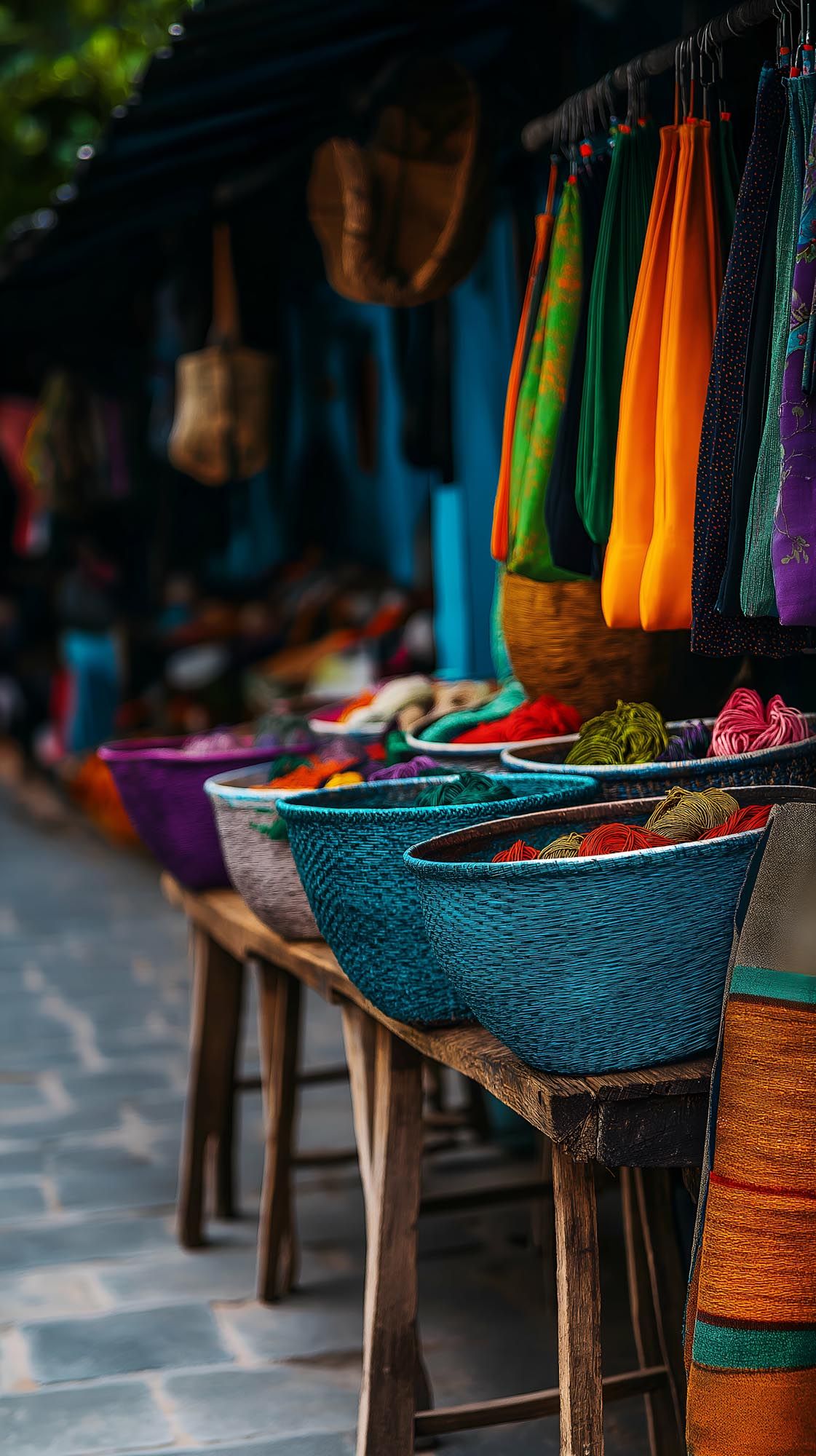
Vietnam has a long and proud history of silk production, with its silk industry being one of the most renowned in Southeast Asia. Hanoi, in particular, is a fantastic place to explore this timeless craft, offering a wide variety of high-quality silk products that make for elegant and meaningful souvenirs.
One of the best places to experience Vietnam’s traditional silk-making heritage is Van Phuc Silk Village, located just south of Hanoi. This historic village has been producing exquisite silk for over a thousand years and is famous for its smooth, lightweight fabric, intricate patterns, and vibrant colours. A visit to Van Phuc offers a fascinating glimpse into the silk-making process, where you can watch artisans skillfully weave silk using age-old techniques passed down through generations.
For those unable to visit Van Phuc, Hanoi’s bustling markets and boutiques provide plenty of opportunities to shop for premium silk products. From the iconic silk ao dai (Vietnam’s traditional dress) to luxurious scarves, handbags, ties, and wall hangings, there is no shortage of crafted silk items to choose from.
Vietnamese Hand Embroidery
Price Range: USD 4.5 to USD 8 (depending upon the purchased item)
Where to buy
Tan My Designs: 61 Hang Gai Street, Hoan Kiem.
May Store: 7 Nha Tho, Hang Trong, Hoan Kiem.
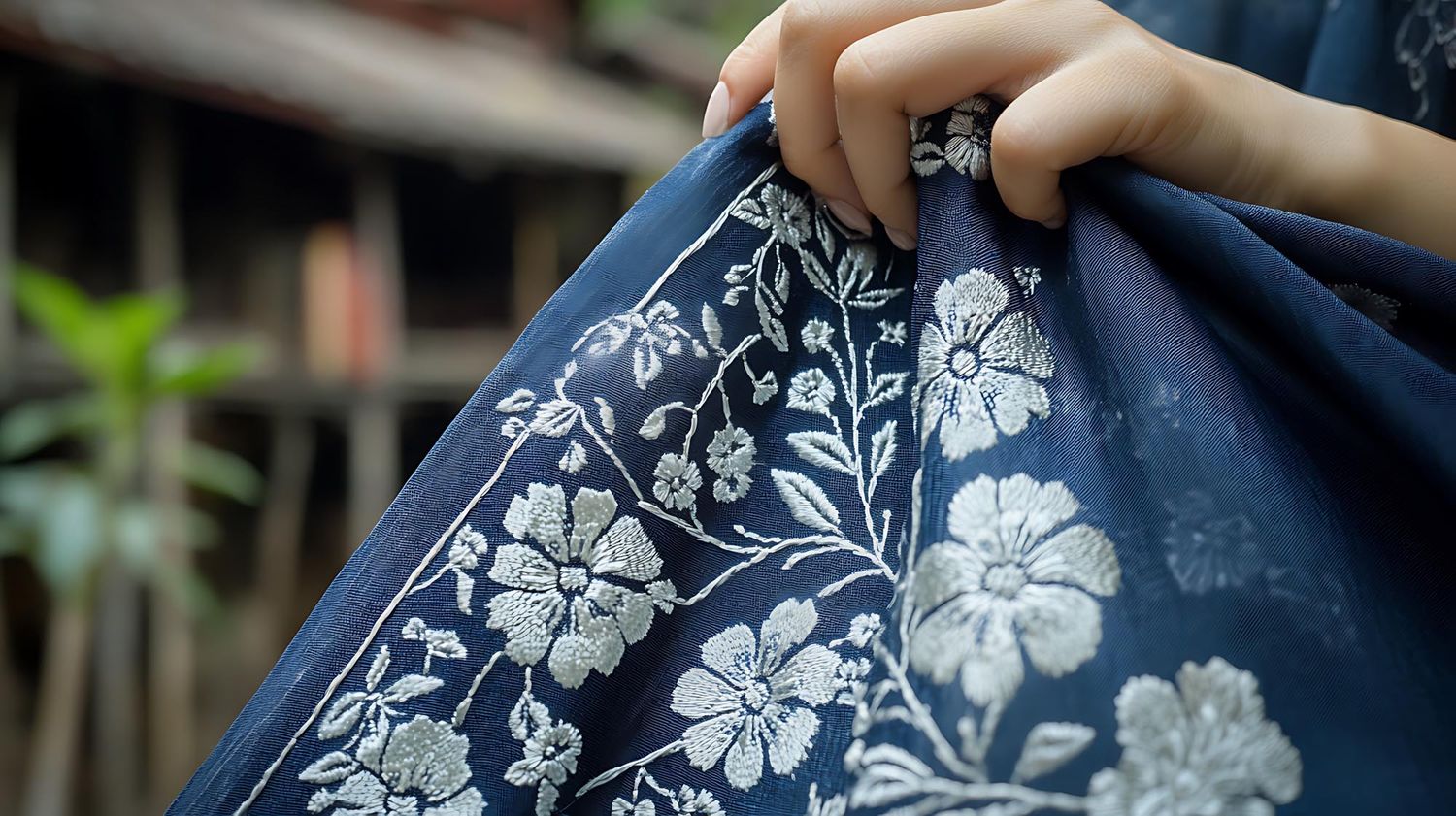
Vietnam is renowned for its exquisite hand embroidery, a traditional craft that has been perfected over centuries. The country’s artisans are highly skilled, creating intricate designs that showcase remarkable precision, artistry, and cultural symbolism. When it comes to quality, craftsmanship, and affordability, Vietnamese hand-embroidered products are truly exceptional, making them a must-have for visitors seeking authentic souvenirs.
Hanoi, in particular, is an excellent place to explore this fine craft. You’ll find a stunning variety of hand-embroidered items, including bed sheets, quilts, pillowcases, handkerchiefs, napkins, table runners, wall hangings, tote bags, and clothing accessories. These delicate yet durable pieces are meticulously handcrafted using traditional techniques, often taking weeks or even months to complete.
Most embroidery is done on high-quality Vietnamese cotton and linen, known for their softness and durability. The designs often feature classic motifs inspired by nature and Vietnamese folklore, such as blooming flowers, graceful birds, majestic dragons, and intricate geometric patterns. Each piece tells a story, reflecting the country’s deep artistic heritage.
For an even more immersive experience, visitors can explore embroidery workshops in and around Hanoi, where skilled artisans demonstrate their craft. These workshops not only offer the chance to purchase authentic hand-embroidered items but also allow travelers to appreciate the patience and dedication required to create such masterpieces.
Whether you’re looking for a statement home décor piece, a thoughtful gift, or a timeless fashion accessory, Vietnam’s hand-embroidered treasures are a beautiful and meaningful investment, capturing the essence of the country’s artistic traditions.
Do’ Paper Products
Price Range: USD 1 to USD 2 (per item)
Where to buy
Craft Link: Van Mieu Dong Da, Ha Noi.
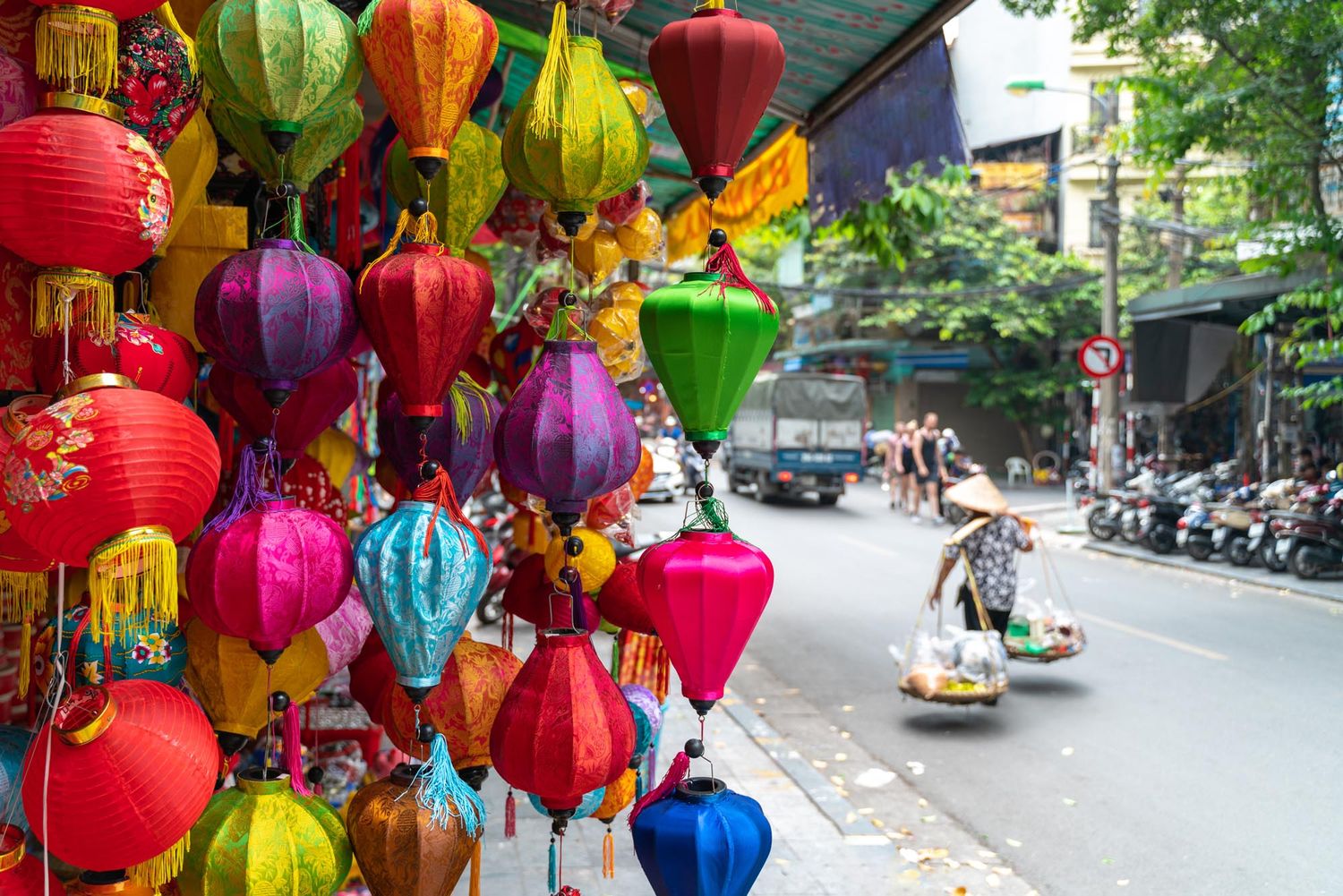
Vietnam is home to a unique and culturally significant handmade material known as ‘do’ paper, crafted from the bark of the Rhamnoneuron tree, a species native to the region. This traditional paper has been an integral part of Vietnamese art and craftsmanship for centuries, valued for its durability, soft texture, and eco-friendly production process.
One of the most famous applications of do paper is in the creation of Dong Ho paintings, a traditional Vietnamese folk art originating from Dong Ho Village in Bac Ninh Province. These paintings, known for their bright colours and symbolic themes, often depict scenes of rural life, folklore, and prosperity. The unique properties of do paper allow the colours to remain vibrant for years, making these artworks highly sought after by collectors and tourists alike.
Beyond Dong Ho paintings, do paper is widely used to create an array of beautifully crafted products, including handmade notebooks, greeting cards, bookmarks, calligraphy scrolls, lanterns, and stationery sets. These items make for meaningful and authentic souvenirs, embodying Vietnam’s rich artistic heritage and sustainable craftsmanship.
Visitors to Hanoi can find do paper products in various local markets, craft stores, and specialized boutiques. Additionally, art workshops and cultural centres often offer hands-on experiences where travellers can learn about the traditional process of making do paper and even try their hand at creating their own artwork or stationery.
Whether purchased as a keepsake or gifted to a loved one, do paper products are a wonderful way to take home a piece of Vietnam’s artistic legacy while supporting local artisans who continue to preserve this centuries-old craft.
O Mai (Sweetened fruits)
Price Range: USD 1.7 to USD 4 (per box of varying quantities)
Where to buy
Hong Lam Store: 11 Hang Duong Street, Hoan Kiem.
Tien Tinh Store: 21 Hang Duong Street, Hoan Kiem.
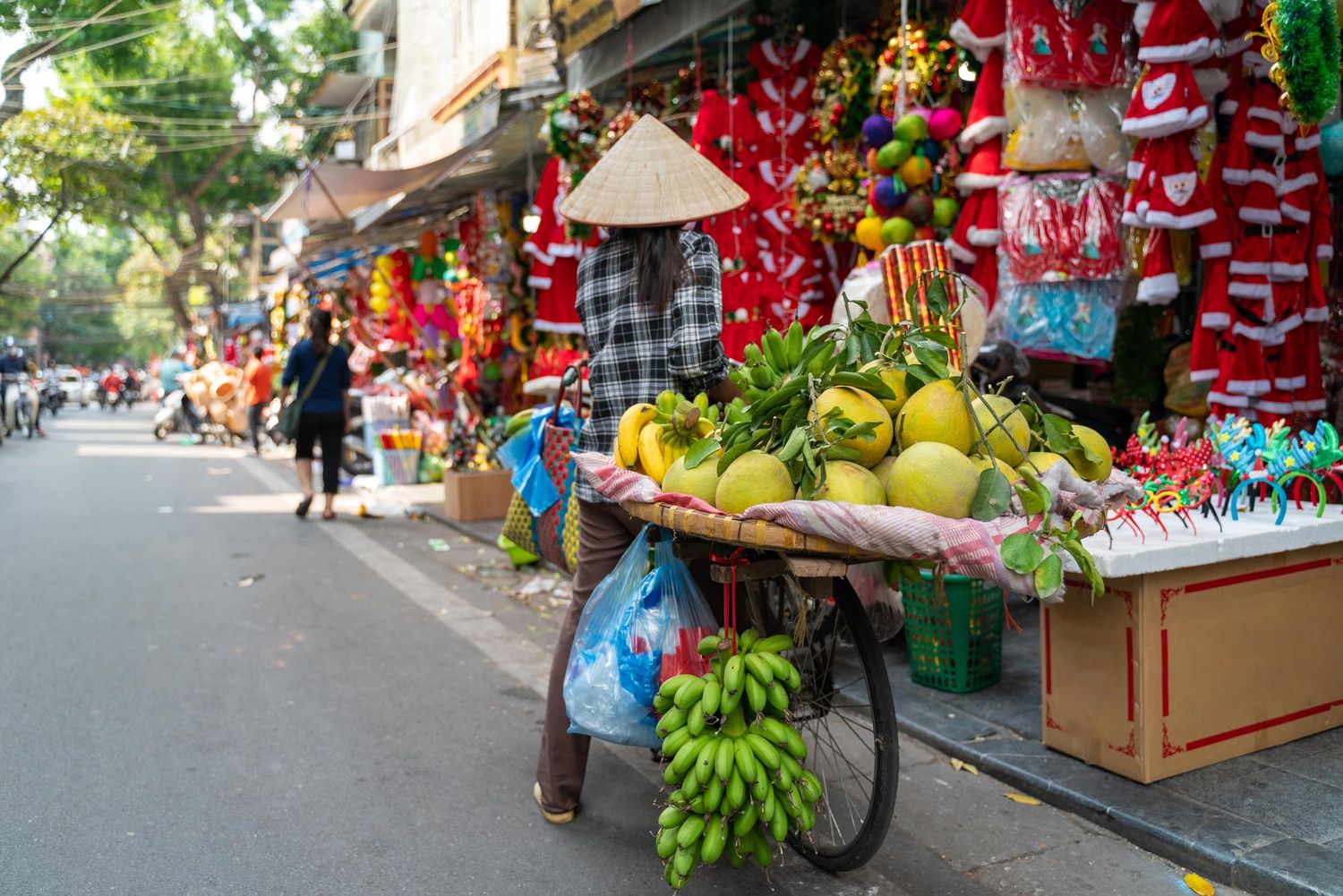
O Mai is a beloved traditional Vietnamese snack made from dried fruits that are skillfully preserved and infused with a harmonious blend of flavours. By combining ingredients such as salt, sugar, lime, and chili, O Mai offers a unique taste experience that is simultaneously sweet, tangy, salty, and spicy—a perfect reflection of Vietnam’s rich culinary diversity.
This delightful treat is especially popular during festivals and special occasions, where it is often served to guests as a symbol of hospitality and good fortune. In particular, O Mai is a staple during Tet (Lunar New Year) celebrations, as it is believed to bring warmth and happiness to the household.
The most commonly used fruits for making O Mai include apricots, peaches, plums, star fruit, tamarind, kumquats, and mangoes. Each type of fruit undergoes a careful drying and seasoning process, resulting in a variety of textures—some are chewy and soft, while others are crisp and crunchy. The different flavours cater to a wide range of preferences, making O Mai a popular gift for both locals and tourists.
Hanoi is famous for its O Mai speciality shops, particularly in the Old Quarter, where visitors can find a vast selection of these delectable snacks. Many stores offer beautifully packaged O Mai gift boxes, making them an excellent souvenir to take home.
For those eager to experience authentic Vietnamese flavors, O Mai is a must-try delicacy that showcases the country’s love for balancing flavors and preserving seasonal fruits in an artful way.
Ao Dai
Price Range: USD 30 to USD 70 (depending upon the chosen set)
Where to buy
Ao Dai Vietnam: 40 Trang Thi, Hang Bong, Hoan Kiem
Ao Dai Designer Boutique: 23 Luong Van Can Street, Hoan Kiem.
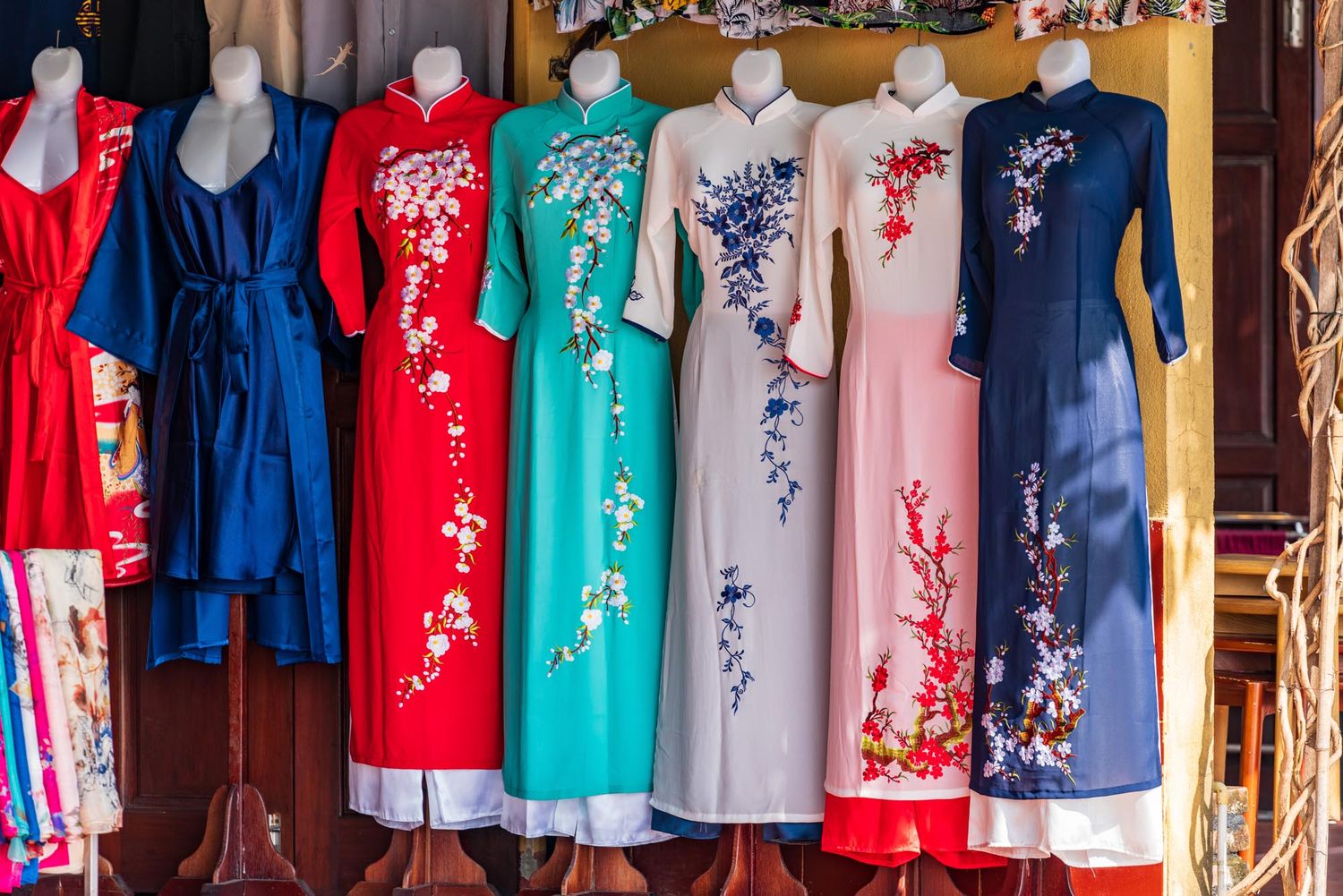
The Áo Dài is a traditional Vietnamese garment worn by both men and women. As the national costume of Vietnam, it holds significant cultural and historical value. The Áo Dài is a popular choice among tourists, who often purchase it as a meaningful souvenir to commemorate their visit to Vietnam.
This elegant outfit comes in a wide range of designs, colours, and fabrics, allowing wearers to express their individual style while embracing Vietnamese heritage. While ready-made Áo Dài sets are readily available in stores, many people prefer to have one custom-tailored to achieve the perfect fit and design. Skilled artisans and tailors can create bespoke Áo Dài, incorporating intricate embroidery, luxurious silk, or modern adaptations to suit personal preferences. Whether worn for special occasions, traditional ceremonies, or daily fashion, the Áo Dài remains a symbol of grace, beauty, and national pride.
Lacquerware and Ceramics
Price Range: USD 8 to USD 55 (per item depending upon the kind of purchased lacquerware)
Where to buy
Marena Hanoi: 28 Nha Chung, Hang Trong, Hanoi Old Quarter.
Minh Tam: 2 Hang Bong, Hanoi Old Quarter.
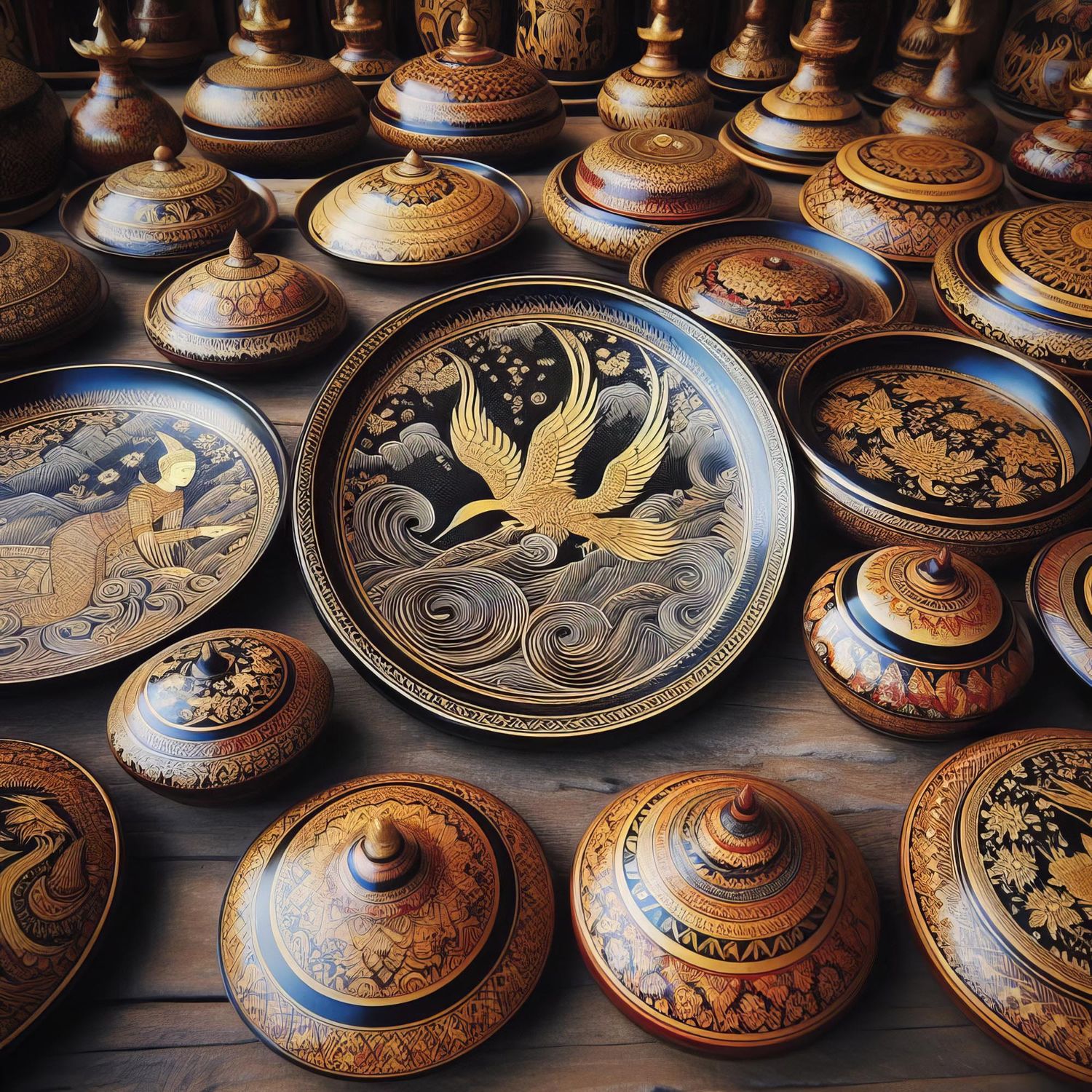
Lacquerware is one of Vietnam’s most renowned traditional handicrafts, admired for its intricate craftsmanship and artistic beauty. For centuries, Vietnamese artisans have mastered the delicate and labour-intensive process of creating lacquerware, a tradition that has been passed down through generations. The production of high-quality lacquerware can take up to 100 days, as it involves multiple layers of lacquer, meticulous hand-painting, and polishing to achieve a glossy, durable finish.
Tourists from around the world are often captivated by these exquisite creations and frequently purchase jewelry boxes, trays, bowls, photo frames, and vases as souvenirs. Among the best places to buy authentic lacquerware is Hanoi, where visitors can explore bustling markets and specialized craft stores that showcase a stunning variety of designs and patterns. These items not only serve as decorative pieces but also carry the essence of Vietnamese artistry and culture.
However, when shopping for lacquerware in Hanoi, it is essential to be mindful of quality and authenticity. Some vendors sell mass-produced, low-quality imitations that lack the fine craftsmanship of genuine lacquerware. To ensure you are getting an authentic product, examine the smoothness, shine, and depth of the lacquer, and purchase from reputable stores or artisans. Investing in authentic Vietnamese lacquerware guarantees a unique and long-lasting keepsake that reflects the country’s rich artistic heritage.
Bamboo Products
Price: Starts at USD 1 (depending upon the purchased product)
Where to buy
Bamboo Village Shop: 108 Xuan Dieu Street, Tay ho district.
Bamboo Shop: 4B, Hang Hang street, Hoan Kiem
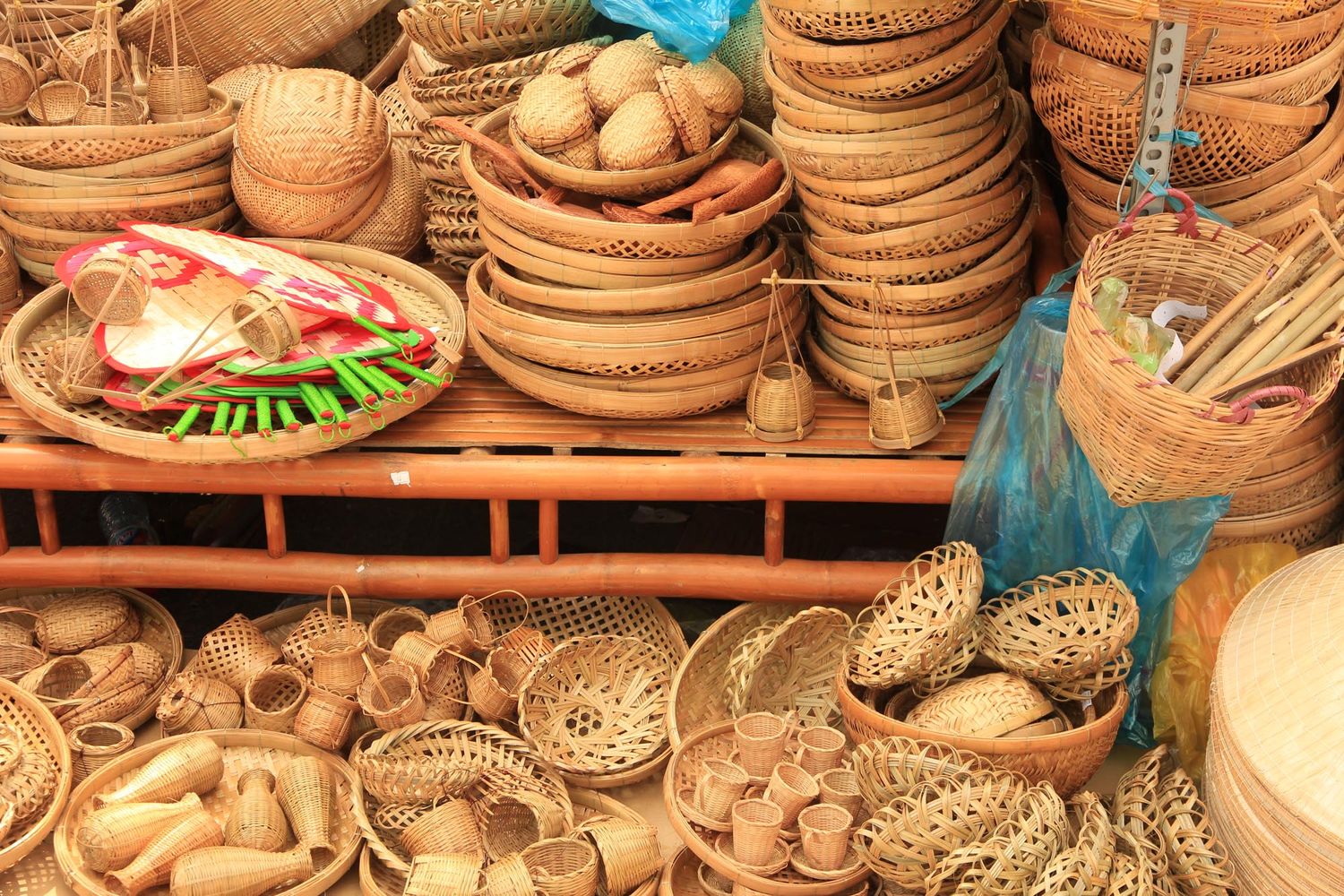
Bamboo holds a special place in Vietnamese culture, symbolizing resilience, strength, and unity. Deeply rooted in tradition, bamboo has long been associated with Vietnamese villages, where it serves as a natural protector and an essential material for daily life. From ancient times, bamboo has been used in construction, agriculture, and handicrafts, playing a vital role in both rural and urban communities.
Today, bamboo products can be found throughout Vietnam, reflecting the artistry and craftsmanship of local artisans. In Hanoi, tourists will discover an abundance of beautifully crafted bamboo items available in markets, street stalls, and specialty stores. These products range from baskets, trays, and bowls to furniture, home décor, and intricate handicrafts. The lightweight, durable, and eco-friendly nature of bamboo makes these items not only aesthetically pleasing but also practical for everyday use.
Visitors strolling through Hanoi’s bustling markets will be mesmerized by the intricate craftsmanship and delicate designs of bamboo souvenirs. Each piece is carefully handcrafted by skilled artisans who have perfected the art of weaving and carving bamboo over generations. Whether you're looking for a simple woven basket or an elegant bamboo lamp, these unique souvenirs serve as a beautiful reminder of Vietnam’s rich cultural heritage.
When purchasing bamboo products, it's always a good idea to inspect the quality and ensure they are made from sustainable sources. Buying directly from local artisans not only guarantees authenticity but also supports traditional craftsmanship and the livelihoods of Vietnamese artisans.
Non La
Price Range: USD 1.5 to USD 6 (per hat)
Where to buy
Souvenir Shops: Old Quarter Hanoi.
Dong Xuan Market
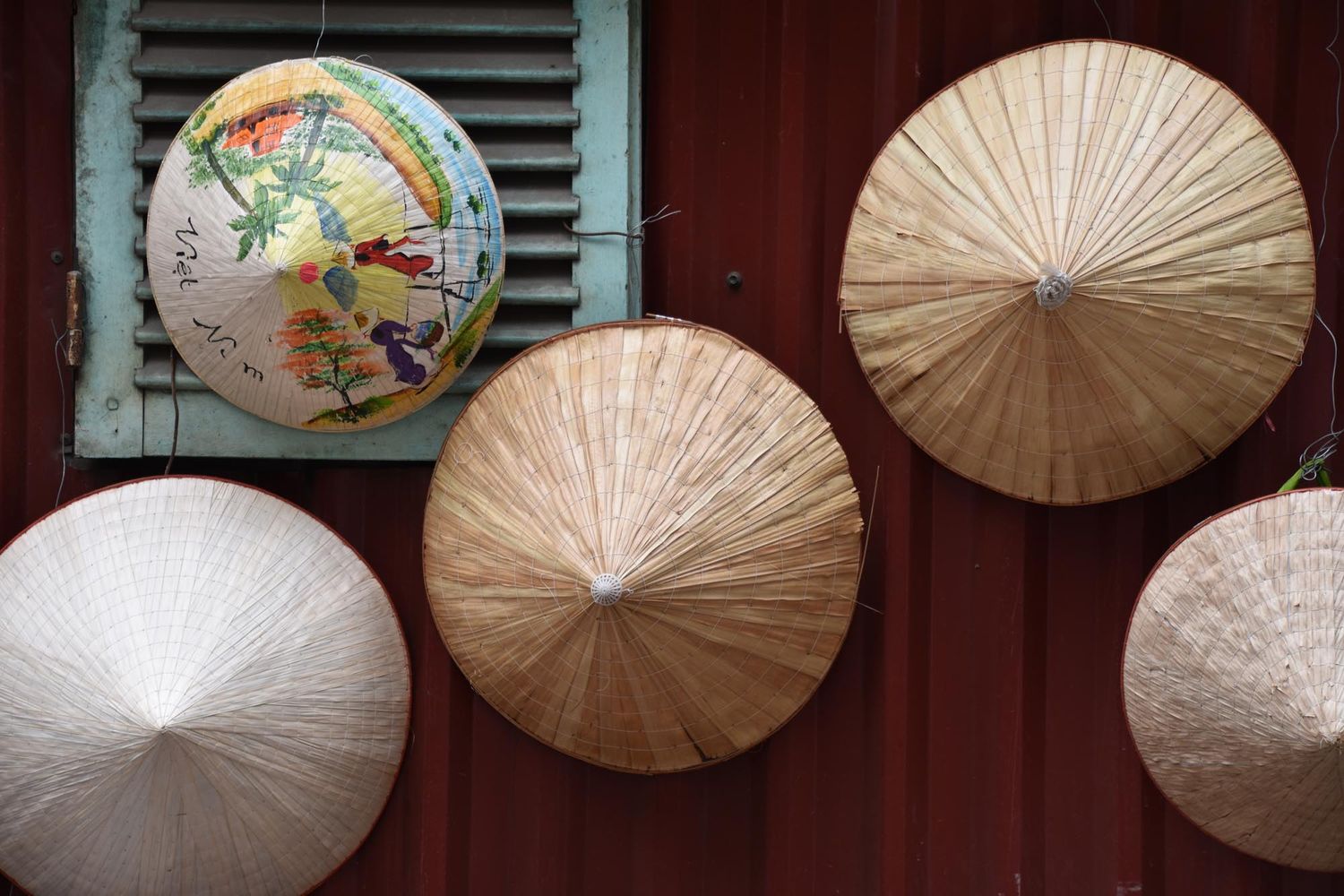
The Nón Lá, or Vietnamese conical hat, is one of Vietnam’s most recognizable cultural symbols. Worn by locals for centuries, this elegant and practical headpiece is an essential part of traditional Vietnamese attire. Crafted primarily from palm leaves, with a bamboo or reed frame, the Nón Lá is lightweight, durable, and perfectly suited for Vietnam’s tropical climate.
Beyond its aesthetic appeal, the Nón Lá serves a functional purpose, offering protection from both the scorching sun and the heavy rains. Farmers, fishermen, and street vendors across Vietnam rely on these hats for daily wear, as they shield them from the elements while working outdoors. The hat’s wide, circular brim provides ample shade, keeping wearers cool even in intense heat.
The Nón Lá is often paired with the Áo Dài, Vietnam’s traditional long dress, creating a timeless and elegant look that embodies the country’s cultural heritage. It is also commonly worn with other traditional outfits, such as Áo Bà Ba (a simple blouse and pants combination popular in the Mekong Delta) and Áo Tứ Thân (a four-panel dress worn by women in northern Vietnam).
While the design of the Nón Lá remains simple and classic, variations exist across different regions of Vietnam. Some hats are adorned with hand-painted images, delicate embroidery, or poetic inscriptions, adding an artistic touch to this traditional accessory. In Hue, artisans craft a special version called Nón Bài Thơ, or "poetry hat," which features hidden verses or scenic images visible when held up to the light.
For tourists, purchasing a Nón Lá serves as both a practical souvenir and a meaningful keepsake. Whether used for fashion, decoration, or protection from the weather, the Nón Lá remains an enduring symbol of Vietnam’s rich agricultural heritage and cultural pride.
Vietnamese Green Bean Cake
Price: Starts at USD 3 (The cake is also available in portions for sale at cafes and bakeries)
Where to buy
General Agency Golden Dragon Bean cake: 27 Hang Giay, Hoan Kiem.
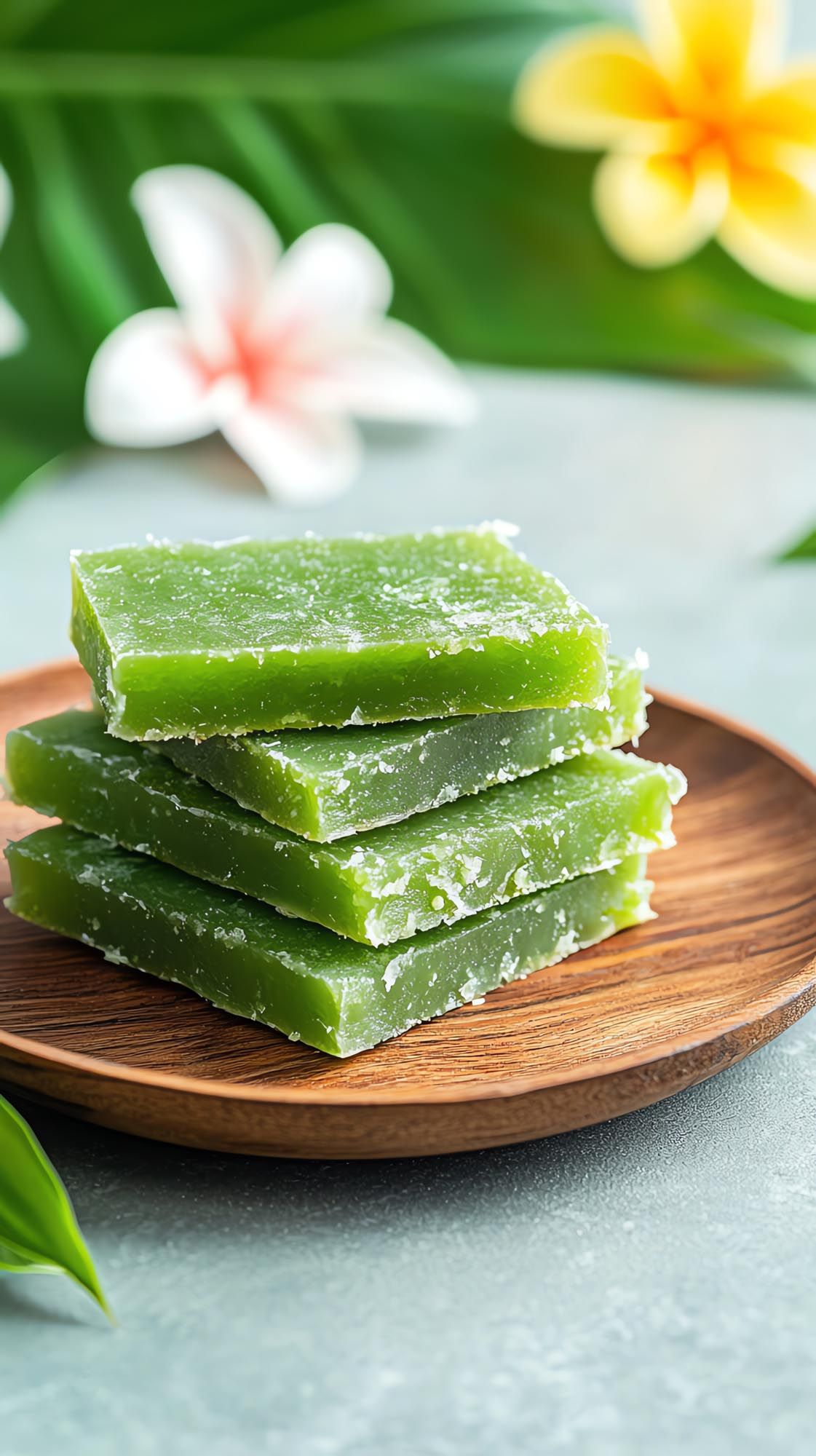
The traditional green bean cake, known locally as Bánh Đậu Xanh, is one of the most beloved snacks in Vietnam, cherished by locals for its simplicity, flavor, and cultural significance. This soft, delicate cake is made from mung beans, sugar, and a touch of pandan leaf, giving it a subtly sweet flavor and a pleasant green color. Often shaped into small, round or square pieces, it is an integral part of Vietnamese culinary culture and is enjoyed during various occasions, including festivals, family gatherings, and everyday tea time.
The green bean cake is typically served alongside a cup of Vietnamese tea, which complements its mild sweetness and enhances its natural flavors. The pairing of the cake and tea is a traditional Vietnamese ritual that allows people to savor the nuances of both, making it a pleasurable and calming experience. Many locals enjoy this snack during quiet moments, as it brings a sense of comfort and relaxation.
For tourists visiting Vietnam, the green bean cake is widely available, making it easy to purchase at local bakeries, cafes, and restaurants. Whether you're strolling through the streets of Hanoi or relaxing at a café in Ho Chi Minh City, you can find these cakes in most eateries, often wrapped in simple packaging or displayed in glass counters. It's a great way to sample traditional Vietnamese sweets at an affordable price, offering a taste of the country's culinary heritage without breaking the bank.
Not only is the green bean cake a delightful treat, but it's also considered a healthy snack option, thanks to the natural ingredients like mung beans, which are high in fiber and nutrients. This makes it an excellent choice for those looking for a light snack that is both satisfying and nourishing. Given its popularity, it's also a great gift or souvenir for visitors wanting to bring a piece of Vietnam’s food culture back home.
Dried Seafood
Price: Starts at USD 1 (per kg - negotiable prices)
Where to buy
The Dong Xuan Market
Market at Old Hanoi Quarter
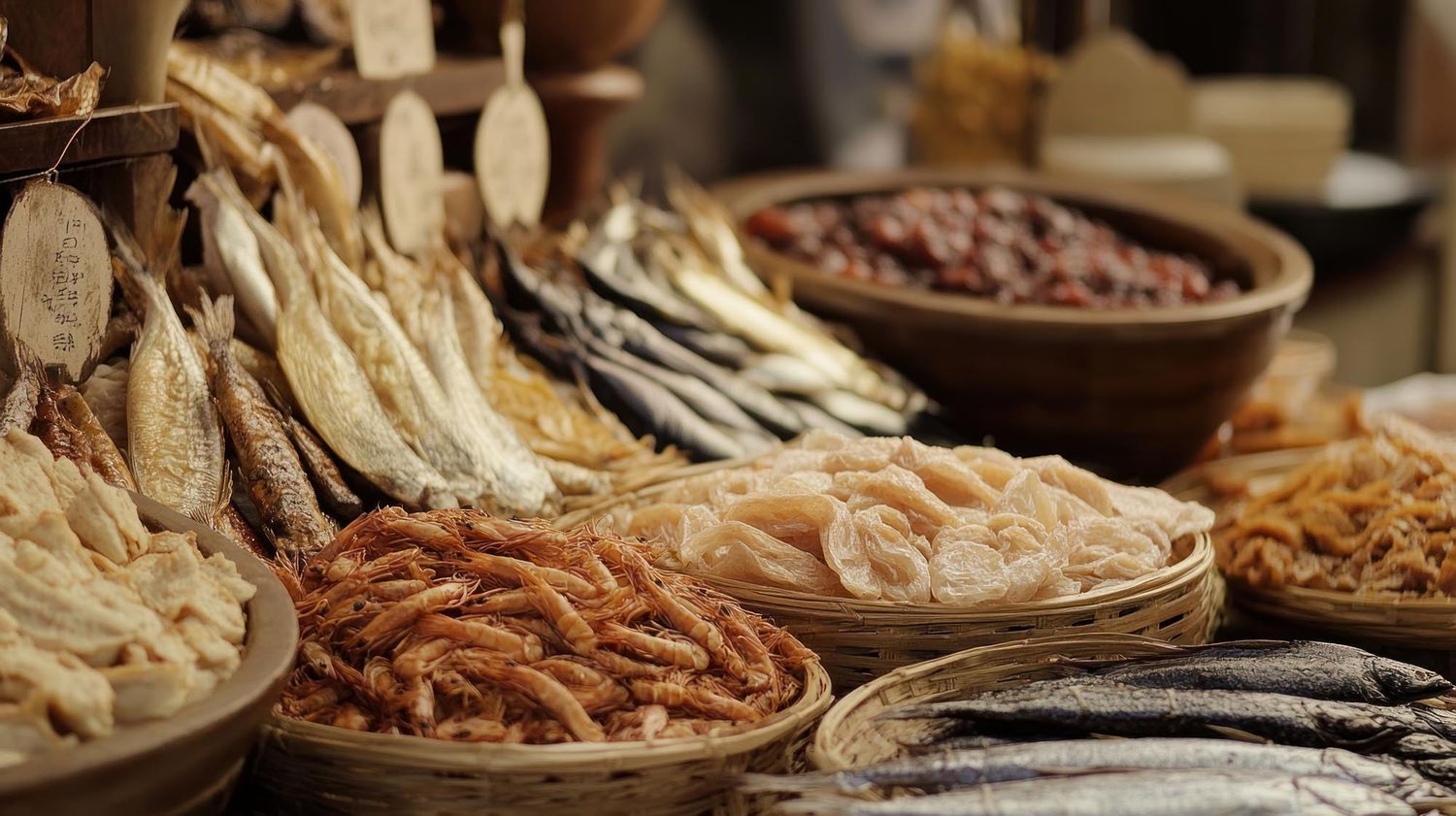
For seafood enthusiasts, Vietnam offers a wide variety of dining options that cater to all tastes and preferences. Whether you prefer dining in at a restaurant with a stunning view of the coast or enjoying a casual meal at a bustling street food stall, the country provides ample choices for indulging in fresh and flavorful seafood. With a long coastline and access to some of the world’s richest marine life, Vietnam is a seafood lover’s paradise.
One of the most distinctive aspects of Vietnamese seafood is its dried seafood, which holds a special place in the country's culinary traditions. Dried squids, shrimps, and prawns are sold in local markets and street stalls across the country at incredibly affordable prices, making them a popular snack for both locals and tourists alike. These dried treats are often enjoyed on their own as a light, savory snack that pairs perfectly with beer or tea. They are also sometimes used in cooking, adding rich umami flavors to soups, salads, and stir-fries.
Many people enjoy these dried seafood snacks as they are, savoring their chewy texture and intense flavor. However, some prefer to fry or grill them before eating, which enhances their taste and brings out a crispy, smoky flavor. The process of grilling or frying these dried treats is simple and quick, allowing for a fun and customizable snack experience.
In addition to being a popular street food item, dried seafood is often brought home as a souvenir for family and friends, offering a unique and tasty gift that reflects the flavors of Vietnam’s coastal regions. Whether bought from local markets, specialty seafood shops, or enjoyed fresh at a seaside restaurant, the experience of indulging in Vietnam's seafood, especially its dried variations, is one not to be missed by any food lover visiting the country.