Hanoi Train Street is still open
but with restrictions and conditions.
It was officially closed in September 2022 because of safety concerns around cafes operating too close to active tracks.
In early 2023, parts of Train Street reopened under supervision, with authorities allowing certain cafés to operate and welcoming visitors again.
However, tours have been banned. Travel agencies are asked not to organise tours there due to lingering safety risks.
The section from Trần Phú to Phùng Hưng is especially active and many cafés still operate there—often asking people to enter via their café rather than walking freely along the tracks.
Guards patrol, and cafés often ensure visitors sit inside them or behind safe zones when trains approach. Standing right by the tracks is often disallowed.
1. Introduction
Hanoi Train Street
Hanoi is known for its deep history, cultural richness, and growing modern identity. The city blends learning, happiness, and community spirit with an increasing focus on shared and sustainable living. Among its many attractions, one stands out for its uniqueness and global attention: Hanoi Train Street.
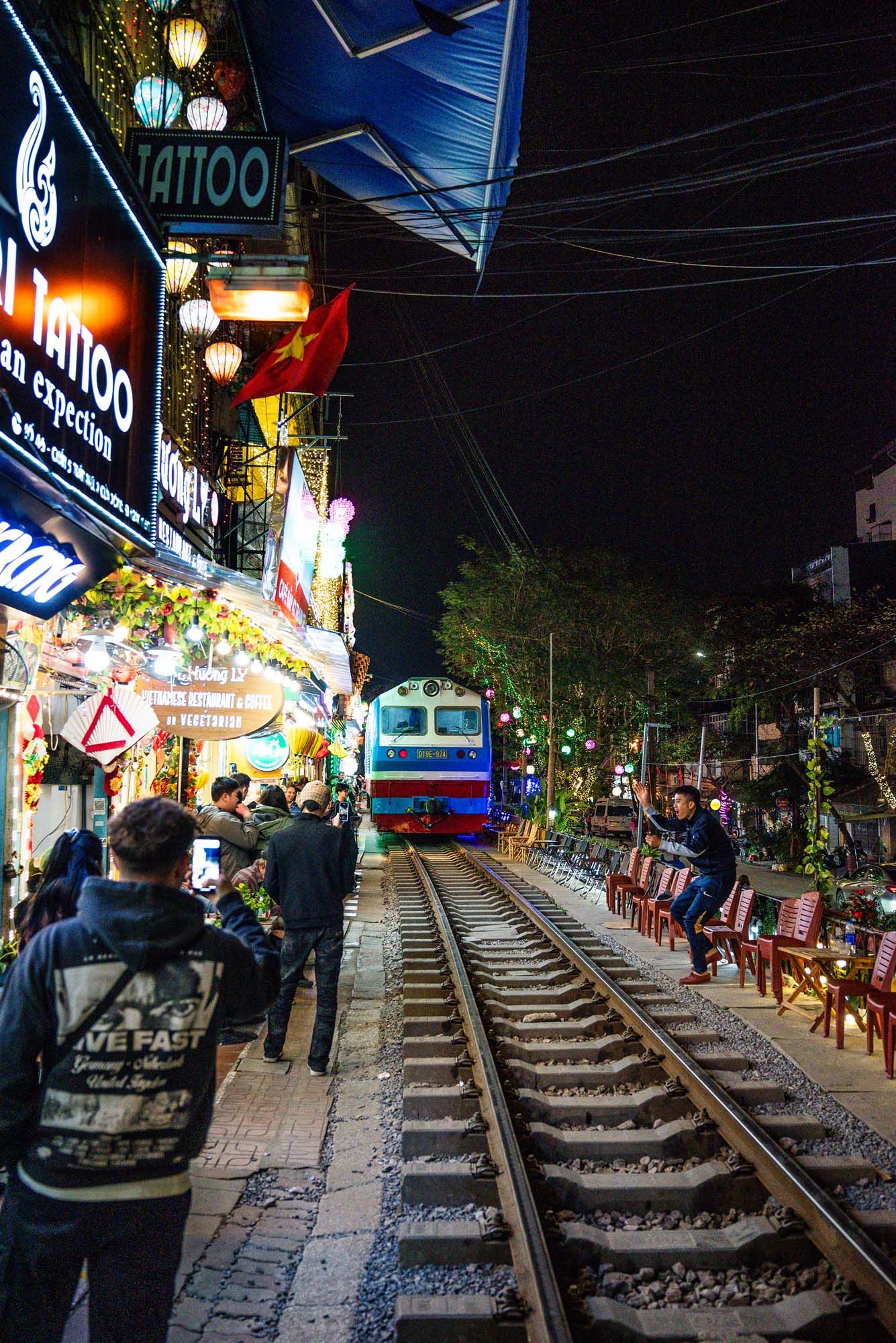
Located in the heart of the Old Quarter, this narrow stretch of railway runs between residential houses and cafés, offering visitors a close look at daily life in one of Hanoi’s most distinctive neighbourhoods.
My Personal Experience
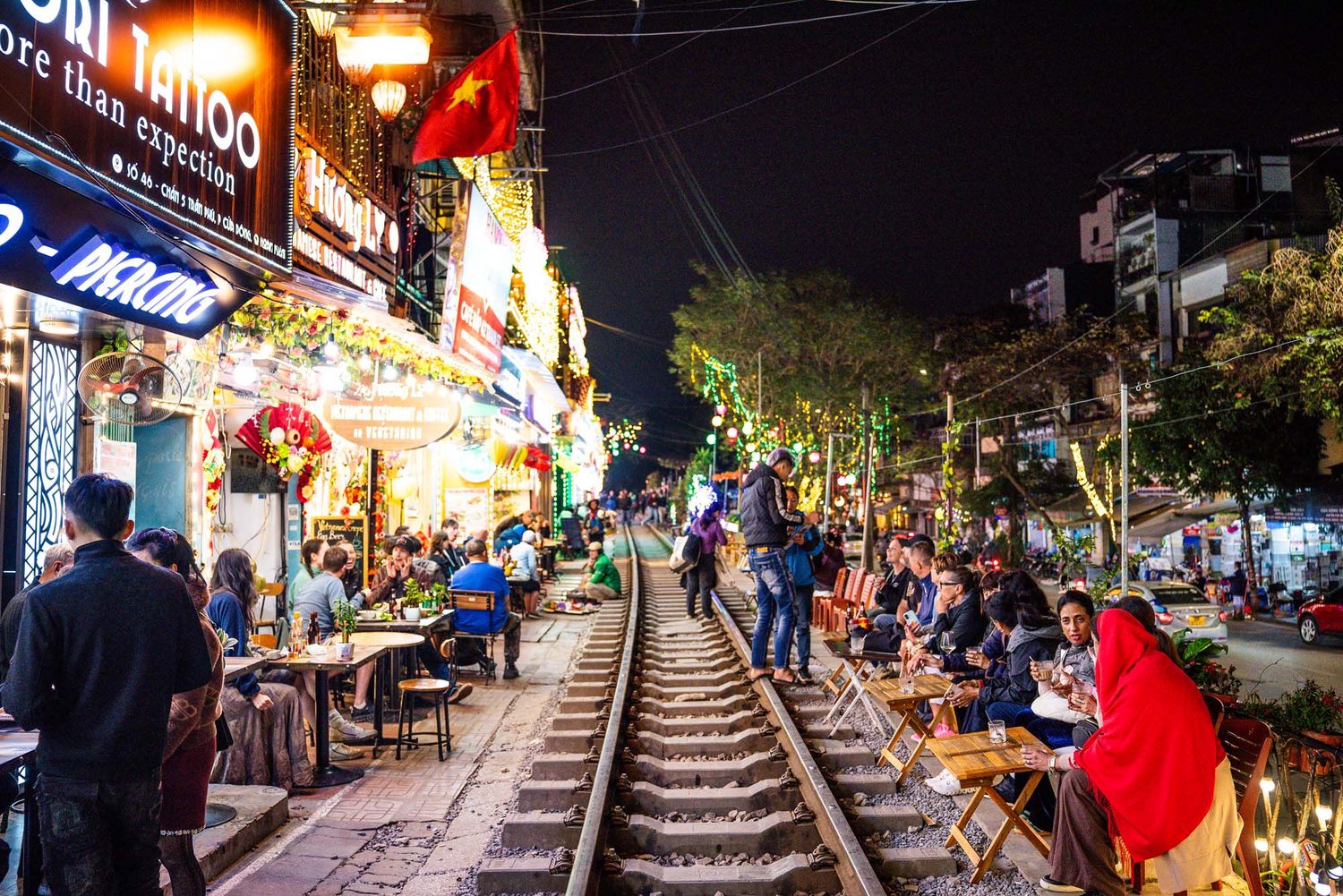
The first time I went to Hanoi Train Street was probably the most memorable. Not long before this trip, I’d also visited the train market just outside Bangkok, so in my head I was naturally comparing the two experiences. Overall, I think the train market in Bangkok felt more chaotic and less relaxed, but I really enjoyed both places for different reasons.
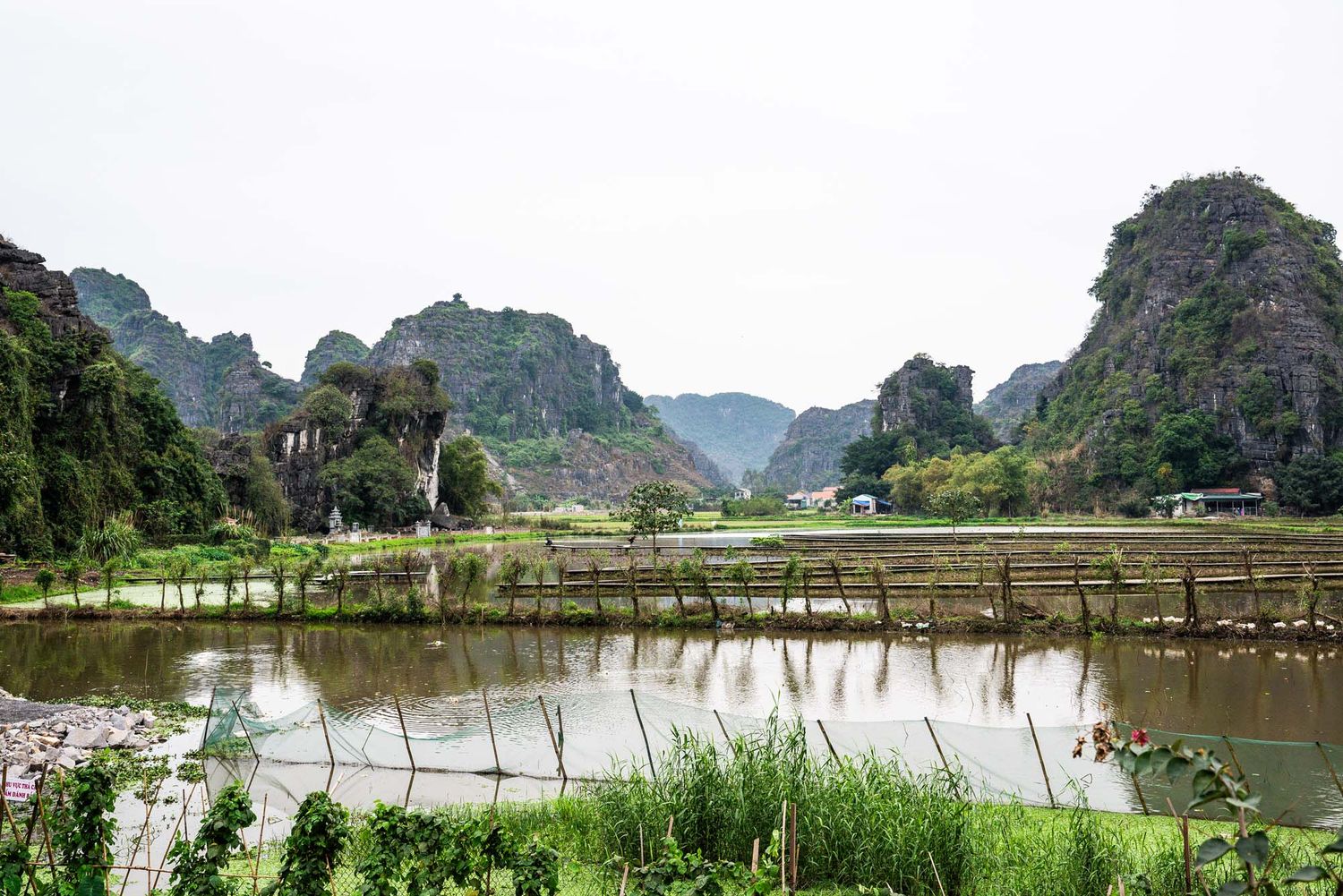
After a full day on my Ninh Binh Day Tour — blog linked below — I was dropped off near Train Street by the tour company and decided to check it out. There’s a lot of information online about the street being blocked off or closed, but that wasn’t really the case when I went. I just wandered straight onto the street and stopped at one of the first cafés I came across.
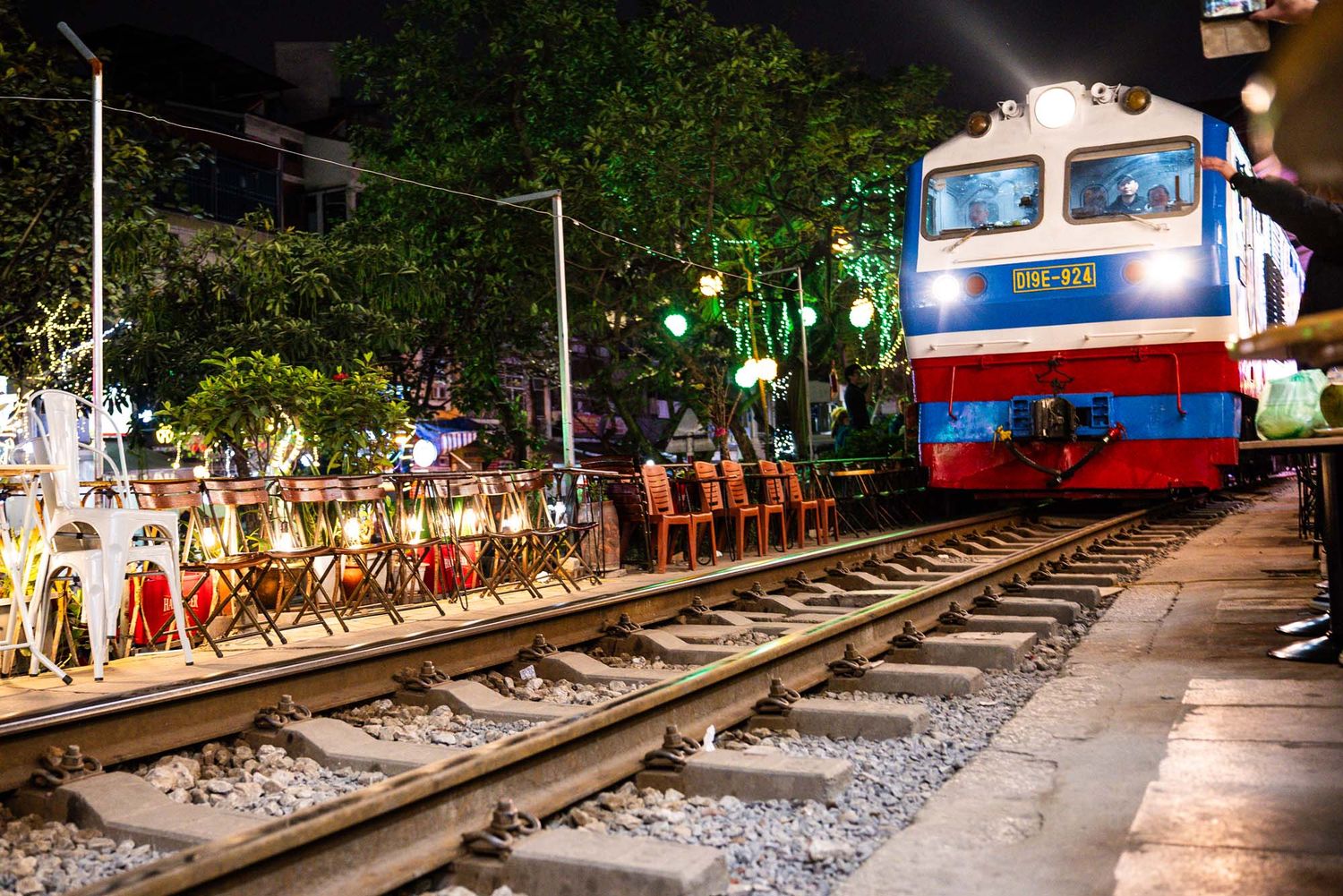
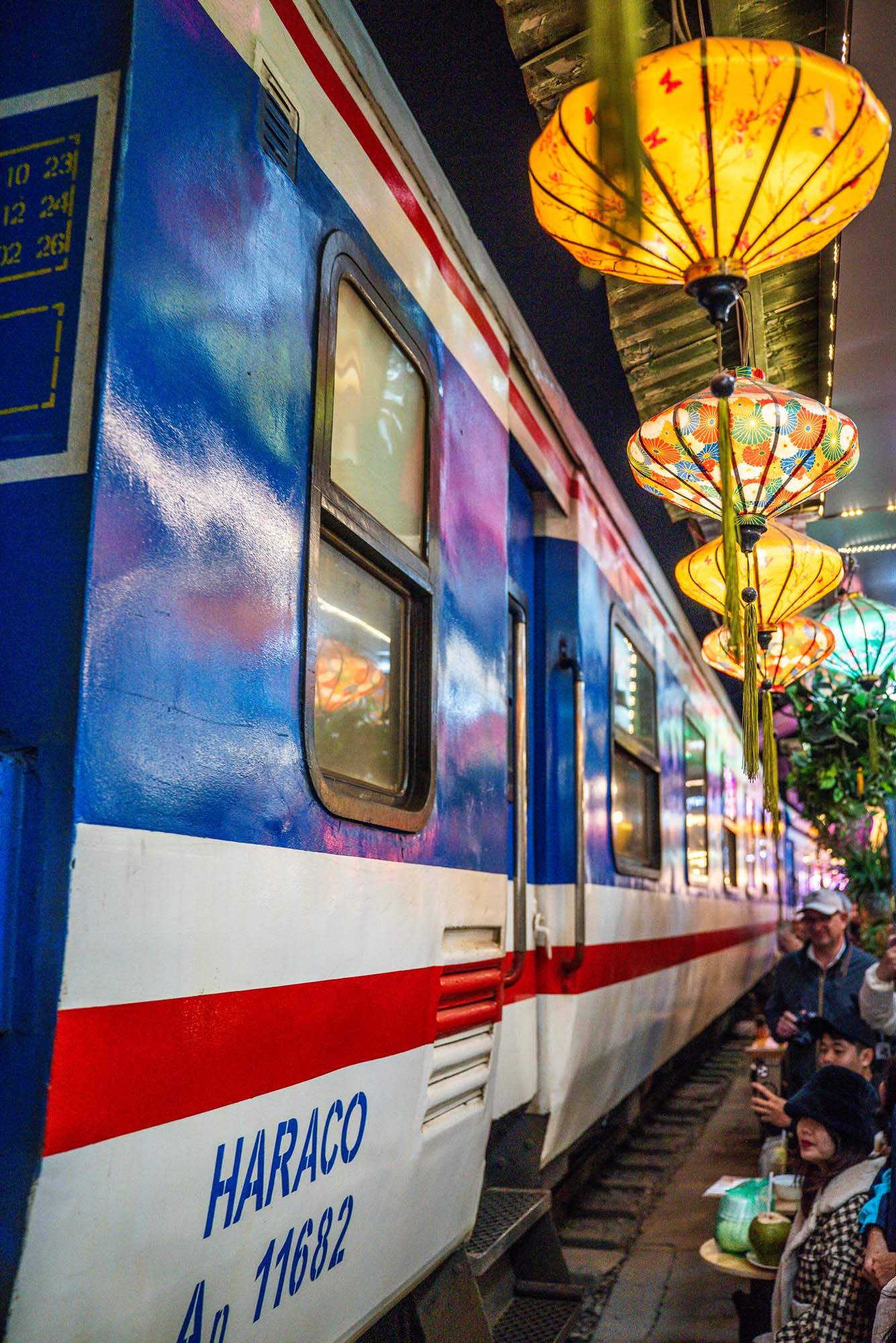
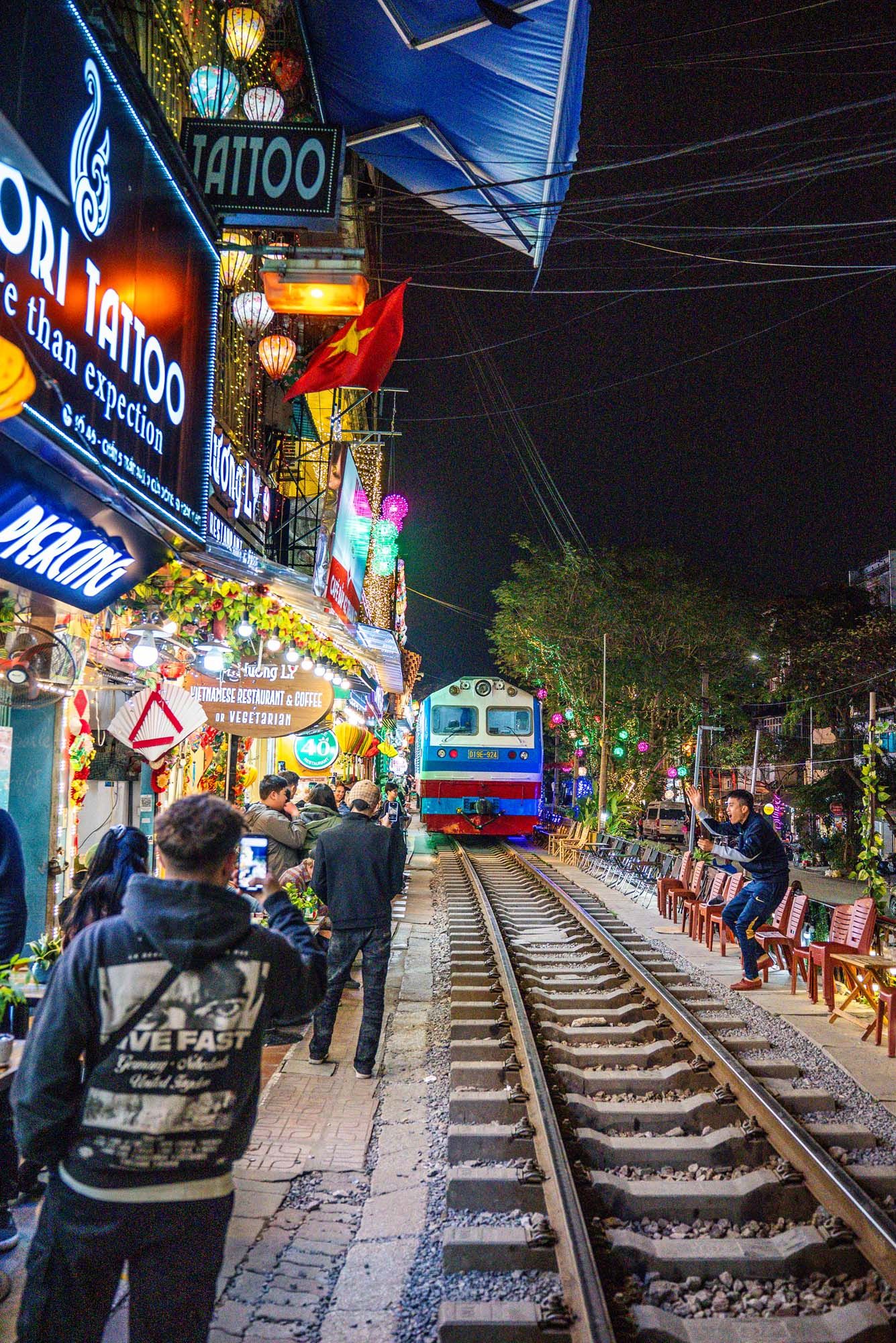
The food was average at best, but that’s kind of expected in one of the most touristy spots in Hanoi, maybe even in all of Vietnam. Things really started to get exciting when the train itself came through. Staff blew whistles, moved chairs and tables out of the way, and made sure everyone stayed back from the tracks.
As the train passed, everyone had their phones out taking photos and videos. It was loud, fun, and full of energy. It’s a great place to sit back with a beer, have some not-so-great food, and enjoy a genuinely unique experience.
Day Trip From Hanoi
2. What Makes Hanoi Train Street Special
What Makes Hanoi Train Street Special
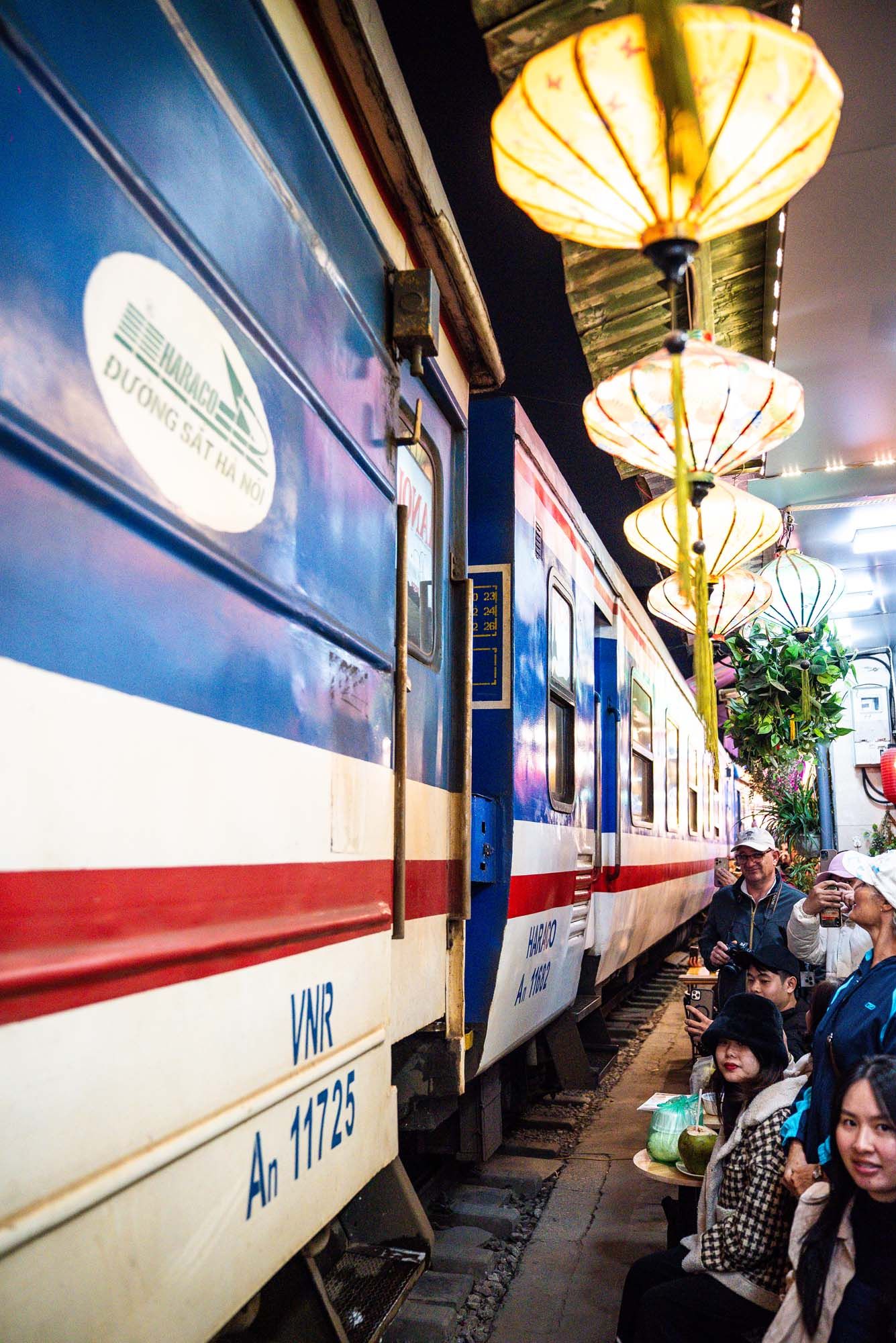
Hanoi Train Street is one of the most recognised urban sights in Vietnam. Cars are not allowed, and only pedestrians, bicycles, motorbikes and trains pass through. Because space is limited, local people live and work right next to the railway. It is common to see them cooking, washing dishes, or drying clothes just a metre from the tracks.
This unusual setting has turned the area into a major tourist attraction. Visitors from all over the world come here to see how life continues alongside the railway and to experience the moment a train passes only inches away.
In some sections, the distance between homes and the track is just one metre. It might appear dangerous, but residents have adapted to it over the years. This close living arrangement has become part of the local identity.
The area ranks second on TripAdvisor’s list of interesting places to visit in Hanoi. Both day and night visits are popular. Many travellers come to take photos and to wait for the train to pass, enjoying the mix of excitement and everyday life.
3. When to Visit
When To Visit
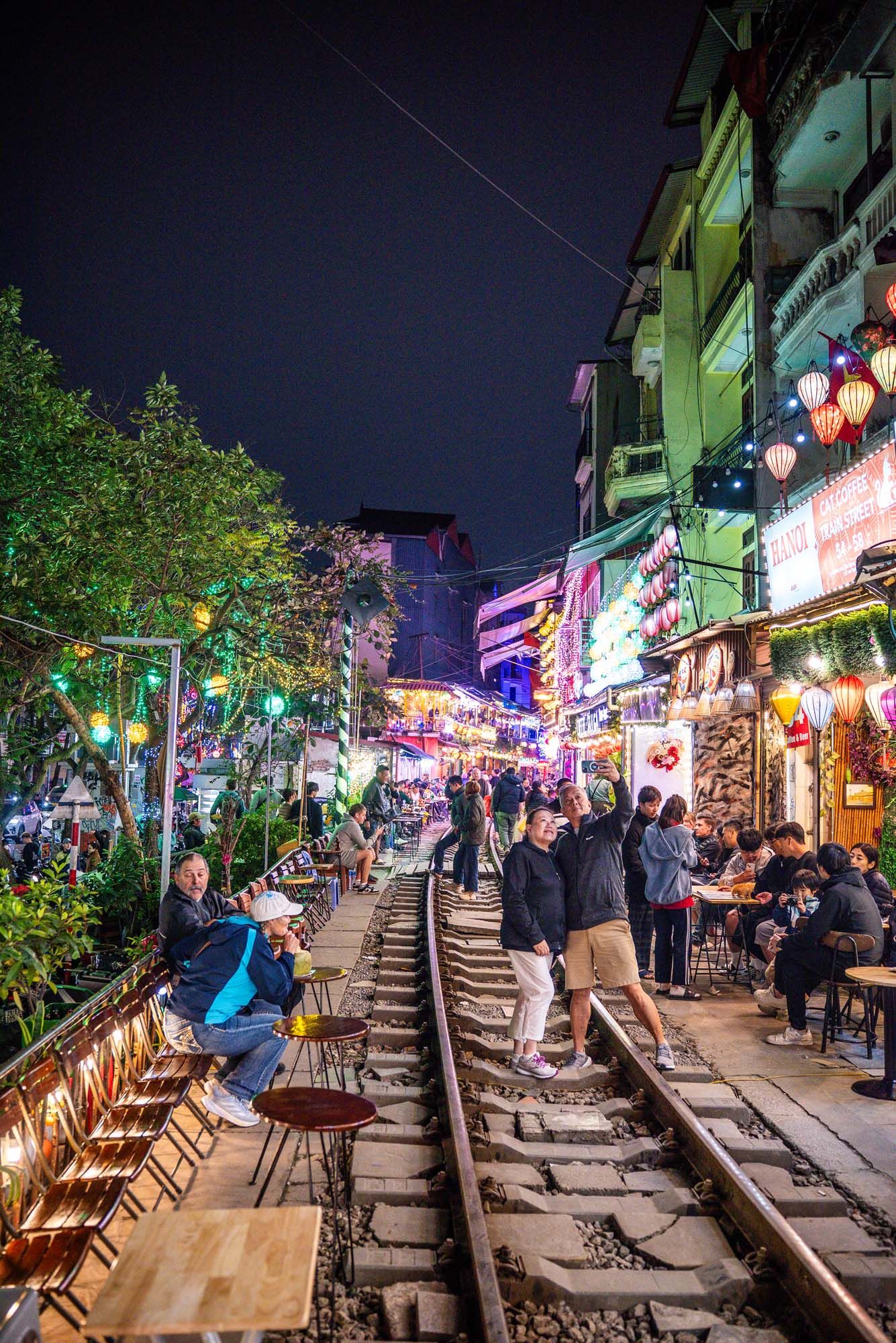
During the day, there are fewer trains, which makes it easier for tourists to walk along the tracks and explore the neighbourhood. Visitors can see how people live, enjoy a coffee, and take photos of the narrow streets.
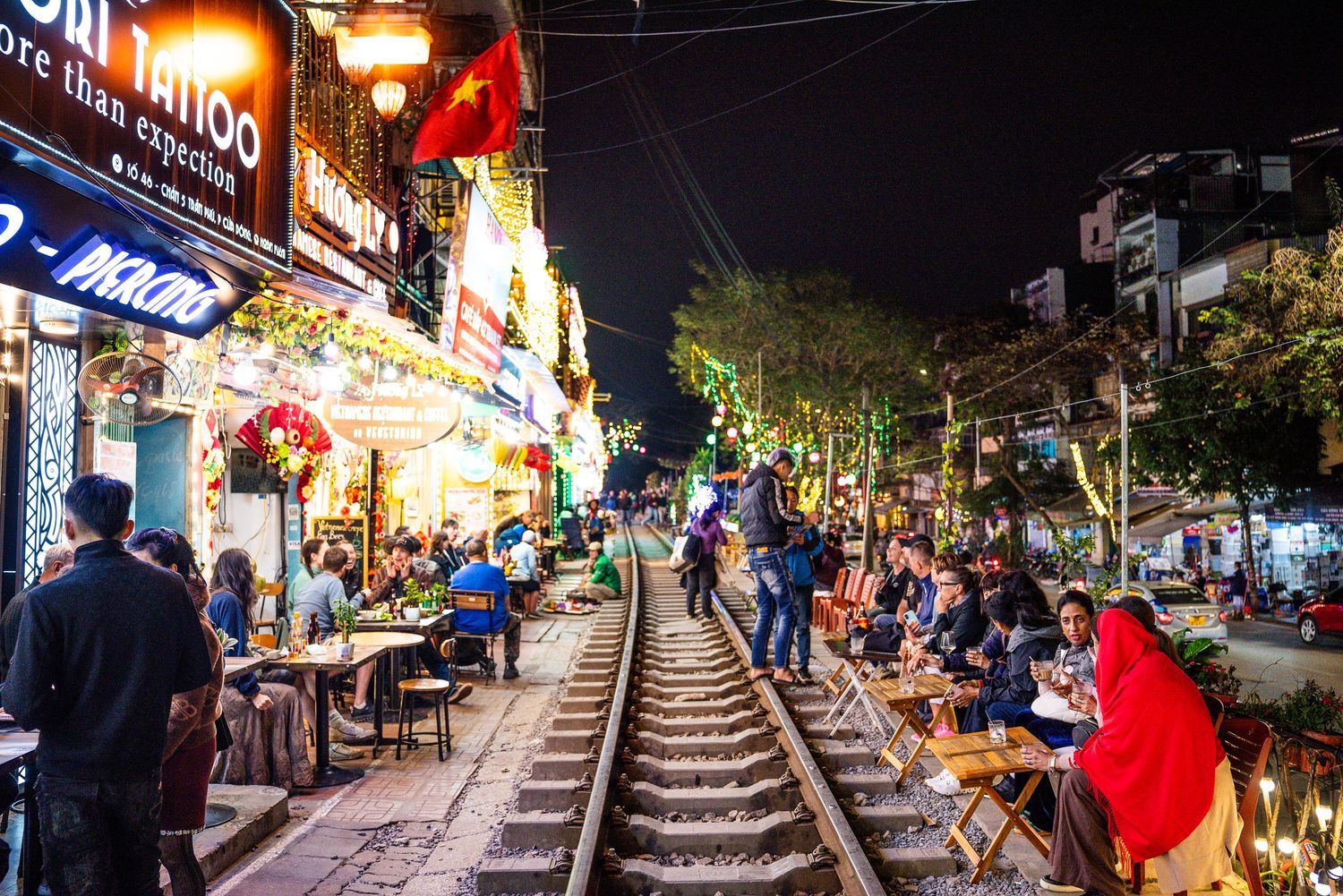
In the late afternoon and evening, the focus shifts from sightseeing to relaxation. Locals and tourists sit at small cafés, have drinks, and wait for the trains that usually pass at night or early in the morning.
4. Cafés and Local Life
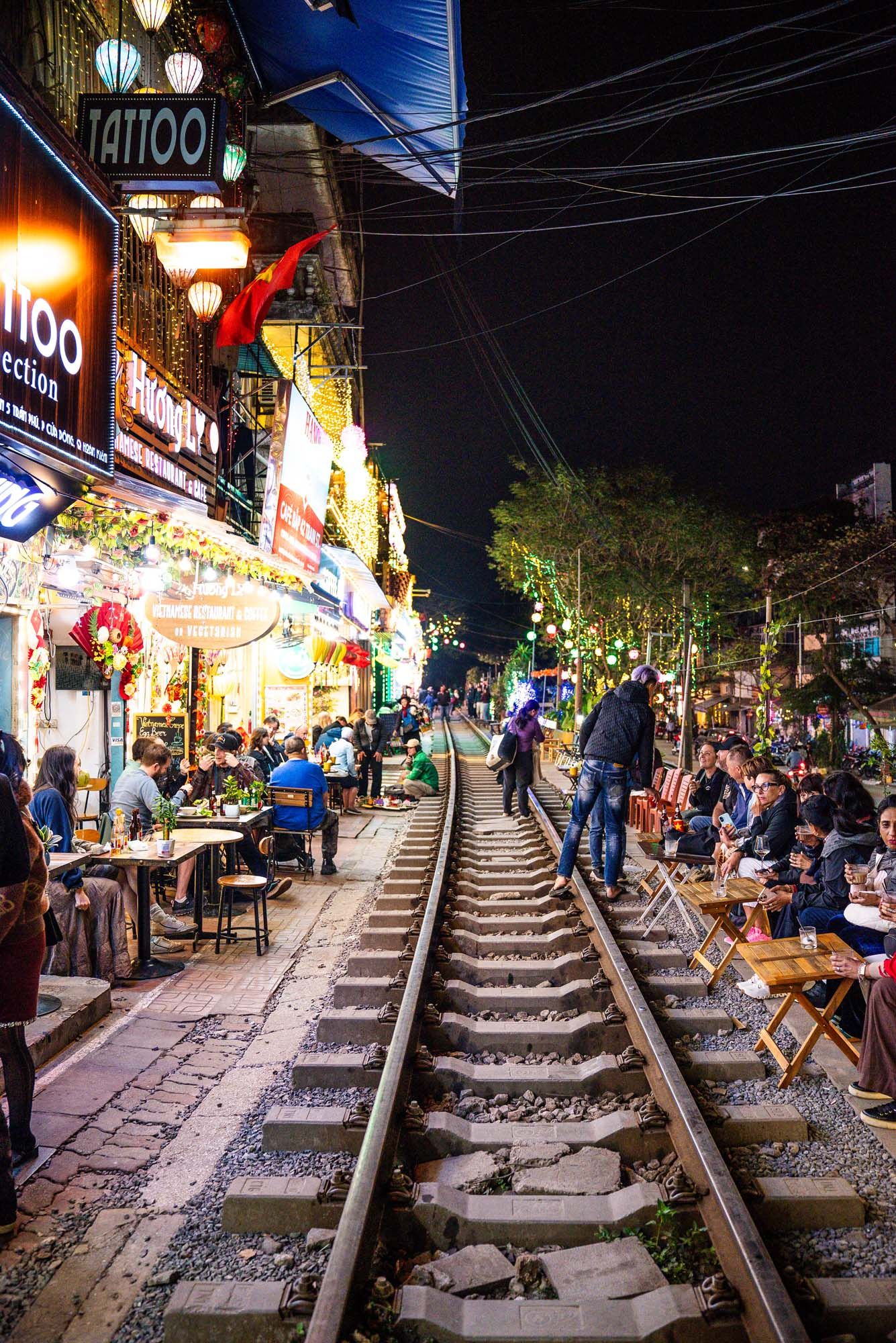
Several small cafés line both sides of the tracks. They are often built directly into the residents’ homes. Some popular spots include Café Đường Tàu and Café Ga Đông Dương, which are well known for their coffee and close-up view of the trains.
Most cafés display the train timetable so everyone knows when to move to a safe distance. When no trains are scheduled, the tracks become a social space where people chat, take photos, or simply watch city life go by.
Many visitors describe the experience of drinking coffee on the edge of the track as exciting and memorable. The combination of narrow houses, lively street scenes, and the sound of the trains creates an atmosphere that feels unique to Hanoi.
5. Safety and Respect
Safety And Rules
Visitors should always be cautious and respect safety rules. Trains pass through with little warning, and standing too close to the tracks can be dangerous. It is important to follow local advice, stay alert, and avoid blocking the railway or disturbing residents.
This is a living neighbourhood, not a theme park. Locals have opened their homes and businesses to visitors, and their safety and privacy should be respected.
Hanoi Train Street represents more than a tourist spot. It shows the balance between modern urban growth and traditional ways of life. It also reflects how local people take part in the sharing economy by running cafés and small shops to welcome travellers.
The area is a clear example of community resilience, creativity, and adaptation. Despite safety restrictions and changes over the years, Hanoi Train Street continues to attract visitors and remains a symbol of the city’s charm.
6. How to Get There
How To Get There
The main access points are at Điện Biên Phủ Street and Phùng Hưng Street. These areas are the best starting places for exploring and taking photos. The streets are easy to reach from the Old Quarter by foot or motorbike taxi.
Many visitors walk from Điện Biên Phủ through the narrow residential section and finish their visit near Phùng Hưng Street, where the railway opens into a slightly wider area.