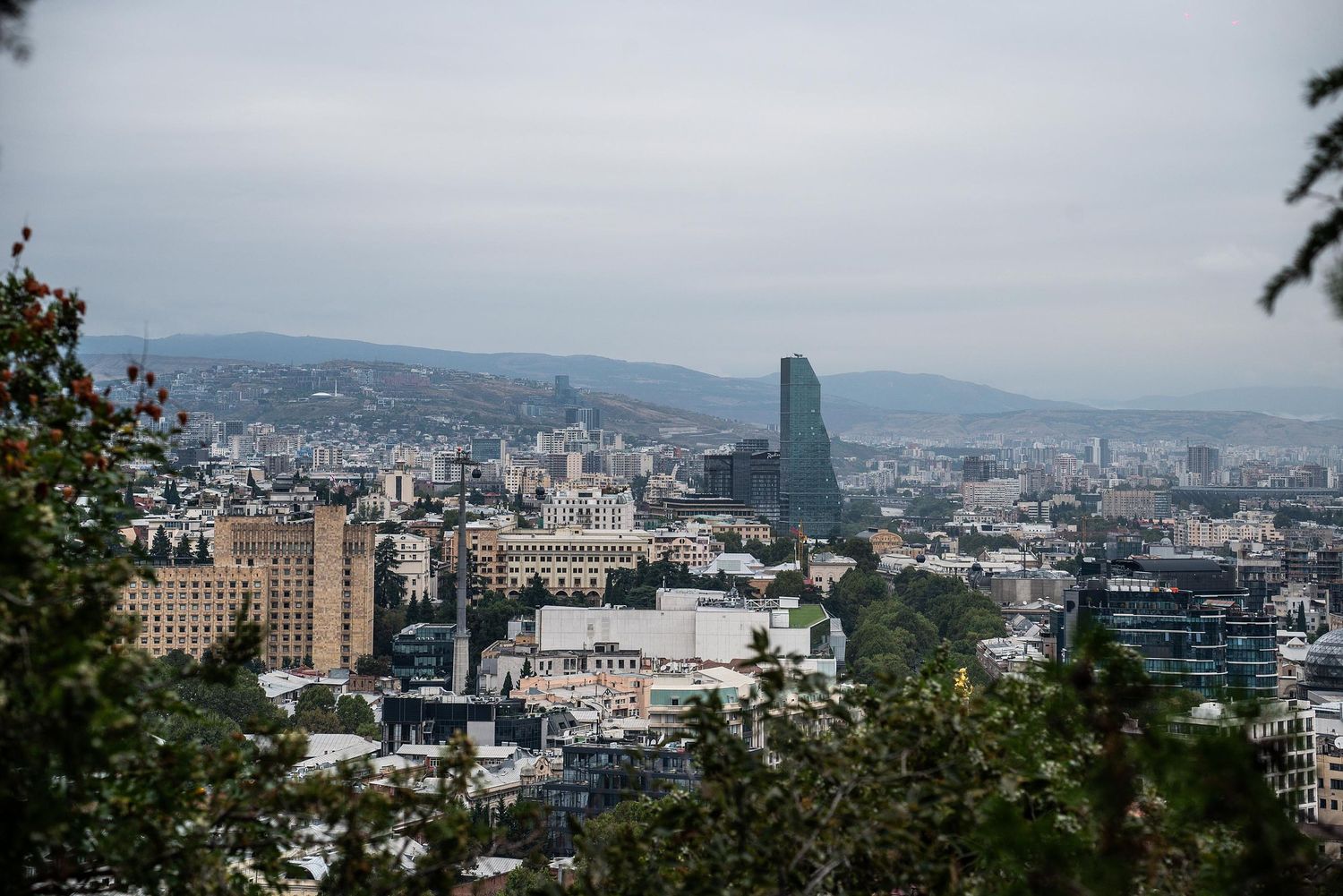
Top Tbilisi Tips
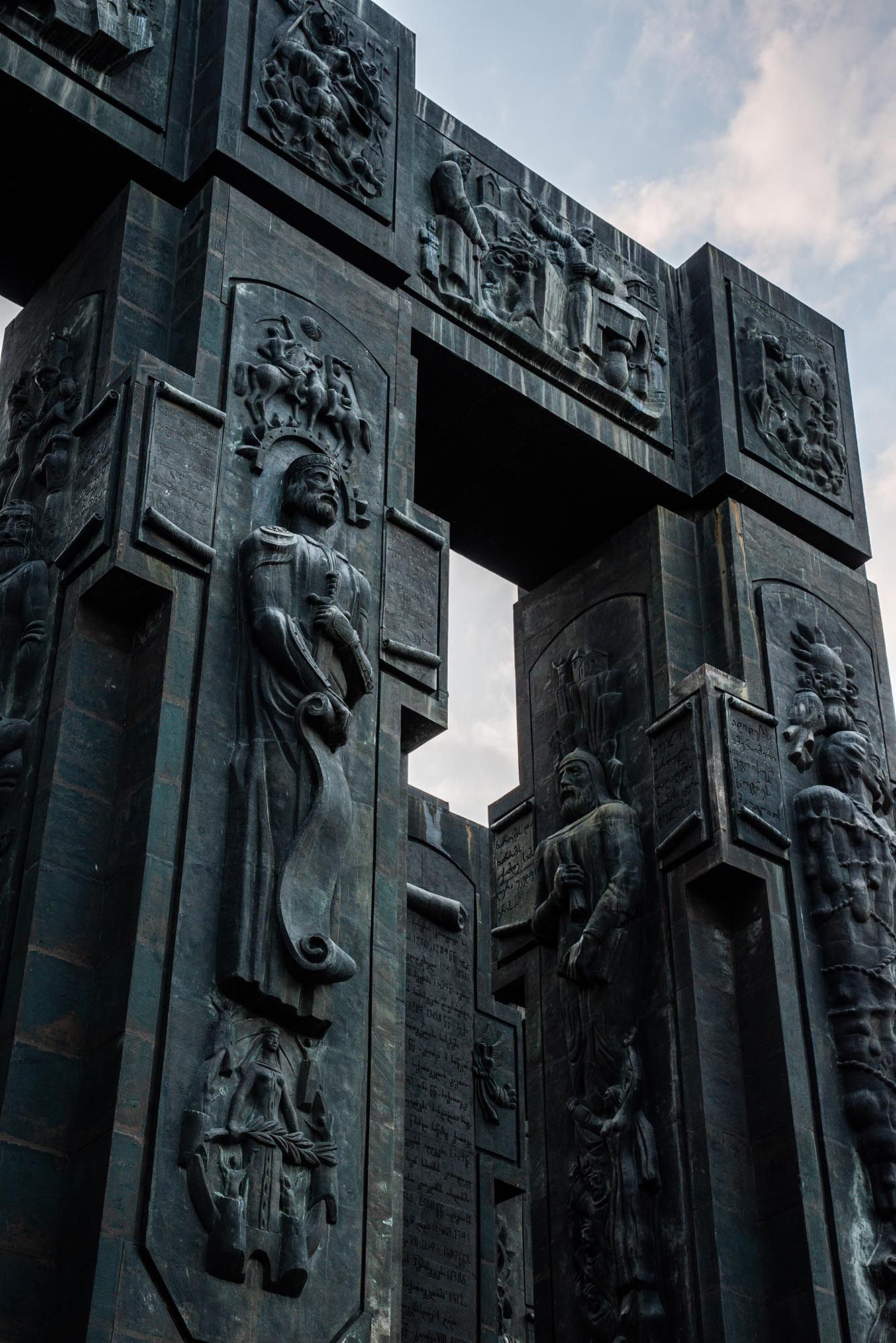
Chronicles of Georgia
A must see sight in Tbilisi, It's about a 30-minute taxi ride northeast from the city centre but totally worth visiting.
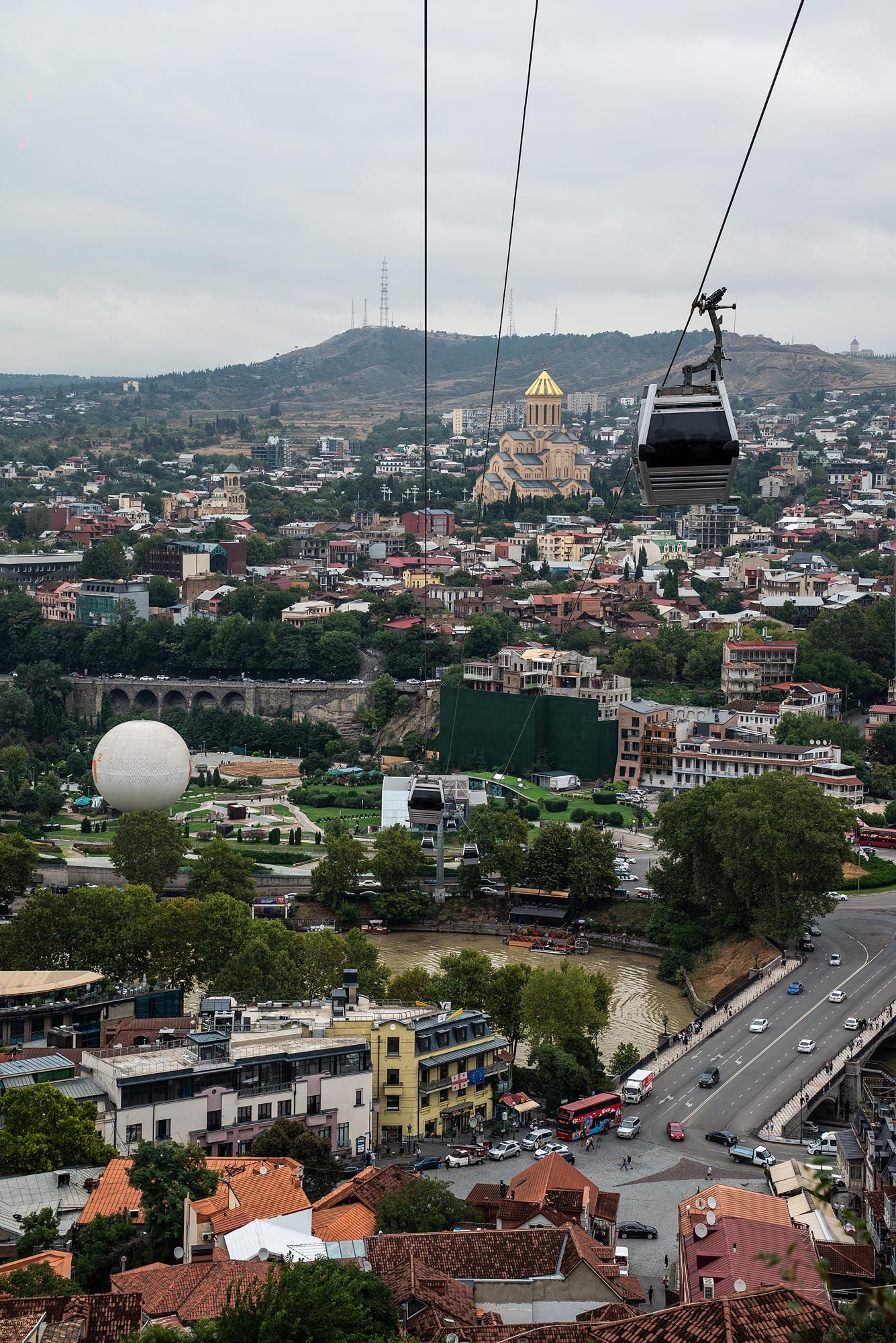
Use the Bolt App
The Bolt app is much more convenient than using regular taxis, and I found that the fares can be up to half the price.
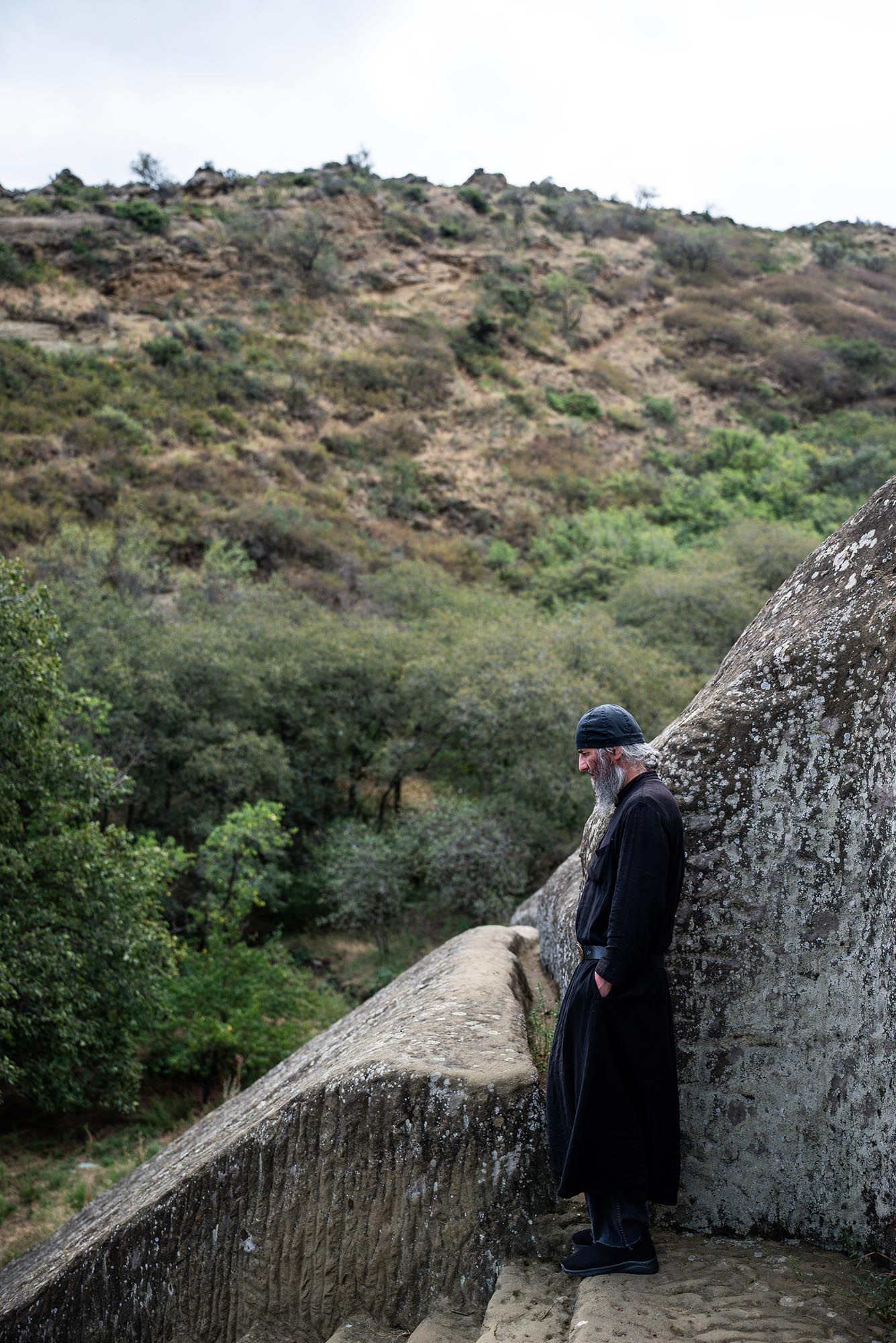
Take a Day Trip
Georgia is an amazing country, and while Tbilisi is definitely worth visiting, there is also a lot to see beyond the city.
Table of Contents
- Old Town
- Fabrika
- Funicular to Mtatsminda Park
- Dry Bridge Market
- Mother of Georgia
- National Botanical Gardens
- Abanotubani / Chreli Abano Bathhouse
- Chronicles of Georgia
- Orbeliani Square / Bazari Orbeliani
- Tabor Monastery Viewpoint
- Where To Eat in Tbilisi
- Best Time of Year to Visit Tbilisi
- How To Get to Tbilisi
- Getting Around Tbilisi
- Where To Stay in Tbilisi
- How Many Days to Spend in Tbilisi
Day Trip to Rainbow Mountains and David Gareja
My Review
I came across a tour to the Rainbow Mountains of Georgia. The pictures alone made me want to do the tour to see the ridges streaked with layers of red, green, and yellow mineral deposits. The tour seemed like the perfect balance: short enough to fit into my schedule, but unique enough to give me a completely new perspective of Georgia beyond Tbilisi’s city streets.
Old Town
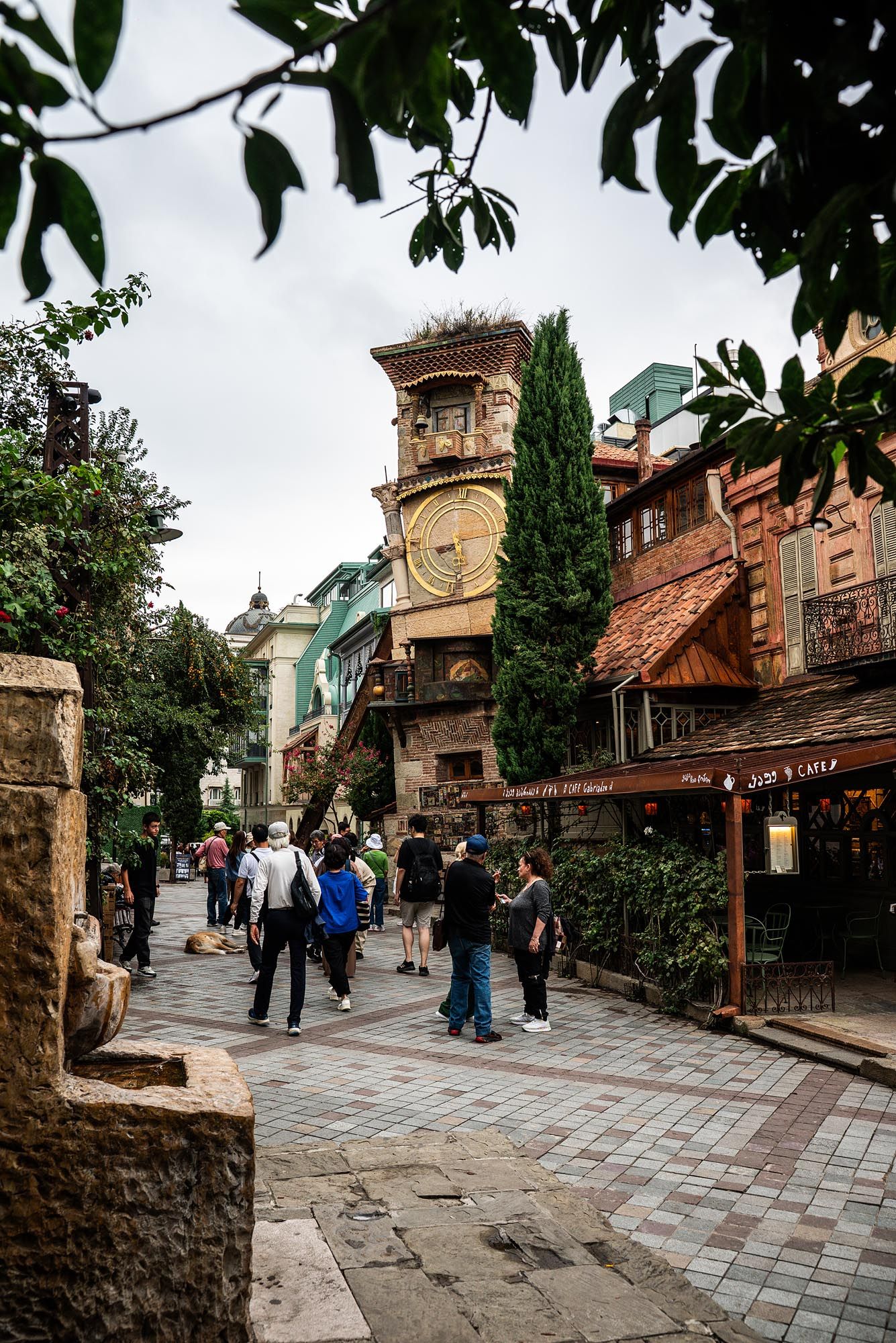
Tbilisi’s Old Town
Tbilisi’s Old Town is a maze of narrow lanes, colourful wooden balconies, and courtyards overflowing with charm. This historic quarter reflects the city’s diverse past, shaped by Persian, Ottoman, and Russian influences. Its styles range from medieval churches and Art Nouveau façades to stark reminders of the Soviet era, sometimes appearing side by side within the same street. Exploring on foot is the best way to take in its atmosphere. As you wander, you’ll encounter traditional wine cellars, hidden courtyards, and houses with beautifully carved verandas that seem to hang precariously over cobblestoned streets.
Some of the must-visit streets include:
- Jan Shardeni Street – A lively pedestrian street filled with cafés, wine bars, and art galleries.
- Cotton Row (Bambis Rigi) – Known for its restaurants and bustling nightlife, especially popular with locals.
- Lado Asatiani Street – Showcasing elegant 19th-century architecture and charming residential houses.
- Arsena Street – Less touristy, with a mix of old town character and authentic daily life.
- Ivane Machabeli Street – A beautiful stretch featuring Art Nouveau details and boutique shops.
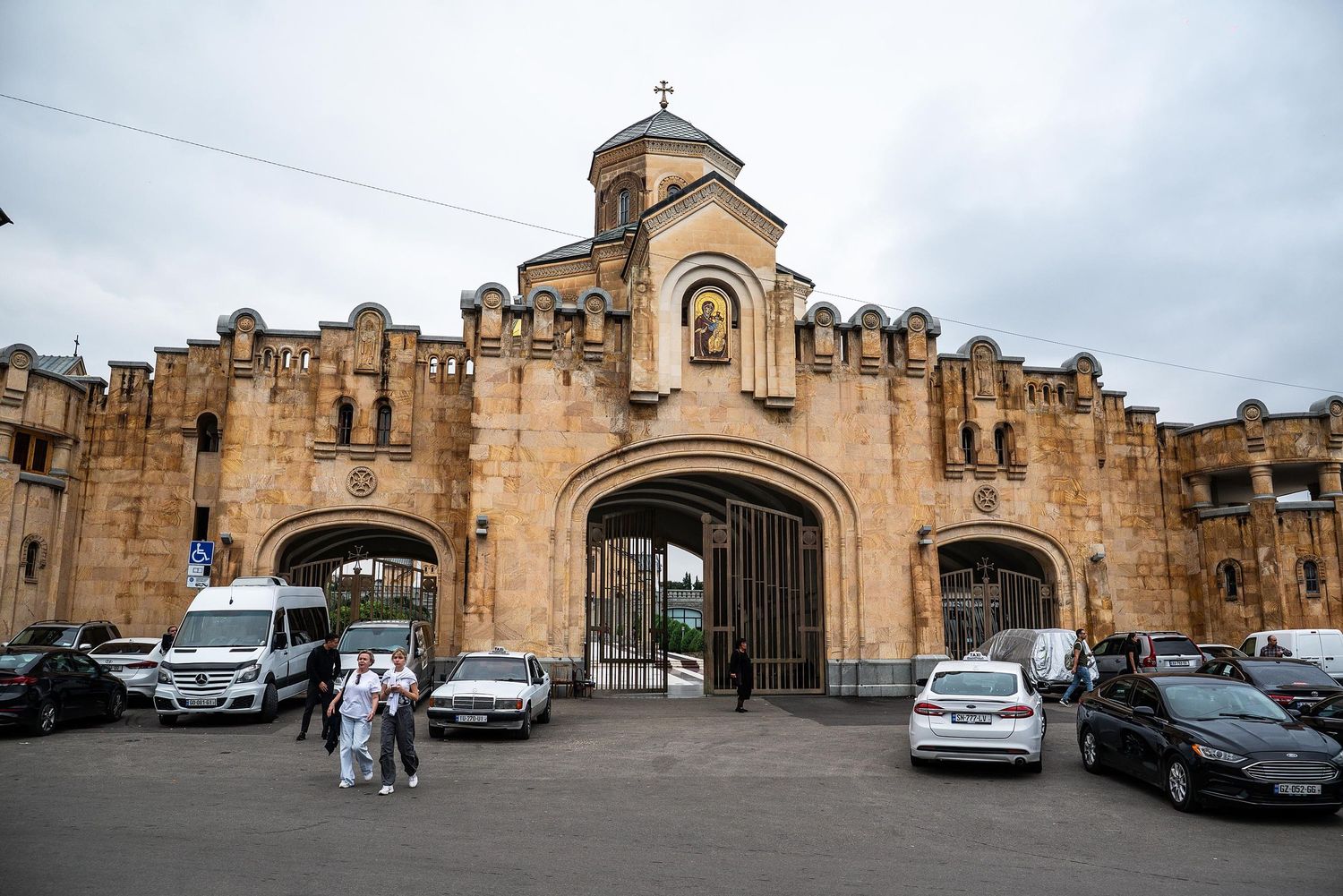
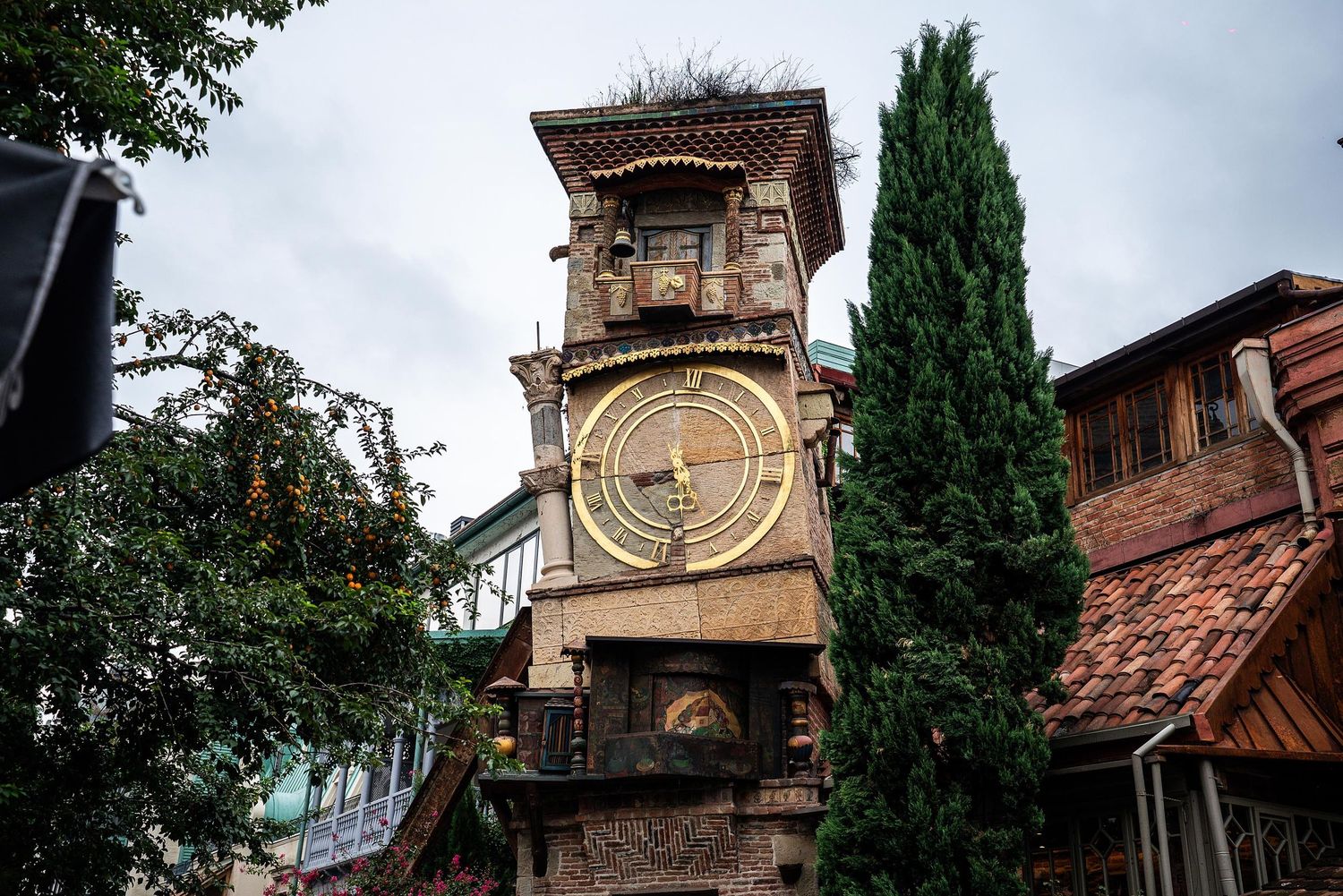
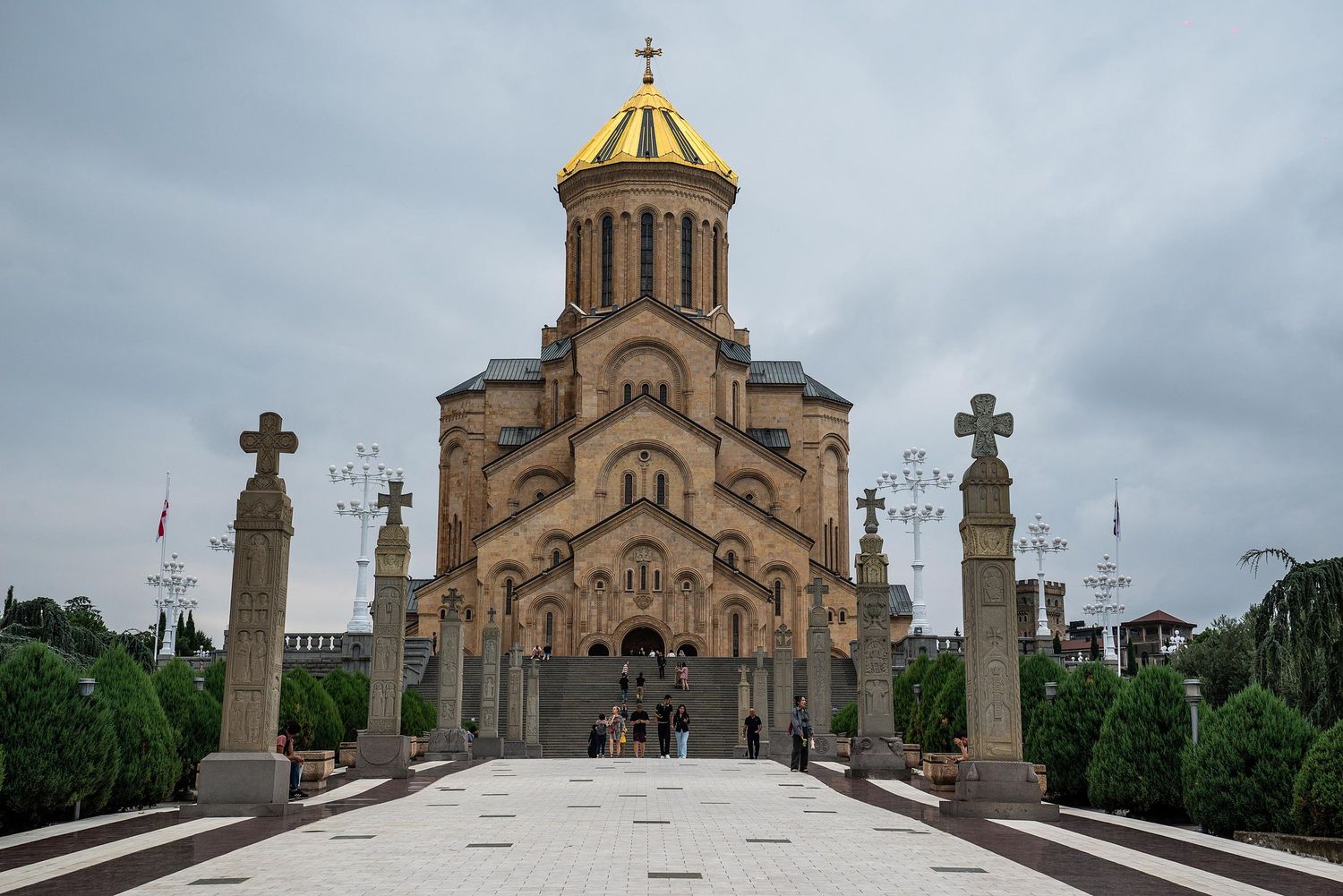
Iconic landmarks worth seeking out include the leaning Clock Tower on Ioane Shavteli Street, built by puppeteer Rezo Gabriadze, which chimes on the hour with a whimsical puppet show, and the Holy Trinity Cathedral (Sameba)—one of the largest Orthodox churches in the world, towering majestically over the city skyline.
For a true Old Tbilisi experience, don’t just tick off the landmarks, let yourself get lost in the backstreets, where the city’s soul is most alive.
Fabrika
Fabrika
Fabrika is one of Tbilisi’s most vibrant creative spaces. Once a Soviet-era sewing factory, the vast building has been transformed into a lively cultural hub and meeting point for locals, travellers, and artists. Today, the complex houses a stylish hostel, independent cafés, bars, restaurants, artisan workshops, artist studios, boutique shops, and a coworking space that attracts freelancers and entrepreneurs.
The courtyard is the heart of Fabrika. It is adorned with striking street art and colourful murals, creating an atmosphere that feels both edgy and welcoming. During the day you will find people sipping coffee, browsing design shops, or working on laptops in the open-air space. In the evening the area comes alive with music, chatter, and a relaxed but unmistakably hipster energy.
Fabrika is not just a place to eat and drink, it has become a symbol of Tbilisi’s youthful, creative spirit and its ongoing reinvention. Whether you want to grab a bite, shop for handmade crafts, mingle with locals, or simply soak up the artistic vibe, Fabrika is well worth visiting.
One small note: professional cameras are not permitted inside, but casual phone photography is perfectly fine.
Funicular to Mtatsminda Park
Funicular to Mtatsminda Park
The funicular railway to Mtatsminda Park is one of the most memorable ways to experience Tbilisi. The station is located near Rustaveli Avenue, and the ride itself is an attraction, slowly carrying passengers up the steep slope of Mtatsminda Mountain while offering sweeping views over the city. Alternatively, you can take the aerial ropeway, but the funicular is by far the more atmospheric option.
At the top lies Mtatsminda Park, a hilltop amusement ground that has been entertaining visitors since the 1930s. It combines old-world charm with modern attractions. There are classic rides such as a Ferris wheel, roller coasters, and carousels, as well as newer family-friendly amusements. The Ferris wheel in particular is a highlight, giving one of the very best vantage points over Tbilisi’s skyline, the Mtkvari River, and the surrounding hills. From here you can also spot the illuminated Tbilisi TV Tower and explore quirky photo spots including the much-photographed upside-down houses.
The park is especially popular at sunset, when the city lights begin to twinkle below, but it is also a pleasant place to spend a leisurely afternoon. Alongside the rides and attractions there are walking paths, viewpoints, cafés, and open spaces perfect for a relaxed stroll.
Before you descend, make time for a treat at Puri Guliani, the dessert restaurant at the funicular station. Their speciality is ponchiki, a local take on fried doughnuts filled with cream, jam, or chocolate. They are small, light, and utterly moreish, so it is worth ordering at least two or three per person.
Dry Bridge Market
Dry Bridge Market
Is one of Tbilisi’s most fascinating open-air bazaars and a must-visit for anyone who enjoys browsing for unusual finds. Located near Dedaena Park, this sprawling flea market is a treasure trove of curiosities, where every stall tells a story.
You will find an eclectic mix of goods spread out across tables, blankets, and even directly on the pavement. Stalls brim with Soviet memorabilia, antique jewellery, vintage cameras, coins, stamps, and old military badges. Local artists sell their paintings and handmade crafts, while other vendors display second-hand books, vinyl records, and household items from decades past. It is a place where history, art, and nostalgia come together in a wonderfully chaotic atmosphere.
The market usually runs from late morning until around four in the afternoon. It is open throughout the week, but weekends are by far the busiest and best time to visit, when the number of vendors and the range of items on display multiply. Arriving earlier in the day gives you the best chance of finding rare pieces before they are snapped up.
Haggling is part of the experience and is generally welcomed, though it is best kept friendly and respectful. Even if you are not planning to buy, wandering through the market is a cultural experience in itself, offering a glimpse into Georgia’s past and its people’s resourcefulness.
For those looking to take home something truly distinctive, Dry Bridge Market is one of the best places in the city to find a souvenir with character and history.
Mother of Georgia
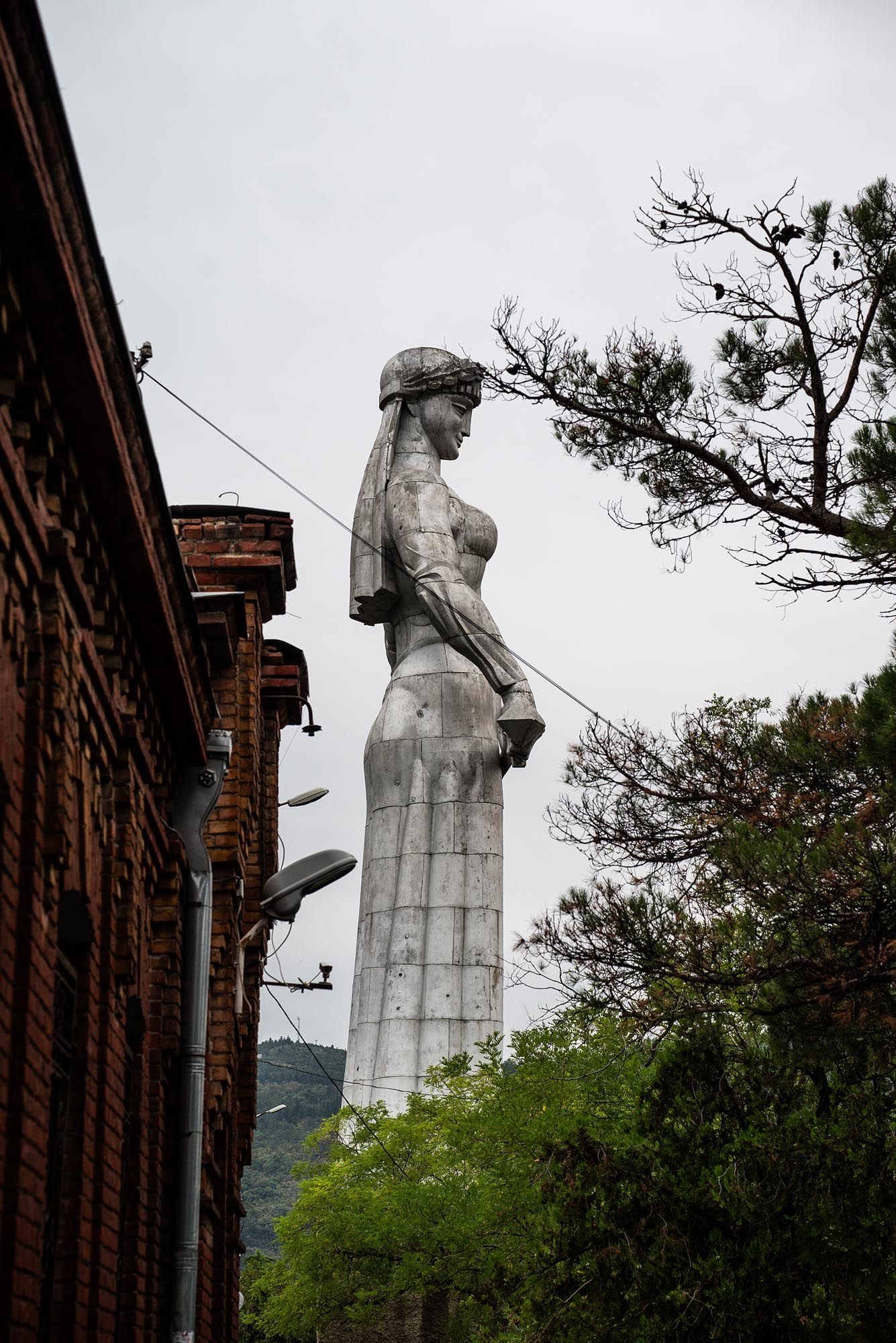
The Mother of Georgia
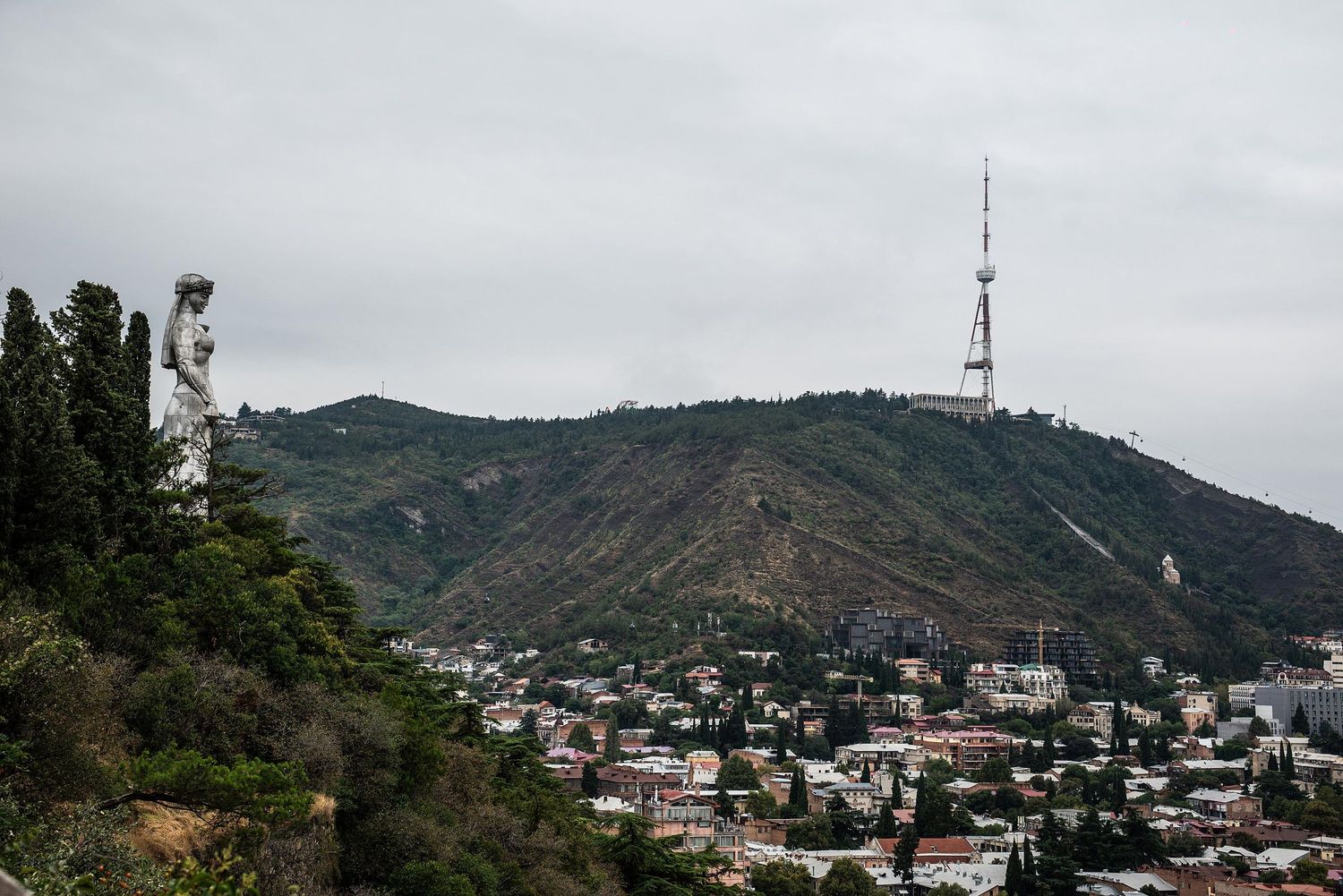
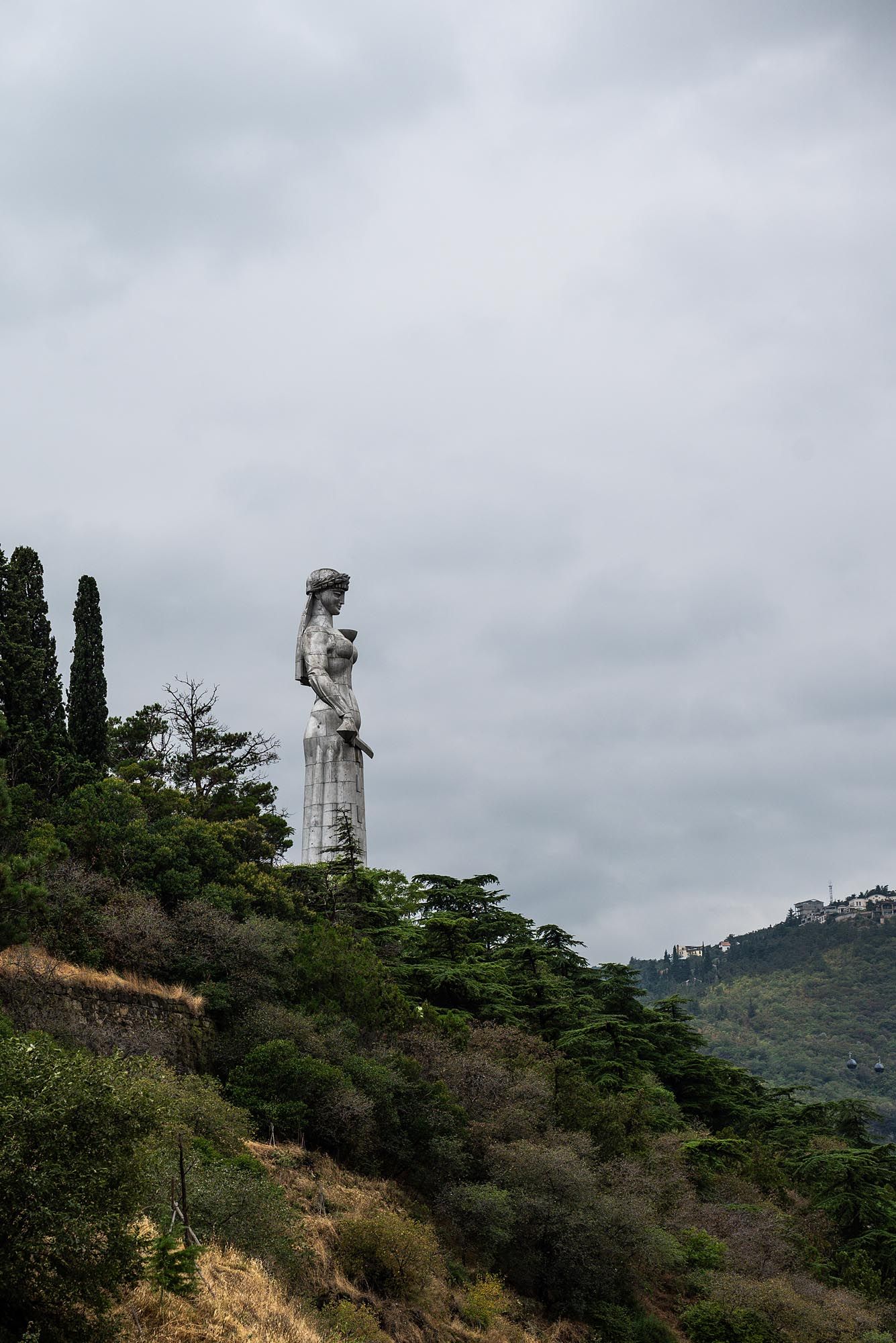
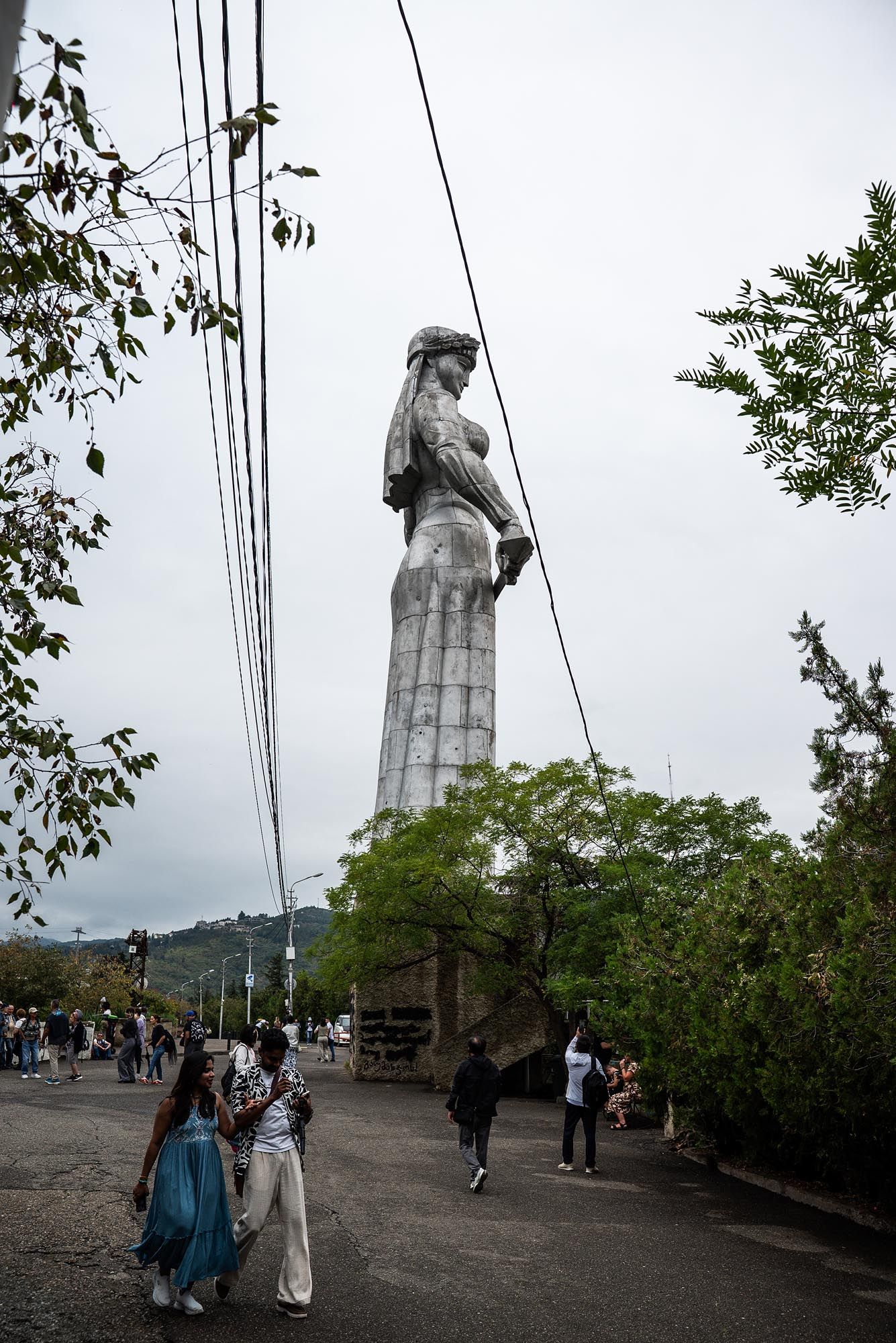
The Mother of Georgia, known locally as Kartlis Deda, is one of Tbilisi’s most recognisable landmarks and a powerful national symbol. This towering aluminium statue was erected in 1958 to mark the city’s 1,500th anniversary and has watched over the capital ever since. Rising 20 metres above Sololaki Hill, the figure represents the dual spirit of the Georgian people: in one hand she holds a bowl of wine to greet friends with hospitality, while in the other she carries a sword to defend against enemies.
The statue can be seen from many points across the city, but visiting it up close is an entirely different experience. From the base of the monument, there are sweeping panoramic views of Tbilisi’s rooftops, church domes, bridges, and the winding Mtkvari River. It is especially atmospheric at sunset when the city is bathed in golden light.
The most popular way to reach the statue is by taking the aerial tramway from Rike Park, which glides across the river and up the hillside, offering stunning views along the way. The tramway operates daily from 10 in the morning until 10 at night, making it convenient to plan a visit at any time of day. For those who enjoy walking, it is also possible to hike up through the streets of Sololaki and into the forested trails that lead to the hilltop.
Beyond the statue itself, the surrounding area is worth exploring. Nearby you will find the remains of Narikala Fortress, one of Tbilisi’s oldest landmarks, as well as peaceful woodland paths that provide a welcome escape from the bustle of the city.
A visit to the Mother of Georgia is more than just a photo opportunity. It is a chance to reflect on the country’s history and resilience, while taking in some of the most spectacular views of Tbilisi.
National Botanical Gardens
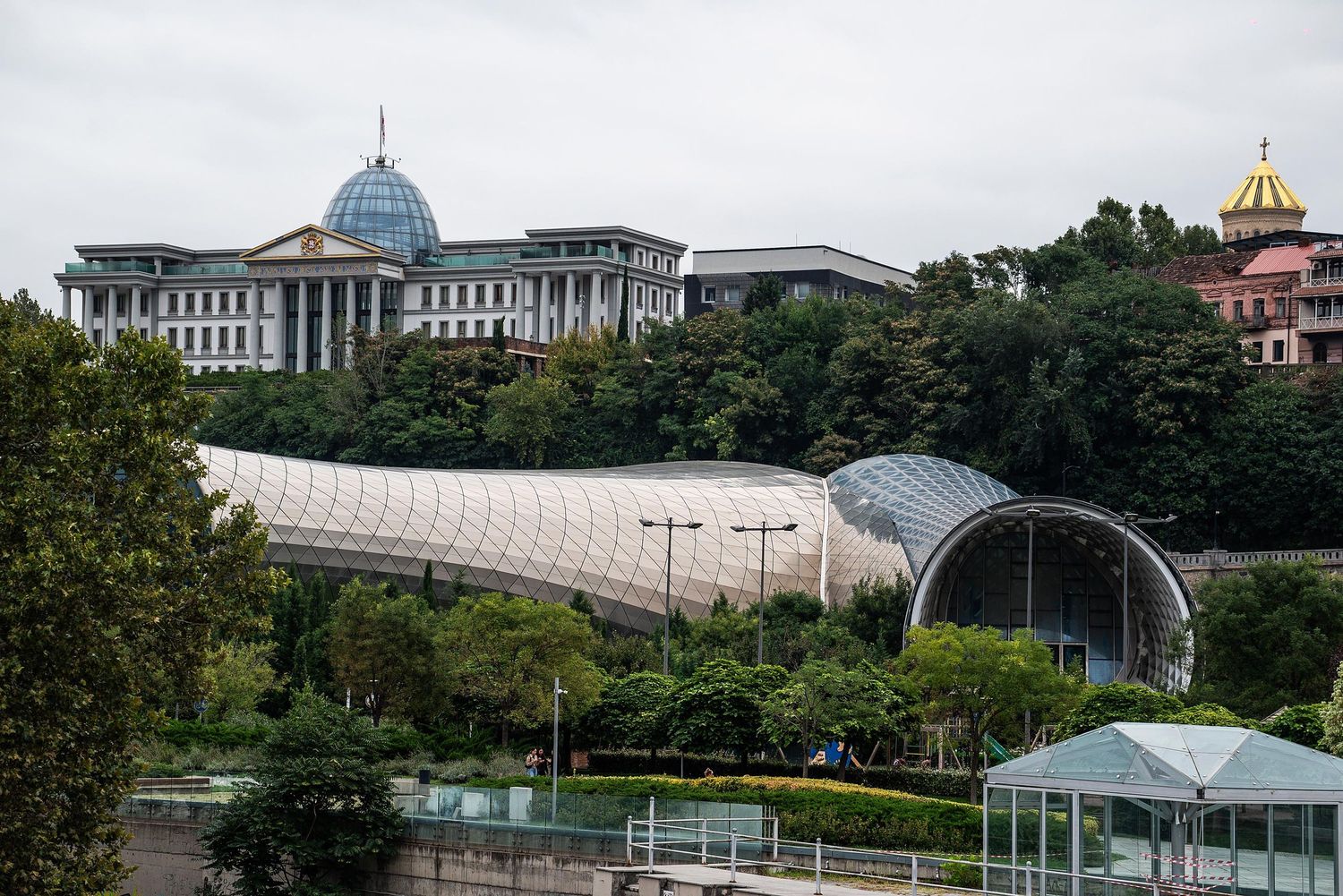
National Botanical Garden of Georgia
The National Botanical Garden of Georgia is a peaceful oasis in the heart of Tbilisi and an ideal place to escape the bustle of the city. Tucked into a lush valley behind Narikala Fortress and stretching beneath the slopes of Sololaki Hill, the gardens cover an impressive 398 acres, making them one of the largest green spaces in the capital.
The garden has a history that spans centuries. Originally the private royal gardens, it was first mentioned in the 17th century and later opened to the public in the 19th century. Today, it is home to thousands of plant species collected from Georgia and around the world, ranging from ornamental flowers to rare medicinal herbs. Towering trees create shady avenues for strolling, while hidden paths lead to serene corners that feel far removed from urban life.
Highlights include groves of giant sequoias, vibrant rose gardens, and a number of small but picturesque waterfalls that cascade through the valley. The sound of running water, the sight of colourful blooms, and the fresh air make it a favourite spot for both locals and visitors. The garden is also a haven for birdlife, and its quiet trails are popular with walkers and photographers.
The main entrance is a short walk from the Old Town, and it can also be reached easily if you are visiting the Mother of Georgia statue or Narikala Fortress. It is open daily from nine in the morning until six in the evening, and you should allow at least two hours to explore at a leisurely pace.
Whether you want to enjoy a picnic, take in the views from one of its scenic bridges, or simply unwind in nature, the National Botanical Garden offers a refreshing contrast to Tbilisi’s busy streets.
Abanotubani / Chreli Abano Bathhouse
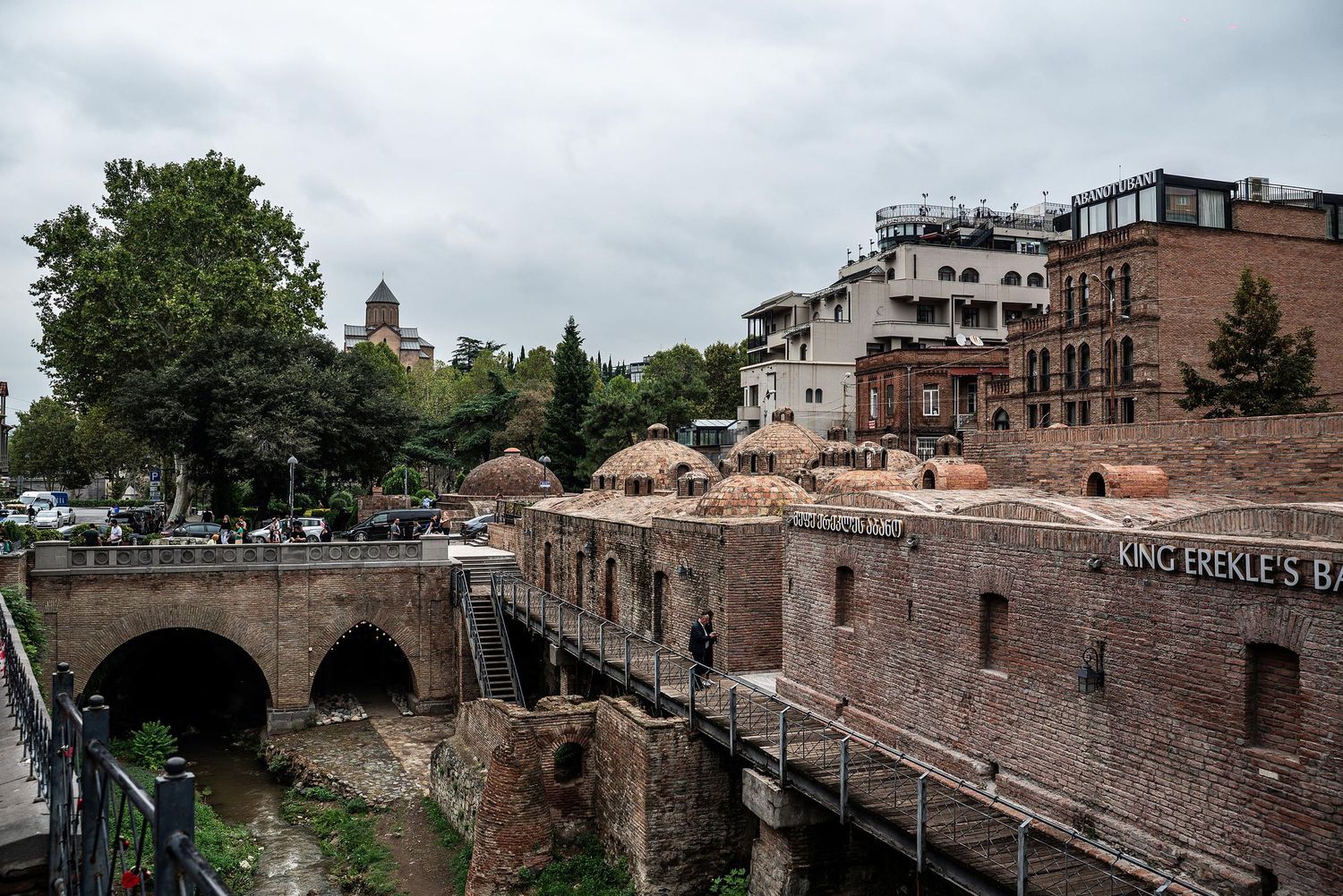
Abanotubani and the Chreli Abano Bathhouse
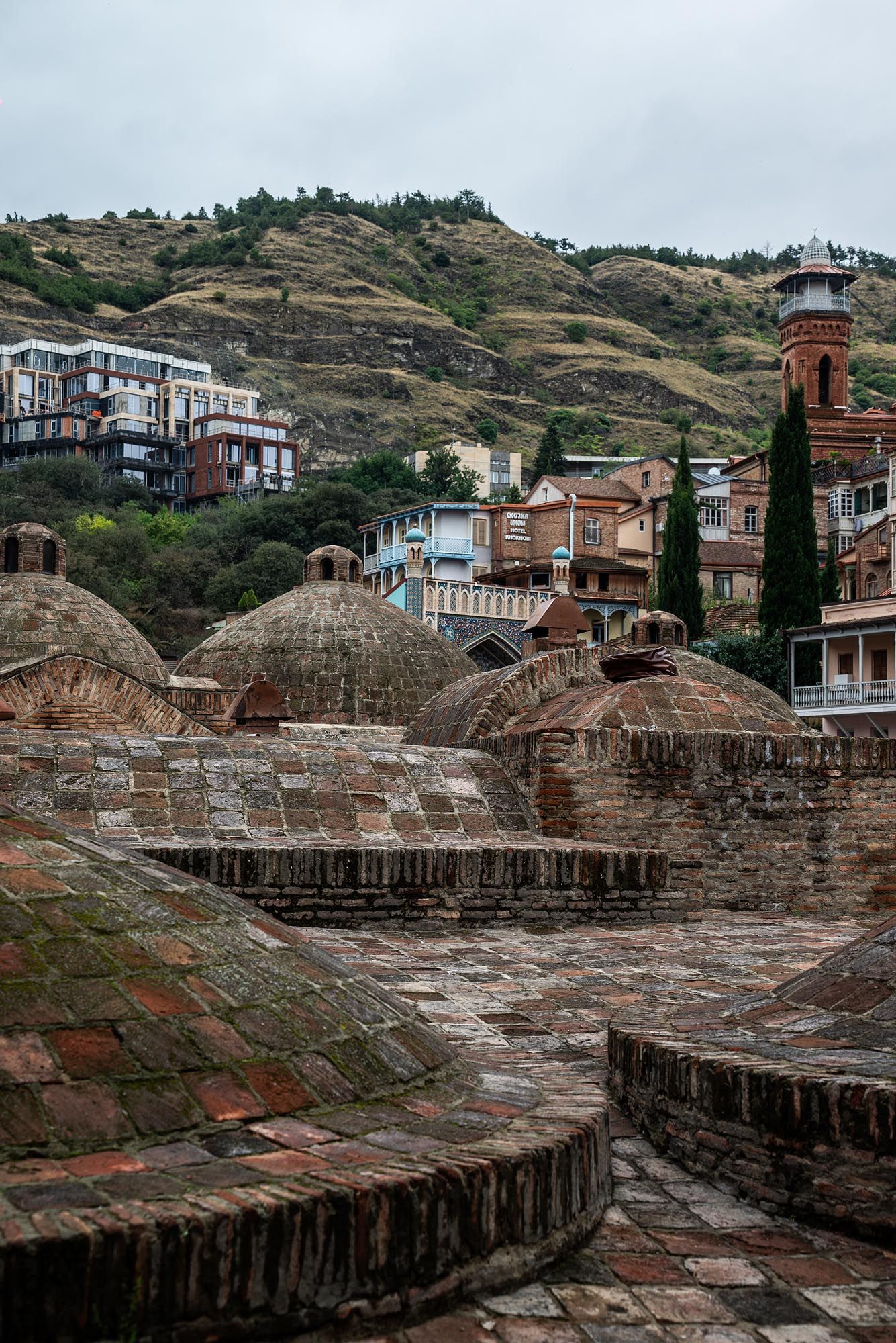
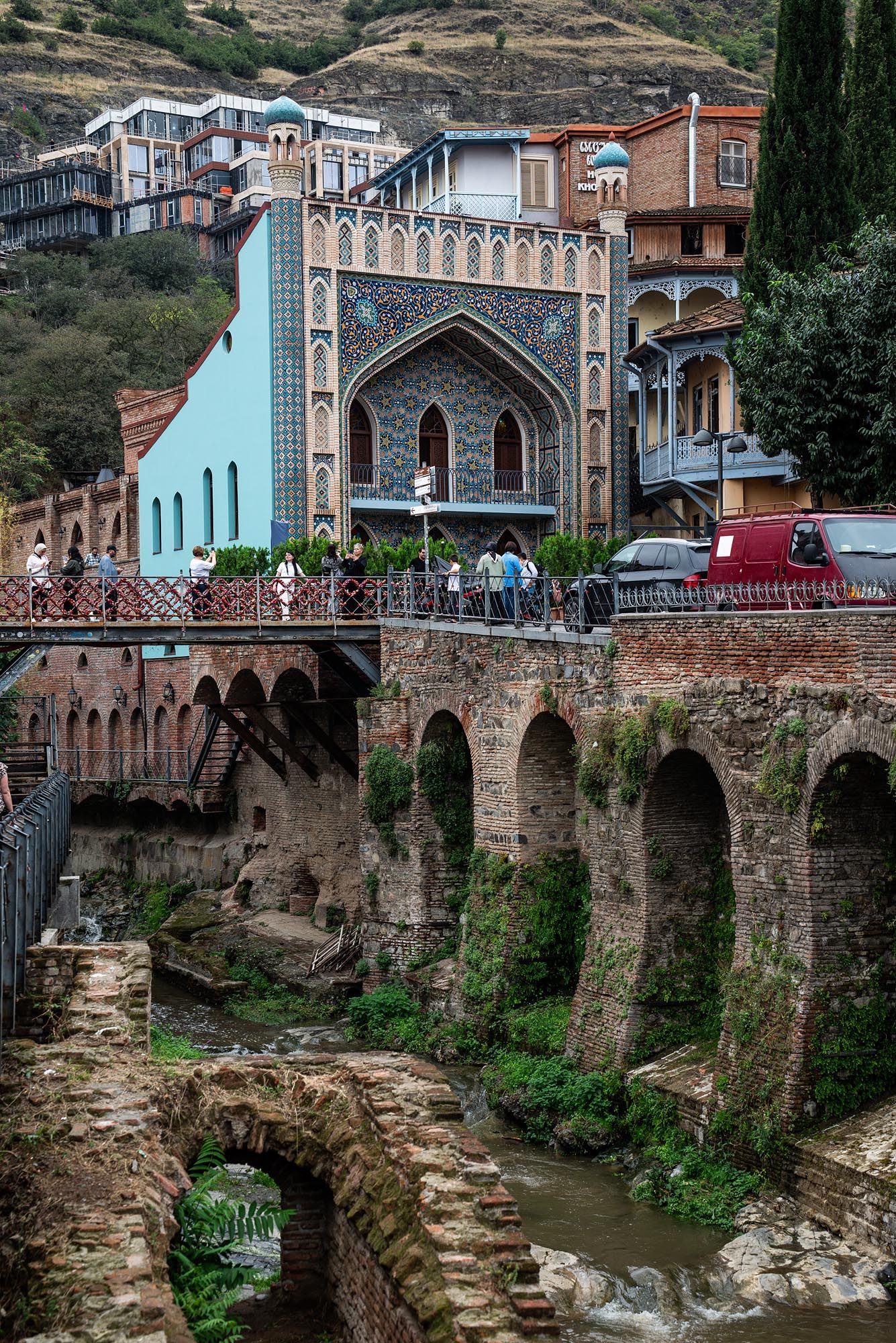
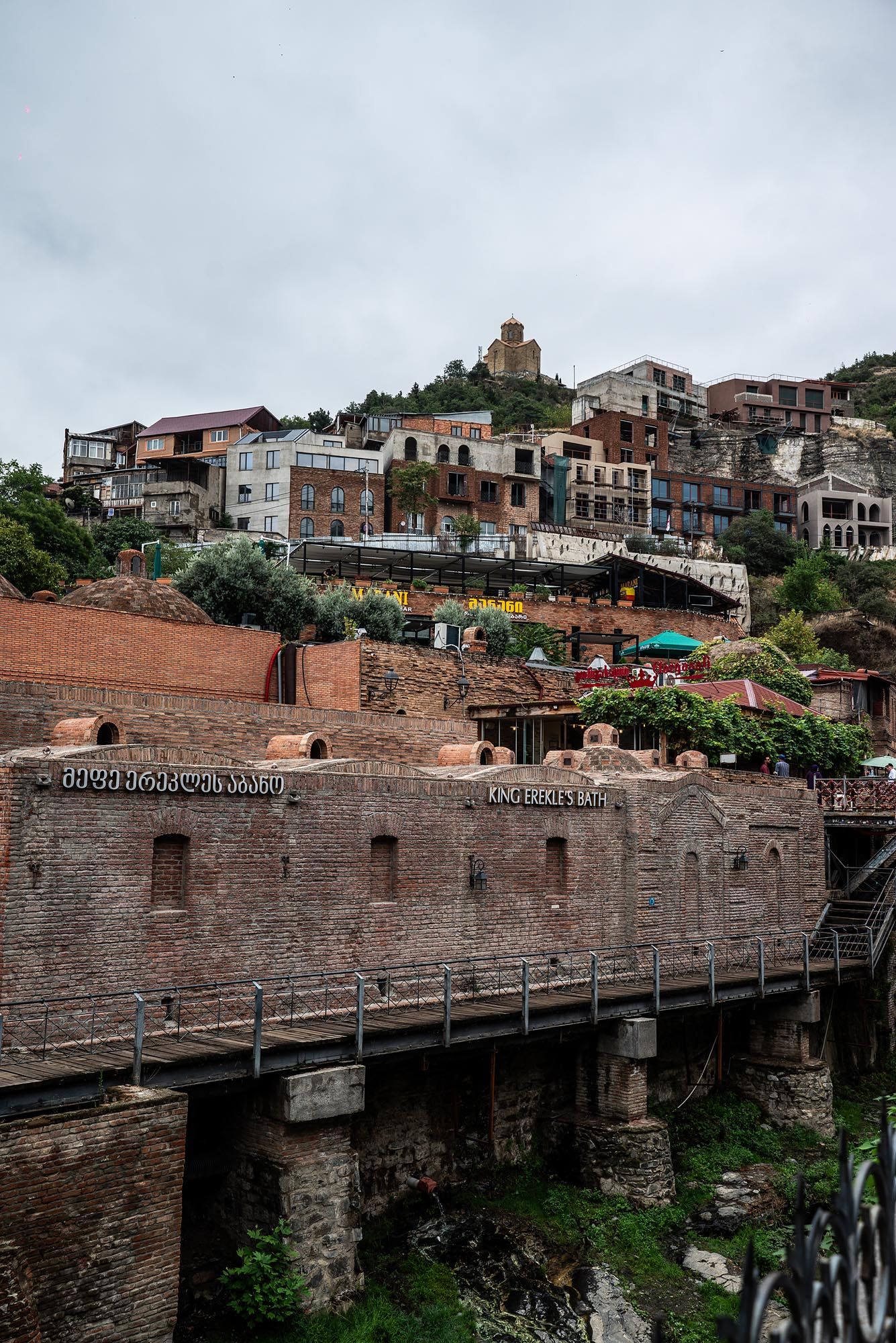
Abanotubani and the Chreli Abano Bathhouse are among Tbilisi’s most iconic landmarks, famed for their historic sulphur baths. The district itself has been known for its geothermal springs since the city’s founding in the 5th century, and by the 17th century purpose-built bathhouses were already well established here. Chreli Abano is perhaps the most striking of them all, instantly recognisable for its Persian-inspired façade decorated in turquoise tiles, intricate mosaics, and soft pink brickwork.
Bathing here is more than just a way to relax, it is an experience deeply rooted in Georgian culture. The baths are fed by natural hot sulphuric springs that flow from the volcanic soil beneath the city. These mineral-rich waters are believed to have therapeutic properties, said to improve circulation and ease muscle tension.
Visitors can choose between communal bathing halls or private rooms. Public pools are segregated by gender, and it is important to note that bathers are expected to go without clothing. Many travellers, however, prefer to book a private pool, which offers the same restorative waters in a more intimate setting. This option is especially popular with couples. In both cases, you can also book a traditional massage or an exfoliating scrub, adding an extra layer of indulgence to the experience.
The bathhouse is open daily from nine in the morning until eleven at night, making it easy to fit a visit into your itinerary whether you prefer a rejuvenating morning soak or an evening of relaxation after sightseeing.
Beyond Chreli Abano itself, the Abanotubani district is a fascinating area to explore. Its domed brick rooftops, steam rising from the vents, and narrow cobbled streets create a unique atmosphere. The baths here are part of what gave Tbilisi its name, which is thought to derive from the Old Georgian word tbili, meaning warm.
A visit to Abanotubani is not only one of the most relaxing things to do in Tbilisi, it is also an opportunity to take part in a centuries-old ritual that lies at the very heart of the city’s history.
Chronicles of Georgia
The Chronicles of Georgia
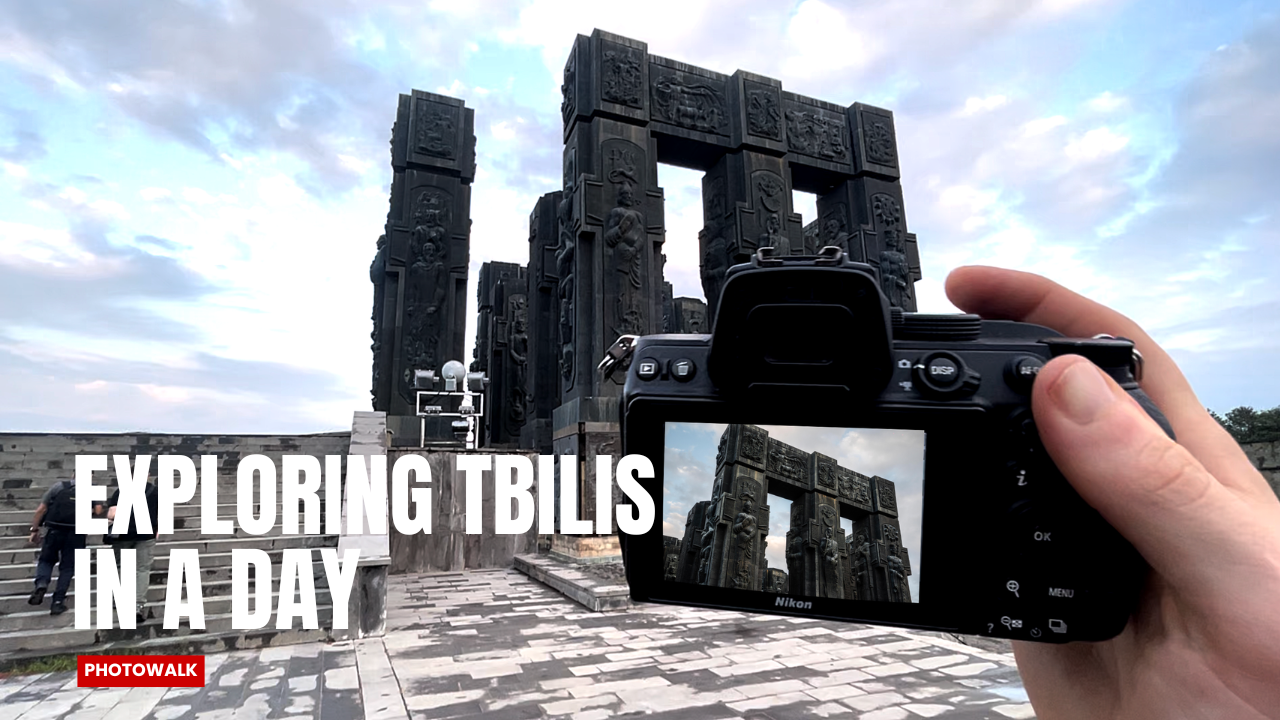
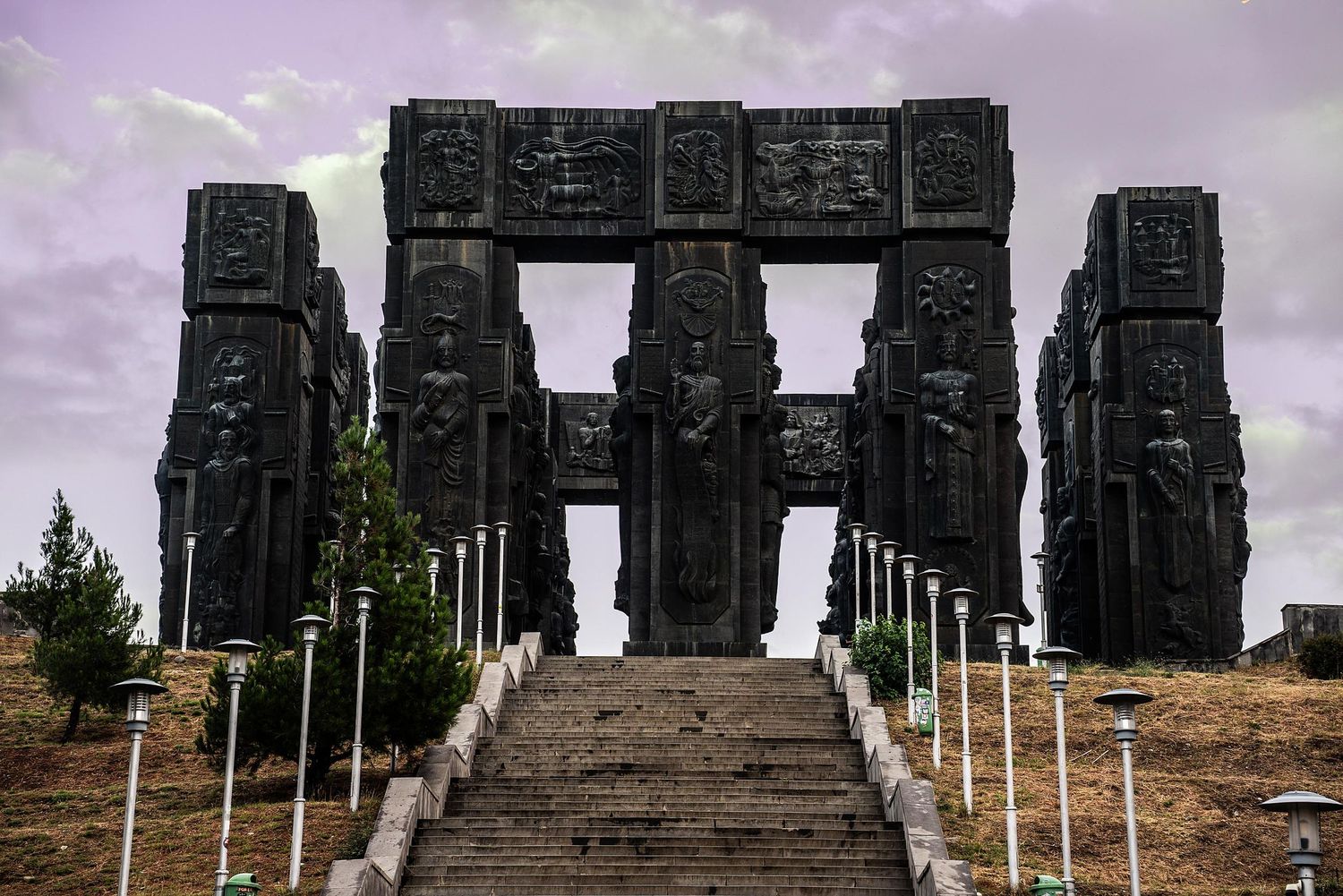
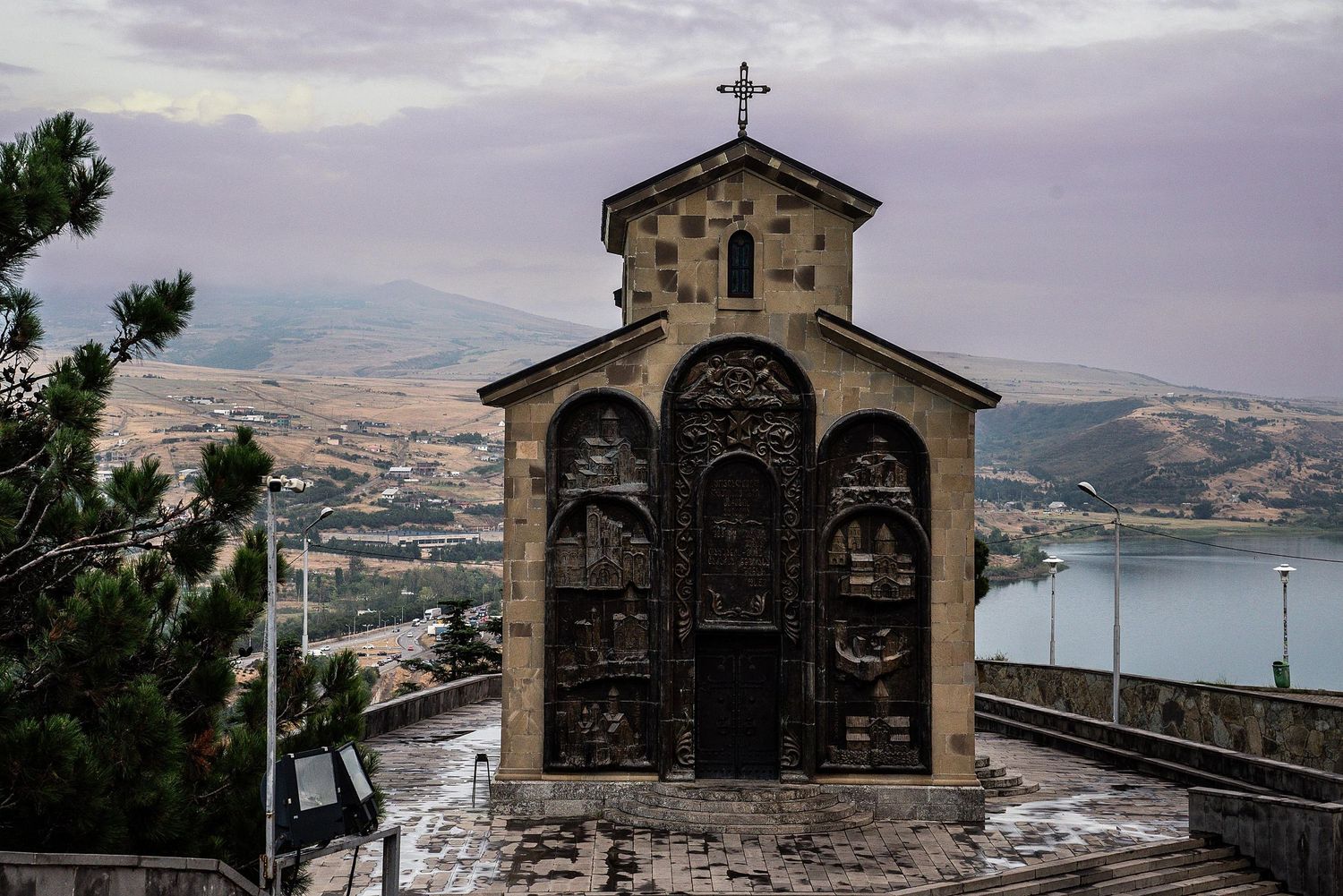
The Chronicles of Georgia is one of the most dramatic and unusual landmarks in Tbilisi, set high on a hill overlooking the Tbilisi Sea. Located about a thirty-minute taxi ride from the city centre, it is slightly off the usual tourist trail but well worth the journey.
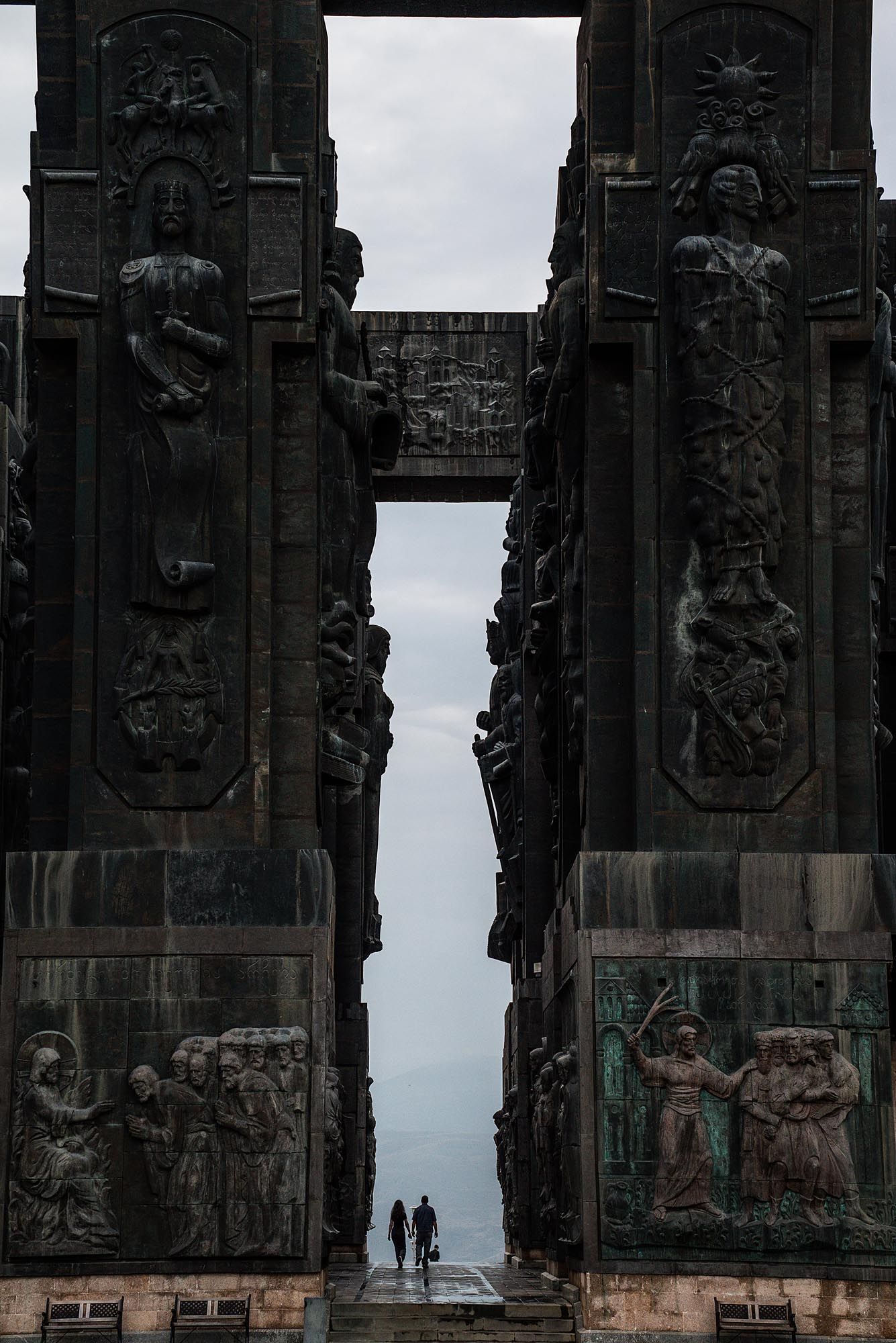
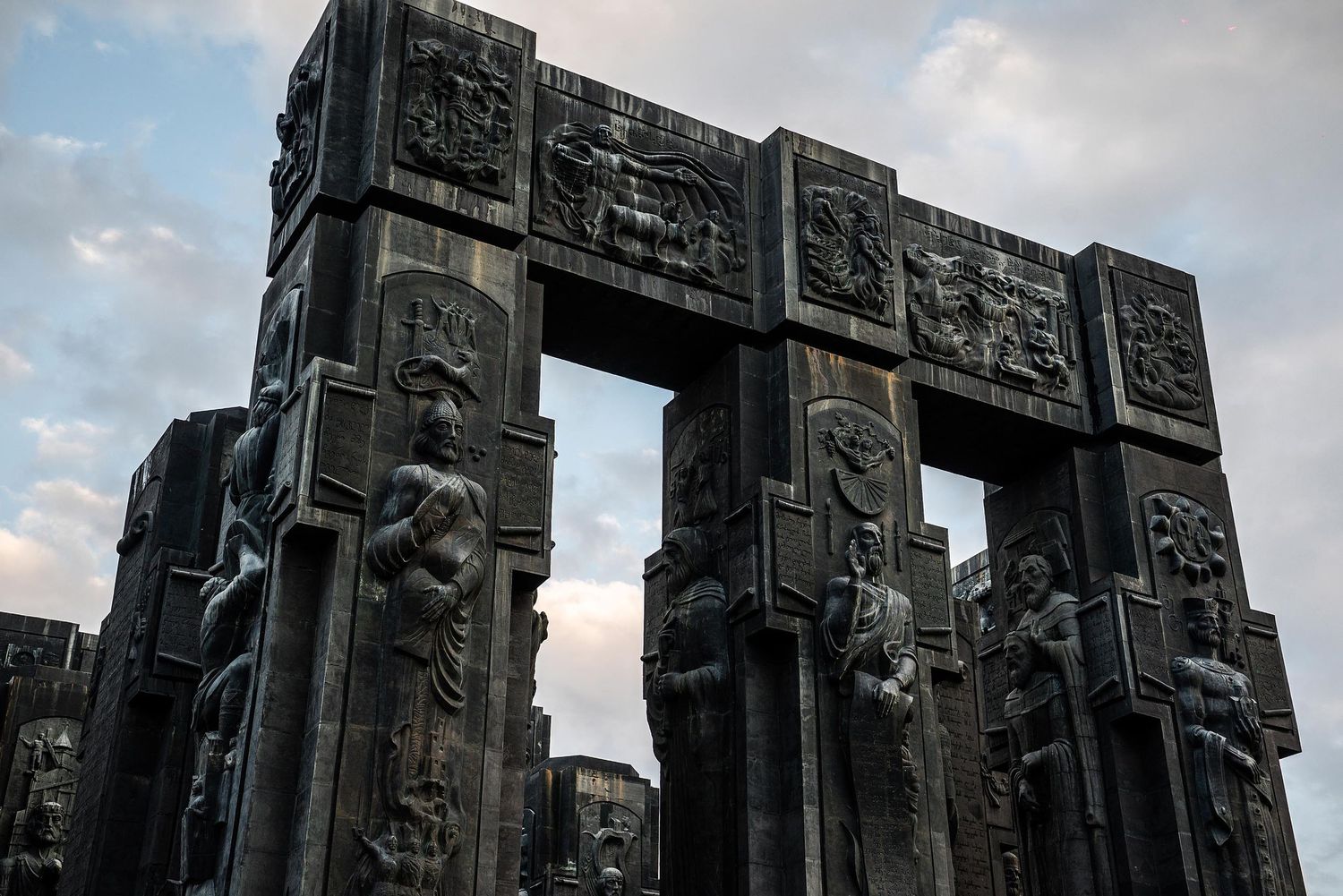
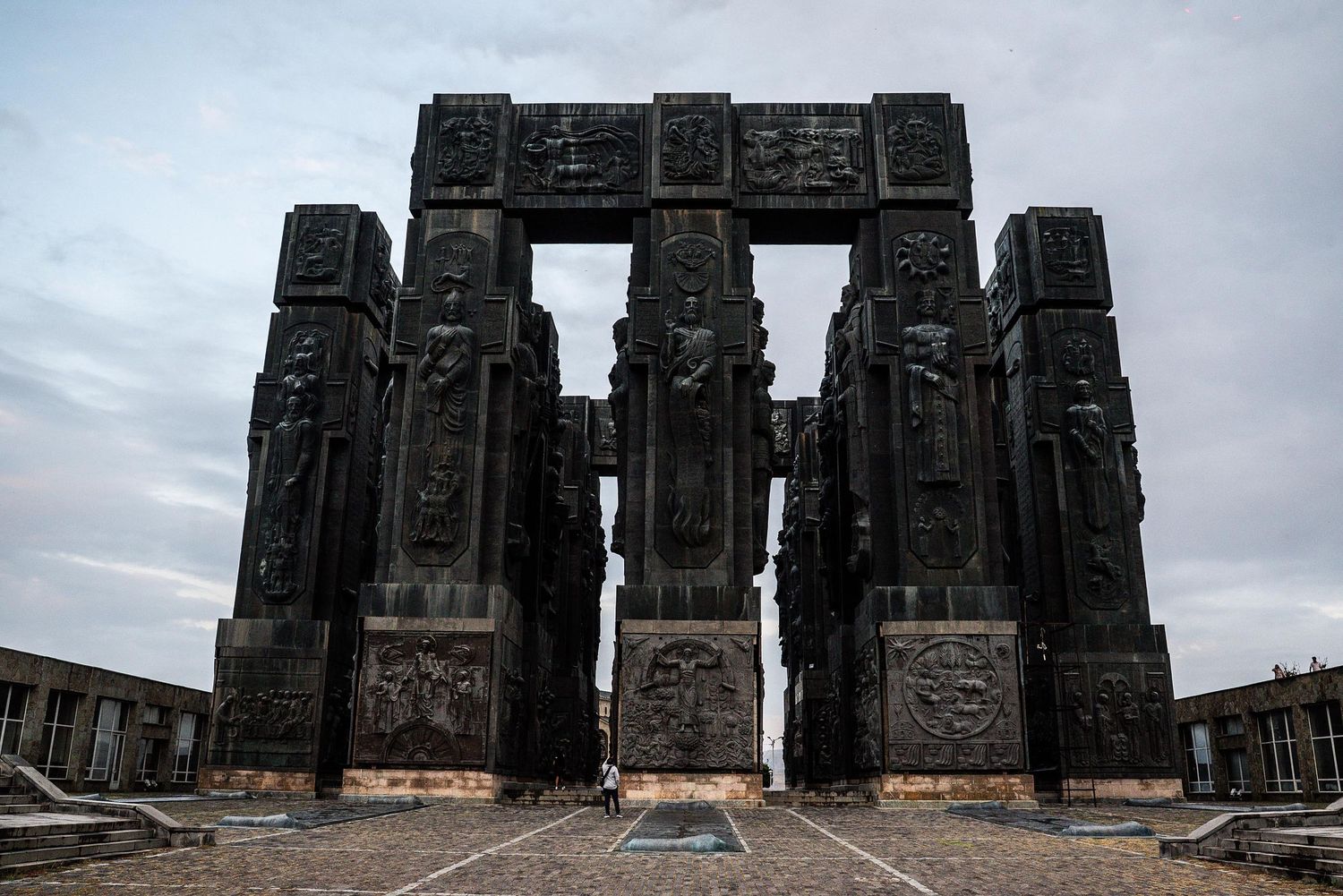
The monument was designed by Georgian artist Zurab Tsereteli and began construction in 1985, although it remains unfinished to this day. Its sheer scale is astonishing. The site consists of enormous stone-clad pillars, each rising more than 30 metres into the sky, making the figures carved into them appear monumental against the backdrop of the landscape.
The reliefs etched into the columns tell two parallel stories. The upper sections depict key moments in Georgia’s national history, including scenes of kings, queens, and legendary battles that shaped the country’s identity. The lower panels illustrate episodes from the life of Jesus Christ, reflecting the deep ties between Christianity and Georgian culture, as Georgia is one of the world’s oldest Christian nations.
Visiting the monument is a powerful experience. The size and solemnity of the sculptures create an almost cathedral-like atmosphere, and the elevated position offers sweeping views of the city, the Mtkvari River, and the surrounding hills. It is an excellent place for photography, particularly at sunset when the light softens and the carvings take on a golden hue.
Be prepared to spend some time exploring, as the monument covers a wide area and involves a fair number of steps. Entrance is free, and it is open to visitors at all hours, though daytime visits are best for appreciating the details of the carvings and the panoramic views.
The Chronicles of Georgia is not only a striking work of modern monumental art but also a profound tribute to the nation’s past and its enduring spiritual traditions. For anyone interested in history, religion, or architecture, it is one of the most memorable places to visit in Tbilisi.
Orbeliani Square / Bazari Orbeliani
Orbeliani Square
Orbeliani Square is a lively and recently renovated part of Tbilisi, but the highlight for most visitors is without doubt Bazari Orbeliani, a modern food hall that has quickly become one of the city’s favourite dining spots.
Housed in a bright, contemporary space, the bazaar brings together an impressive mix of international food stalls and local Georgian flavours. It is an excellent place to sample a wide variety of dishes in one visit, from traditional khachapuri and khinkali to Japanese sushi, Middle Eastern mezze, Italian pasta, and much more. The casual, market-style atmosphere makes it ideal for groups, as everyone can choose something different before gathering around shared tables.
The upper floor is home to a stylish bar that offers a wide selection of global craft beers alongside cocktails and Georgian wines. It is a relaxed but vibrant spot to round off an evening, often buzzing with both locals and travellers.
The market is open daily from eleven in the morning until midnight from Monday to Thursday. On Fridays, Saturdays, and Sundays, it stays open an extra hour until one in the morning, making it a convenient choice for a late dinner or drinks after exploring the city.
Although food is the main attraction, the surrounding Orbeliani Square is also worth a wander. The square has been beautifully restored in recent years and is lined with elegant 19th-century buildings, flower shops, and small cafés. It offers a pleasant contrast between historic Tbilisi and the contemporary energy of the bazaar itself.
Whether you are after a quick bite, a leisurely meal, or a drink with friends, Bazari Orbeliani is one of the best places in the city for casual dining in a lively and modern setting.
Tabor Monastery Viewpoint
Tabor Monastery Viewpoint
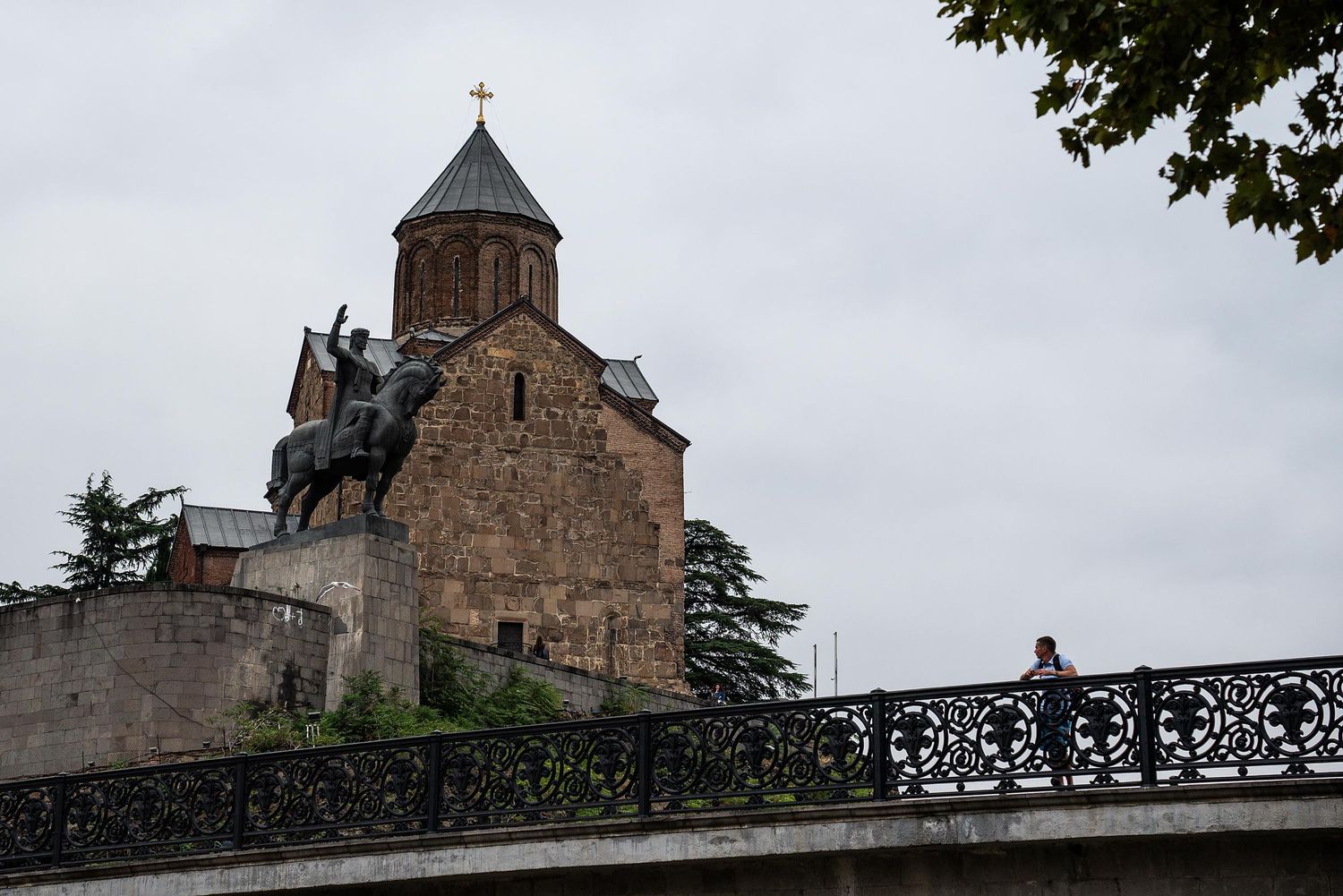
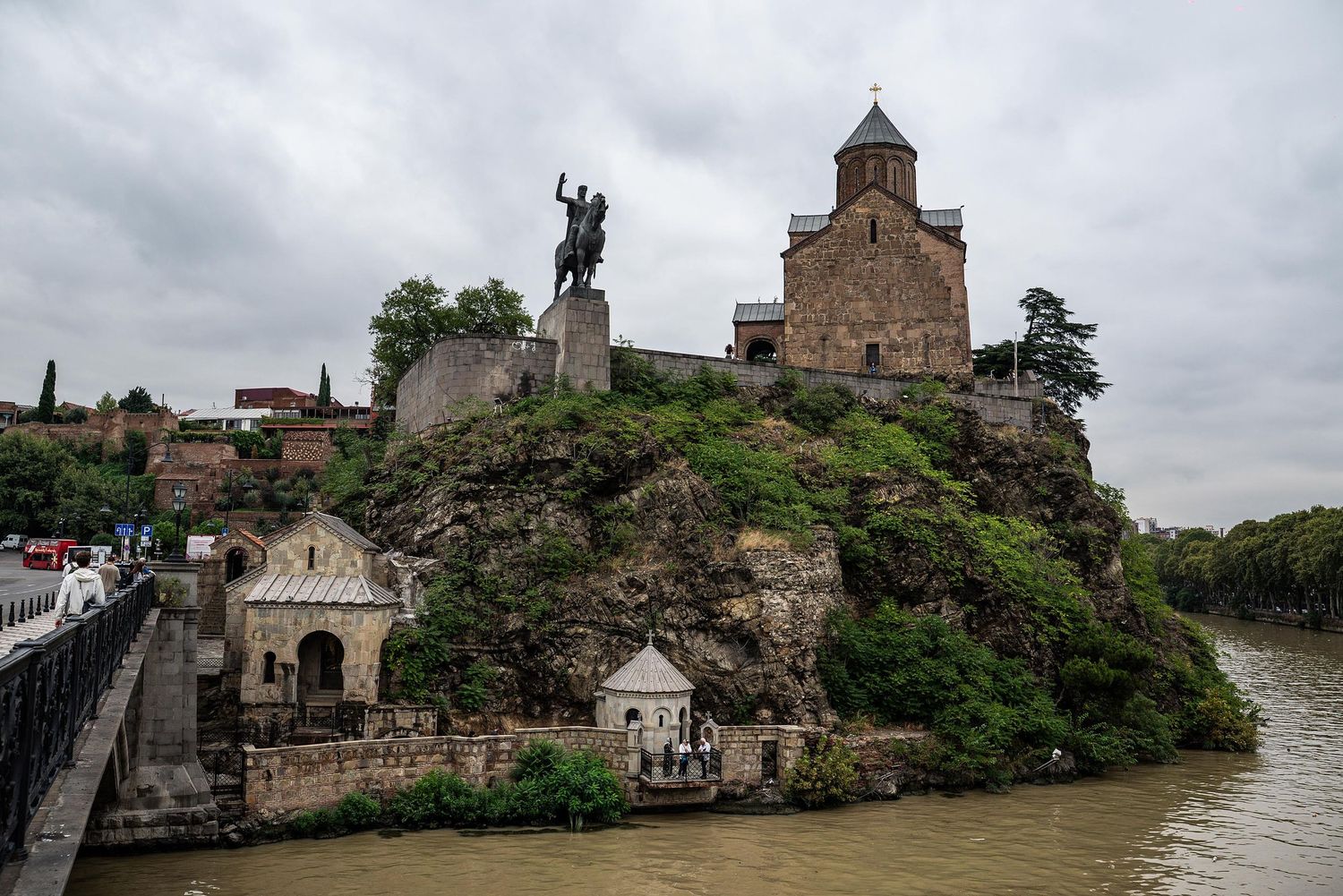
Tabor Monastery Viewpoint is one of Tbilisi’s most rewarding spots for panoramic views of the city. Perched atop a hill, the viewpoint offers sweeping vistas over the Old Town, the winding Mtkvari River, and the distant mountains, making it an ideal location to watch the sunset. The soft evening light transforms the city, casting a golden glow over the rooftops and domes below, creating a scene that is both peaceful and unforgettable.
To reach the viewpoint, you can take a scenic walk from Chreli Abano Bathhouse. The uphill path takes around forty-five minutes at a steady pace, winding through quiet streets, residential areas, and patches of woodland. The route itself is a pleasant introduction to a less-visited part of the city, offering glimpses of everyday life in Tbilisi along the way.
The viewpoint is relatively quiet compared with some of the more central tourist spots, which allows for a more serene and contemplative experience. It is the perfect place to pause, take photographs, or simply sit and appreciate the city spreading out beneath you. If you time your walk to arrive just before sunset, you will be rewarded with one of the most memorable views in Tbilisi.
While the path is accessible to most people, it is a good idea to wear comfortable walking shoes and bring some water, especially in the warmer months. Early evening is the best time to visit, not only for the sunset but also to enjoy cooler temperatures and softer light for photography.
Visiting Tabor Monastery Viewpoint combines gentle exercise, history, and some of the best views in the city, making it a highlight for anyone exploring Tbilisi on foot.
Where To Eat in Tbilisi
Where to Eat in Tbilisi
Tbilisi is a city that takes its food seriously, offering a rich culinary scene that blends the bold, spiced flavours of the Middle East with the fresh, vibrant notes of Mediterranean cuisine. Traditional Georgian dishes such as khachapuri, khinkali, and pkhali sit alongside innovative modern interpretations, and it is just as easy to find international menus as it is local fare. Whether you are after a casual bite, a leisurely brunch, or a fine dining experience, the city has something for every taste.
Here are some of my favourite food spots in Tbilisi:
- Cafe Linville – A charming café with vintage décor, perfect for coffee, cakes, and a relaxed morning. Its quirky, nostalgic interior adds to the experience.
- Cafe Stamba – A trendy brunch spot with plenty of outdoor seating. The menu features fresh, seasonal ingredients and creative dishes, ideal for a leisurely start to the day.
- Keto and Kote – An upmarket restaurant offering refined takes on traditional Georgian cuisine. Perfect for a special dinner or tasting menu experience.
- Alubali – A casual, welcoming restaurant where you can enjoy classic Georgian dishes and strong Turkish coffee, creating a cosy and authentic atmosphere.
- Shavi Lomi – Known for its inventive salads and modern Georgian cuisine, this restaurant is conveniently close to Fabrika, making it a great lunch or early dinner option.
- Iasamani – A romantic choice for candlelit dinners near the Botanical Garden. The menu combines traditional flavours with contemporary presentation.
- Ninia’s Garden – A quaint, family-run restaurant featuring a beautiful courtyard. Perfect for enjoying hearty Georgian meals in a relaxed, picturesque setting.
- Tsiskvili – A popular chain known for its excellent flatbreads and traditional dishes served in a lively, rustic environment.
Beyond these favourites, Tbilisi’s food scene is constantly evolving, with new cafés, bakeries, and street food vendors opening regularly. Exploring side streets often reveals hidden gems, from tiny wine bars to bakeries serving fresh khachapuri. For anyone interested in Georgian cuisine, tasting the local dishes is as essential as visiting the city’s landmarks.
Best Time of Year to Visit Tbilisi
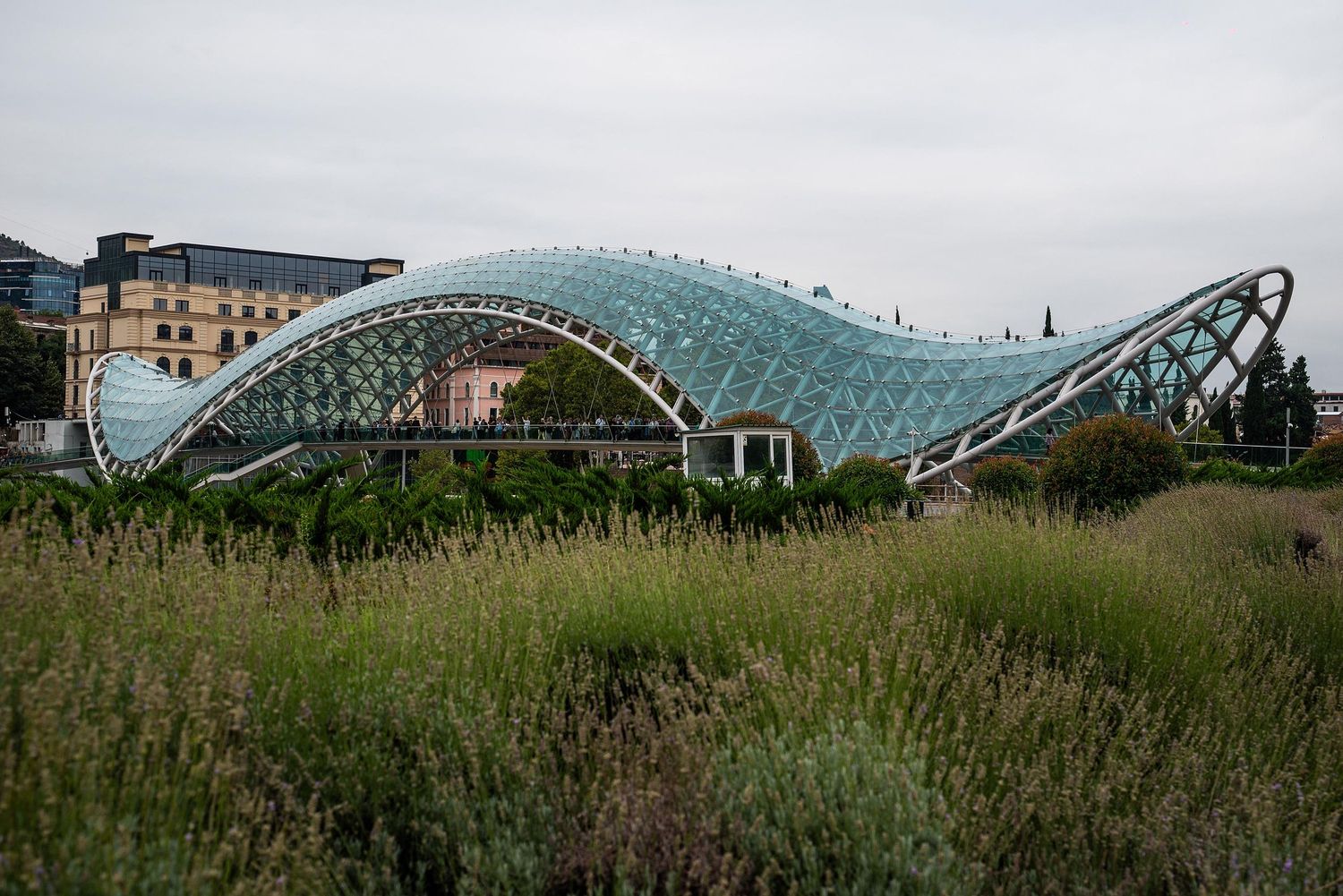
Best Time of Year to Visit Tbilisi
Tbilisi can be visited year-round, but the experience varies depending on the season. Summer, from June to August, is the city’s peak tourist season. The weather is warm and sunny, making it perfect for sitting in café courtyards, sipping local wine, and enjoying long, light evenings. Streets and parks are lively, and outdoor events, festivals, and open-air concerts are in full swing. However, it can get quite hot in July and August, and the most popular attractions may be crowded.
Winter, particularly January, attracts visitors who enjoy snow and colder weather. While Tbilisi itself rarely experiences heavy snow, nearby mountains and ski resorts provide plenty of winter sports opportunities. The festive season in December brings Christmas markets, lights, and celebrations, creating a cosy, seasonal atmosphere. Some tourist facilities, however, may reduce hours or close temporarily over the winter months, so it is wise to check ahead.
The shoulder seasons, from March to May and September to November, are often the best time for travellers seeking a balance of pleasant weather and fewer crowds. Spring brings blossoming gardens and mild temperatures, while autumn fills the city and surrounding hills with rich, golden foliage. These months are ideal for exploring Tbilisi on foot, enjoying outdoor cafés, and visiting historical sites without the peak-season bustle.
Overall, the best time to visit depends on the type of experience you want. Summer is perfect for socialising and enjoying Tbilisi’s vibrant outdoor life, winter appeals to snow enthusiasts and festive atmospheres, and the shoulder seasons offer comfortable weather, beautiful scenery, and a more relaxed pace.
How To Get to Tbilisi
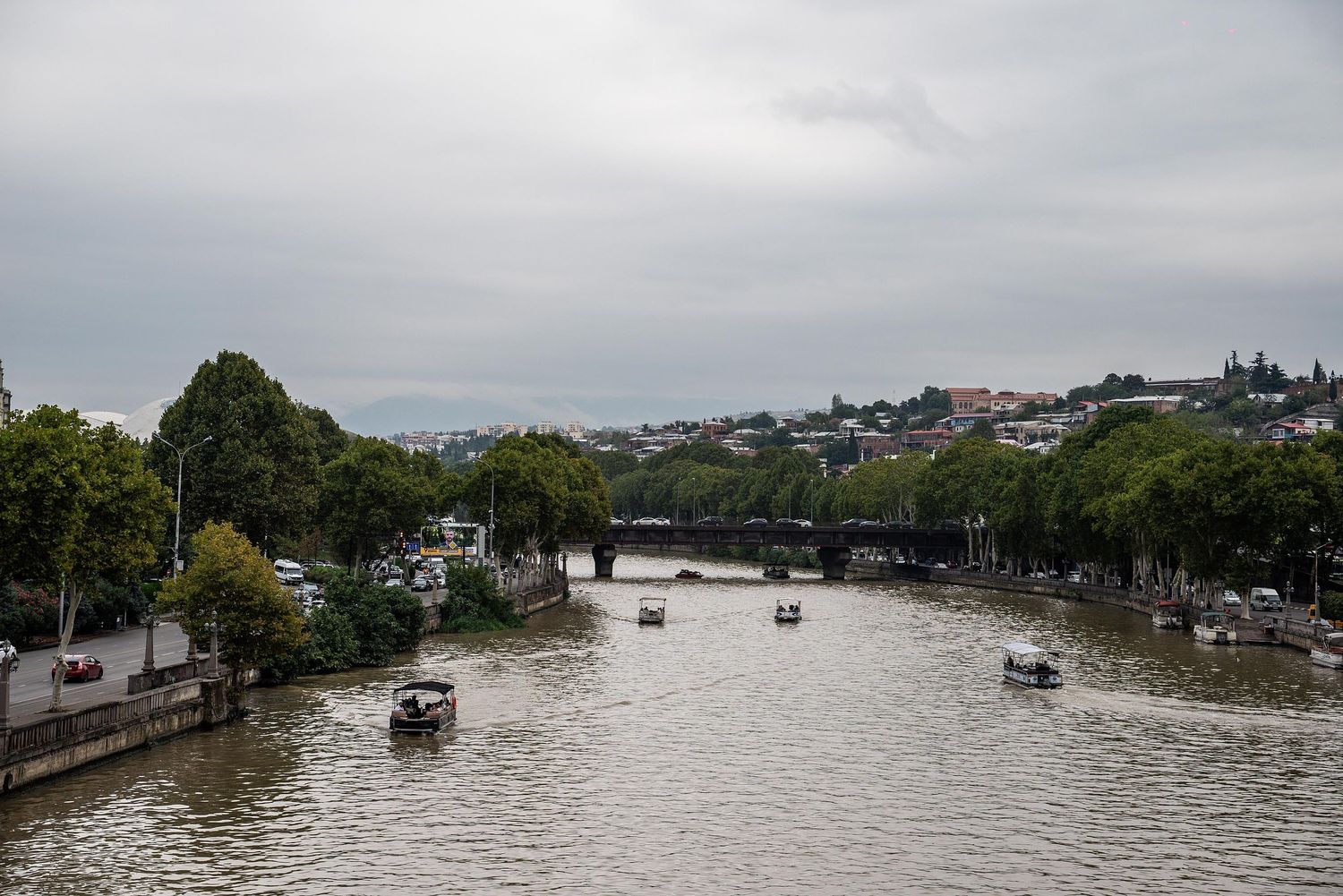
How to Get to Tbilisi
Tbilisi International Airport serves as the main gateway to Georgia’s capital. While it has traditionally been less connected than larger European hubs, its network is steadily improving. Currently, the airport receives direct flights from over fifty cities across Europe, the Middle East, and Asia. Popular connection points include Istanbul, Dubai, Athens, and Munich, which often offer multiple flights per week.
The airport is located around seventeen kilometres from Tbilisi city centre, and the journey by car or taxi typically takes about thirty minutes, depending on traffic. Private taxis and ride-hailing apps such as Bolt are widely available and offer a convenient, comfortable way to reach central hotels.
For budget-conscious travellers, the N.337 bus provides a direct connection from the airport to Tbilisi Train Station. The bus runs daily between seven in the morning and eleven at night, and fares can be paid easily by debit or credit card on board. From the train station, you can access the metro, taxis, or other public transport options to reach your accommodation.
While the airport is small, facilities include cafés, duty-free shops, and car rental services, making it relatively easy to navigate. Planning your transfer in advance, especially during peak arrival times, ensures a smooth start to your visit in Tbilisi.
Getting Around Tbilisi
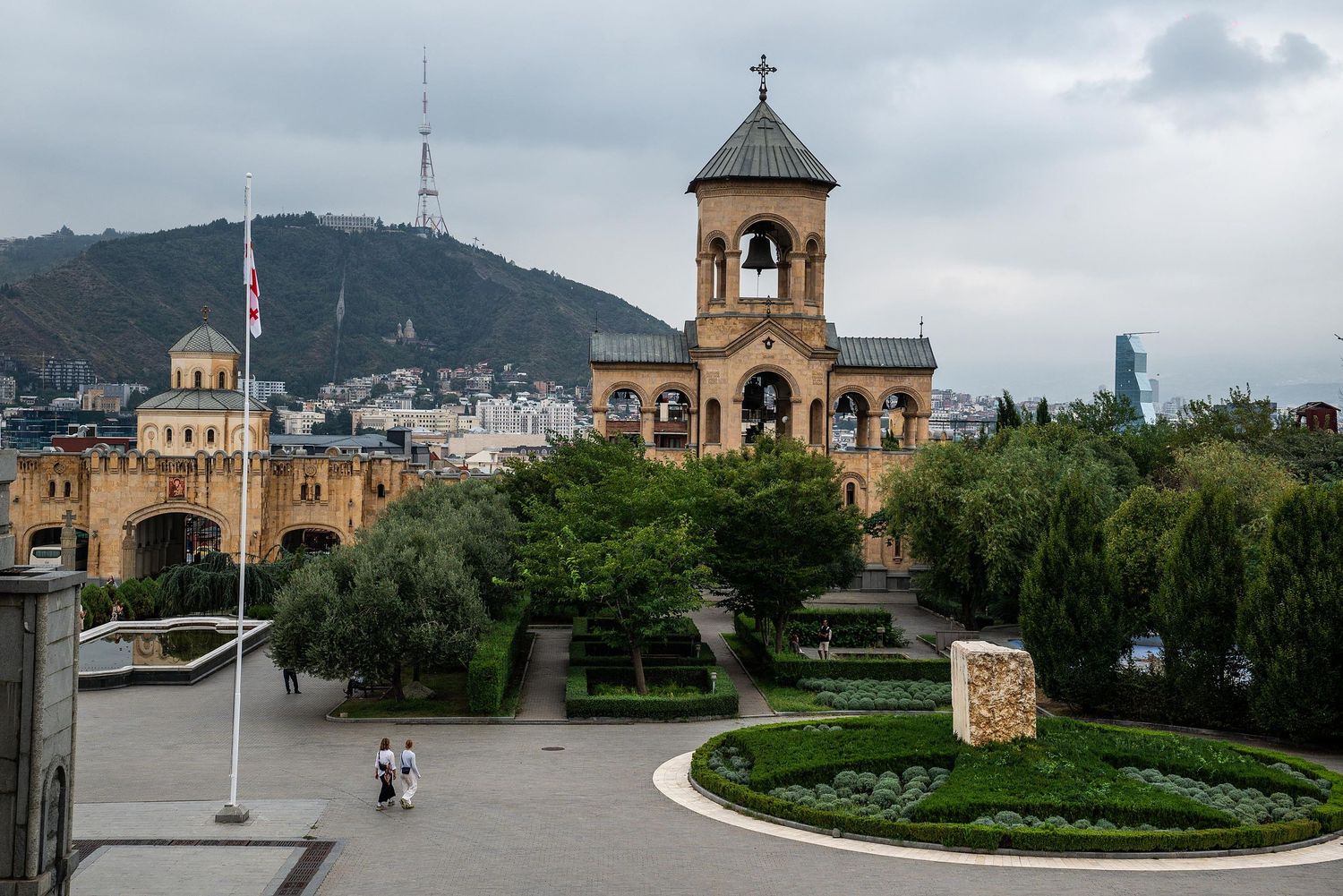
Getting Around Tbilisi
Tbilisi is a city that is best explored on foot whenever possible, particularly in the Old Town. The historic centre is compact and walkable, though it is hilly, so comfortable shoes are essential for wandering between sights. Walking allows you to discover hidden courtyards, charming streets, and local cafés that you might otherwise miss when using transport.
For longer journeys or if you are staying outside the city centre, Tbilisi’s metro is a fast and convenient option. The network is small but efficient, linking the main districts and key attractions. Metro tickets are inexpensive and can be purchased from machines or kiosks at each station.
Taxis are the most practical way to reach destinations further afield, such as the Chronicles of Georgia, Mtatsminda Park, or the Tbilisi Sea. It is important to agree on the fare before setting off, as not all drivers use a meter. Ride-hailing apps like Bolt and GoTrip are widely used in Tbilisi and offer reliable, cashless, and transparent pricing.
For those on a budget, buses and minibuses (marshrutkas) provide an affordable way to get around the city. They are mostly used by locals and can be crowded, slow, and occasionally confusing for first-time visitors, but they do cover a large part of Tbilisi and offer a very authentic experience of daily city life.
If you are planning multiple journeys in a day, combining walking with taxis or the metro is usually the most efficient approach. This way, you can explore the charming narrow streets of the Old Town at a relaxed pace while still reaching more distant landmarks without difficulty.
Where to Stay in Tbilisi
For the full Tbilisi experience, there is no better place to stay than the Old Town. This historic quarter is the heart of the city, full of winding alleyways, colourful wooden balconies, and hidden courtyards that seem to appear around every corner. Staying here allows you to soak up the atmosphere, wander on foot between cafés, galleries, and landmarks, and enjoy the city’s unique charm at a leisurely pace.
We chose an Airbnb in the Old Town, which proved to be the perfect base. It was peaceful yet within easy walking distance of the main attractions. One of the unexpected delights was the friendly cats that roamed the courtyard, often keeping us company while we relaxed. If you enjoy a quieter, more traditional stay with a local feel, an apartment or guesthouse in this area is highly recommended.
For other types of accommodation, Tbilisi offers something for every taste and budget:
- Luxury Stay – Stamba Hotel: A stylish boutique hotel located in a former Soviet-era printing house. It combines contemporary design with historic architecture and is especially popular for brunch and its vibrant, artistic interiors.
- Mid-Range Option – Communal Sololaki: A cosy, artsy guesthouse in the Sololaki district. Its beautifully curated interiors and welcoming atmosphere make it ideal for travellers who appreciate charm, character, and a personal touch.
- Budget-Friendly – Fabrika Hostel: More than just a hostel, Fabrika has been transformed into a creative hub with cafés, bars, and shared spaces that make it perfect for meeting other travellers. The courtyard is lively and colourful, offering a true sense of Tbilisi’s modern, youthful energy.
Other areas worth considering include Vera and Rustaveli, both close to the city centre and well connected by metro, offering quieter streets, boutique hotels, and easy access to cultural attractions.
Wherever you choose to stay, Tbilisi’s compact layout makes it easy to explore on foot or with a short taxi ride, so you can enjoy both the historic charm of the Old Town and the more modern parts of the city.
How Many Days to Spend in Tbilisi
How Many Days to Spend in Tbilisi
To fully appreciate Tbilisi and its main attractions, plan to spend two to three days in the city. This allows enough time to wander through the Old Town, visit landmarks such as the Mother of Georgia and Narikala Fortress, explore markets and museums, and enjoy the city’s cafés and restaurants at a relaxed pace.
If you want to follow this guide in full and experience all the sights, three days is ideal. This gives you the opportunity to explore the Old Town in depth, enjoy panoramic viewpoints, stroll through the Botanical Gardens, soak in a traditional sulphur bath, and dine at some of the city’s best restaurants. You will also have time to wander off the beaten track and discover quieter streets, hidden courtyards, and local gems.
For travellers staying longer in Georgia, a week or more allows for day trips beyond Tbilisi. You could explore the scenic wine region of Kakheti, the historic town of Mtskheta, or the mountains of Kazbegi and Gudauri. These excursions provide a wonderful contrast to city life and showcase Georgia’s stunning landscapes, historic architecture, and charming villages.
Ultimately, the number of days you spend in Tbilisi depends on your pace and interests, but even a short visit of two days will give you a memorable introduction to the city’s culture, history, and vibrant atmosphere.