Travelling to Yangon in 2026
Travelling to Yangon in 2026 isn’t quite the same as hopping over to Thailand or Vietnam, and it’s important to be honest about that from the start. Myanmar is still a complex country to visit, but for travellers who do make the journey, Yangon remains one of Southeast Asia’s most fascinating cities.
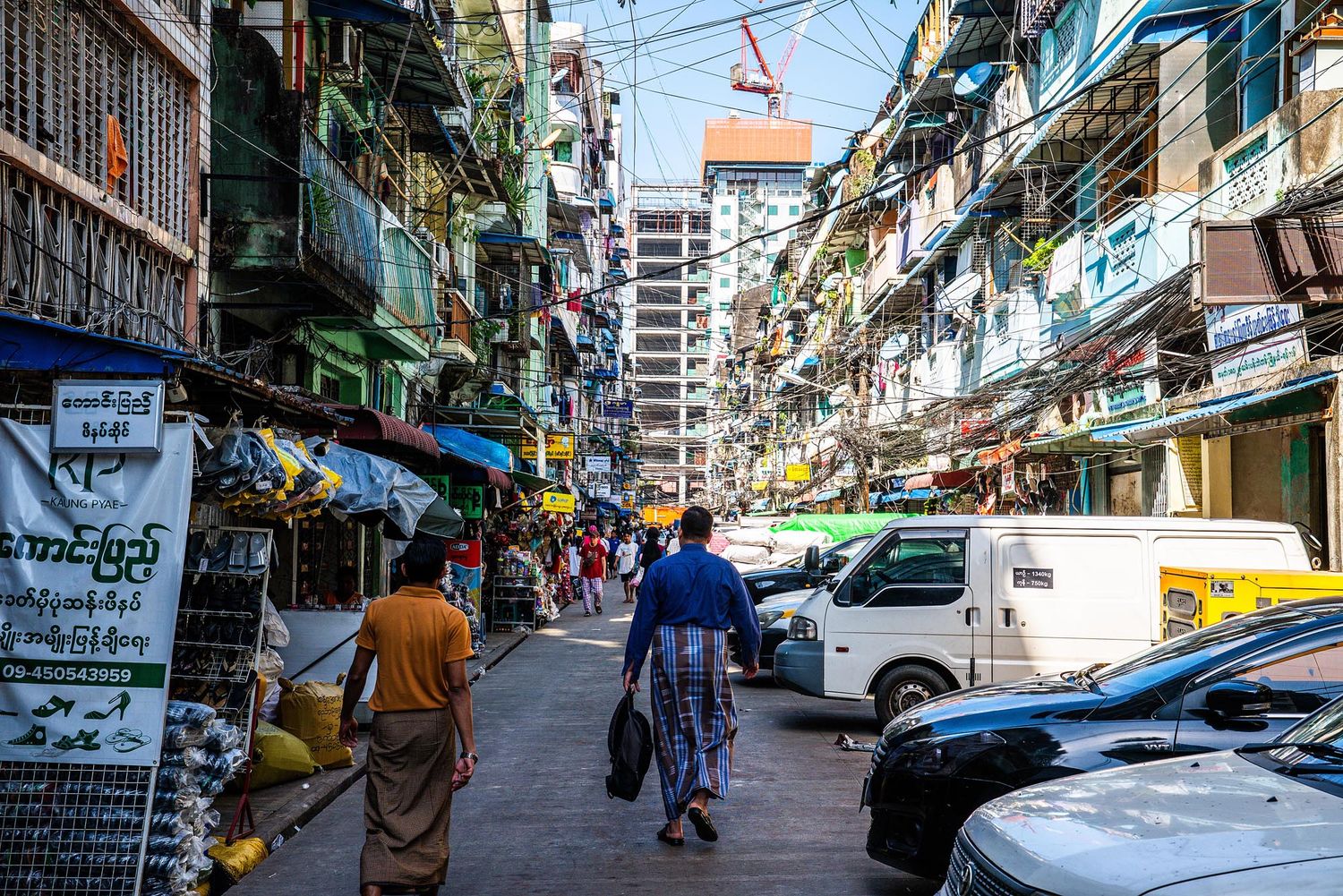
Yangon doesn’t feel polished or touristy. It’s busy, chaotic in places, and at times visibly worn, but that’s part of what makes it so interesting. Colonial-era buildings sit next to gold-covered pagodas, street food stalls spill onto pavements, and daily life carries on in a way that feels real compared to more tourist focused destinations in the region.
In 2026, travel to Myanmar requires a bit more planning and awareness than most nearby countries. Things don’t always work smoothly, information can change, and you need to be flexible. That said, Yangon itself felt welcoming, friendly, and surprisingly calm in many areas, especially once you get past first impressions.
Travelling to Yangon in 2026
In 2026, travel to Myanmar requires a bit more planning and awareness than most nearby countries. Things don’t always work smoothly, information can change, and you need to be flexible. That said, Yangon itself felt welcoming, friendly, and surprisingly calm in many areas, especially once you get past first impressions.
This guide isn’t about rushing through a checklist of sights. It’s about helping you understand what travelling to Yangon is actually like, from arriving at the airport, staying safe, handling money and admin, right through to costs, neighbourhoods, and whether trips like Dala are worth your time.
I’ll also share my own experience throughout. The aim is simple: give you clear, practical advice so you can decide for yourself whether Yangon is the right destination for you in 2026, and if it is, help you arrive prepared rather than guessing as you go.
Important Things to Know Before Visiting Yangon
There are a few things you really need to know before travelling to Yangon, as they can catch people out if they’re not prepared.
You will need a visa. There is no visa on arrival in Myanmar, so you must arrange this before you travel. The process is fairly straightforward if you use the official government website. I’d strongly recommend applying only through the official visa page, which you can find here:
https://evisa.moip.gov.mm/home
Curfews and night-time advice. At the time of my visit, there was a military curfew in place between 1am and 4am. We were also advised by hotel staff not to stay out later than 10pm, or 11pm at the very latest. This advice may change, so it’s worth asking your hotel or accommodation staff when you arrive, as they’ll have the most up-to-date and practical guidance.
About the current situation in Myanmar.
I’m not going to go into detail about the current political situation here. It’s something you should research yourself before travelling so you can make an informed decision. However, once you’re in Myanmar, it’s best to avoid researching or talking about it openly. Keep conversations light and travel-focused, and respect that it’s a sensitive topic for many locals.
Top Yangon Tips
Download Grab and use it.
Grab is your friend here. Taxis and rideshares aren’t as reliable as in other countries, but Grab works well in Yangon and is a simple way to get around without negotiating fares. You can also link your card to Grab to pay for your ride, which is helpful when you’re running low on local currency, as getting cash out can be a bit of a hassle. We were also advised by two separate locals that Grab is safer and cheaper than local taxis.
Your VPN isn’t going to work — unless it’s the right one.
A VPN is a must if you want to use WhatsApp, Gmail, Google Maps, Instagram, and more. However, not all VPNs work in Myanmar. I was recommended and used SpeedTop VPN throughout my trip, it’s free and worked just as well as the one I usually pay for.
Cash is king in Yangon.
Paying by card can be tricky, many places either don’t accept them, or the payment system doesn’t work consistently (trust me, I experienced the fear in the eyes of a cashier when I got my card out). ATMs are available (not that they always work), but the exchange rates are often better if you bring USD. If you do need to exchange cash, the airport rates are actually quite fair. I saw a lot of advice about using the “black market exchange rate,” but the rate I received at the airport was far better than what I saw other people get from the black market. It was also significantly better than the official rate. It’s a confusing mess.
Essential Travel Tips for Yangon
Arriving in Yangon: Airport Guide (RGN)
Before landing in Yangon, you’ll be given an arrival card on the plane. Make sure you bring a pen with you; otherwise, you’ll be borrowing one or waiting until after landing. The arrival card asks for your visa details, departing flight information, and your hotel address, so it’s worth having those details handy.
From my experience, the foreign border control line was very short, if not completely non-existent. Entry into the country was straightforward as long as you had the correct visa and your arrival card was filled in properly. There is no visa on arrival, so make sure this is sorted before you travel.
Once you’re through passport control, you’ll almost certainly be approached by someone offering currency exchange. Don’t panic, this isn’t a scam. As mentioned earlier in the blog, the exchange rate at the airport is actually quite good, and I was happy exchanging money there.
I’d also strongly recommend heading straight to the SIM counter. This is the easiest place to get a local SIM and get help setting everything up properly, including downloading a VPN that actually works in Myanmar. I usually rely on a pre-bought eSIM, but this wasn’t an option for Myanmar, so having someone help in person made things much smoother. Once you’re connected, you can order a Grab taxi and get into the city without hassle.
Arriving in Yangon: Airport Guide
Departing from Yangon Airport
Leaving Yangon Airport can be slower and more involved than what you might be used to. There’s a security scanner just to enter the airport building itself, similar to what you find in some Middle Eastern or North African airports.
You’ll almost certainly need to check in at the counter to get a paper ticket — a boarding pass on your phone isn’t enough to get through the next stage. You’ll also need to fill in an exit card to leave the country.
Before heading to border control, there’s a $5 departure fee that must be paid. Bring cash for this if you can. I did manage to pay by card, but it took a long time and turned into a slightly amusing situation involving three employees and one of them using their phone to hotspot the card reader.
Once the fee is paid, you can proceed through border control and then security to reach the gate area.
A Note on Flying AirAsia
I flew AirAsia on this trip, and both flights were delayed. That said, I actually like AirAsia. While their onboard safety checks aren’t as strict as I’m used to (things like checking seatbelts or tray tables before landing) I find the service and comfort better than many European budget airlines.
However, it’s worth noting that on my last trip to Asia, I took four AirAsia flights and every single one was delayed. Factor that into your plans and avoid tight connections where possible.
Mingalar Sky Premium Lounge
Yangon Airport Review
It’s not a luxury lounge by global standards, but given the alternatives in the terminal, it’s easily the best place to wait for your flight. If you have access through Priority Pass or your airline, it’s well worth using.
Safety in Yangon
Safety in Yangon
Overall, I felt safe in Yangon. Much like my trip to China, I did get a fair amount of attention, but it was overwhelmingly positive. People wanted to say hello, chat, or occasionally ask for a photo. The people in Yangon were genuinely friendly and welcoming, although that level of attention can add to the overwhelming feeling when walking around certain busy areas.
In terms of crime, Yangon felt no worse and in many ways better than a lot of European cities. As with much of Southeast Asia, the level of street crime is generally lower than many travellers expect.
When it comes to scams, I only experienced one situation where someone tried to overcharge me. This happened during my trip over to Dala Township, which I’ll talk about later in the blog. Aside from that, I didn’t encounter any aggressive scams or situations that made me feel uncomfortable.
The biggest safety concern for most travellers will be the current situation in Myanmar. This is something that requires independent research and personal judgement, and it’s not something a random person on the internet should be giving opinions or advice about. We’re all adults here, so I won’t labour the point too much.
That said, basic travel precautions go a long way. Use Grab where possible, be respectful, avoid photographing things you shouldn’t including certain buildings and people. Common sense and awareness will take you a long way in Yangon, just as they do anywhere else.
Things to Do in Yangon
Things to Do in Yangon (My Must-Do List)
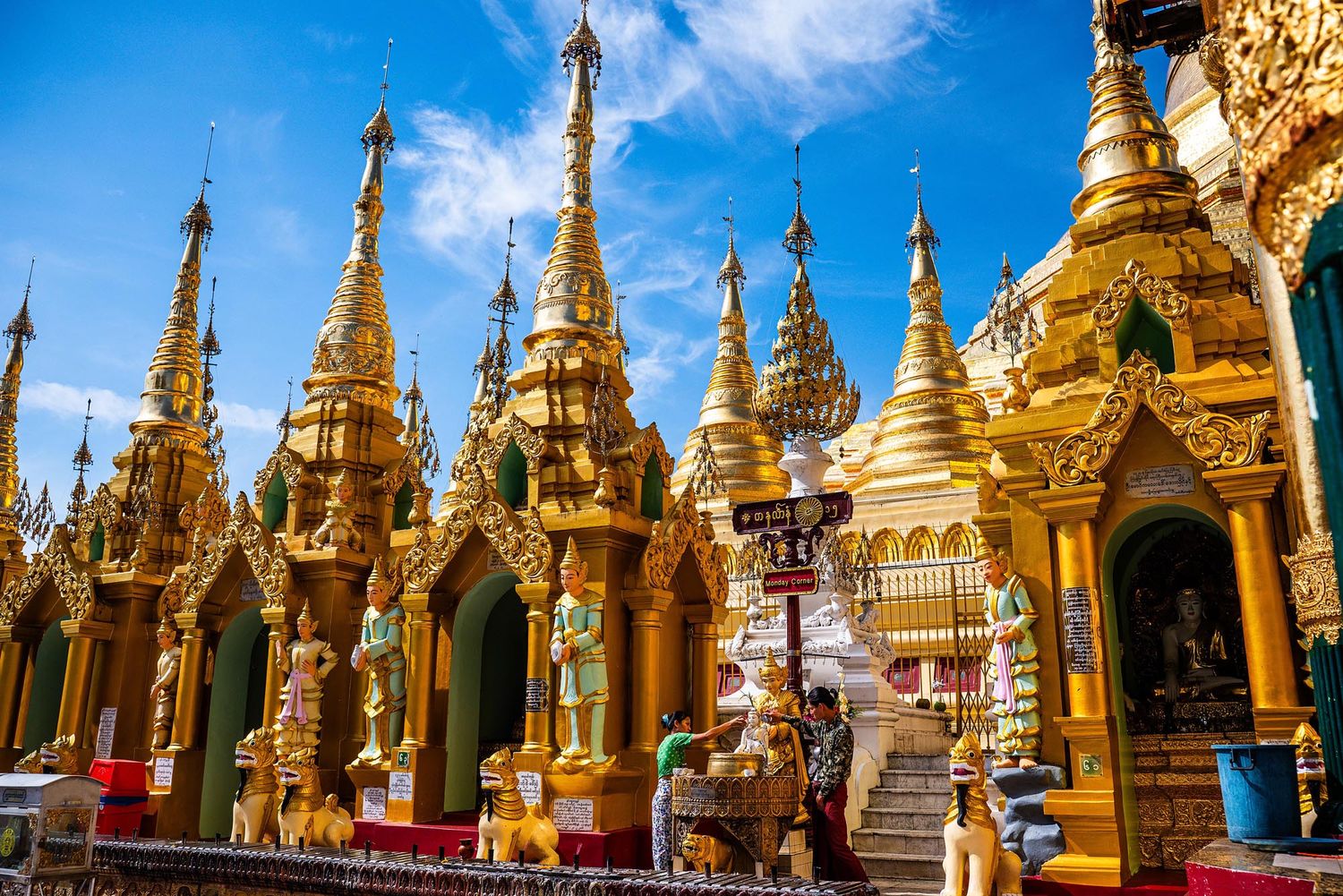
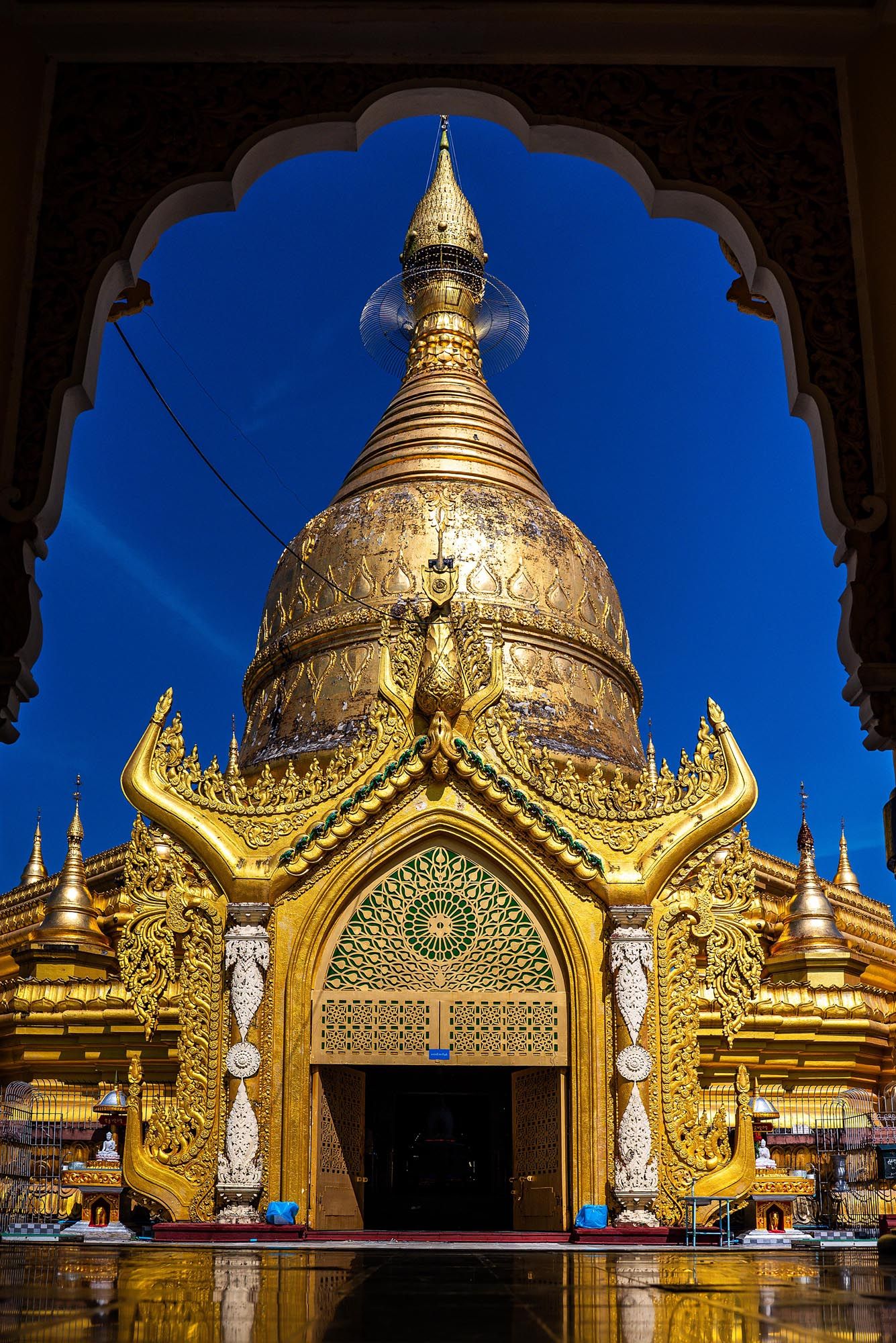
There are a lot of pagodas in Yangon, and while many of them are interesting and beautiful, some are definitely better than others. I’m not going to give a huge checklist of things to do — instead, these are the four things I genuinely think you should not miss.
Things to do
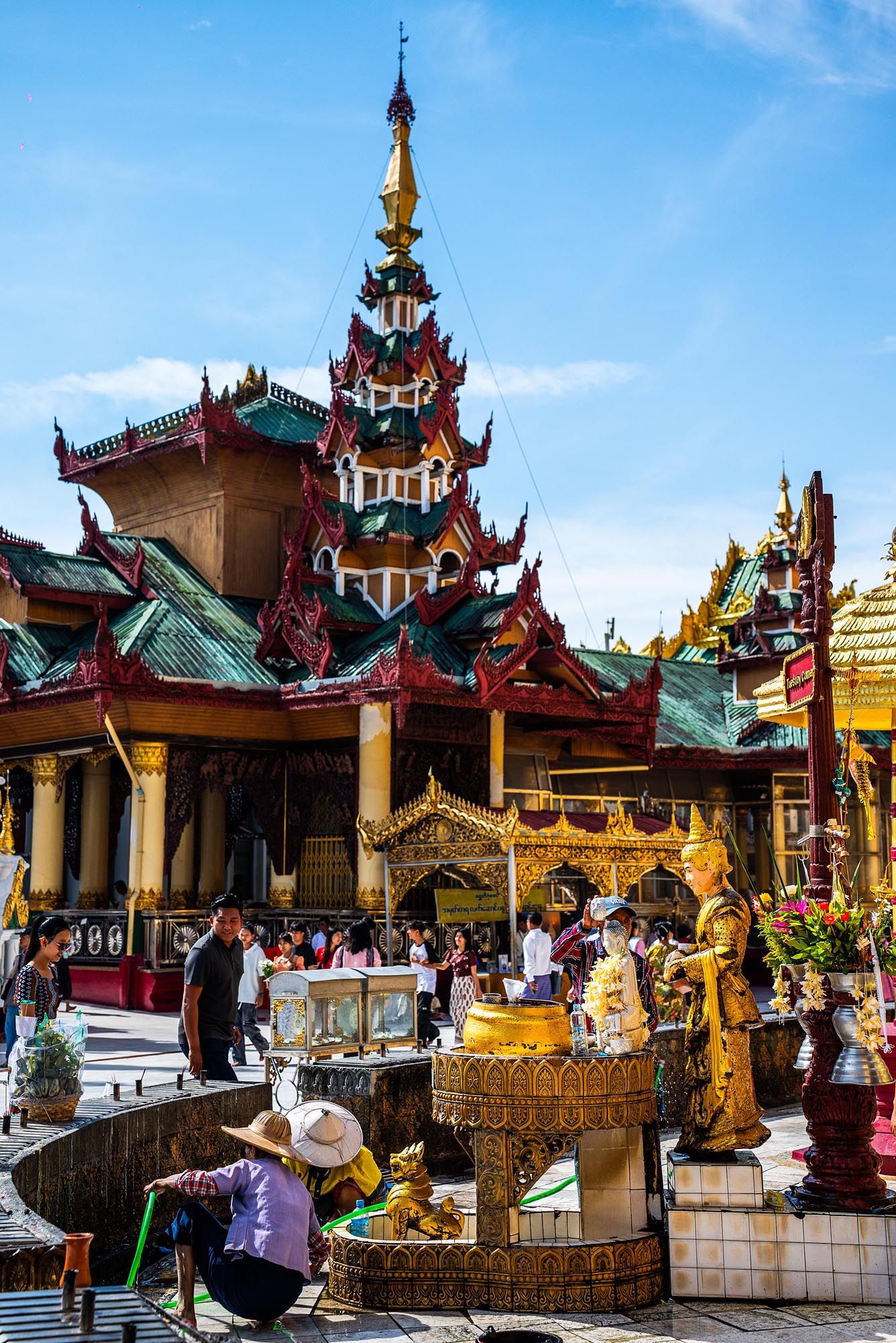
Shwedagon Pagoda
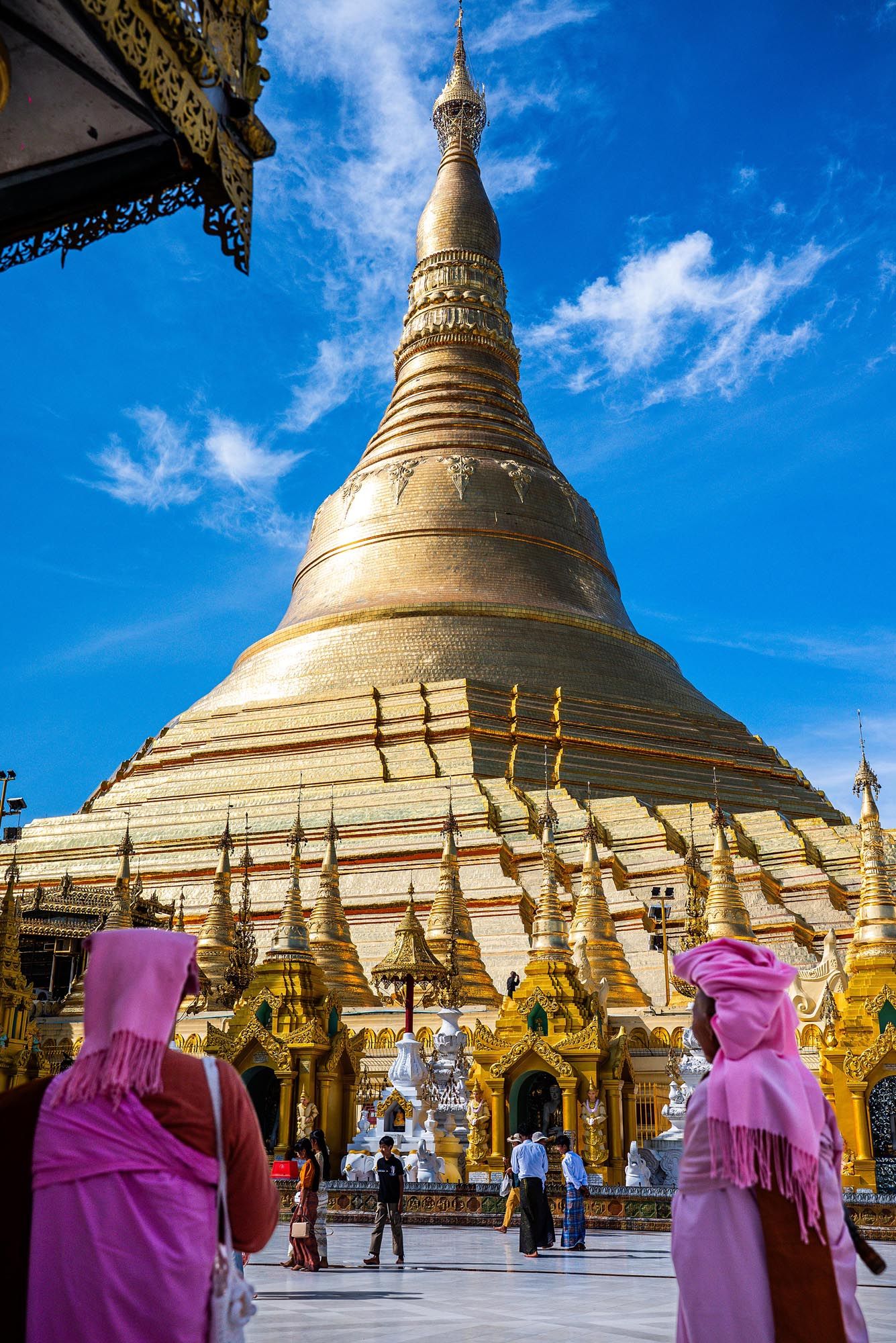
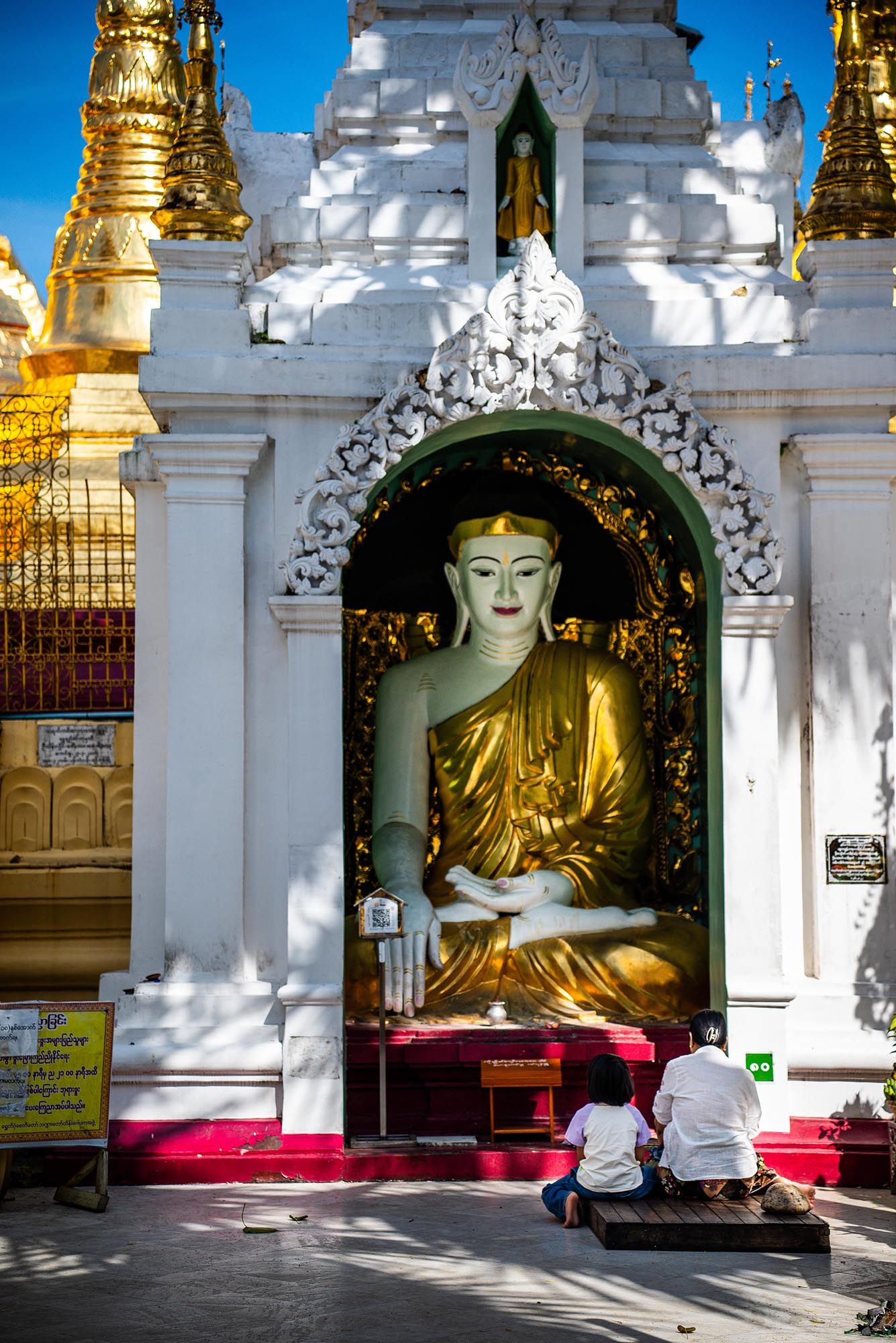
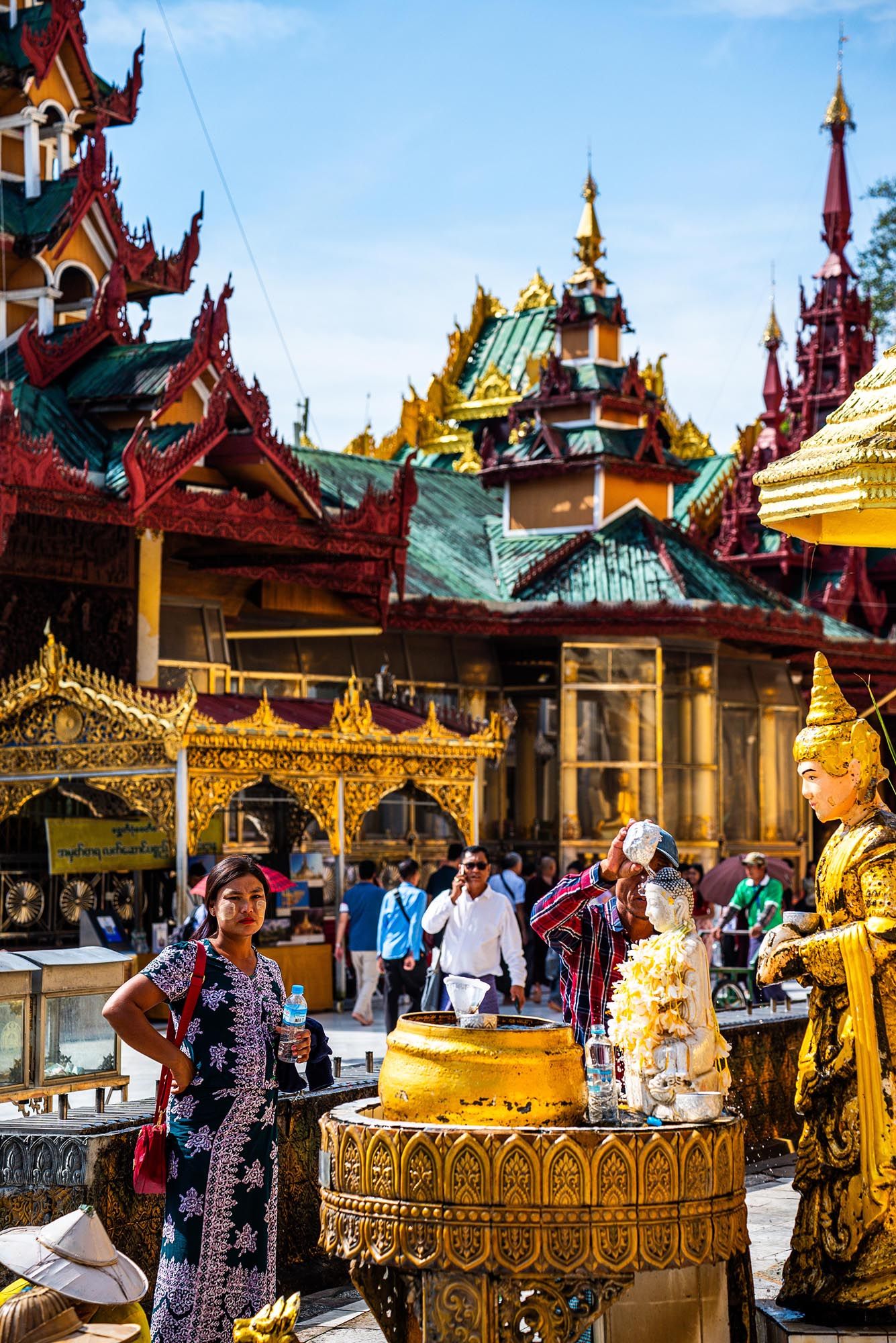
The first one, and you would be clinically insane to skip it, is Shwedagon Pagoda. It’s one of the most amazing places I’ve ever visited and easily one of the top if not the top pagodas or temples I’ve seen in Southeast Asia.
Make sure you dress modestly and be prepared to walk around barefoot. This isn’t a place you want to rush. There’s a lot to see, but more importantly, there’s a lot of atmosphere to soak up. Like many pagodas, there’s a fee of 10,000 kyat if you want to use a large, professional-style camera (like the one I use).
Things to do
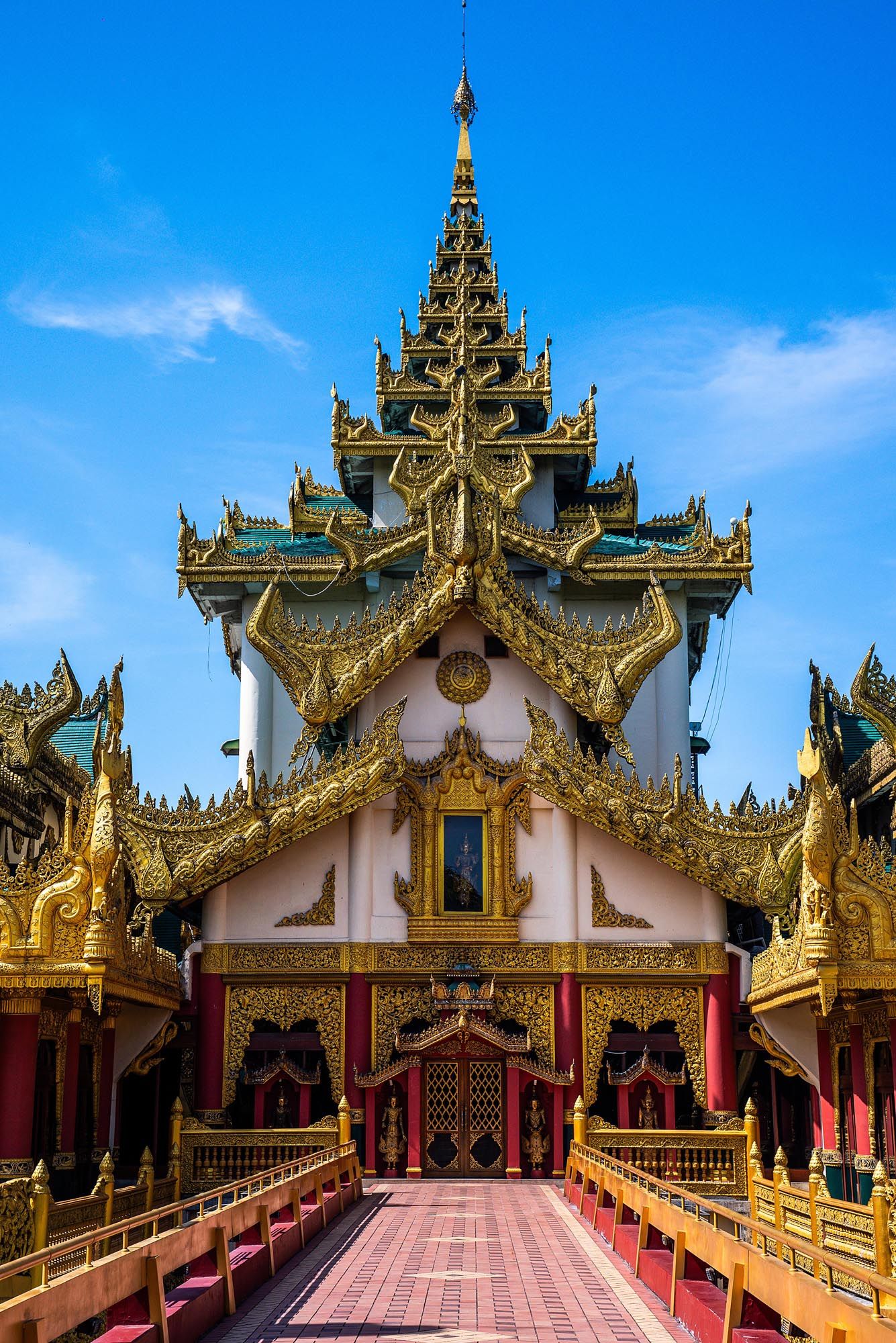
The second recommendation is having lunch or dinner at Karaweik Palace Restaurant. It’s hard to believe this place is actually a restaurant. While the food was good rather than outstanding, the building itself — and the experience of eating there makes it well worth a visit.
Things to do
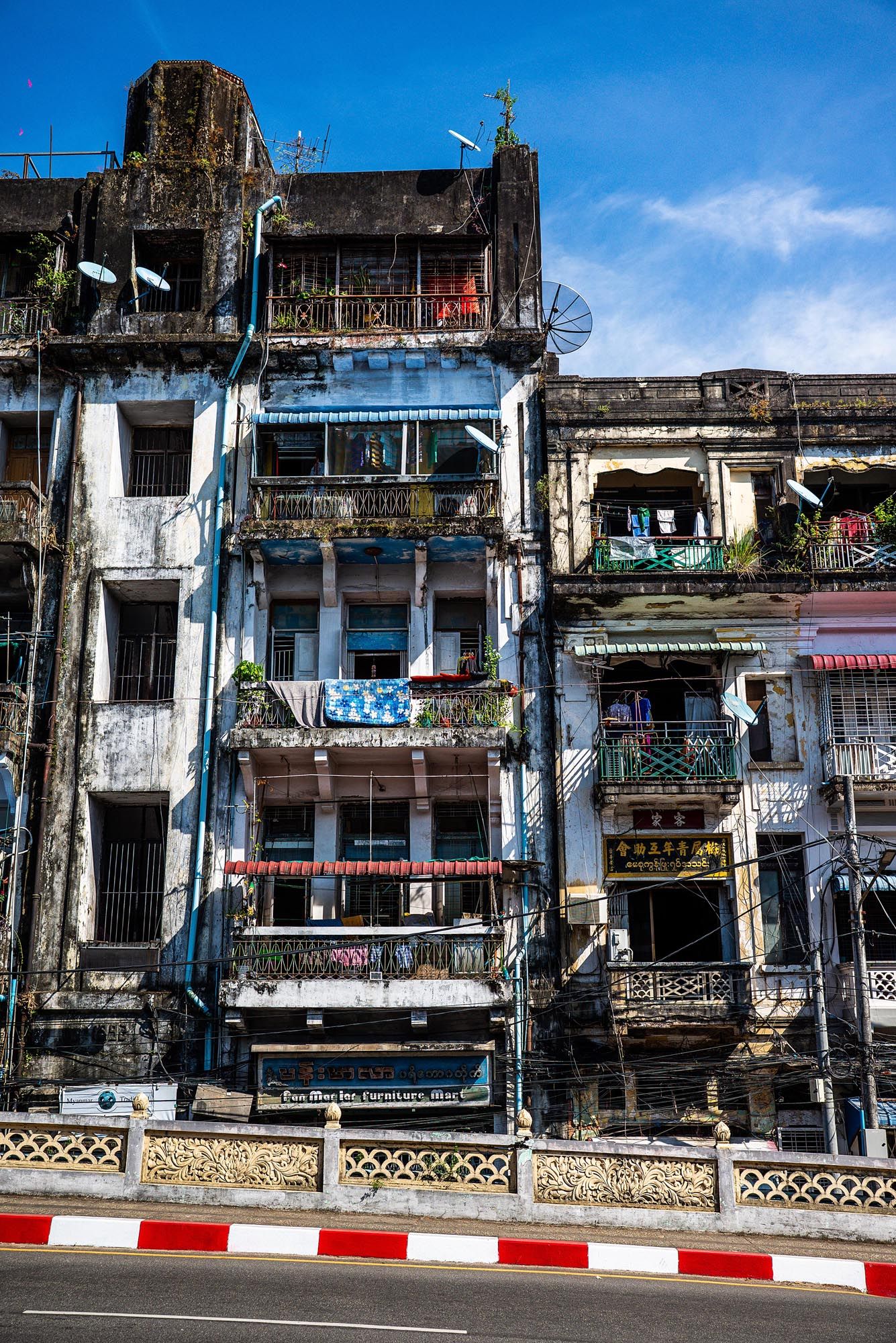
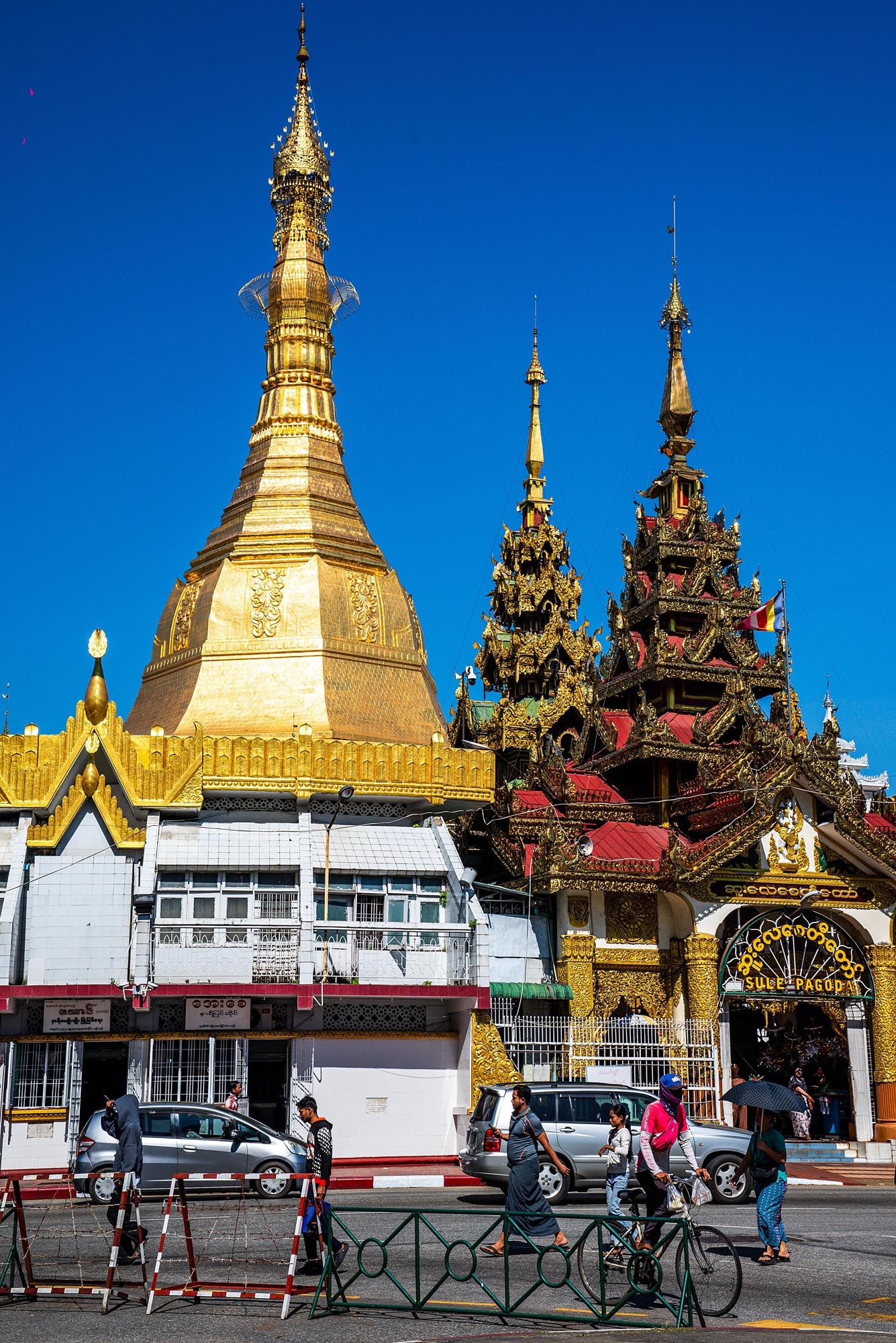
Next, spend time simply walking around downtown Yangon. This is where the city really comes alive. It’s busy, messy in places, and full of character, with colonial buildings, street markets, and everyday life happening all around you.
Things to do
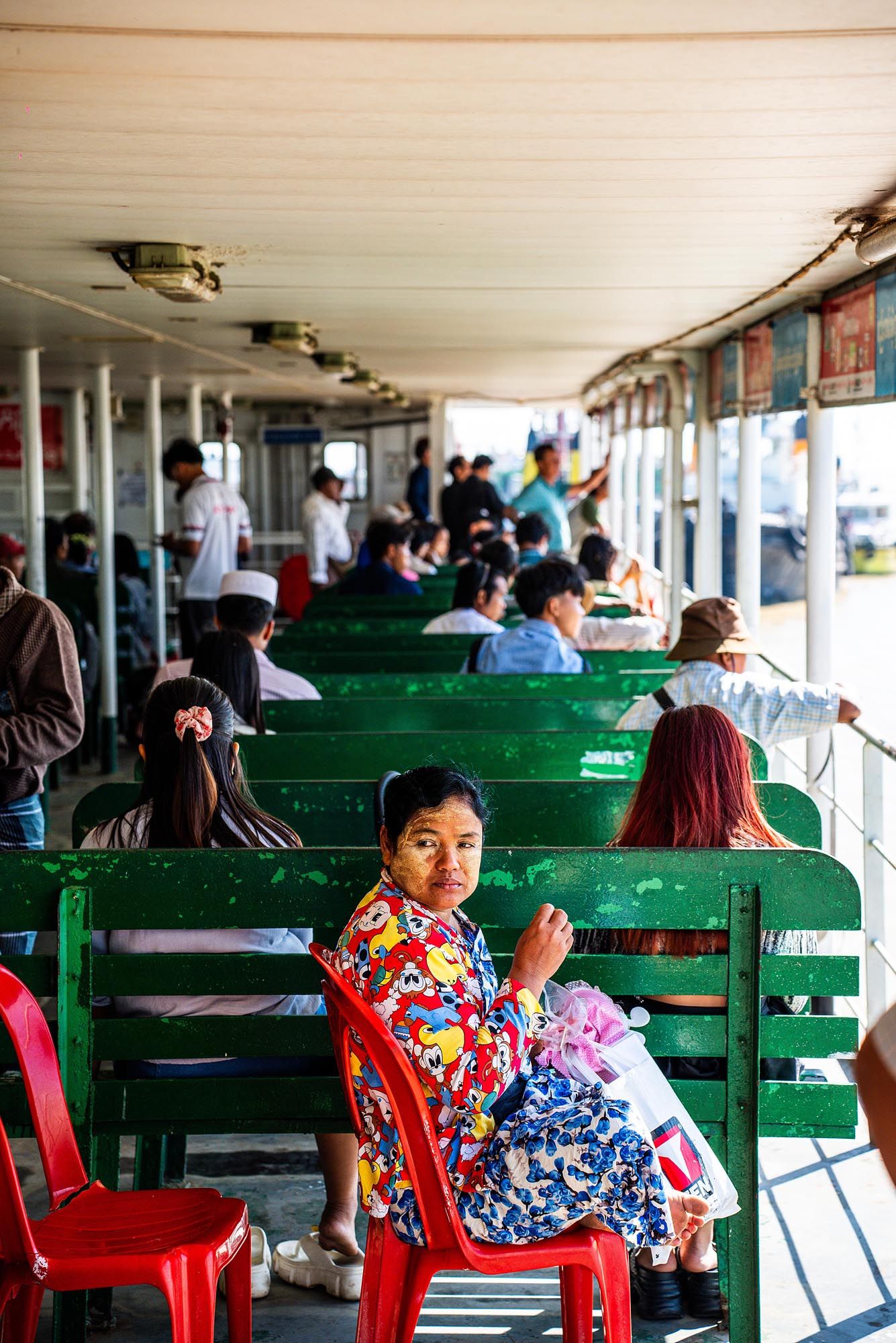
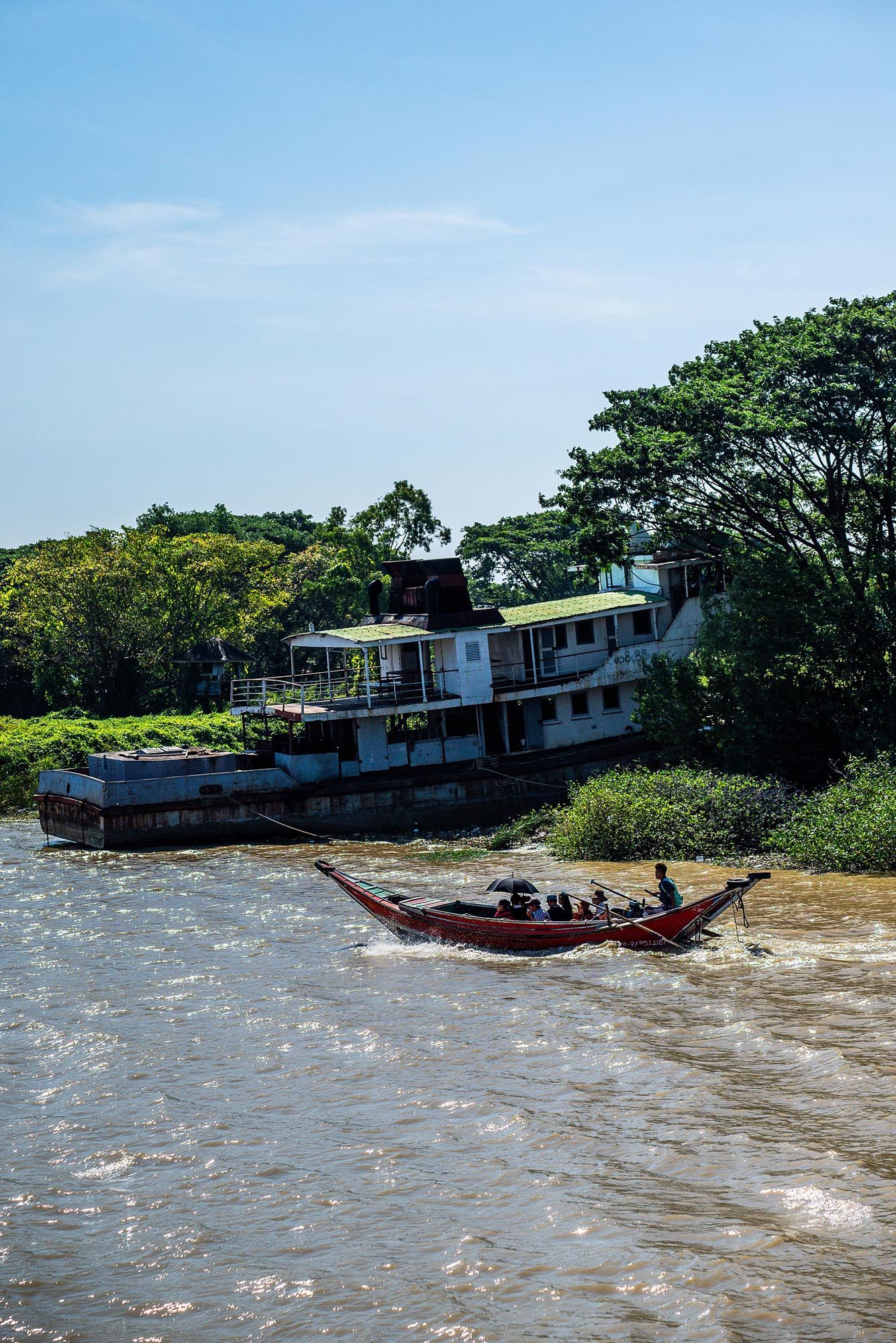
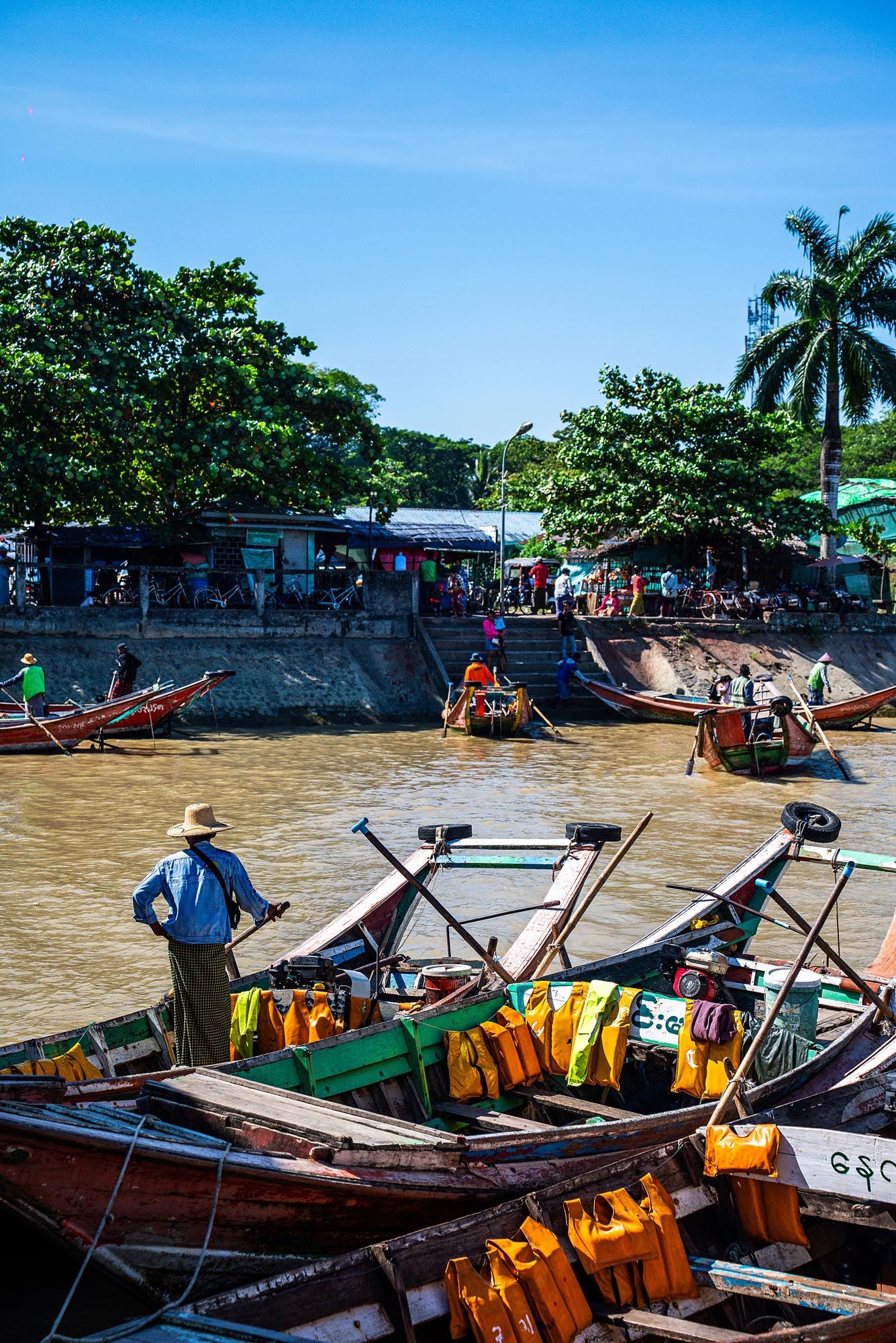
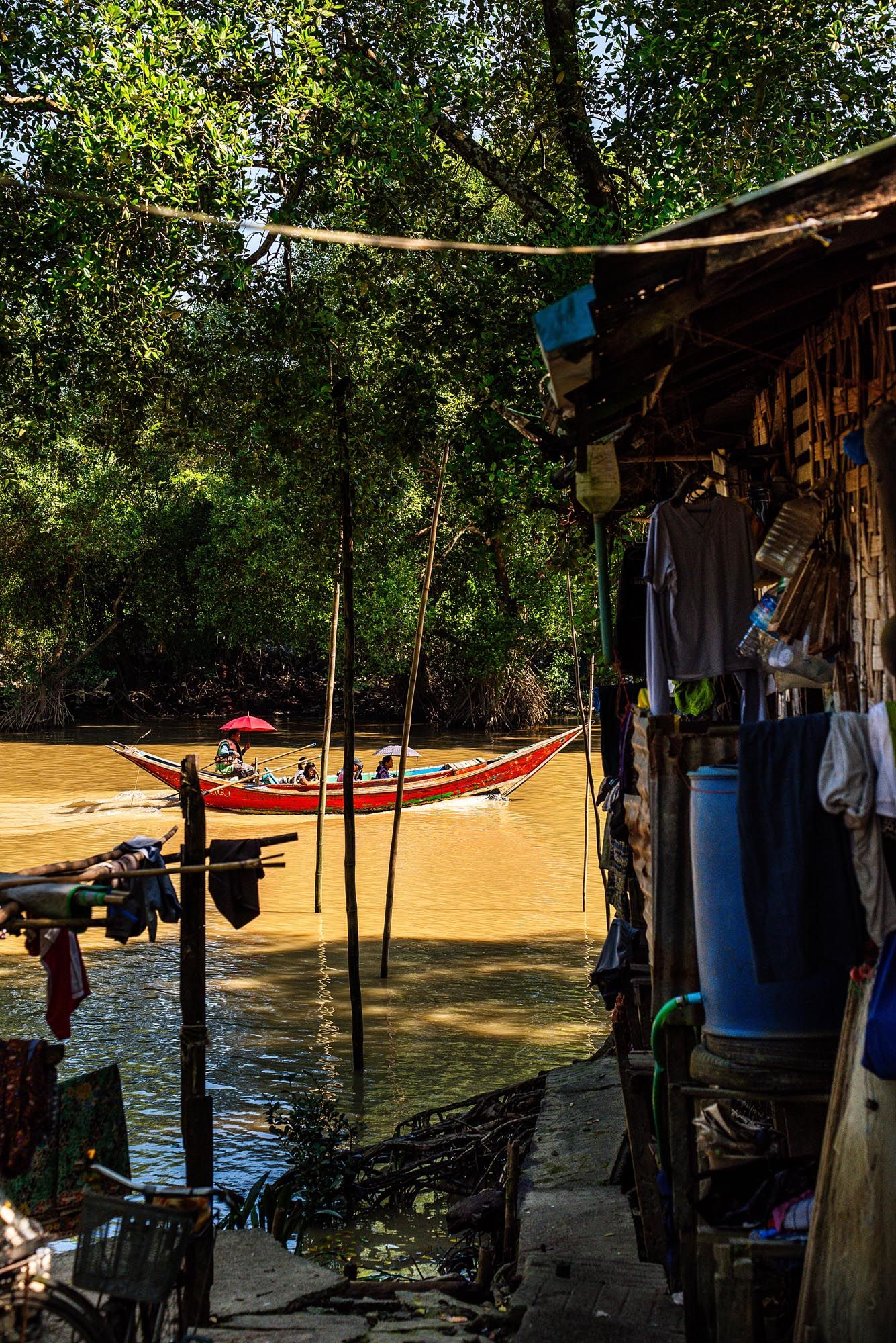
Finally, take the ferry across to Dala Township. It offers a very different view of life just across the river and is an experience in itself. There are a few things worth knowing before you go, which I’ll cover in more detail later in this blog here
Cost of Travelling in Yangon
Yangon is still a relatively affordable city to visit, especially when it comes to accommodation and day-to-day costs, as long as you’re prepared to use cash for most things.
Accommodation
Hotel prices in Yangon are very reasonable for the quality you get. You can expect to pay around £30 / $38 per night for a highly rated 3-star hotel, while £60–£70 / $75–$88 per night will get you a very high-standard 5-star hotel.
I personally stayed at the Pan Pacific Yangon, paying around £45 / $56 per night. It offered excellent value for the standard, and you can find my full review here:
For general day-to-day spending, I averaged around $30 / £24 per day in cash, not including Grab or taxis. This covered food, drinks, entrance fees, and small expenses without feeling restricted.
I also used my card at the hotel for a few nicer dinners, which helped keep cash usage down where possible.
If you’re budgeting around $50–$60 / £40–£48 per day, you can live very comfortably in Yangon, even allowing for occasional taxis, café stops, and sit-down meals.
Cost of Travelling in Yangon
Where to Stay in Yangon
Downtown Yangon
Downtown is the most convenient area for first-time visitors. It’s busy, noisy, and a bit chaotic, but you’ll be close to markets, colonial buildings, street food, and transport links. If you want to be able to walk out of your hotel and immediately feel the city around you, this is the place to stay. Just be prepared for noise and crowds.
Bahan
Bahan is a popular area with travellers and expats and sits close to Shwedagon Pagoda. It’s a bit calmer than downtown, with more space, better-quality hotels, and a good selection of cafés and restaurants. This is a solid choice if you want comfort and a slightly slower pace without being too far from the main sights.
Sanchaung
Sanchaung is less touristy and feels more residential. It’s a good option if you want a more local experience while still having plenty of food options and easy access to the rest of the city by Grab. Accommodation here is often good value for money.
General Tips
Wherever you stay, air conditioning is a must — Yangon’s heat and humidity are no joke. I’d also recommend choosing a hotel with a good reputation for security and reliable power, as outages can happen. Being close to main roads helps when ordering Grab, and hotel staff are often your best source of up-to-date local advice, especially around transport and curfews.
Where to Stay in Yangon
The Pan Pacific Yangon
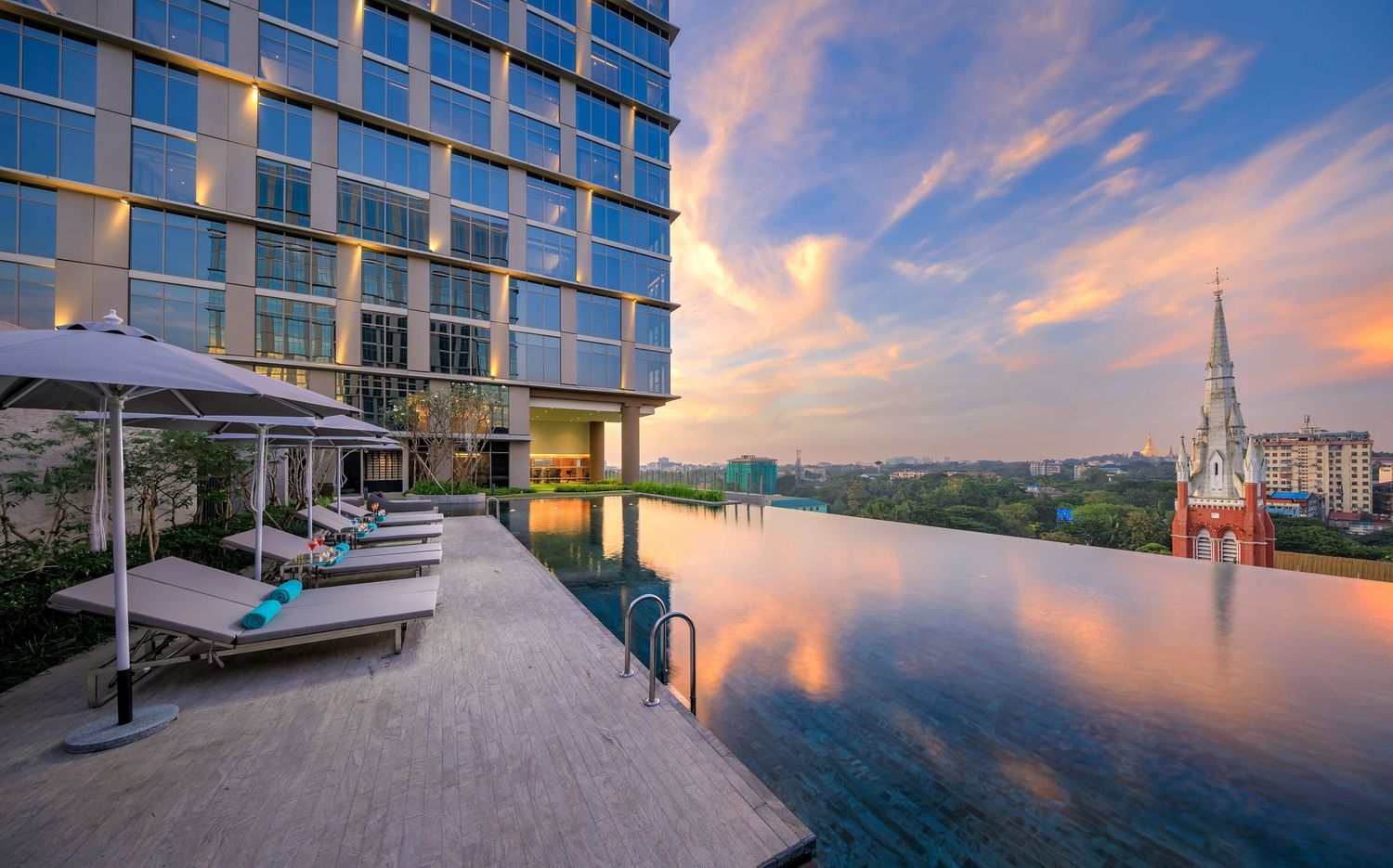
When booking a hotel in Yangon, I knew straight away that I wanted to stay somewhere high-end. Five-star hotels in Myanmar offer exceptional value for money, and the Pan Pacific Yangon stood out as a strong option — both for price and location.
The Pan Pacific Yangon is an excellent 5-star hotel offering outstanding value for money in one of the city’s most convenient locations. While the exterior is fairly understated, the interior immediately feels refined and high quality, with spacious, well-designed rooms, excellent facilities, and attentive service throughout. Highlights include the comfortable rooms with city views, a well-equipped gym, a good-sized pool, and an impressive breakfast that rivals far more expensive luxury hotels. Dining at the hotel is reasonably priced by international standards, and overall the Pan Pacific strikes a rare balance between luxury, comfort, and affordability, making it an easy recommendation for anyone looking to stay somewhere special in Yangon.
Dala
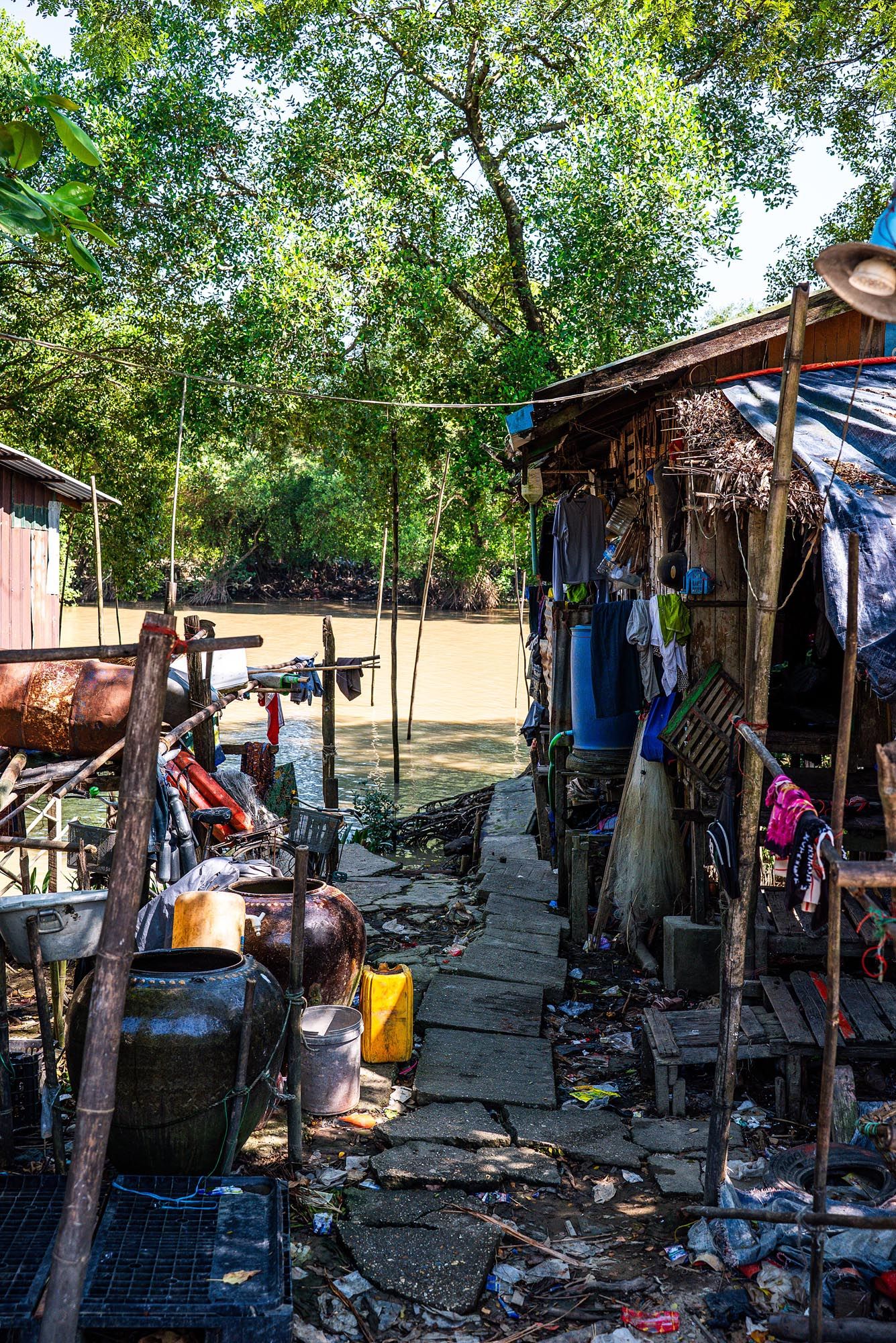
Visiting Dala Township was one of the most thought-provoking parts of my time in Yangon. Reached by a short ferry ride from downtown, Dala offers a raw and unfiltered glimpse into everyday life away from the city centre. While the area is often associated with scams and poverty, the reality is more nuanced, some streets are extremely poor, others far less so, and throughout it all the atmosphere felt lively, human, and surprisingly safe. Despite a minor overcharging incident, the experience of walking through local villages, visiting the fishing community, and interacting with residents made the trip more than worthwhile. Dala is confronting at times, but it’s also fascinating, memorable, and offers a perspective on Yangon that’s hard to forget