Ravenna is one of Italy’s most underrated cities — and one of its most fascinating. Located in the Emilia-Romagna region, Ravenna is world-famous for its breathtaking Byzantine mosaics, eight UNESCO World Heritage Sites, and deep historical roots stretching back to the Roman Empire.
Often overshadowed by nearby Venice and Florence, Ravenna offers a quieter, more authentic experience, where you can explore ancient basilicas, wander charming piazzas, and admire some of the finest mosaics in Europe without the crowds.
This complete Ravenna travel guide covers the best things to do, how to get there, how long to stay, and the best time to visit.
Ravenna at a Glance
- Best for: History lovers, art fans, UNESCO sites, quiet Italian cities
- Famous for: Byzantine mosaics and early Christian architecture
- How long to stay: 1 day for highlights, 2–3 days for a relaxed visit
- Walkability: Very walkable – most attractions are in the historic centre
- Top sights: Basilica di San Vitale, Mausoleo di Galla Placidia, Dante’s Tomb
- Best time to visit: May, June, and September
- Getting there: Easy train connections from Bologna
- Food to try: Cappelletti, piadina, Adriatic seafood
- Budget: More affordable than Venice
How to Get to Ravenna?
Ravenna is well-connected by both public transport and road, making it easy to reach from major Italian cities.
By Train: Ravenna is well-connected by regional trains to major cities like Bologna (1 hr 15 min), Florence, and Venice. The train station is a short walk from the historic center.
By Bus: Long-distance buses from companies like FlixBus and Marino offer an economical option, though they may take longer than trains.
By Car: Ravenna is easily accessible by car, located 80 km (50 miles) from Bologna, 110 km (68 miles) from Venice, and 160 km (99 miles) from Florence. It’s reachable via the A14 highway, with plenty of parking in the city.
By Plane: The nearest airport is Forlì Airport (FRL), 30 km (18 miles) away, with limited international flights. Alternatively, Bologna Guglielmo Marconi Airport (BLQ), about 1.5 hours away by car or train, offers more international connections.
Is Ravenna Walkable?
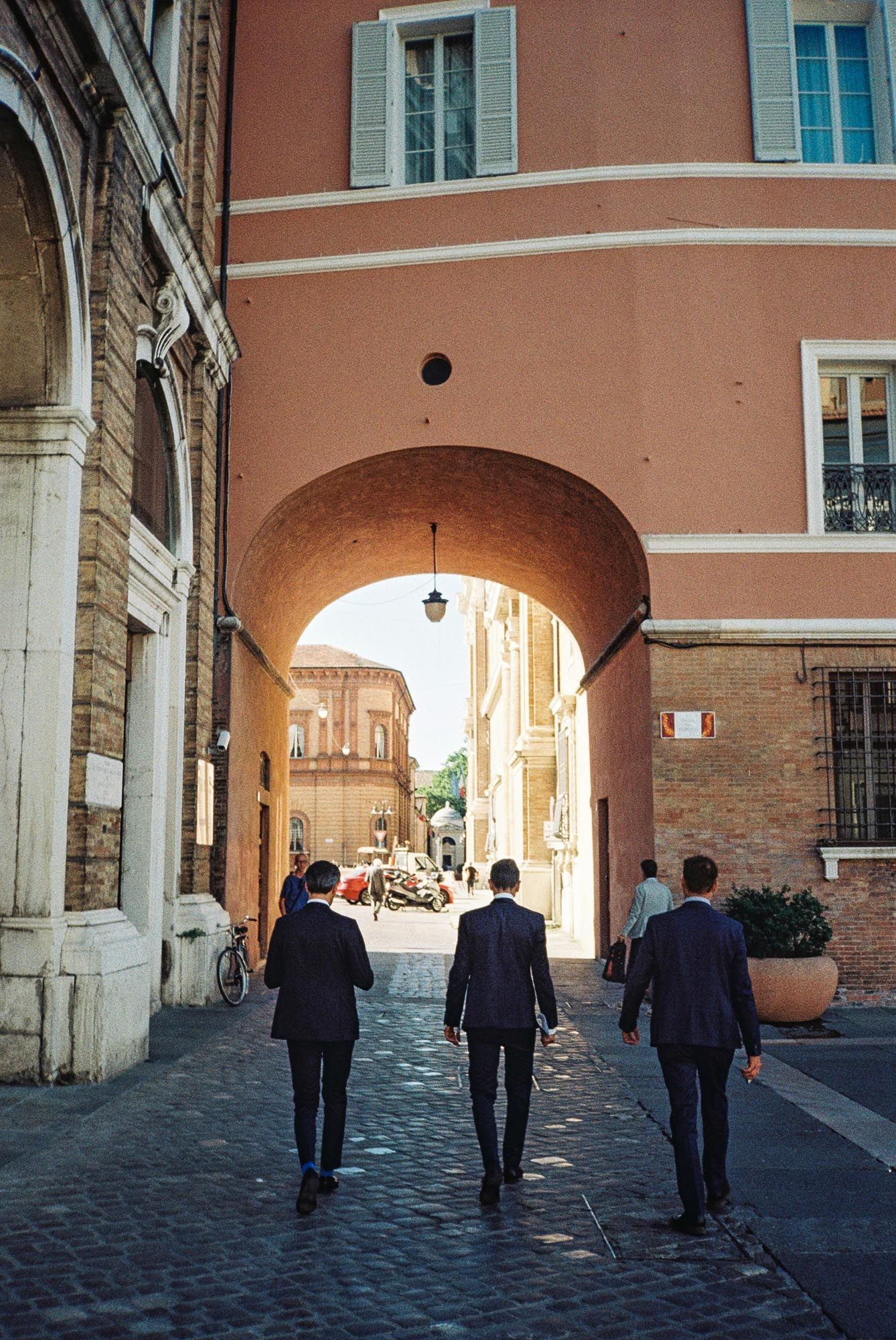
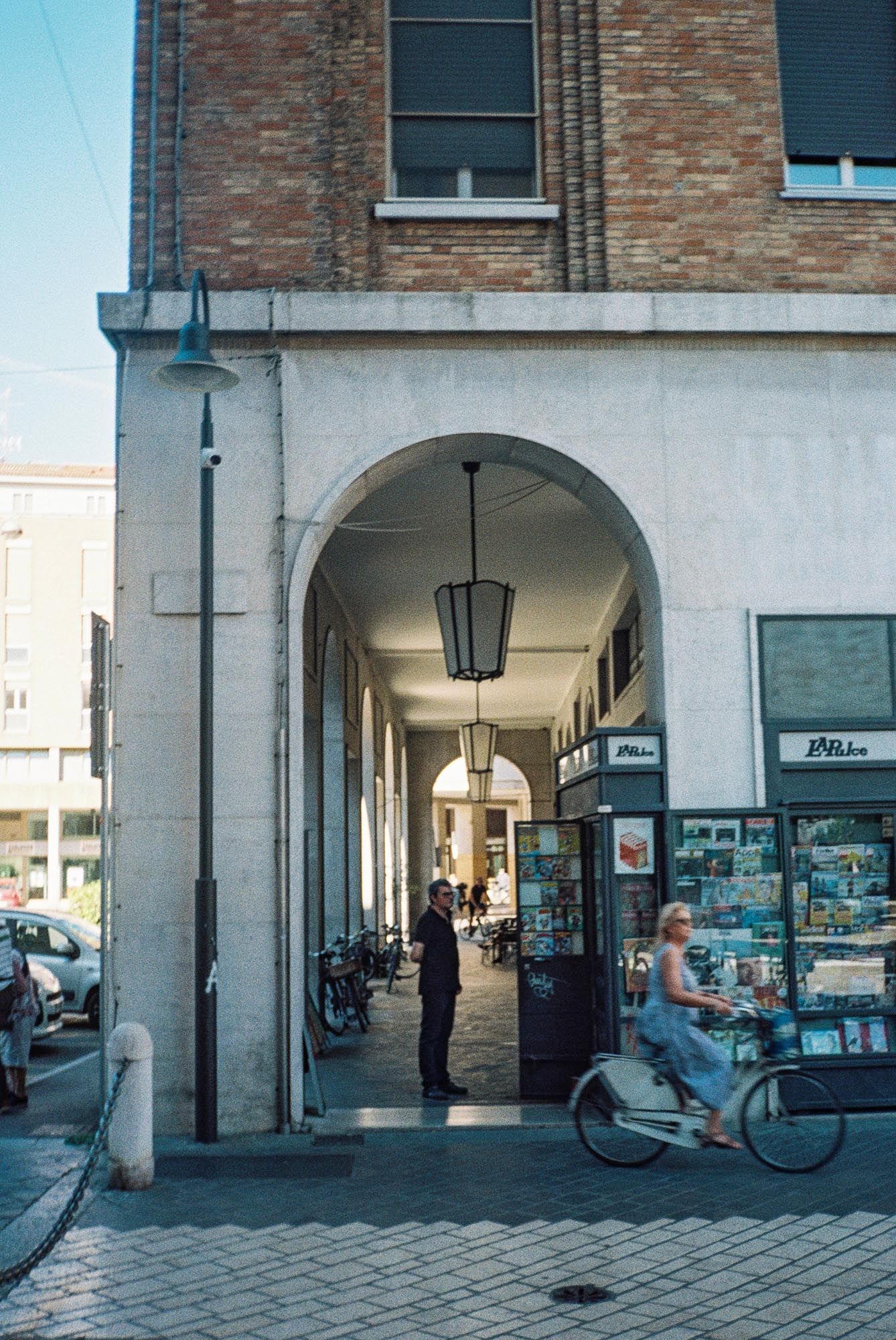
Yes, Ravenna is highly walkable. The city center is compact, and most of the major attractions, such as the Basilica di San Vitale, the Mausoleo di Galla Placidia, and the Tomb of Dante, are within walking distance of each other. Walking through the city’s charming cobblestone streets and quiet squares is part of the appeal of Ravenna. You’ll find it easy to stroll between historical sites, stop for coffee in a café, or explore the lovely shops and boutiques in the city center.
Ravenna also has bike-friendly paths, so if you prefer cycling, you can easily rent a bike and explore the surrounding areas, including nearby parks and the coastline.
How Much Time Do You Need in Ravenna?
The ideal amount of time to spend in Ravenna depends on your interests, but generally, 2 to 3 days is enough to experience the major attractions at a leisurely pace. This gives you time to visit the UNESCO-listed mosaics, explore the museums, wander through the historic center, and enjoy some of the local cuisine.
If you’re particularly passionate about art, history, or mosaics, you might want to stay a bit longer to fully appreciate the city’s many treasures. For those who are also looking to spend time at the beach or take a day trip to nearby towns, an additional day could be added to your itinerary.
Things to do in Ravenna
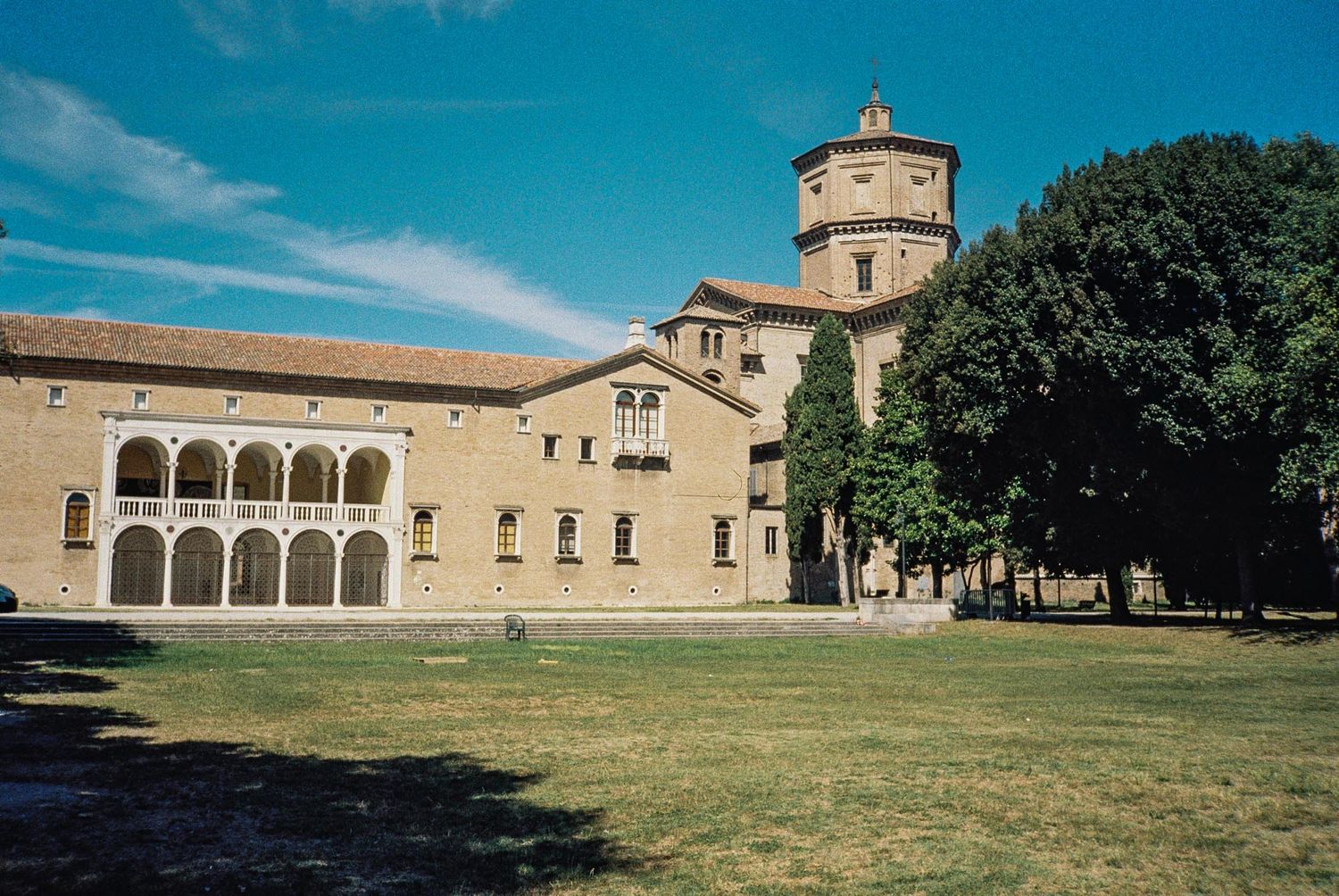
Ravenna may be small, but it’s packed with history. Best known for its breathtaking Byzantine mosaics and UNESCO World Heritage sites, the city also offers museums, ancient churches, peaceful piazzas, and the final resting place of Dante Alighieri. With most attractions located close together, exploring the best things to do in Ravenna is easy, whether you’re visiting for a few hours or a couple of days.
Marvel at Ravenna's Famous Mosaics
Basilica di San Vitale
One of the most iconic landmarks in Ravenna, the Basilica di San Vitale is a masterpiece of Byzantine architecture and art. The basilica’s interior is adorned with some of the most exquisite mosaics in the world, including a stunning depiction of Emperor Justinian and his court. These mosaics, dating back to the 6th century, are so impressive that they’ve earned the basilica a spot on UNESCO’s World Heritage list.
Mausoleo di Galla Placidia
Located just next to the Basilica di San Vitale, the Mausoleo di Galla Placidia is another must-see for mosaic lovers. This small, cross-shaped chapel is adorned with stunning mosaics depicting Christian iconography, including the famous starry sky that covers the dome. The vivid colors and intricate designs are some of the best-preserved mosaics from the early Christian period.
Basilica di Sant'Apollonia in Classe
A short drive from the city center, the Basilica di Sant'Apollonia in Classe is known for its spectacular mosaics, including one of Christ flanked by angels and saints. The basilica is situated in the ancient port of Ravenna, offering a serene atmosphere that allows you to fully appreciate the artistry of these early Christian mosaics.
Explore the Ravenna National Museum
If you’re interested in a deeper dive into the history of Ravenna, the Ravenna National Museum is a fantastic place to visit. Housed in the former Benedictine monastery of San Vitale, this museum showcases an impressive collection of art, archaeological finds, and historical artifacts, including ancient Roman sculptures, early Christian relics, and medieval works.
Discover the Baptisteries of Ravenna
Ravenna is home to several stunning early Christian baptisteries, each with its own unique set of mosaics and architectural features.
Baptistery of Neon: Known for its beautiful mosaic of the baptism of Christ, this is one of the oldest baptisteries in Ravenna, dating back to the 5th century. The mosaics inside are some of the most important examples of early Christian art.
Baptistery of the Arians: This less-visited site is another example of Ravenna’s rich history. It features a beautiful mosaic of Christ, surrounded by other Christian symbols and figures.
Visit the Dante Tomb and Museum
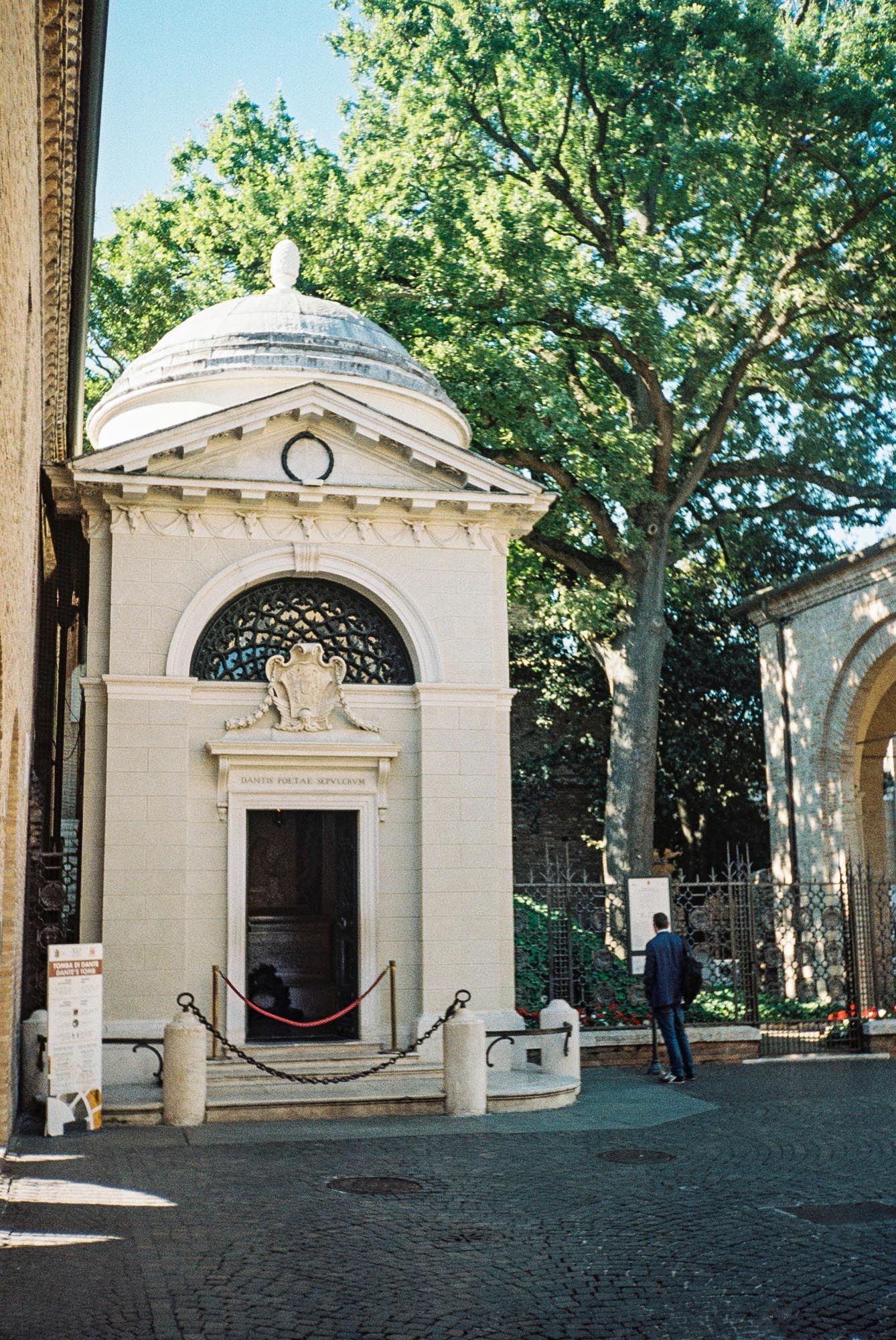
Ravenna is also the final resting place of one of Italy’s greatest poets, Dante Alighieri, best known for his Divine Comedy. The Tomb of Dante is a simple yet elegant structure, located in a peaceful square. Nearby, you can also visit the Dante Museum, where you’ll find exhibits dedicated to the poet’s life and works, providing a deeper understanding of his legacy and influence on Italian culture.
Take a Stroll through the Historic Center
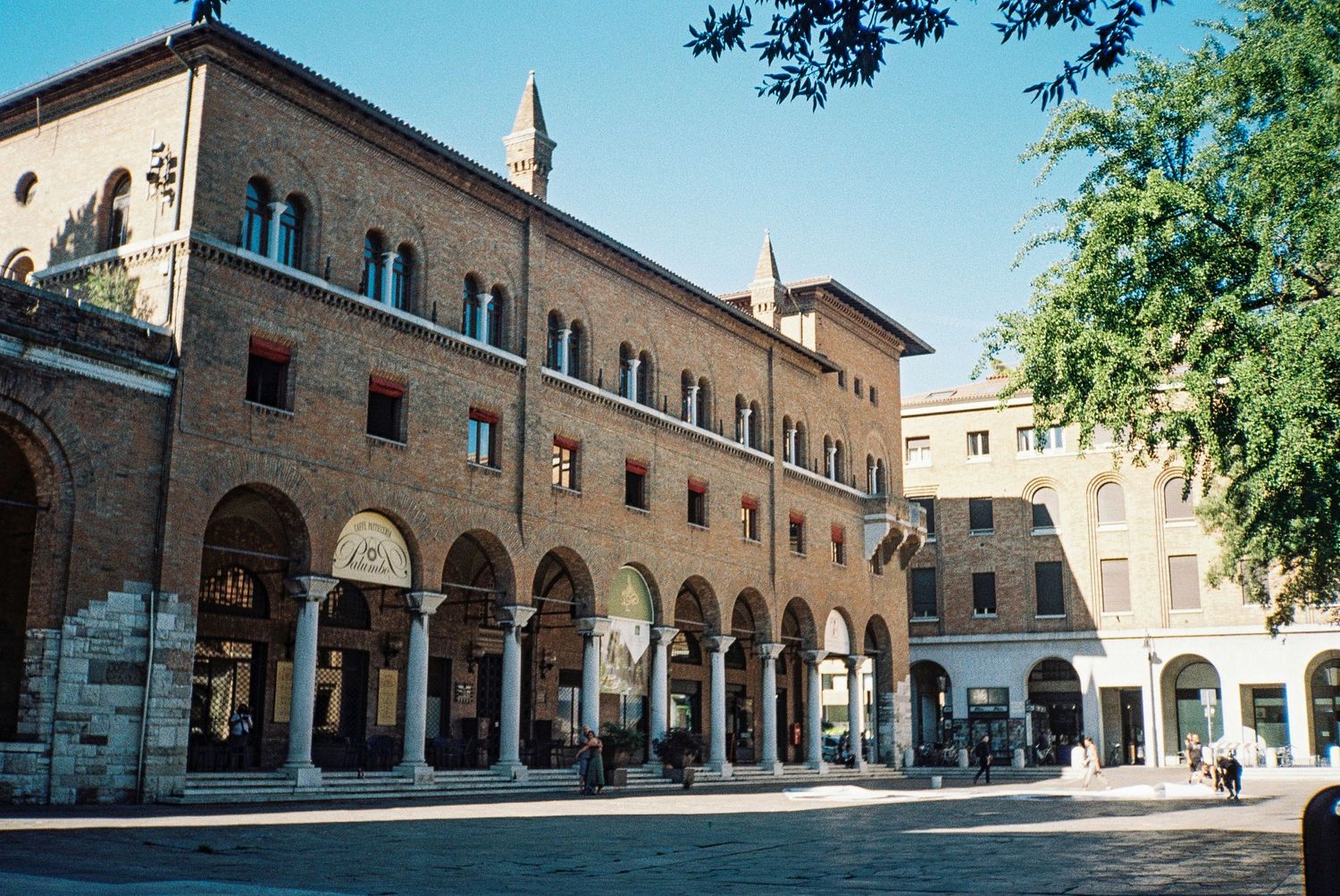
The historic center of Ravenna is a lovely place to wander, with its charming cobblestone streets, colorful buildings, and quiet squares. Highlights include:
Piazza del Popolo: A bustling square surrounded by historic buildings, including the Town Hall and the beautiful Clock Tower.
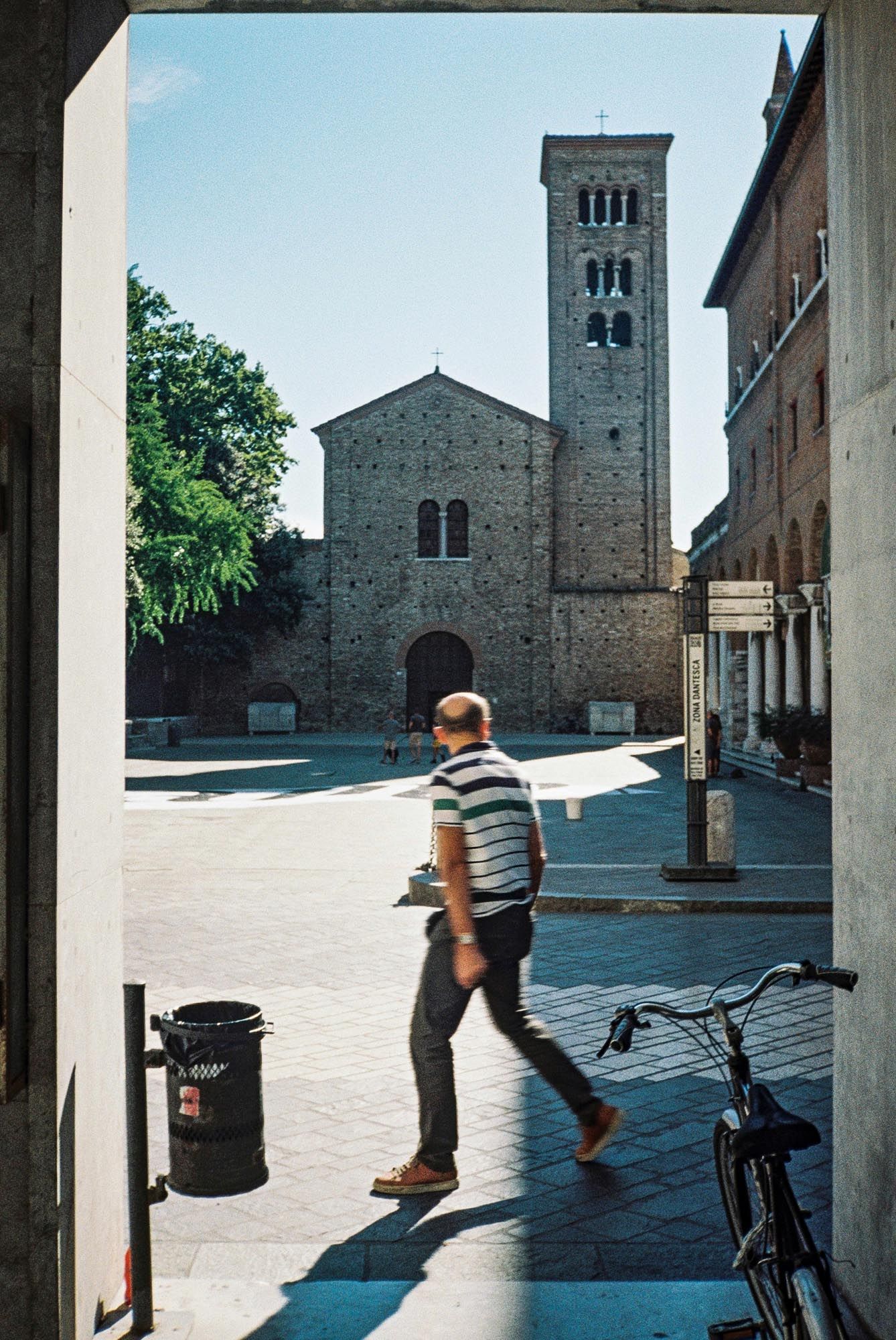
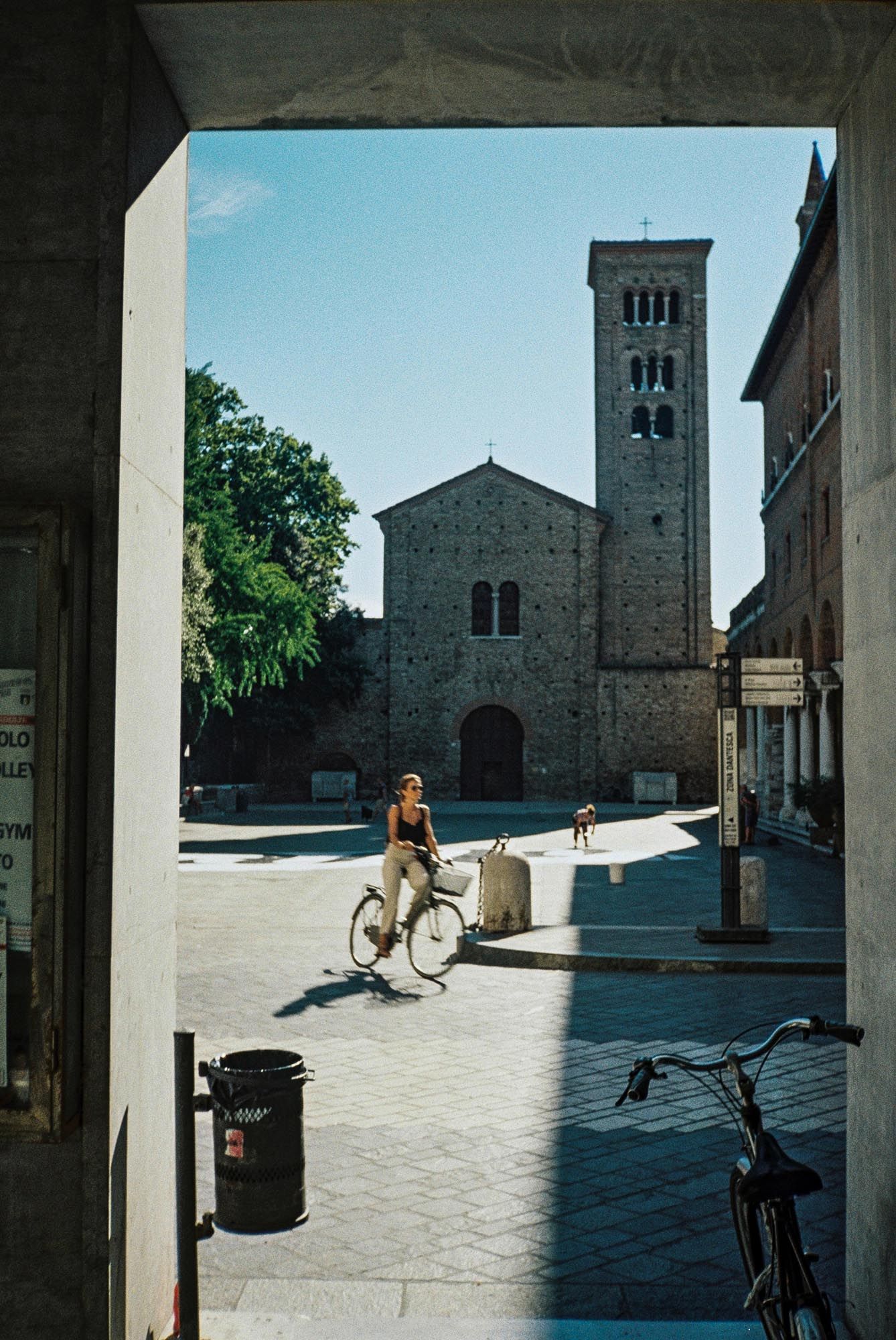
Piazza San Francesco: Another picturesque square, where you’ll find the Church of San Francesco. Inside, the floor is submerged underwater, and you can even see fish swimming through the church.
The center also offers plenty of cafés, shops, and restaurants where you can stop to relax and enjoy some local specialties.
Visit the Classis Museum and the Ravenna Archaeological Site
For a blend of history and archaeology, head to the Classis Museum, located in a former industrial complex near the sea. It tells the story of Ravenna's role as an important port in Roman times, showcasing artifacts from the city’s ancient past, including shipwrecks, sculptures, and pottery.
Adjacent to the museum is the Ravenna Archaeological Site, which offers a glimpse into the remains of the ancient port, including baths, warehouses, and other structures.
Try Local Cuisine and Specialties
Ravenna’s cuisine is influenced by both its inland and coastal location. Some must-try dishes include:
Cappelletti: Small stuffed pasta, often served in broth, typical of the Emilia-Romagna region.
Ravenna-style piadina: A flatbread filled with a variety of ingredients such as cheese, meats, and vegetables.
Seafood: Being close to the coast, Ravenna is known for its fresh seafood, especially dishes featuring clams, cuttlefish, and eel.
Don’t forget to pair your meal with a glass of local Sangiovese wine or a refreshing Pignoletto.
Why Should you Visit Ravenna?
Ravenna offers a rich blend of art, history, and culture that’s sure to leave any traveler in awe. Whether you’re marveling at ancient mosaics, strolling through charming squares, or indulging in local cuisine, Ravenna provides a more tranquil, off-the-beaten-path alternative to some of Italy’s more famous cities. The unique historical and artistic legacy of this remarkable city is a testament to its importance in the history of Europe, making Ravenna a must-visit destination for anyone interested in art, history, and Italian culture.