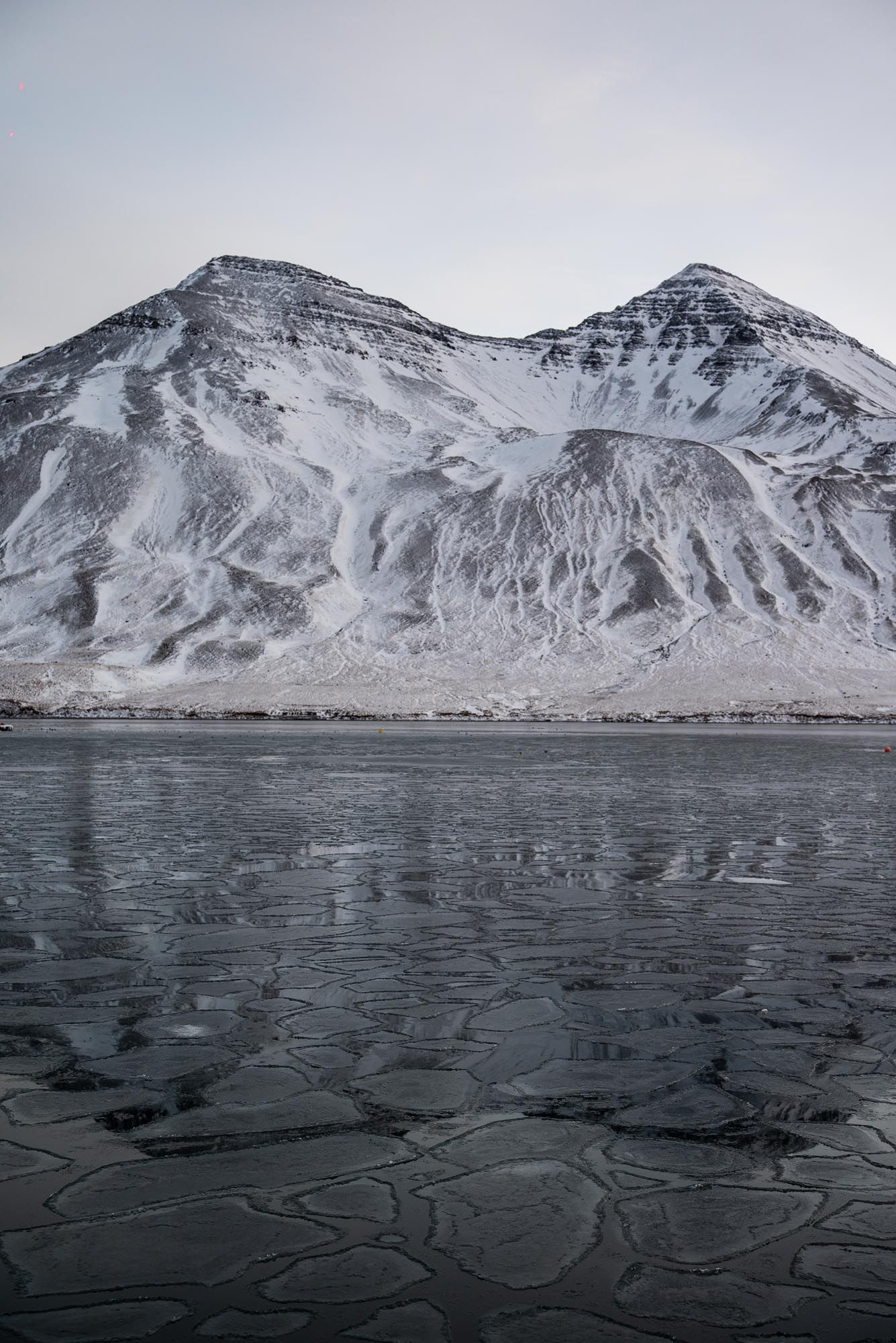
Tucked away at the end of a narrow fjord on Iceland’s Trollaskagi Peninsula, Siglufjörður is one of the most interesting small towns to visit in North Iceland. Once known as the centre of Iceland’s booming herring industry, this remote harbour town played a surprisingly important role in the country’s fishing history. Today, Siglufjörður is a much quieter place, but its colourful harbour, dramatic mountain scenery, and fascinating past still make it well worth visiting.
I visited Siglufjörður as part of a road trip around northern Iceland, and it ended up being one of the most memorable stops of the day. After spending hours driving through fjords, volcanic beaches, and mountain scenery, arriving in this peaceful harbour town felt like the perfect place to slow down for a while. Even just walking around the waterfront and enjoying the views of the surrounding mountains made the stop worthwhile.
In this guide, I’ll cover where Siglufjörður is located, how to get there, the history of the town, and the best things to do when visiting. If you’re exploring the north of Iceland, this small fjord town makes a great stop for a couple of hours and offers a glimpse into an important part of Iceland’s fishing heritage.
Siglufjörður Visitor Summary
- Location: Siglufjörður, North Iceland, at the end of a narrow fjord on the Tröllaskagi Peninsula.
- Parking: Parking is generally easy around the harbour area. If you stay at or dine near Sigló Hotel, free parking is available there.
- Main attraction: The Herring Era Museum, right by the harbour.
- Museum opening hours: June–August: 10:00–17:00 | May & September: 13:00–17:00 | Winter: by appointment.
- Museum price: Adults 2,400 ISK.
- Coffee shop recommendation: Fríða Chocolate Café – a good option for coffee and something sweet, located at Túngata 40a.
- Restaurant recommendation: Sunna Restaurant at Sigló Hotel – a solid dinner option by the marina, located at Snorragata 3.
- Beer stop: Segull 67 Brewery – craft brewery near the harbour in a converted fish factory.
- Restrooms: You can usually use facilities at the museum, restaurants, cafés, or the brewery if you’re a customer.
- Good to know: Siglufjörður is small, so everything in the centre is within a short walk of the harbour.
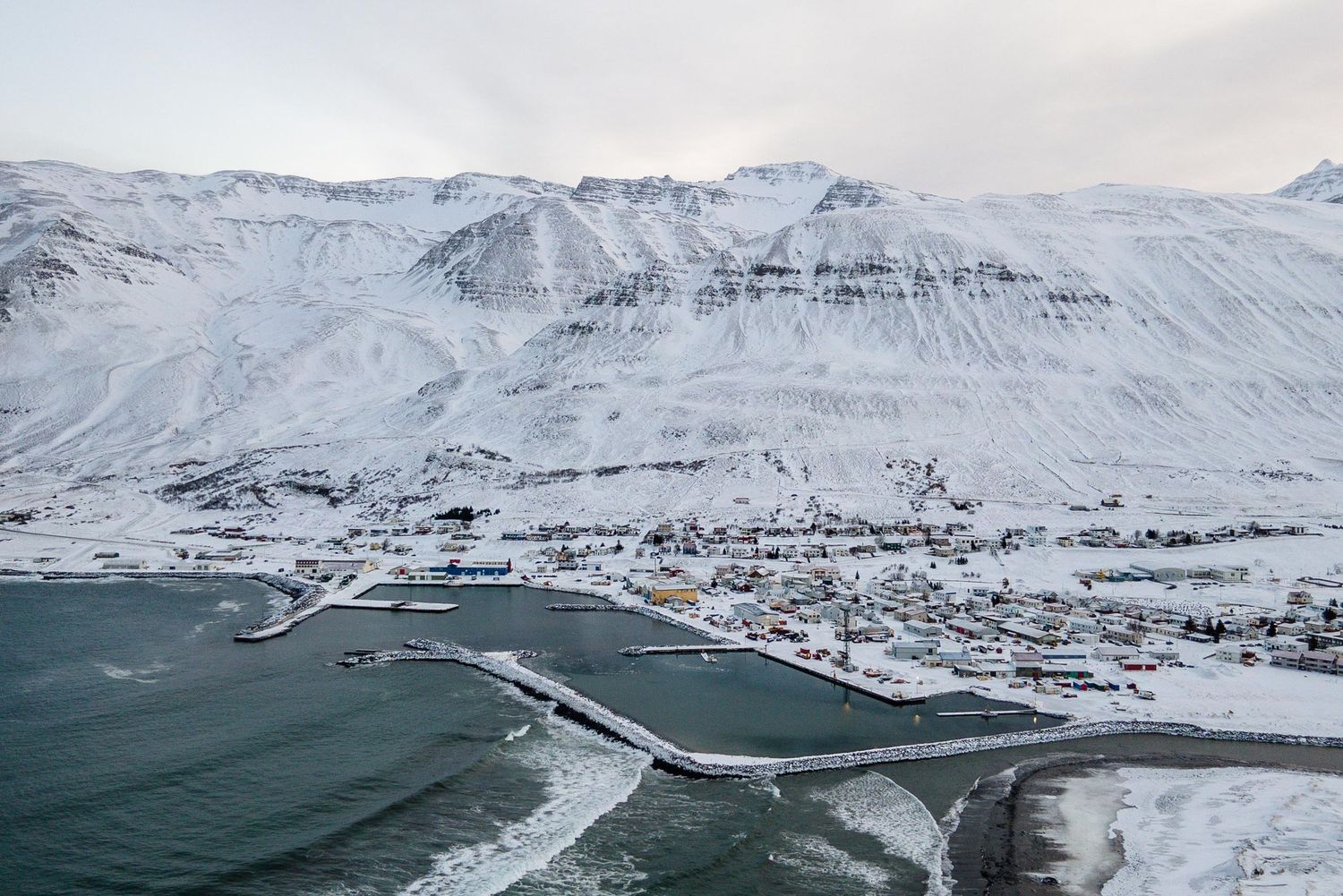
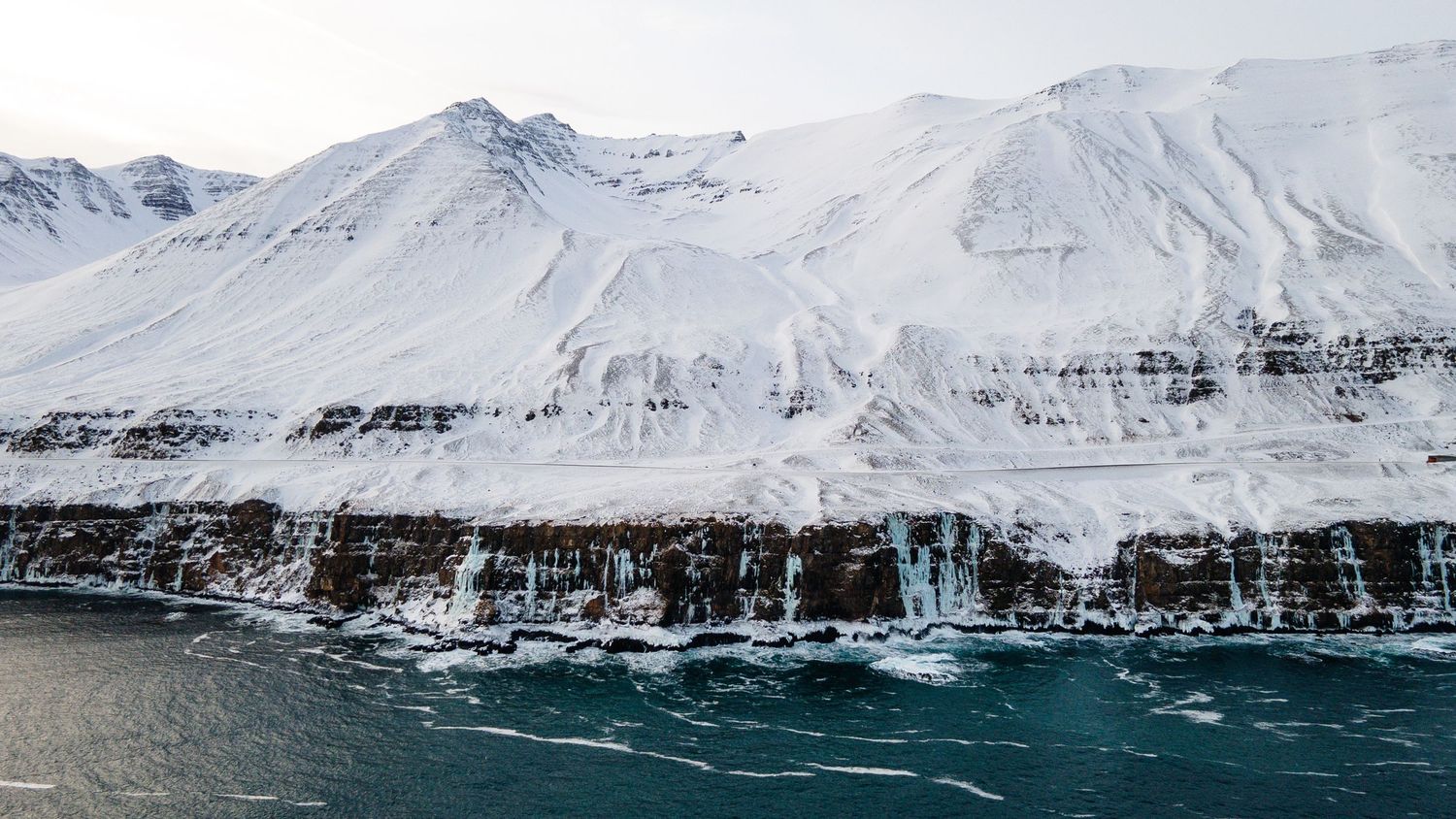
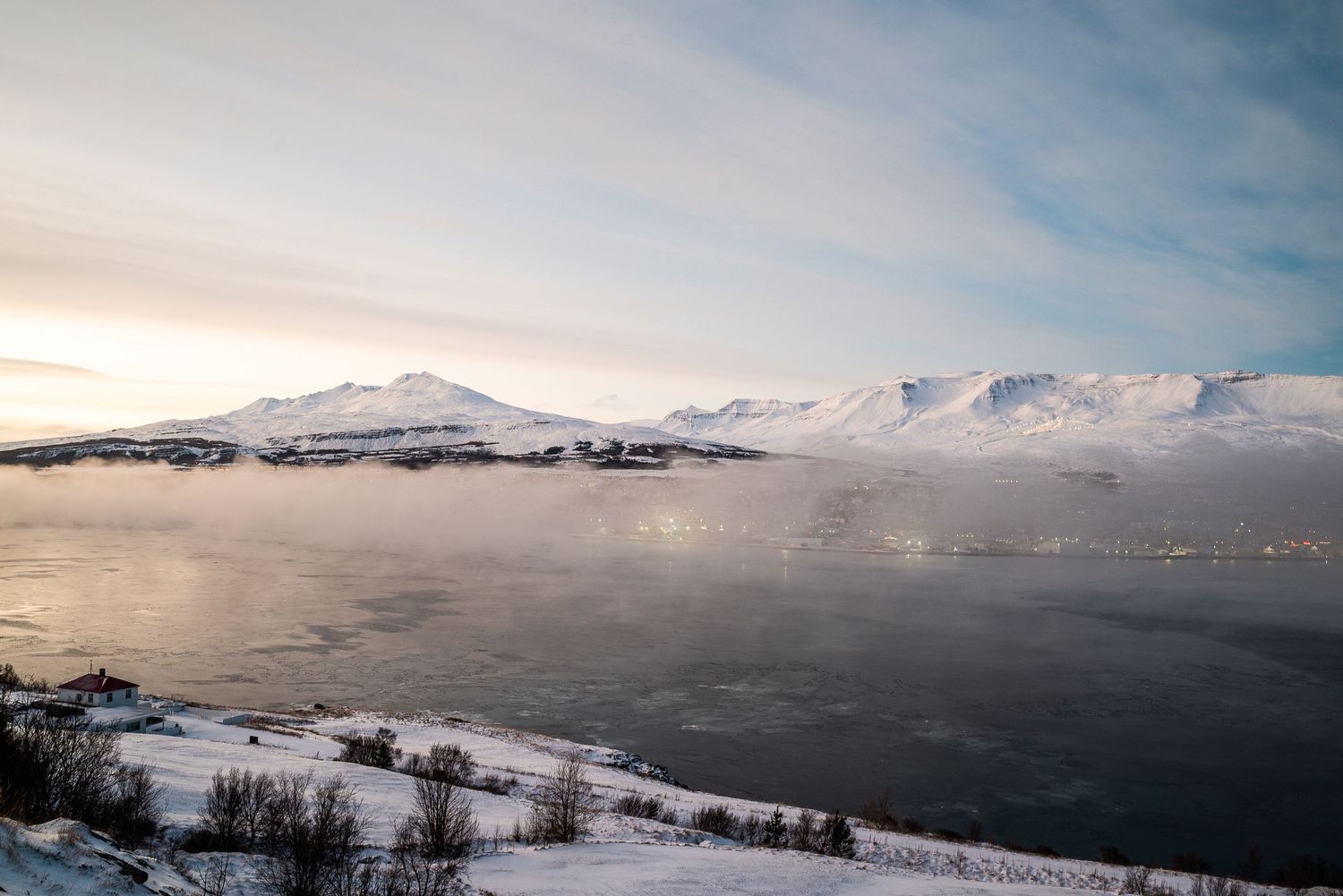
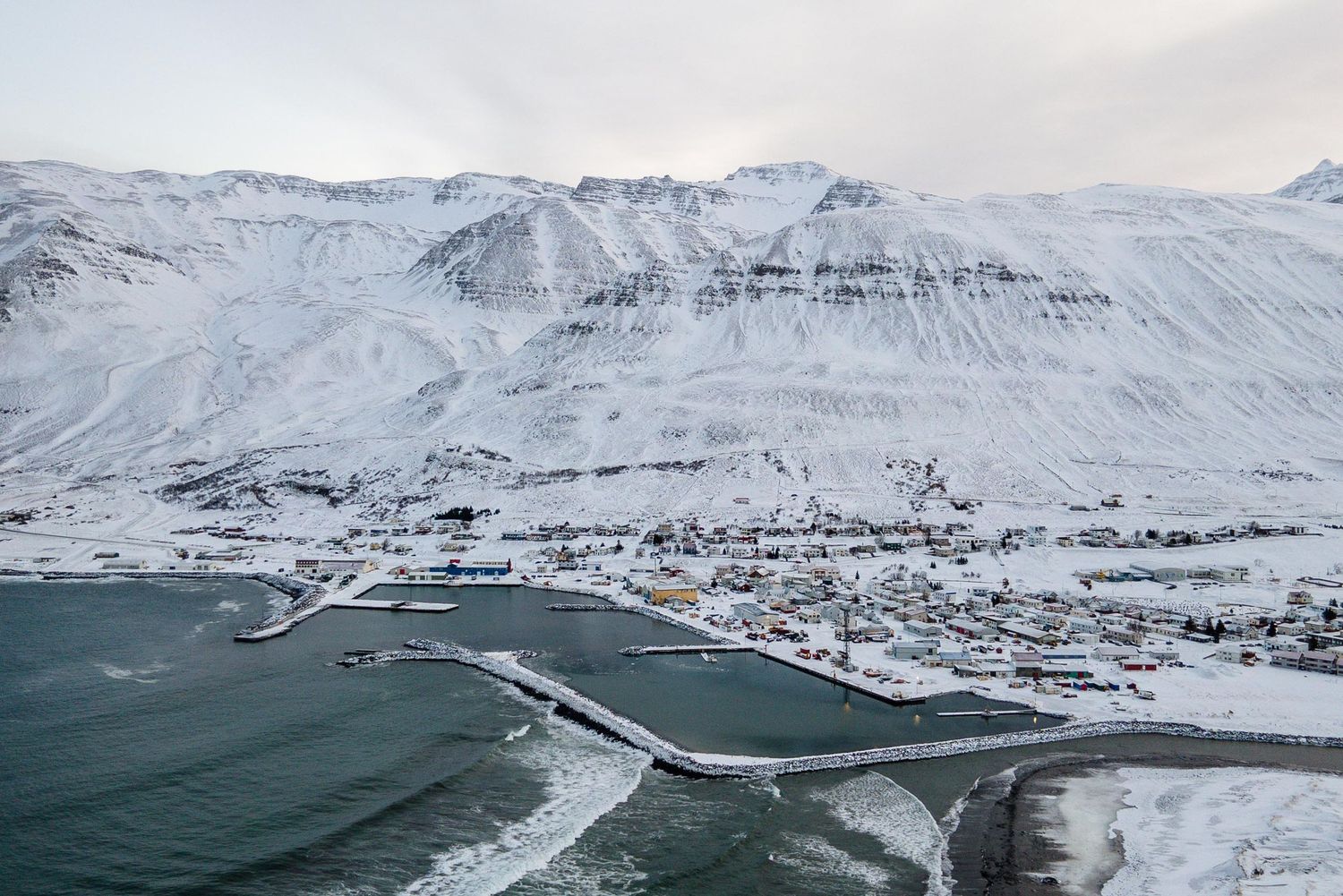
Siglufjörður is a small harbour town located on the northern coast of Iceland at the very end of a narrow fjord. Surrounded by steep mountains and facing out towards the Greenland Sea, the town has one of the most dramatic natural settings in North Iceland.
Despite its small population of just over 1,000 people, Siglufjörður once played a huge role in Iceland’s fishing industry. During the early and mid-20th century the town became the centre of the country’s booming herring trade, attracting fishermen and workers from across Iceland and Scandinavia. At its peak, Siglufjörður was one of the busiest fishing ports in the North Atlantic and was often referred to as the “Herring Capital of Iceland.”
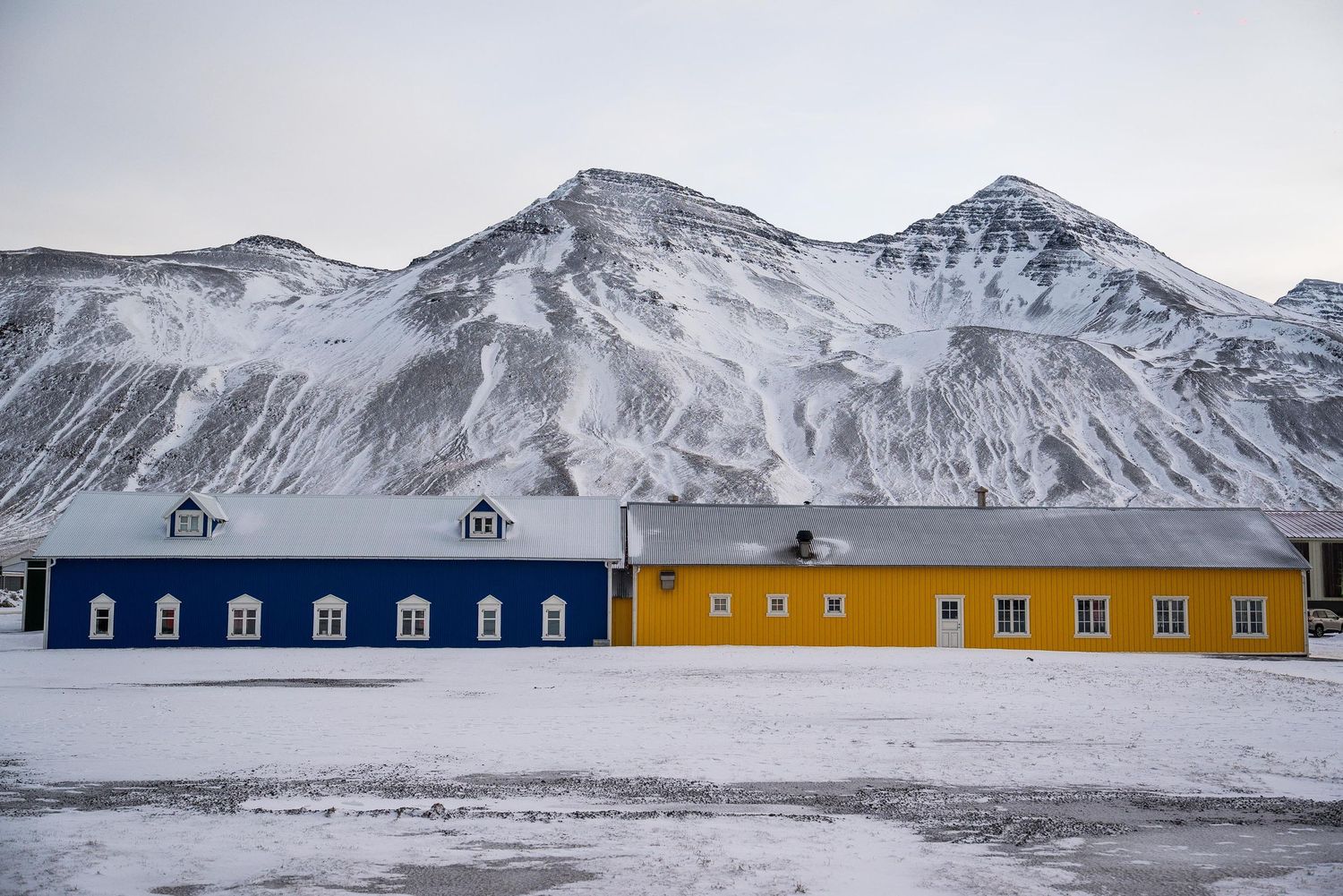
Today the town is much quieter, but its history is still visible around the harbour, where old industrial buildings and fishing infrastructure remain alongside colourful houses and modern marinas. Visitors now come to Siglufjörður to learn about its fascinating past, explore the harbour, and enjoy the dramatic fjord scenery that makes this small town one of the more unique places to visit in northern Iceland.
Where Is Siglufjörður?
Siglufjörður is a small town located in North Iceland, on the northern coast of the country. It sits at the very end of a narrow fjord surrounded by steep mountains on the Trollaskagi Peninsula, one of the most scenic and mountainous regions in Iceland. The town faces the Greenland Sea and feels far removed from Iceland’s more heavily visited tourist areas.
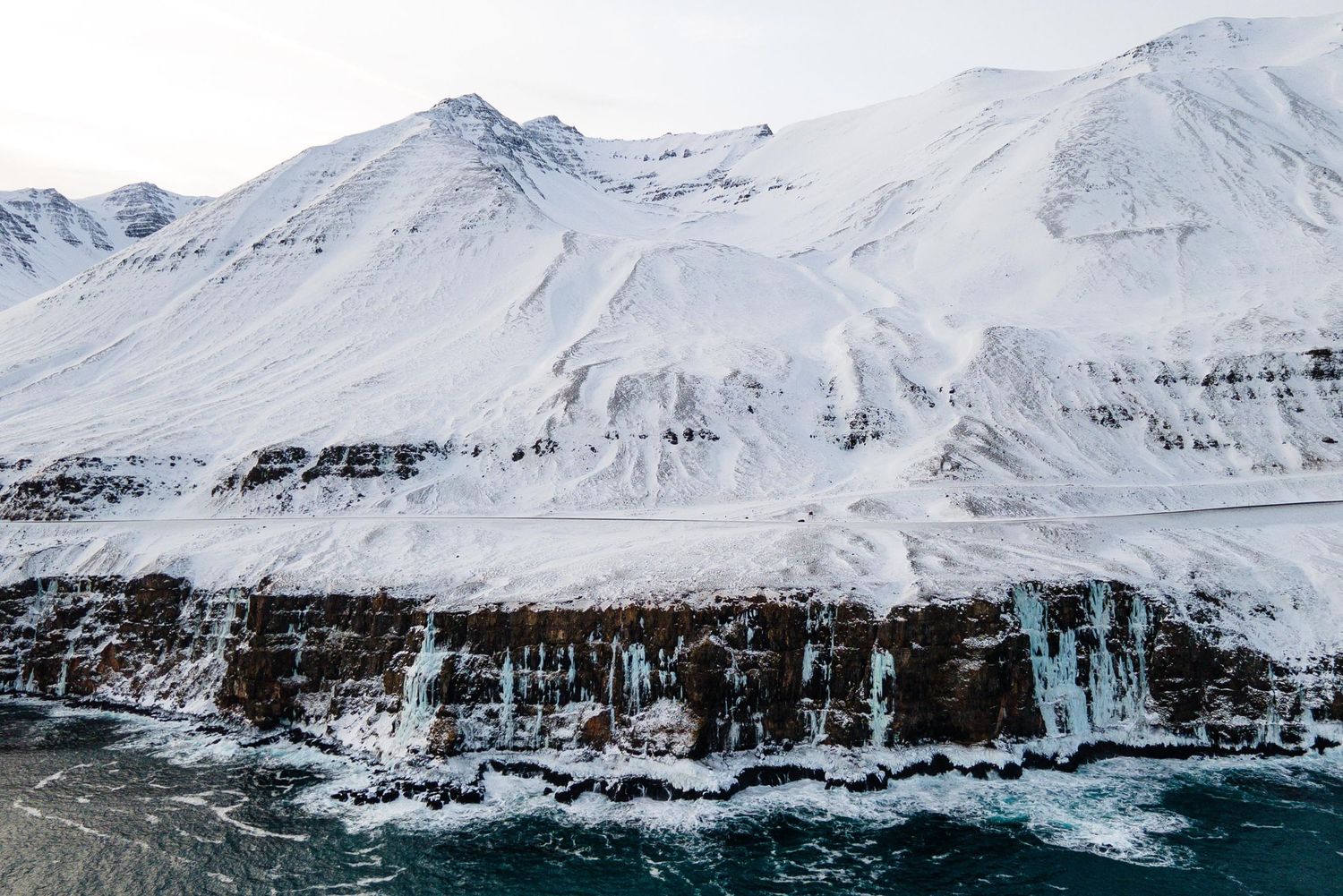
Despite its remote setting, Siglufjörður is relatively easy to reach today. The town is connected to the rest of North Iceland by Route 76, a scenic coastal road that runs along the Trollaskagi Peninsula
most visitors reach Siglufjörður by car from Akureyri, the largest town in North Iceland. The drive is around 75 km (about 1 hour and 15 minutes).
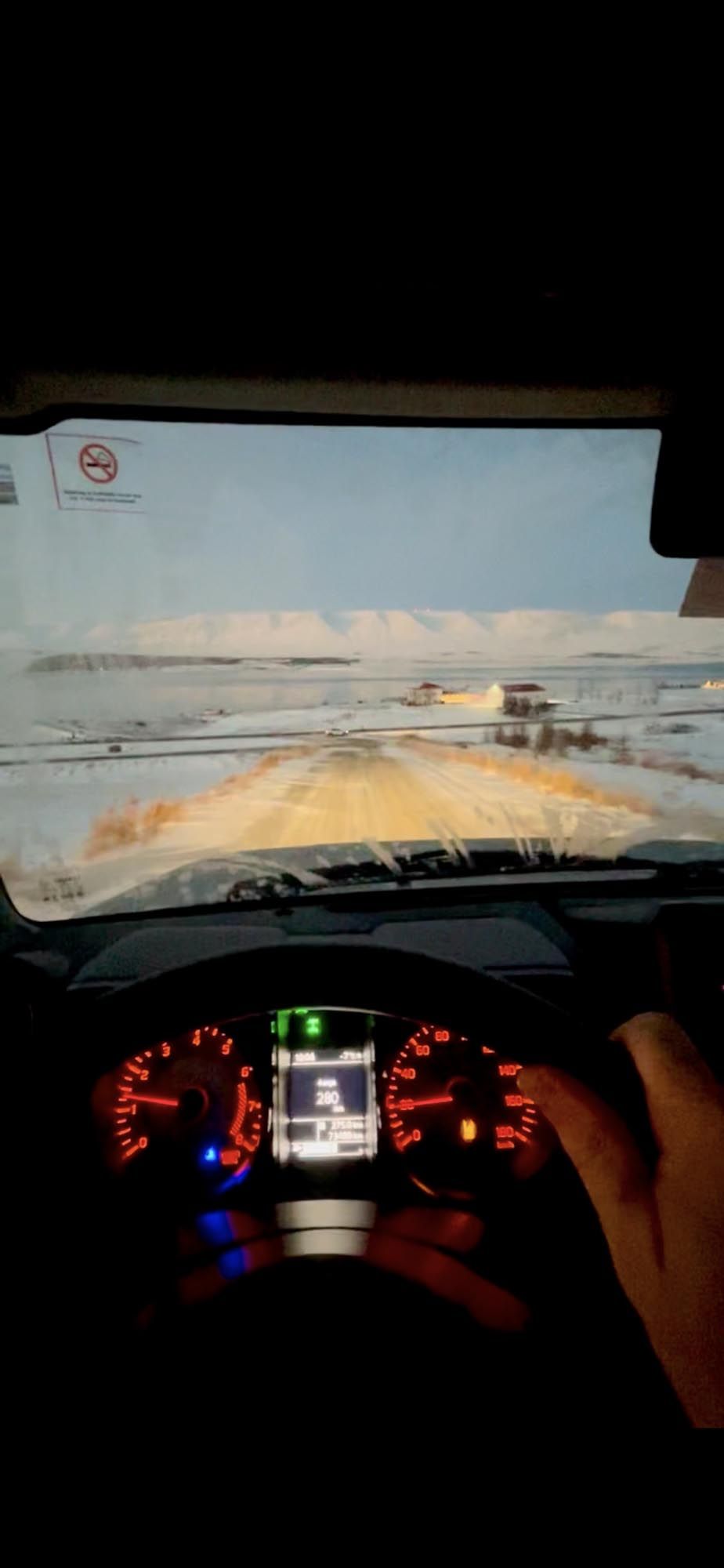
Driving to Siglufjörður
If you need to use the restroom during the drive, a convenient stop is the supermarket Kjörbúðin in Ólafsfjörður on Aðalgata. There are restrooms available inside the store, although I did have to ask the staff for access. The staff were very friendly and happy to help. Slightly off topic, but I also ended up buying a few snacks from the supermarket and having a small picnic in my rental car down by the beach, which was a lot of fun. The town is small and easy to navigate, and there are no paid parking areas or parking meters. Visitors can normally park directly along the streets or in small public parking areas around the harbour and main attractions.
The History of Siglufjörður
The history of Siglufjörður is closely tied to the dramatic rise and fall of Iceland’s herring industry. If you are interested in reading about the history of the town, prepare yourself for the amount of times "Herring" will be mentioned.
The Herring Boom
In the early 1900s, huge shoals of herring began appearing in the waters off northern Iceland. This triggered what became known as the “Herring Adventure”, turning Siglufjörður into the centre of the Icelandic fishing industry almost overnight.
Fishing vessels from Iceland, Norway, and other parts of Scandinavia flocked to the fjord. At its peak during the 1930s and 1940s, Siglufjörður became one of the busiest fishing ports in the North Atlantic. The town’s population rapidly expanded as workers arrived to take part in the booming industry.
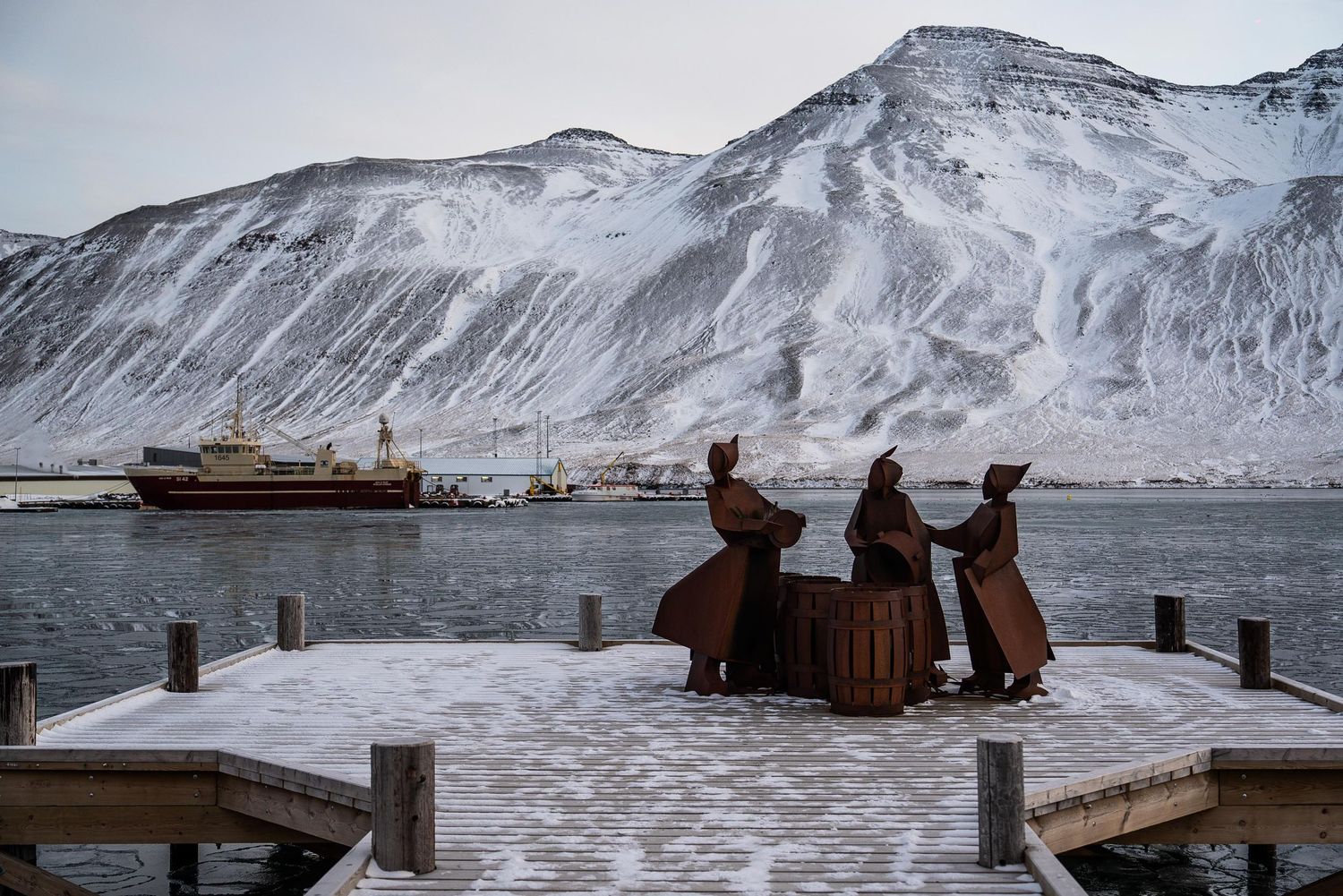
One of the most iconic parts of this period was the work of the “herring girls”, groups of women who salted and packed fish along the harbour. Their work was essential to the industry, and they became an important part of the town’s culture and identity.
The “Herring Capital of the World”
By the mid-20th century, Siglufjörður had earned the nickname “The Herring Capital of the Atlantic.” The industry was incredibly profitable and for many years accounted for a large portion of Iceland’s export income.
Processing plants, warehouses, and docks lined the harbour, and the town became surprisingly lively for such a remote location. Restaurants, shops, and cultural venues opened to serve the growing population and seasonal workers.
Collapse of the Industry
The boom did not last forever. By the late 1960s, overfishing and changing ocean conditions caused the herring stocks to collapse. In 1969, the herring disappeared almost entirely from Icelandic waters.
This sudden change had a huge impact on Siglufjörður. Many processing plants closed, jobs disappeared, and the town’s population began to decline as people moved elsewhere in search of work.
Siglufjörður Today
Today, Siglufjörður is a much quieter town, but its history is still very visible. The harbour, old industrial buildings, and fishing culture remain an important part of the town’s character.
One of the best places to learn about this history is the Herring Era Museum, which preserves the story of the herring boom and the people who worked in the industry. The museum recreates parts of the old harbour and provides a fascinating look into a period that shaped both the town and the wider Icelandic economy.
Although the fishing boom is long gone, Siglufjörður has reinvented itself as a small cultural and tourism destination. Visitors now come for the town’s history, its scenic fjord setting, and the unique atmosphere created by a place that once played such a major role in Iceland’s past.
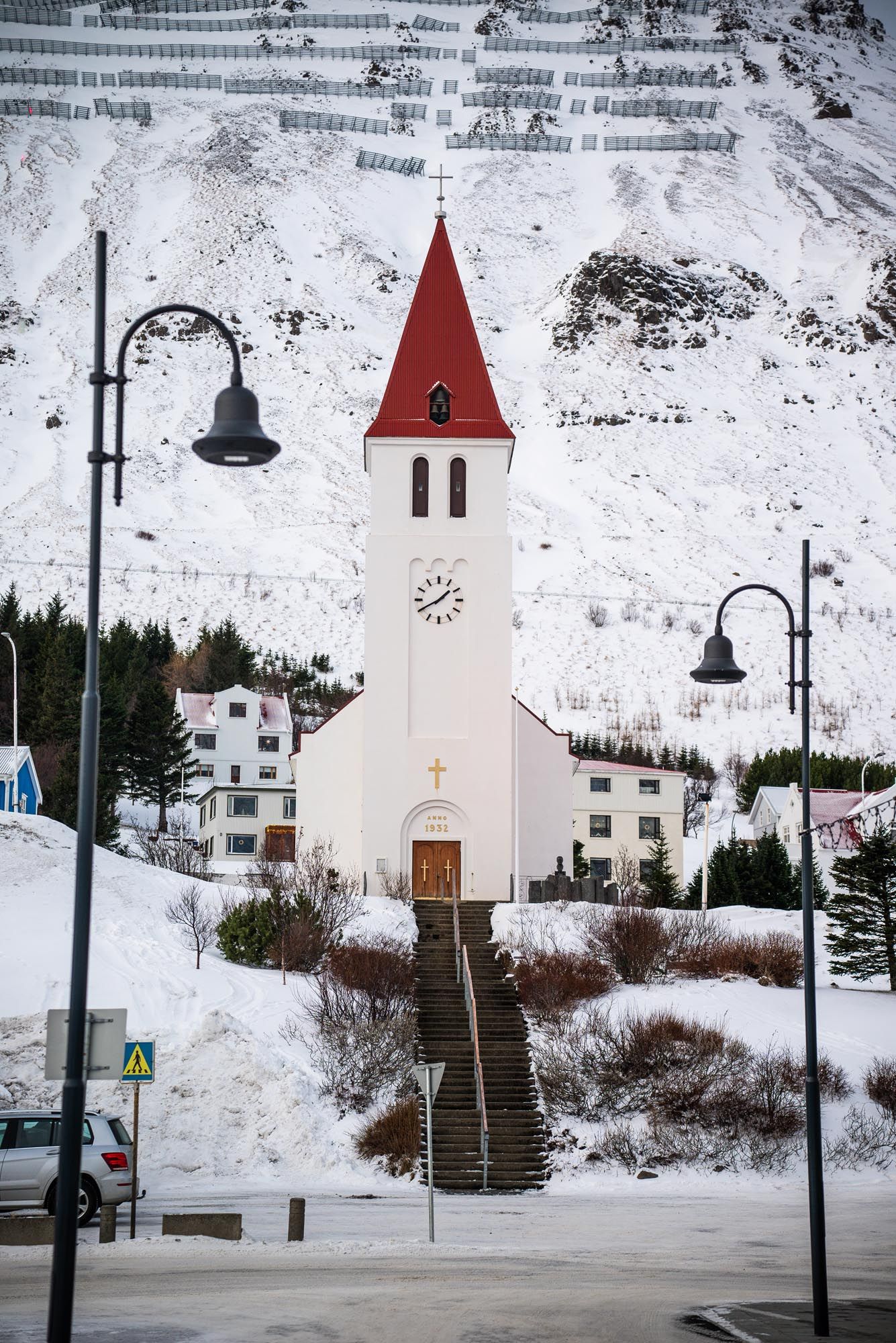
Things to Do in Siglufjörður
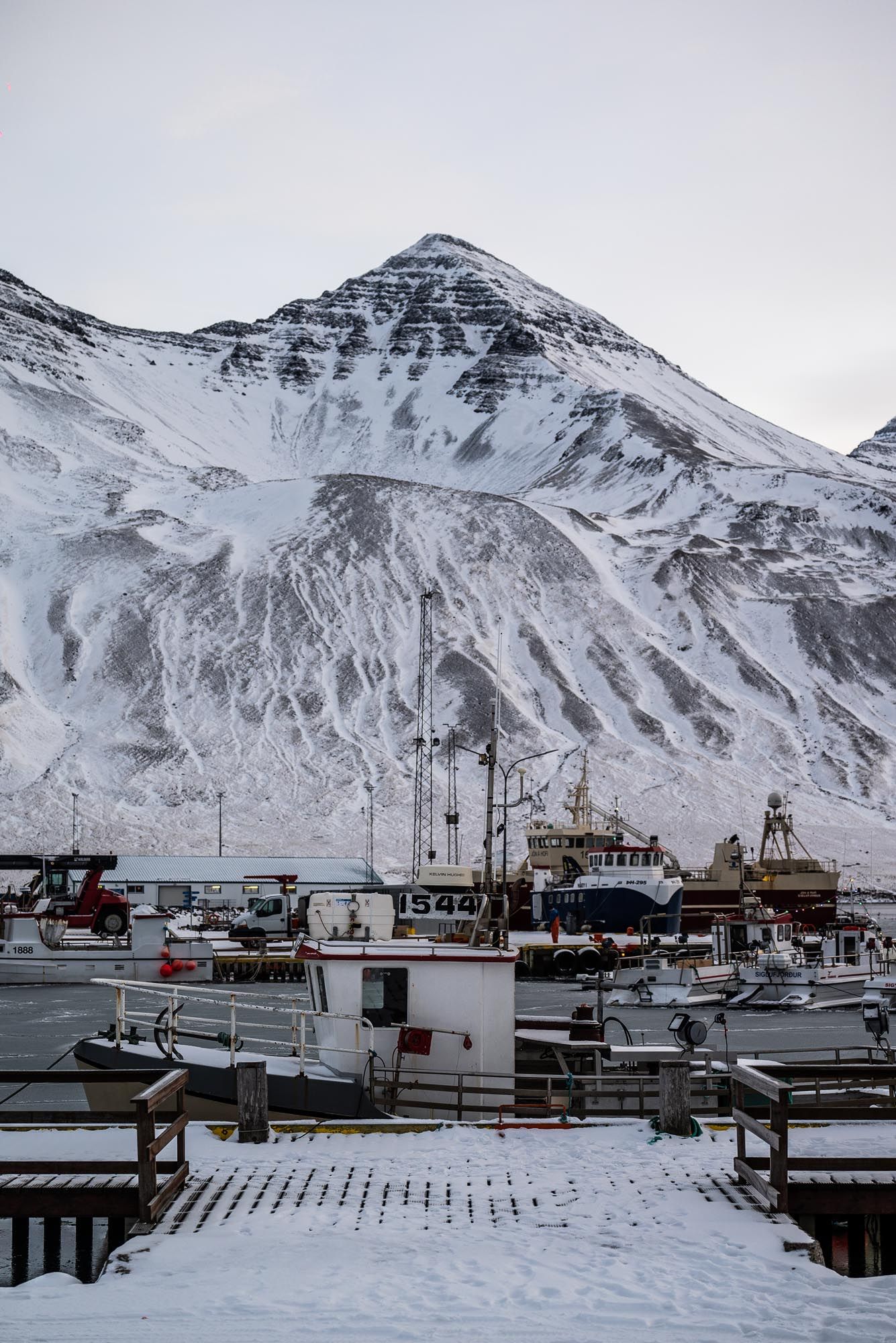
Although Siglufjörður is a small town, there are still several interesting things to see and do — certainly enough to keep you entertained for a couple of hours. There isn’t anything particularly high-energy or exciting here; instead, it’s more of a gentle place to visit and explore at a relaxed pace. Much of the appeal comes from the combination of local history, the harbour atmosphere, and the dramatic fjord scenery that surrounds the town.
The Herring Era Museum
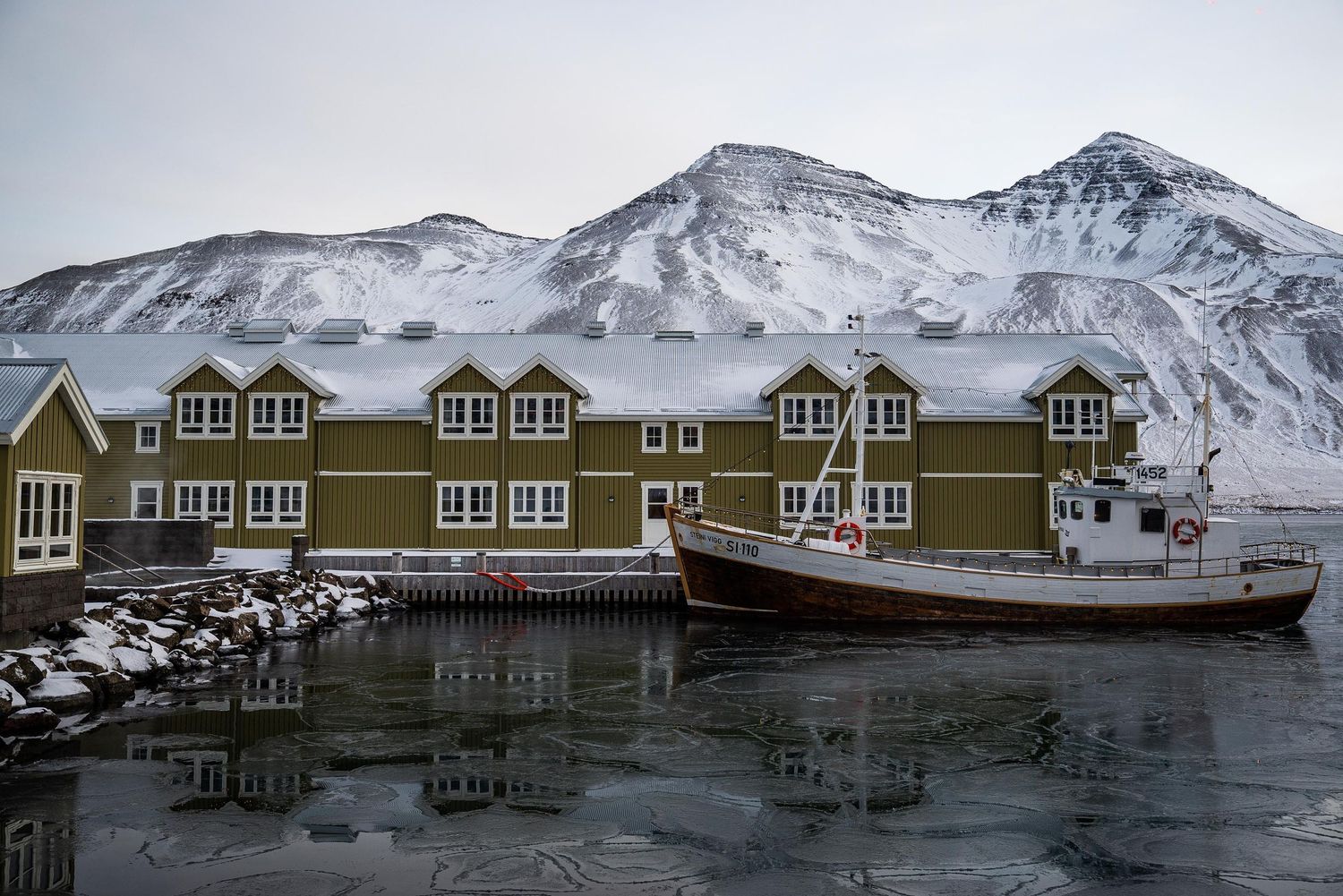
The main attraction in Siglufjörður is the Herring Era Museum, located right by the harbour in the centre of town. The museum is spread across several historic waterfront buildings that were once part of the working fishing port.
Opening hours vary by season, but during the summer months it is typically open 10:00 – 17:00, with shorter hours or limited opening outside the main tourist season.
Ticket prices are usually around:
Adults: about 3,000 ISK (roughly £17 / $22)
Children: often free or discounted depending on age.
The museum focuses on the town’s famous herring boom and recreates what life was like when Siglufjörður was one of the most important fishing ports in the North Atlantic. Even a short visit gives a good insight into how the industry shaped the town and much of Iceland’s economy.
Walking Around the Harbour
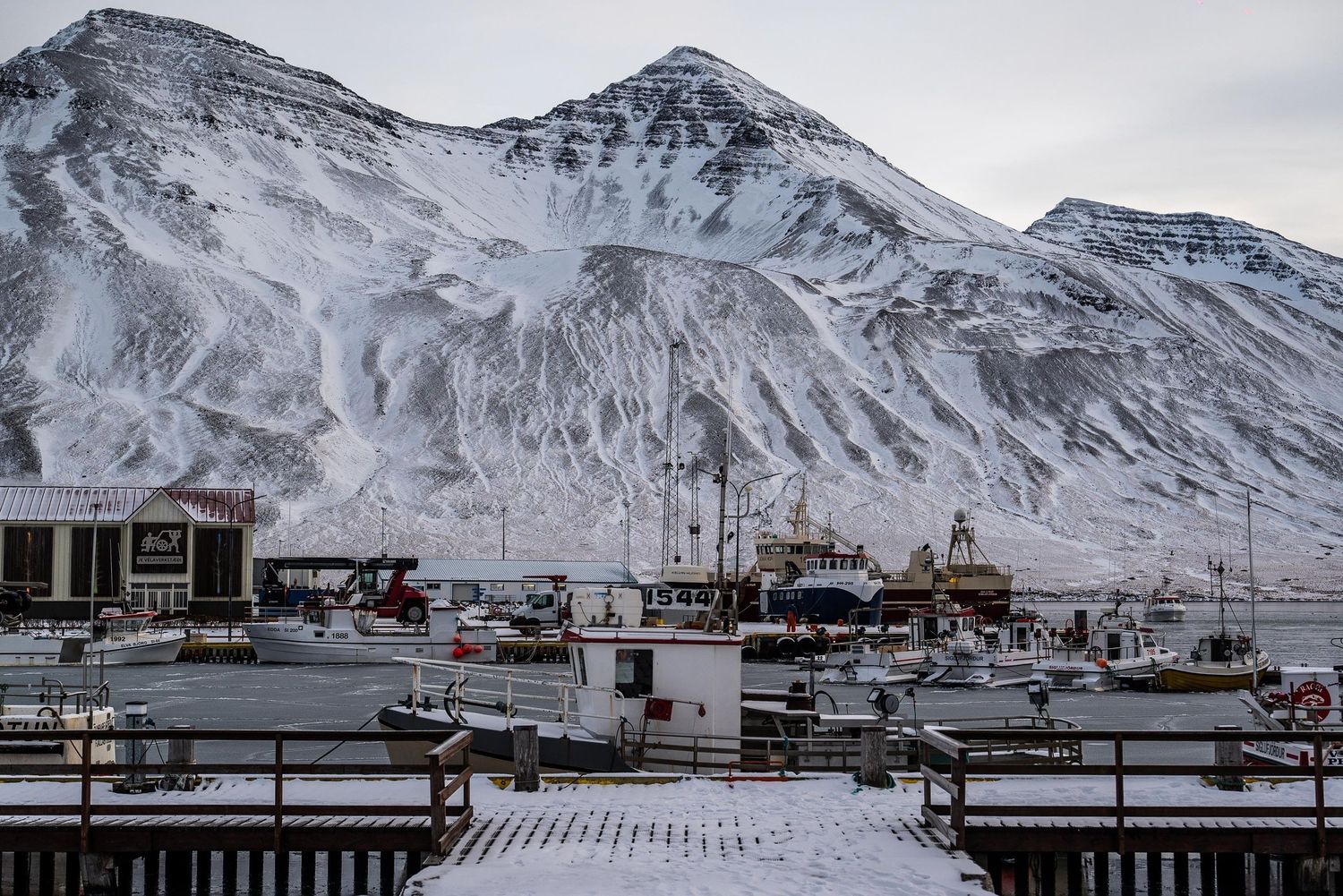
One of the simplest and most enjoyable things to do in Siglufjörður is to take a walk around the harbour area. This part of town is compact and easy to explore on foot, with colourful buildings, fishing boats, and small marinas set against the scenery of the fjord. This was my favourite activity of visiting the town.
Many of the buildings around the waterfront reflect the town’s fishing heritage and is it a pleasant place for a relaxed stroll.
Walking along the harbour also gives you some of the best views in Siglufjörður, with the steep mountains rising sharply from the water and the narrow fjord stretching out towards the open sea. It’s a great spot to take a few photos and simply enjoy the peaceful setting of this remote Icelandic town.
Segull 67 Brewery
Segull 67 Brewery is a small craft brewery located near the harbour in Siglufjörður, inside a former fish processing factory. The brewery is only a short walk from the marina and the main harbour area, making it an easy stop while exploring the town.
Opening times can vary depending on the season, but the taproom is typically open in the afternoon and evening, often from around 16:00 until late during the summer months. Outside the main tourist season, opening hours may be more limited, so it’s worth checking in advance.
A tasting flight of beers usually costs around 3,000–3,500 ISK (approximately £17–£20 / $22–$26), while a single beer is typically around 1,400–1,700 ISK (about £8–£10 / $10–$13).
The brewery does have restrooms available for customers, and parking is easy. There is free street parking and small public parking areas nearby around the harbour, so finding a space is usually straightforward.
Is Siglufjörður Worth Visiting?
I really enjoyed my visit to Siglufjörður. As I’ve probably mentioned earlier in this article, it’s not really a major headline attraction, and it’s unlikely to be the most exciting place you’ll see in Iceland. But as part of a road trip, it’s a fantastic stop. Even if you’re just stopping for a coffee at one of the cafés and a short stroll around the harbour, it’s definitely worth the visit.
For my own road trip, this was actually the last stop of the day. I spent a couple of hours here, and it made for a great break between stretches of driving. While the town itself is fairly quiet, I would say the drive around this part of North Iceland is one of the real highlights. You can easily turn the area into a brilliant road trip day — visiting volcanic beaches, looking out across the fjords, trying to spot whales from the roadside, stopping for picnics, and simply enjoying the scenery before finishing the day in this small harbour town.
I didn’t stay overnight in Siglufjörður, but if I were to return to this area, I actually think it would be really nice to spend a night here. The town has such a peaceful atmosphere, and staying somewhere this quiet would probably be a very relaxing experience.
So, is Siglufjörður worth visiting? For me, absolutely. I really fell in love with the north of Iceland, and stopping in this town made one of my road trip days feel even more complete.
Siglufjörður hotels
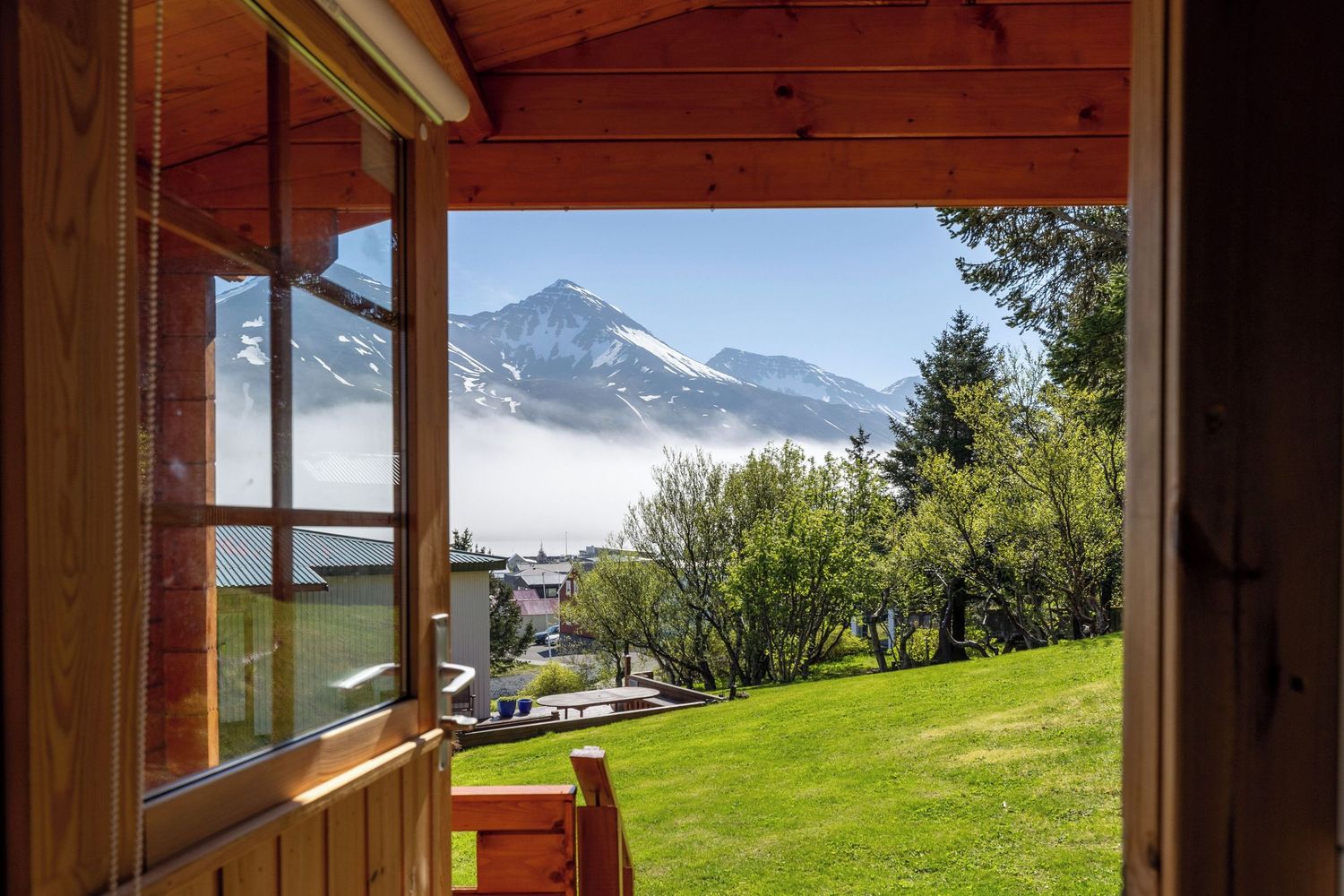
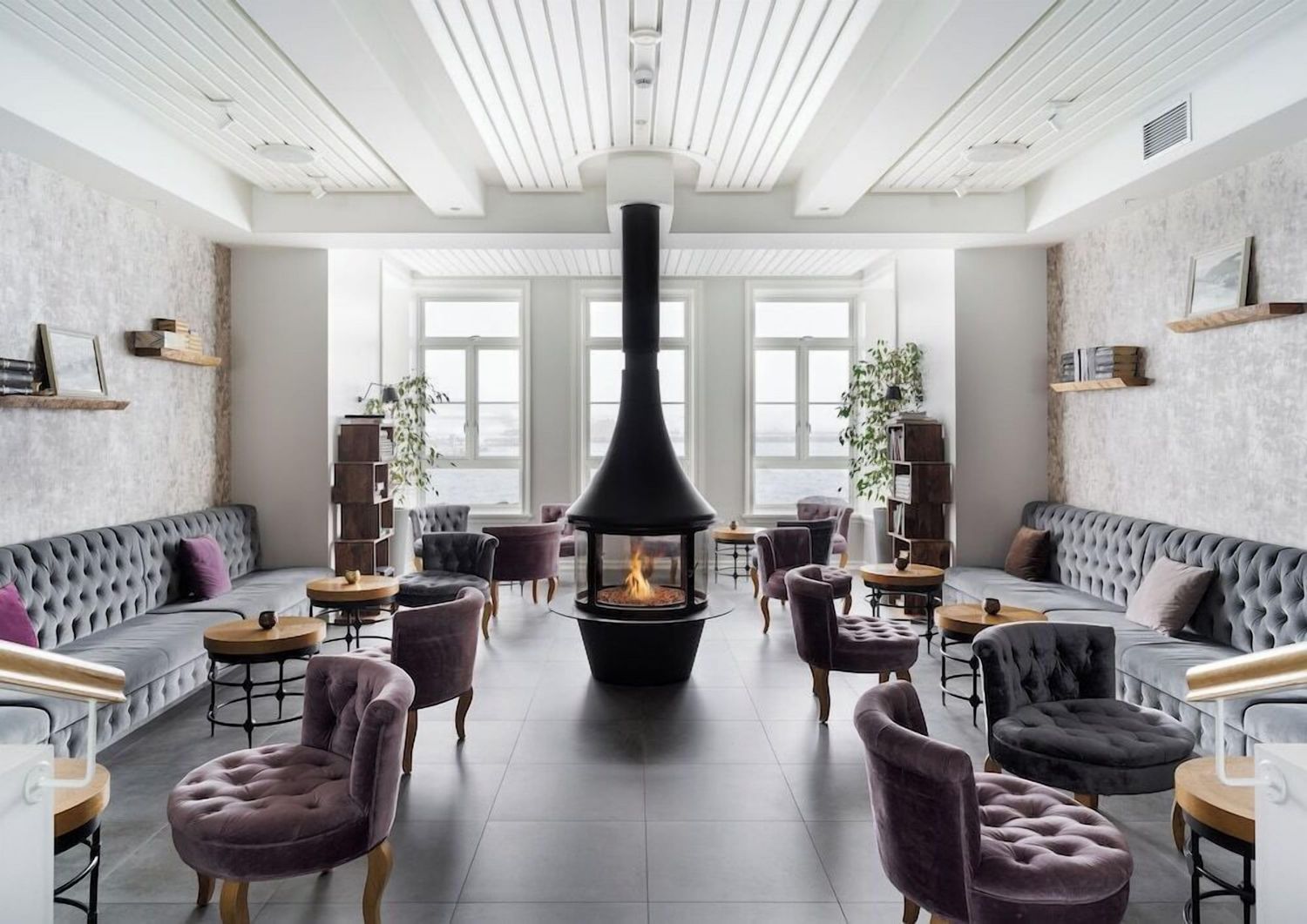
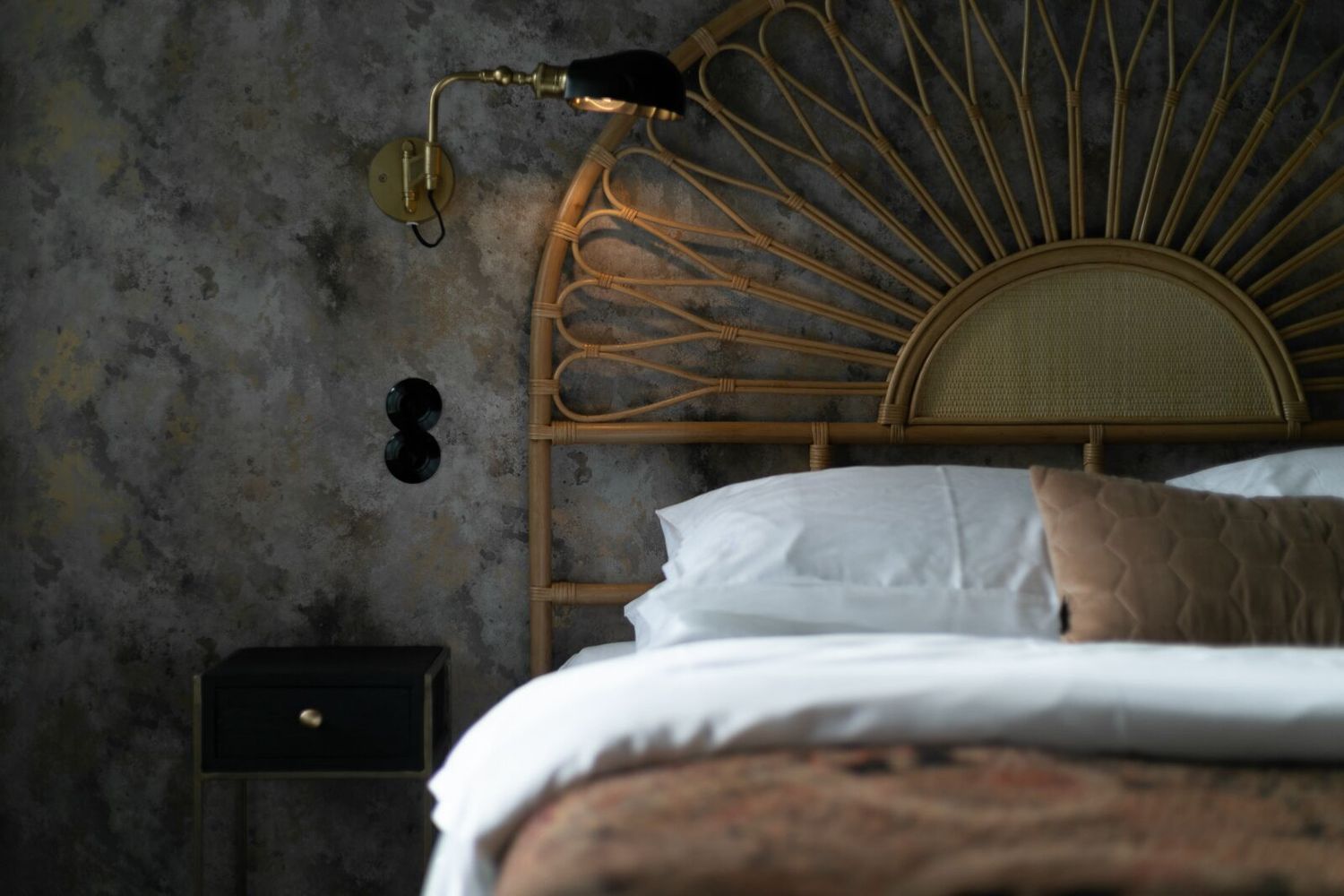
If you do decide to stay overnight in Siglufjörður, there are a few small but well-regarded accommodation options in the town. The most well-known is Sigló Hotel, located right on the marina and offering great views across the harbour and surrounding mountains. There are also several smaller guesthouses and apartments available, which tend to suit travellers exploring North Iceland on a road trip.
The Herring House
Siglo Hotel
Hotel Siglunes
Travel Tips for Visiting Siglufjörður
If you’re planning to visit Siglufjörður, a little preparation can make the trip even more enjoyable. The town is small and easy to explore, but the surrounding region offers plenty of scenic stops and experiences that can turn the visit into a fantastic road trip day.
Combine It With a Scenic Road Trip
Siglufjörður works best as part of a road trip around the Trollaskagi Peninsula, rather than as a standalone destination. The drive itself is one of the highlights of visiting the area.
Some great places to stop along the way include:
Dalvík – A small fishing town south of Siglufjörður that’s also known for whale watching tours and views across Eyjafjörður fjord.
Ólafsfjörður – A quiet village just before the Héðinsfjörður Tunnel. It’s a good place for a short break or picking up snacks before the final drive to Siglufjörður.
Coastal viewpoints along Road 76 – There are several scenic spots where you can pull over to admire the fjords, mountains, and ocean views.
The drive around this part of North Iceland is incredibly scenic, so it’s worth allowing extra time for stops along the way.
Best Time of Year to Visit
Siglufjörður can be visited year-round, but each season offers a slightly different experience.
Summer (June–August)
This is the most popular time to visit. The weather is milder, roads are easier to drive, and attractions like the Herring Era Museum are open with regular hours. The long daylight hours also make it easier to explore the surrounding fjords.
Spring and Autumn (May & September)
These months can be a great time to visit if you want fewer tourists while still having reasonable driving conditions. Some attractions may have reduced hours, but the scenery can be particularly beautiful.
Winter (October–April)
Winter visits are quieter and can feel very atmospheric, especially if the town is covered in snow. However, weather conditions in North Iceland can be unpredictable, so it’s important to check road conditions before driving.
Plan for a Short Visit
Siglufjörður is quite compact, and most visitors spend one to three hours exploring the town. This usually includes walking around the harbour, visiting the museum, stopping at a café, or grabbing a drink at the local brewery.
For many travellers, it works best as a relaxed stop during a day of exploring North Iceland, rather than a destination where you spend a full day.