Top Driving Tip for Iceland
Don't let the stunning landscape steal your focus!
Iceland’s beauty is breathtaking, and it’s easy to get lost in the scenery while driving. But for your safety and others on the road, always keep your eyes on the wheel. If you want to take in the views, find a safe spot to pull over—then soak in the magic worry-free.
Hold onto your car door—seriously!
Iceland’s winds are no joke. Many vehicles suffer damage when powerful gusts catch an open door, flinging it wide with enough force to bend hinges and cause dents. To avoid an expensive repair, always grip your door firmly when opening it—no matter how calm it seems!
Top Driving Tip for Iceland
Speed Cameras Are Everywhere—Drive Smart!
Speed limits in Iceland are strictly enforced, and fines can reach up to 100,000 ISK. Limits aren’t always posted unless they change, so keep these in mind:
30 km/h in residential areas
50 km/h in urban areas
80 km/h on rural gravel roads
90 km/h on paved rural roads
Caution: Gravel Roads Ahead!
Gravel roads in Iceland are often narrow and require extra care. Slow down and move to the right when approaching oncoming traffic. Loose rocks can easily get kicked up, potentially damaging your windshield or car. Drive cautiously to stay safe and protect your vehicle!
Top Driving Tip for Iceland
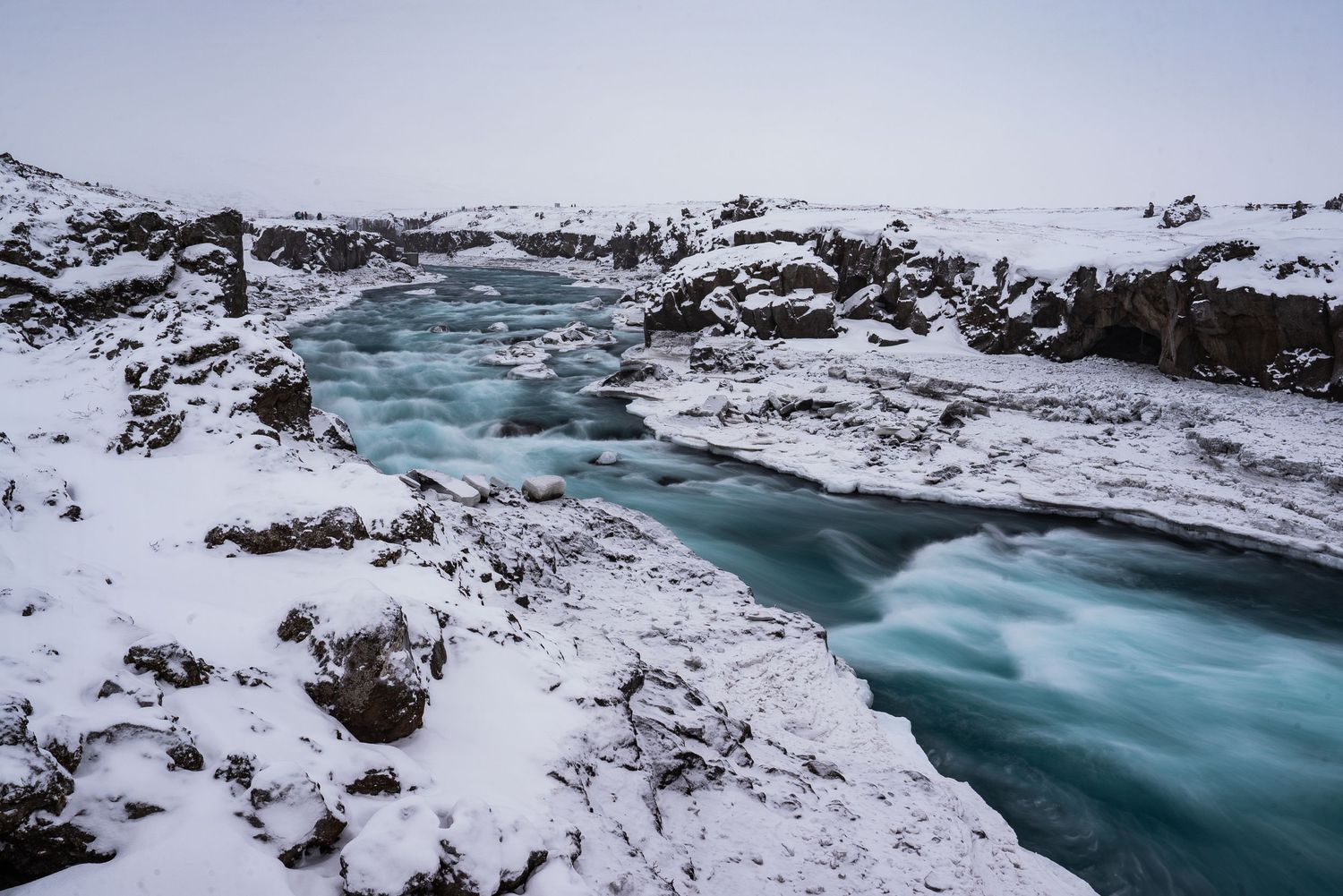
Endless Sunlight Doesn’t Mean Endless Energy!
In Iceland’s summer, daylight can last up to 21 hours, making it easy to lose track of time. Many tourists drive longer than they should, pushing past their limits. Plan your day, set a stopping point, and don’t overdo it. More daylight doesn’t mean you need less rest—tired drivers make mistakes!
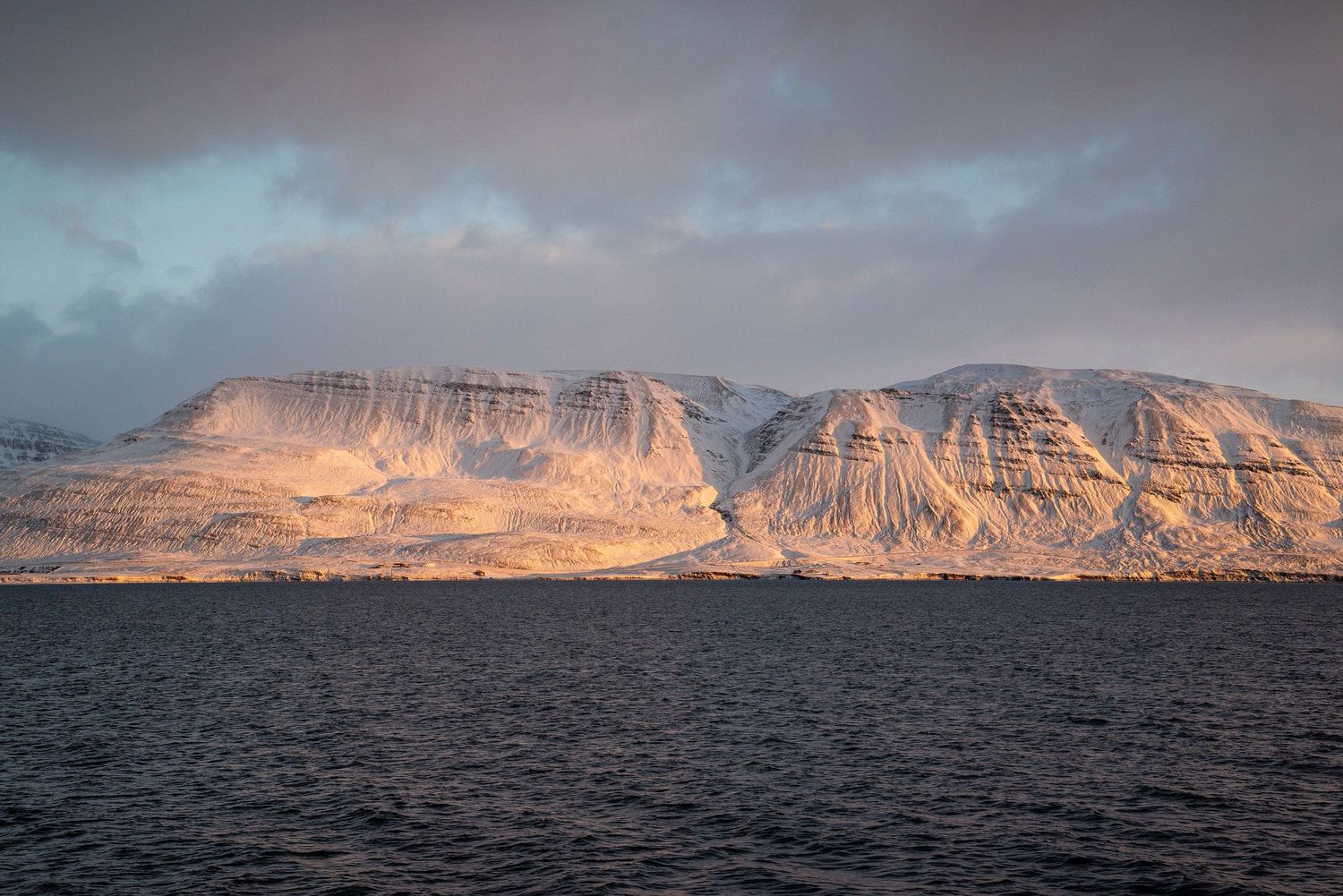
Know Before You Go: Check Weather & Road Conditions
Useful resources:
Road conditions: www.road.is
Weather forecast: www.vedur.is
Iceland’s weather is unpredictable and can change rapidly, especially in remote areas. Before setting out, always check the latest weather forecast and road conditions to avoid unexpected hazards like strong winds, icy roads, or sudden storms.
Renting a Car in Iceland: A Guide to Road Laws, Petrol Payments, and Car Safety
Iceland is a land of dramatic landscapes, from vast glaciers and active volcanoes to steaming hot springs and windswept beaches. The best way to experience this natural wonderland is by renting a car, giving you the freedom to explore at your own pace. However, before you hit the road, it’s essential to familiarize yourself with local driving laws, road safety, and the practicalities of fueling up. In this article, I will cover everything you need to know to drive safely and responsibly in Iceland. This is especially important for driving during the winter month when road conditions can be challenging.
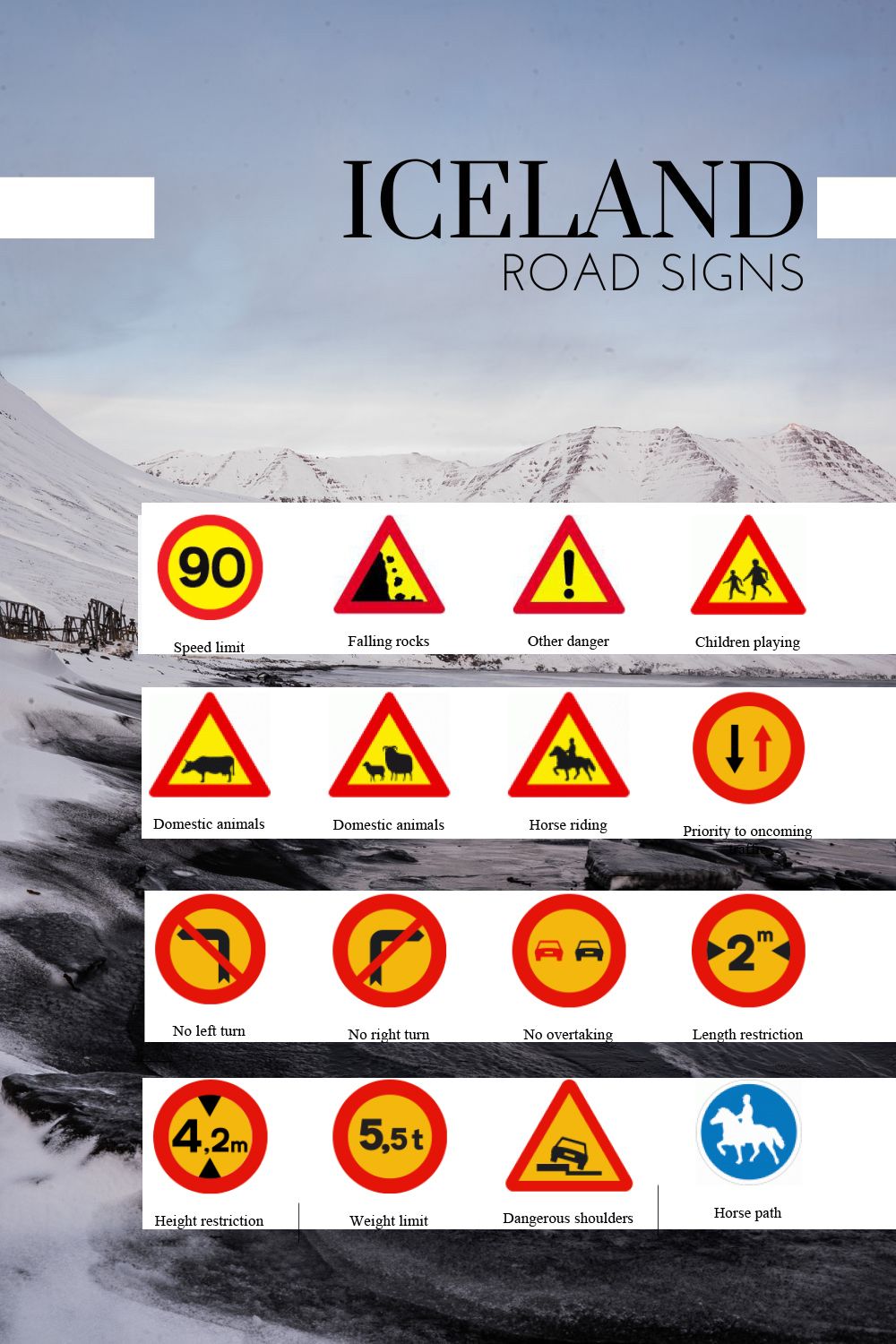
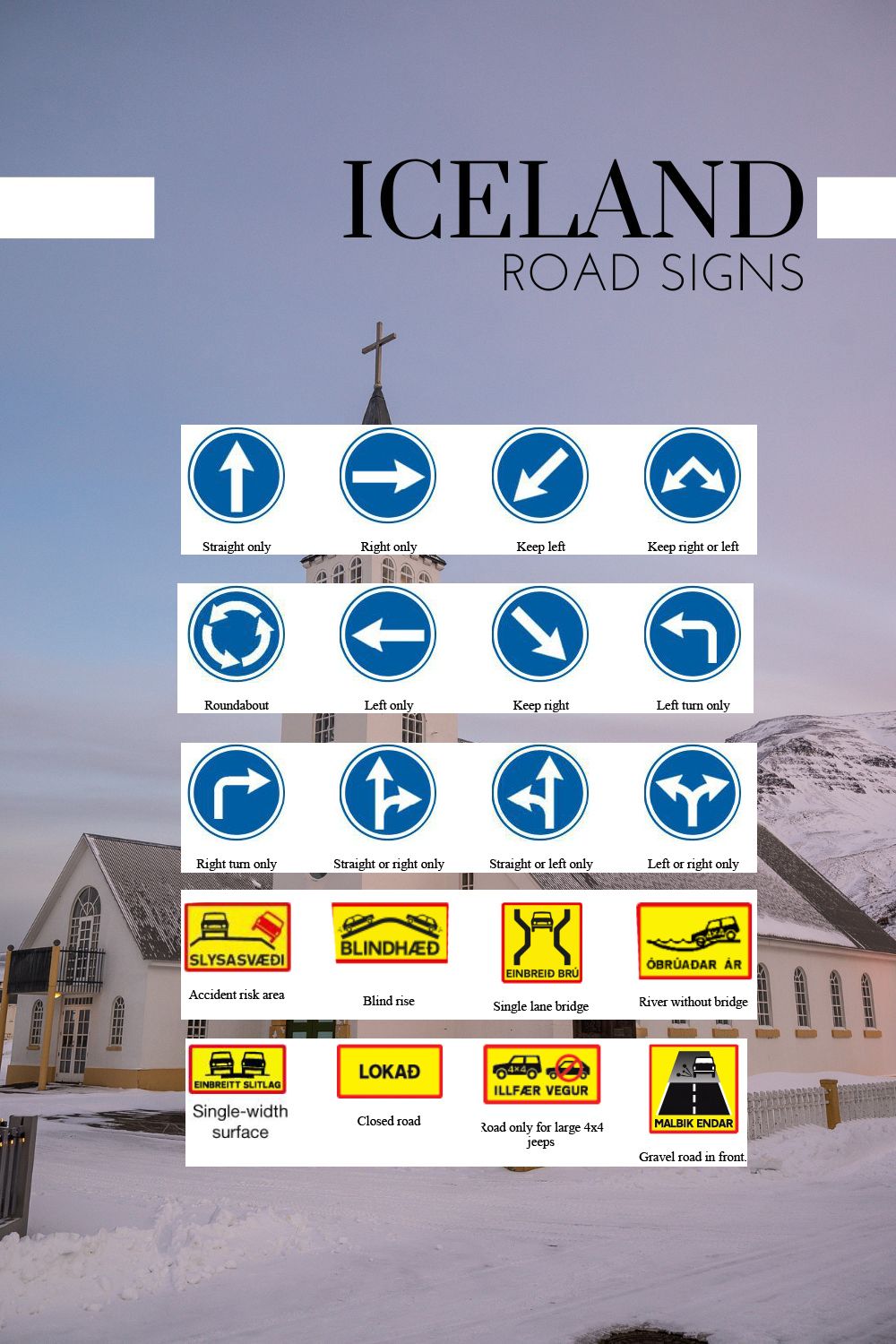
Icelandic Road Signs
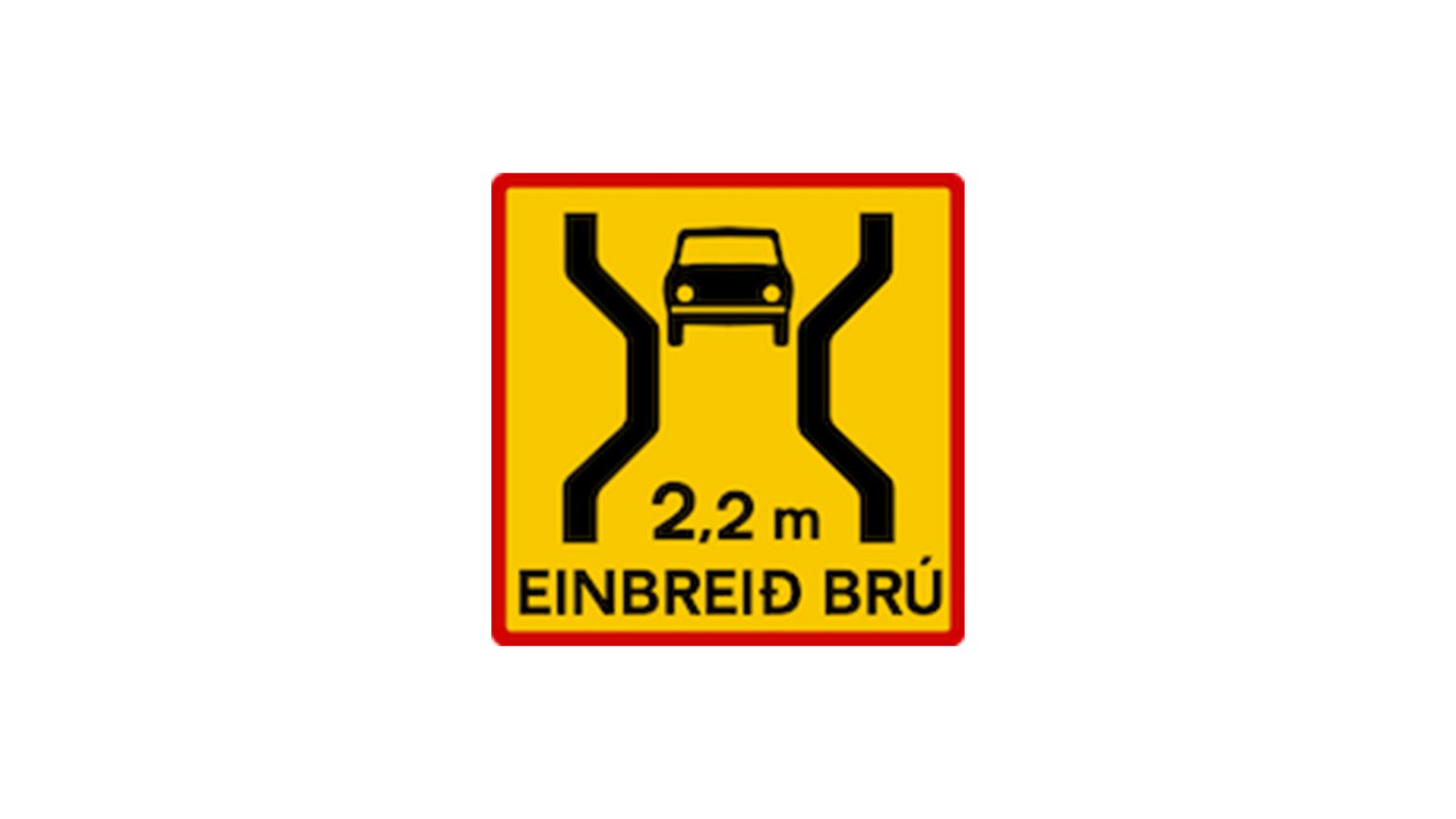
Single-lane bridges are commonly found on the Ring Road
The rule is the vehicle closest to the bridge has the right of way.
Pause and assess what the other driver is doing before going. When in doubt, let them go first.
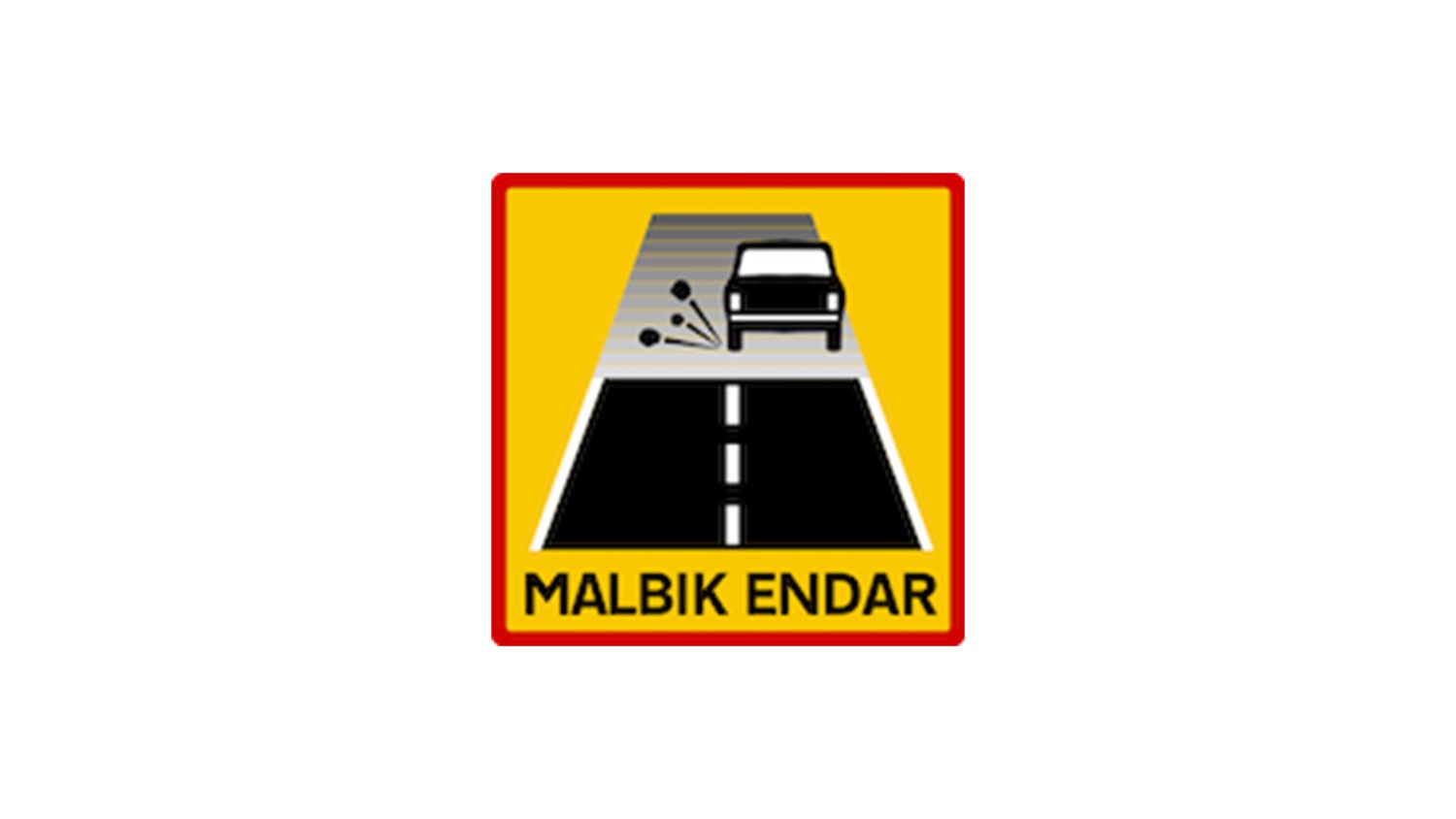
Paved to Gravel
Transitions from paved roads to gravel are a common danger in Iceland, often leading to accidents. To stay safe:
Reduce your speed before reaching the gravel road. Adjust to conditions—gravel can be loose and slippery. Remember: 80 km/h is the maximum speed, not the recommended speed.
Icelandic Road Signs
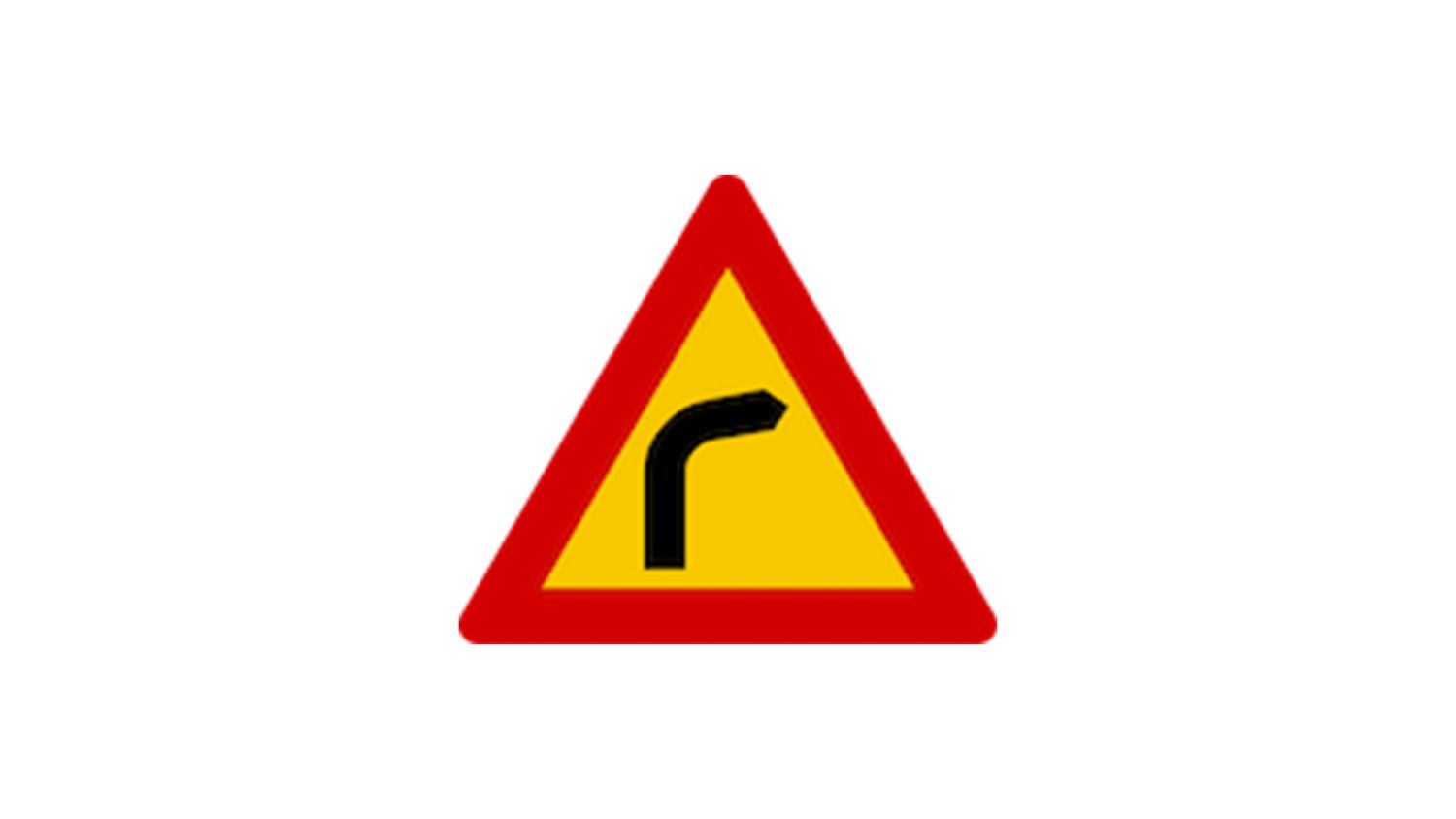
Blind Curves
In Iceland, blind curve warning signs signal limited visibility ahead. To stay safe:
Reduce your speed before the curve.
Stay as far right as safely possible in case of oncoming traffic.
Look for blue signs with white letters—these indicate a recommended speed for safe navigation.
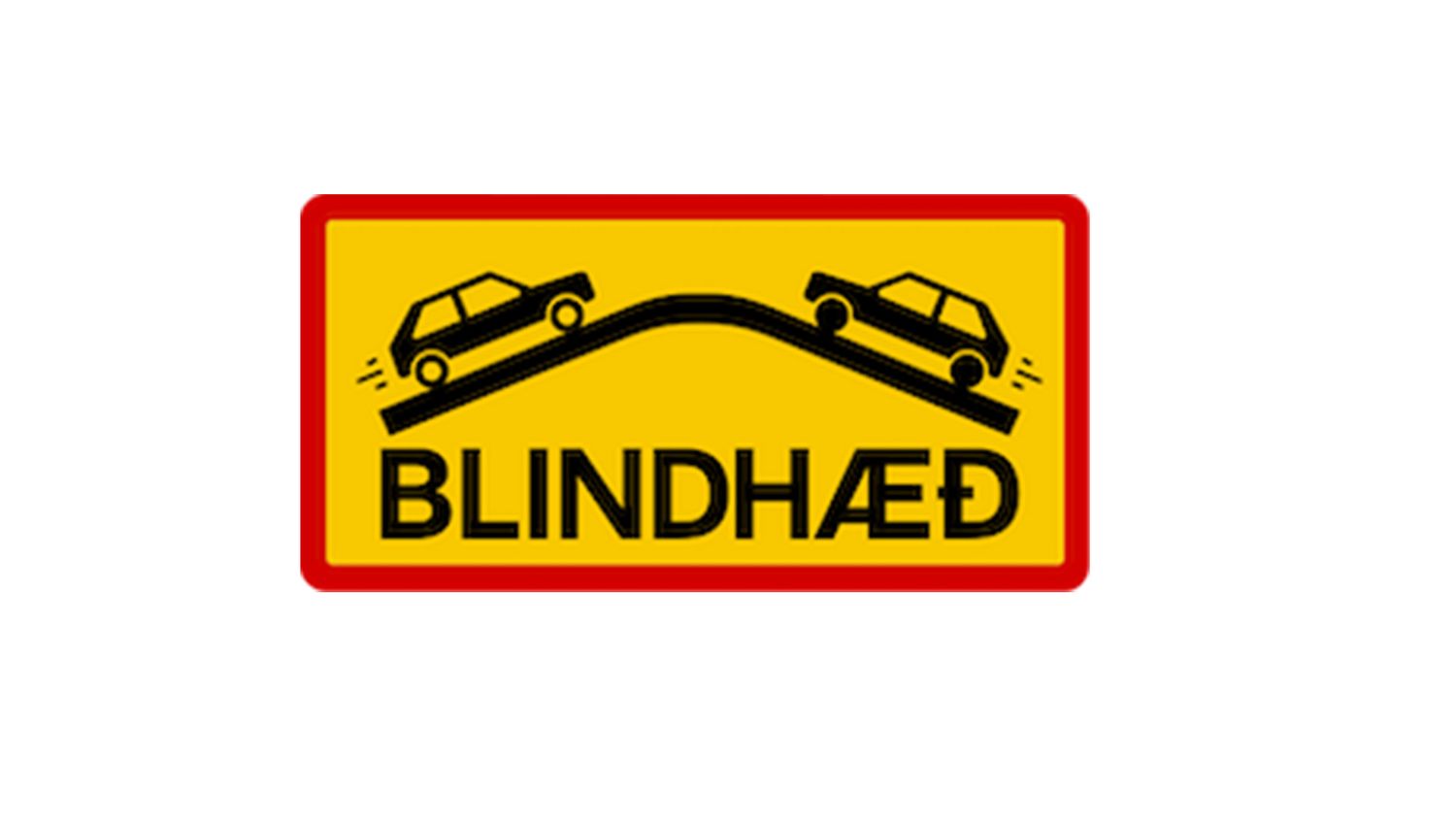
Blind hills
Blind hills should be approached just like blind curves. Slow down and stay as far to the right as safely possible to allow for oncoming traffic
Icelandic Road Signs
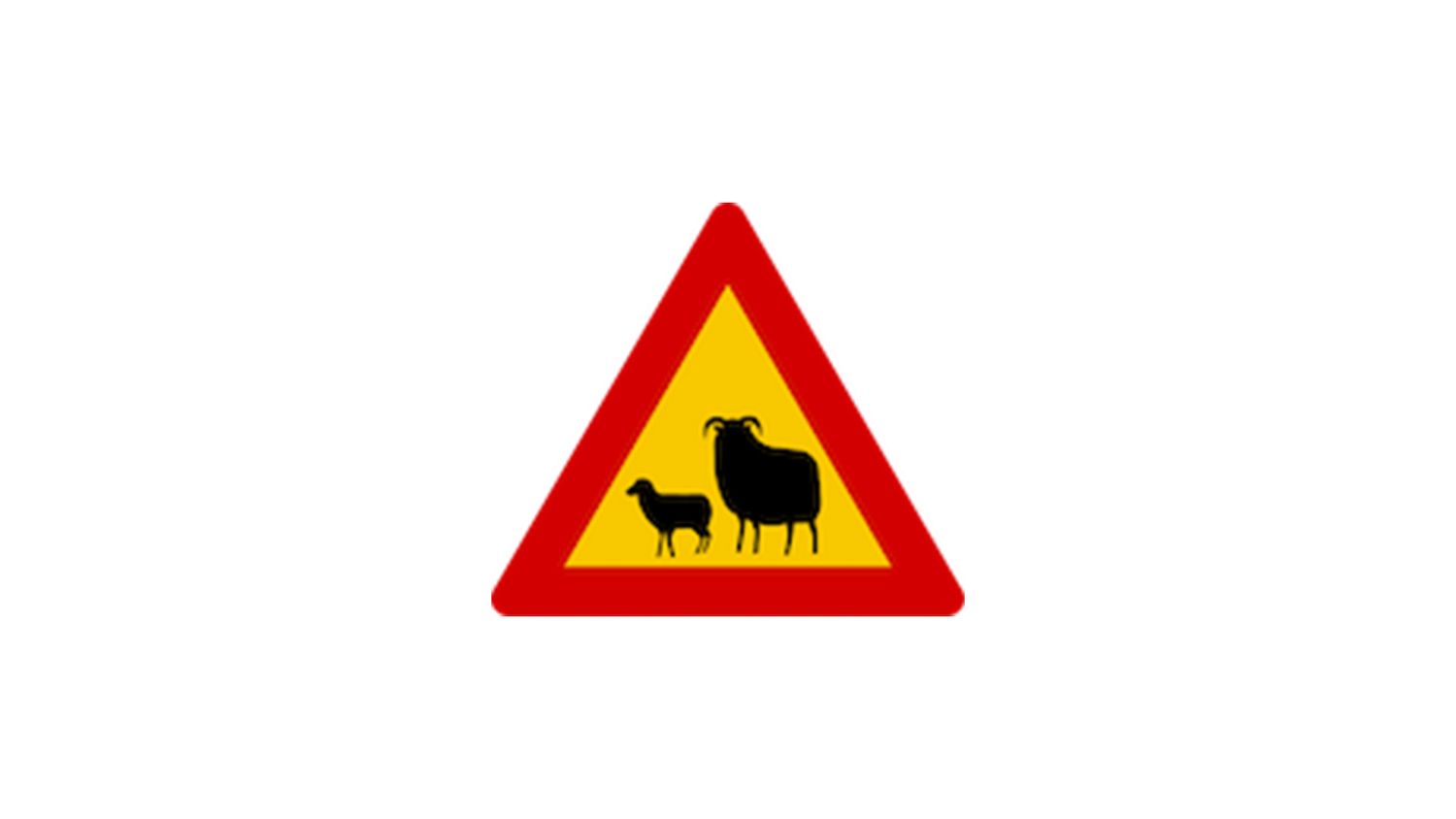
Watch for animals
Animals, both wild and domestic, may be roaming on or near the roads. This includes not only wild animals, but also domestic ones such as cows and, most commonly, sheep.
Sheep may have young on the other side of the road. Approach with caution, as the mother or lambs could run across when you near them.
If you hit and kill a sheep, you could be held responsible and may be required to compensate the owne

Priority roads in Iceland
This sign is commonly found across Europe, including in Iceland.
It indicates that you have priority on this road, and vehicles on side roads must yield to you.
Be mindful of when this priority ends, marked by the same sign but with a thick black line through it.
Renting a Car in Iceland
Iceland is a popular destination for road trips, and renting a car is an ideal way to experience the country’s scenic beauty. Car rental services are available at Keflavík International Airport (KEF) and in major cities like Reykjavik. Most rental agencies offer a variety of vehicles, from compact cars for city driving to 4x4s for venturing into Iceland’s more remote areas.
When renting a car in Iceland, keep these tips in mind:
Driver’s License: To rent a car in Iceland, you need to have a valid driver’s license. If your license is in English or another Latin-based script, it should be sufficient. However, if your license is in a non-Latin alphabet (such as Cyrillic or Arabic), you may need an International Driver’s Permit (IDP).
Age Requirements: Renters are typically required to be at least 20 years old, although some companies may require drivers to be 23 or older for certain vehicle categories. Drivers under 25 may also face an additional “young driver fee.”
Insurance: Basic insurance is usually included in the rental price, but additional coverage options like gravel protection, theft protection, and insurance for damages to tires or glass are strongly recommended. Iceland’s rough terrain and unpredictable weather conditions make these extra protections worthwhile.
Booking in Advance: Especially during the summer tourist season, car rentals in Iceland can be in high demand. It’s advisable to book in advance to secure the best rates and availability.
Road Laws in Iceland
Iceland has strict driving laws, many of which are designed to protect both drivers and the delicate environment. Familiarizing yourself with the road rules is essential for a safe and enjoyable trip.
Drive on the Right: In Iceland, you drive on the right-hand side of the road, with the steering wheel on the left side of the car.
Speed Limits: The standard speed limits in Iceland are:
50 km/h (31 mph) in urban areas
80 km/h (50 mph) on gravel roads
90 km/h (56 mph) on paved highways These limits are strictly enforced, and speed cameras are common, so it’s essential to obey them to avoid hefty fines.
Seat Belts: Seat belts are mandatory for all passengers, front and rear. Police regularly conduct spot checks to ensure compliance.
Alcohol Limit: Iceland has a very strict blood alcohol content (BAC) limit of 0.02%, which is lower than many other countries. It’s safest not to drink any alcohol before driving.
Headlights: You must drive with your headlights on at all times, even during daylight hours, which is required by law.
Road Conditions: Iceland’s weather can be extremely unpredictable, so it’s important to check road conditions before your trip. The Icelandic Road and Coastal Administration website provides real-time updates on road closures, icy patches, and other hazards.
Animals and Crossing Signs: Keep an eye out for wildlife on the roads, especially in rural areas. You’ll notice signs indicating the possibility of animals crossing, such as sheep or reindeer.
Paying for Petrol in Iceland
While Iceland is a relatively small country, refueling can sometimes be a bit different from what you might be used to, especially if you’re used to full-service petrol stations. Most stations in Iceland are self-service, and there are a few key things to note when it comes to fueling up:
Credit Card Payment: Most petrol stations accept major credit cards, including Visa and Mastercard, but not all of them take American Express. Be sure to have a chip-and-PIN credit card as this is the most widely accepted form of payment. Some stations may require you to prepay before filling up, particularly in more remote areas.
Fuel Types: There are two types of fuel available: gasoline (Benzín) and diesel (Dísel). Make sure you choose the correct one for your rental car.
Self-Serve: At most petrol stations, you’ll need to fuel the car yourself. Simply follow the instructions on the pump. If you are unsure, don’t hesitate to ask an attendant for help. Many stations have instructions in English, but it’s always helpful to familiarize yourself with the process beforehand.
Fueling Hours: Many gas stations in Iceland are open 24 hours, especially those near major towns and tourist routes. However, more remote stations might close early or have reduced hours, so it’s a good idea to fuel up whenever you get the chance, especially when heading out into less populated areas.
Toll Roads in Iceland
Iceland is home to just a few toll roads, but it’s important to be aware of them so that you can avoid unexpected charges. Here’s what you need to know:
The Hvalfjörður Tunnel: This is the most notable toll road in Iceland. The Hvalfjörður Tunnel is a 5.8-kilometer-long underwater tunnel that connects Reykjavik to the western part of the country. The toll is 1,000 ISK (around $7 USD) for a one-way trip and can be paid at toll booths or online.
Other Tolls: While the Hvalfjörður Tunnel is the main toll road in Iceland, some remote ferries or roads may also have minor tolls. Always check local signage or your car rental agency for any additional fees.