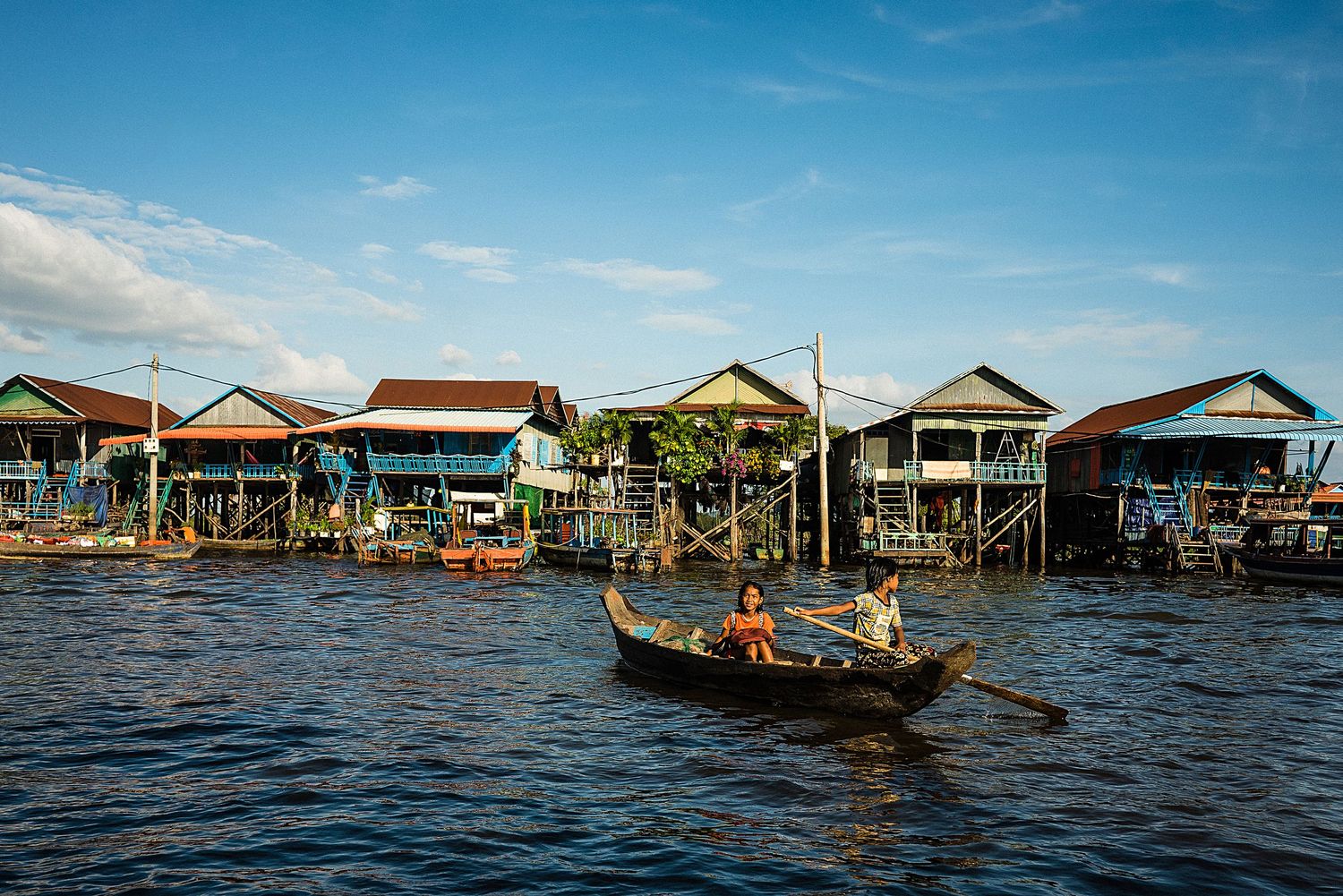
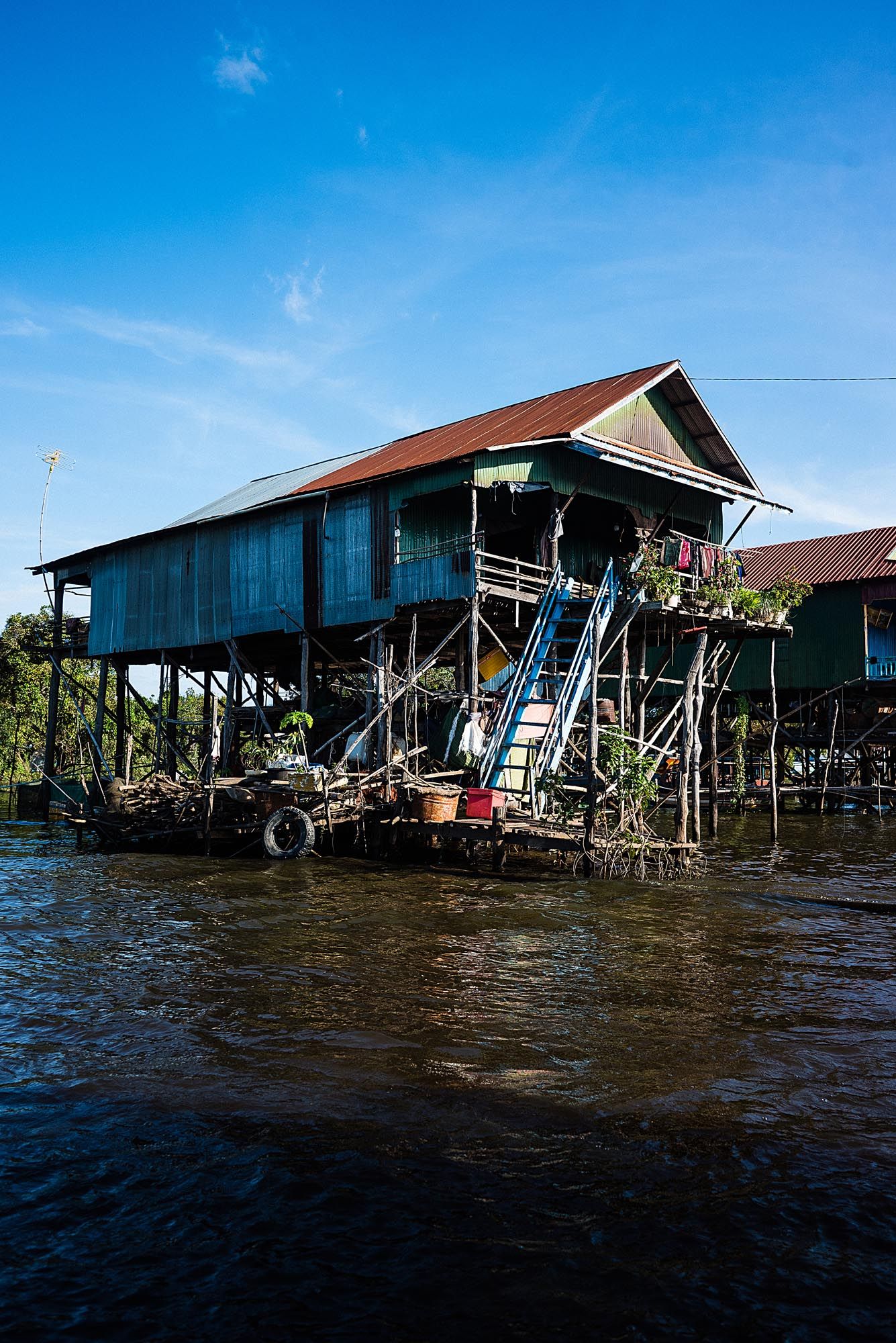
Floating villages of Siem Reap
Are the Siem Reap floating villages worth visiting? It’s one of the most common questions people ask when planning a trip to Cambodia — and the answer isn’t as straightforward as you might expect.
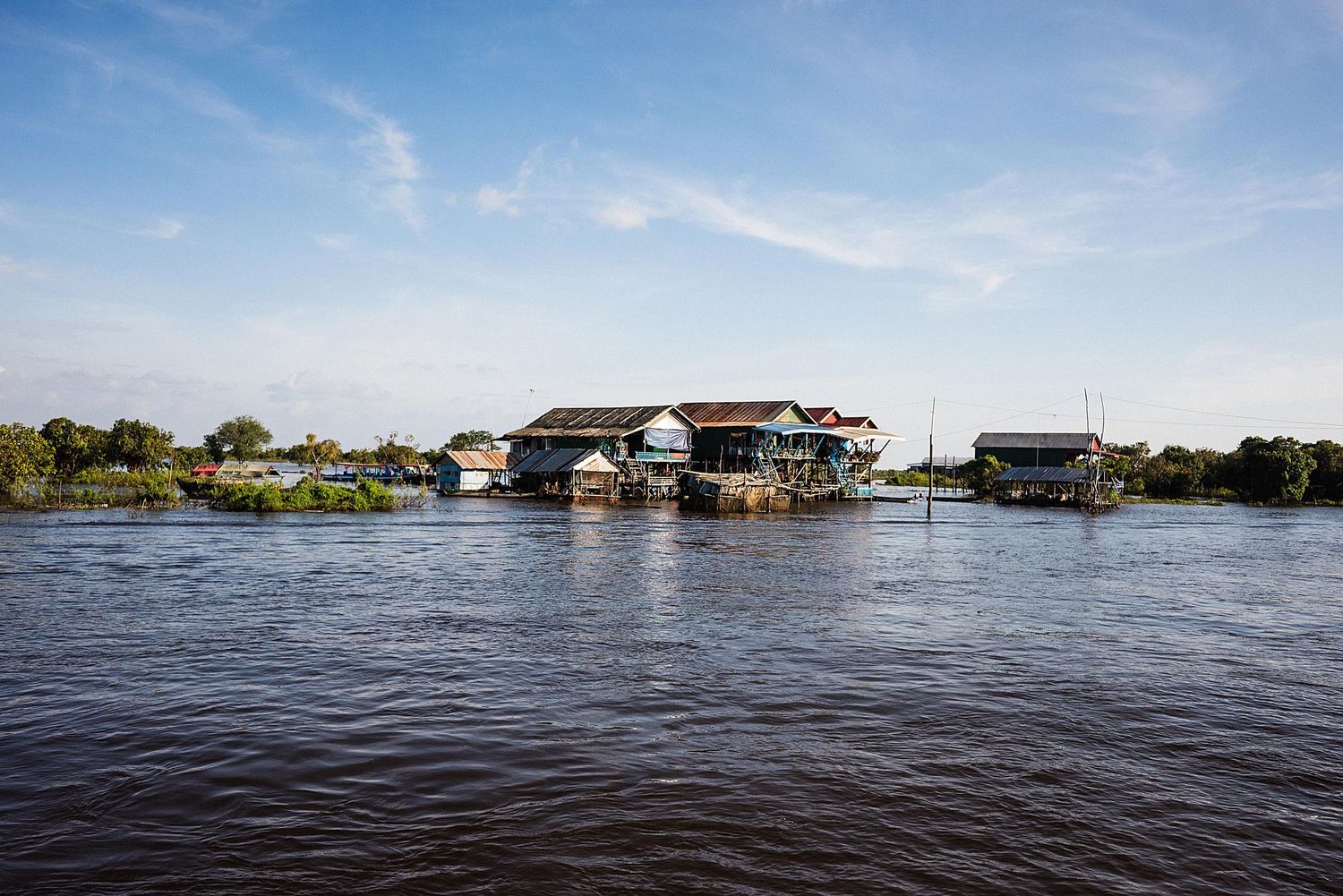
Floating villages like Kampong Phluk offer a unique look into life on Tonle Sap Lake, where entire communities live on the water or in stilted homes that rise and fall with the seasons. It’s a fascinating and very different experience from the temples of Angkor, but it can also feel touristy, confusing, or even uncomfortable depending on how you visit.
In this guide, I’ll share my honest experience visiting Kampong Phluk, what to expect from a typical tour, the pros and cons, and whether a floating village is actually worth adding to your Siem Reap itinerary.
Table of Contents
- Are the Siem Reap Floating Villages Worth Visiting?
- Best Time to Visit the Floating Villages of Siem Reap
- How Far from Siem Reap Are the Floating Villages?
- The Ethics of Visiting a Floating Village
- What Happened on the Tour I Booked
- What Other Visitors Say About Kampong Phluk
- Final Verdict: Is the Siem Reap Floating Village Worth It?
Quick Answer: Are Siem Reap Floating Villages Worth It?
- Worth it? ✔️ Yes — but choose your village and tour carefully
- Best village: Kampong Phluk (balanced experience)
- Biggest downside: Some tours feel overpriced or touristy
- Best experience: Flooded forest boat ride (wet season)
- Distance from Siem Reap: 30–60 minutes
- Good for: Culture, photography, unique experiences
Best Time to Visit the Floating Villages of Siem Reap?
The best time to visit Kampong Phluk and other floating villages of Tonle Sap is between November and March ,if you are looking for The weather to be more pleasant with cooler temperatures and less humidity and less chance of rain.
if you're interested in seeing the full effect of the flooded forests, which are accessible by boat, visiting during the wet season April to October will give you a completely different experience. The high water levels submerge the forests and stilt homes, and the area becomes a maze of water pathways.
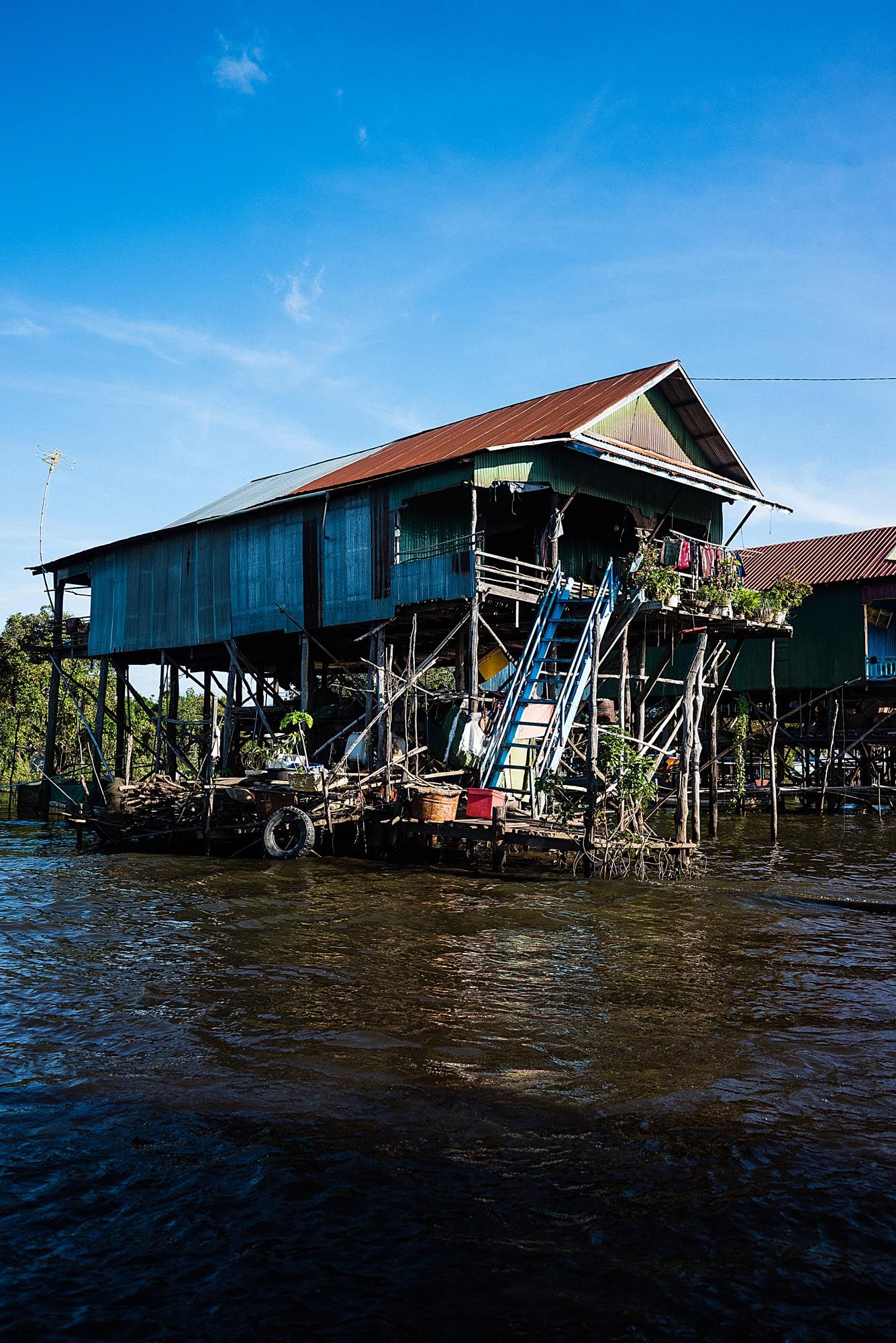
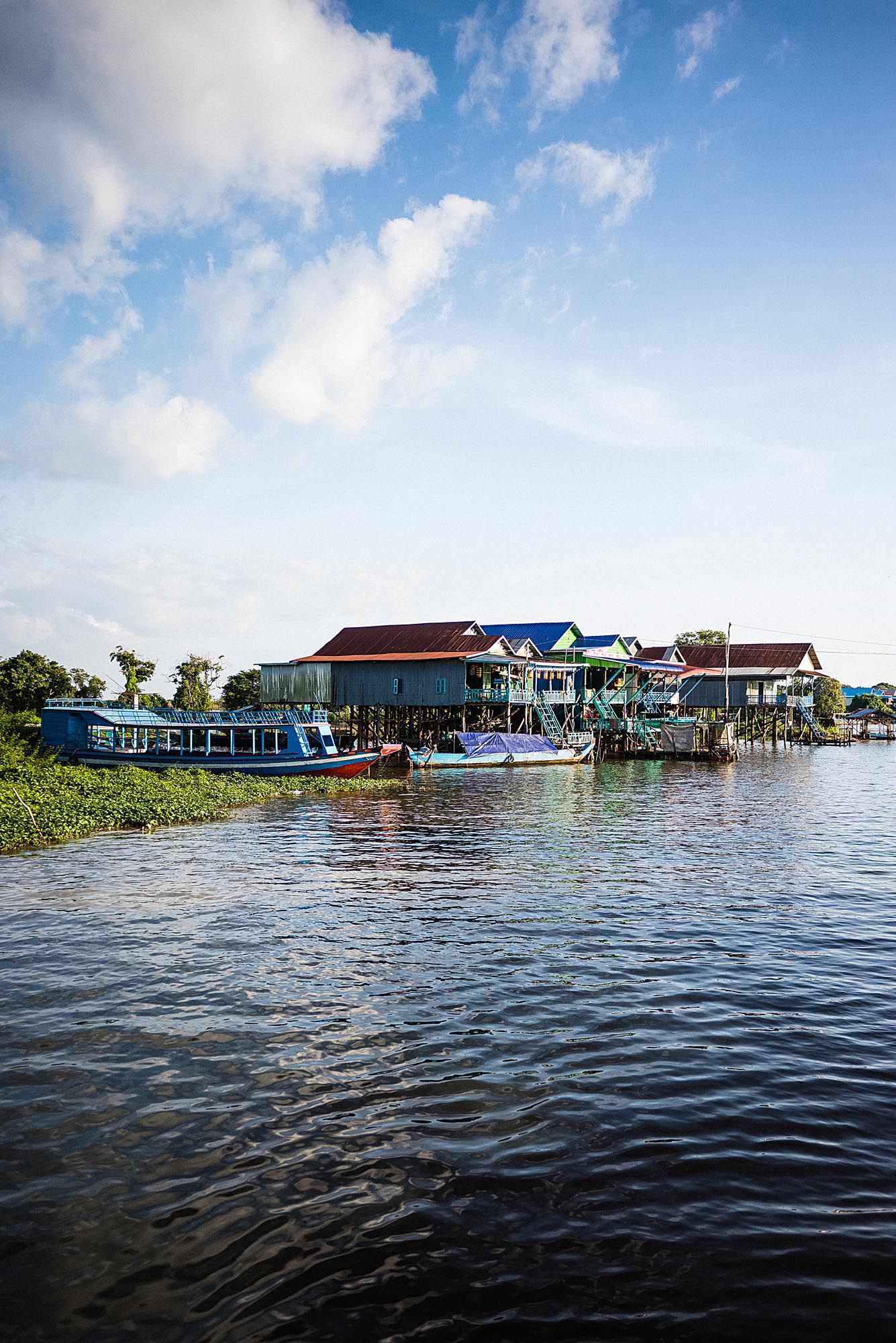
How far from Siem Reap are the Floating Villages?
Siem Reap is 30km away (19 miles) from the floating villages, depending on which village you are visiting.
Kampong Phluk, one of the most popular floating villages near Siem Reap, is approximately 25km (16 miles) from the town center. It takes about 45 minutes to 1 hour by tuk-tuk or private car to reach the village. Kompong Khleang is about 40km (25 miles) from Siem Reap,
Chong Kneas is roughly 15km (9 miles).
The Ethics of Visiting a Floating Village
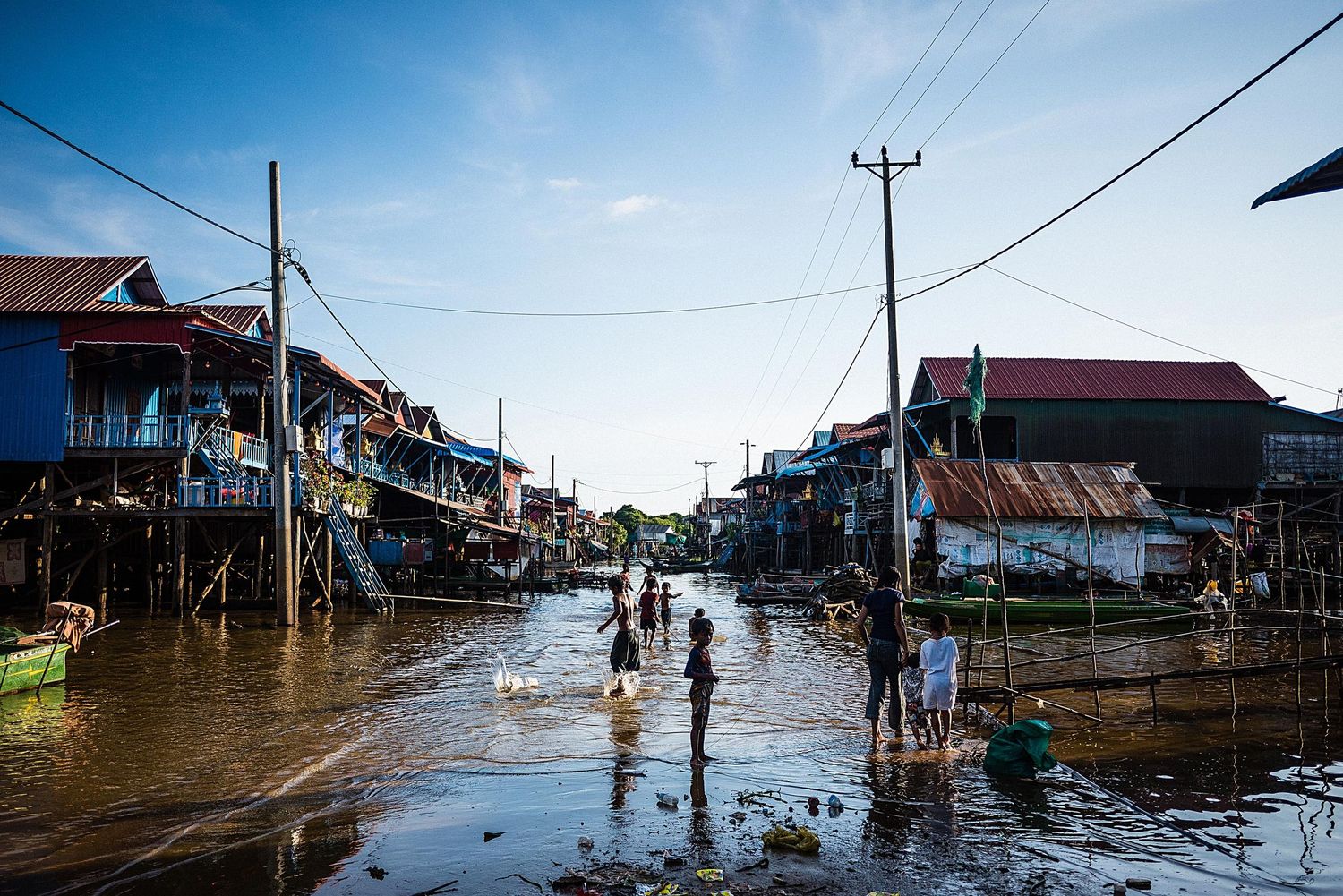
While visiting Kampong Phluk and similar floating villages offers an incredible opportunity to immerse yourself in a totally different culture, it's important to consider the ethical implications of tourism in such communities. Tourism can be a double-edged sword: on one hand, it provides an essential source of income for local families, but on the other hand, it can sometimes exploit vulnerable communities or disrupt their way of life. Personally, during my trip it felt like tourism was positive and welcomed by the locals.
Is the Siem Reap Floating Village Worth It?
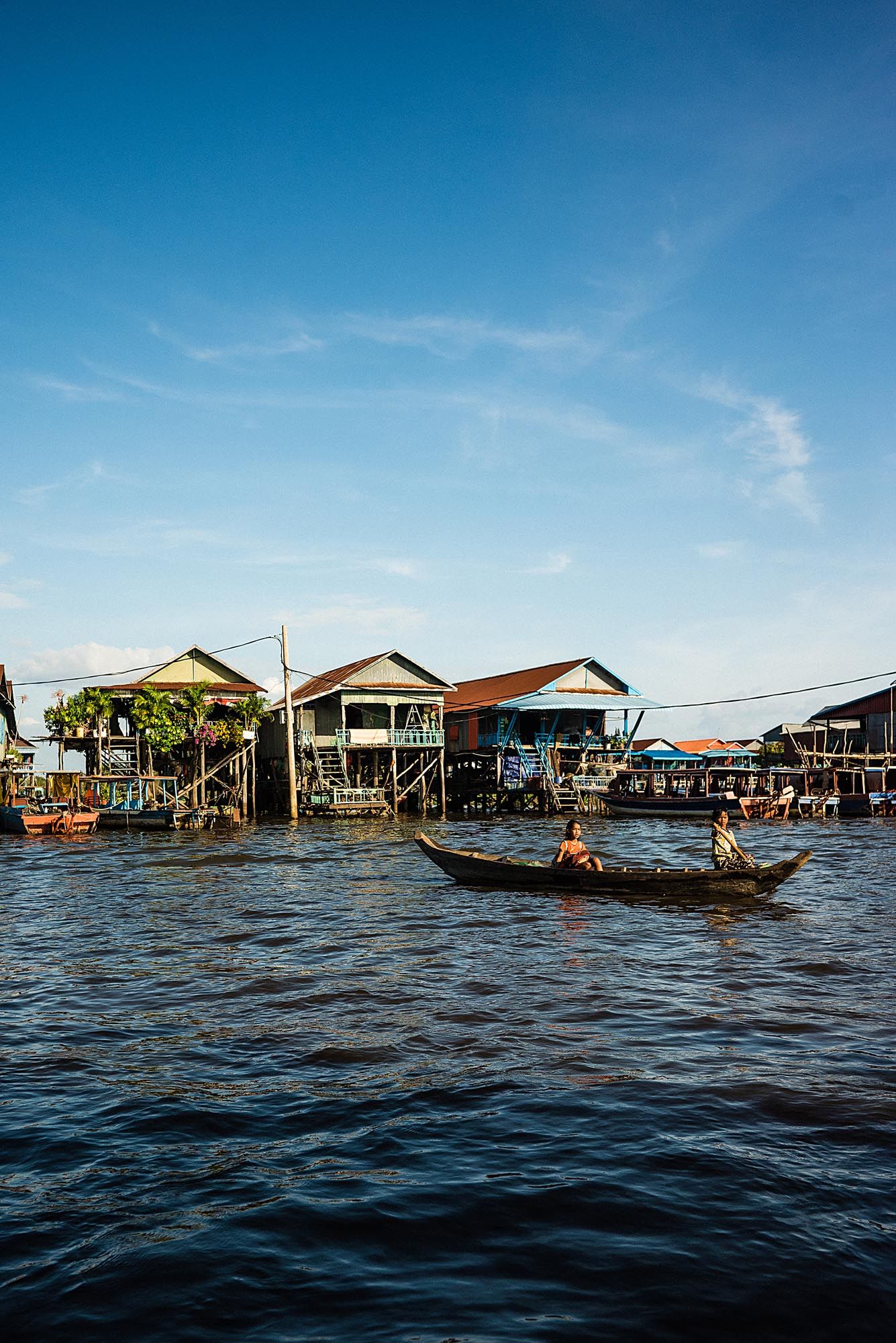
Yes, the floating villages of Siem Reap are absolutely worth visiting for those interested in understanding local culture and experiencing life on Tonle Sap Lake. Kampong Phluk is one of the most iconic floating villages in the region, renowned for its stilt houses, extensive mangrove forests, and vibrant local community. The village is home to the ethnic Vietnamese and Khmer people who live in stilted homes due to the fluctuating water levels of the lake. The boat rides through Kampong Phluk offer unparalleled opportunities for photography, you’ll witness the daily routines of villagers, including fishing, washing clothes, and cooking, all while living above the water. The experience is serene yet eye-opening, making it an unforgettable addition to your Siem Reap itinerary. On my flight from Thailand to Cambodia, I flew over Tonle Sap Lake. It was a clear day, and from the plane, I could see just how vast the lake is, along with the floating villages scattered across its surface—an impressive sight. It made me even more excited for the tour I had booked.
What happened on the tour I booked
The tour guide greeted me at my hotel entrance and escorted me to an air-conditioned minibus. After a 40-minute drive, we stopped briefly for a toilet break and a chance to grab some snacks. Then, it was a short drive to the boat departure point. The group boarded a boat with two levels, and I chose to sit both on the lower deck and then the top deck, each offering fantastic views of the river, the lake, and the floating villages. It was fascinating to watch life unfold on the water, and the experience felt very relaxed and leisurely, giving us plenty of time to take in the surroundings.
After a while, the boat docked, and we disembarked to explore the walkable part of the village. We took a short stroll through the area, where we saw school children playing and locals going about their daily routines. The children were especially friendly and eager to wave and smile, adding a warm, welcoming touch to the experience. After spending some time on land, we returned to the boat and set off towards the flooded forest. Here, we had the opportunity to board smaller boats for a closer look at the forest at an additional cost. I highly recommend taking this opportunity—it was an incredibly unique and peaceful experience, gliding silently through the flooded trees.
Once back on the main boat, we made a stop at a local restaurant, where we could grab a drink or a snack before continuing on our journey. Afterward, we sailed out into the middle of Tonle Sap Lake to catch the stunning sunset. The colors over the water were breathtaking, creating a perfect moment of calm and beauty.
After the sunset, we made our way back along the same route to the dock, where our van was waiting to take us back to our hotels.
If you're interested in taking a similar tour it might be worth checking out Viator
Which Floating Village Is Best Near Siem Reap?
Not all floating villages near Siem Reap offer the same experience, and choosing the right one can make a big difference.
Kampong Phluk is the most balanced option, offering stilt houses, a walkable village area, and access to the flooded forest. It’s popular but still feels relatively authentic, making it the best choice for most first-time visitors.
Kampong Khleang is the largest floating village on Tonlé Sap, home to around 6,000 people living in stilted and floating houses. It feels more local and less touristy, with community-owned boat tours that directly benefit residents, funding services like schools and medical centres. However, it’s further from Siem Reap and less developed for visitors.
Mechrey is one of the least visited villages and offers a quieter, more eco-friendly experience. It’s smaller, more traditional, and known for its community-based tourism, including a floating cemetery and locally operated boat services.
Prek Toal is an emerging ethical tourism destination, best known for its bird sanctuary and not-for-profit tours. It’s far less touristy and offers more immersive experiences such as homestays, but it requires more time and planning to visit.
Chong Kneas is the closest floating village to Siem Reap, but it’s widely considered the most touristy. Many visitors report issues with overcharging, hidden costs, and a less authentic experience, making it the least recommended option.
If you’re unsure which to choose, Kampong Phluk is generally the safest and most enjoyable option, offering a good balance between accessibility, authenticity, and overall experience.
What Other Visitors Say About Kampong Phluk
Reviews of Kampong Phluk are mixed, and reading through recent visitor experiences reveals a clear pattern: the village itself is fascinating, but how you visit it makes all the difference.
Many travellers describe Kampong Phluk as culturally eye-opening. Seeing families living in stilt houses above the water, children travelling by boat, and daily life unfolding on Tonlé Sap leaves a strong impression. Several visitors mention the flooded forest as a highlight, especially during the wet season, when the silence and scenery feel peaceful and unique.
However, a large number of reviews also raise concerns about pricing, transparency, and the overall tour structure.
One of the most common complaints is the cost of the boat trip, which typically ranges from $20–$30 per person. Some visitors felt the ride was very short, spending only a brief time on the open lake before being taken back. Others were frustrated by being funnelled into floating restaurants and souvenir stops with inflated prices, rather than having more time to explore the lake itself.
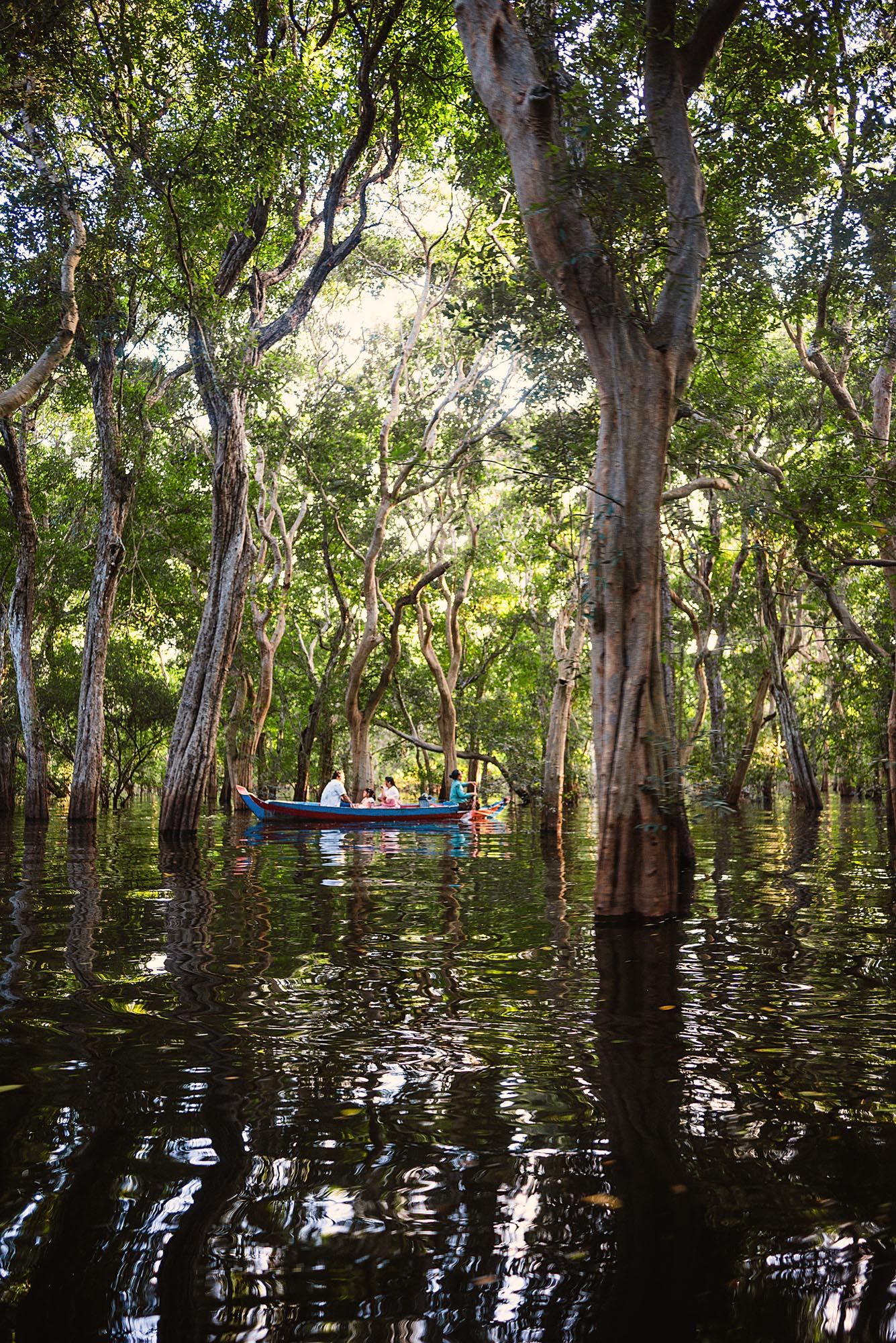
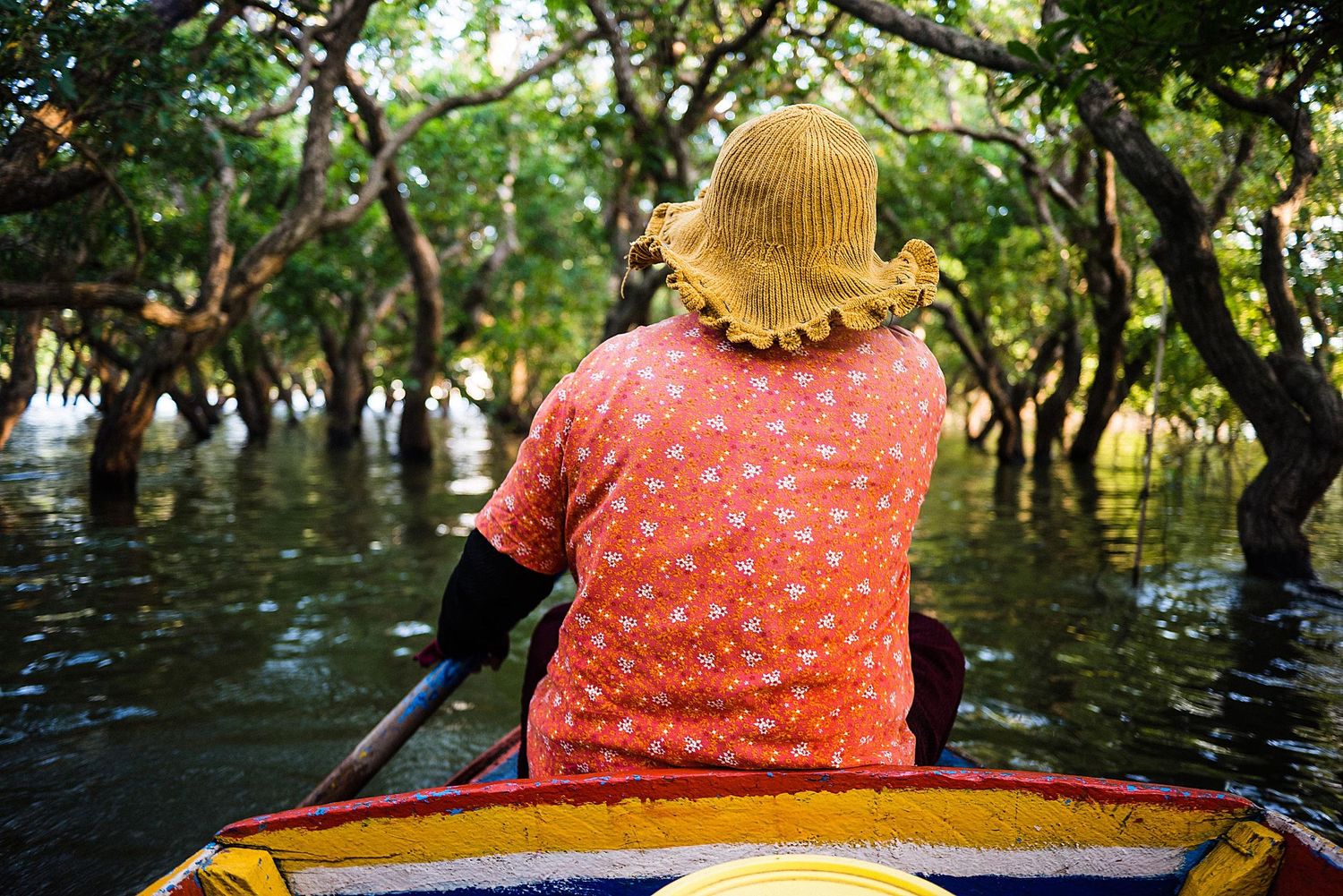
Another recurring issue is pressure to pay for add-ons. Many tours offer the flooded forest in a smaller rowing boat as an extra charge, which some travellers found annoying — although those who did take it often said it was the most enjoyable part of the experience.
Several reviews also mention ethical concerns, particularly the presence of crocodiles kept in small cages at floating restaurants. This left a bad impression for many visitors, who felt it added nothing to the experience and detracted from the cultural value of the visit.
A handful of travellers who visited independently — without a tour — felt pressured into buying boat tickets simply to access the area, especially during the wet season when roads are flooded. This led some to describe the village as a “tourist trap,” particularly when expectations weren’t clearly set beforehand.
That said, not all experiences were negative. Visitors who booked organised tours with clear itineraries or visited during the right season tended to leave more positive reviews. Families and travellers interested in local culture often described the visit as humbling, memorable, and very different from the temple-focused side of Siem Reap.
Is Sunrise at Angkor Wat Worth It?
Was I happy to wake up at 4am
Angkor Wat, one of the largest religious monuments in the world, is a must-visit destination for anyone traveling to Cambodia. This architectural marvel is not only impressive by day, but at sunrise, it becomes an awe-inspiring spectacle. If you're wondering whether witnessing sunrise at Angkor Wat is worth it, the short answer is probably...
Final Verdict: Is the Siem Reap Floating Village Worth It?
Yes — visiting a floating village near Siem Reap is worth it, but only if you choose the right village and go in with the right expectations.
Kampong Phluk offers a good balance of accessibility, scenery, and cultural insight, especially if you include the flooded forest boat ride. It’s not a polished tourist attraction, but that’s part of the appeal — you’re seeing real communities living in a unique and challenging environment.
That said, the experience can feel quite different depending on how your tour is structured. Some visits can feel rushed or overly commercial, while others feel peaceful, authentic, and genuinely memorable. Choosing a well-reviewed tour and understanding what’s included makes a big difference.
If you’re interested in seeing a different side of Cambodia beyond Angkor Wat, the floating villages are absolutely worth considering. Just don’t expect a typical sightseeing attraction — this is more about observation, perspective, and experiencing a way of life that’s very different from your own.