Is Sarajevo Cheap or Expensive?
Sarajevo is one of the cheapest capital cities in Europe, but how cheap it feels depends on your travel style. Budget travellers can easily spend £22–£35 ($28–$45) per day, while mid-range travellers should expect £43–£78 ($55–$100). Compared to Western Europe, prices in Sarajevo are significantly lower — especially for food, transport, and accommodation.
From cheap flights to budget-friendly meals, Sarajevo is one of those European cities where your money genuinely goes further. In this blog, I’m breaking down exactly what I spent on a short trip: flights, accommodation, food, taxis, activities… the lot. If you’re planning a weekend getaway or a quick city break and want to know what a realistic budget looks like, especially coming from the UK, this guide should help you plan your own trip.
Spoiler Alert – My entire trip cost £311 ($395)
💸 Sarajevo Cost Breakdown: Quick Summary
If you just want the quick answer — here’s what a trip to Sarajevo actually costs in 2026.
£22–£35 ($28–$45) — Budget
£50–£90 ($64–$115) — Mid-range
£100+ ($128+) — Luxury
£50–£120 return
($64–$150)
Deals from £30 ($38)
£25–£60 per night
($32–$75)
Hostels from £10 ($13)
Meals £3–£12
($4–$15)
Coffee from £1 ($1.20)
Taxi £3–£8
($4–$10)
Airport ~£5–£10 each
Museums £2–£6
Cable car £12.80 ($16)
Tours ~£20 ($25)
👉 One of the cheapest European city breaks with full experiences included
Is Sarajevo Worth Visiting?
Sarajevo is absolutely worth visiting — especially if you’re looking for somewhere that feels completely different from the typical European city break, without the higher price tag.
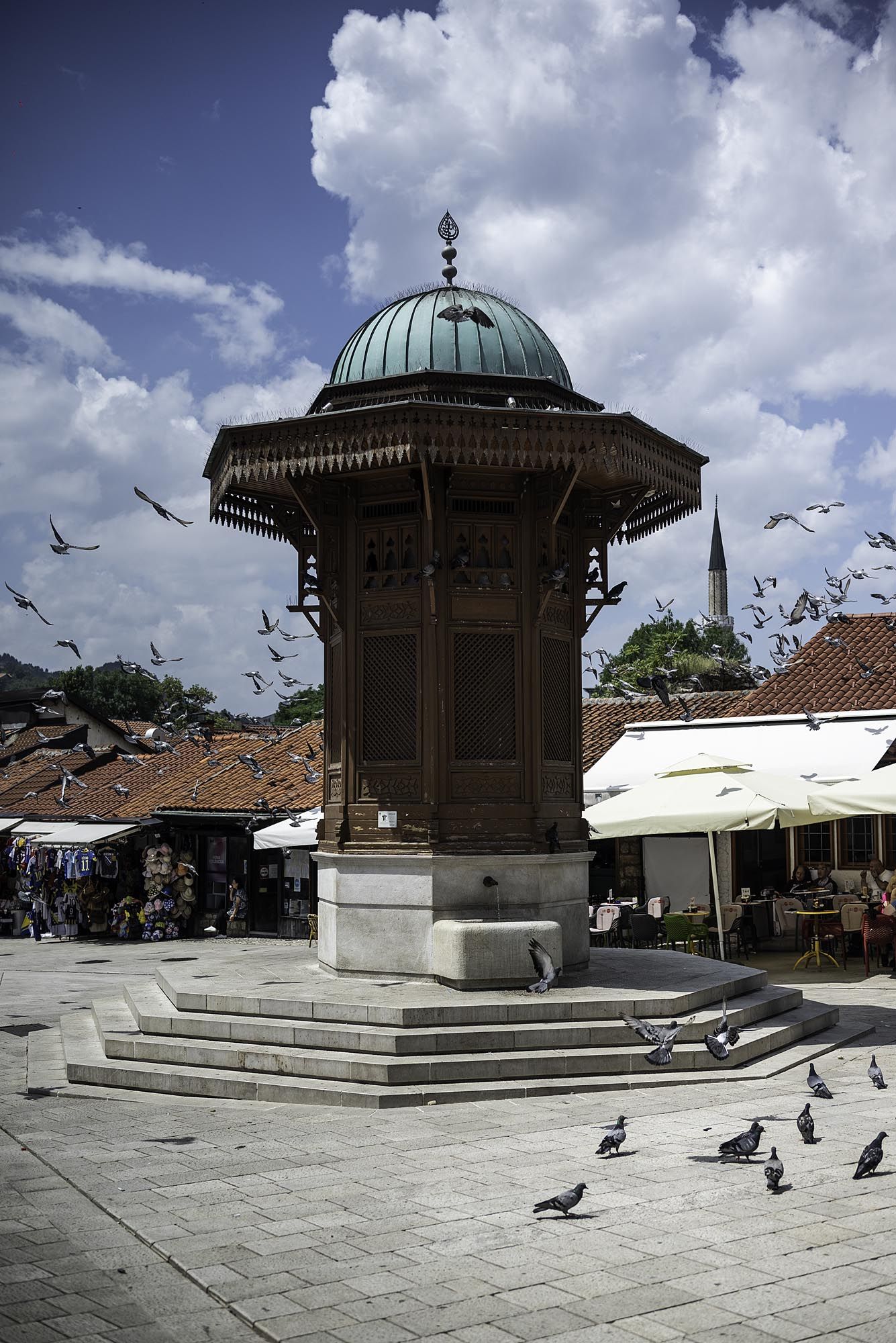
What makes Sarajevo stand out isn’t just how cheap it is, but how unique it feels. The city has a mix of Ottoman, Austro-Hungarian, and Yugoslav history, which you can see everywhere from the architecture to the food. Walking through Baščaršija, you’ll find traditional markets, mosques, and cafés that feel closer to Istanbul than most of Europe.
At the same time, Sarajevo has a really modern and relaxed side. You’ve got great restaurants, coffee culture, and plenty of viewpoints like the Trebević mountain overlooking the city. It’s also a place with a powerful recent history, and visiting museums like the War Childhood Museum or taking a Tunnel of Hope tour adds a completely different depth to the experience.
One of the biggest advantages is how affordable everything is. You can eat well, stay somewhere central, and explore properly without constantly worrying about money — something that’s becoming harder to find in Europe.
That said, Sarajevo isn’t a huge city packed with endless attractions. It’s best suited for a 2–3 day trip, which makes it perfect for a weekend getaway or part of a longer Balkans itinerary.
Overall, if you’re looking for a destination that’s cheap, culturally rich, and a bit different from the usual, Sarajevo is one of the most underrated cities in Europe right now.
Sarajevo is consistently ranked among the cheapest capital cities in Europe, often costing 60–70% less than cities like London or Paris.
My Trip Breakdown
Flights - £48 ($61) return
Flights were actually one of the cheapest parts of the trip. I paid just £48 ($61) return, which is incredible for a European city break. If you’re flexible with dates and book in advance, it’s still very possible to find similar deals from other European cities. Budget airlines regularly run routes to Sarajevo, and with a bit of planning, flights can easily be one of the lowest costs of the entire trip.
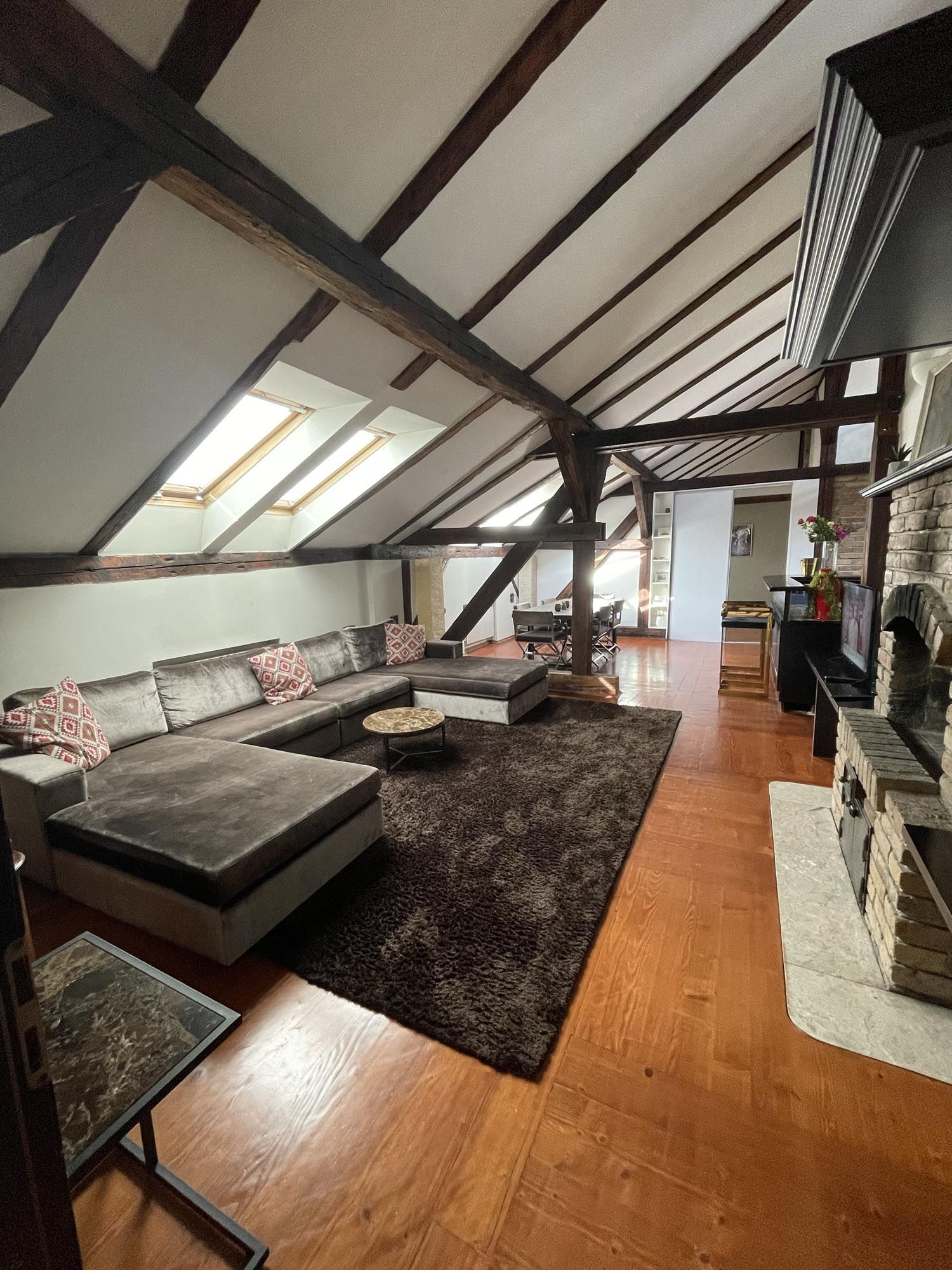
Apartment - £80 ($107) each
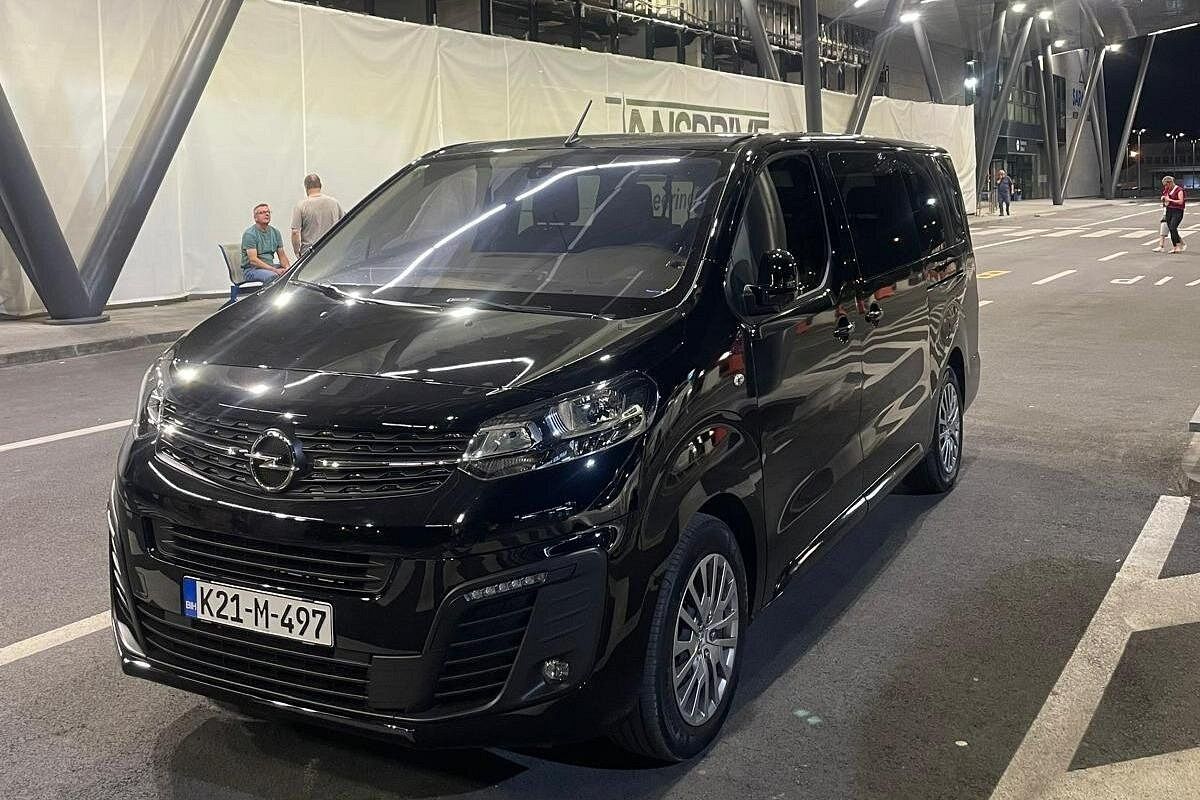
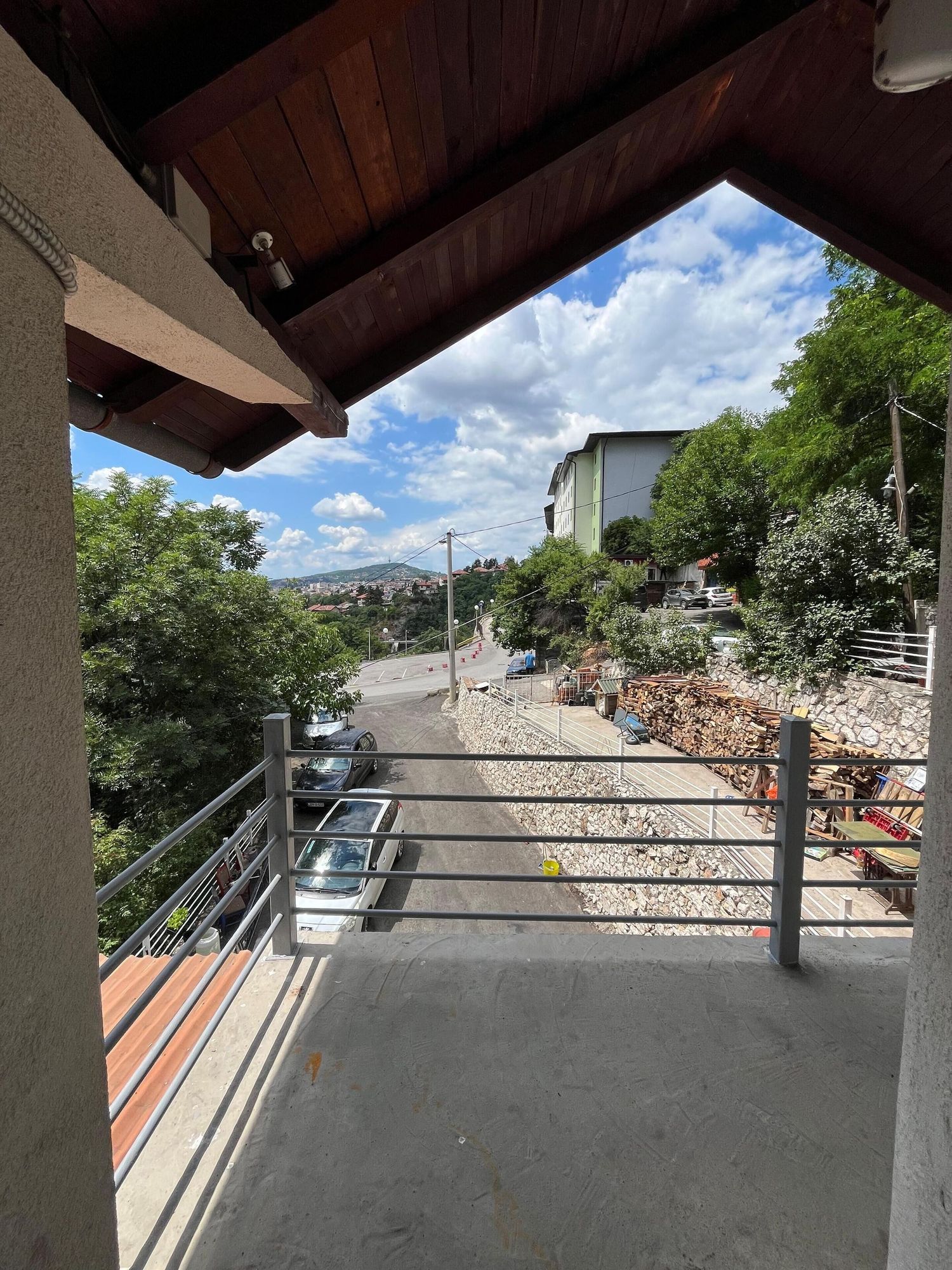
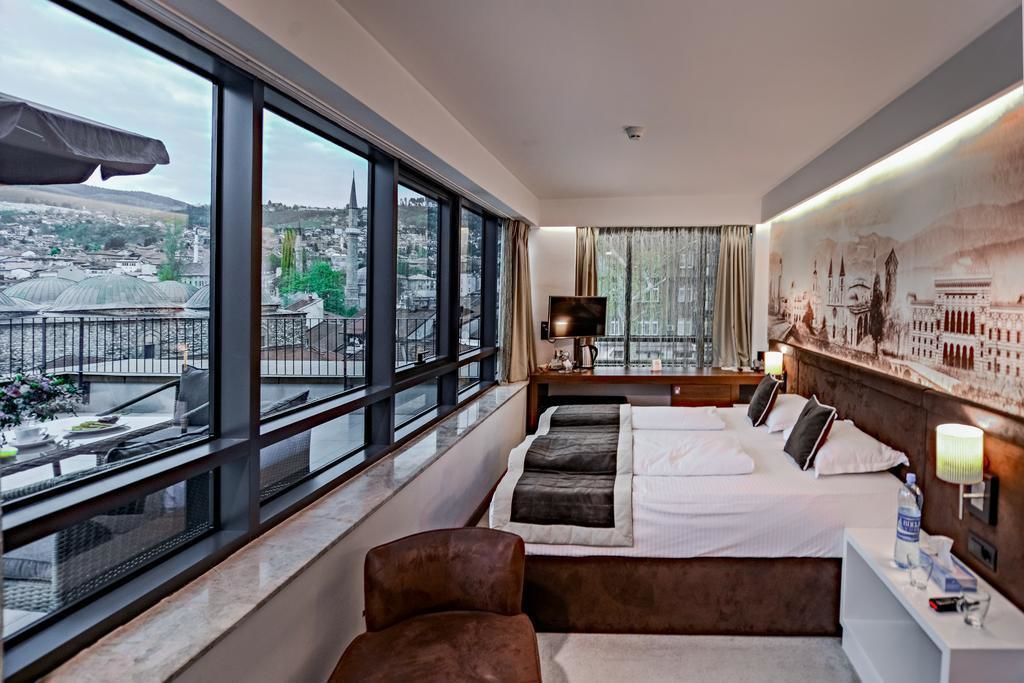
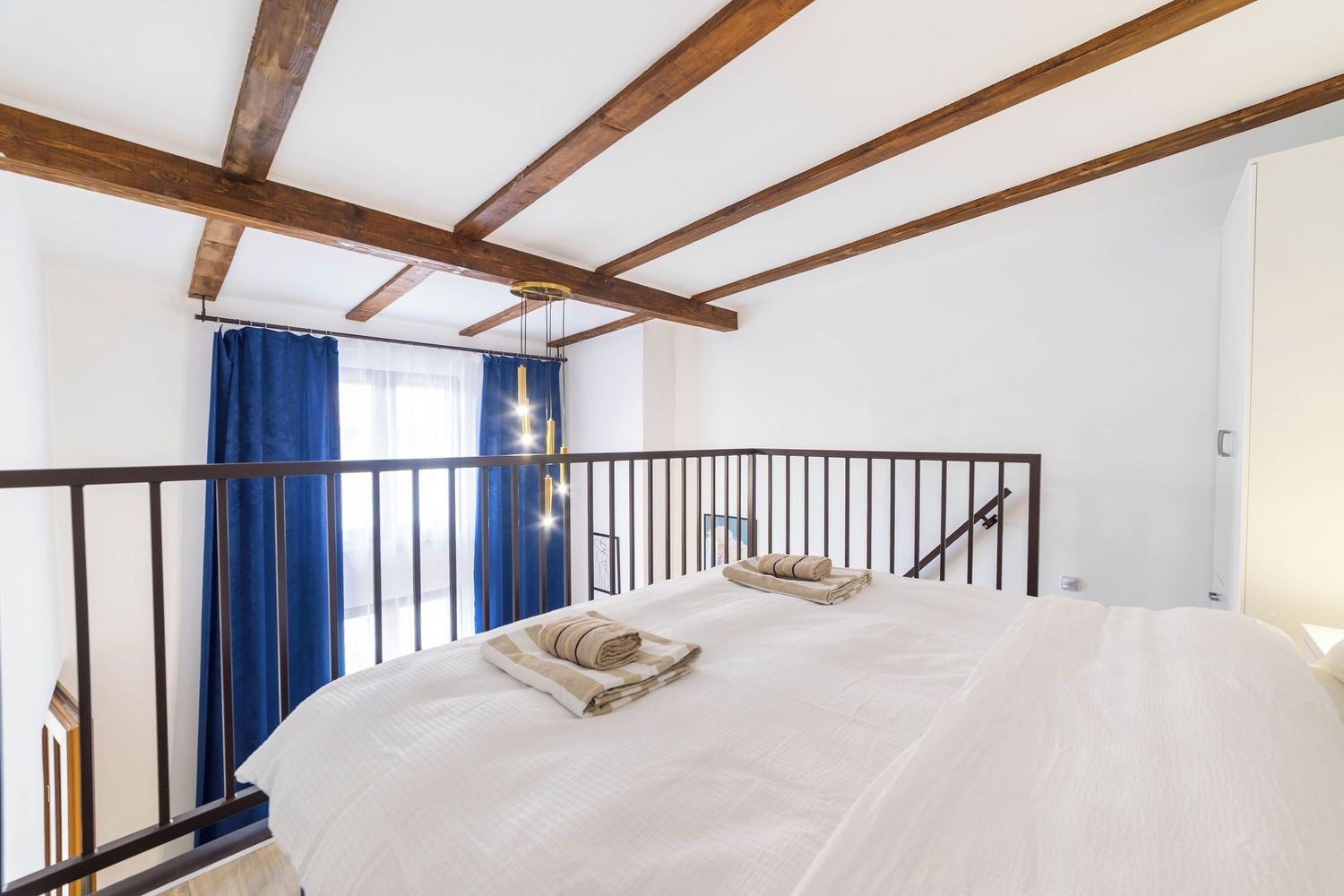
I stayed in an apartment booked through Airbnb, which had several rooms, perfect for sharing with the two friends I was travelling with. Splitting the cost made it great value, and it turned out to be a really unique and comfortable place to stay. The apartment itself was fantastic, full of character, nicely decorated, and in a pretty convenient location for exploring Sarajevo. Total Price of the apartment was £240 ($305) for 2 nights.
General Spending - £183 ($245)
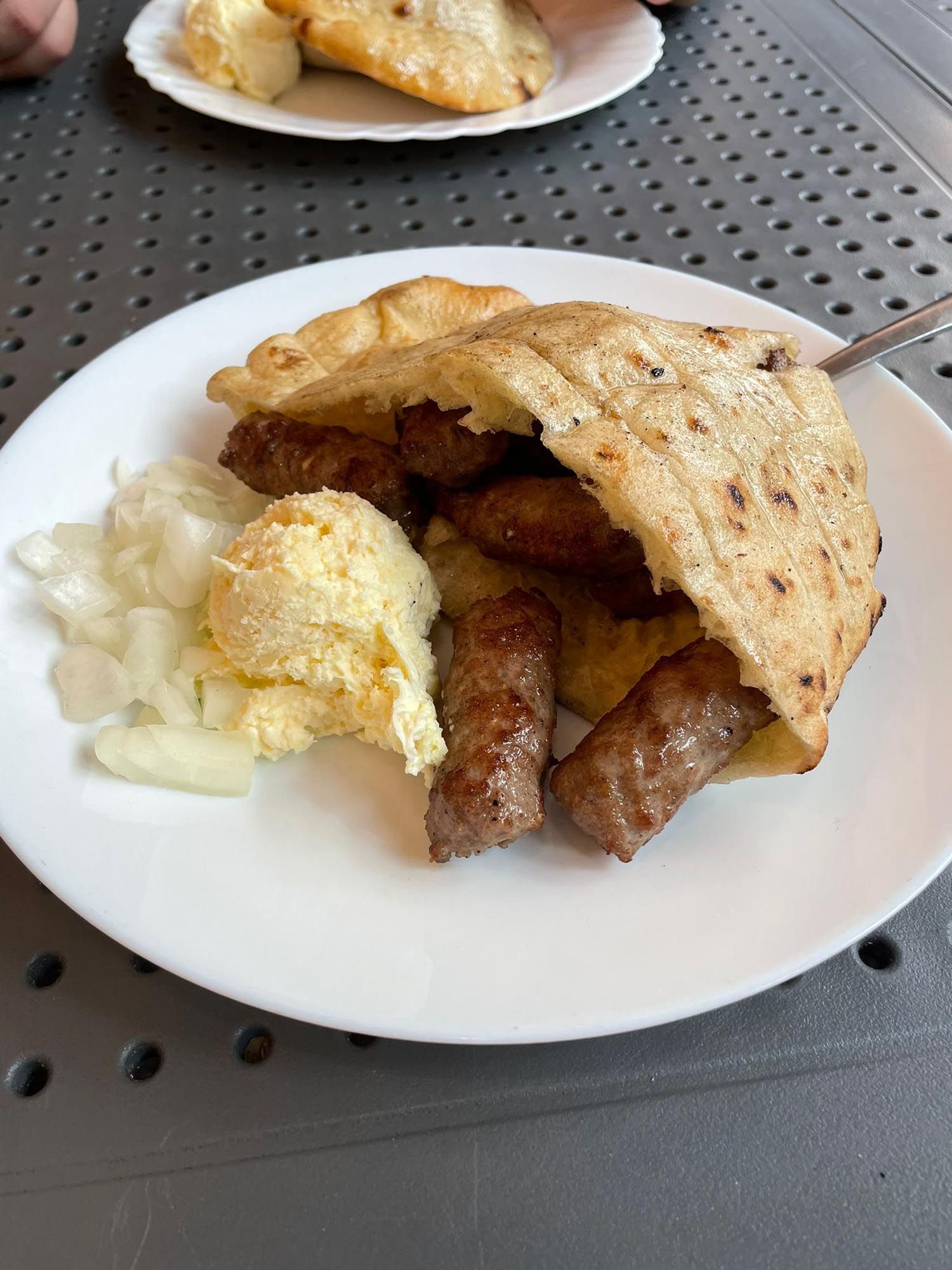
The first expense of the trip was a pre-booked taxi from the airport for £15 ($19) in total, or £5 ($6) each. There are cheaper ways to get into Sarajevo, but this was the most convenient. I then withdrew £130 ($165) in cash, which covered meals, coffee shops, taxis, and other small spends. The biggest indulgence was a £90 ($115) dinner at Kolpa, split three ways at £30 ($38) each. In total, my spend for the trip came to £311 ($395), which I think is pretty reasonable.
Average Daily Cost in Sarajevo
Sarajevo is one of those cities where your daily budget can stretch much further than you might expect, especially compared to Western Europe. Based on both my own trip and typical prices across the city, most travellers will fall somewhere into three rough spending ranges depending on how they like to travel.
If you’re travelling on a tighter budget, you can comfortably get by on around £22–£35 per day ($28–$45). That would usually mean staying in a hostel or splitting an apartment, eating cheap local food like ćevapi or burek, walking or using public transport, and sticking to low-cost or free attractions. Sarajevo makes this style of travel really easy, and you never feel like you’re missing out.
For most people, a mid-range budget of around £50–£90 per day ($64–$115) is the sweet spot. This is where you can stay somewhere central and comfortable, eat out regularly at proper restaurants, grab coffees, take the occasional taxi, and visit a few paid attractions like museums or the cable car without thinking too much about cost. This is roughly the level my own trip sat at overall, and it felt like great value for everything included.
If you’re leaning more towards a luxury-style trip, you’re looking at £100+ per day ($128+), and realistically closer to £150–£200 ($190–$255) if you’re going all out. That would cover high-end hotels, frequent taxis, full sit-down meals, drinks, and guided tours. Even at this level, Sarajevo still feels relatively affordable compared to most European capitals.
Overall, Sarajevo is firmly on the cheaper end of the scale. Whether you’re travelling on a budget or treating yourself a bit more, it’s a city where you can have a really full experience without spending a huge amount.
What I Spent in Sarajevo: Flights, Apartment and Daily Costs
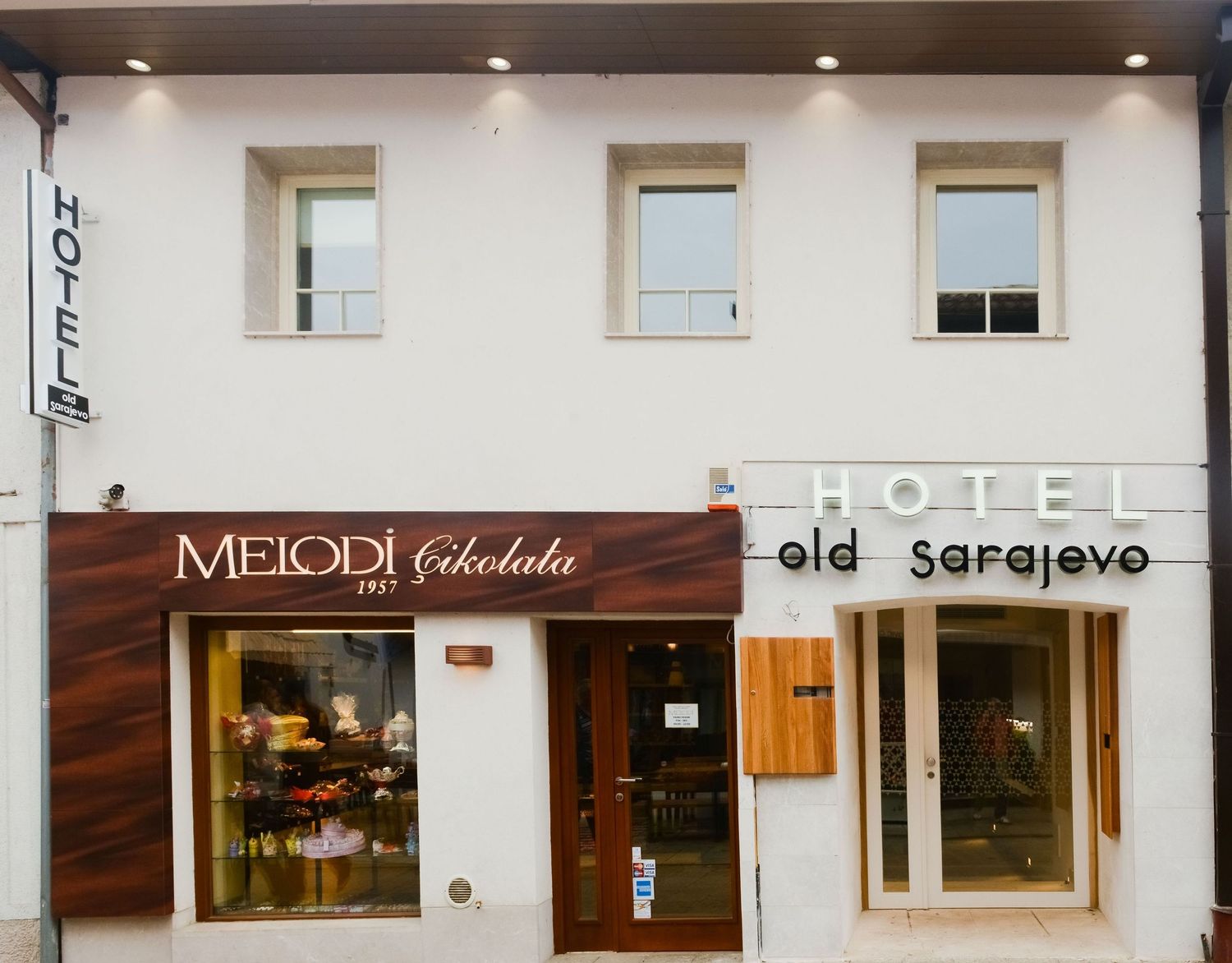
Sarajevo has a surprisingly good range of accommodation, and one of the best things about the city is how affordable it is compared to most European capitals. Whether you prefer modern hotels, boutique guesthouses or spacious Airbnbs, you’ll usually find great value for money. Many mid-range hotels in the centre fall between £30–£60 ($38–$75) per night, and even well-rated places with breakfast included can often be found for under £50 ($64). Budget options like hostels or basic guesthouses can be as low as £10–£25 ($13–$32) per night, while higher-end hotels are still relatively affordable, typically ranging from £70–£120 ($89–$150).
If you're travelling as a group, apartments are an even better deal — you can get a stylish, centrally located Airbnb for a fraction of what you’d pay in Western Europe, often between £40–£80 ($50–$100) per night depending on size and location. Overall, Sarajevo is a city where your accommodation budget stretches a lot further than you’d expect, and you don’t need to spend much to stay somewhere comfortable and well-located.
Flights to Sarajevo: Routes, Airlines & Prices
Flights to Sarajevo arrive at Sarajevo International Airport (SJJ), located around 20 to 30 minutes from the city centre. Currently, the only direct flight from the UK is with Ryanair from London Stansted (when I was booking my flights), taking roughly 2 hours and 40 minutes. If you’re already travelling around Europe, you’ll find plenty more direct options to Sarajevo from cities such as Stockholm, Gothenburg, Rome, Milan, Memmingen, Baden Baden, Düsseldorf, Girona, Brussels, Paris, and Copenhagen. It’s quite a mix of destinations, especially the smaller German airports, but it does make Sarajevo surprisingly easy to reach as part of a wider European trip.
The cost of return flights is typically around £50–£70 ($64–$89). Flights were actually one of the cheapest parts of the trip. I paid just £48 ($61) return, which is incredible for a European city break. If you’re flexible with dates and book in advance, it’s still very possible to find similar deals from other European cities. Budget airlines like Ryanair and Wizz Air occasionally offer routes at very low prices, while airlines such as Turkish Airlines, Lufthansa, and Austrian Airlines provide more consistent connections via major hubs like Istanbul, Vienna, and Munich. Realistically, most people will pay somewhere between £60–£120 ($75–$150) return, although cheaper deals do come up. With a bit of planning, flights can easily be one of the lowest costs of the entire trip.
Where You Can Fly From
From the UK:
- London (Luton, Stansted, Gatwick)
- Manchester (limited / seasonal)
From Europe (best options):
- Milan, Rome
- Vienna
- Budapest
- Berlin
- Stockholm
- Istanbul (major hub)
👉 If you can’t find a direct flight, connecting via Istanbul, Vienna, or Munich is usually the easiest.
Food and Drink Prices: How Affordable Is Sarajevo?
Food in Sarajevo is both delicious and incredibly affordable, one of the city’s biggest perks if you’re travelling on a budget. Even in the heart of Baščaršija, you can eat out well without spending much more than a few pounds. Compared to Western Europe, where similar meals can easily cost three or four times as much, Sarajevo feels refreshingly cheap while still offering high quality and generous portion sizes.
For example, a classic local meal like ćevapi, small grilled sausages served with somun bread, onions, and kajmak, will usually set you back around 7–21 KM (£3–£9 / $3.80–$11.50) depending on portion size. Pair it with a yoghurt drink for another 2 KM (£0.80 / $1), and you’ve got a proper Bosnian lunch for less than a tenner. In a local buregdžinica, where flaky pastries like burek, sirnica, and zeljanica are sold by weight, prices range from 12–28 KM per kilogram (£5–£12 / $6.50–$15/kg). That means a single portion is usually just 3–6 KM (£1.30–£2.50 / $1.70–$3.20) — perfect for a light lunch or snack between sightseeing stops.
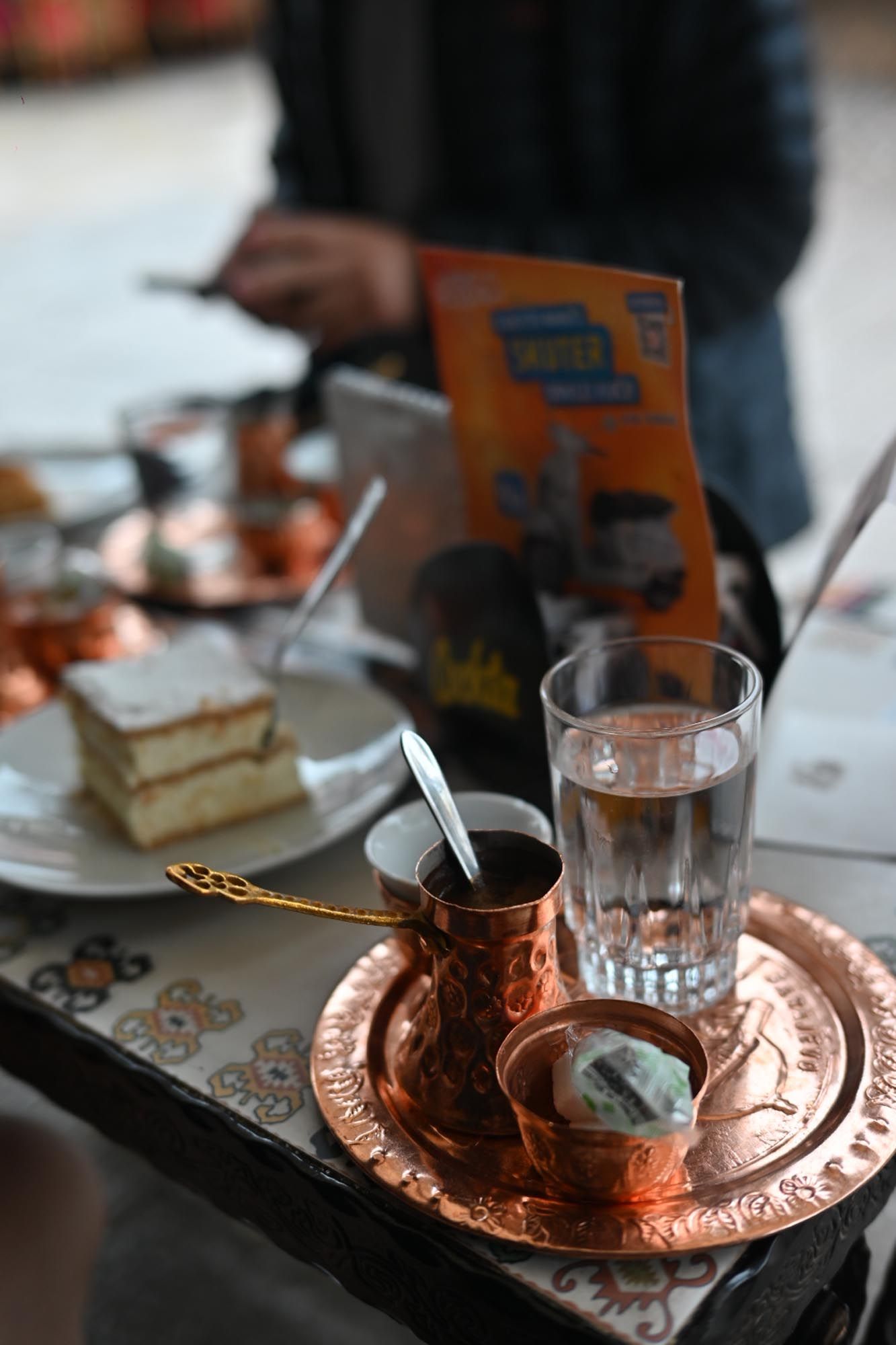
At a mid-range restaurant such as Dveri or Barhana, main dishes like grilled chicken, goulash, curry, or pork fillet range between 17–24 KM (£7–£10 / $9–$13). Even the pricier options, like a beef steak with pepper or gorgonzola sauce, are around 42 KM (£18 / $23) — far cheaper than what you’d pay for the same quality back home. Soft drinks are generally 3–4 KM (£1.20–£1.70 / $1.50–$2.20), and a local beer usually comes in around 5–6 KM (£2–£2.50 / $2.50–$3.20). Coffee culture is also a big part of Sarajevo life, with traditional Bosnian coffee typically costing around 2–3 KM (£0.80–£1.20 / $1–$1.50), making it one of the cheapest and most enjoyable daily rituals in the city.
Overall, eating in Sarajevo is excellent value for money. You can easily have a hearty sit-down meal for under £10–12 ($13–$15), or grab something tasty and filling from a local spot for £3–5 ($4–$6.50). Whether it’s a plate of ćevapi, a warm slice of burek, or a proper restaurant meal, you’ll never feel like you’re overspending.
A Standout Meal in Sarajevo: My Experience at Restaurant Kolpa
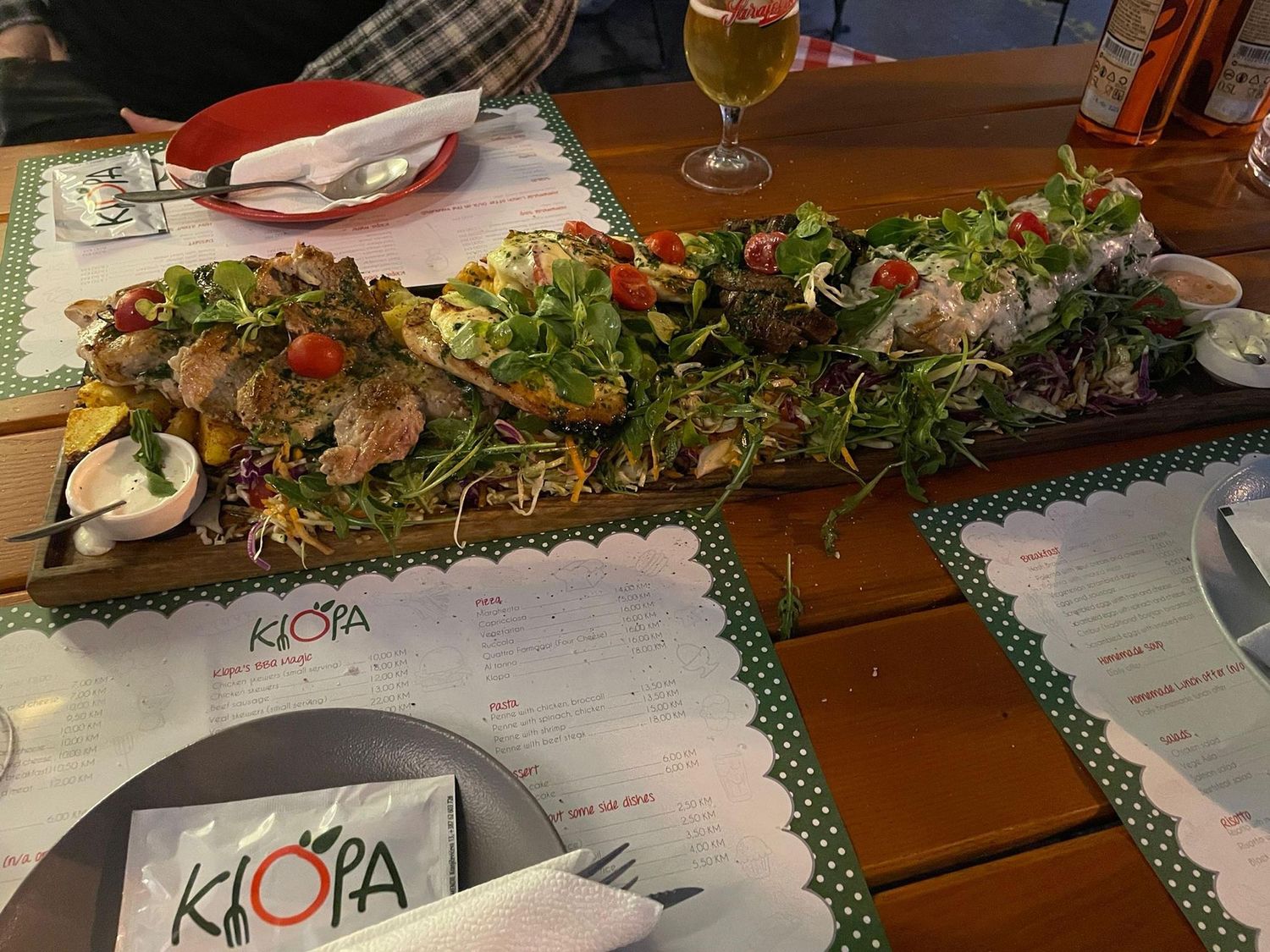
One of the absolute highlights of my trip to Sarajevo was dinner at Restaurant Kolpa, a place I genuinely think deserves its own shout-out. The experience started in the most unexpected way. The restaurant was packed, we managed to get a table, and the waiter immediately launched into this bizarre but hilarious performance where he pretended we had a reservation and even started swearing at us in a joking, theatrical way. It was chaotic, confusing, and genuinely one of the funniest interactions I’ve ever had at a restaurant. Once the comedy act was over, he recommended we order their big mixed platter, and thank God we listened. It came loaded with different meats, potatoes, and vegetables, all sourced fresh from the farm that same day. It ended up being one of the best meals I ate that entire travel year. An absolutely fantastic restaurant and one I would recommend to anyone visiting Sarajevo.
Other Expenses: Activities, Museums & Experiences in Sarajevo
Beyond food and accommodation, Sarajevo has a great mix of sights and experiences — and most of them are very affordable compared to other European cities. In fact, this is one of the areas where Sarajevo really stands out, because you can fill an entire day with meaningful activities without spending much at all.
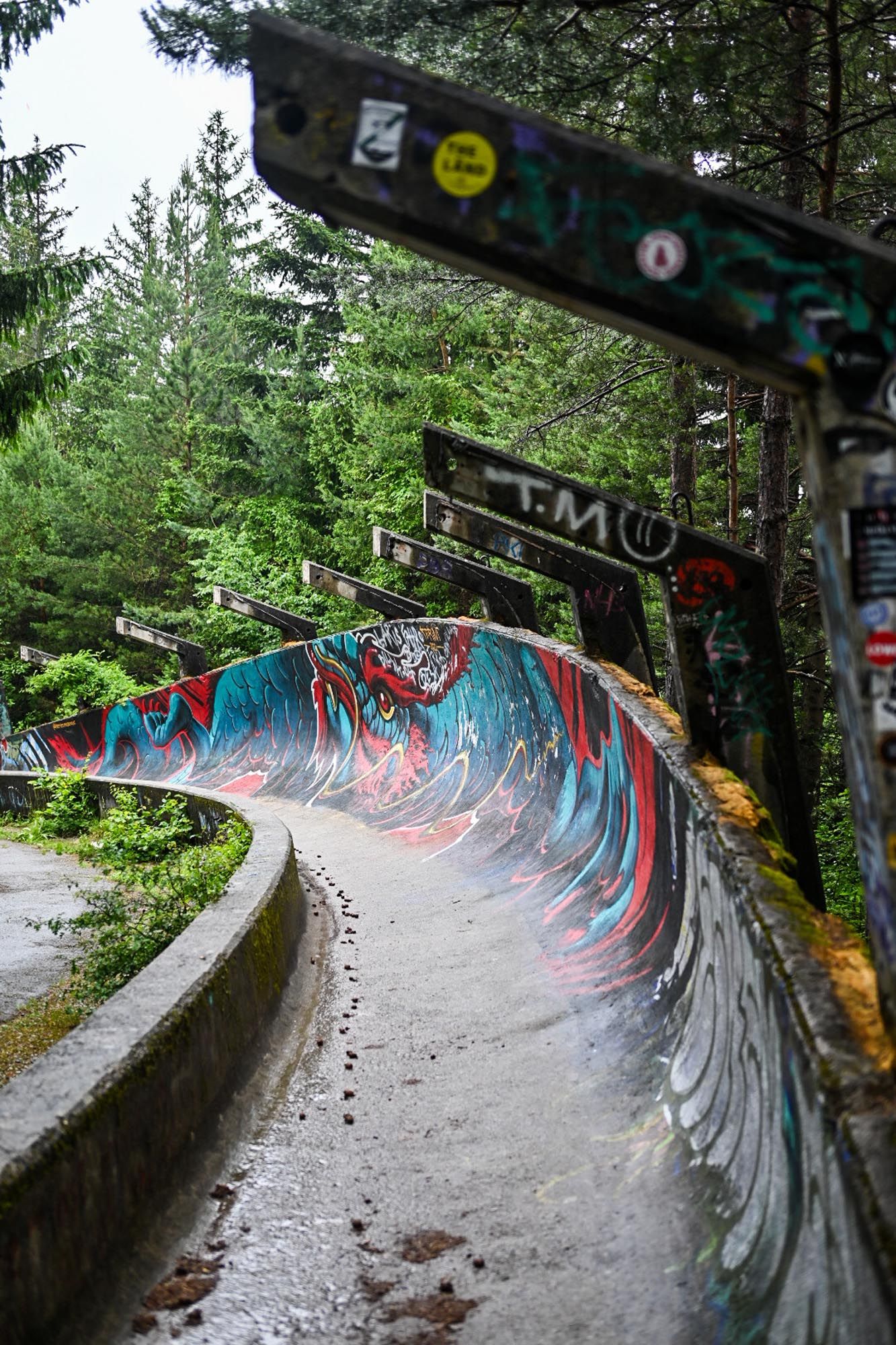
One of the big highlights is the Trebević Cable Car, which takes you up the mountain for some of the best views over Sarajevo. As a tourist, a return ticket costs 30 KM (around £12.80 / $16). Locals do pay less, which some travellers mention, but even at the tourist rate, the views, the ride itself, and access to walking trails, viewpoints, and the abandoned Olympic bobsleigh track make it well worth it. At the top, you can easily spend a few hours exploring without any additional cost.
Sarajevo’s museums are also incredibly budget-friendly, especially considering the depth of history they cover. The War Childhood Museum — genuinely one of the most moving museums I’ve ever visited — is only 10 KM (about £4.50 / $5.75), and it offers a very personal insight into life during the Bosnian War.
Other popular museums include:
- National Museum of Bosnia & Herzegovina – 6 KM (£2.55 / $3.25)
- Sarajevo Museum 1878–1918 (by Latin Bridge) – 4 KM (£1.70 / $2.20)
- History Museum – 4 KM (£1.70 / $2.20)
- Museum of Optical Illusions – typically around 12–15 KM (£5–£6.40 / $6.50–$8)
For the price, these museums offer excellent value, and many are located close together, making it easy to visit several in one day without spending much on transport.
If you like guided tours, the classic Tunnel of Hope (Siege of Sarajevo) tour is one of the most popular experiences. Prices usually start at around £19–£22 ($24–$28), which is roughly 45–52 KM, depending on the operator and what’s included. These tours typically cover key war sites, provide historical context, and include transport, making them one of the most worthwhile paid activities in the city.
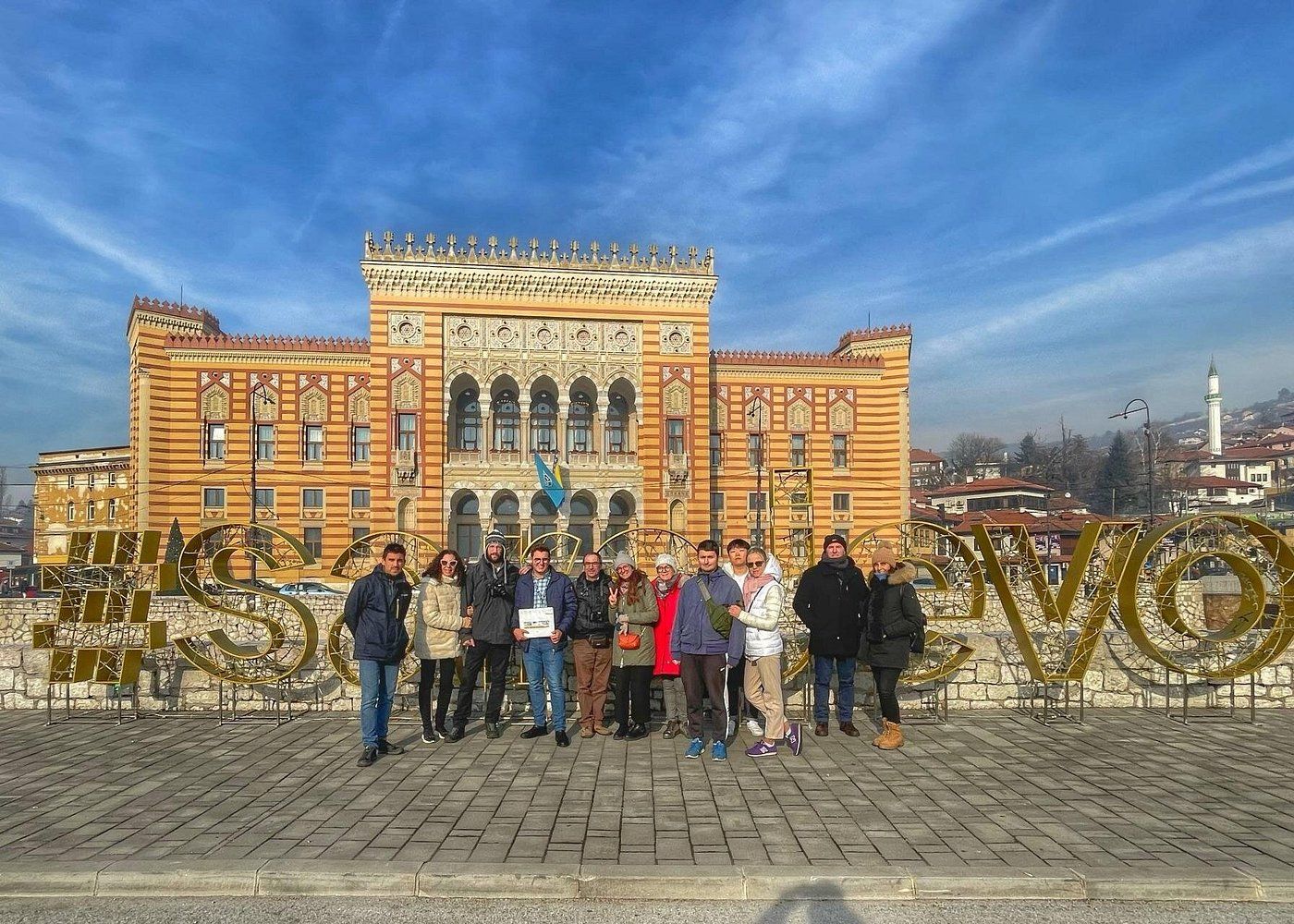
And finally, the stunning Sarajevo City Hall (Vijećnica) charges 10 KM (around £4.25 / $5.50) for entry — absolutely worth it to see the incredible interior architecture and exhibitions inside. It’s also one of the most photogenic buildings in the city.
There are also plenty of free or low-cost experiences worth mentioning. Walking through Baščaršija, visiting mosques like Gazi Husrev-beg Mosque (small donation or modest entry fee), and simply exploring the old town streets cost little to nothing but are some of the most memorable parts of the city.
So overall, if you take the cable car and visit two or three museums, you’re looking at roughly 40–50 KM (£17–£21 / $22–$27) for a full day of sightseeing. For a European capital, that’s extremely good value and one of the reasons Sarajevo is such an underrated destination.
Sarajevo Prices (Real Examples)
To really understand how affordable Sarajevo is, it helps to look at actual, everyday prices. This is the kind of stuff you’ll be spending money on without even thinking about it — coffee stops, quick meals, taxis, and the odd activity.
Coffee is one of the cheapest daily habits here. A traditional Bosnian coffee will usually cost around £0.80–£1.70 ($1–$2.20), and even in more modern cafés you’re rarely paying much more than that. Food is where Sarajevo really stands out though. A proper local meal like ćevapi or a portion of burek can cost as little as £3–£9 ($3.80–$11.50), and even a sit-down meal at a decent restaurant will usually fall somewhere between £7–£12 ($9–$15).
Drinks are just as reasonable. A local beer typically costs around £2–£2.50 ($2.50–$3.20), which makes eating and drinking out feel noticeably cheaper than most of Europe. Accommodation is also very good value, with apartments and Airbnbs generally ranging from £25–£60 per night ($32–$75) depending on location and size. If you’re travelling on a tighter budget, hostel beds can be found for around £10–£20 ($13–$25) per night.
Getting around is cheap too. A short taxi ride will usually cost between £3–£8 ($4–$10), and public transport like trams or buses is under £1 ($1.10) per journey. Even some of the main attractions are very affordable. The Trebević cable car is around £12.80 ($16) for a return ticket, while most museums cost somewhere between £1.70–£5 ($2.20–$6.50).
Overall, Sarajevo prices are low across the board. Whether it’s food, transport, or activities, you’ll quickly notice that your money goes much further here than in most European capitals, which is exactly what makes it such a great budget-friendly destination.
The context of this trip/my experience.
To give a bit of context for this trip, the whole purpose was to get away for a couple of days without spending a fortune. I’d just come back from New York, which was an incredibly expensive trip, so I was actively looking for somewhere affordable but still exciting. Sarajevo had been on my list for years, and it ended up being the perfect choice for a short, cheap getaway that still offered something completely different.
The previous year I had visited Belgrade and Serbia, and the year before that I’d been to Croatia and Montenegro. I’d already ticked off all the other Balkan countries, so Sarajevo was the last one left for me to visit. And even though Sarajevo is a relatively small place and doesn’t have endless attractions, I found it to be a fantastic destination for a short escape. It also features in one of my top underrated places to visit in Europe, which you can check out in the blog below.
https://www.thomtravels.site/blog/five-short-european-city-breaks-i-personally-recommend/