Full Travel Guide
Is Kraków one of Europe's top mini breaks?
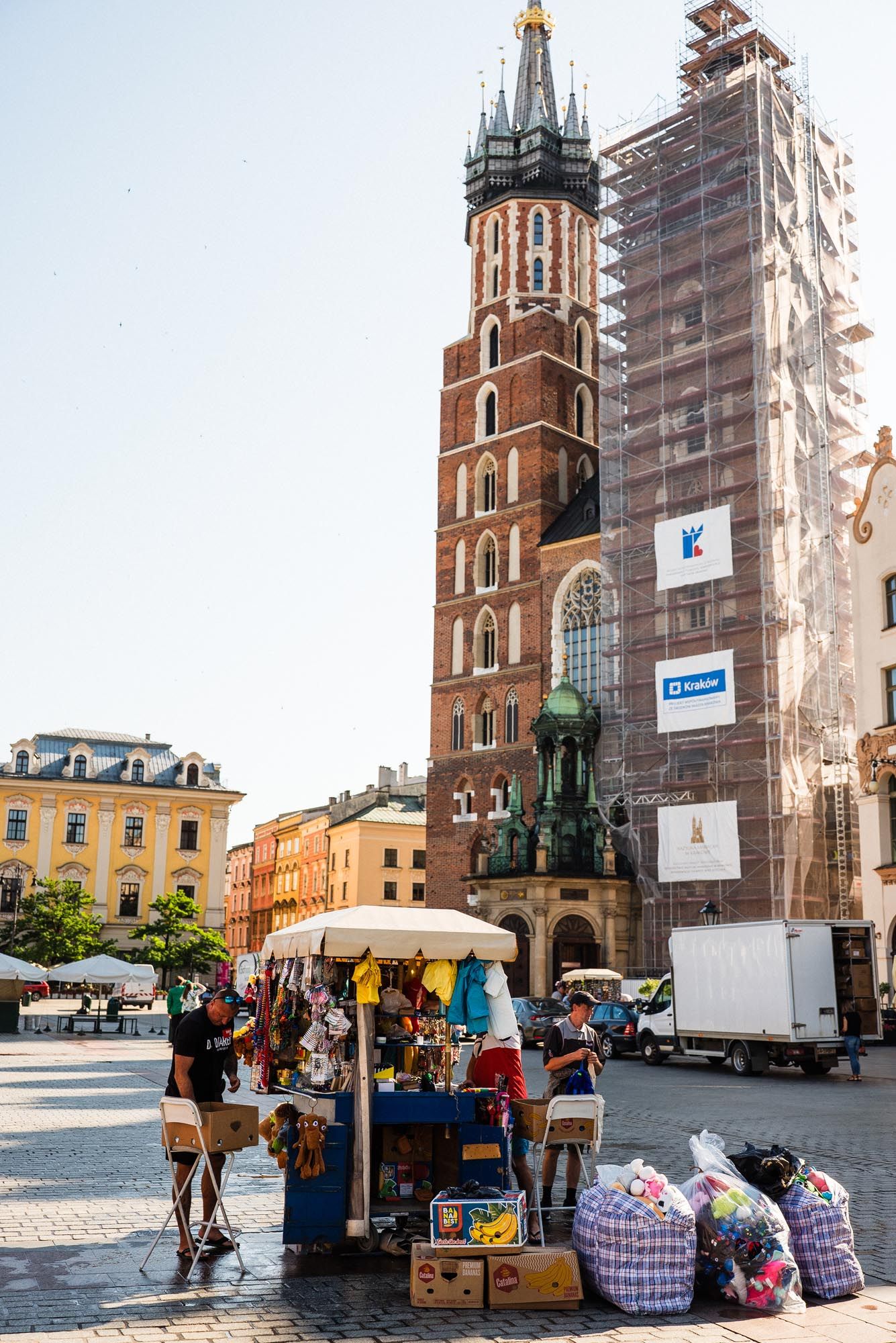
Poland's Amazing Second City
when I mentioned I was heading to Kraków, most people shrugged. Not considering it “glamorous” like Paris or Rome (ironically, two places significantly less clean and safe than Krakow). But the assumption of Krakow and Poland in general not being glamorous couldn’t be further from the truth. Unlike many European cities devastated during World War II, Kraków emerged largely intact. Its enormous medieval square, cobbled lanes, regal castle, and cosmopolitan spirit make it one of the best cities in Central Europe for a short trip.
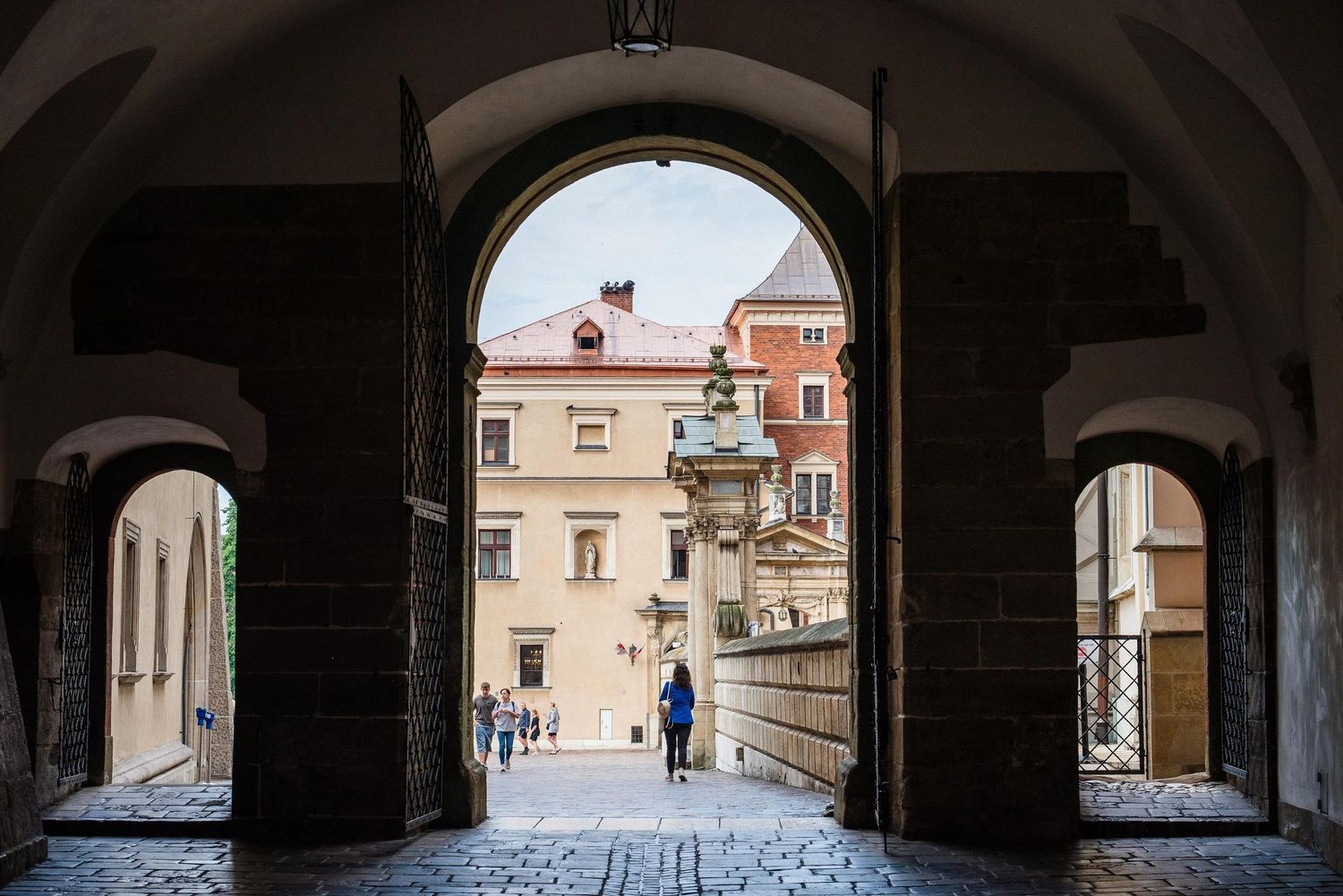
The information and content of this blog are based on local knowledge, personal experience, and thorough research
Quick Kraków Tips
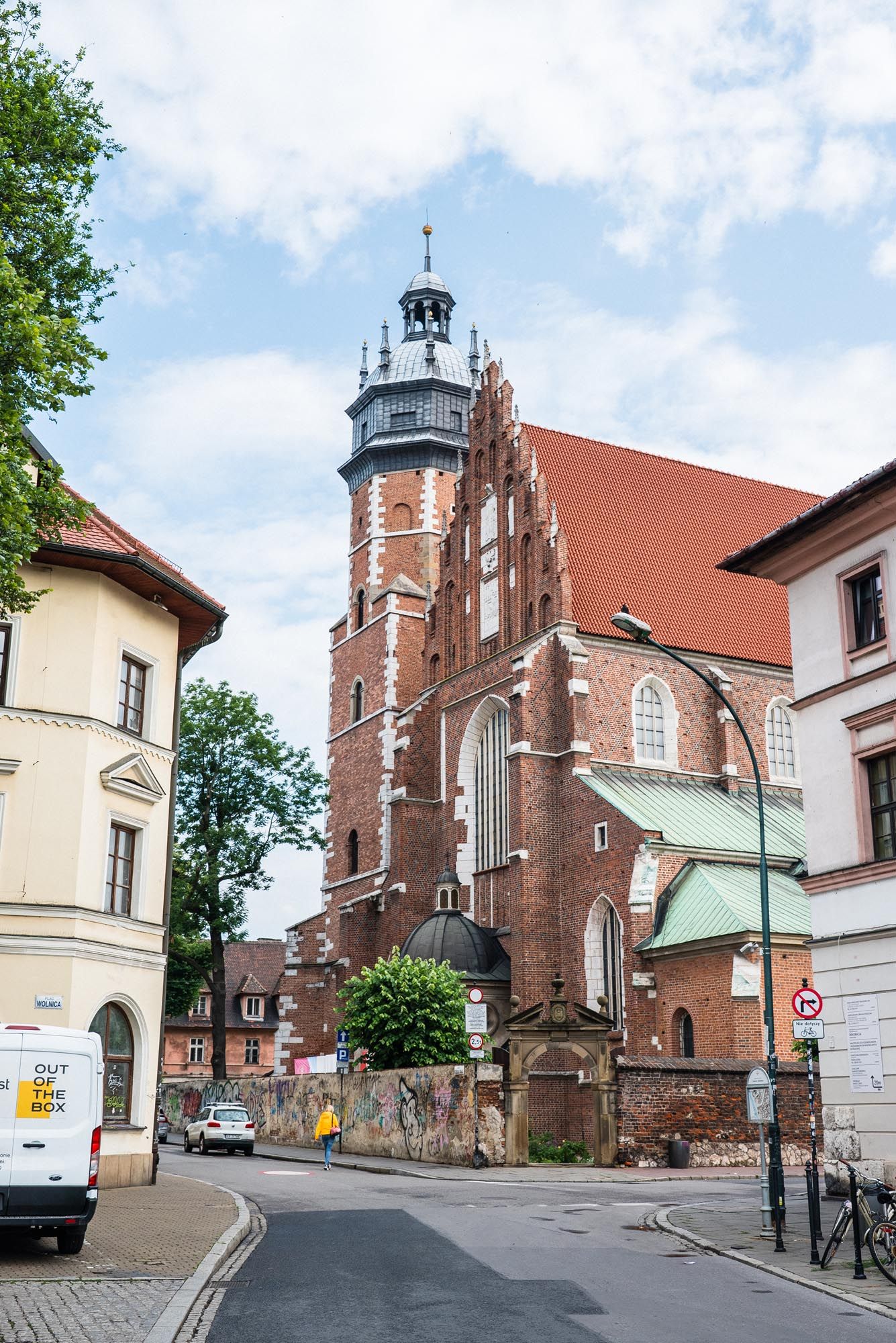
The view from St. Mary's Basilica's tower
Save yourself the time, money and energy and skip this one. The view just isn’t that impressive.
Use Bolt instead of Taxis
Bolt is a popular app in Kraków and across Poland, offering ride-hailing, e-scooter, similar to Uber but you will find it a lot cheaper.
Kraków City Pass
If you’re planning to visit multiple attractions and use public transport, the Kraków City Pass is excellent value. It includes entry to most top museums and unlimited use of trams and buses ideal for short stays.
Traveling From The Airport
Arriving at Kraków Airport, I already knew I’d be taking the train into the city centre. From the arrivals hall, it’s just a short walk to an escalator that takes you directly down to the train platform. On the platform itself, there’s a ticket machine which is very straightforward to use.
When I arrived, the train was already waiting. It’s a modern service, equipped with USB charging ports on the back of the seats, and the journey to the main station is quick and comfortable. I was travelling with only hand luggage, so navigating the busy main station wasn’t a problem. However, if you’re carrying large suitcases, it could be slightly inconvenient, as the station is connected to a shopping centre, which you’ll likely need to pass through to reach your accommodation.
During my stay in Kraków, I used the Bolt taxi app, which turned out to be a very convenient and affordable way to get around. I ended up using it for my return trip to the airport as well. The cost of the journey was 39 PLN (around £8) – very reasonable.
.
Train (Koleje Małopolskie SKA1)
Cost: 17–20 PLN (€4 / £3.30 / $4.40)
Journey time: ~17–20 minutes to Kraków Główny (main station), just a short walk from the Old Town
Frequency: Every 30–60 minutes, roughly between 04:17 and midnight
Why use it: Fast, reliable, budget-friendly, and connects you close to the heart of the city.
Public Bus (Lines 208, 209, 300; Night line 902)
Cost: 6 PLN (≈€1.30 / £1.10 / $1.40)
Journey time: 25–50 minutes depending on the route. Bus 300 to Rondo Grunwaldzkie takes ~23 minutes; others may be slower.
Frequency: Bus 300 runs every 20–30 minutes; line 209 much less frequent; 902 runs hourly at night
Why choose it: Cheapest option, though less direct and slightly slower.
Taxi (Official Airport Taxis)/Ride‑Share (Uber, Bolt, FreeNow)
Cost: 89 PLN (≈€22 / £18 / $27) for around 12 km (to city centre)
Journey time: ~20–30 minutes, depending on traffic.
Why use it: Direct and convenient, ideal if you have lots of luggage or arrive late.
Ride-share Cost: ~40–80 PLN (≈€9–20 / £7–18 / $11–22)
Things To Do And See
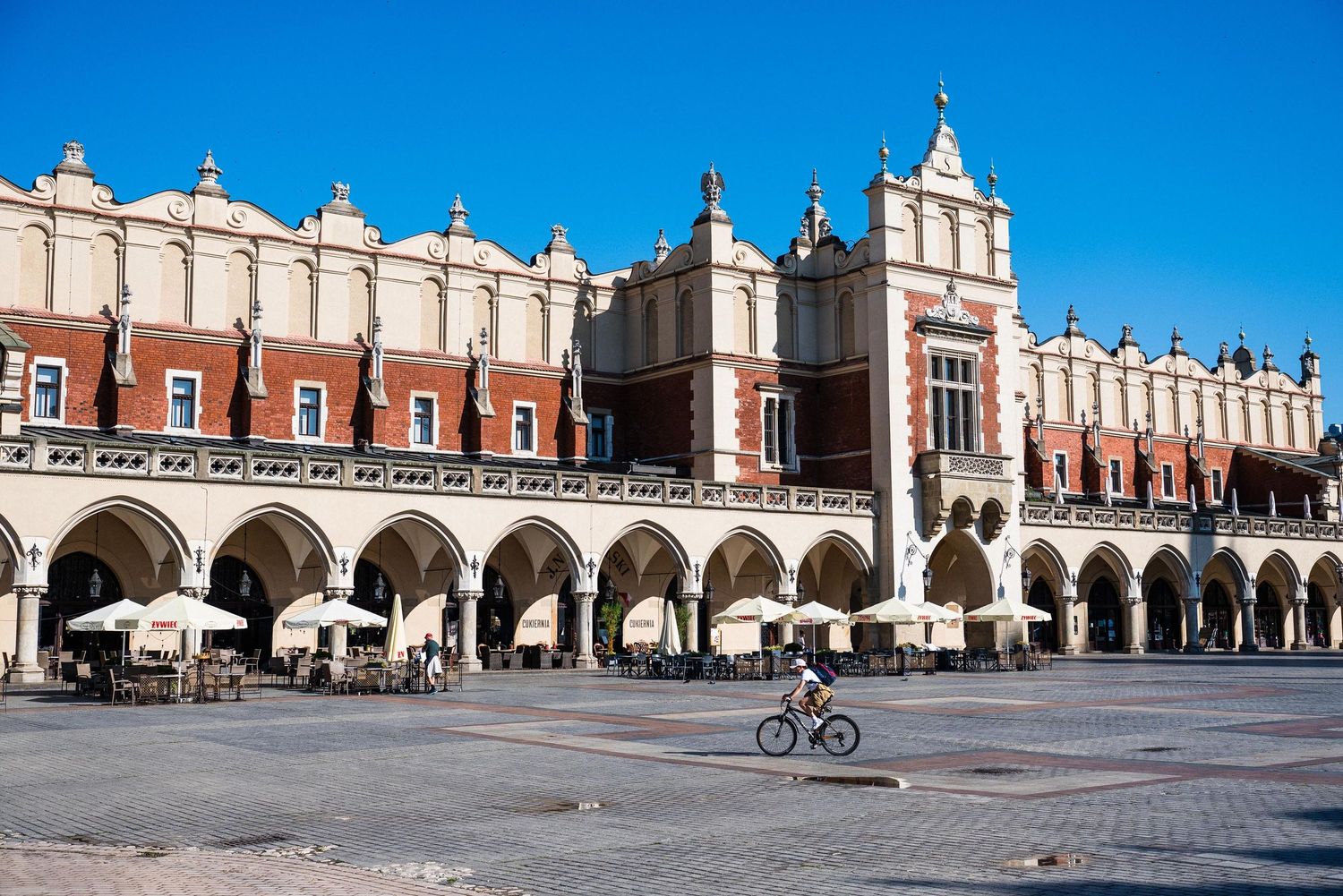
Things to see
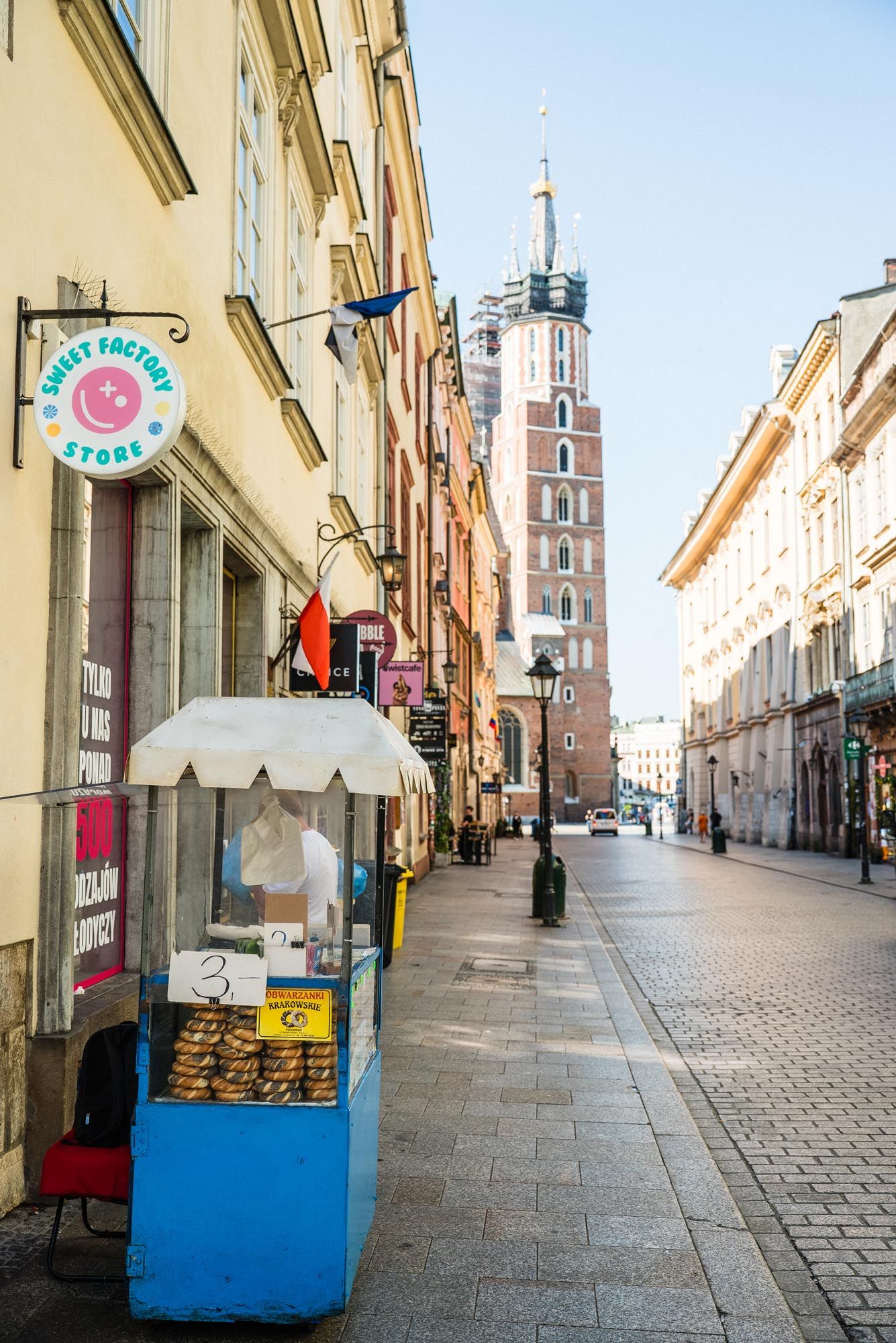
Kraków’s Old Town earned a spot on the UNESCO World Heritage List back in 1978 for good reason. It’s a beautiful fusion of Gothic, Renaissance, and Baroque styles in soft pastel hues, lined with grand churches, buzzing markets, and one of the oldest universities in Europe.
But beyond the architecture, the Old Town has a distinctive historical atmosphere. The streets are pedestrian-only and still paved with original cobblestones. As you explore, you'll often see locals, including clergy in traditional dress, and horse-drawn carriages offering rides along the former Royal Route. Parts of the city's original medieval fortifications are still visible, giving visitors a clear sense of Kraków's long and well-preserved history.
Things to see
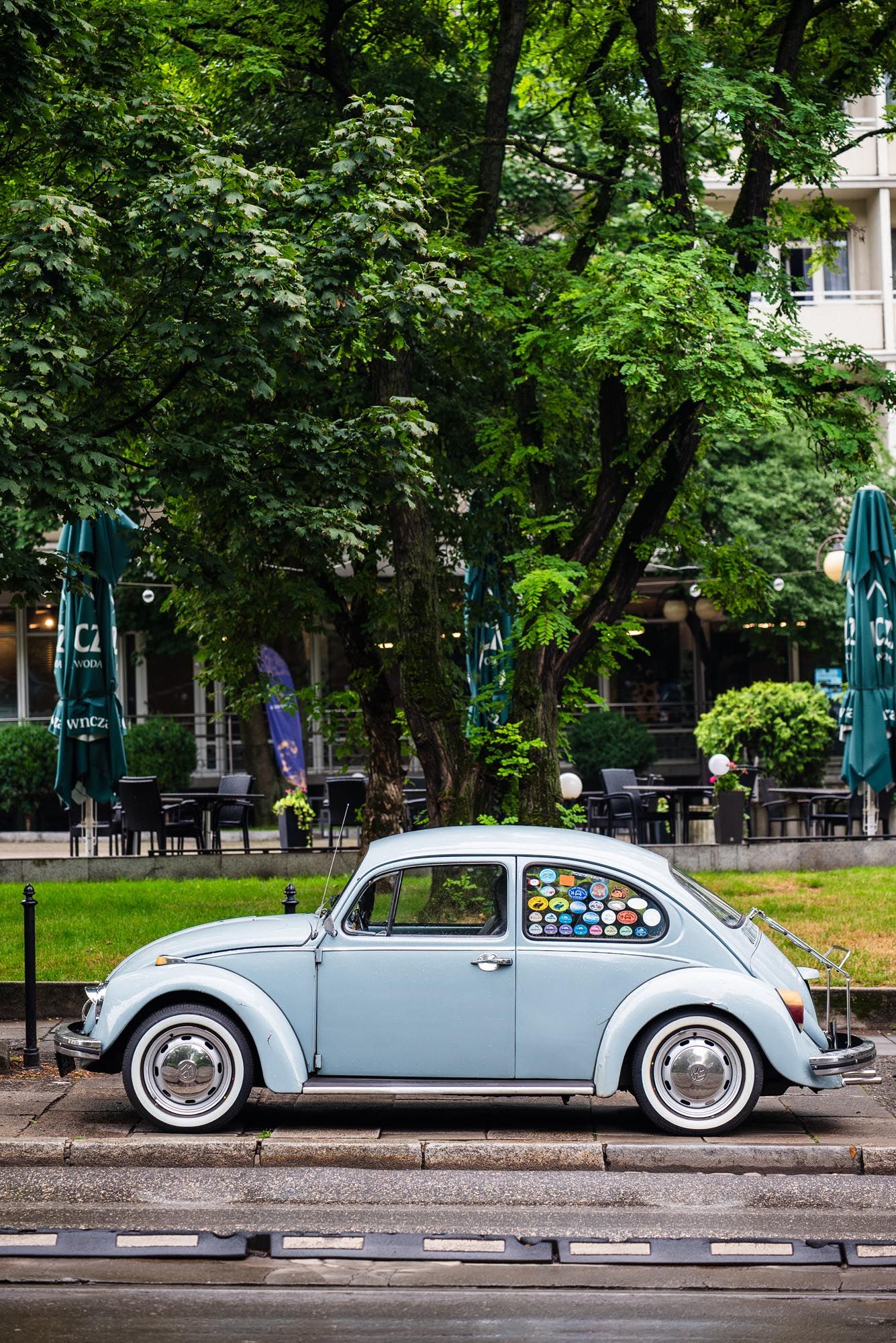
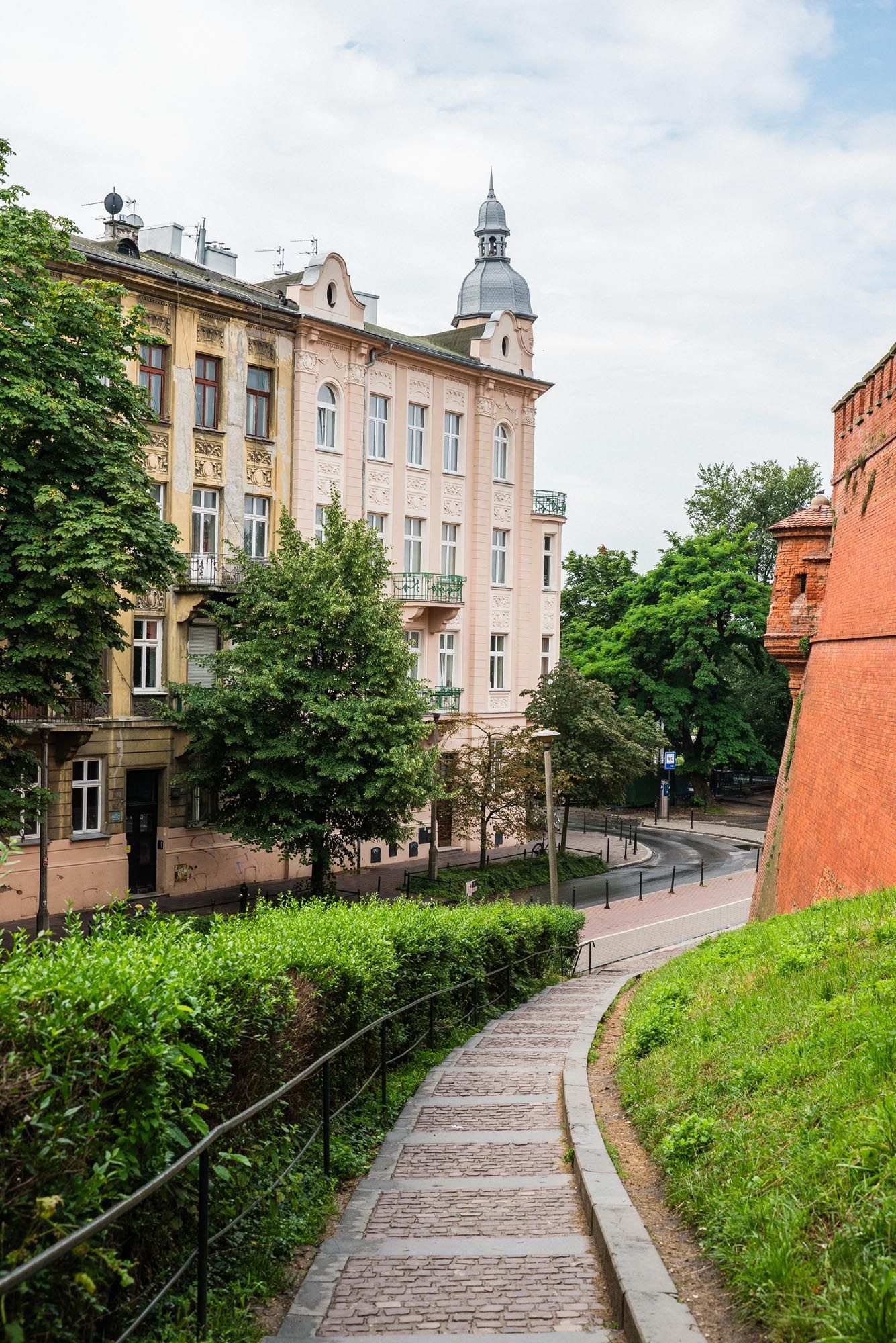
Encircling the Old Town in a ring of lush greenery is Planty Park, created where the medieval city walls once stood. Since 1822, the park has been a scenic urban escape, filled with gardens, monuments, fountains, benches, and statues of prominent Polish figures like Copernicus and Queen Jadwiga. It’s an ideal place for a shaded stroll or to plan your next stop.
Things to see
At the north edge of the Old Town, St. Florian’s Gate stands as the sole survivor of Kraków’s historic fortification towers. Constructed in the 14th century from striking red granite, it served as a key defense against invasions.
Just beyond lies the Barbican—one of Europe’s best-preserved fortified outposts. Built in 1498, this circular stronghold with thick walls and multiple turrets once connected to the Gate via a fortified corridor. Wander along Floriańska Street, once part of the medieval Royal Route, which leads straight to the beating heart of the Old Town.
Things to see
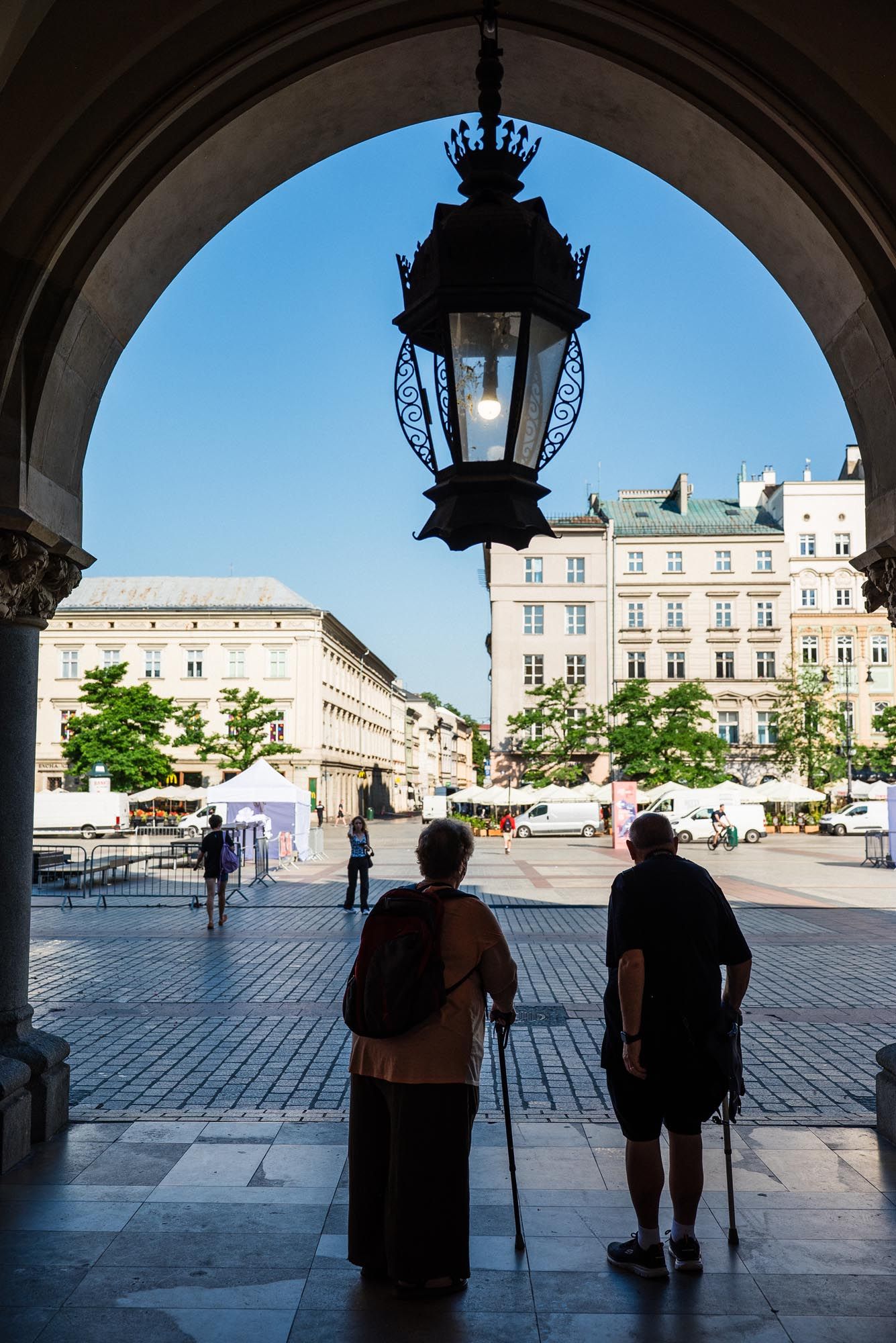
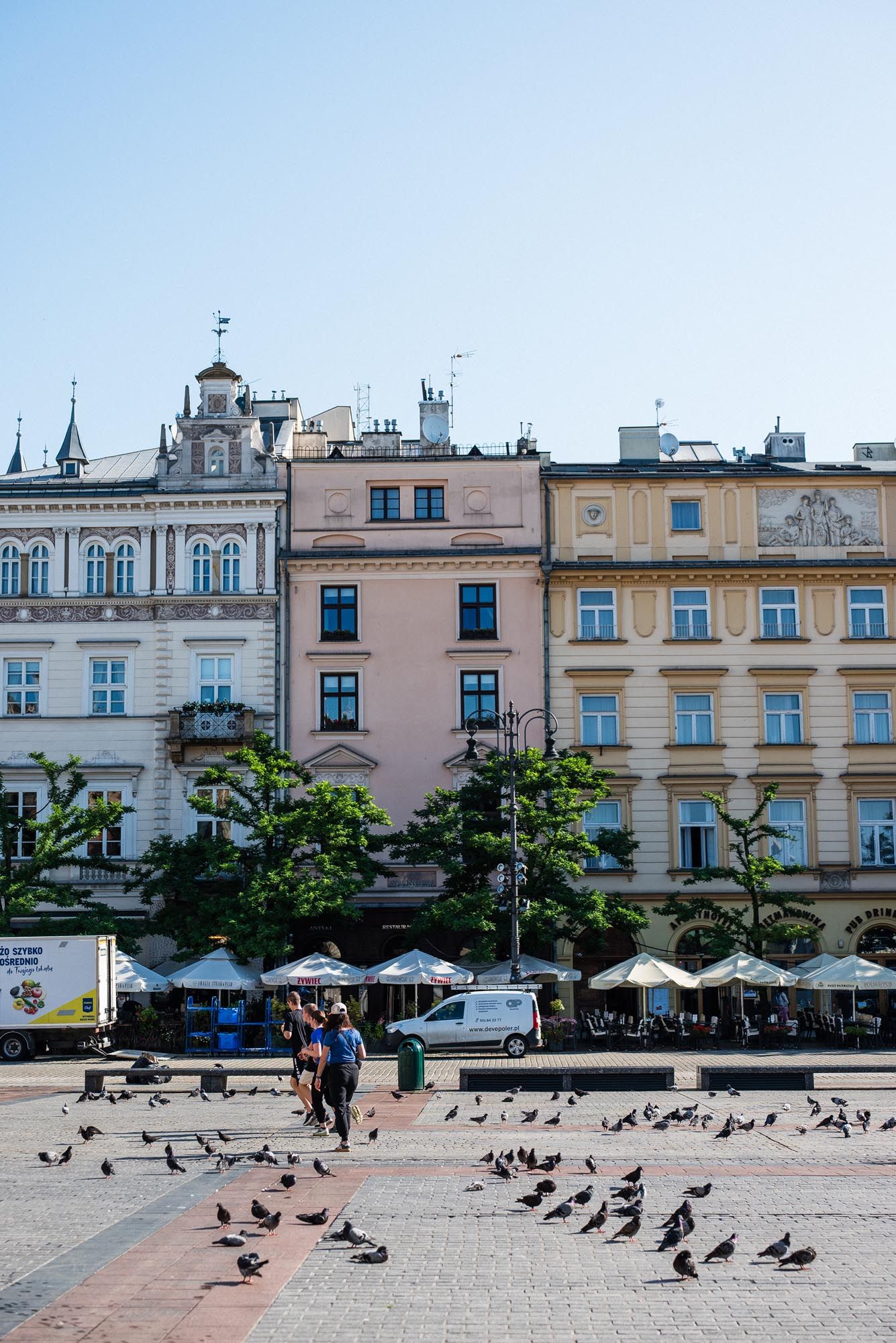
Established in the 13th century, Rynek Główny is Europe’s largest medieval town square, surrounded by nearly 40 well-preserved townhouses and palaces.
Grab a table at one of the 30-plus cafés. Sit down with a plate of Polish cheesecake (sernik) and a warm coffee. Prices are a lot higher in this area, but it’s still a great place to relax and people watch.
Things to see
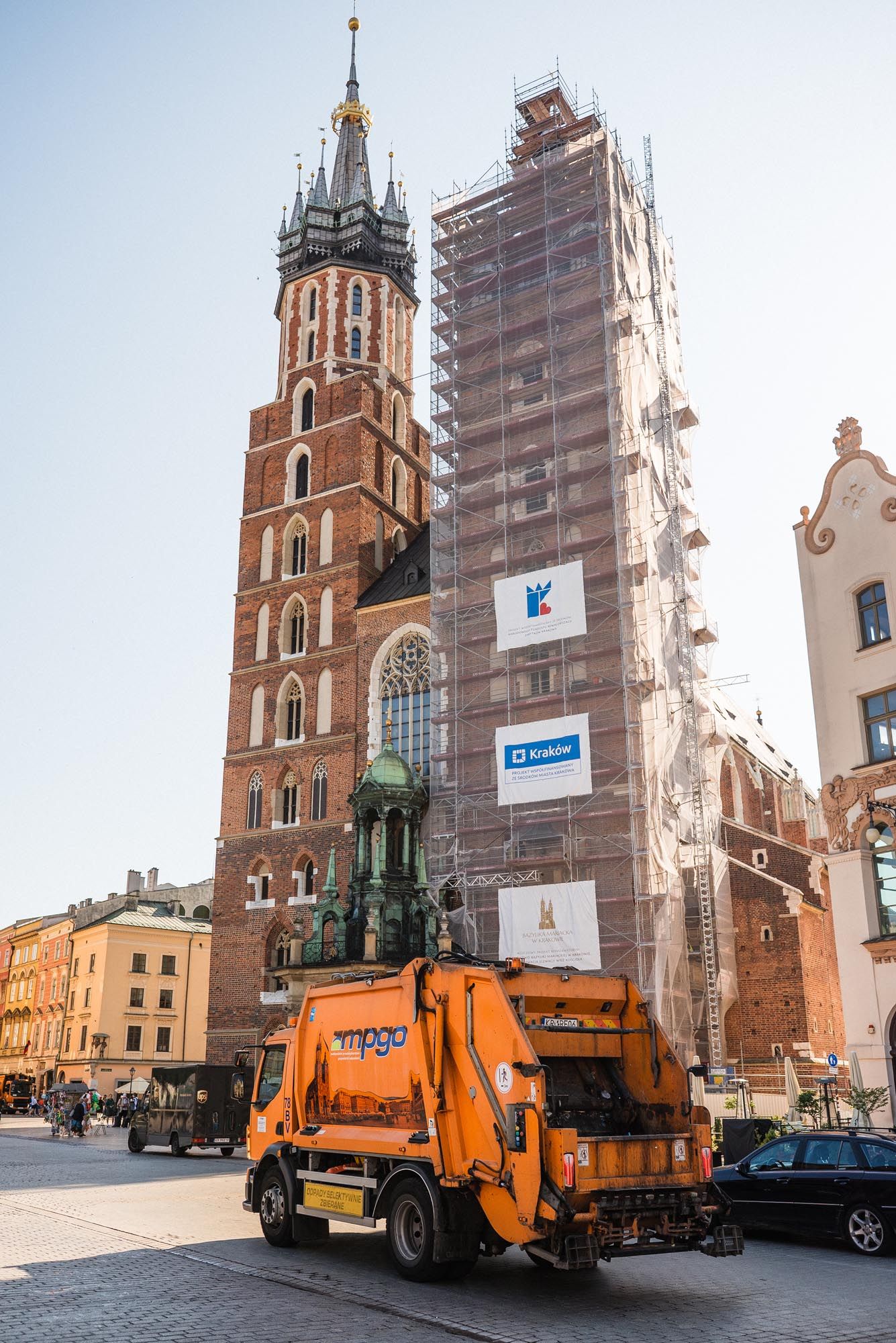
This towering Gothic basilica is hard to miss. Inside, you'll find a Baroque interior, ornate stained glass, and a sky-blue vaulted ceiling dusted with golden stars. Every hour, the bugle call “Hejnał Mariacki” resounds from the taller tower. A tradition deeply rooted in Kraków’s history.
Things to see
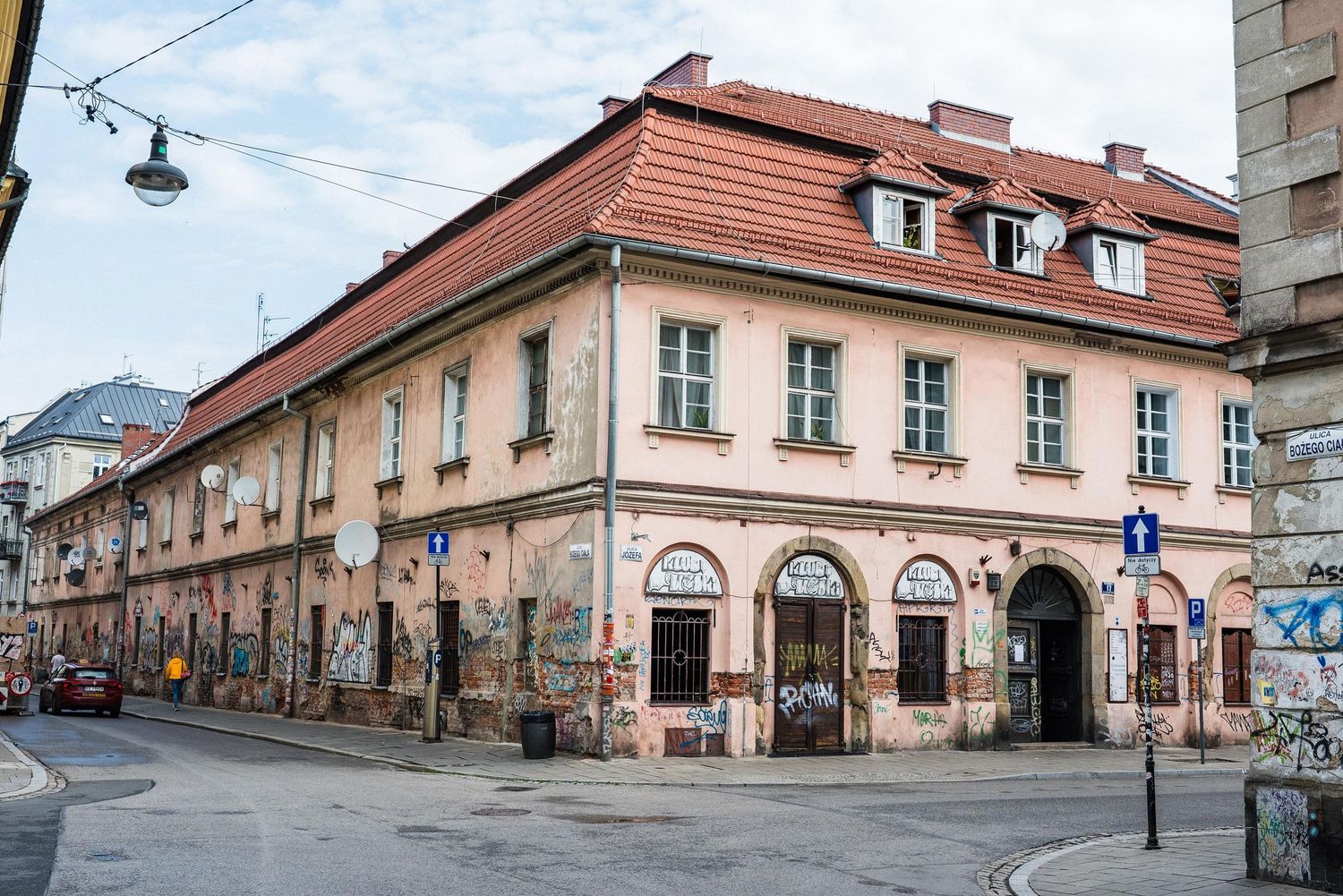
Kazimierz was once its own town, now a vibrant district brimming with history, art, and nightlife. Pre-WWII, it was home to thousands and revered for its synagogues and Jewish culture. Though devastated during the war, the area has since been revitalized, drawing tourists and locals alike into its cafés, street art, galleries, and bars.
Walk Szeroka Street, visit the Old Synagogue and Remuh Cemetery, or reflect at Galicia Jewish Museum for insightful exhibitions.
Things to see
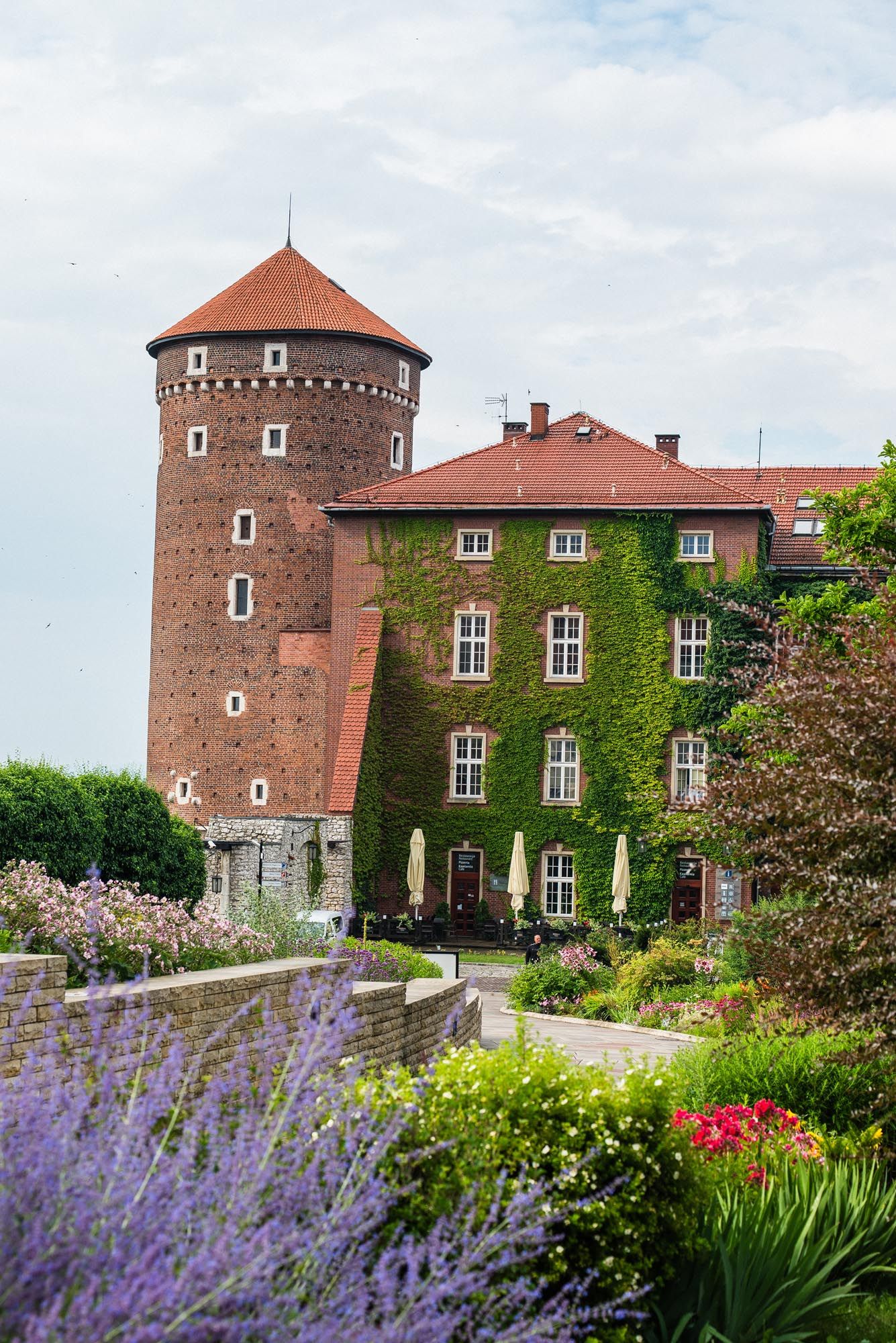
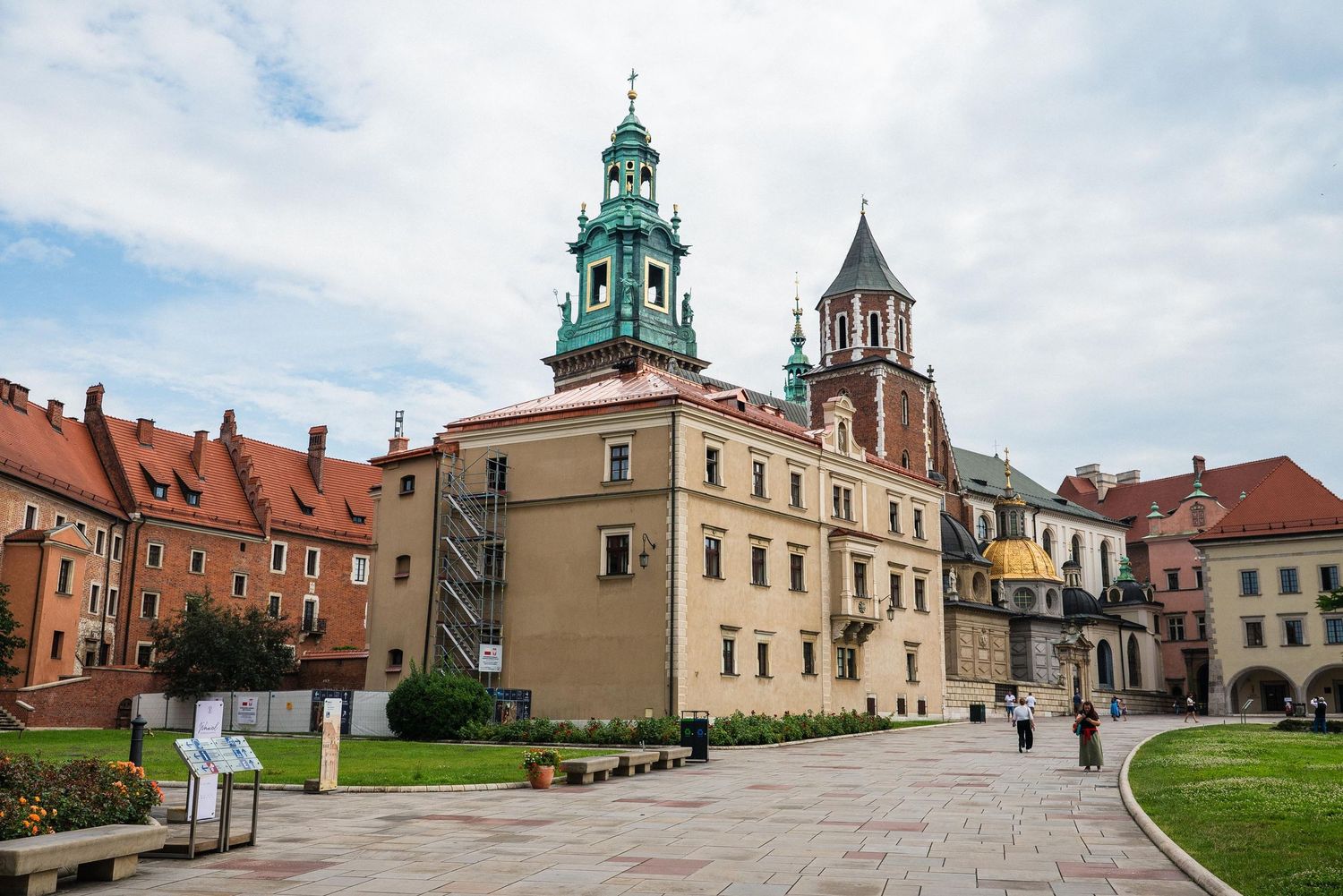
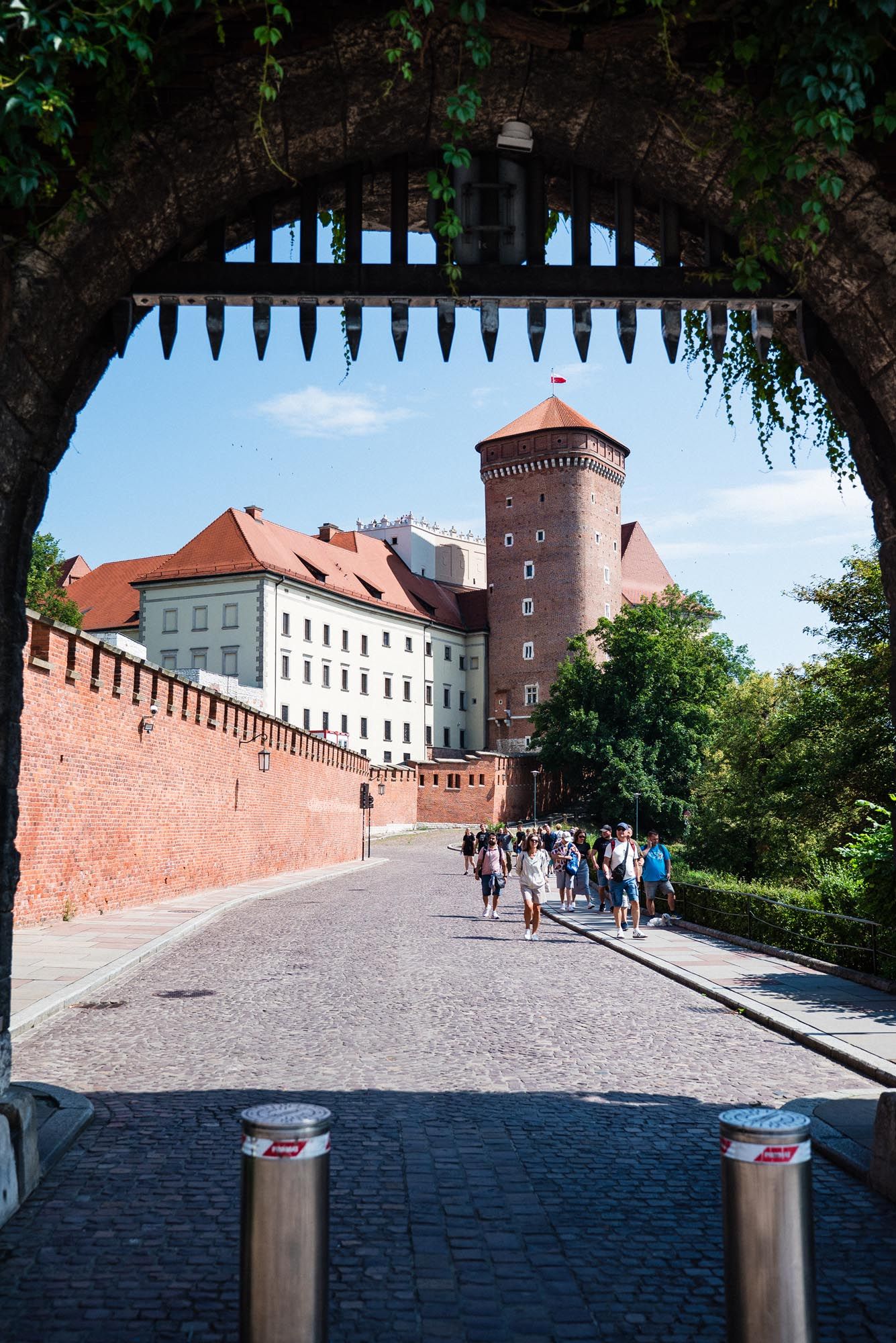
Just a stroll down Grodzka Street, you arrive at Wawel Hill, where Kraków’s royalty once ruled. Dominated by Wawel Castle and Cathedral, this limestone outcrop overlooks the Vistula and unlocked Poland’s past through its architecture. Many parts are free to explore, though some exhibits require tickets. Start early to avoid queues, and bring small change—automated machines don’t like big notes.
Day Trips From Krakow
Kraków Day Trips
Wieliczka Salt Mine: A "Must-See" UNESCO Site Just Outside the City
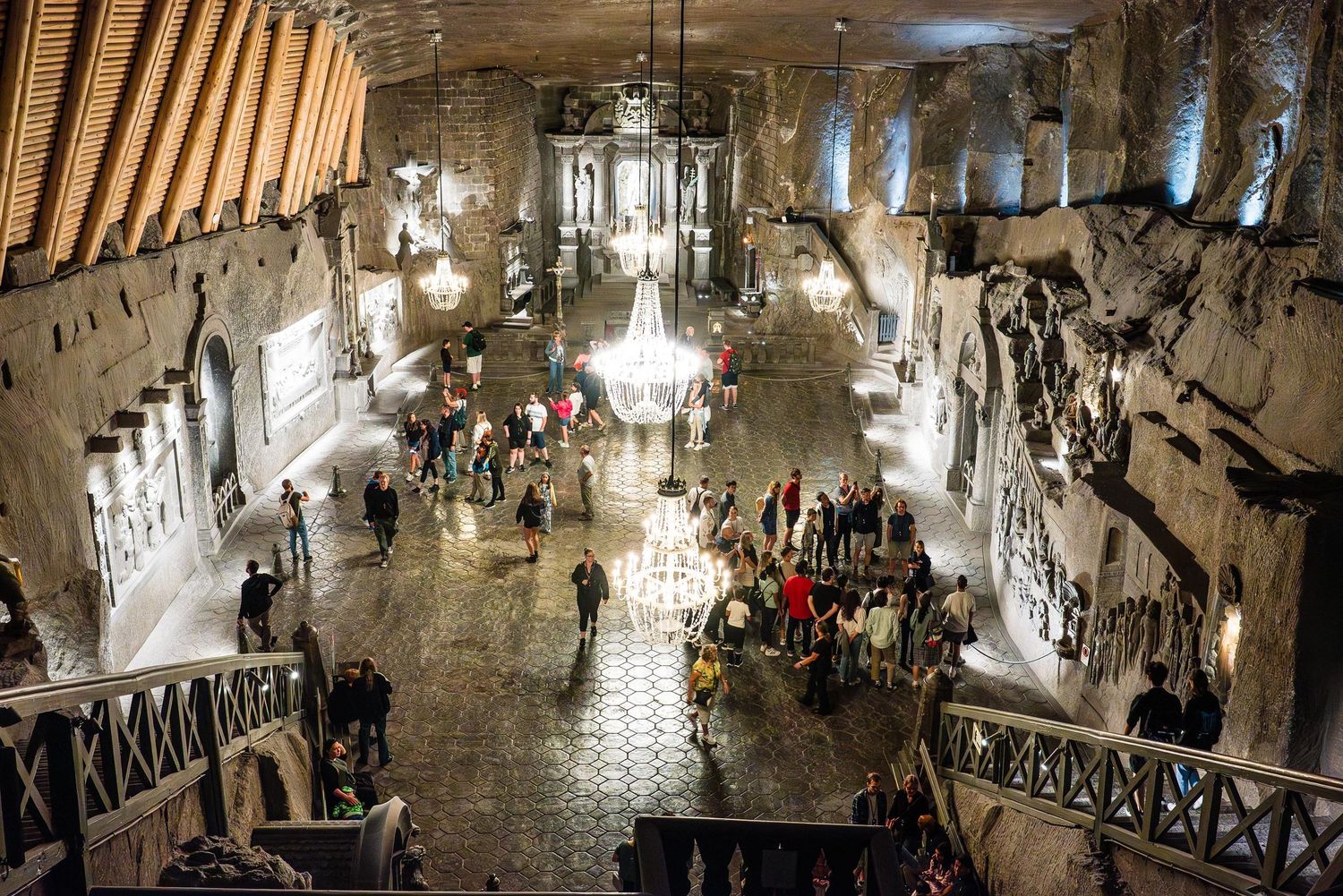
The Wieliczka Salt Mine is widely known as a "must-see" UNESCO World Heritage Site, located just outside Kraków. Visitors descend over 1,100 feet into a labyrinth of tunnels, sculptures, and chapels. Remarkably, all carved from salt. The highlight of the mine is undoubtedly St. Kinga’s Chapel, a grand and ornate underground church made entirely of salt.
So, is it worth visiting the mine?
Yes, but maybe not for everyone, and possibly not for me.
The main reason most tourists (myself included) are drawn to the salt mine is to see St. Kinga’s Chapel. It is undeniably impressive and a unique experience. After all, it’s not every day you visit a chapel carved from salt, let alone one that sits 101 meters underground.
That said, I’ll admit I expected it to be bigger and grander than it actually was. Perhaps the build-up of the tour made me hope for something more spectacular. Honestly, if it were possible to visit just the chapel (excluding special events or religious services), I’d be hyping this place much more.
Here’s the issue, for me, at least.
At the end of the day, Wieliczka is still a salt mine. I have limited interest in mines and even less in salt. Combine the two, and you’ve got what was, for me, a pretty dull tour.
To be fair, the place is incredibly well run. It's organized, the tour guides are professional and knowledgeable, and the facilities are excellent. But it's not exactly cheap—156 PLN (around £31 or $42) per person. For that, you get a 2–3 hour guided tour, which is the only realistic way to see the salt chapel you’ve heard so much about.
To be super clear, my lack of enthusiasm is based entirely on personal preference. I genuinely believe plenty of people would enjoy this experience.
Here’s what to expect:
Once you’re grouped with your tour, you descend a long wooden staircase—many, many steps—which brings you down into one of the mine shafts. From there, you walk about 2 km through a network of tunnels and chambers. Along the way, the guide provides thorough insights into the history of the mine and the importance of salt, which, it turns out, was a big deal back in the day.
Being led through the various shafts and chambers is actually interesting for a while. I enjoy new experiences, and I believe Wieliczka Salt Mine may have been the first mine I’ve ever visited. I’m not entirely sure, but it’s definitely my first salt mine.
After nearly two hours of walking, you finally arrive at St. Kinga’s Chapel.
Also, quick side note: If you were to play a drinking game where you take a shot every time the word salt is mentioned during the tour, you probably wouldn’t make it to the chapel. Just saying.
Visiting Auschwitz without a guide
I’m not going to provide a full breakdown of visiting Auschwitz, but rather share my experience of going independently, without joining a guided tour. However, at the end, I’ll include some practical information on how to get there by train, which is very convenient.
After years of watching documentaries, listening to podcasts, and engaging with films and YouTube content, I feel I’ve built a solid foundational understanding of the Holocaust and Auschwitz. While I have no doubt that the staff and guides on-site are incredibly knowledgeable, I felt I would gain more from the experience by exploring at my own pace.
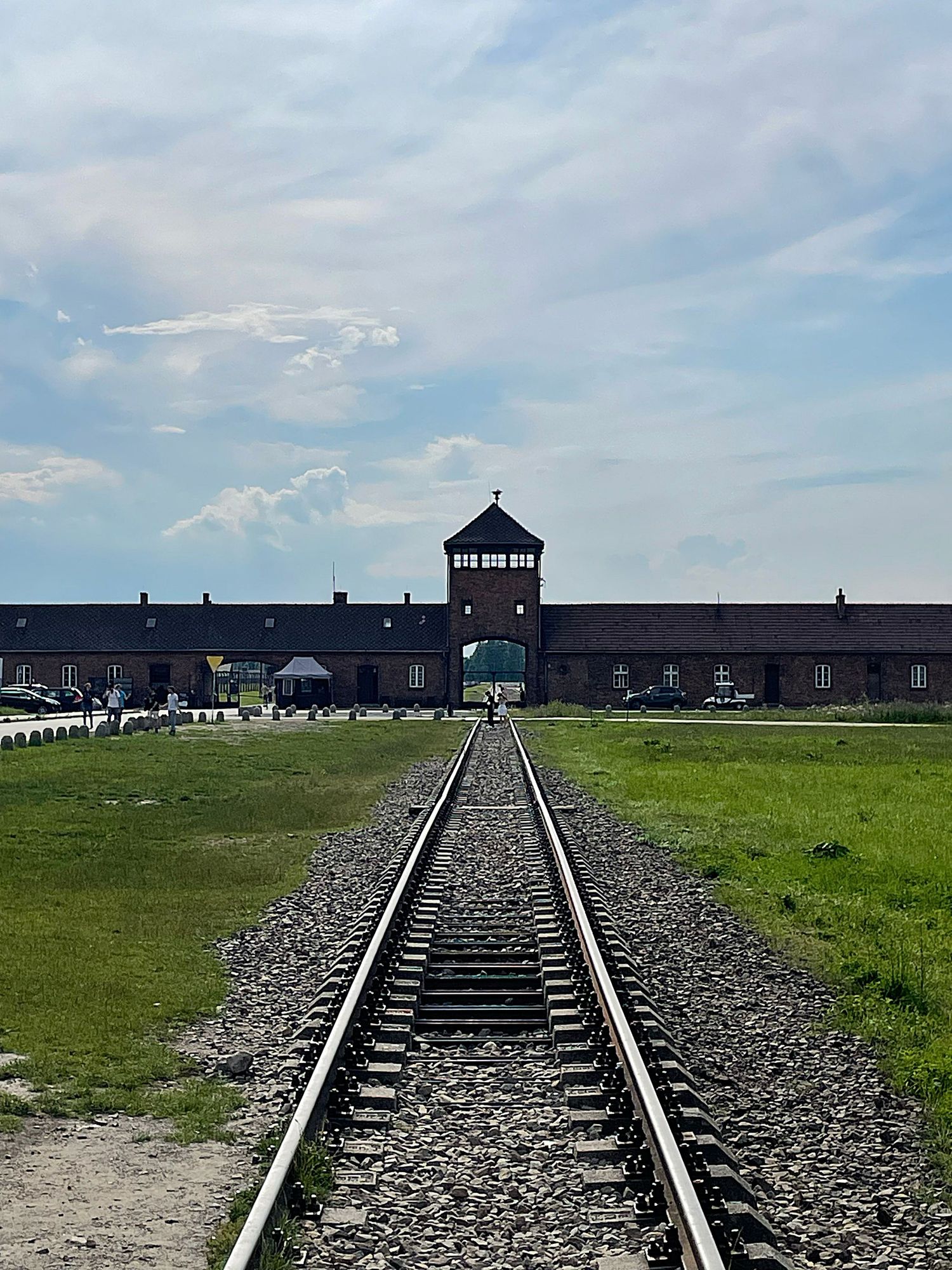
It’s possible to visit Auschwitz without a guide by booking your ticket in advance — and it’s free of charge. After a short train journey to the nearby town of Oświęcim and a 2km walk, I was met with the infamous sight of the railway tracks leading into the camp. Strangely, it’s a view as instantly recognisable as the Eiffel Tower or the Colosseum and seeing it in person was undeniably powerful.
I arrived a bit earlier than the entry time stated on my free ticket, but the staff were friendly and allowed me in regardless. I can imagine that visiting in winter would create a different atmosphere, but I was there on what could only be described as a beautiful summer’s day. Quite the contrast to the grim history of the site.
Personally, I believe my experience was enhanced by going without a tour. Being able to walk the grounds alone for much of the visit allowed for a more personal, contemplative connection with the place and its history.
How Many Days Do You Need In Krakow
Is Kraków Worth Visiting for a Weekend Break?
With so many incredible cities to explore across Europe, you might be wondering whether Kraków is worth a visit, especially if you're considering a short break of 2–3 days. The answer is a resounding yes, and for a wide variety of reasons.
Kraków is one of Poland’s best cities, blending rich history with a vibrant modern style. Easily accessible by air from across Europe, it makes for an ideal weekend getaway. From lush green parks to the enchanting medieval streets of the Old Town, the city offers something for every type of traveller.
How Many Days Do You Need in Kraków?
If it’s your first visit, plan to spend at least two full days in Kraków. This will give you enough time to explore the main sights and also take a meaningful day trip to the Auschwitz-Birkenau Memorial and Museum.
If you can spare three days, even better. You’ll be able to explore at a more relaxed pace, sample more local cuisine, and perhaps squeeze in another key attraction — like the Wieliczka Salt Mine, located just outside the city.
To help you make the most of your time, here’s a suggested itinerary for two days in Kraków. It covers the must-see attractions and a day trip to Auschwitz.
Day 1: Historic Old Town
Wawel Castle & Cathedral – Former royal seat with panoramic views.
Old Town Walk – Kanonicza, Grodzka, SS Peter & Paul, St Andrew’s Church.
Market Square (Rynek Główny) – Cloth Hall, St Mary’s Basilica (trumpet call!), Rynek Underground, Town Hall Tower, Mały Rynek, St Florian’s Gate & The Barbican, Floriańska Street.
Day 2: Day Trips and Jewish Quarter
Auschwitz-Birkenau – Half-day trip (6–7 hrs) to the memorial site.
Kazimierz District – Synagogues, street art, cafés, and culture.
A City for All Seasons/Kraków Weather
Kraków is a destination worth visiting in any season, with each time of year offering a distinct experience.
In summer (June to August), the city is at its most active. Warm weather brings open-air events, outdoor dining in the Market Square, and riverside gatherings along the Vistula. Parks and green spaces such as Planty Park and Krakus Mound are ideal for walks, cycling, or picnics. Summer temperatures typically range from 20–30°C, making it comfortable for sightseeing and day trips.
In winter (December to February), Kraków takes on a completely different character. Snowfall is common, especially in December and January, and the Old Town’s historic architecture becomes particularly atmospheric under a layer of snow. The city is known for its Christmas Market in the Main Square (Rynek Główny), which runs from late November through December. The market features traditional Polish food, mulled wine (grzaniec), handmade crafts, and festive decorations. Temperatures can drop below 0°C, so warm clothing is essential.
Public Transport
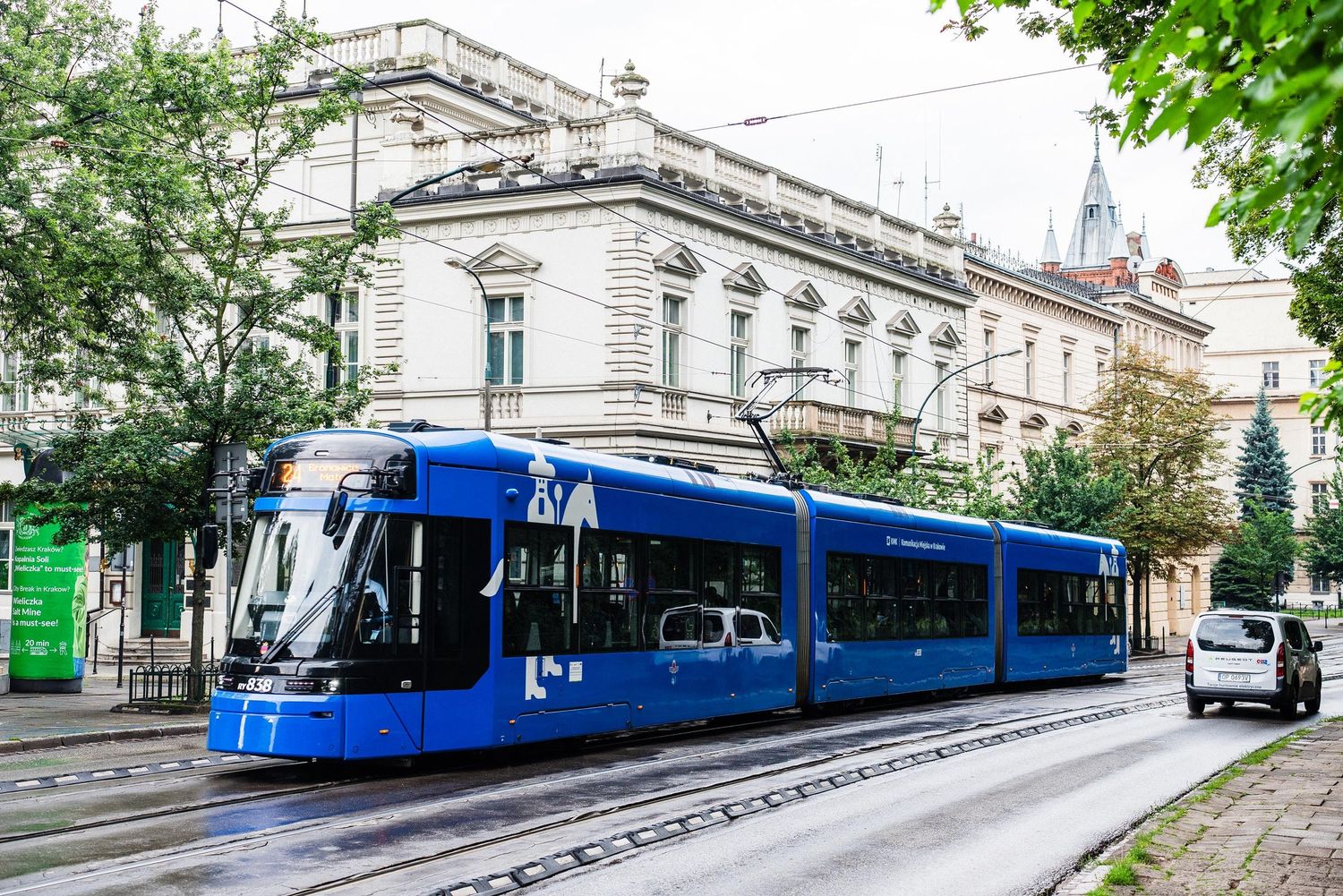
Kraków Public Transport Tickets
Kraków offers a reliable and affordable public transport system made up of trams and buses. Whether you're in the city for a quick visit or staying for a week. Tickets are interchangeable between buses and trams. Most tourists will only need Zone 1 (which covers central Kraków).
Time-Based Tickets
These are perfect for short trips or hopping between a few sights.
Duration Price
20 minutes zł 4 ~£0.75 ~$1.10
40 minutes zł 6 ~£1.12 ~$1.65
90 minutes zł 8 ~£1.50 ~$2.21
Day-Based Tickets
Duration Zones Price
24-hour Zone 1 zł 17 ~£3.20 ~$4.69
24-hour Zones 1 & 2. zł 22 ~£4.15 ~$6.08
48-hour Zone 1 zł 35 ~£6.60 ~$9.67
72-hour Zone 1. zł 50 ~£9.40 ~$13.82
7-day Zone 1. zł 56 ~£10.50 ~$15.48
7-day Zones 1 & 2. zł 68 ~£12.75 ~$18.79
Where to Buy Tickets
Single-ride tickets can be purchased on board from tram or bus drivers (bring coins if possible).
Time and day tickets are available at: Ticket vending machines (available at many stops) Post offices, Newsstands, Official ticket offices
Make sure to validate your ticket once onboard using the yellow machines!
Where To Stay
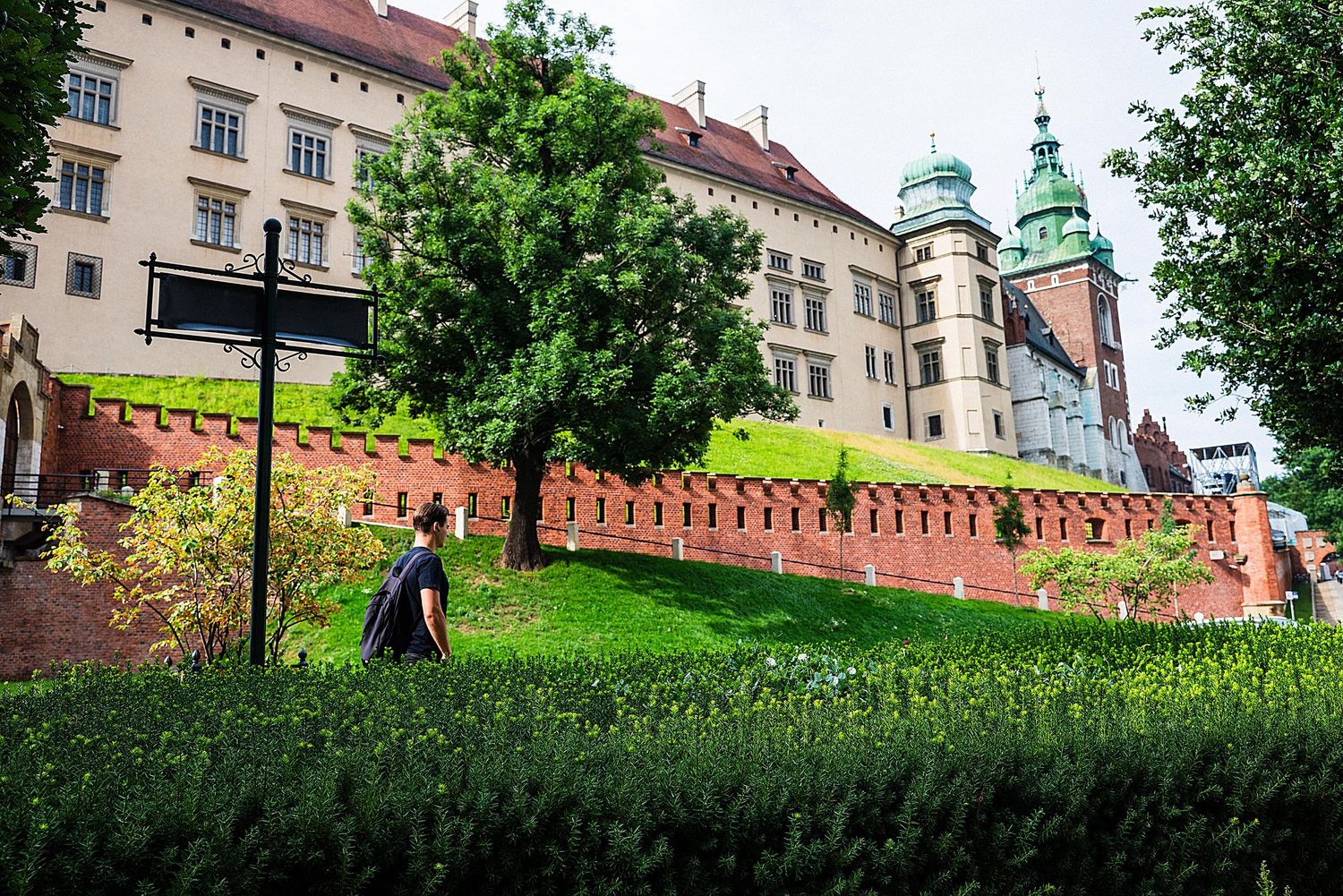
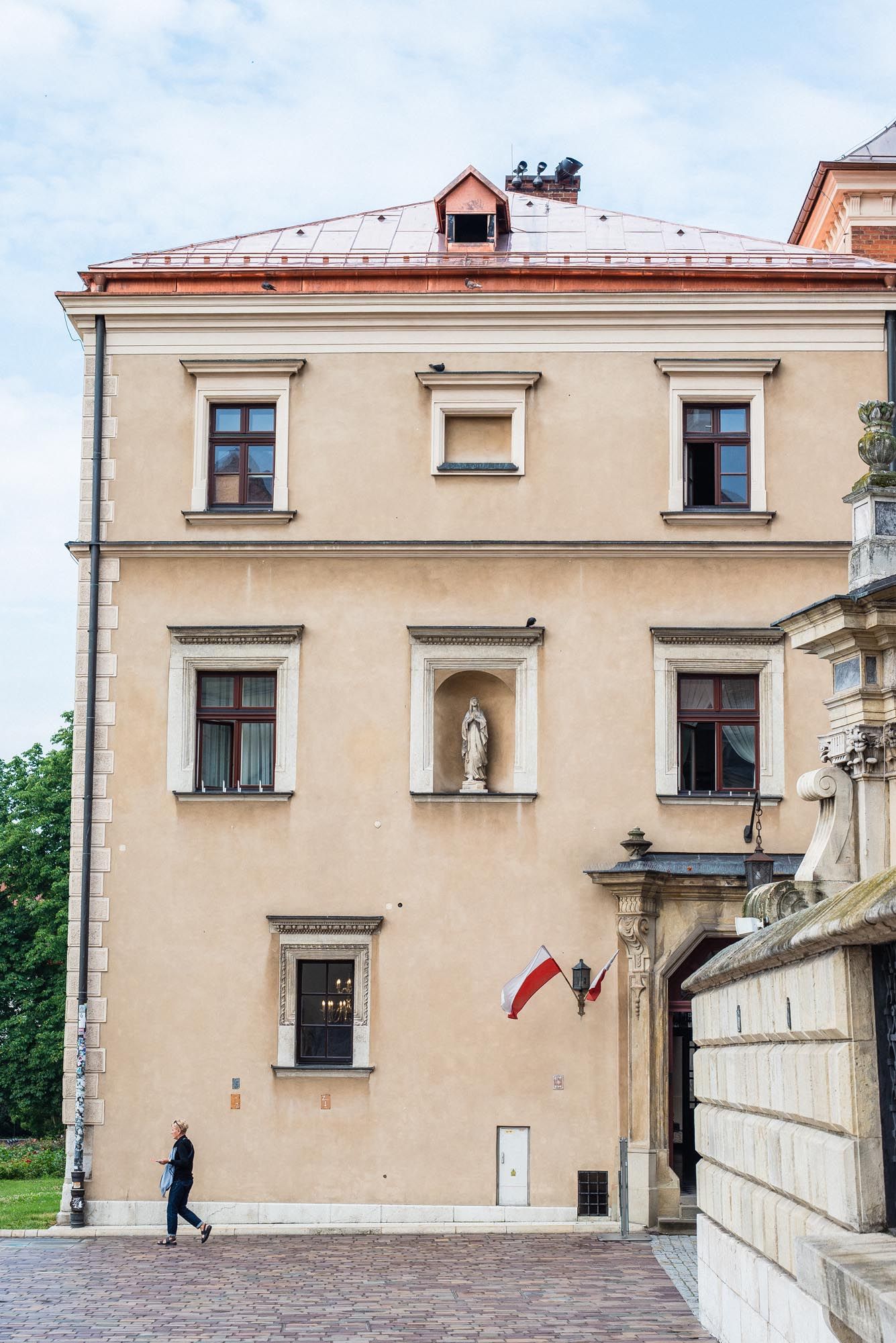
Top Tips for Choosing Where to Stay in Kraków
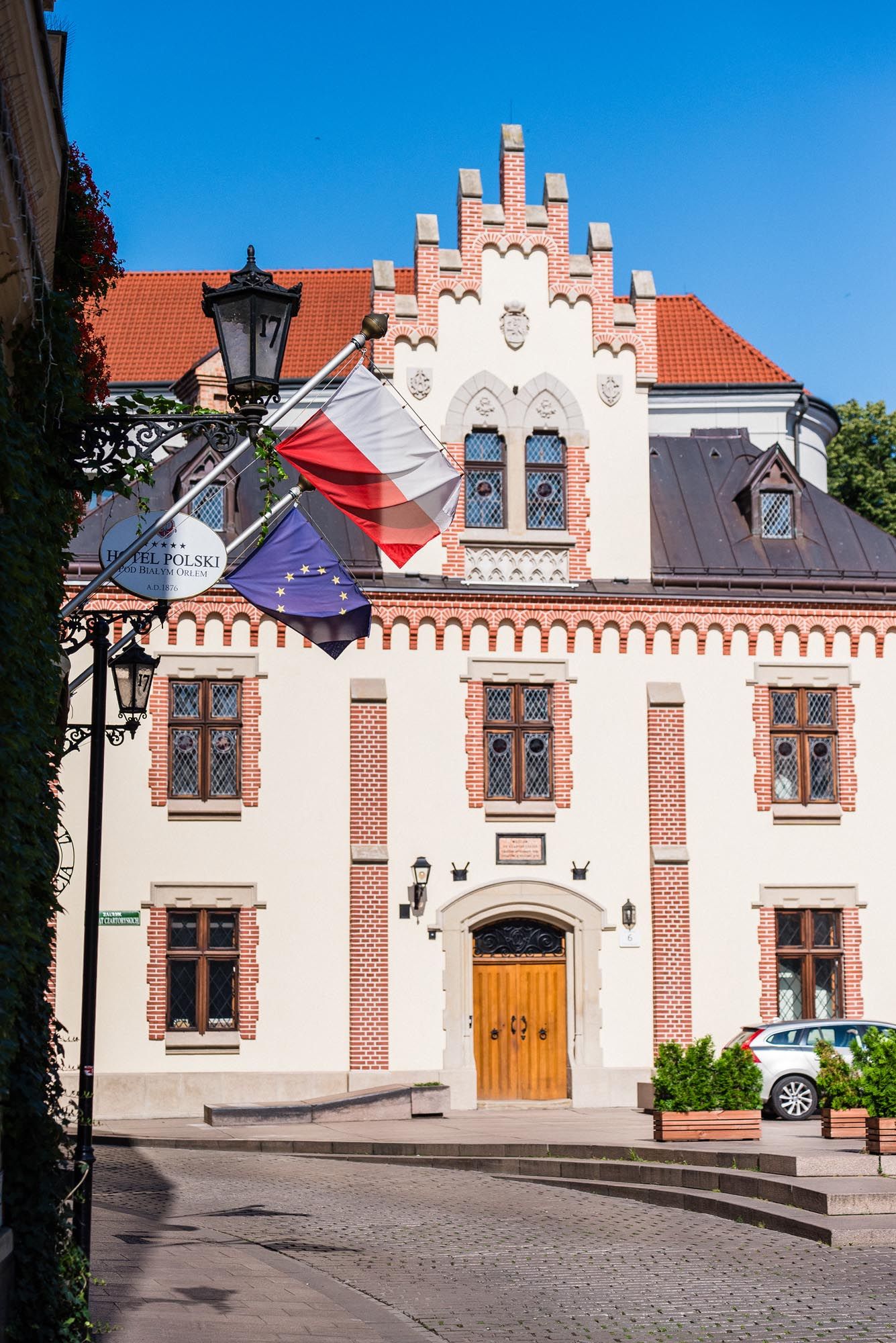
For the most convenient access to sights, restaurants, and culture, look for accommodation inside Planty Park or near Main Market Square (Rynek Główny). Everything is walkable and beautifully scenic.
If you're traveling on a budget, consider areas just outside the Old Town that are well-connected by trams and buses. You’ll still be close to the city but at a fraction of the cost.
Where To Eat
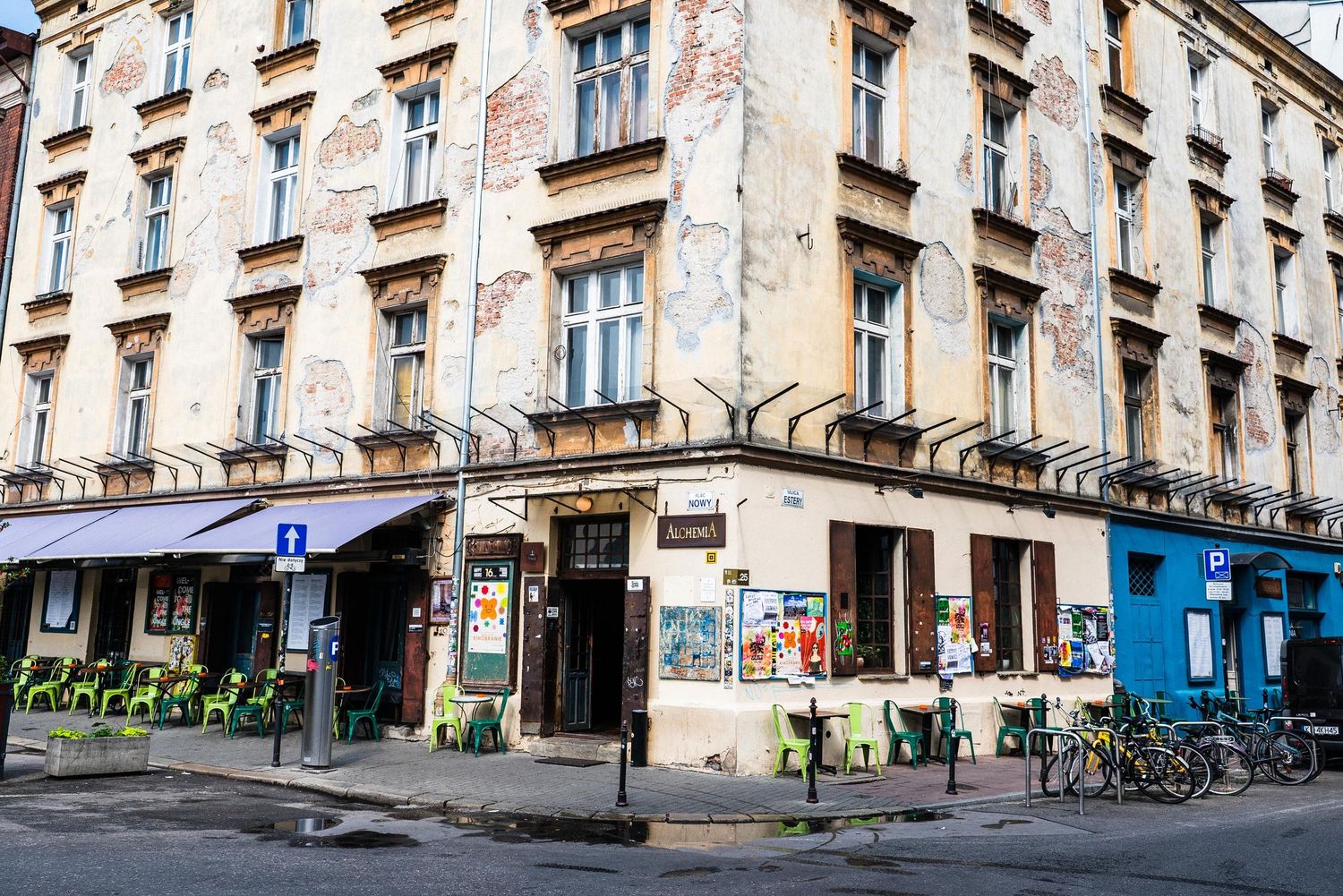
Where To Eat In Kraków
Arriving just before midday and having not eaten since early morning in the airport lounge, courtesy of my Priority Pass (the state of these pay-to-access lounges in the UK is abysmal) I was absolutely starving. I was also quite excited that the first thing I’d be doing in Kraków was eating. Food can really be one of the highlights of a trip.
Though I’ll admit I occasionally have the palate of a British schoolboy (think cheese strings and Percy Pigs), I do believe that putting a bit of effort into choosing where to eat while travelling can make a huge difference. That said, the level of effort I put in tends to vary from trip to trip.
Here are some of the places I dined at in Kraków. At the bottom, you’ll also find a map created by a local, full of great places to eat in the city.
Restauracja U Babci Maliny
My first meal in Kraków had to be something Polish—and in fact, the food was so good that every meal I had during the trip ended up being Polish.
We were seated downstairs, in a uniquely ornate part of the restaurant. My friend and I were given a private little corner, and our waiter jokingly commented on how romantic the setting was, much to our amusement.
The food and service were both excellent. It felt like a reasonably fancy meal, but without the hefty price tag you would expect in Western Europe.
Pierogarnia Krakowiacy
After an afternoon of snacking and coffee shop cakes, a big dinner wasn’t really on the cards. Instead, we were after something more relaxed and low-key.
Pierogarnia Krakowiacy is right in the heart of Floriańska Street—undeniably touristy, but still a beautiful place for a stroll. The restaurant specialises in pierogi, and since we wanted something light and hassle-free (the real goal for the evening being a few beers), we decided to give this obviously tourist-oriented spot a go.
Reviews for the place are mixed, and I imagine it’s the sort of restaurant a local wouldn’t dream of setting foot in. That said, the food was... fine. As someone still relatively new to pierogi, it felt authentic enough, not mind-blowing, but it did the job.
Would I recommend it? Honestly, no. Don’t be like me, put a little effort into finding somewhere better (pretty much anywhere outside the Old Town is a safer bet). Still, a cold beer and a plate of pierogi is a good time.
Milkbar Tomasza
What is a milk bar? Known in Polish as bar mleczny, a milk bar is a type of low-cost, self-service cafeteria that originated in the late 19th century and became iconic during the communist era. Despite the name, they do not serve only dairy. These establishments are known for offering simple, hearty Polish home-style meals at very affordable prices.
Milkbar Tomasza is a modern take on the traditional milk bar. It is not a true cafeteria and is not quite as inexpensive as you might expect from the classic version. That said, the food was very good and the experience still felt local, even if most of the diners were tourists rather than Poles.
If you find yourself in Kraków’s Old Town and want to try some traditional dishes in a relaxed setting, I would definitely recommend stopping by. Just be prepared to queue, as it is a popular spot and often draws a crowd.
Below is a list of recommended places to eat and things to do, curated by a Kraków local.
Kraków Photo Walk
Whilst in Kraków I made a youtube video of my brief photo walks in the morning.