It’s easy to focus only on the highlights of travel — the beautiful places, the unforgettable moments, the curated experiences.
But not every destination fits neatly into that picture. And Hanoi is one of those places.
A question that comes up again and again is: is Hanoi dirty?
The short answer is yes — but that doesn’t tell the full story.
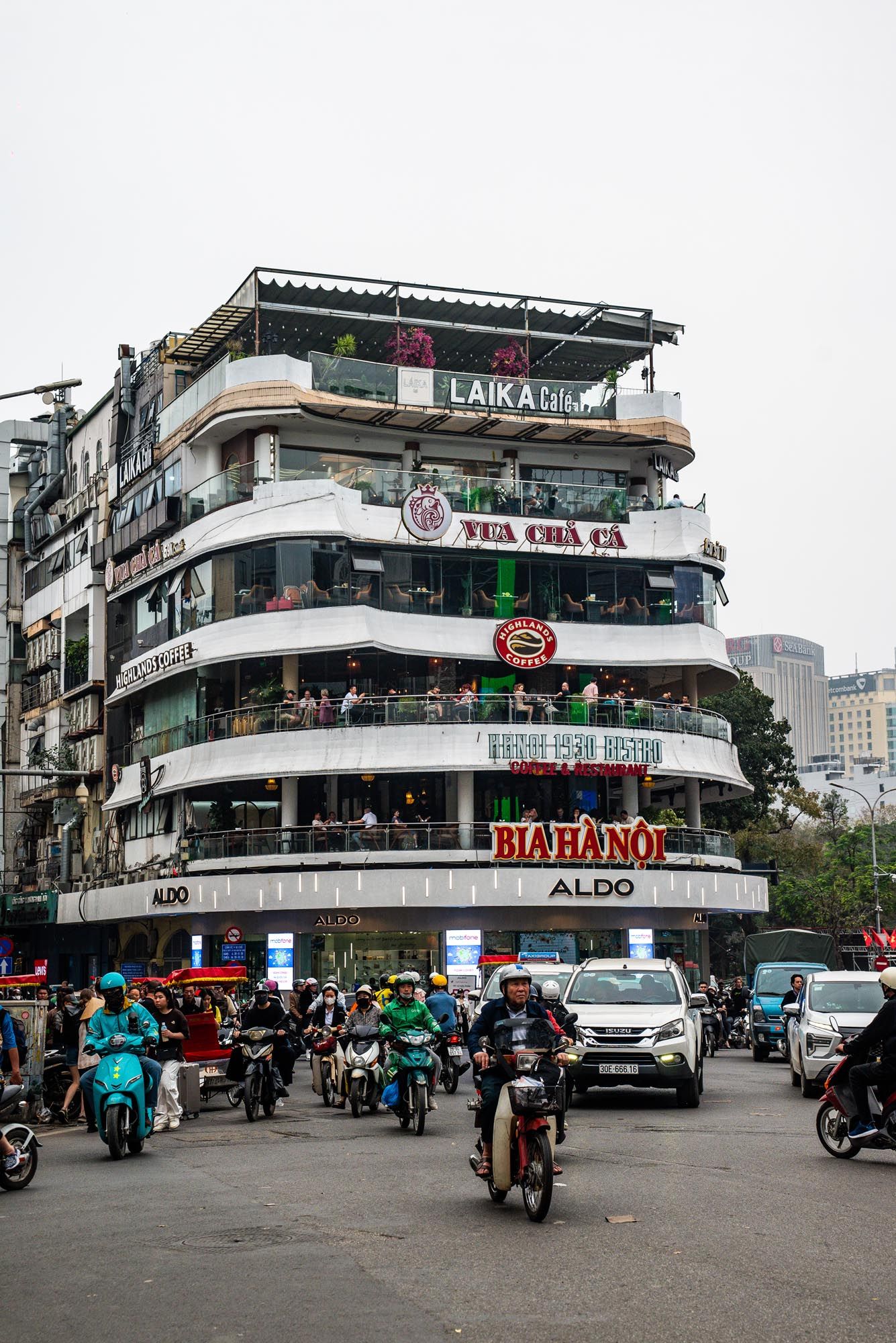
Is Hanoi Dirty? My Honest First Impressions
I generally enjoy celebrating the good, I also believe it's important to offer a balanced perspective when sharing travel experiences.
Before diving into my list of critical observations about Hanoi, I want to make it clear that these are just personal opinions. I'm fallible, and I don’t claim to be an expert on anything. It's also worth acknowledging that when critiquing a place, it can be difficult not to unconsciously apply Western standards, which may not always be fair or appropriate.
Hanoi, in particular, feels like a city where balanced, unbiased information is especially important. Many travellers visiting Vietnam on a limited time often face a common question: Should I go to Ho Chi Minh City or Hanoi? While flights between the two are relatively cheap and convenient, choosing the city that best fits your interests and travel style can make a big difference. Having a clear and honest understanding of each place helps make that decision easier.
Is Hanoi Dirty? Quick Answers
Is Hanoi dirty?
Yes — Hanoi can feel dirty, especially compared to Western cities. Air pollution, street litter, and chaotic traffic all contribute to that impression.
Is all of Hanoi dirty?
No. Some areas are noticeably cleaner than others. Tourist areas and newer developments are better maintained, while older districts can feel more chaotic and cluttered.
Is all of Vietnam dirty?
Not at all. Vietnam varies significantly by location. Cities like Hanoi can feel intense, while places such as Da Nang or Phu Quoc are cleaner, calmer, and more resort-focused.
Is Hanoi still worth visiting?
Absolutely. Despite its flaws, Hanoi is one of the most character-filled cities in Southeast Asia. For many travellers, the “messiness” is part of what makes it memorable. That said, while I’m glad I visited, it’s not somewhere I personally feel the need to return to.
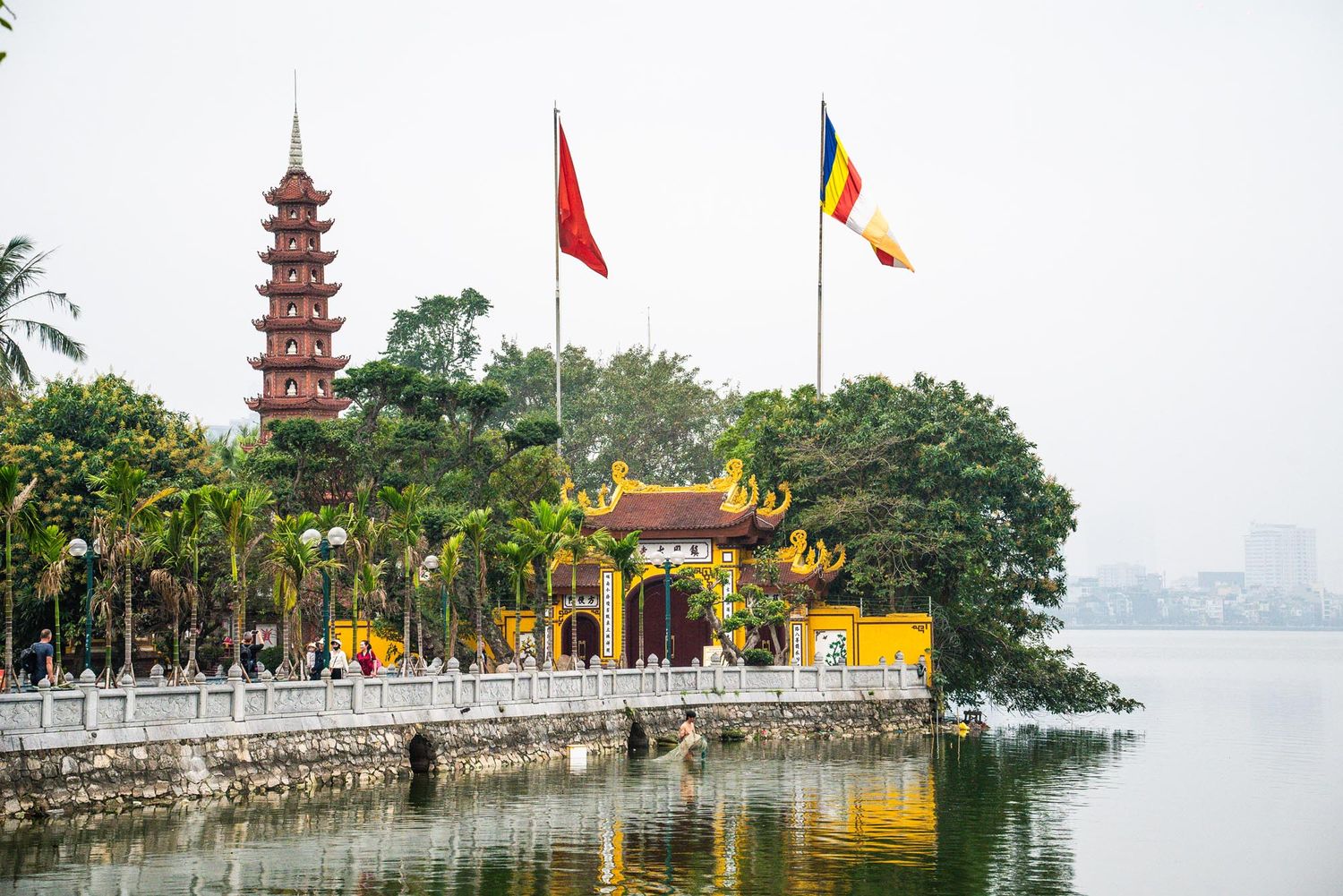
Is Hanoi clean?
One of the most common complaints about Hanoi is its cleanliness or lack thereof. From air pollution to street litter and everything in between, Hanoi can feel messy. The air quality, while variable depending on the season and weather, is consistently poor. It’s not the worst in the world, but it’s bad enough to make you sympathise with those who find the city hard to love.
Then there's the litter. From what I observed, the streets aren’t too bad during the day, but as evening turns into night, the rubbish situation escalates dramatically. By late evening, some areas look almost apocalyptic, strewn with plastic bags, food scraps, and discarded packaging.
But there is a strange silver lining to this cloud of chaos: the bin lorries or garbage trucks, for those not fluent in British English. cruise through the streets blasting cheerful propaganda music while the cleanup begins.
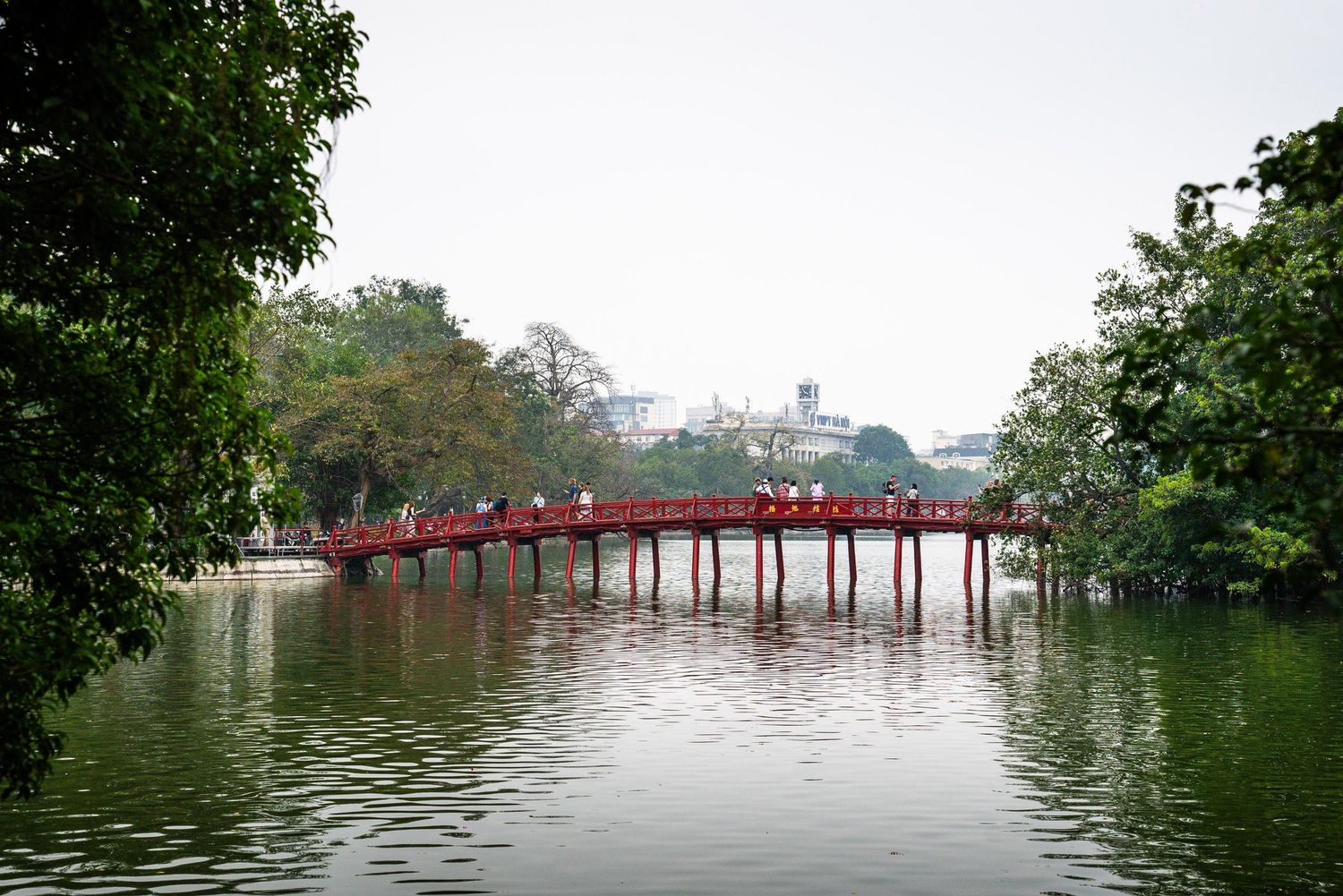
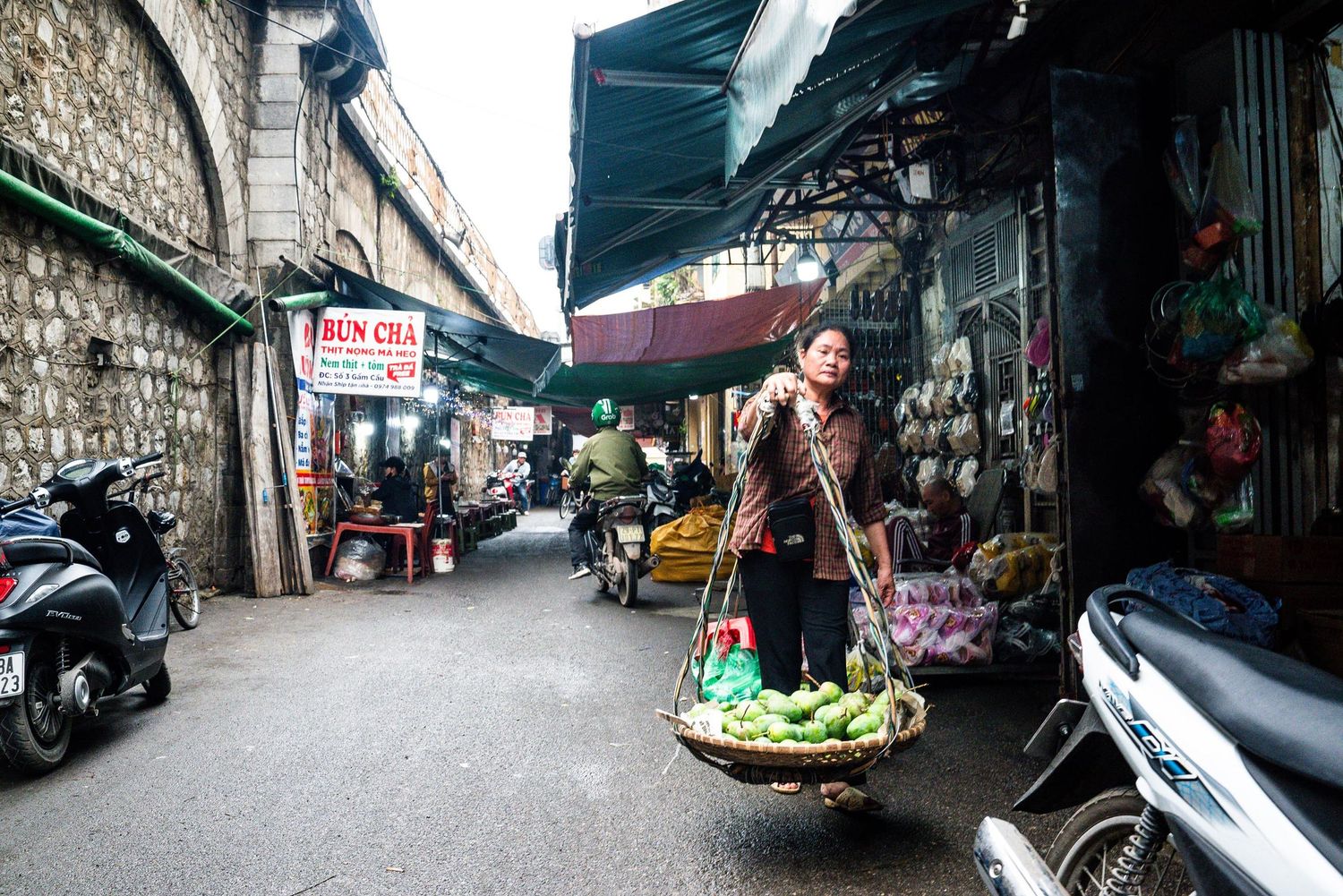
Another concern I have regarding hygiene is the sale of raw meat on the streets. This first caught my attention during an early morning walk through the Old Town down to Hoàn Kiếm Lake. At nearly every street corner, I saw raw meat and partially butchered animals laid out directly on thin pieces of cardboard,often the only barrier between the meat and the dusty ground. Food hygiene practices vary greatly from country to country, but I believe with some basic precautions, the risk of foodborne illness can usually be minimized. However, sights like this strongly contribute to the impression that Hanoi is an unclean and unsanitary city.
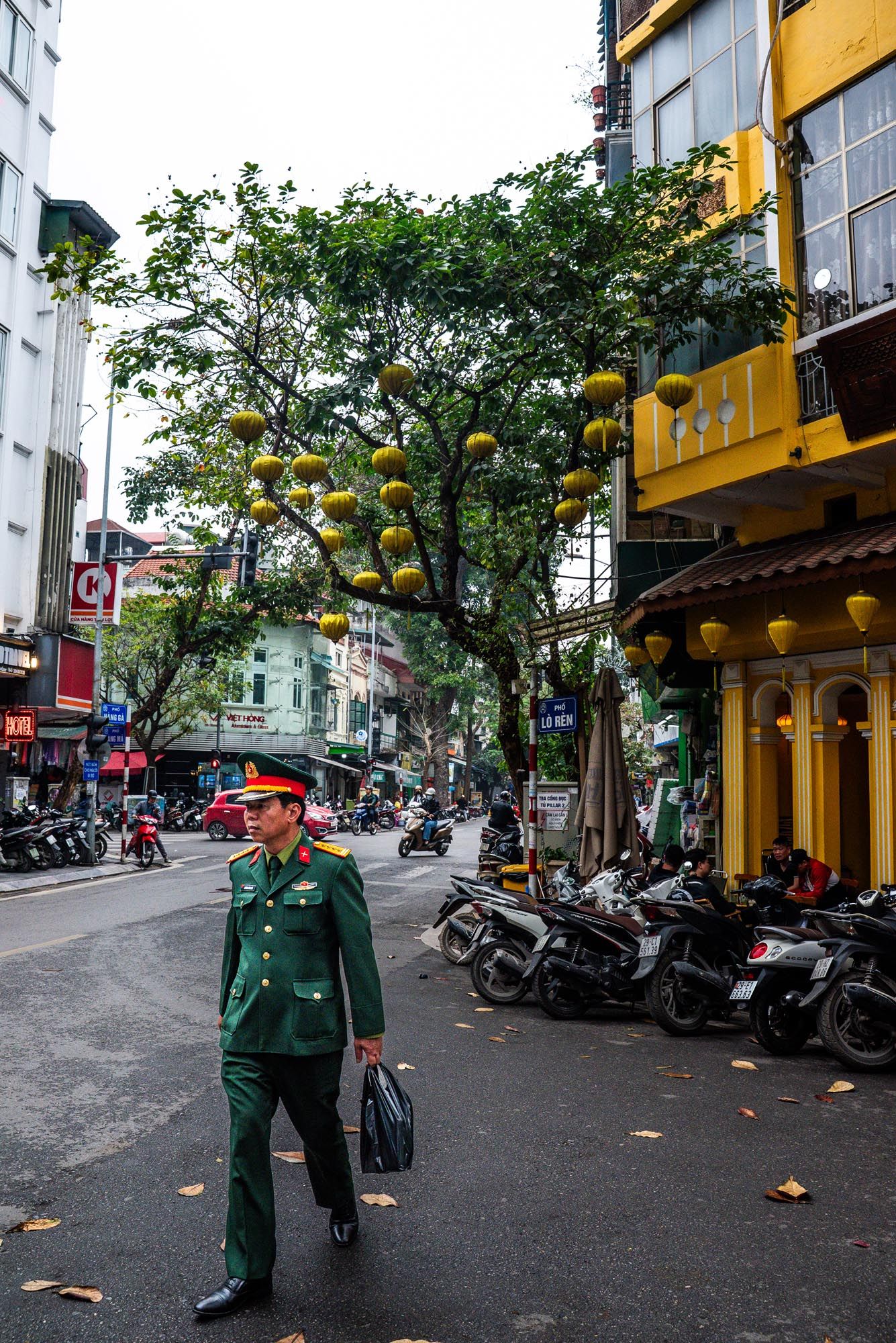
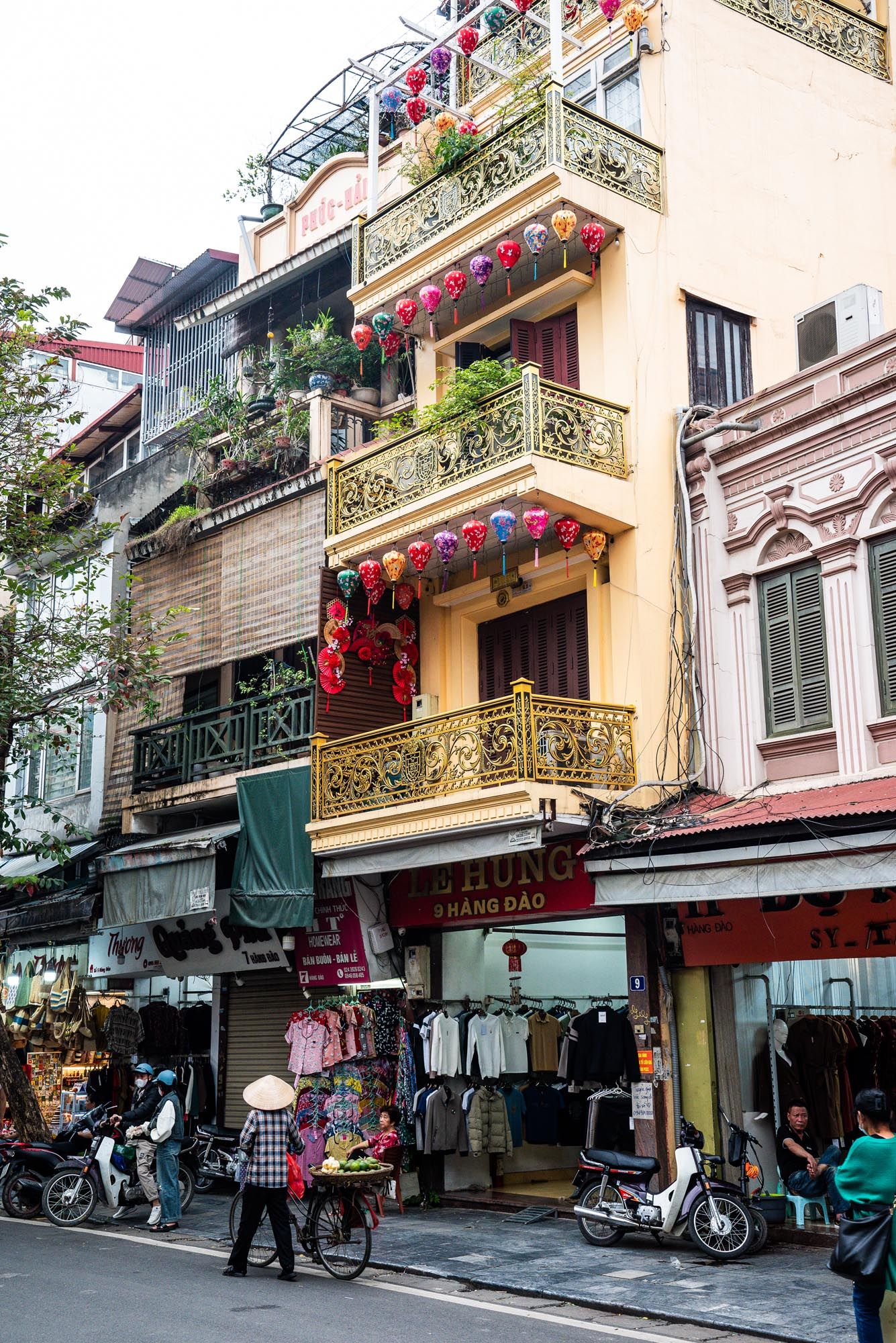

Is Hanoi Dirty or Just Chaotic?
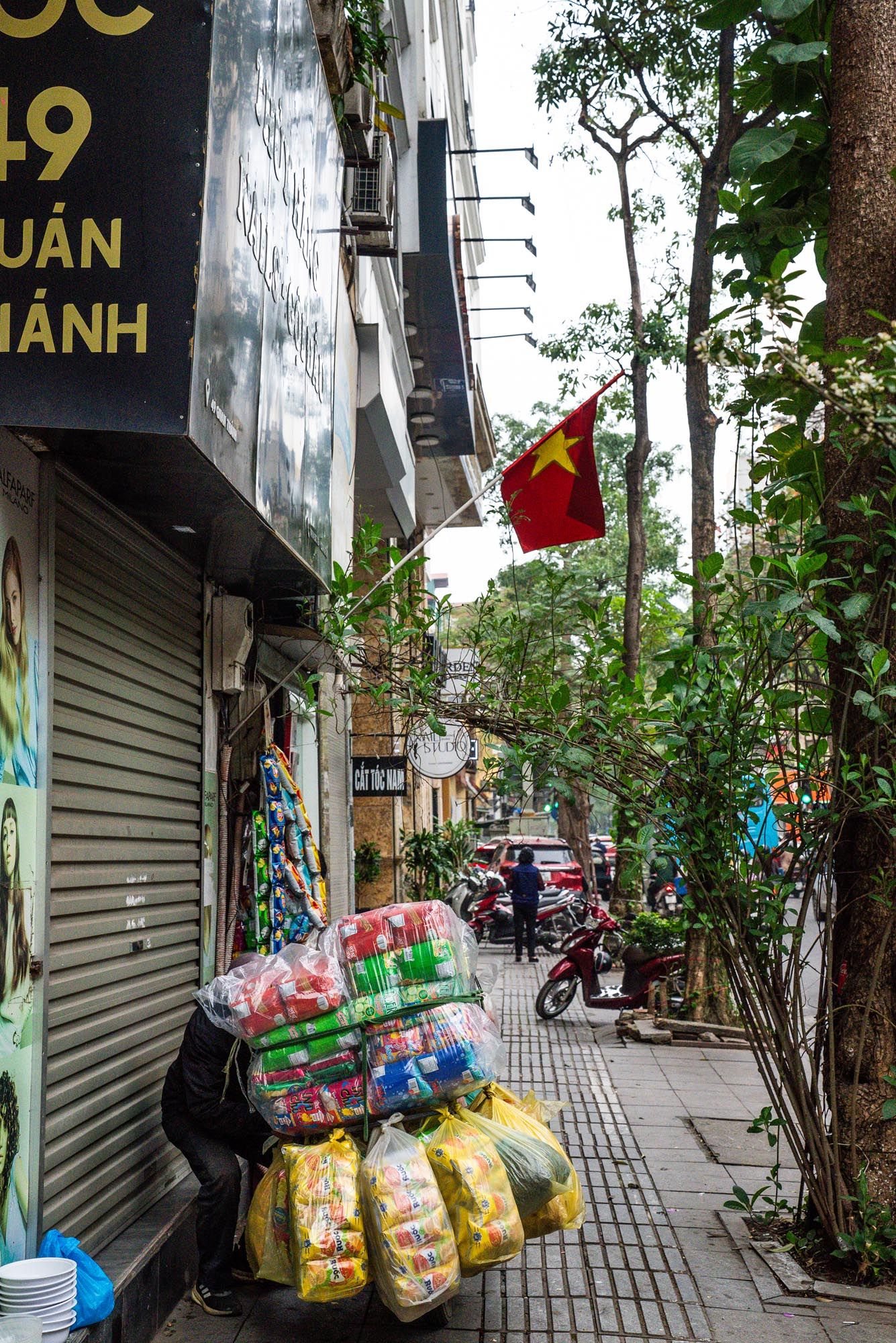
Hanoi isn’t just dirty — it’s chaotic, the constant traffic, noise, crowds, and street activity create a sensory overload that can make the city feel messier than it actually is. There are genuinely dirty elements like pollution and litter, but a lot of what people perceive as “dirty” is really the intensity and lack of order compared to more structured cities
Air Pollution in Hanoi (What It Actually Feels Like)
Air pollution is probably the biggest reason people ask “is Hanoi dirty?” — and it’s also the part you notice the fastest.
Not because you’ve checked an app. Just because you can feel it.
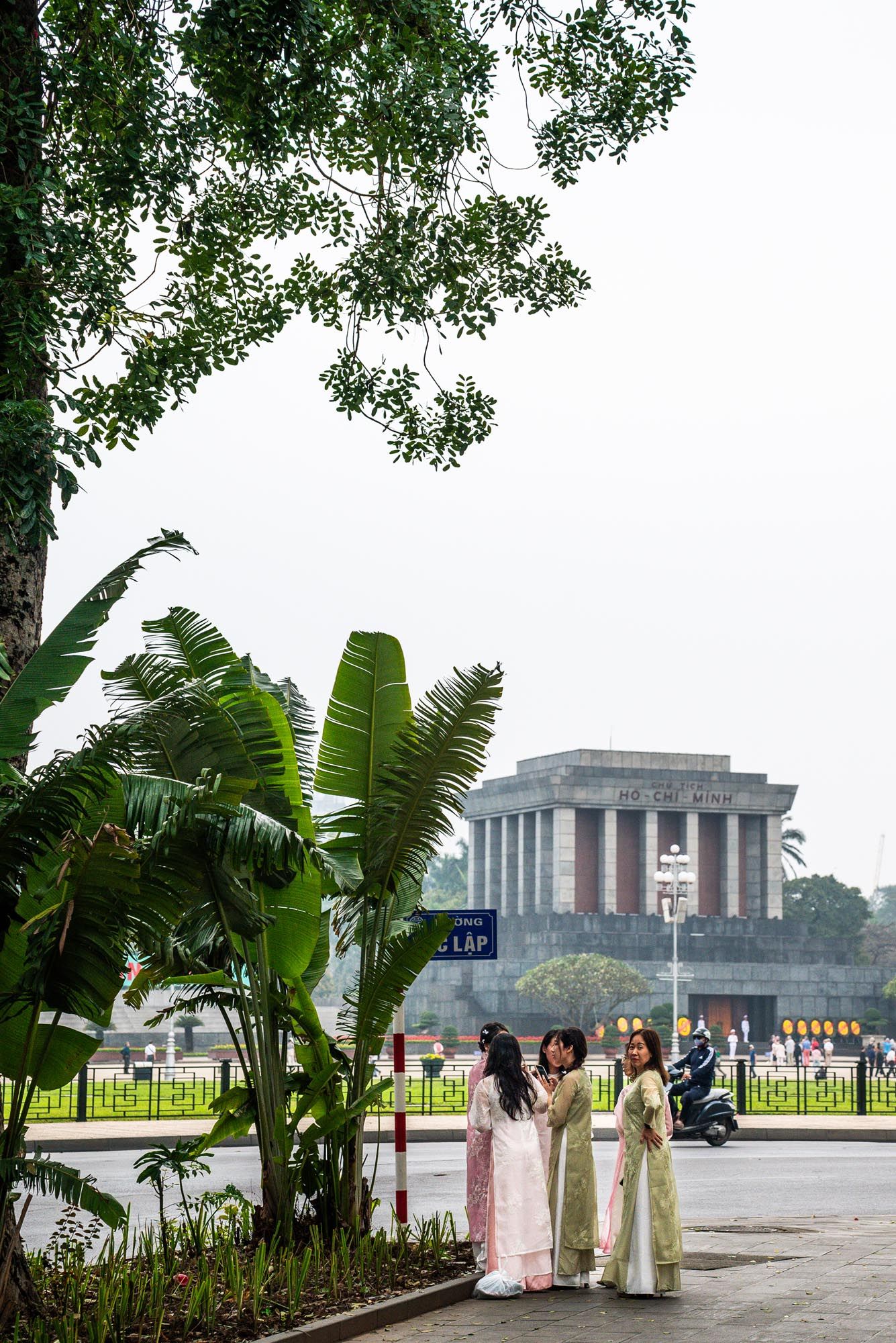
When I first arrived, one of the things that stood out straight away was how the air looked. Not dramatically smoggy like you sometimes see in photos, but there’s often a kind of haze sitting over the city. Buildings in the distance don’t look quite as sharp, and the sky has more of a grey tone than a clean blue.
It’s subtle at first, but once you notice it, you can’t really unsee it.
What surprised me more was how it actually felt physically.
I was already a bit ill when I arrived in Hanoi, but the air definitely made it worse. My throat felt dry almost constantly, there was a slight tightness in my chest at times, and just being outside for long periods felt more draining than it should have. It didn’t feel dangerous, but it also didn’t feel great either — more like your body is just quietly working harder than usual.
And what made it more noticeable for me is that I’ve been to parts of China and Mexico where the pollution is supposed to be just as bad, if not worse on paper. But for whatever reason, Hanoi felt harsher.
Maybe it’s the humidity, maybe it’s the sheer number of scooters, or maybe it’s just how constant it feels — but it’s one of the few places where I’ve genuinely felt the air quality rather than just known about it.
If you look at the actual numbers, Hanoi often sits in what’s considered the “unhealthy” range on the Air Quality Index (AQI), especially during the winter months. That basically means even if you’re healthy, you’ll probably notice it, and if you’re already run down, it can hit a bit harder.
It’s also the environment that makes it feel worse. The narrow streets, the traffic, the lack of airflow in certain areas — especially around the Old Quarter — all seem to trap everything in.
The result is that the air doesn’t just exist in the background. It feels like part of the experience.
That said, it didn’t ruin Hanoi for me. But it definitely changed how I explored the city. I found myself taking more breaks indoors, avoiding long walks at certain times of day, and generally being a bit more aware of how I felt.
Hanoi isn’t the most polluted place in the world. But it’s one of the few places where, at least for me, the air quality was impossible to ignore.
Food Hygiene in Hanoi
Food hygiene in Hanoi is one of those things that really depends on where you go — and how you choose to approach it.
On one hand, most of the meals I had in Hanoi were genuinely excellent. I tended to stick to places I’d researched beforehand and specifically chosen, and those restaurants were clean, well presented, and honestly some of the best food I had on the trip. Proper kitchens, good standards, and no concerns at all.
But that’s only one side of it.
On my morning walks through the Old Quarter, I regularly saw raw meat laid out on the streets — sometimes on cardboard, sometimes very close to the ground, with no obvious refrigeration. That was probably the biggest thing that put me off. It’s one of those sights that sticks with you, even if you’re not actually eating from those places.
At the same time, it’s important to put this into context.
What might look unhygienic to Western travellers is often just a normal part of daily life in Hanoi. Fresh food is bought and sold quickly, often cooked soon after, and there’s a completely different relationship with food preparation compared to what most people are used to in Europe or the US.
If you look at what other travellers say, the experience seems to vary quite a lot. Some people eat street food every day without any issues at all, while others are a bit more cautious and stick to restaurants. A common bit of advice you’ll see is to choose busy food stalls — high turnover usually means fresher ingredients.
Is Hanoi's traffic bad?
My Hanoi travel guide is packed with recommendations for all the incredible things to see and do in the city. Without a doubt, Hanoi is a fascinating and unforgettable destination. If you're someone who finds cities like Singapore too clean, too orderly, or overly Westernized (a view I don’t personally share, but one I often hear), then Hanoi might be the perfect contrast. It offers the full-on, sensory-rich experience of Southeast Asia in its rawest form.
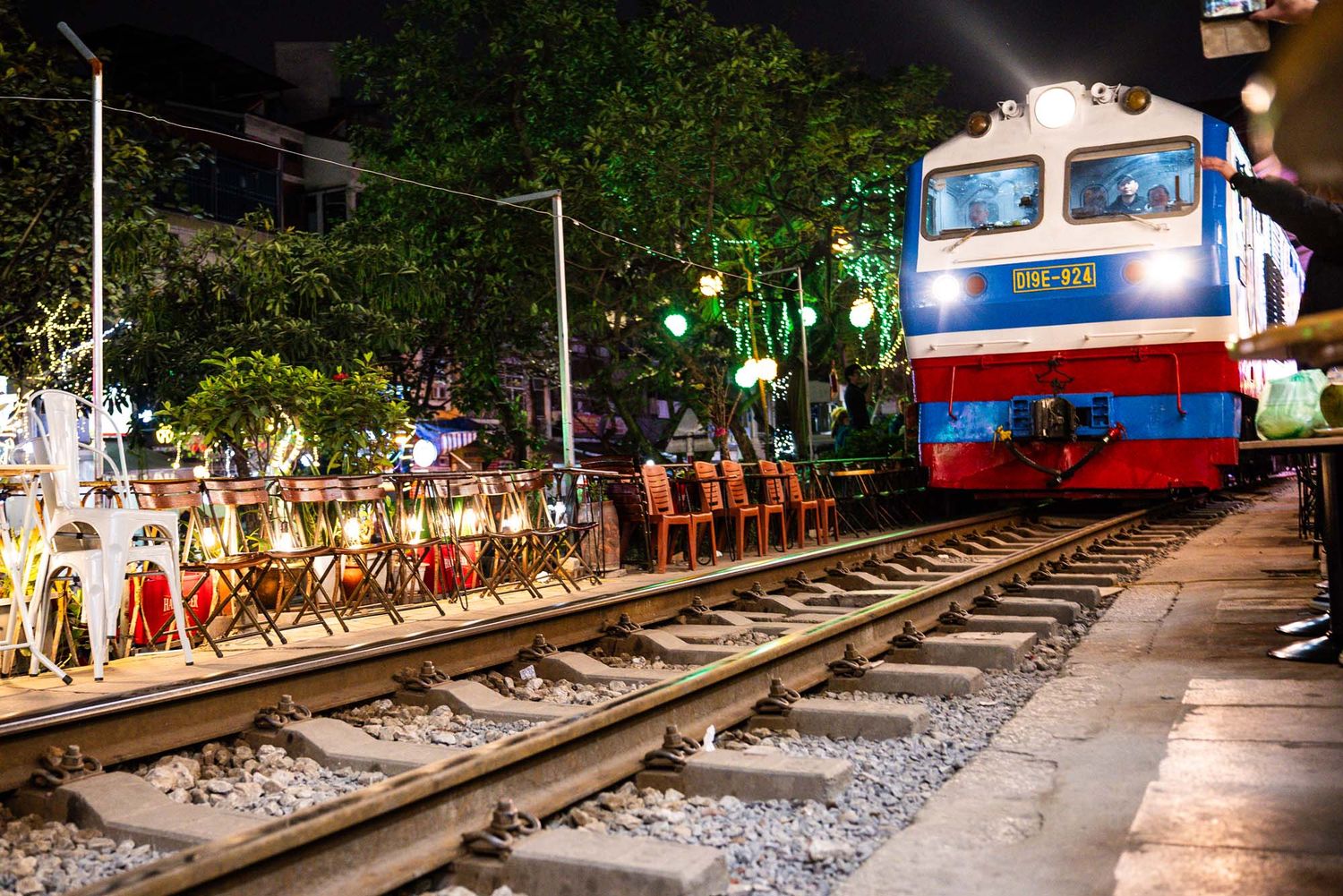
One of the first things you’ll notice something you've probably already heard about is the traffic. It’s not just that it's congested; it's the sheer intensity and chaos that make it so striking. The main culprit? Around 6.5 million scooters zipping through the streets more than the entire population of Singapore (okay, last time I’ll mention Singapore, I promise).
All those scooters bring with them constant honking, noise, and heavy pollution. It can be overwhelming at first, but in a fun way. There’s a kind of thrilling novelty to the chaos, a sensory overload that you'll try to describe to friends and family back home, but no amount of hyperbole will quite do it justice. Eventually, though, the excitement wears thin. When all you want is a snack from Circle K, but first, you must make peace with your mortality and cross the road. Stepping into traffic feels both inevitable and dangerous.
Like in many Southeast Asian countries, the ride-hailing app Grab works efficiently in the city. Unlike Thailand, however, helmet laws here are stricter by law, you're required to wear a helmet when riding on a motorbike taxi. It's a solid practice and one that appears to be well enforced. During my time in Hanoi, I witnessed two scooter accidents (thankfully not serious), which underscores the importance of these regulations. That said, even with helmet laws in place, hopping on the back of a scooter still doesn’t feel entirely safe.
FAQs About Hanoi
Is Hanoi dirty compared to other cities?
Yes — compared to most Western cities, Hanoi can feel noticeably dirtier due to air pollution, street litter, and traffic intensity. However, compared to other large Southeast Asian cities, it’s fairly typical.
How bad is air pollution in Hanoi?
Air pollution can be quite high, especially in winter when smog lingers. On some days, visibility drops and you may notice discomfort when breathing, although conditions vary throughout the year.
Why does Hanoi feel so dirty?
It’s a combination of factors — heavy traffic, constant noise, dense crowds, and active street life. Together, these create a sensory overload that can make the city feel more chaotic than actually unclean.
Is the Old Quarter in Hanoi dirty?
The Old Quarter is the busiest and most chaotic part of the city. It can feel messy, particularly in the evenings, but it’s also one of the most vibrant and culturally rich areas to explore.
Is street food in Hanoi hygienic?
Hygiene standards differ from Western expectations, but many vendors cook food fresh and serve high volumes of customers daily. Choosing busy stalls is generally a safer approach.
Is Hanoi worse than Ho Chi Minh City for cleanliness?
Many travellers find Hanoi more chaotic and slightly dirtier, while Ho Chi Minh City feels more modern and organised. However, both cities face similar challenges.
Is Vietnam a dirty country overall?
No — cleanliness varies widely. Big cities can feel intense, but destinations like Da Nang, Hoi An, and Phu Quoc are generally cleaner and more relaxed.
Does Hanoi smell bad?
In some areas, yes. Traffic fumes, food smells, and drainage can be noticeable, especially in older districts, though it’s not constant.
Is Hanoi safe despite being dirty?
Yes — Hanoi is generally very safe. The “dirty” aspect is environmental rather than related to crime.
Should I avoid Hanoi because it's dirty?
No. While it can feel overwhelming, Hanoi offers a unique and authentic travel experience that many people find unforgettable.
Scams in Hanoi
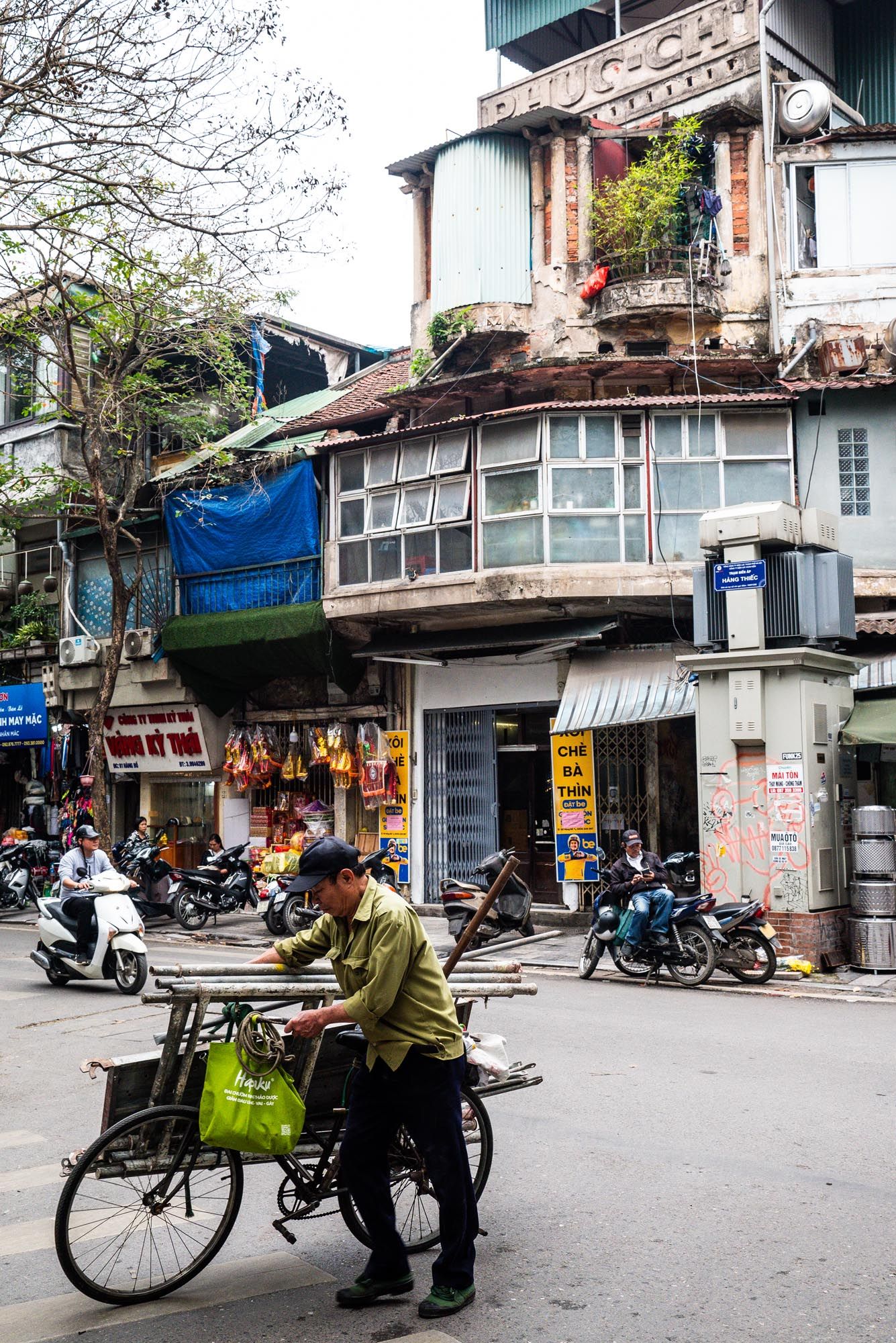
Personally, I only witnessed one scam during my time in Hanoi. A man pretending to represent a school for blind children and asking for donations. He pointed to a group of schoolchildren in the distance, claiming they were with him. It was quickly obvious that the children were neither blind nor associated with him in any way. The scam was so blatant it was almost laughable.
In Ho Chi Minh City, the only scam I encountered was being charged double the advertised price for drinks. Annoying, but nothing serious. With a bit of research and awareness, it’s fairly easy to avoid scams in most places.
Overall, Hanoi feels like a friendly and welcoming city, much like the rest of Vietnam. While I wouldn’t say the friendliness level is quite on par with Thailand, the people are still warm and helpful. The standard of hotels in Hanoi may be slightly lower than in other Southeast Asian cities I’ve visited, but that’s just nitpicking.
All in all, Hanoi feels very safe. Aside from a few sketchy characters around Beer Street.
Would I return to Hanoi?
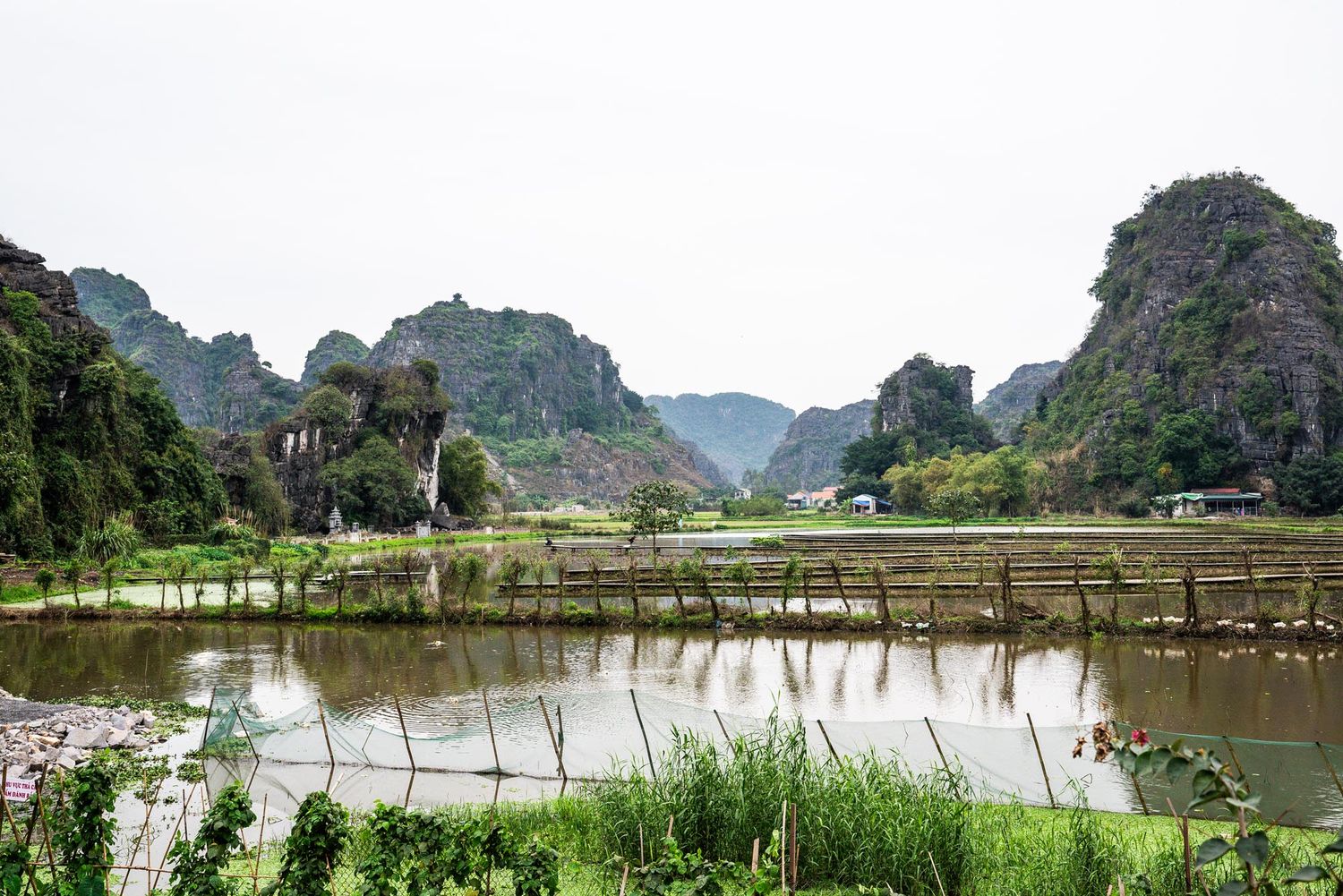
Probably not. It’s not a place I fell in love with, nor one I feel needs a repeat visit. That said, I’m glad I went. The city’s location is ideal for visiting incredible nearby destinations like Ha Long Bay and Ninh Binh both absolutely worth seeing. Hanoi itself is certainly an experience, and whether you enjoy it or not will really depend on your personality and preferences.