Summarised: Getting an IDP in the UK
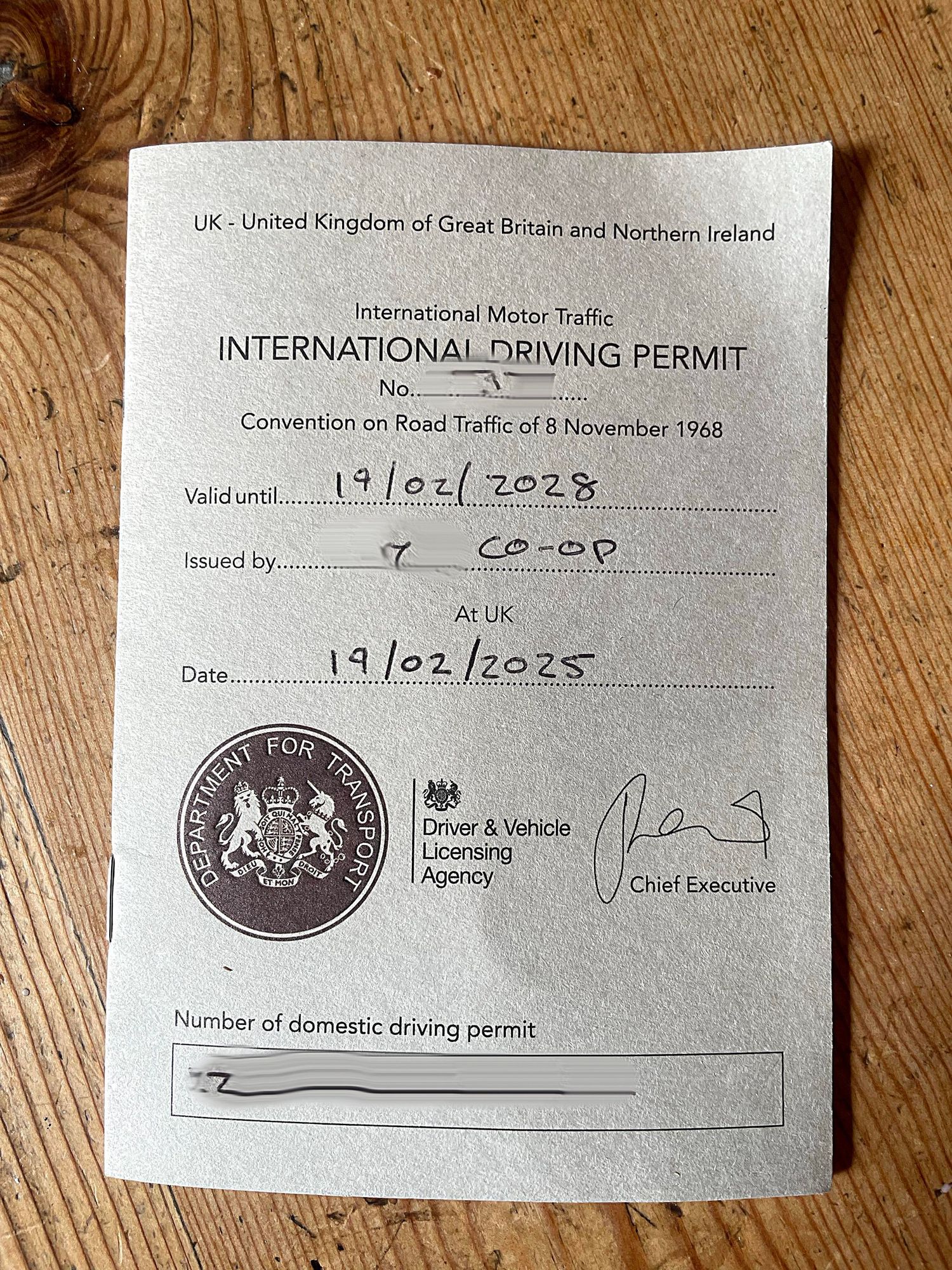
Eligibility for an IDP in the UK
Hold a valid UK driving licence – You need a full UK driving licence, not a provisional or expired one.
Be at least 18 years old – You must be 18 or older to apply for an IDP.
Be a UK resident – You should be a resident in the UK to apply for an IDP through UK authorities.
Know the Types of IDPs
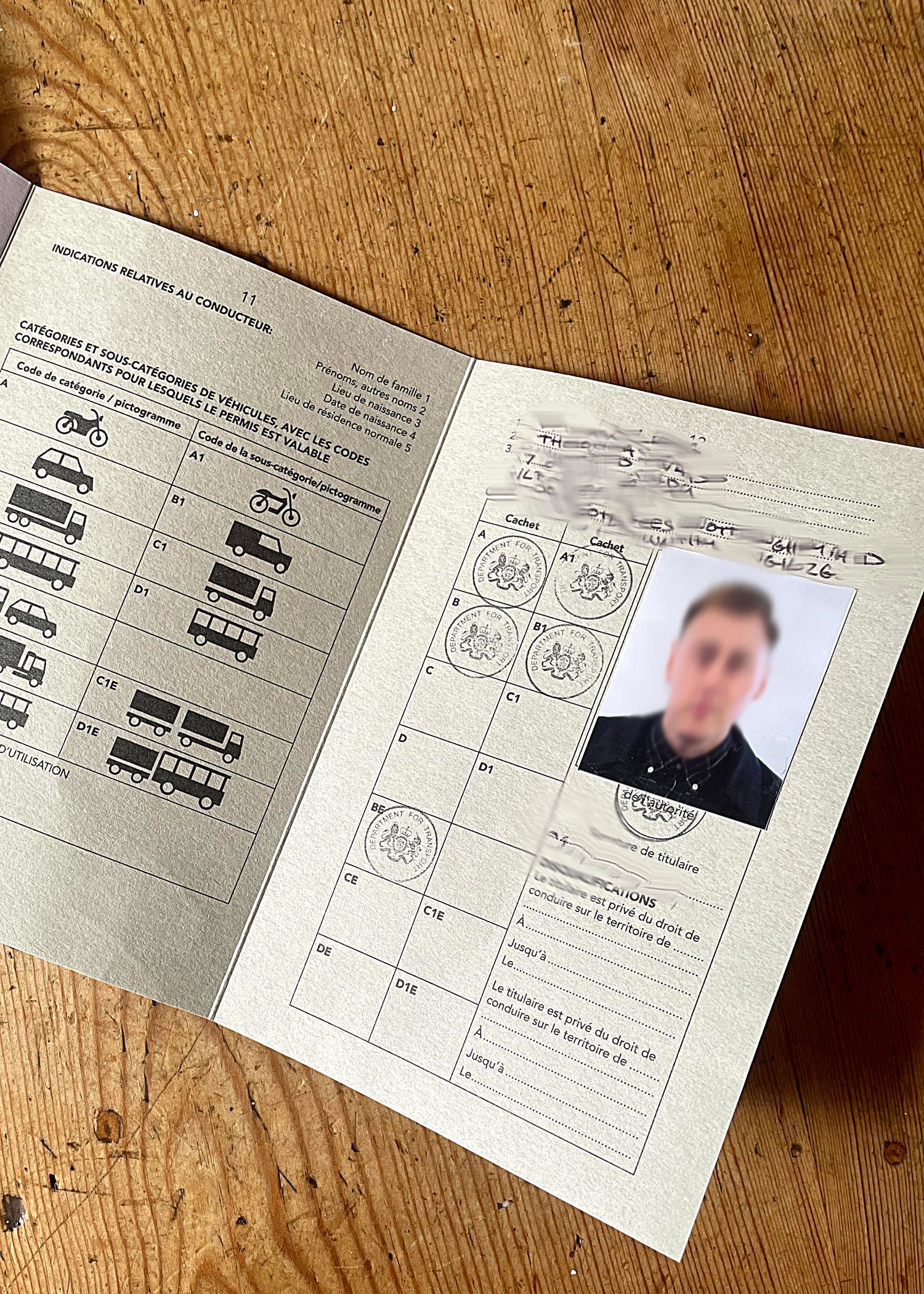
The most common type for UK residents is the 1968 IDP
Prepare Your Documents
Valid UK driving licence
Passport-sized photograph: A recent, passport-style photo (this is needed for the IDP application).
Payment: The cost of an IDP is £5.50
Where to Apply (In person)
Find the closest shop which has Paypoint and does IDP.
You can find out where to get it here from the official Paypoint website.
Once you are there and have all your needed documents it only takes a few minutes to get set up.
Don't get scammed online!
I personally recommend getting your IDP in person, please don't be tempted by websites offering instance IDPs online. They cost 3 to 4 times more than they should and from my research and reading reviews, they are fake documents. It is possible to apply for an IDP by post, but this involves posting your passport and waiting a couple of weeks.
Not every shop that has a Paypoint Sign will Issue IDP
The simplest way to locate a shop that issues an IDP is through the Paypoint website. Avoid relying on Google Maps by searching for just "Paypoint," as many stores display the PayPoint sign but don’t actually offer the service. For example, the location I visited was a Co-op. When I arrived, it wasn’t immediately clear where to go, so I asked a staff member for assistance. They quickly found someone who could issue the IDP, and the entire process took only about five minutes.
In the past, the Post Office issued IDPs, but they no longer provide this service
When driving in foreign countries, you will need to carry both your UK driving licence and your IDP. The IDP is meant to accompany your UK licence, not replace it. Always keep both documents together while driving abroad.
How to rent a scooter (legally) in Vietnam
How to Drive Legally in Vietnam with an International Driving Permit (IDP)
To drive legally in Vietnam, obtaining an International Driving Permit (IDP) is the easiest route. The Vietnamese government officially recognized the IDP in 2014 and signed the 1968 Vienna Convention on Road Traffic, which allows drivers from countries that have also signed this convention to drive legally in Vietnam.
If you're a tourist (staying less than 3 months), you'll need to carry both your valid home country driver’s license and an IDP to drive in Vietnam legally. The IDP must be from a country that is a signatory of the 1968 Vienna Convention. Without these, you could face penalties.
For those staying longer than 3 months (long-term residents), you must convert your home country license into a Vietnamese driver’s license to continue driving legally.
Mandatory Third-Party Insurance
It is illegal to operate a vehicle in Vietnam without mandatory third-party insurance. This insurance protects you and others in case of accidents or damage. If you're a vehicle owner, you are responsible for purchasing this insurance. For renters, always confirm that the rental agency provides proof of valid insurance before you drive.
Driving without valid third-party insurance not only puts you at risk legally, but it may also invalidate any other insurance coverage you have. Fortunately, purchasing third-party insurance is affordable and simple, making it easy to comply with the law and stay protected on the road.
You cannot drink at all and then drive in Vietnam
The legal blood alcohol limit in Vietnam is... ZERO. You cannot drink at all and drive in Vietnam. It is illegal. I want to emphasize this because you might come across outdated information online suggesting a permissible blood alcohol level. However, as of January 1, 2020, the Vietnamese government enacted a strict law stating that no driver may have any amount of alcohol in their system.
This change came in response to the widespread issue of drunk driving, which has been deeply ingrained in the culture. According to the World Health Organization, alcohol is linked to about 40% of road traffic accidents in Vietnam. The government is now addressing this problem with tough measures, including heavy fines, vehicle confiscations, and even prison sentences.
While these measures are beginning to have an effect, it will likely take at least a generation to completely change the driving culture. For now, the safest and smartest choice is to avoid drinking if you're planning to drive.
Speeding: A Serious Risk You Can't Ignore
Getting caught for speeding in Vietnam is all too easy, and the consequences can be severe. It’s crucial to stay aware of speed limits and always be on the lookout for traffic cameras, police roadblocks, or mobile speed checks.
Remember, cars and motorbikes have different speed limits. Don’t assume that if you’re following a car in a residential area, you’re driving at the correct speed. This can easily lead to a speeding ticket.
Fines for speeding have been rising rapidly, and they can quickly escalate into the millions of VND. In some cases, your vehicle could even be impounded. Stay vigilant, follow the speed limits, and pay attention to your surroundings to avoid costly penalties.
Speed Limits for Motorbikes
Residential Areas:
Two-way roads with a central divider or one-way roads with at least two lanes for motor vehicles: Maximum speed is 60 km/h.
Two-way roads without a central divider or one-way roads with only one lane for motor vehicles: Maximum speed is 50 km/h
Outside Residential Areas:
Dual Carriageways; one way dual carriageways with at least 2 lanes – 70km/h
Two way traffic roads; one way roads with one lane – 60km/h
Expressways
Generally, motorcycles and scooters are prohibited from entering expressways in Vietnam
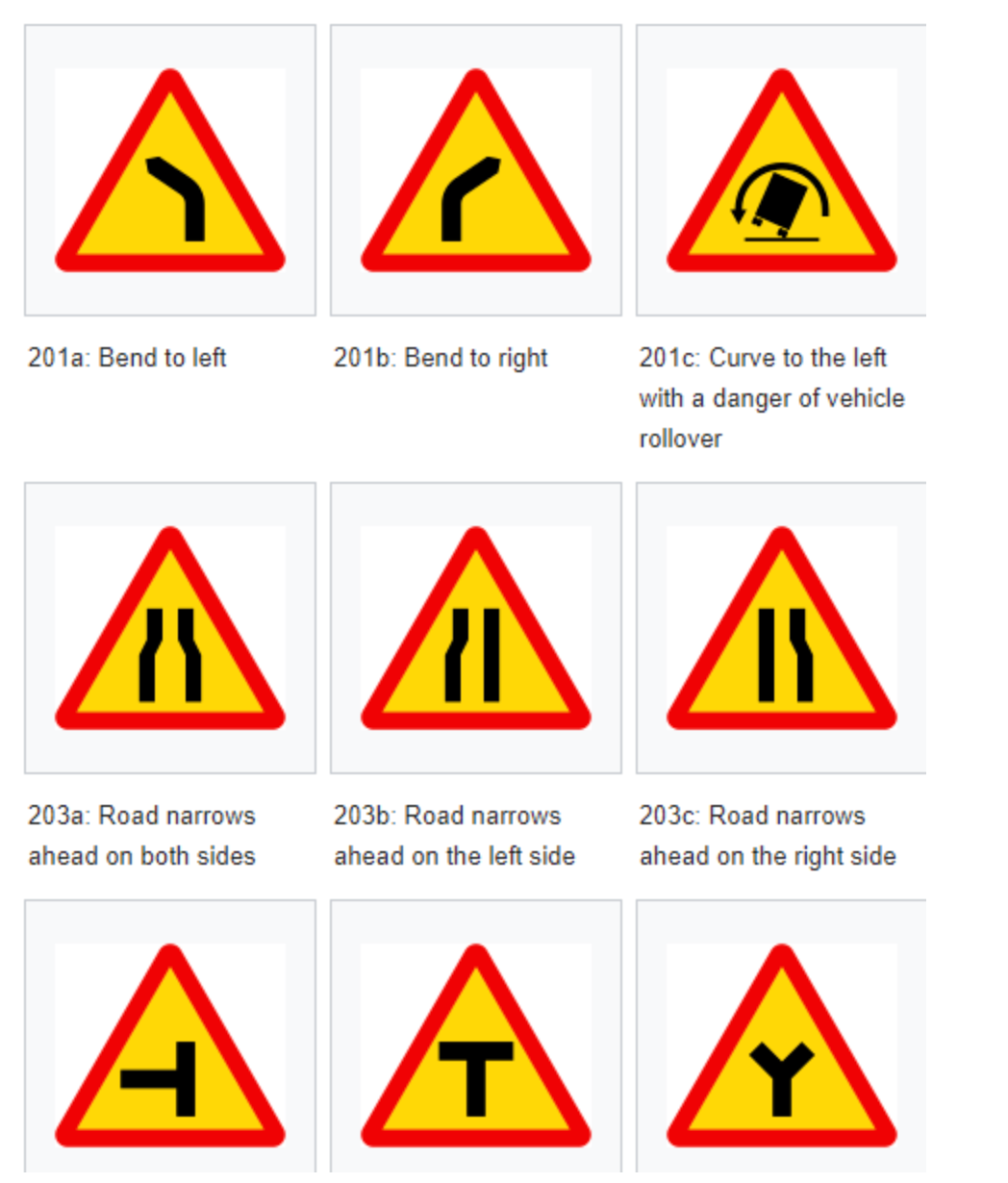
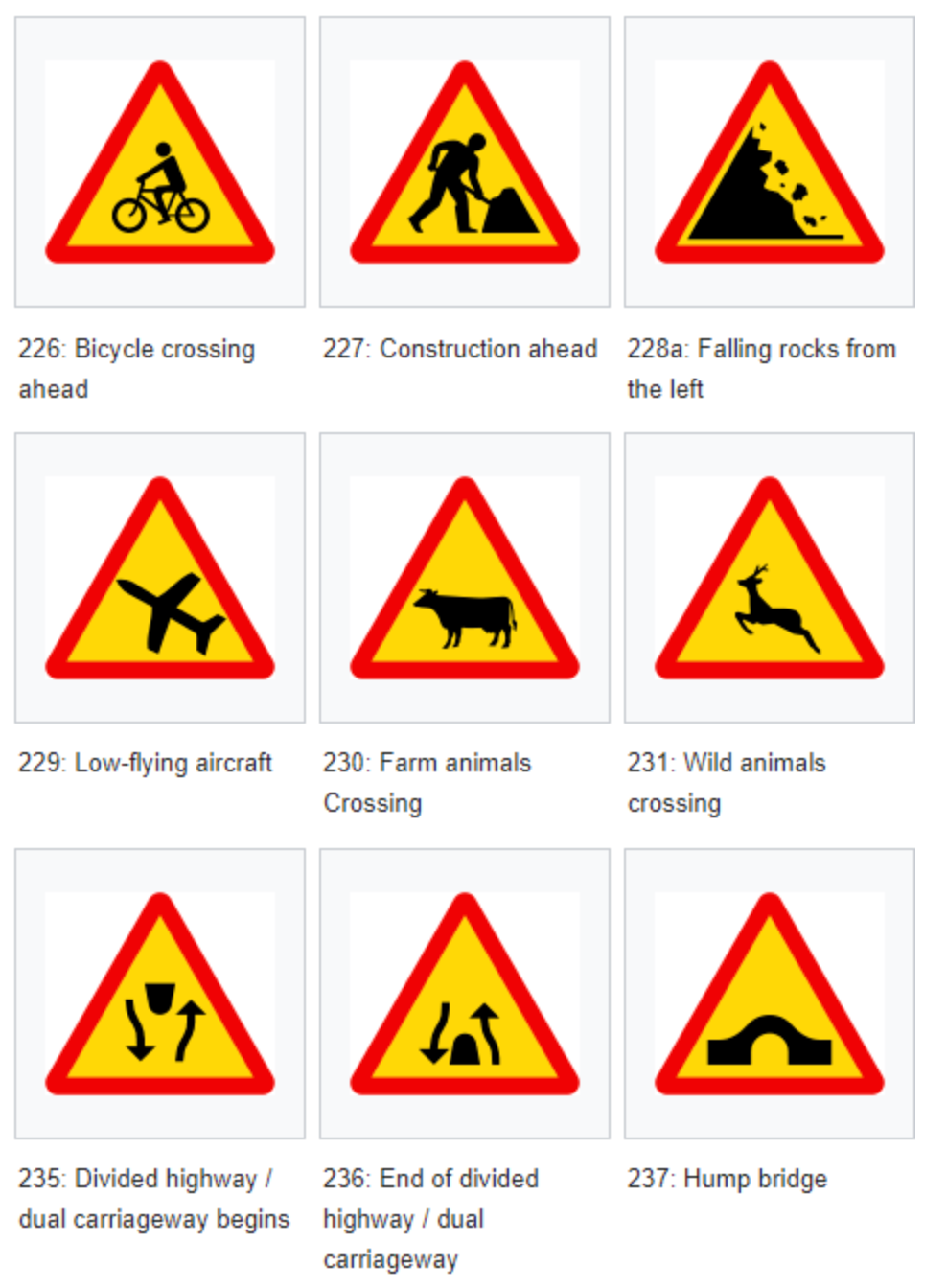
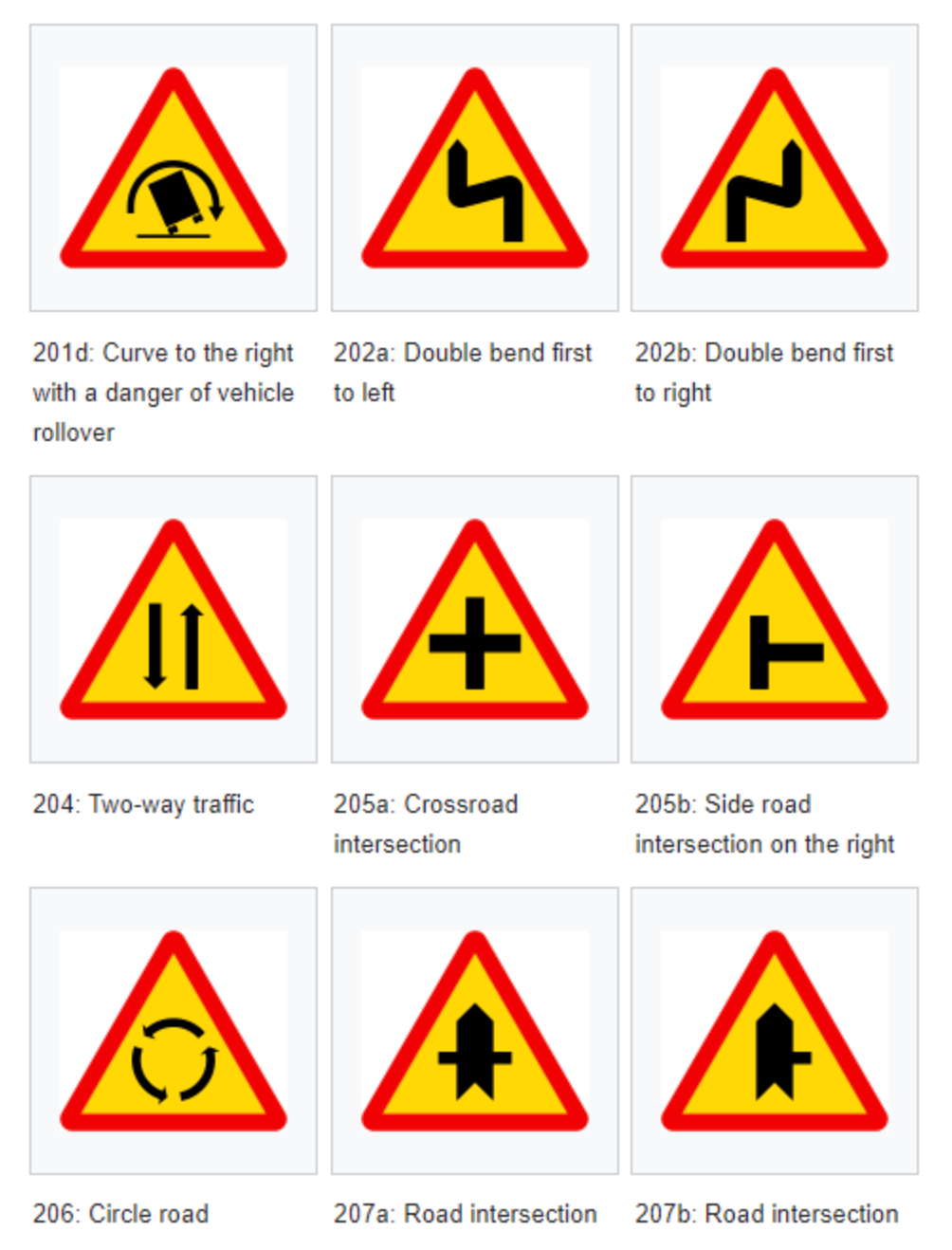
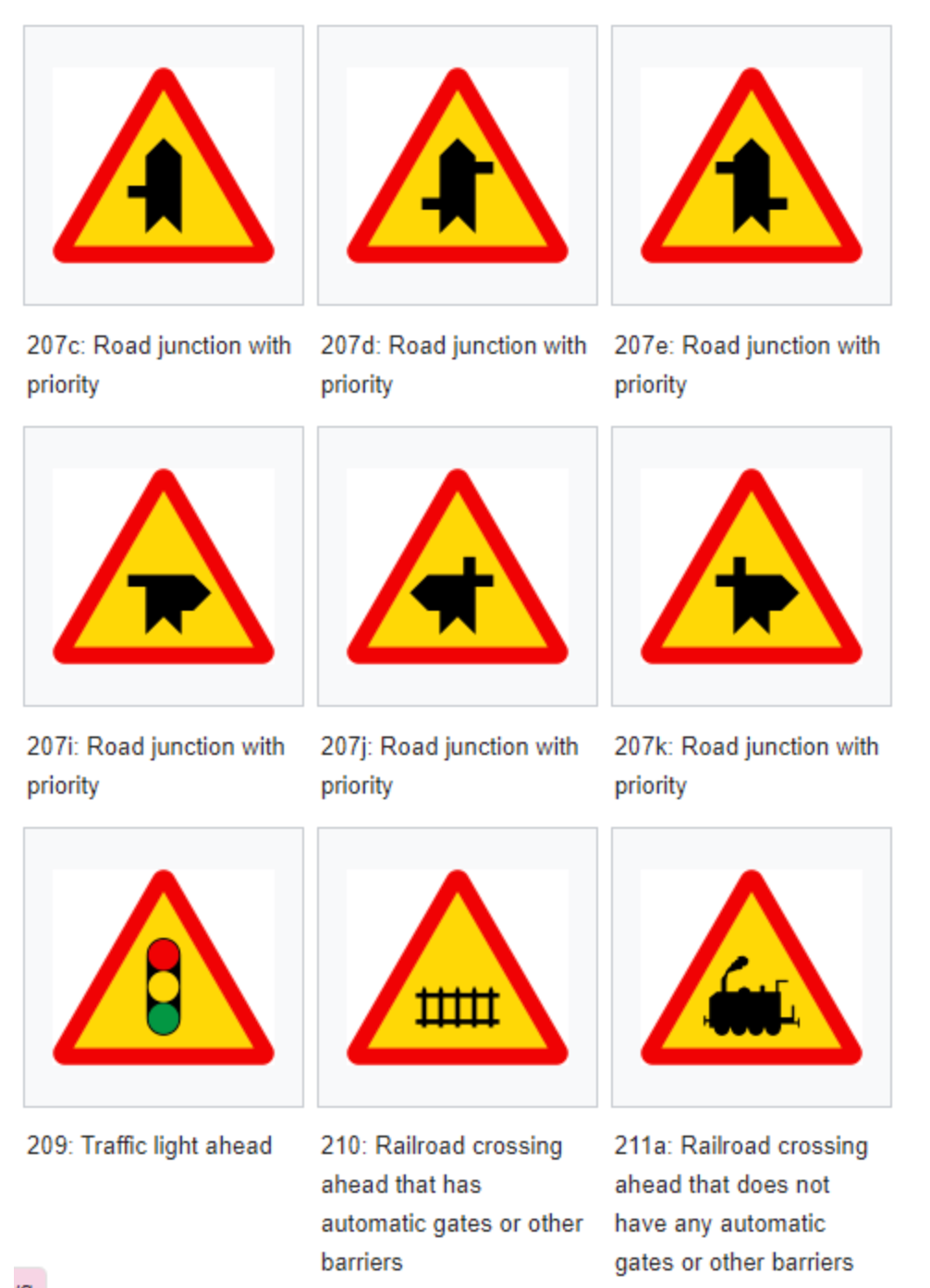
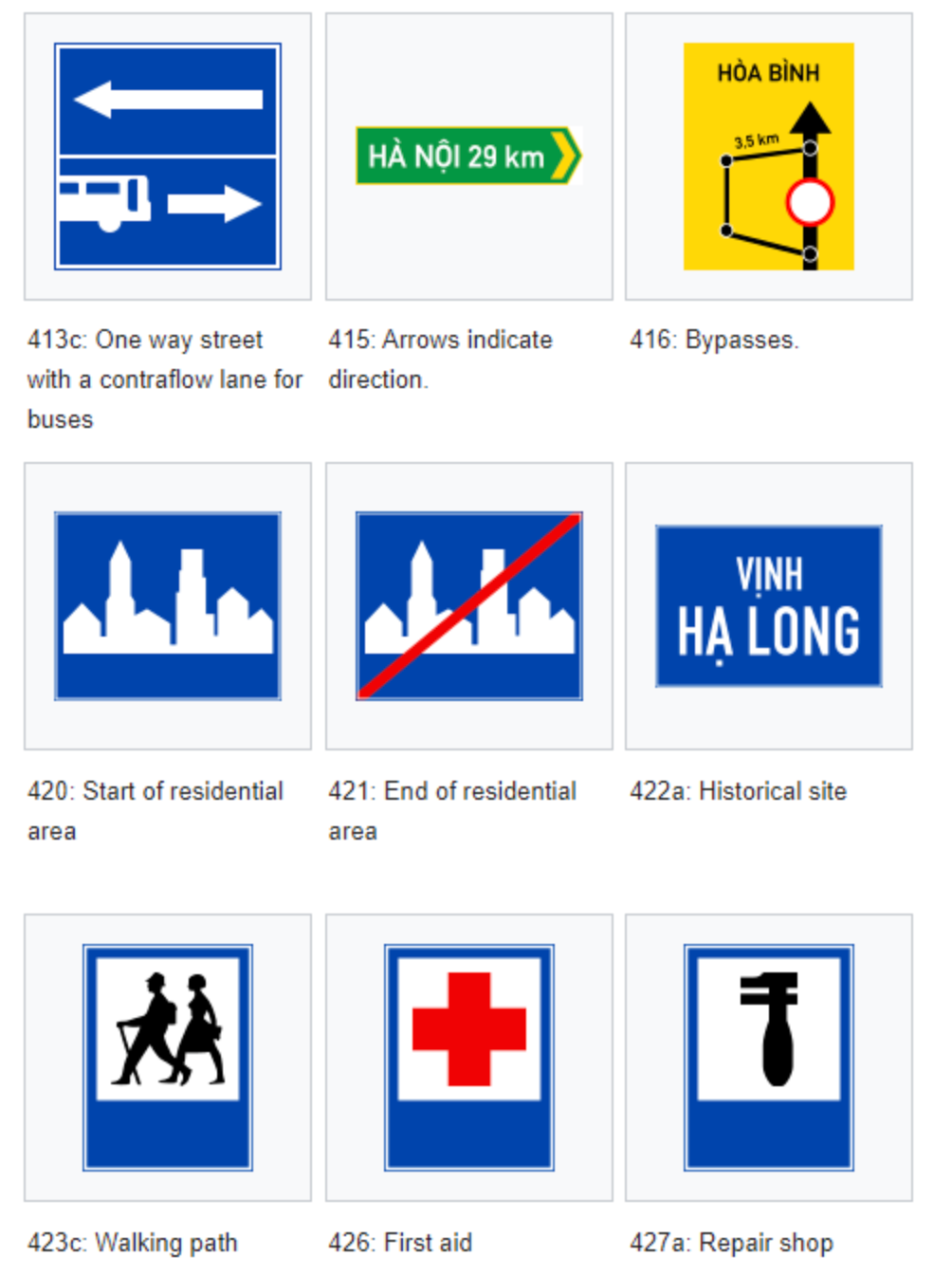
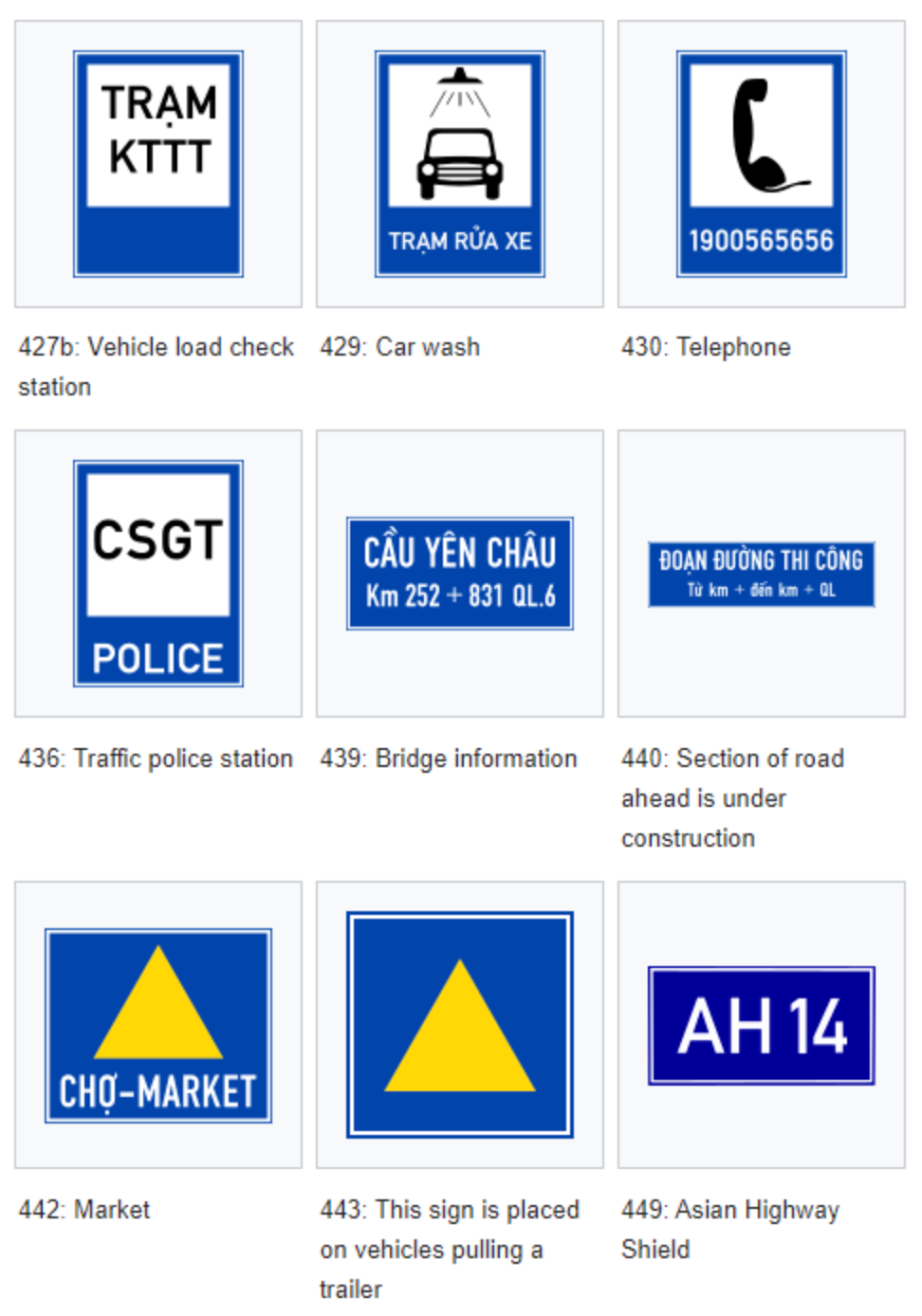
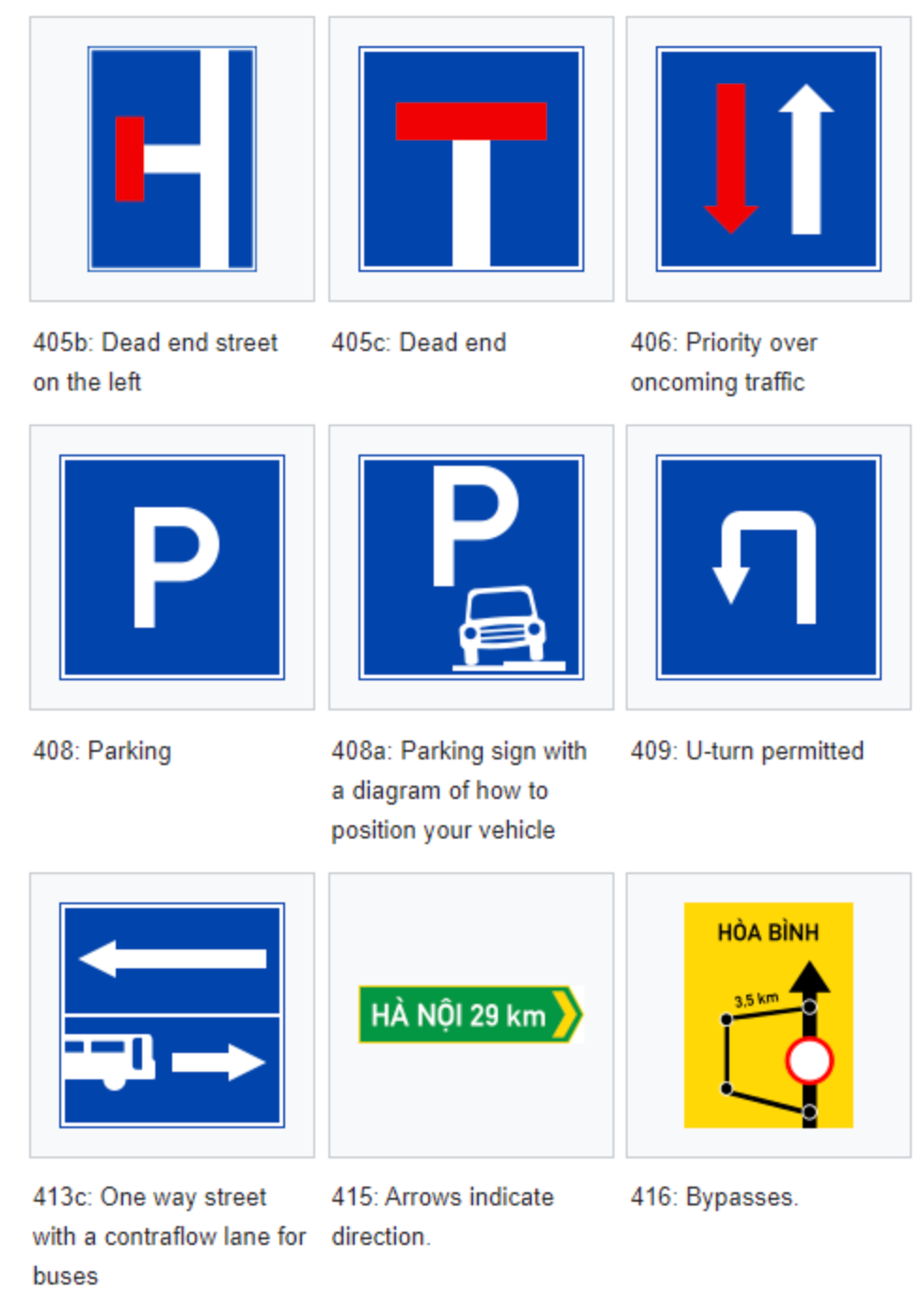
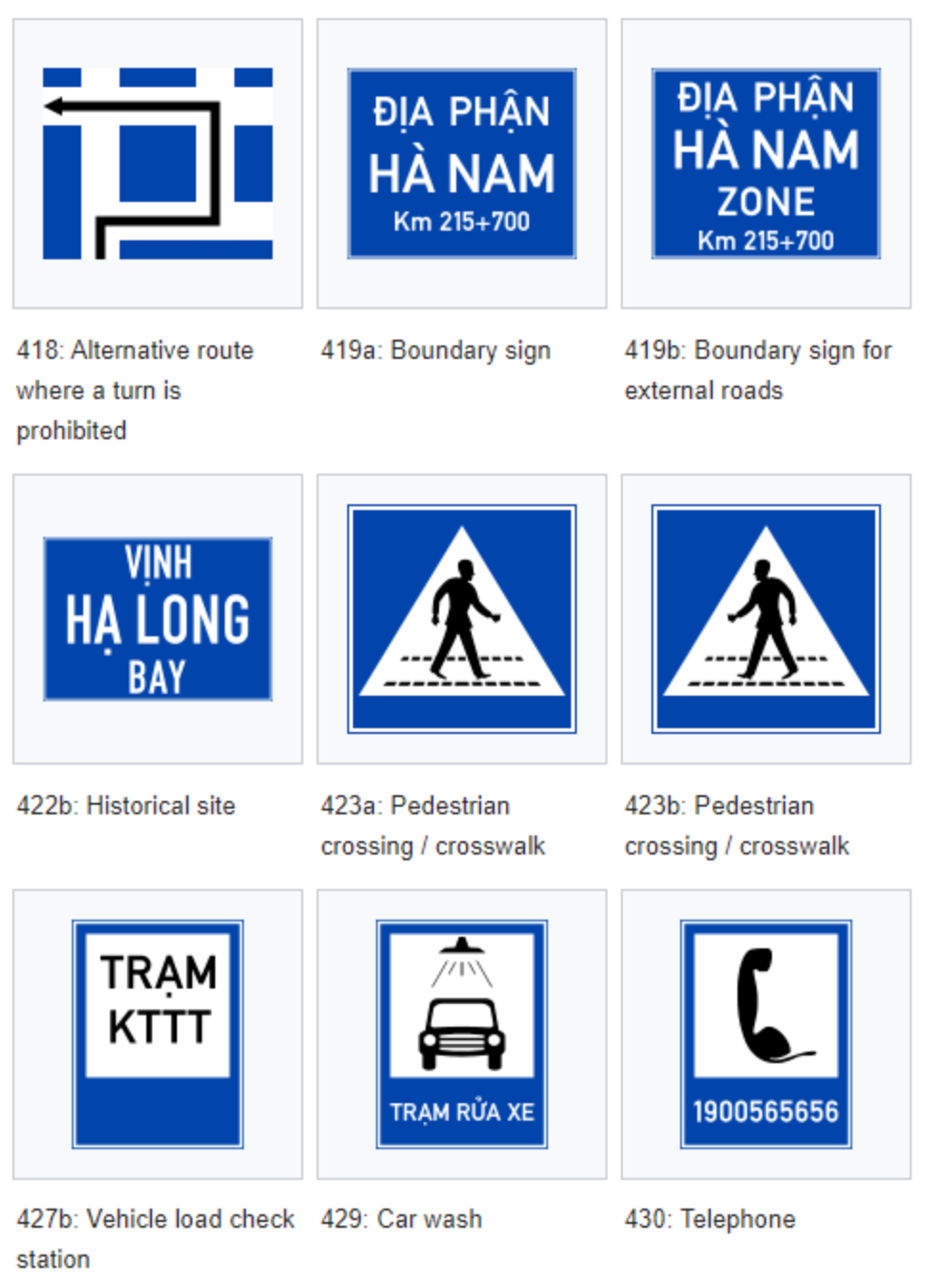
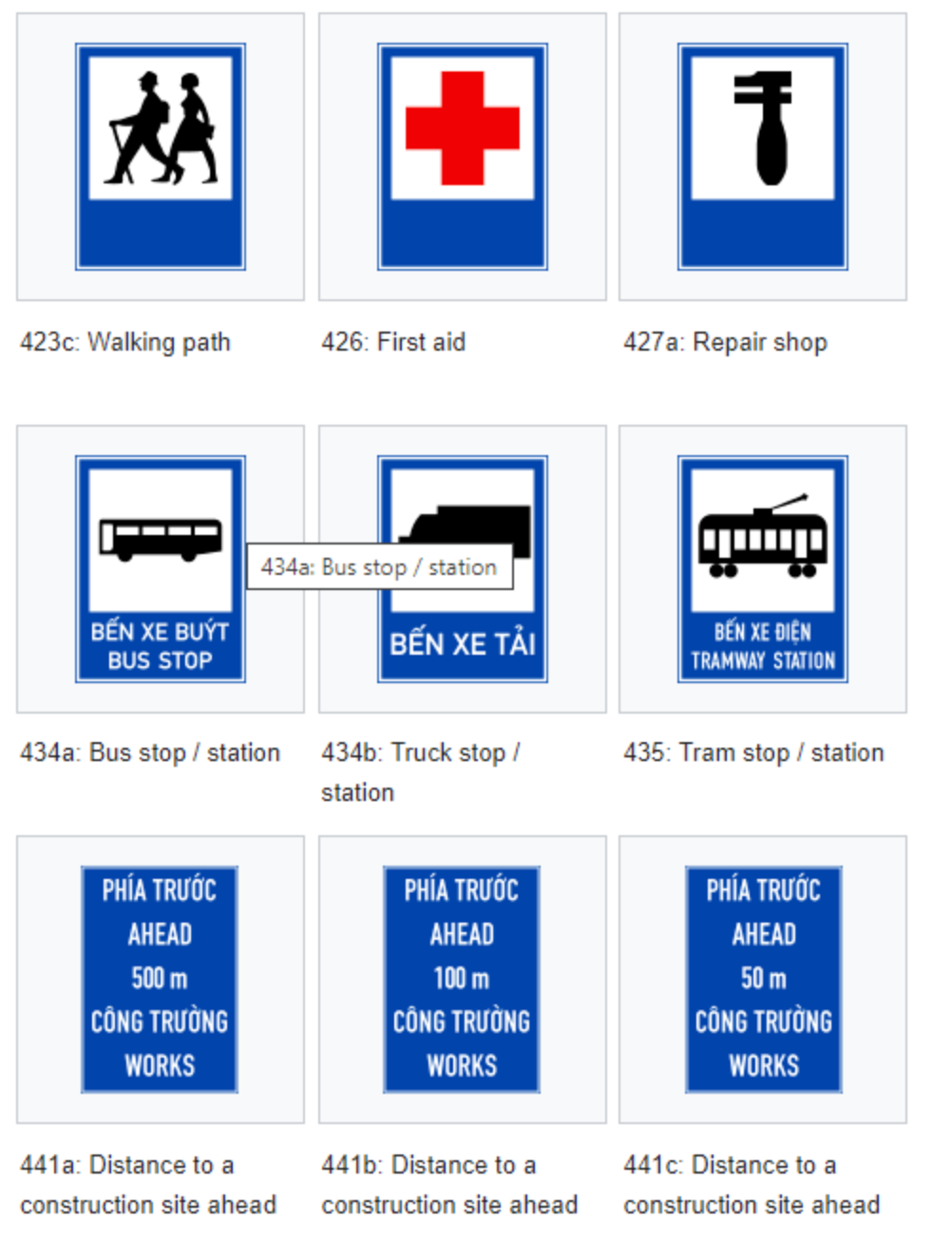
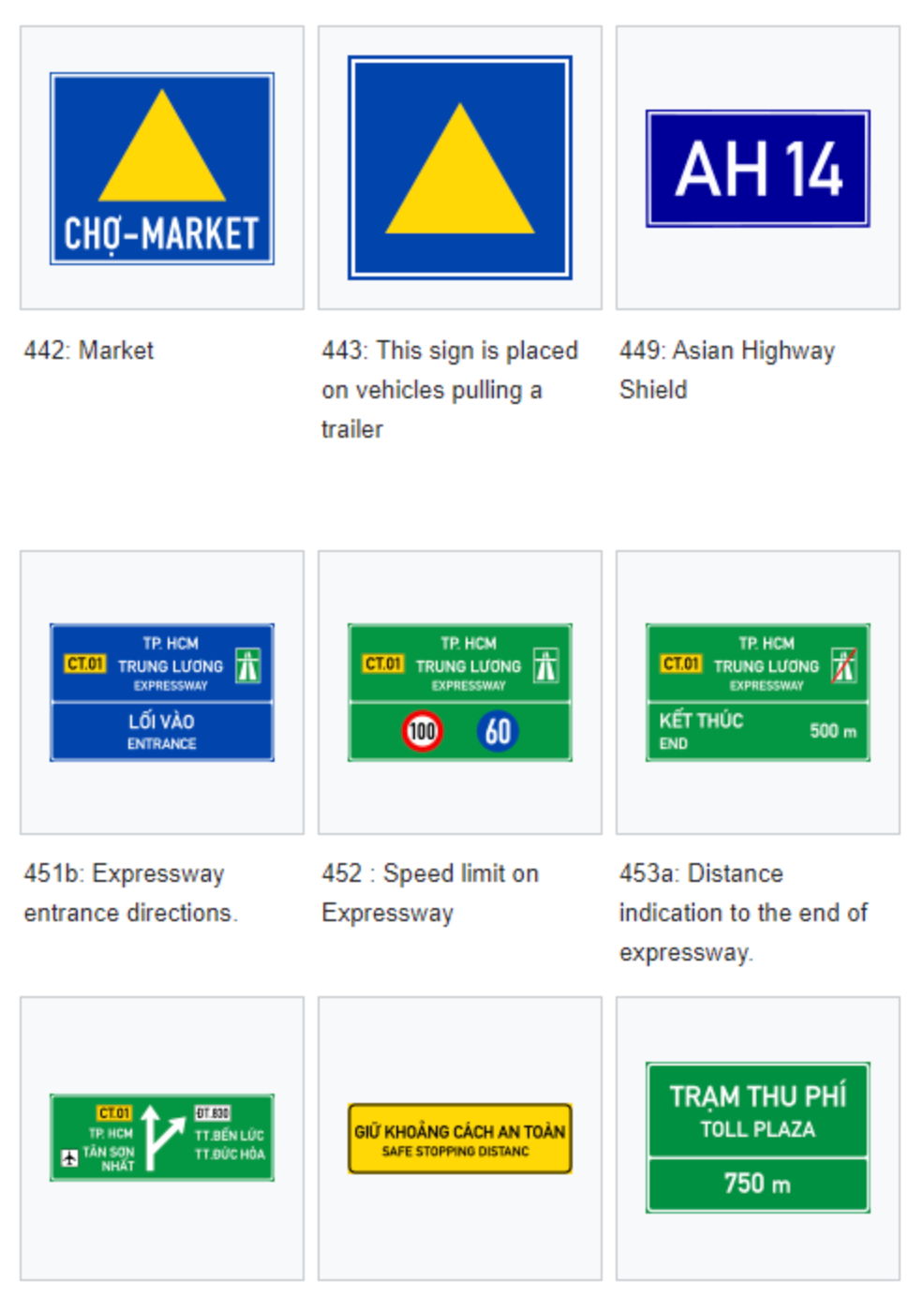
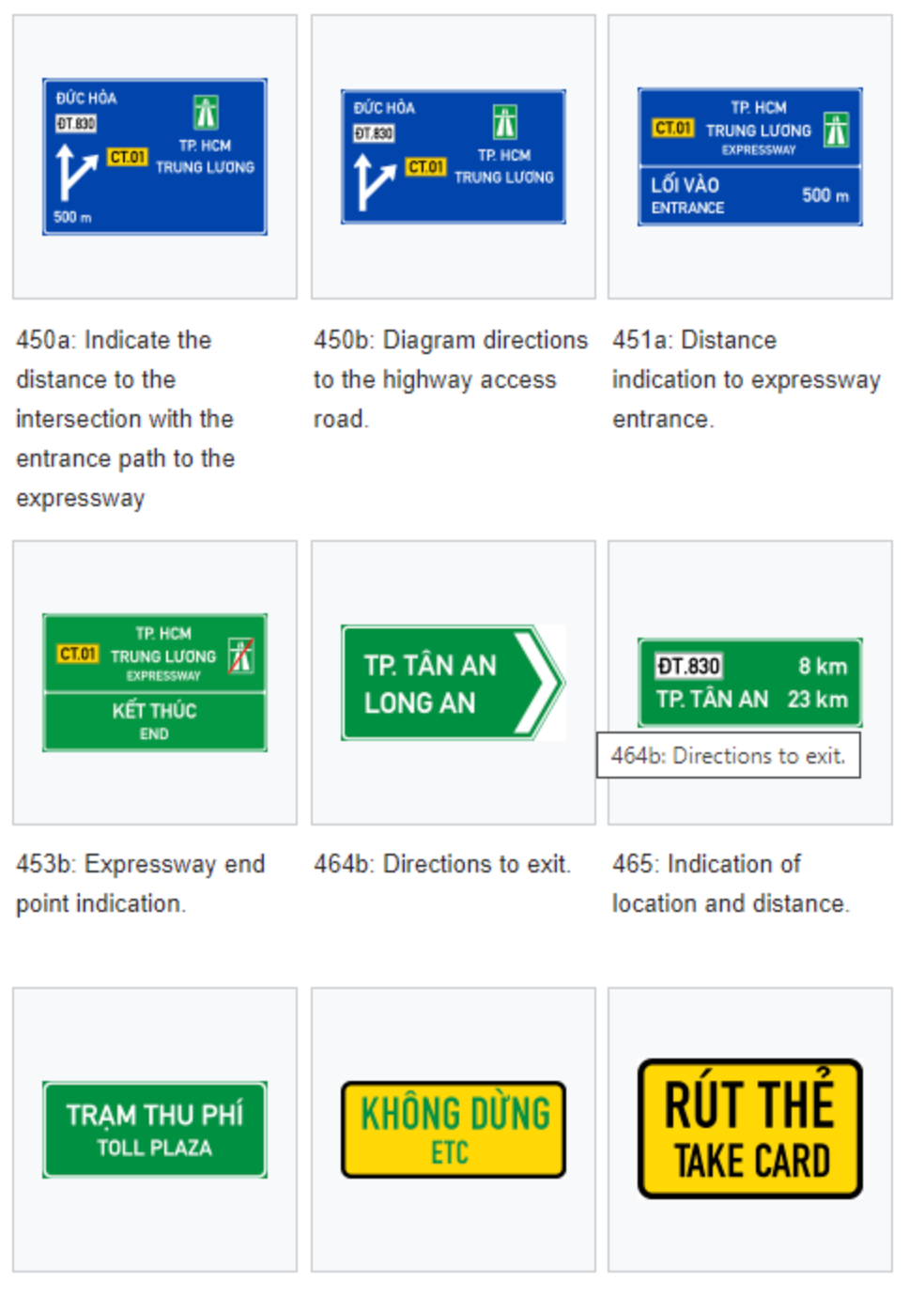
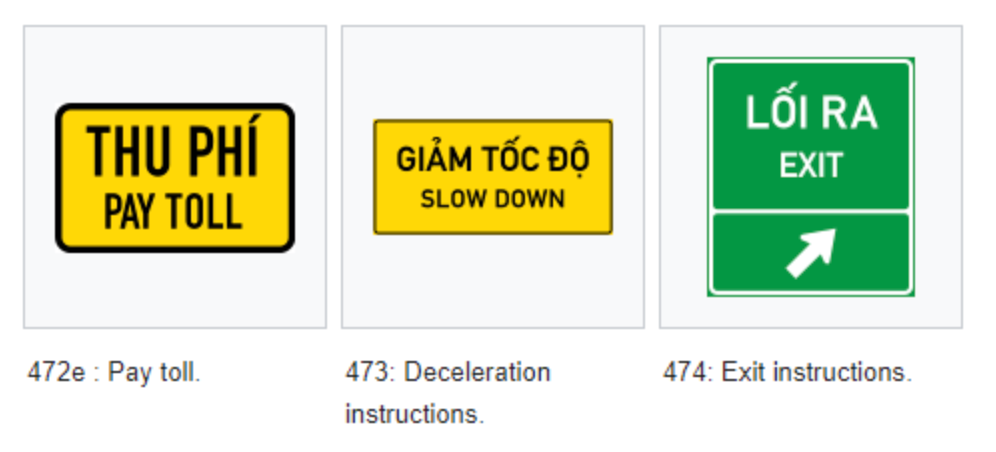
Road Signs
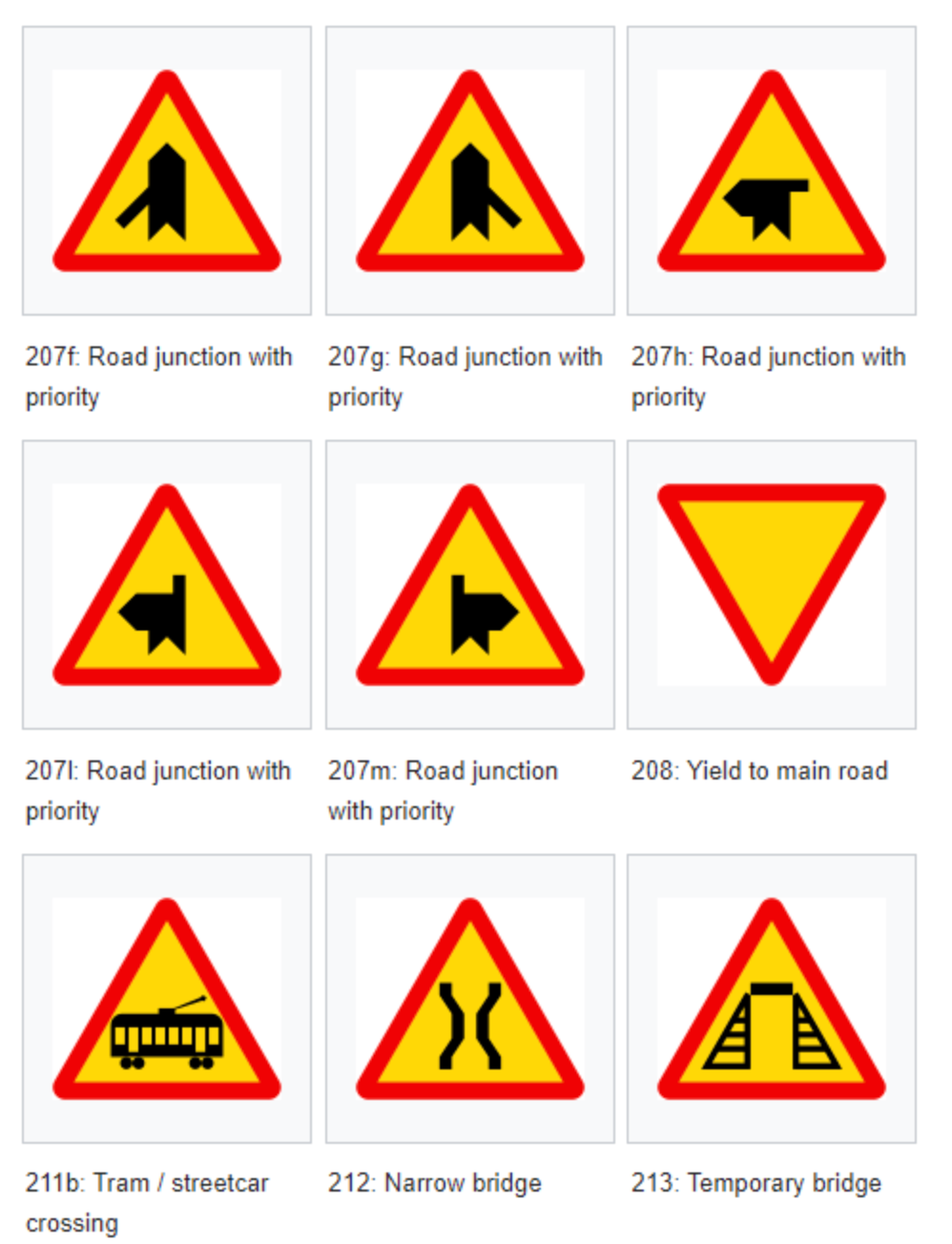
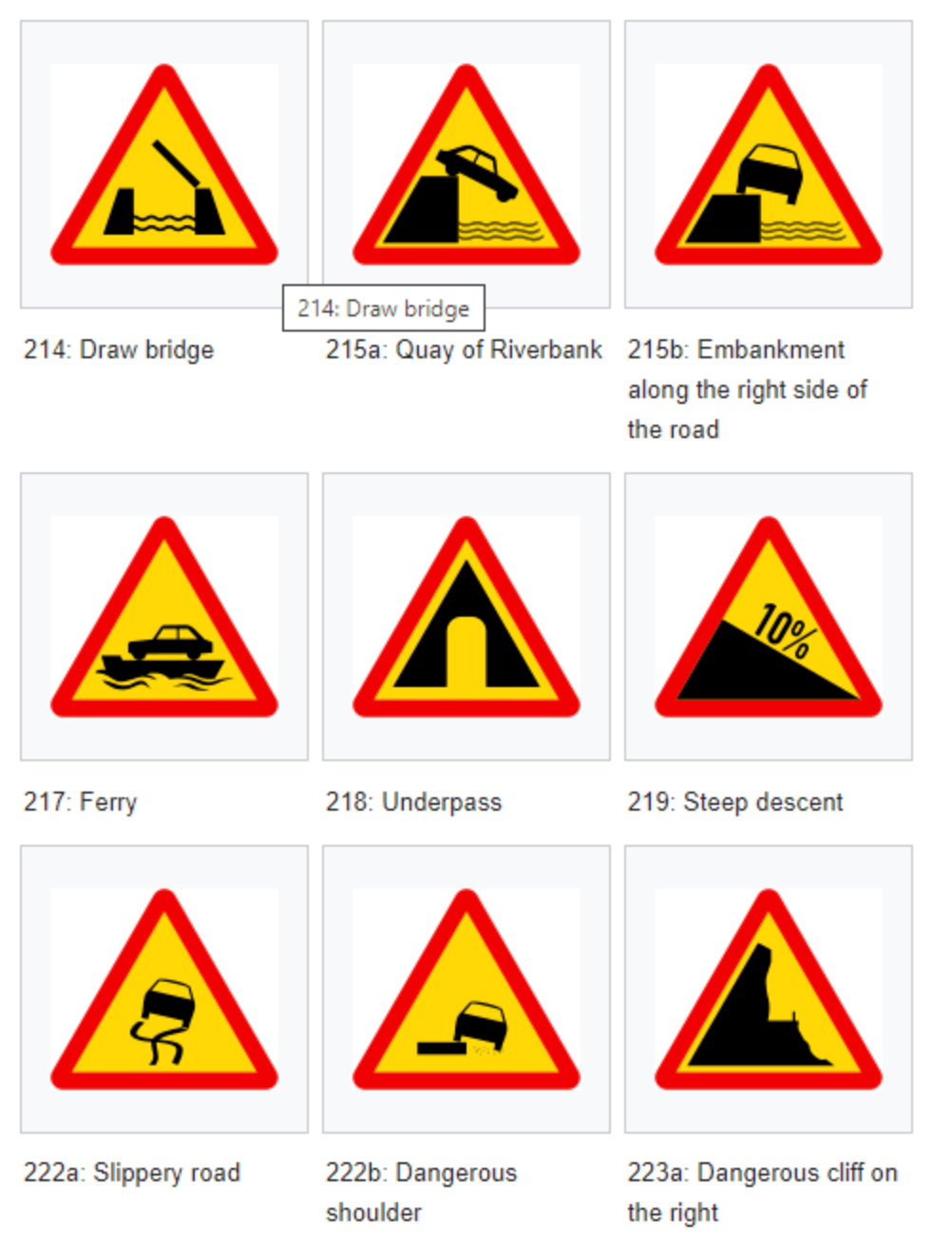
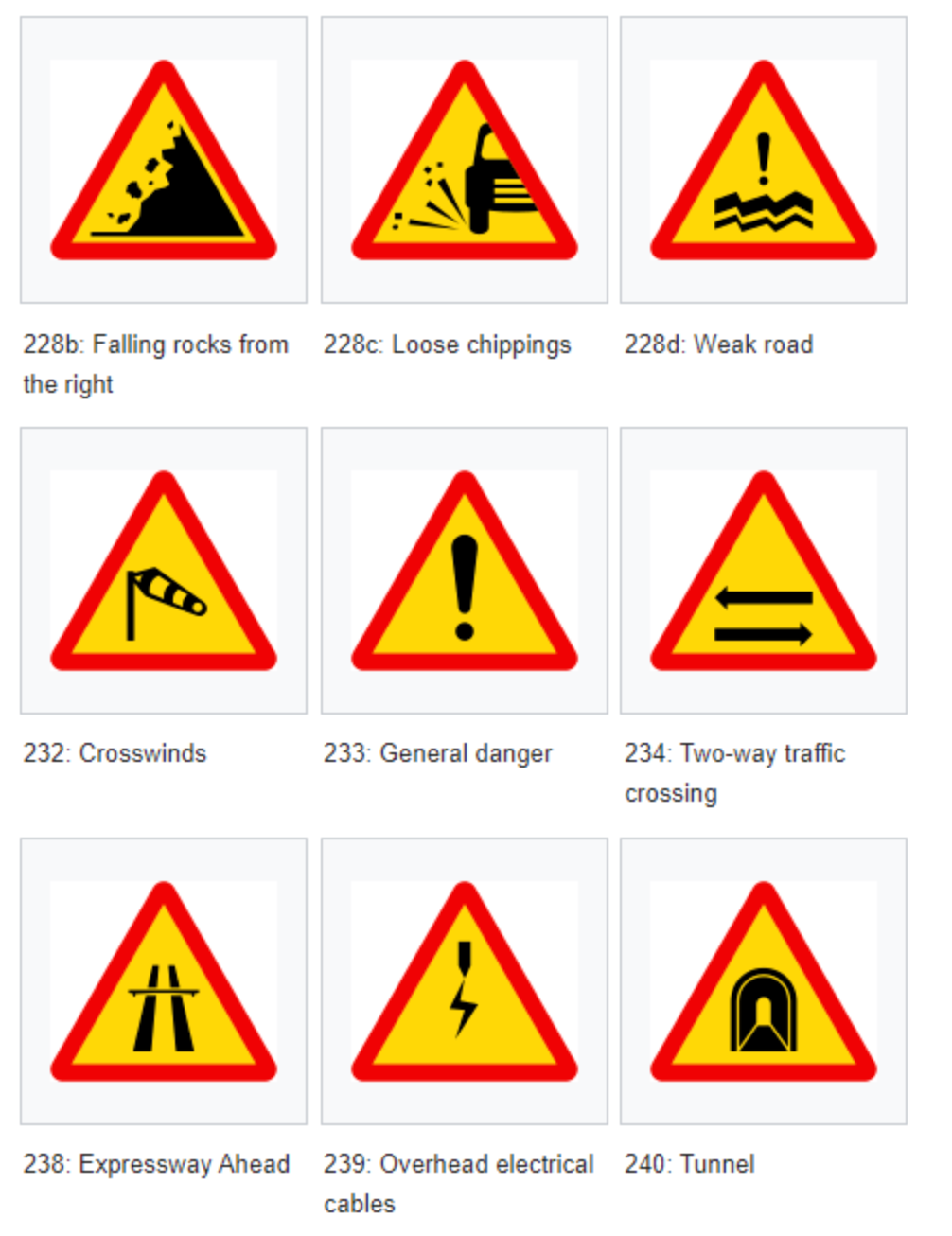
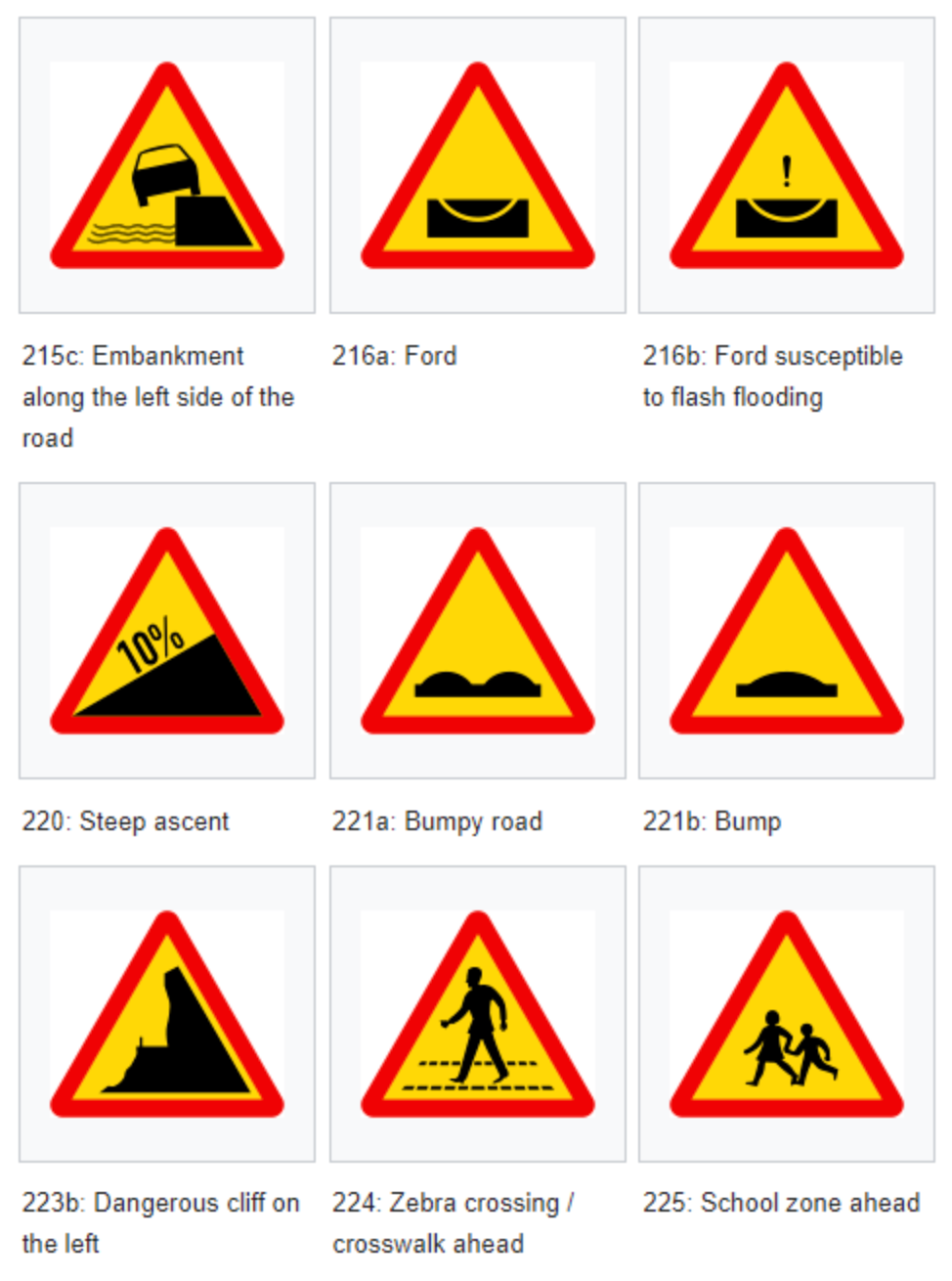
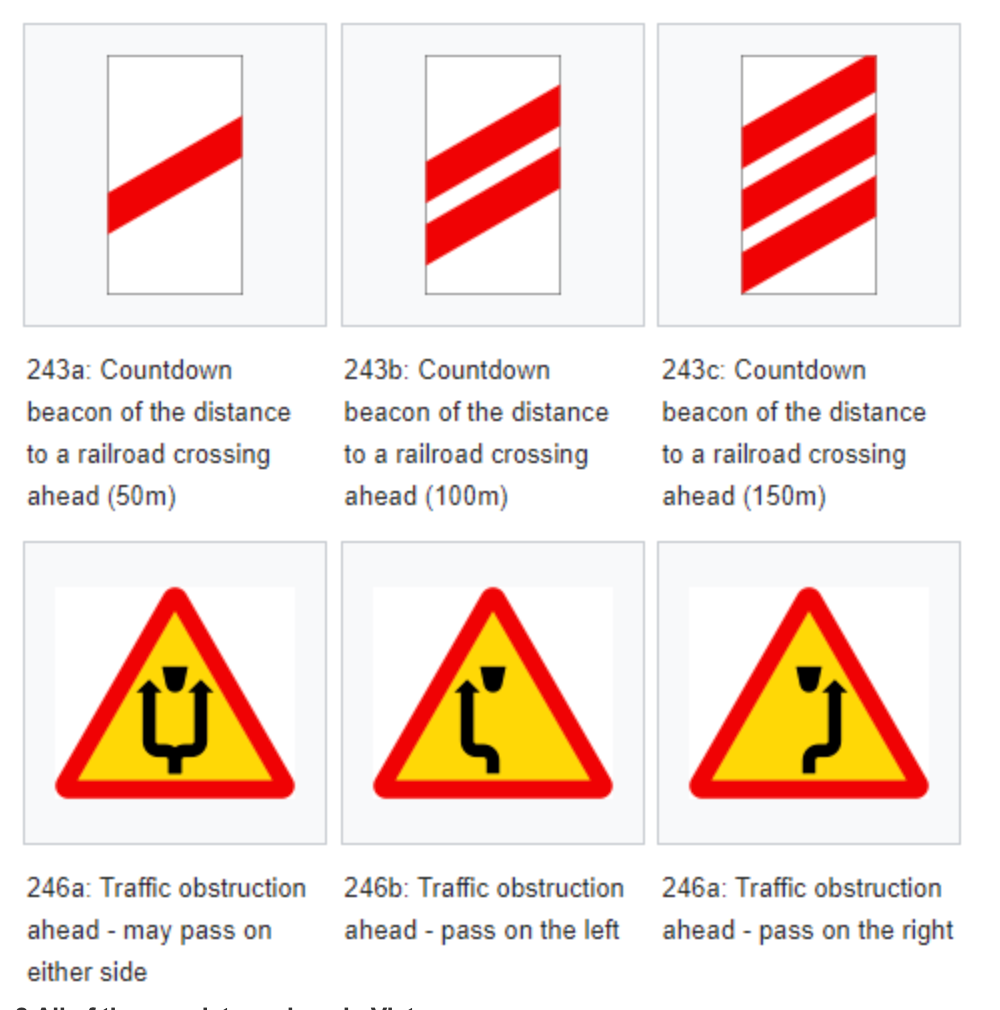
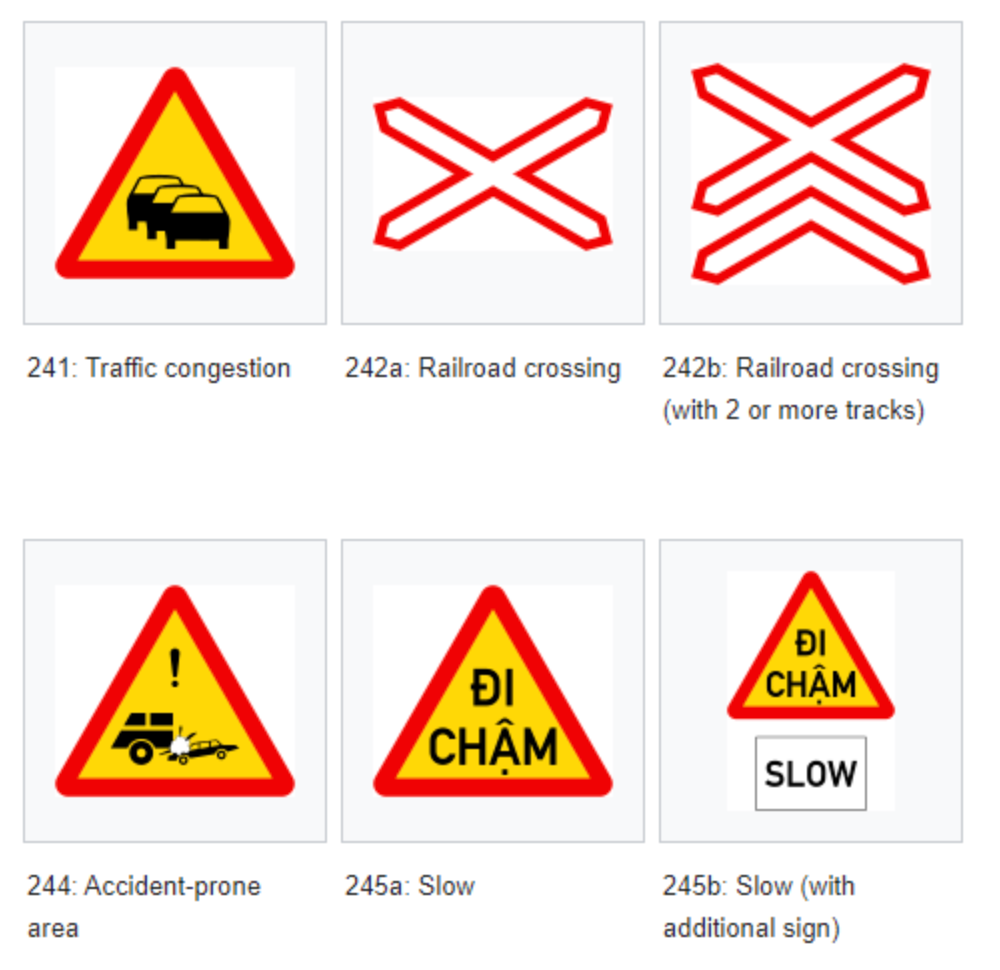
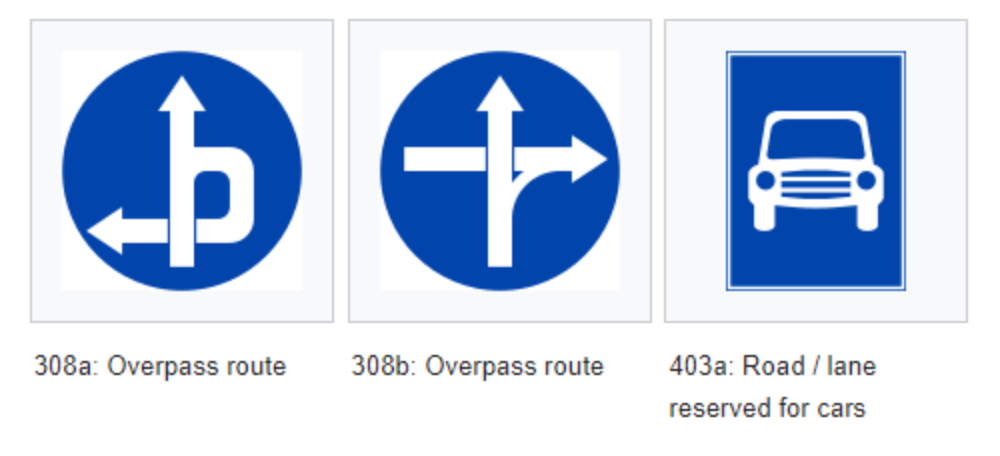
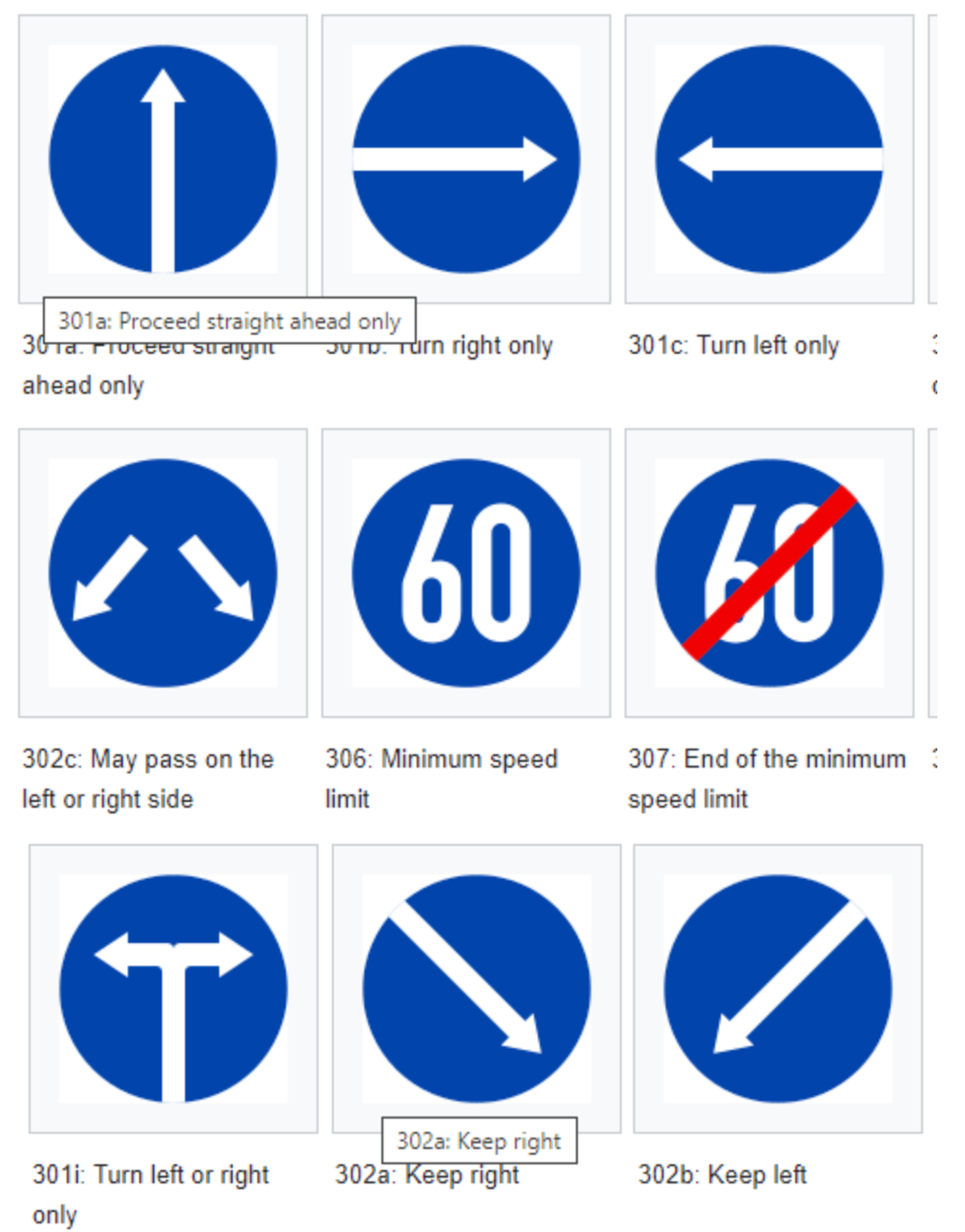
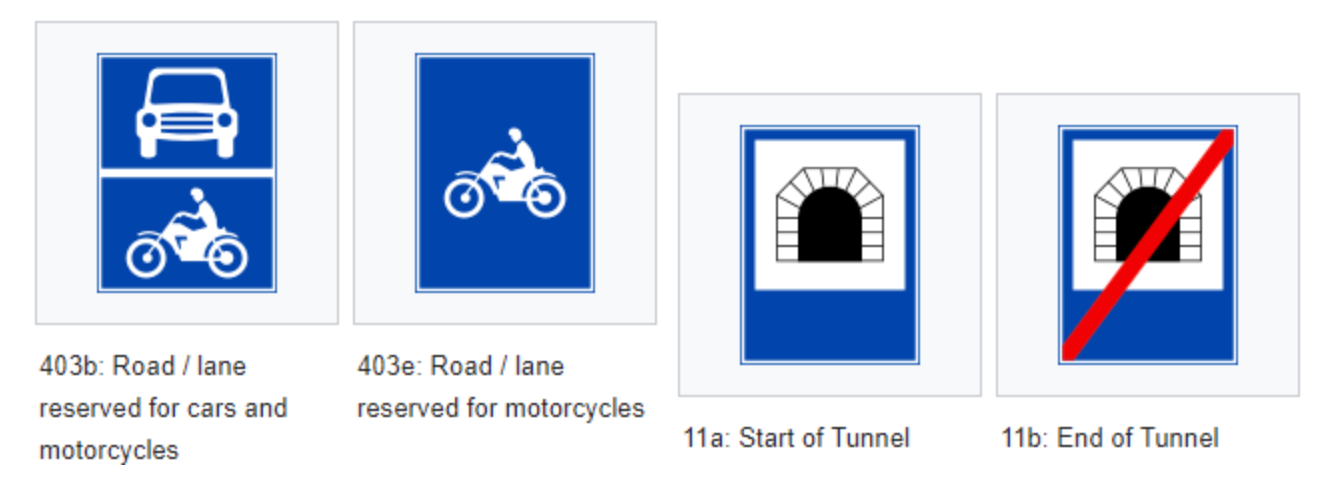
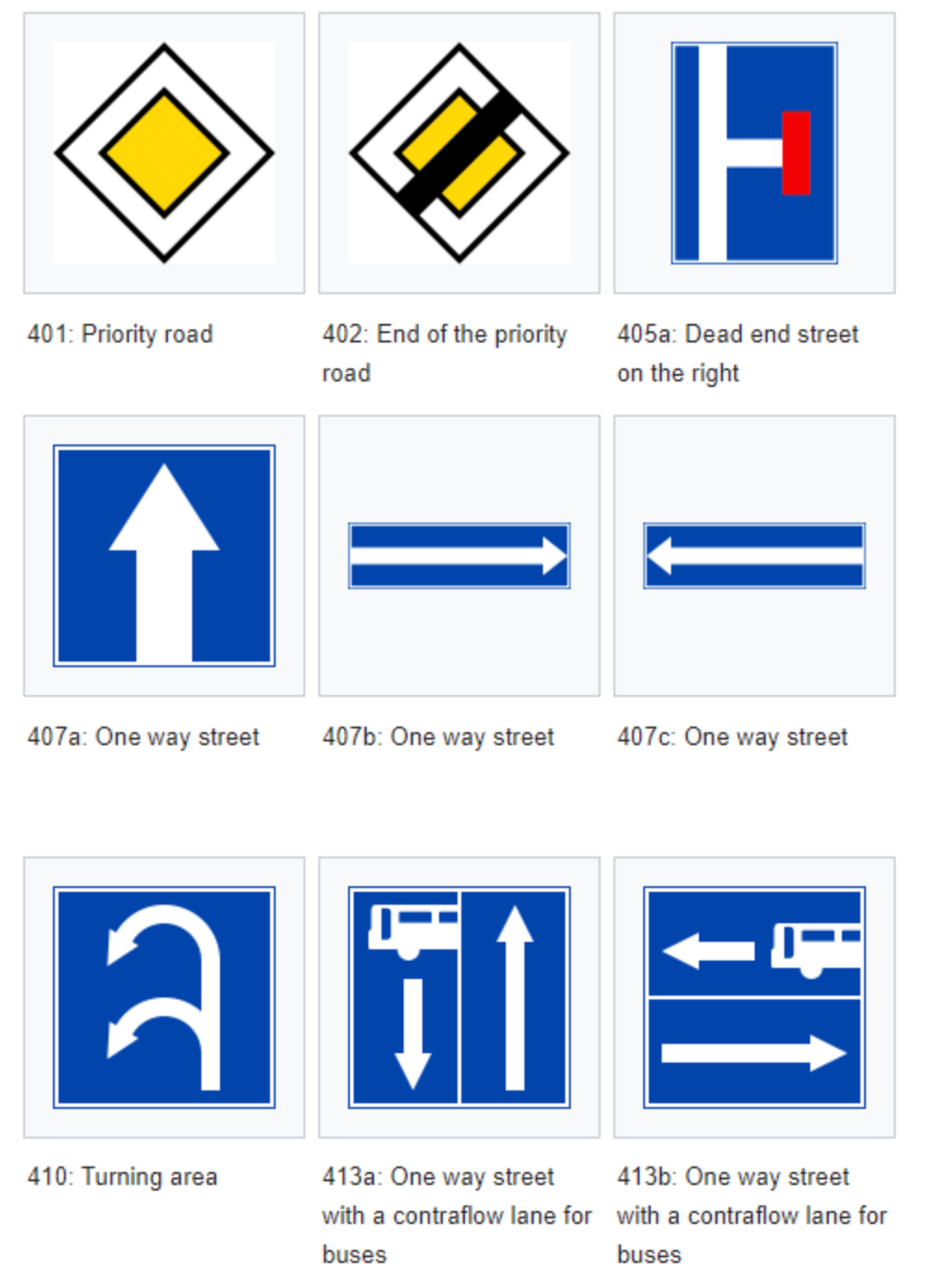
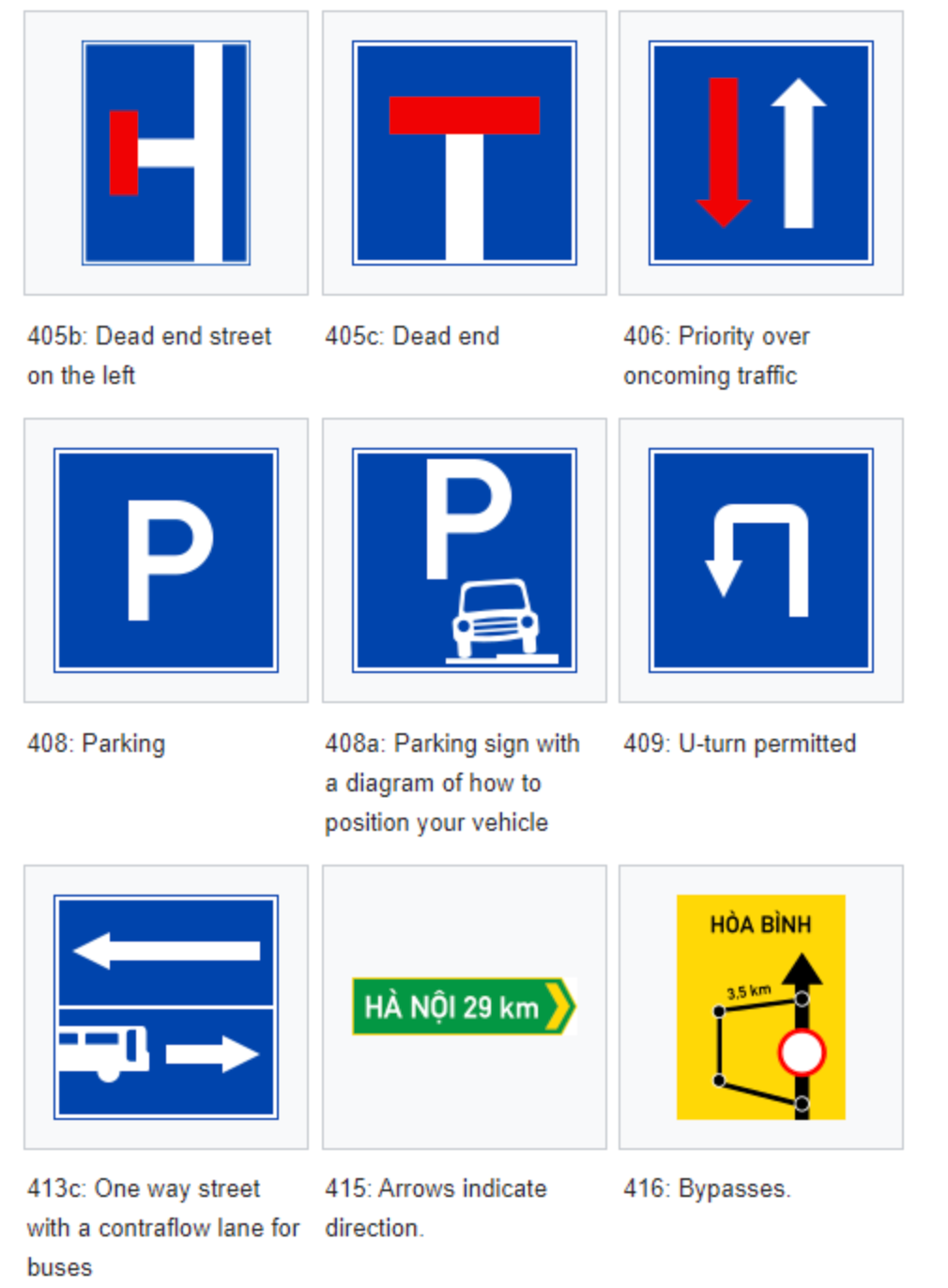
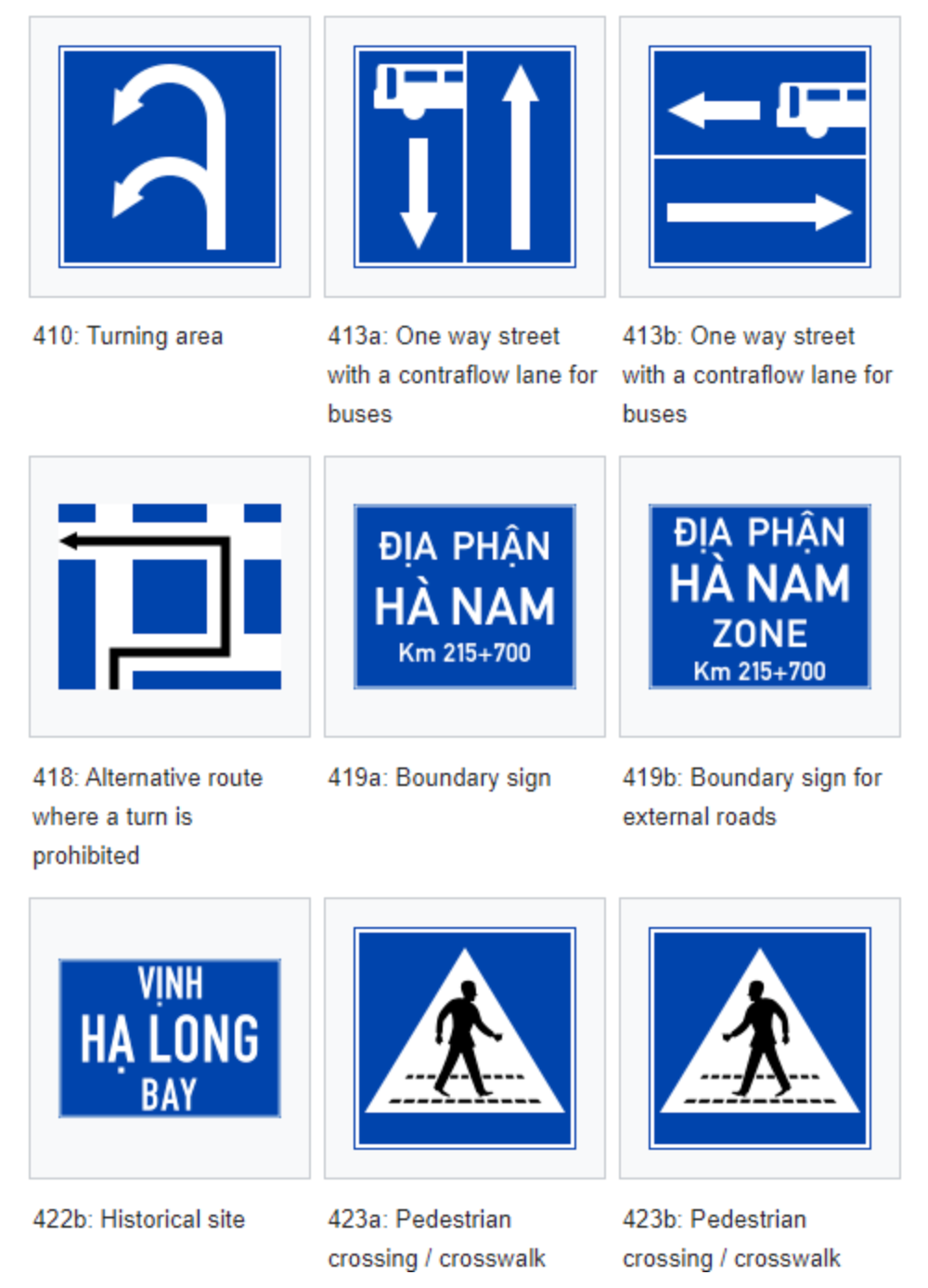
Here are a few common road signs from Vietnam—it's a good idea to take a quick look and make sure you're familiar with all of them.