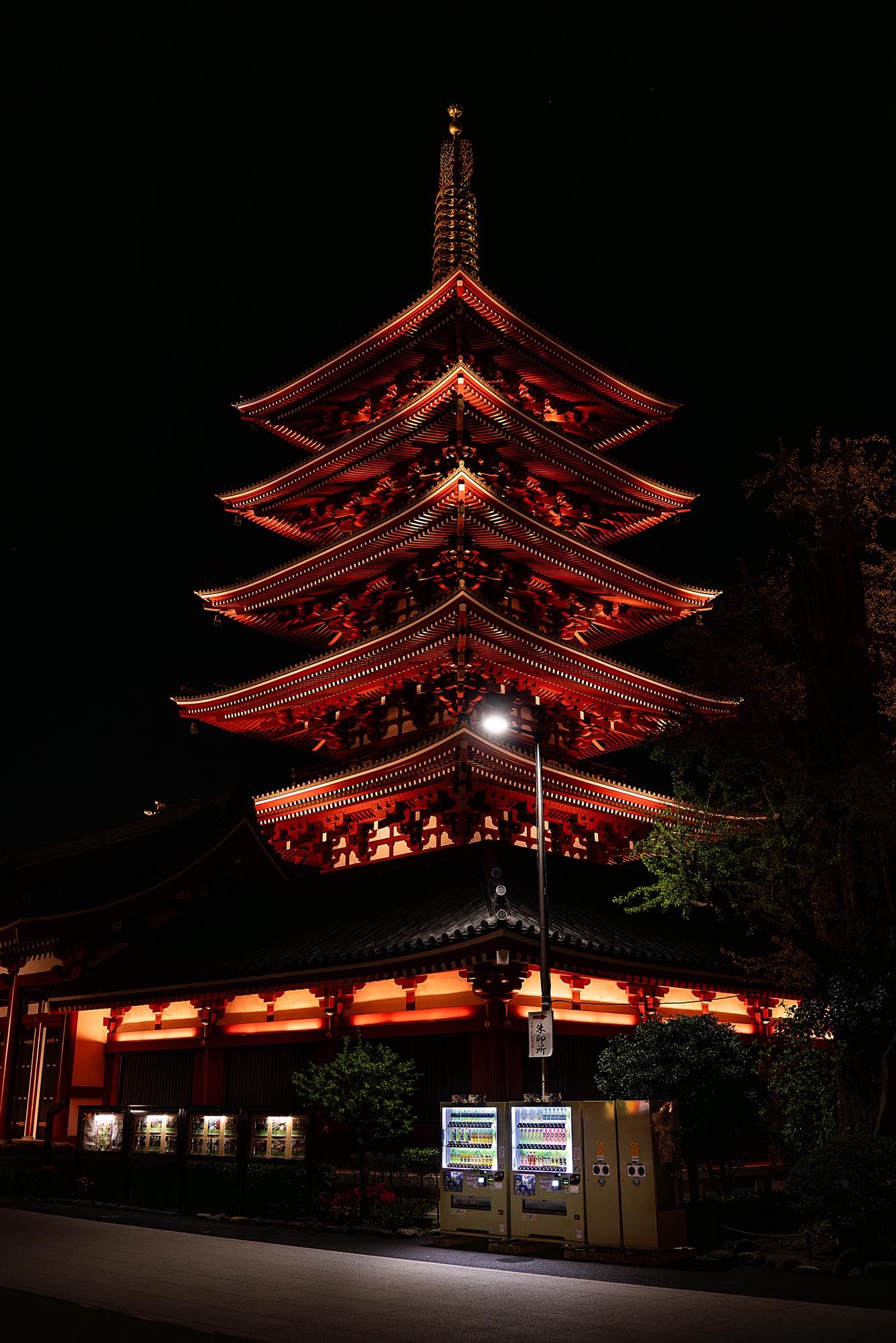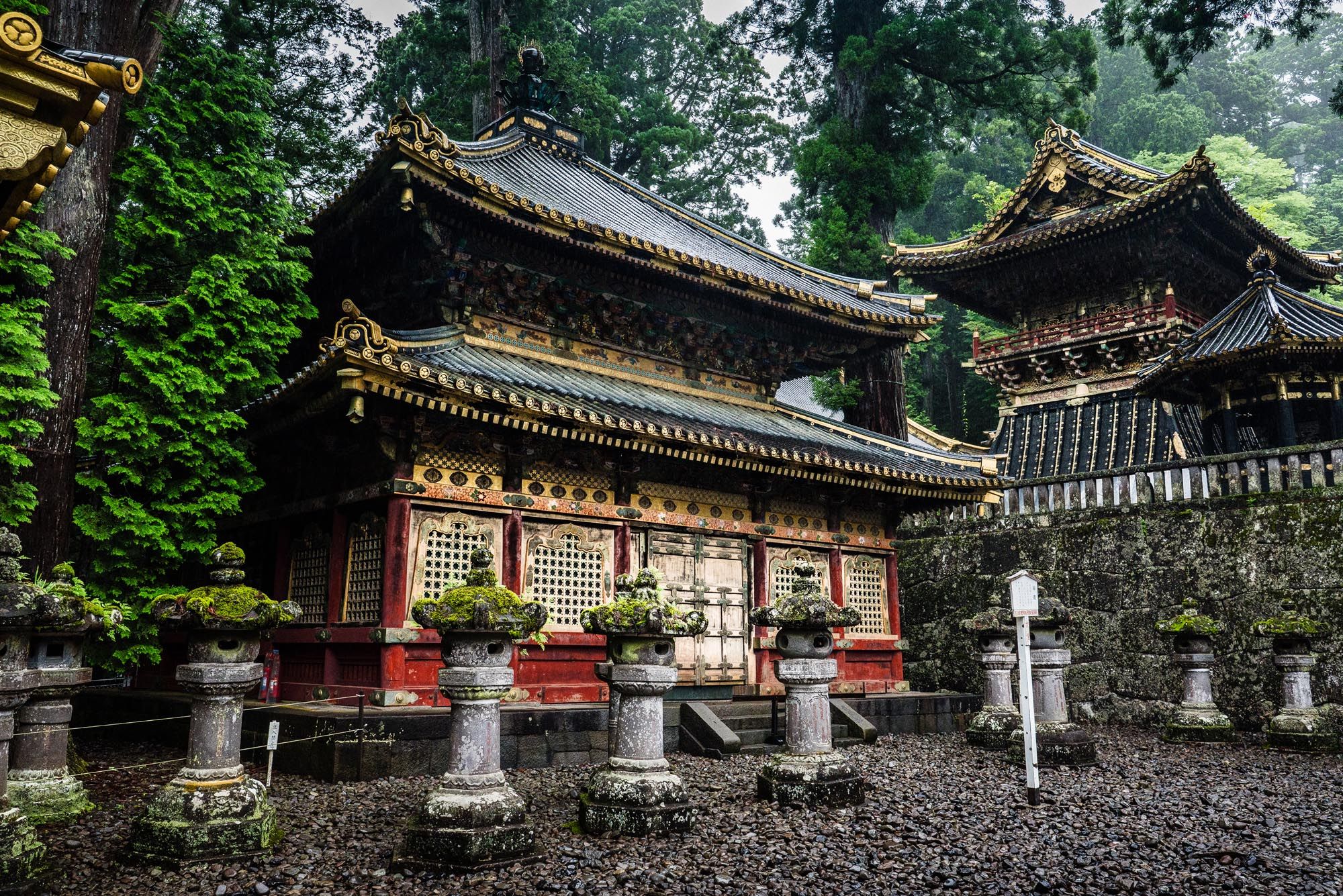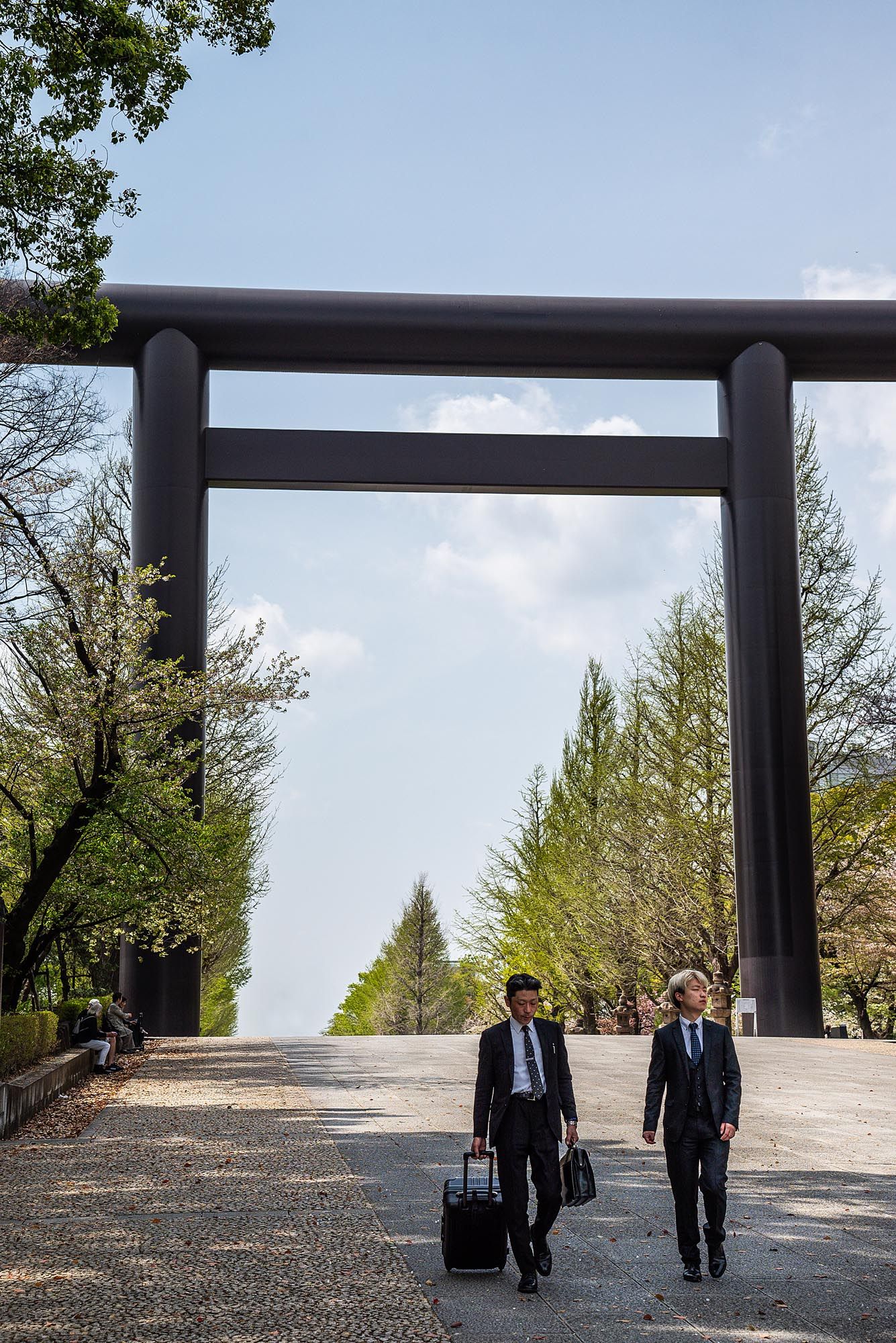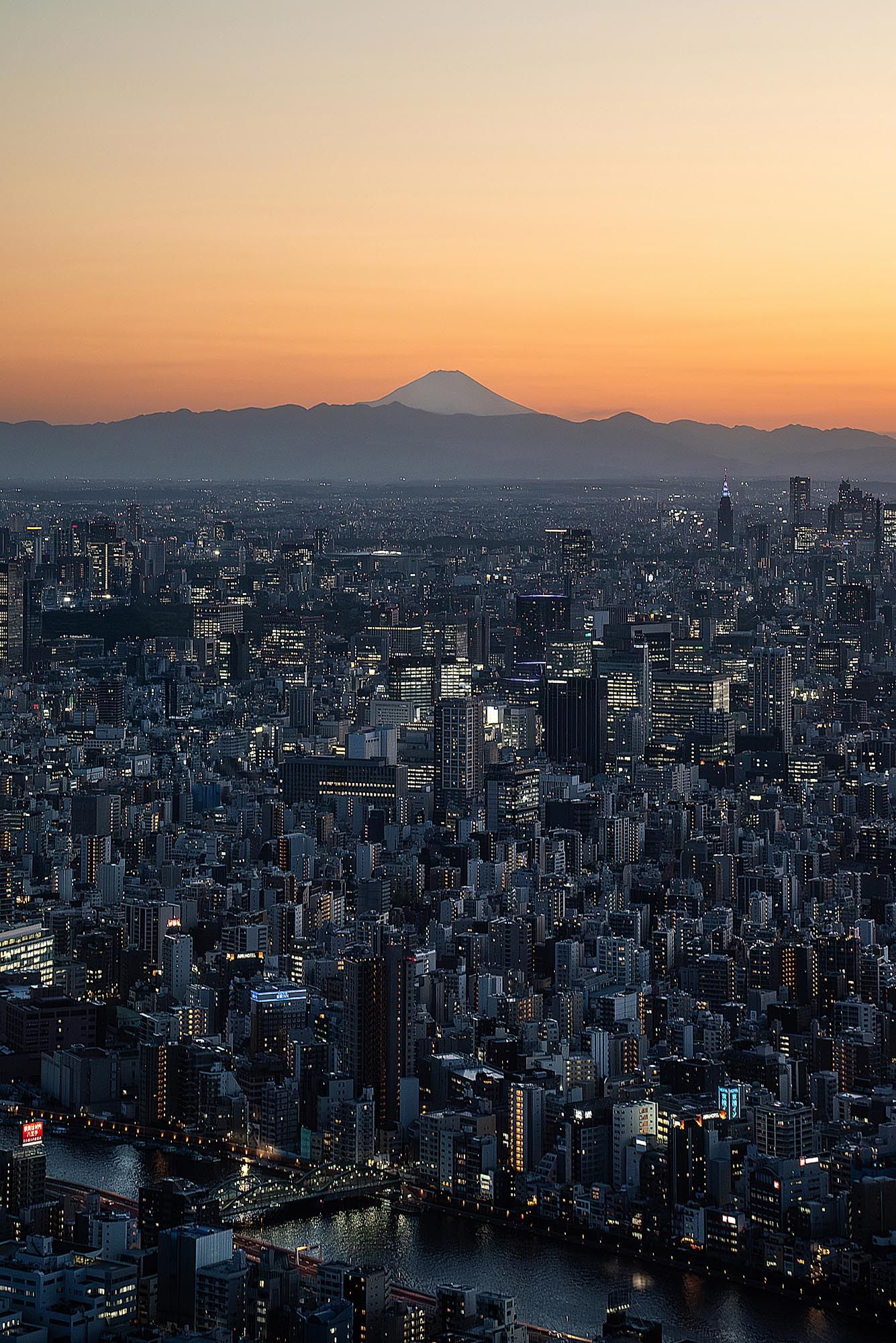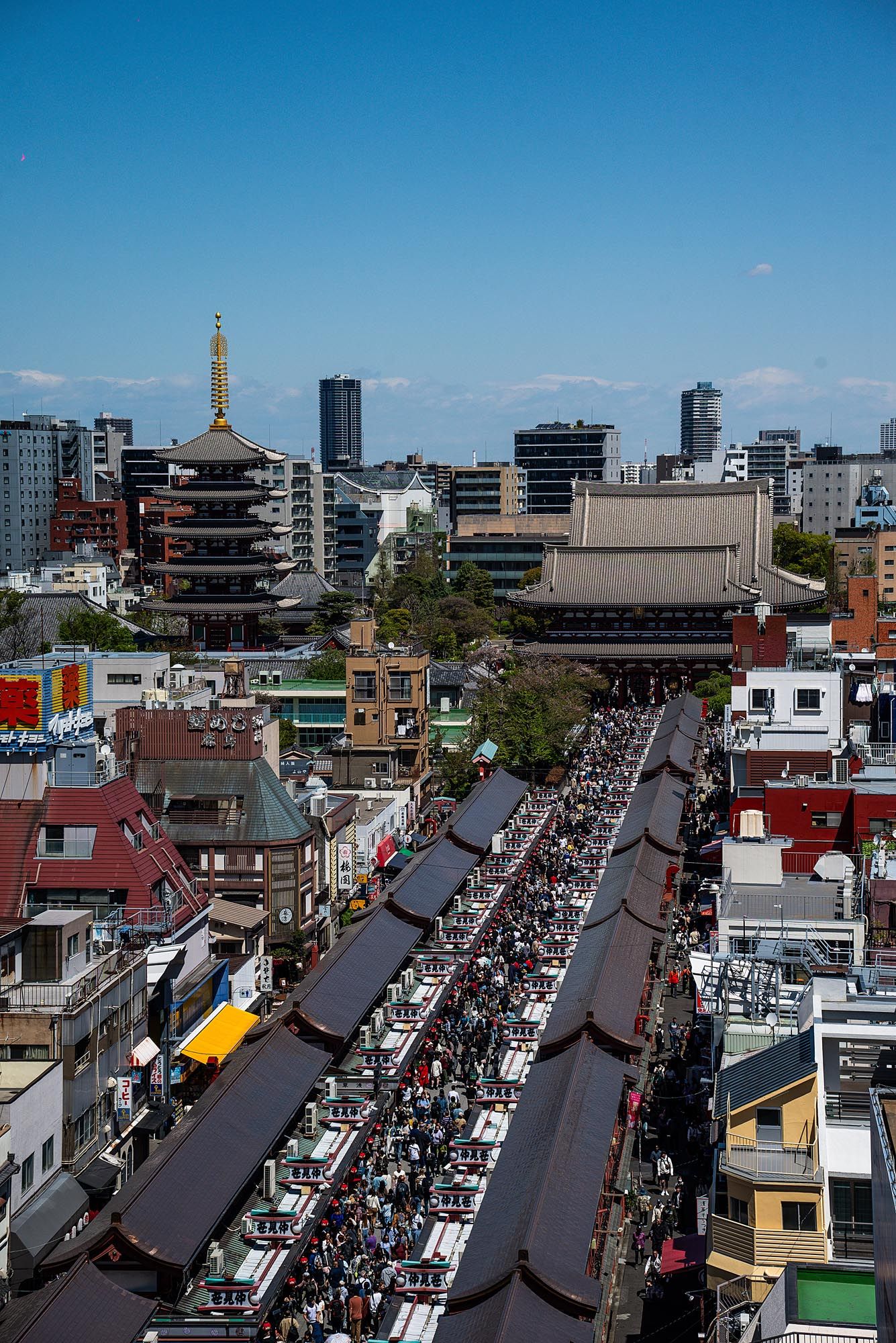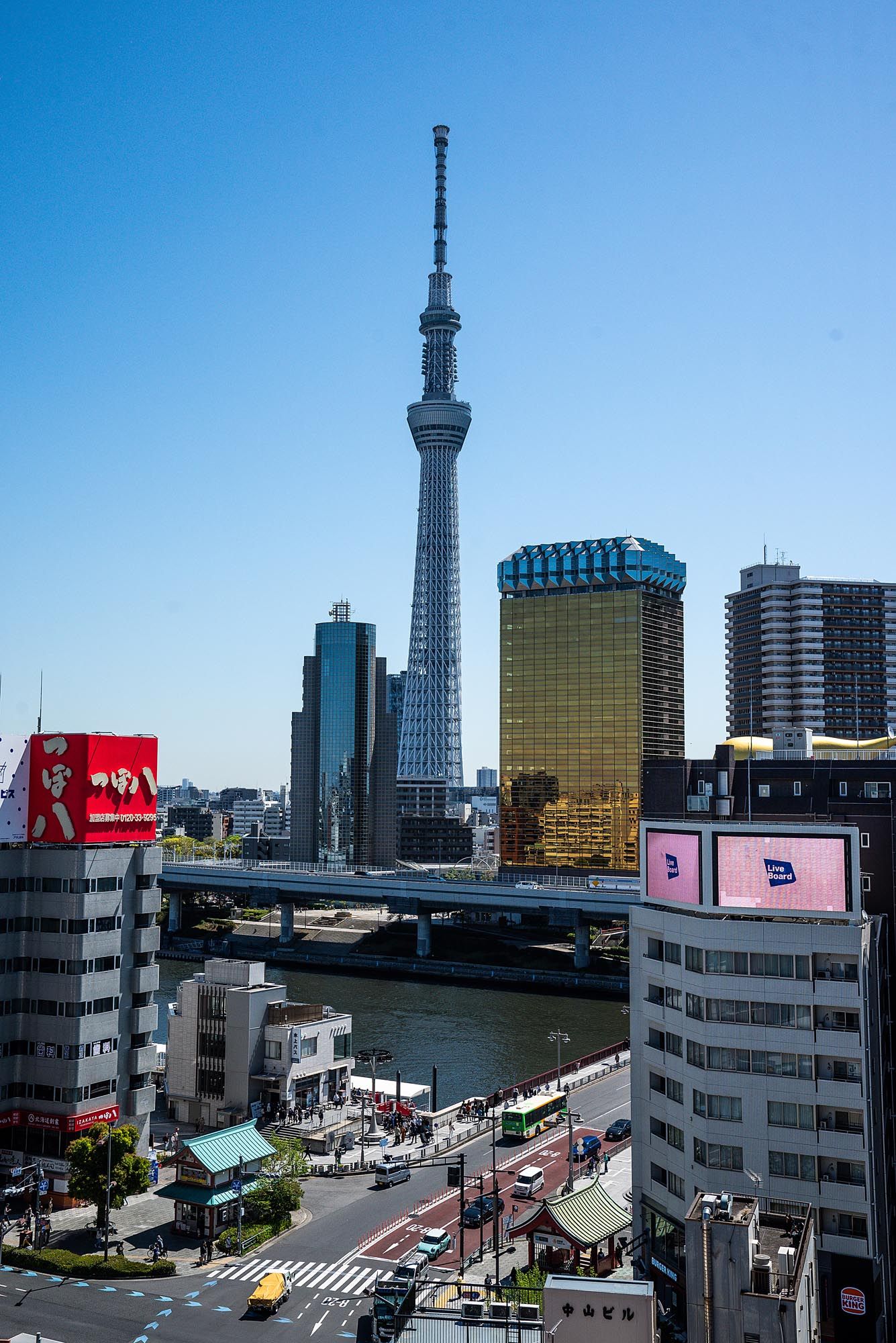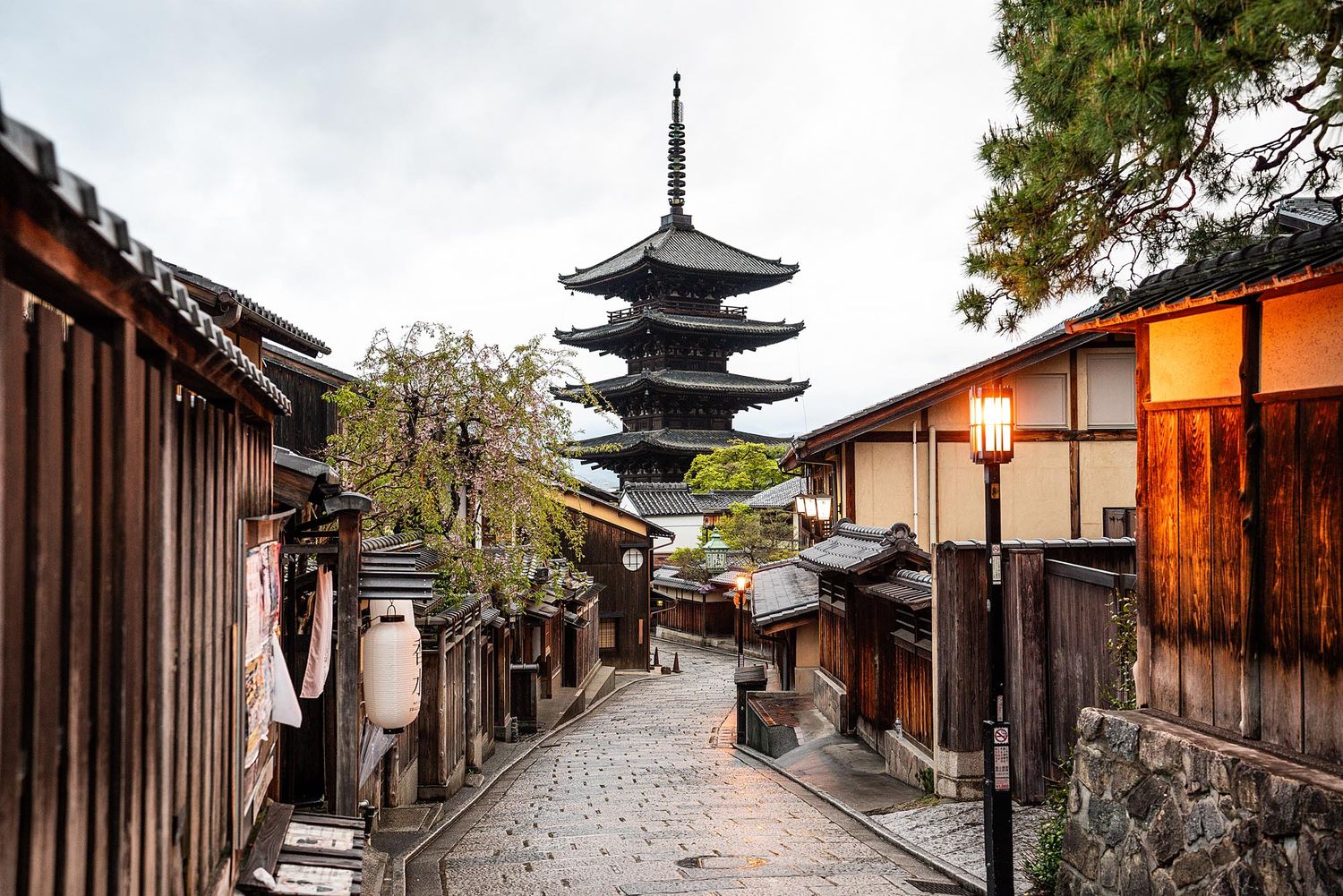
Japan has a reputation for being expensive. Before my first trip, whenever I mentioned that I was going to Japan, people seemed to assume it was going to cost a fortune.
Having now visited Japan twice, I think that reputation is a little unfair.
Japan certainly isn't as cheap as travelling around Southeast Asia, but compared with the UK and much of Western Europe, I've found many everyday costs surprisingly reasonable. Hotels can offer excellent value, public transport is efficient without being ridiculously expensive, and eating out doesn't have to cost much at all.
I've now travelled around Tokyo, Osaka, Kyoto, the Mount Fuji area and Nikko, staying in everything from inexpensive APA hotels to a traditional Japanese hotel with a private bath overlooking Mount Fuji and even a 5 star property.
More importantly for this article, I've kept track of what I've spent.
So rather than simply telling you that Japan is "cheap" or "expensive", I'm going to use real prices from my trips to show you how much a trip to Japan actually costs, including hotels, food, trains, attractions and everyday spending.
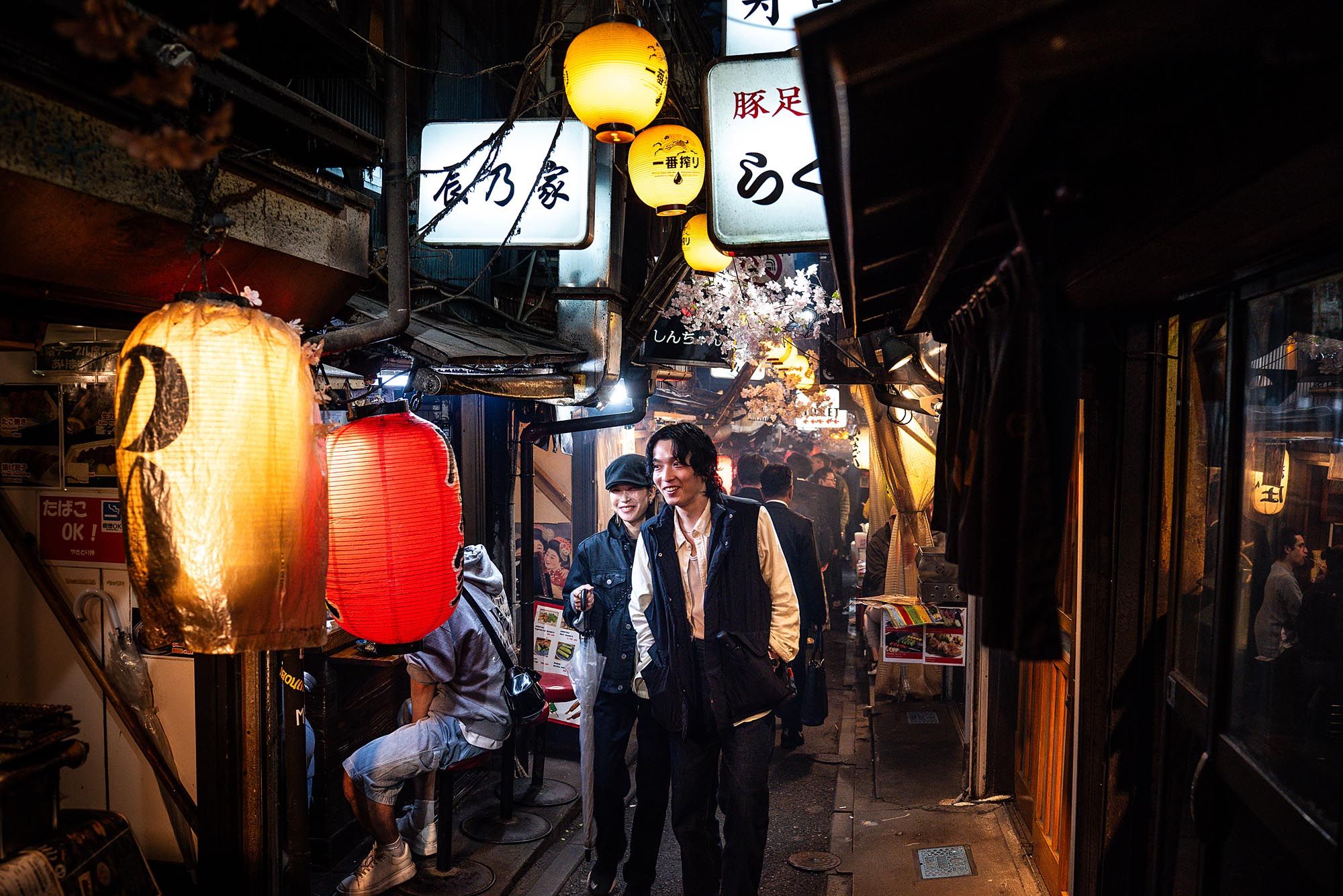
All conversions are approximate and were calculated using exchange rates at the time I updated this article.
Is Japan Expensive?
My short answer is: not as expensive as you might expect.
The biggest expense for a traveller coming from the UK will usually be getting there. Flights can be expensive, particularly if you're travelling during cherry blossom season or want to fly direct.
Once you're actually in Japan, however, things become considerably more reasonable.
On my most recent trip I stayed in hotels for as little as £41–£71 / $55–$96 / €48–€83 per night, ate full meals for around £5 / $6.75 / €5.83, travelled on the Tokyo Metro for a few pounds and found plenty of things to do for less than £10 / $13.50 / €11.65.
You can certainly spend a lot in Japan. Luxury hotels, high-end restaurants and first-class trains are readily available. But you don't need a luxury budget to have a comfortable trip.
That's one of the things I like most about travelling in Japan.
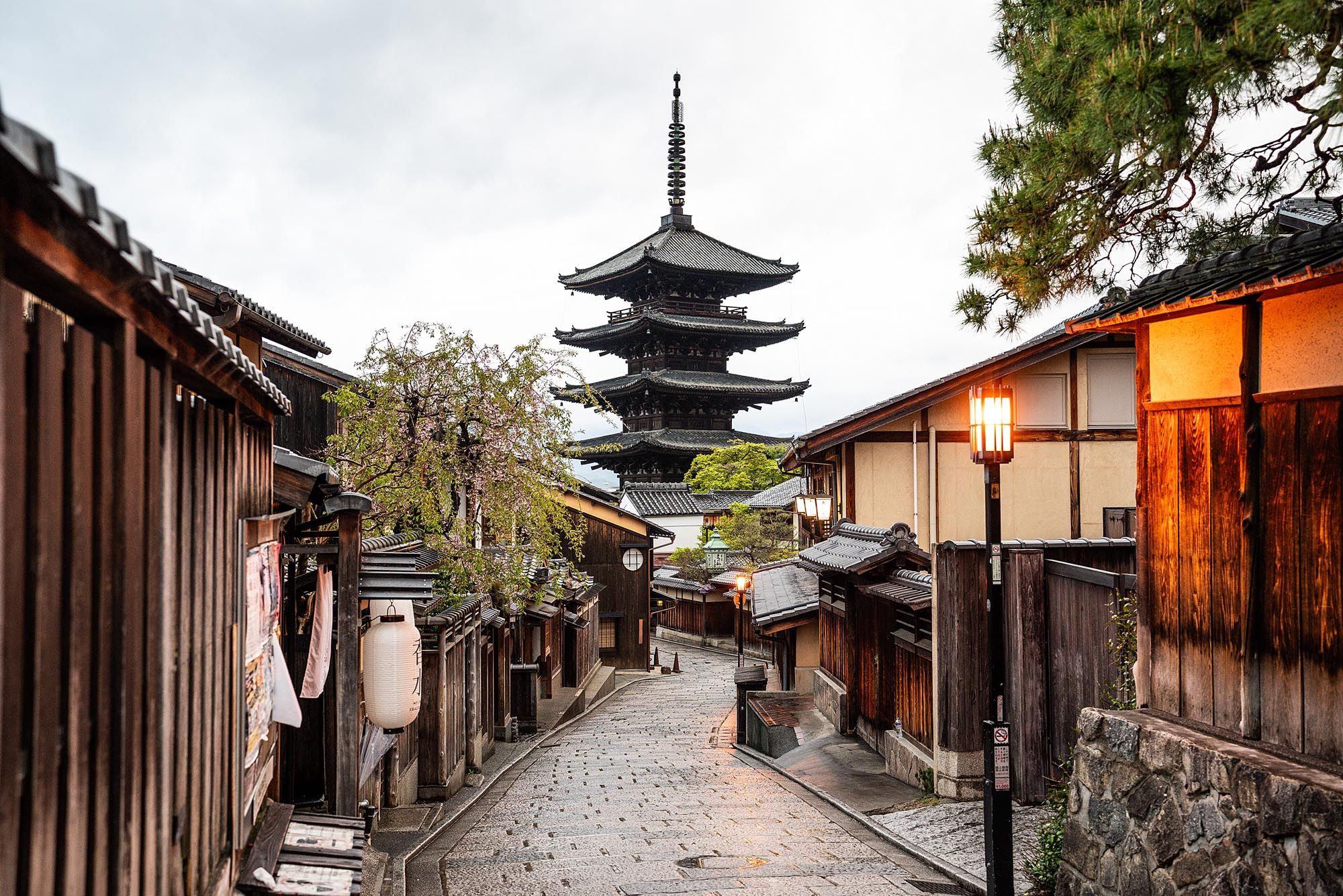
I've Since Returned to Japan
When I originally wrote this article, it was based on my first 10-day trip to Japan.
I've since returned and travelled around Japan again, this time visiting Osaka, Tokyo and Nikko.
That second trip gave me a much better understanding of what things really cost because I wasn't visiting during exactly the same circumstances as my first trip and I paid much closer attention to everyday spending.
I also deliberately tried a mixture of budget and more expensive options.
I stayed in inexpensive hotels, ate at convenience stores and McDonald's, used local trains and played ¥50 / £0.23 / $0.31 / €0.27 retro arcade games.
But I also travelled in Green Class on the Shinkansen, booked premium seats on the SPACIA X and visited the Top Deck of Tokyo Tower.
That combination gives a much more realistic picture of Japan's prices than simply looking at the cheapest possible backpacking budget.
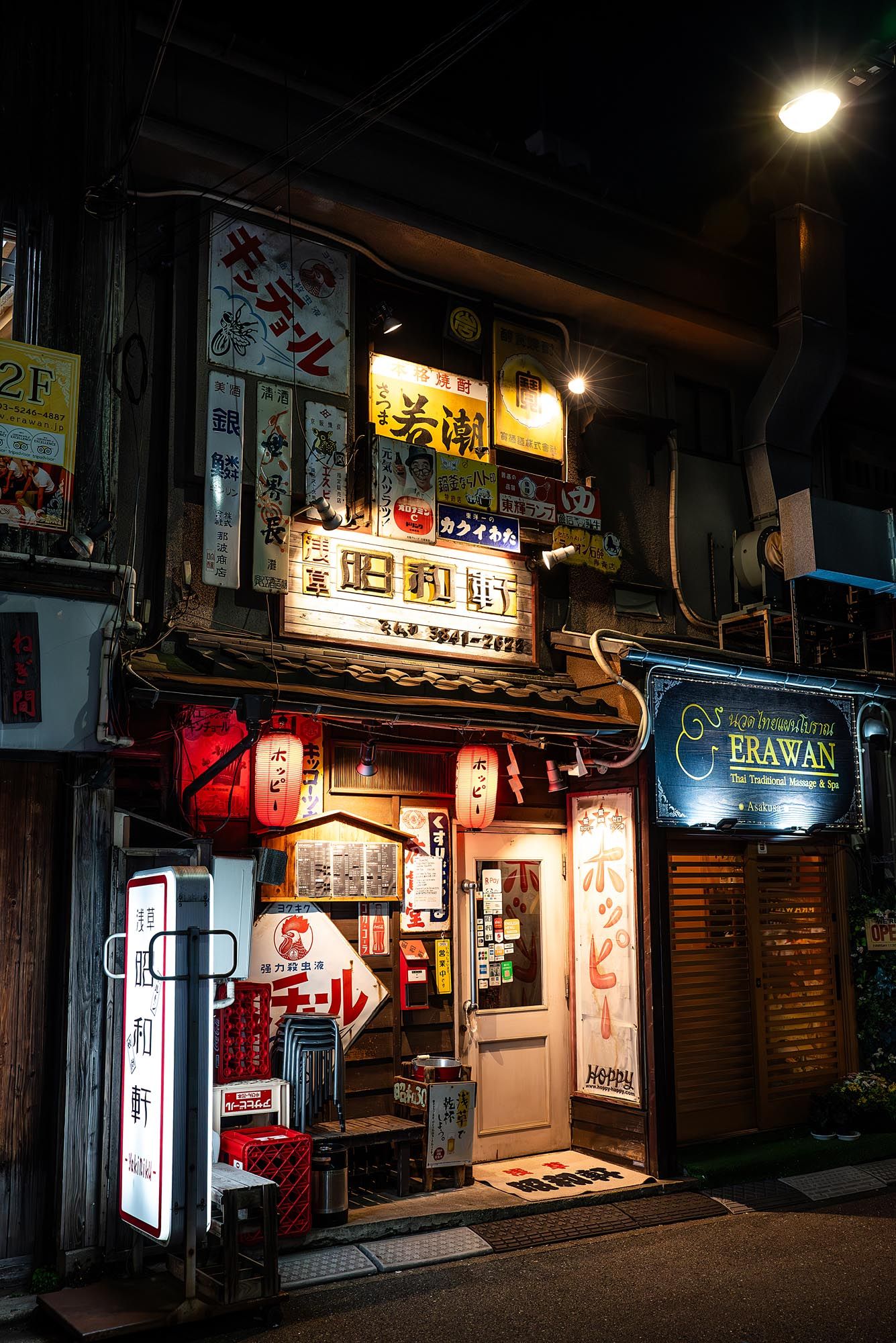
Flights to Japan: Potentially Your Biggest Expense
Flights were by far the biggest expense on my first trip.
My partner and I travelled during cherry blossom season in April and wanted direct flights from the UK because we only had limited time in Japan.
I paid around £1,700 / $2,295 / €1,983 per person in
economy.
Yes. Economy.
It remains the most I've ever paid for an economy flight.
I flew directly to Tokyo with Japan Airlines and returned with British Airways on the same ticket. Japan Airlines was excellent, even in economy, while my experience with British Airways wasn't anywhere near as impressive.
However, £1,700 / $2,295 / €1,983 shouldn't be considered the normal price of travelling from Britain to Japan.
April is an extremely popular time to visit, and direct flights command a significant premium.
If you're flexible with your dates and willing to change planes, flights can be dramatically cheaper. Connections through China and other Asian hubs can sometimes make travelling to Japan considerably more affordable.
This means your choice of travel dates could potentially make a bigger difference to the overall cost of your Japan holiday than saving a few pounds each day once you arrive.
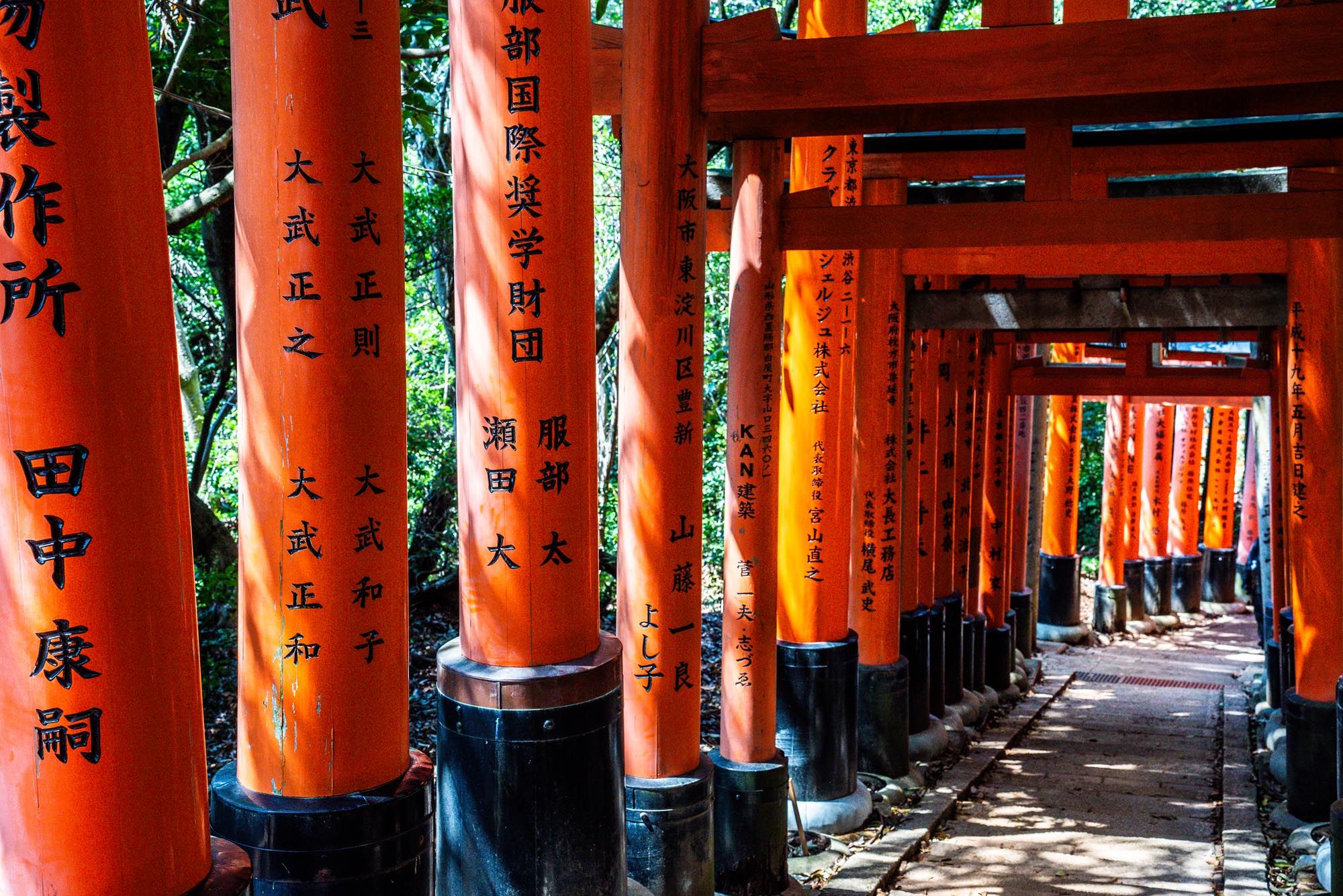
Is April an Expensive Time to Visit Japan?
Yes, but having now experienced Japan at different times of the year, I'd still choose April over the middle of summer if my budget allowed it.
Cherry blossom season increases demand for both flights and accommodation, but the weather can make travelling much more enjoyable.
If price is your priority, travelling outside the major holiday periods and peak cherry blossom season is worth considering.
Haneda or Narita: Which Tokyo Airport Is Better?
Tokyo has two major international airports: Haneda Airport (HND) and Narita International Airport (NRT).
Haneda is much closer to central Tokyo and, when flight prices are similar, would be my preference.
Narita is much further outside Tokyo, although it has good rail connections including the Narita Express and Keisei Skyliner.
I wouldn't pay hundreds of pounds extra simply to land at Haneda, though.
If a flight into Narita is substantially cheaper, take the saving and spend a little longer getting into Tokyo.
Consider Flying Into Tokyo and Home From Osaka
Another way to make a Japan itinerary more efficient is to use different airports.
For example:
Tokyo → Kyoto → Osaka
You could fly into Tokyo, travel west through Japan and eventually fly home from Kansai International Airport (KIX) rather than travelling all the way back to Tokyo.
It won't necessarily make the flight cheaper, but it can save time and potentially remove an unnecessary long-distance train journey.
How Much Do Hotels Cost in Japan?
This is one area where my opinion has changed considerably since my first visit.
I think hotels in Japan can offer fantastic value for money.
Tokyo hotel rooms are famously small, particularly in business hotels, but if you're happy with a compact room rather than a large Western-style hotel room, it's possible to stay somewhere clean, modern and extremely well located without spending a fortune.
On my latest trip, these were some of my actual hotel prices:
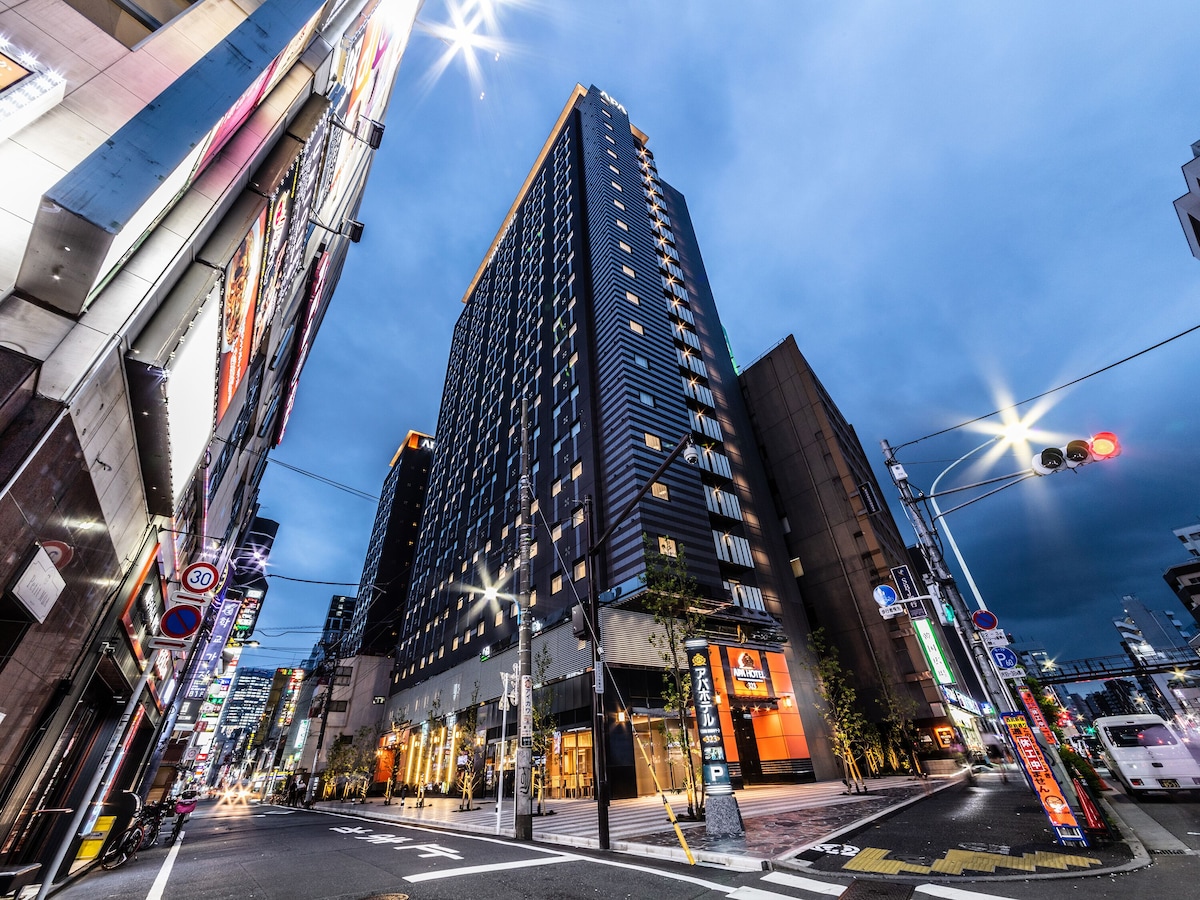
APA Hotel Namba-Ekihigashi, Osaka — ¥10,177 / £47 / $63.47 / €54.82 per night
For £47 / $63.47 / €54.82 a night, I was staying in central Osaka in a proper hotel. The room was small — as you would expect from APA — but for someone primarily using the hotel as a comfortable base for exploring the city, that's excellent value.
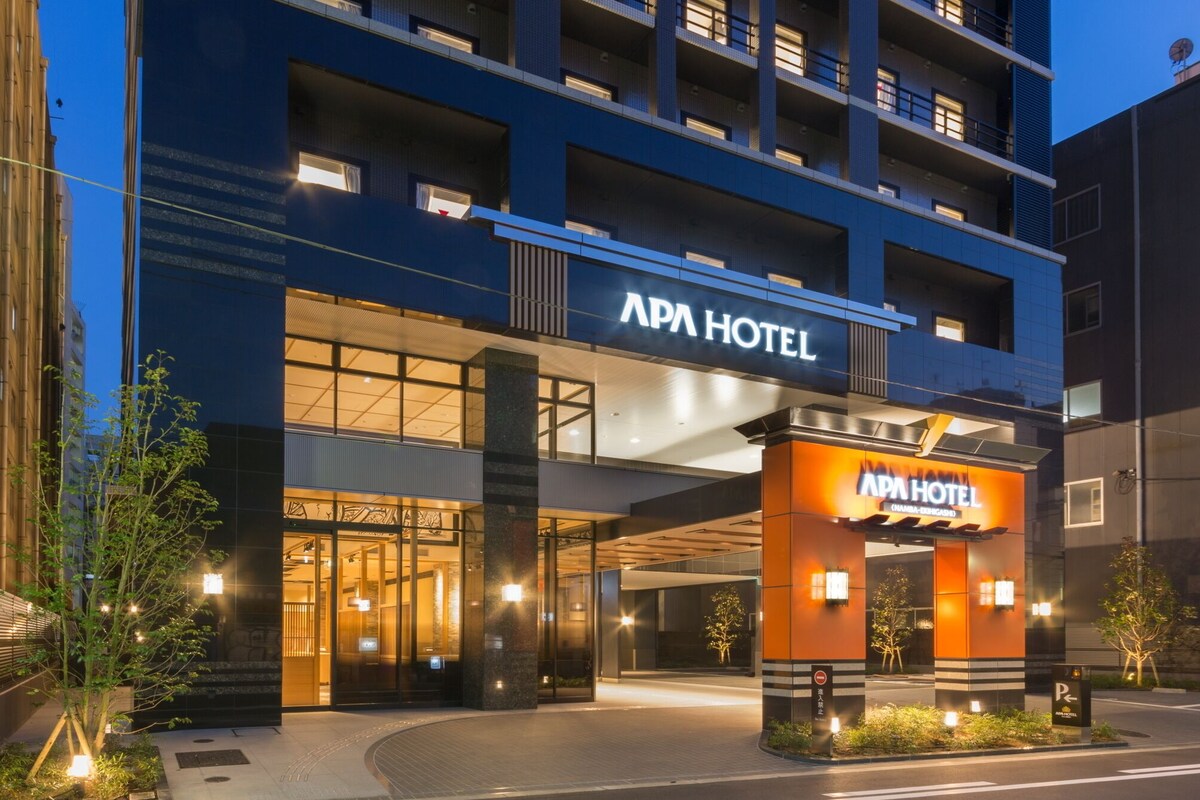
APA Hotel Higashi Shinjuku Kabukicho Tower, Tokyo — ¥15,374 / £71 / $95.88 / €82.81 per night
Tokyo was more expensive, but £71 / $95.88 / €82.81 per night for a hotel around Shinjuku still compares very favourably with what I'd expect to pay in London, Paris or Amsterdam.
Little Forest Inn Nikko — ¥8,878 / £41 / $55.37 / €47.82 per night
Nikko was even cheaper. I paid just £41 / $55.37 / €47.82 per night, showing that travelling outside Japan's largest cities can bring accommodation costs down further.
Hotel Paul House — ¥11,260 / £52 / $70.22 / €60.65 per night
Again, just over £50 / $67.50 / €58.25 for a night's accommodation.
These aren't theoretical prices I've found by searching booking websites. These are hotels I've personally booked and paid for.
For me, that's one of the biggest arguments against the idea that Japan is an incredibly expensive destination.
Hotels From My First Japan Trip
My first trip was during the much more expensive cherry blossom season, so accommodation prices were higher.
I stayed at several different types of hotels.
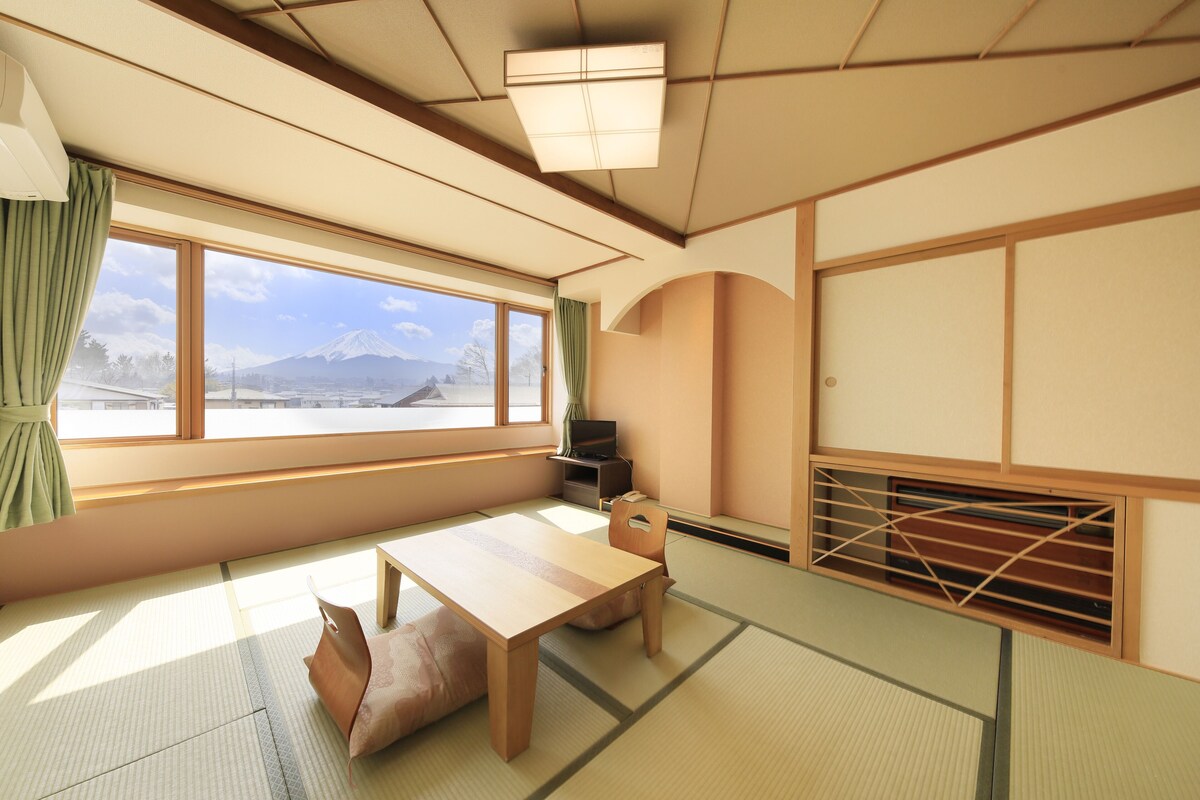
Lakeland Hotel Mizunosato
This was completely different.
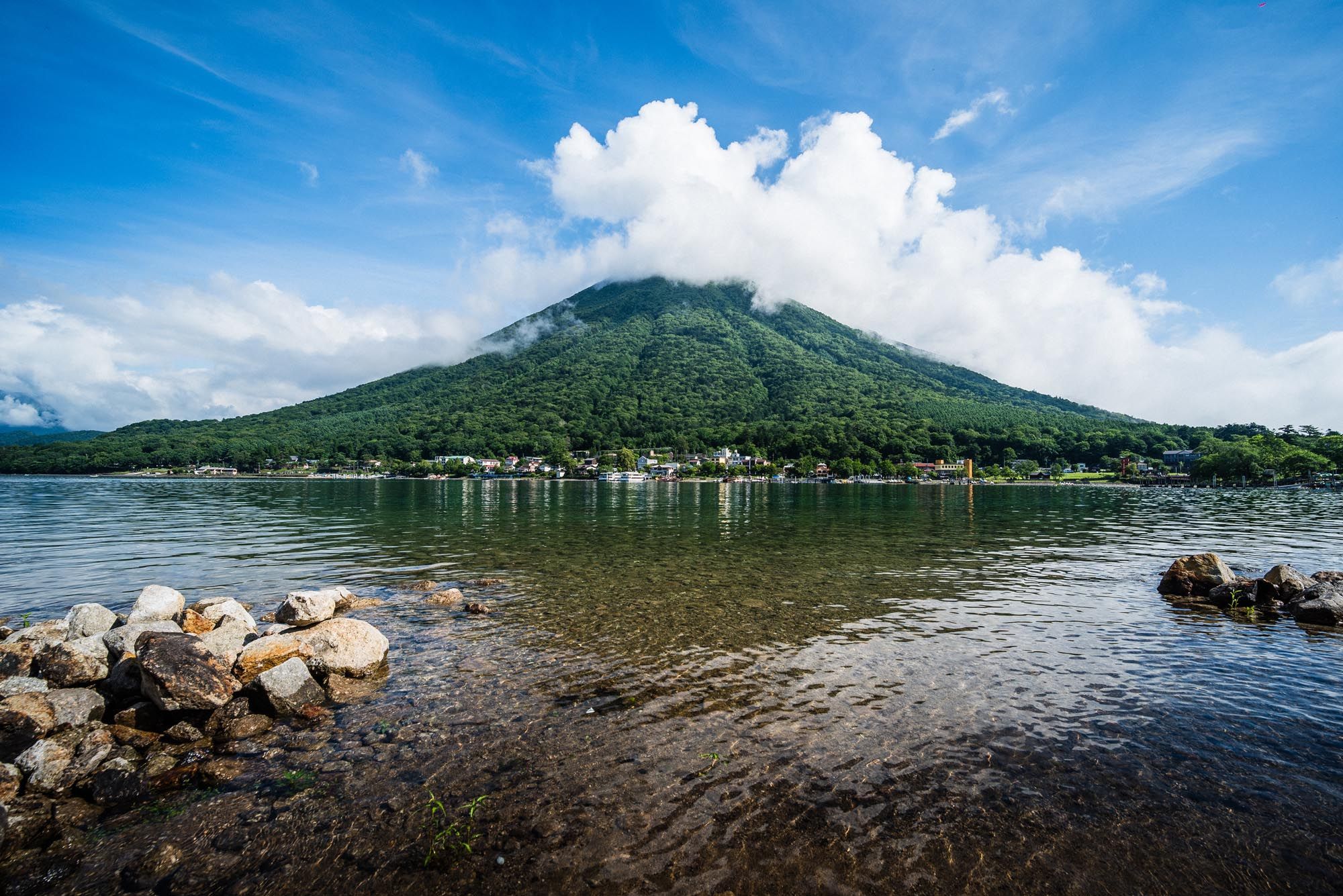
We only stayed for one night, but I specifically wanted to experience a more traditional Japanese hotel. The highlight was having a private hot bath while looking directly towards Mount Fuji.
It was one of the more expensive nights of the trip, but also one of the most memorable.
RIHGA Royal Hotel Kyoto
This was an unexpected highlight. The hotel felt far more luxurious than I remembered when making the booking, and the room was substantially larger than the hotels we'd stayed in around Tokyo.
Breakfast was served in the rotating restaurant at the top of the hotel, giving us panoramic views across Kyoto while we ate.
APA Hotel Asakusa Tawaramachi Ekimae
This was probably the least memorable hotel of that trip, but that's not necessarily a criticism.
It was inexpensive, clean and in a convenient location for exploring Asakusa. Sometimes that's all you need from a city hotel.
How Much Does Food Cost in Japan?
Food is another area where Japan can be surprisingly affordable.
You can obviously spend enormous amounts at high-end sushi restaurants, but ordinary meals don't have to cost much.
Here are some things I actually bought on my latest trip:
Breakfast — ¥1,082 / £5.00 / $6.75 / €5.83
McDonald's lunch — ¥850 / £3.93 / $5.30 / €4.58
McDonald's — ¥1,050 / £4.85 / $6.55 / €5.66
Pancakes and coffee in Takeshita Street — ¥2,100 / £9.75 / $13.14 / €11.31
Dinner for one with drinks — ¥3,558.50 / £16.45 / $22.20 / €19.17
Chinese restaurant dinner in Tokyo — ¥6,012 / £27.77 / $37.49 / €32.38
Lunch for two in Nikko — ¥4,690 / £21.66 / $29.25 / €25.26
Two beers and two sake — ¥2,200 / £10.16 / $13.72 / €11.85
Even eating in restaurants, I don't find these prices particularly expensive compared with the UK.
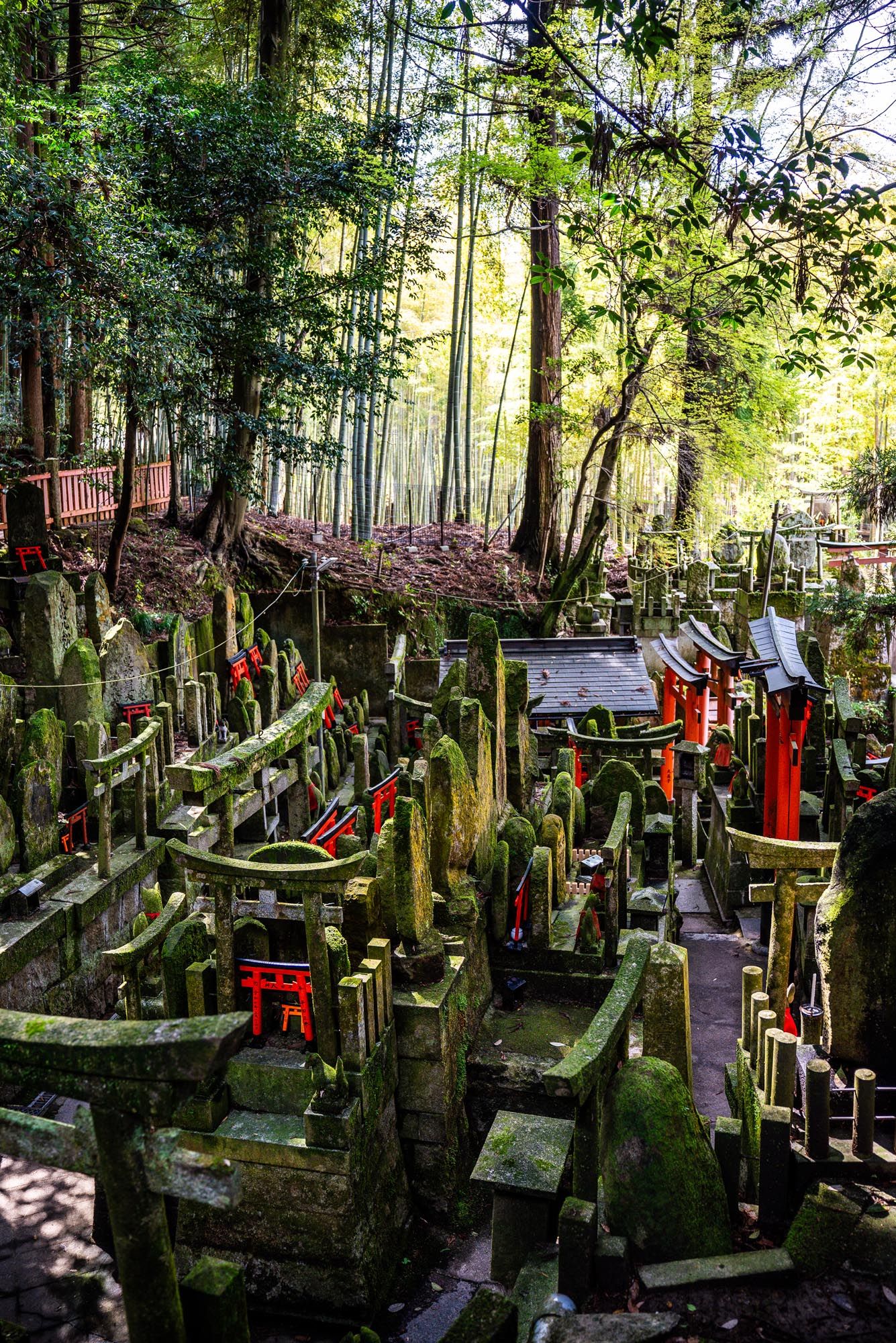
Convenience Stores: One of the Easiest Ways to Save Money in Japan
FamilyMart, Lawson and 7-Eleven became regular stops during both of my trips.
Not necessarily because I was desperately trying to travel cheaply, but because Japanese convenience stores are genuinely useful.
They're great for grabbing breakfast before an early train, buying snacks for your hotel room or picking up something inexpensive when you don't want a restaurant meal.
Here are some of my actual convenience-store transactions:
FamilyMart — ¥1,801 / £8.32 / $11.23 / €9.70
Lawson — ¥897 / £4.14 / $5.59 / €4.83
FamilyMart — ¥782 / £3.61 / $4.88 / €4.21
FamilyMart — ¥1,266 / £5.85 / $7.90 / €6.82
7-Eleven — ¥813 / £3.75 / $5.07 / €4.38
7-Eleven — ¥1,023 / £4.72 / $6.38 / €5.51
7-Eleven — ¥2,121 / £9.80 / $13.23 / €11.43
7-Eleven snacks/breakfast — ¥1,830 / £8.45 / $11.42 / €9.86
You certainly don't have to survive on convenience-store food to visit Japan cheaply, but having inexpensive food available almost everywhere makes keeping your daily spending under control much easier.
What Does a Normal Day in Japan Cost?
Perhaps the best example I can give is one full day I tracked in Osaka.
I wasn't deliberately trying to have the cheapest day possible.
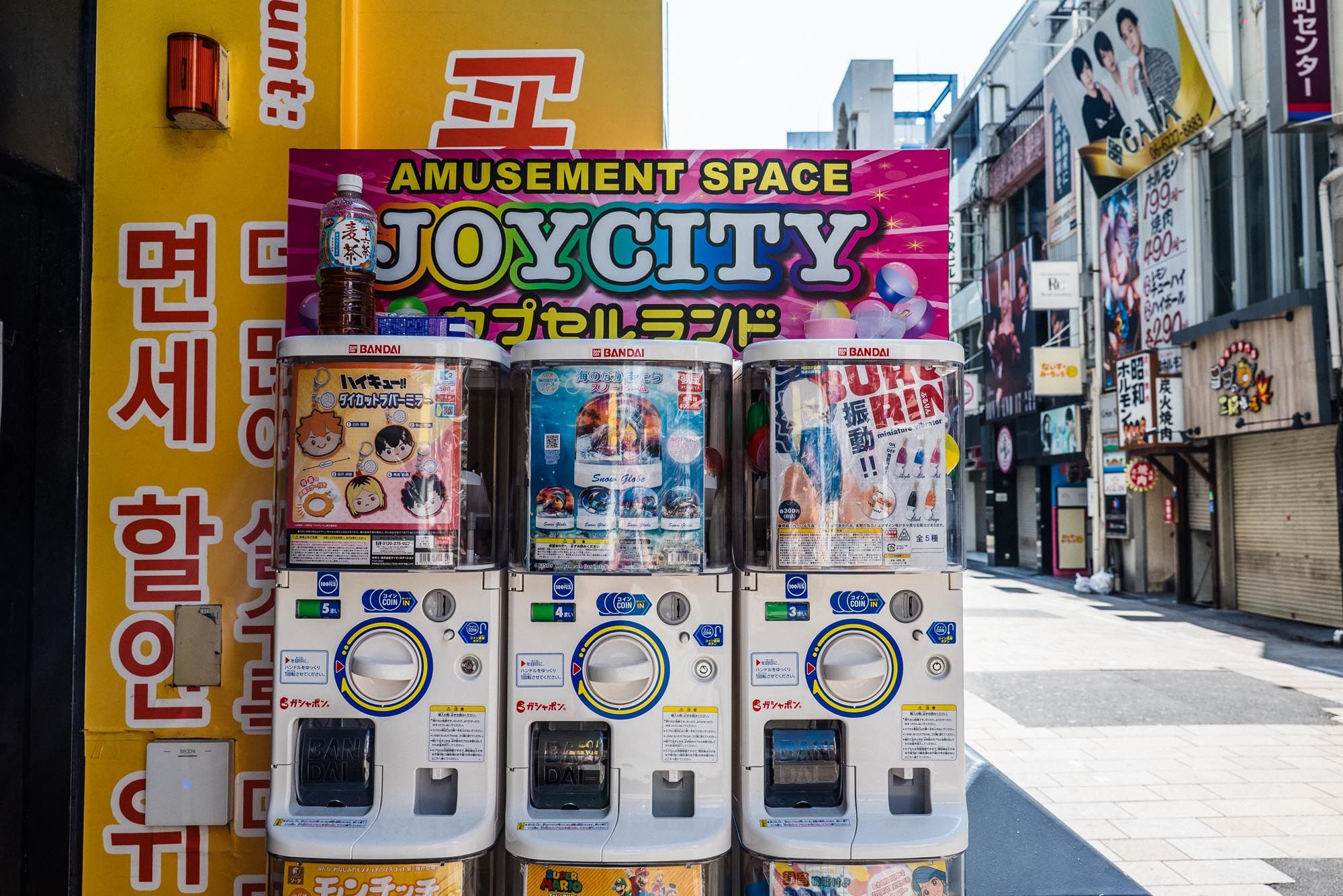
I ate breakfast, bought drinks, had McDonald's for lunch, played arcade games, tried shooting and archery, bought some socks, used the Metro and inevitably put some money into gacha machines.
Here's everything I spent:
Vending machine drinks ×2 — ¥400 / £1.85 / $2.49 / €2.15
Gacha — ¥100 / £0.46 / $0.62 / €0.54
Adult Gacha — ¥500 / £2.31 / $3.12 / €2.69
Breakfast — ¥1,082 / £5.00 / $6.75 / €5.83
Socks — ¥900 / £4.16 / $5.61 / €4.85
Smoothie — ¥306 / £1.41 / $1.91 / €1.65
McDonald's lunch — ¥850 / £3.93 / $5.30 / €4.58
Shooting — ¥500 / £2.31 / $3.12 / €2.69
Bow and arrow — ¥1,000 / £4.62 / $6.24 / €5.39
Retro arcade game — ¥50 / £0.23 / $0.31 / €0.27
Snack — ¥1,017 / £4.70 / $6.34 / €5.48
Metro — ¥280 / £1.29 / $1.75 / €1.51
Total for the day: ¥6,985 / £32.26 / $43.57 / €37.62
That's what I find particularly interesting about Japan.
For around £32 / $43 / €37, I'd eaten, travelled around Osaka, bought a few things and spent money on several activities.
It wasn't an artificially cheap day where I walked everywhere and ate supermarket sandwiches. It was just a fairly normal day travelling around Japan.
Accommodation isn't included, but my hotel in Osaka cost ¥10,177 / £47 / $63.47 / €54.82 per night.
That means my hotel plus all of the spending above came to roughly £79 / $107 / €92 for the day.
For a major city in one of the world's's most developed countries, I think that's extremely reasonable.
How Much Does Transport Cost in Japan?
Transport is an interesting one because it can be incredibly cheap or become one of your biggest expenses.
Local transport is generally inexpensive.
Long-distance travel — particularly if you start upgrading your train tickets — is where things become more expensive.
Some of my real transport costs were:
Tokyo Metro — ¥570 / £2.63 / $3.55 / €3.07
Osaka Metro — ¥280 / £1.29 / $1.75 / €1.51
Tsukuba Express — ¥360 / £1.66 / $2.25 / €1.94
Tobu Bus — ¥1,250 / £5.77 / $7.80 / €6.73
Tobu Bus — ¥1,300 / £6.00 / $8.11 / €7.00
Nikko Station locker — ¥900 / £4.16 / $5.61 / €4.85
One expensive exception was a taxi in Honjo to the airport which cost:
¥10,690 / £49.37 / $66.67 / €57.58
That illustrates why I'd generally choose Japan's public transport whenever possible.
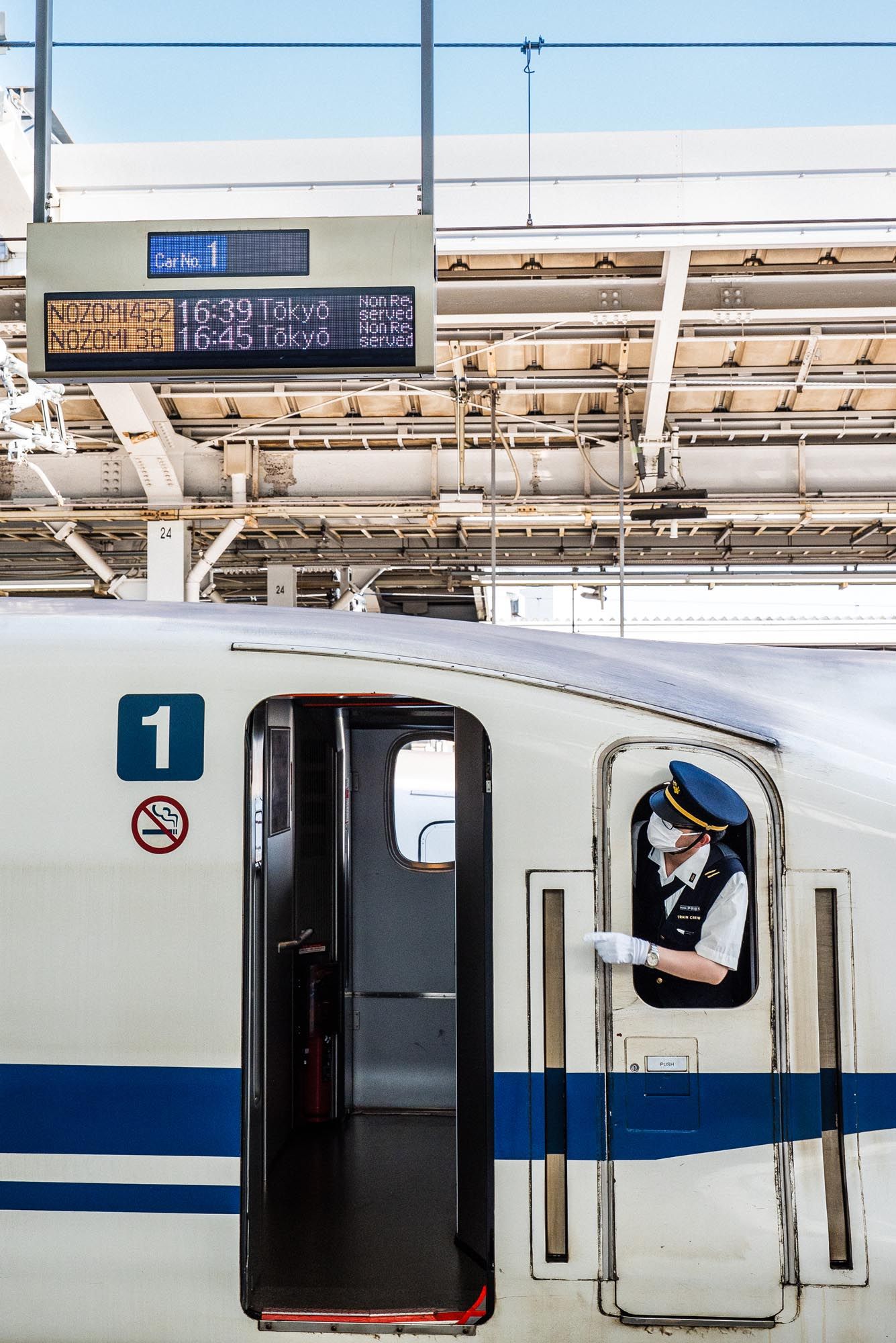
How Expensive Is the Shinkansen?
The Shinkansen is one of those things I'd recommend experiencing at least once if your itinerary makes sense for it.
On my latest trip I went a step further and travelled in Green Class, essentially the more premium seating option.
My ticket cost:
Shinkansen Green Class — ¥19,190 / £88.62 / $119.68 / €103.37
That's obviously substantially more expensive than taking a local train or bus, but you're paying for an incredibly fast intercity service and, in my case, the more comfortable Green Class experience.
You don't need to travel Green Class.
If you're trying to keep your Japan trip affordable, standard Shinkansen seats are perfectly adequate.
I'd also calculate the cost of your actual journeys before automatically buying a Japan Rail Pass. Depending on your itinerary, buying individual tickets can make more sense.
How Much Does a Trip to Nikko Cost?
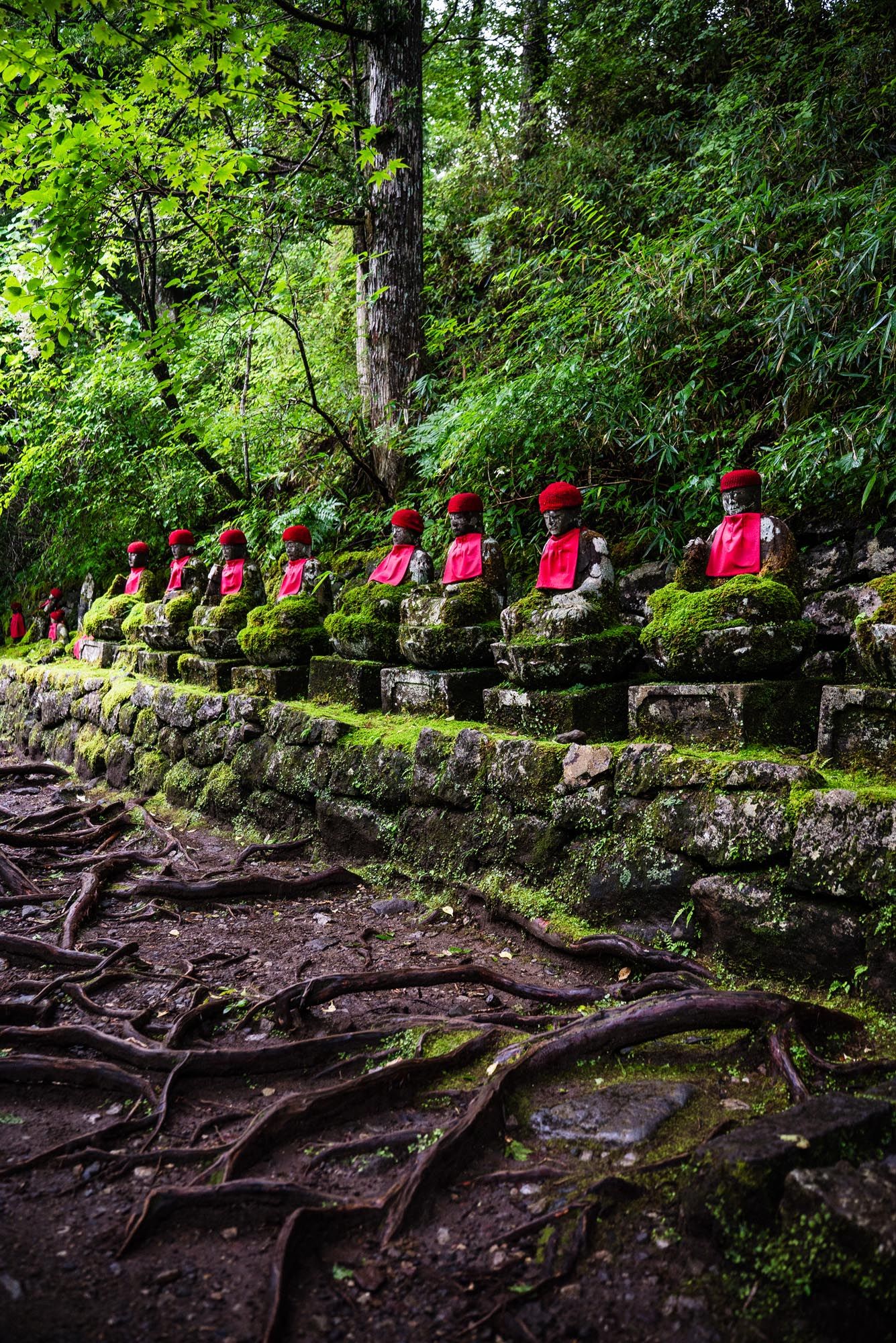
Nikko is one of my favourite trips from Tokyo, and it doesn't have to be particularly expensive.
I used the:
NIKKO PASS World Heritage Area — ¥3,000 / £13.85 / $18.71 / €16.16
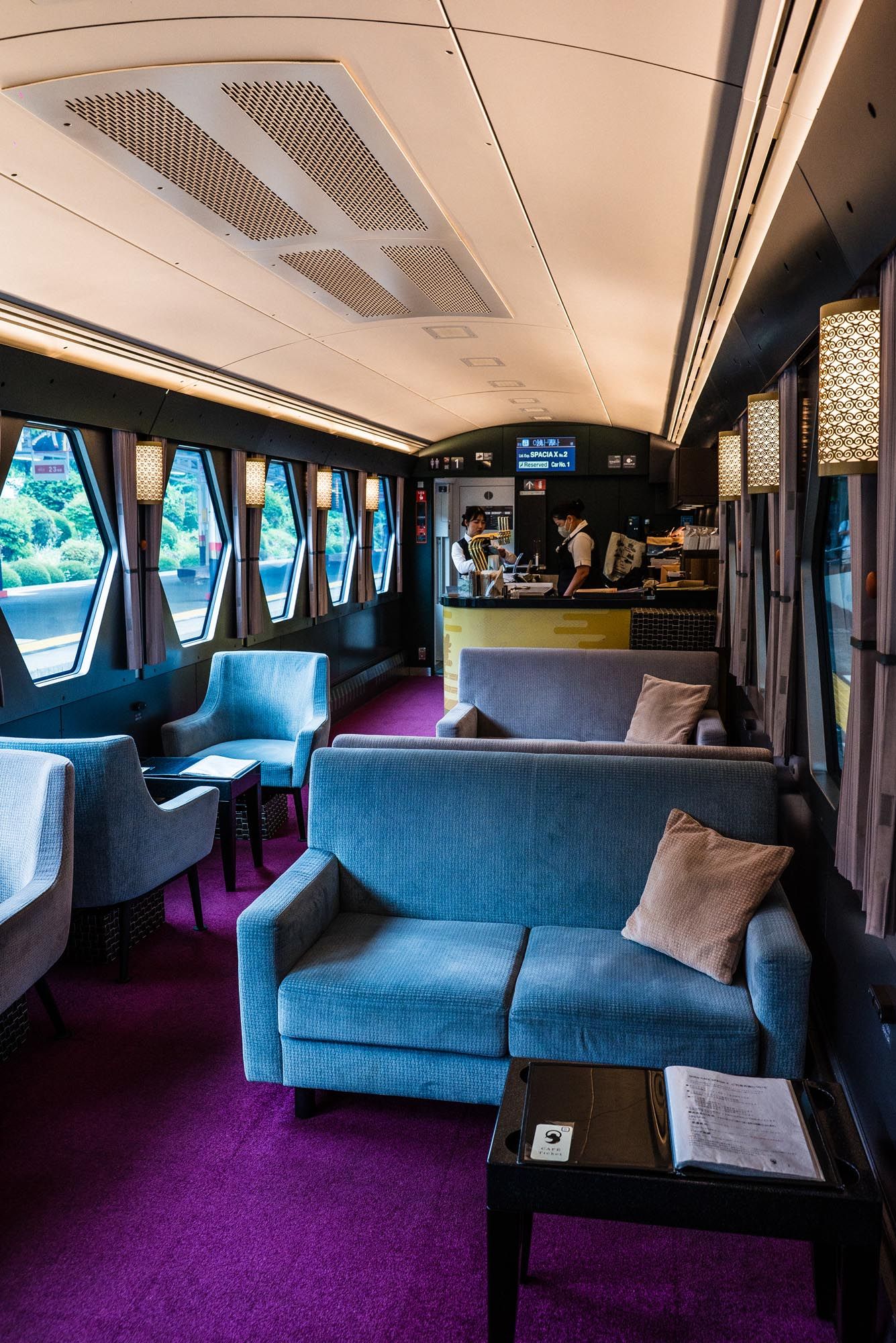
I also tried two different premium seating options on the SPACIA X:
SPACIA X Premium Seat — ¥2,520 / £11.64 / $15.72 / €13.57
SPACIA X Cockpit Lounge Seat — ¥2,640 / £12.19 / $16.46 / €14.22
Other expenses included:
Nikko Station locker — ¥900 / £4.16 / $5.61 / €4.85
Lunch for two — ¥4,690 / £21.66 / $29.25 / €25.26
My accommodation at Little Forest Inn Nikko was only:
¥8,878 / £41 / $55.37 / €47.82 per night
So even adding a few upgrades, Nikko can be a relatively inexpensive addition to a Tokyo itinerary.
How Much Do Attractions Cost in Japan?
Another pleasant surprise is that you don't necessarily need a huge sightseeing budget.
There are endless temples, neighbourhoods, parks, shops and interesting streets to explore, and simply wandering around Tokyo or Osaka can occupy hours without costing anything.
Even paid activities can be inexpensive.
These are some prices from my latest trip:
Tokyo Tower Top Deck — ¥3,300 / £15.24 / $20.58 / €17.78 per person
Shooting — ¥500 / £2.31 / $3.12 / €2.69
Bow and arrow — ¥1,000 / £4.62 / $6.24 / €5.39
Retro arcade game — ¥50 / £0.23 / $0.31 / €0.27
Pool in Shinjuku — ¥800 / £3.69 / $4.99 / €4.31 per hour
24Gym — ¥600 / £2.77 / $3.74 / €3.23
I particularly love the fact that I could play an old arcade game for ¥50 / £0.23 / $0.31 / €0.27.
You could easily spend £50 / $67.50 / €58.25+ on attractions every day if you wanted to, but Japan doesn't force you to do that.
Shopping and Souvenirs in Japan
This is probably where Japan can quietly destroy your budget.
Not because individual items are necessarily expensive.
There's just an incredible amount of stuff you suddenly decide you need.
Don Quijote, Japanese convenience stores, electronics shops, Uniqlo, gacha machines and enormous shopping centres make it very easy to keep spending ¥500 / £2.31 / $3.12 / €2.69 here and ¥1,000 / £4.62 / $6.24 / €5.39 there.
Some examples from my trip:
Don Quijote Asakusa — ¥4,230 / £19.53 / $26.38 / €22.79
Yodobashi Camera Akihabara — ¥4,400 / £20.32 / $27.44 / €23.70
Don Quijote Shinjuku — ¥2,858 / £13.20 / $17.82 / €15.40
UNIQLO — ¥2,610 / £12.05 / $16.28 / €14.06
Socks — ¥900 / £4.16 / $5.61 / €4.85
Gacha — ¥100 / £0.46 / $0.62 / €0.54
Adult gacha — ¥500 / £2.31 / $3.12 / €2.69
The individual amounts aren't huge, but this is one category where I'd give yourself a separate budget.
Otherwise, it's very easy to wonder where an extra £100 / $135 / €117 disappeared.
How Much Spending Money Do You Need Per Day in Japan?
Based on my two trips, I don't think you need the ¥20,000–¥30,000 / £92–£139 / $125–$187 / €108–€162 per day that I previously suggested unless you're including expensive attractions, long-distance trains, shopping or more upmarket restaurants.
My Osaka example came to just ¥6,985 / £32.26 / $43.57 / €37.62 for an entire day of food, local transport, shopping and entertainment.
That doesn't mean everyone should budget ¥7,000 / £32.34 / $43.67 / €37.72 a day.
I'd personally allow more so that you're not constantly thinking about money.
For an ordinary sightseeing day, something around ¥10,000–¥15,000 / £46–£69 / $62–$94 / €54–€81 per person gives you much more flexibility for food, local transport, attractions and smaller purchases.
Long-distance trains, accommodation and significant shopping should then be budgeted separately.
A couple travelling together can also split certain expenses, particularly hotel rooms and taxis.
How Much Should You Budget for 10 Days in Japan?
There isn't one useful answer to this because flights make such an enormous difference.
Someone finding a £500 / $675 / €583 flight and staying in £50 / $67.50 / €58.25 hotels is going to spend dramatically less than someone paying £1,500 / $2,025 / €1,748 for a direct flight during cherry blossom season and staying in more expensive accommodation.
But my latest trip has convinced me that Japan itself doesn't need to be particularly expensive.
If you can find inexpensive flights, stay in business hotels and spend roughly ¥10,000–¥15,000 / £46–£69 / $62–$94 / €54–€81 per day on normal expenses, you can travel very comfortably without anything resembling a luxury budget.
For example, using prices similar to my latest trip:
Normal daily spending:** around **£45–£70 / $61–$95 / €52–€82 per person
Long-distance transport: depends heavily on your itinerary
Flights from the UK: potentially the biggest variable
That means the cost of ten days on the ground can be far lower than Japan's expensive reputation might suggest.
The important distinction is between the cost of travelling to Japan and the cost of travelling around Japan once you're there.
For me, they're two very different things.
Is Japan Cheaper Than the UK?
For many everyday travel expenses, I've found that it can be.
I wouldn't describe Japan as a cheap country overall, but things like inexpensive restaurants, public transport, convenience-store food and business hotels can compare very favourably with the UK.
Try finding a clean central London hotel for £47 / $63 / €55.
Or having breakfast for £5 / $6.75 / €5.83, taking several Metro journeys for less than £3 / $4 / €3.50 and then playing an arcade game for ¥50 / £0.23 / $0.31 / €0.27.
This is why I think describing Japan simply as "expensive" is misleading.
Flights from Europe can be expensive.
Luxury travel in Japan can be expensive.
But ordinary day-to-day travel in Japan can be remarkably affordable.
Is Japan Worth the Cost?
Absolutely.
I've now visited twice, which probably answers the question better than anything else I could write.
After my first trip I already knew I wanted to return. Since then I've been back, explored more of Tokyo, spent time in Osaka and travelled out to Nikko.
And I still don't feel finished with Japan.
There are very few countries where modern cities, tiny neighbourhood restaurants, mountain scenery, ancient shrines, ridiculous arcades, immaculate public transport and convenience stores selling surprisingly good food all somehow fit together.
Tokyo in particular is a city I could return to repeatedly.
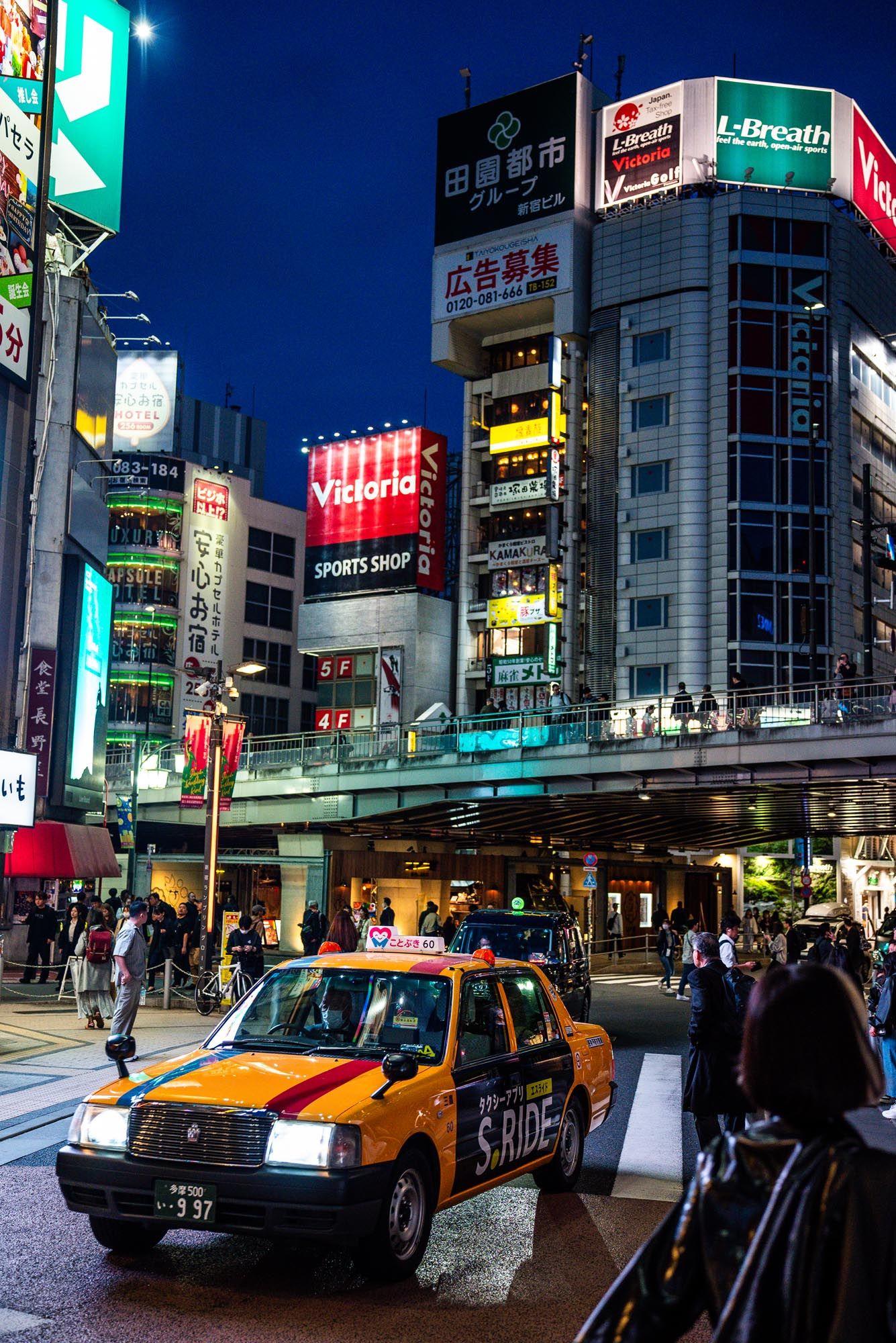
As a photographer, I find it almost endless. You can walk around the same neighbourhood at different times of day and find completely different things to photograph.
Osaka has a different energy again, while places such as Nikko show just how quickly Japan can change once you leave its enormous cities behind.
So, Is Japan Really Expensive?
After two trips, my answer is still no — at least, not in the way many people imagine.
Getting to Japan can be expensive, particularly from the UK and particularly during popular times of year.
But once you're there, you have an enormous amount of control over how much you spend.
On my latest trip I paid ¥10,177 / £47 / $63.47 / €54.82 for a hotel in Osaka, ¥8,878 / £41 / $55.37 / €47.82 for a hotel in Nikko, around ¥1,082 / £5 / $6.75 / €5.83 for breakfast and ¥570 / £2.63 / $3.55 / €3.07 for several journeys on the Tokyo Metro.
I also spent ¥19,190 / £88.62 / $119.68 / €103.37 travelling Green Class on the Shinkansen.
That's Japan.
You can spend more when there's an experience you really want, then go back to eating a £5 / $6.75 / €5.83 meal and staying in a £50 / $67.50 / €58.25 hotel.
For me, that's what makes Japan such good value.
It isn't the cheapest country I've travelled around, and I wouldn't compare it with somewhere like Thailand or Vietnam.
But compared with travelling around the UK and Western Europe, I continually find myself surprised by how reasonable Japan can be.
If you're planning your own trip, my biggest advice would be to concentrate first on finding reasonably priced flights and accommodation. Once those two expenses are under control, you really don't need a huge daily budget to enjoy Japan.
And considering I've already returned once since originally writing this article, I suspect my second trip won't be my last.