1. About Filopappou Hill
About Filopappou Hill
Filopappou Hill, Athens – A Peaceful Escape with the Best View of the Acropolis
Athens is a city where history and everyday life blend seamlessly. One moment you’re walking past centuries-old ruins, the next you’re sipping coffee in a modern café. Yet, despite its energy, there are still places to pause and take in the view — and Filopappou Hill is one of the best of them.
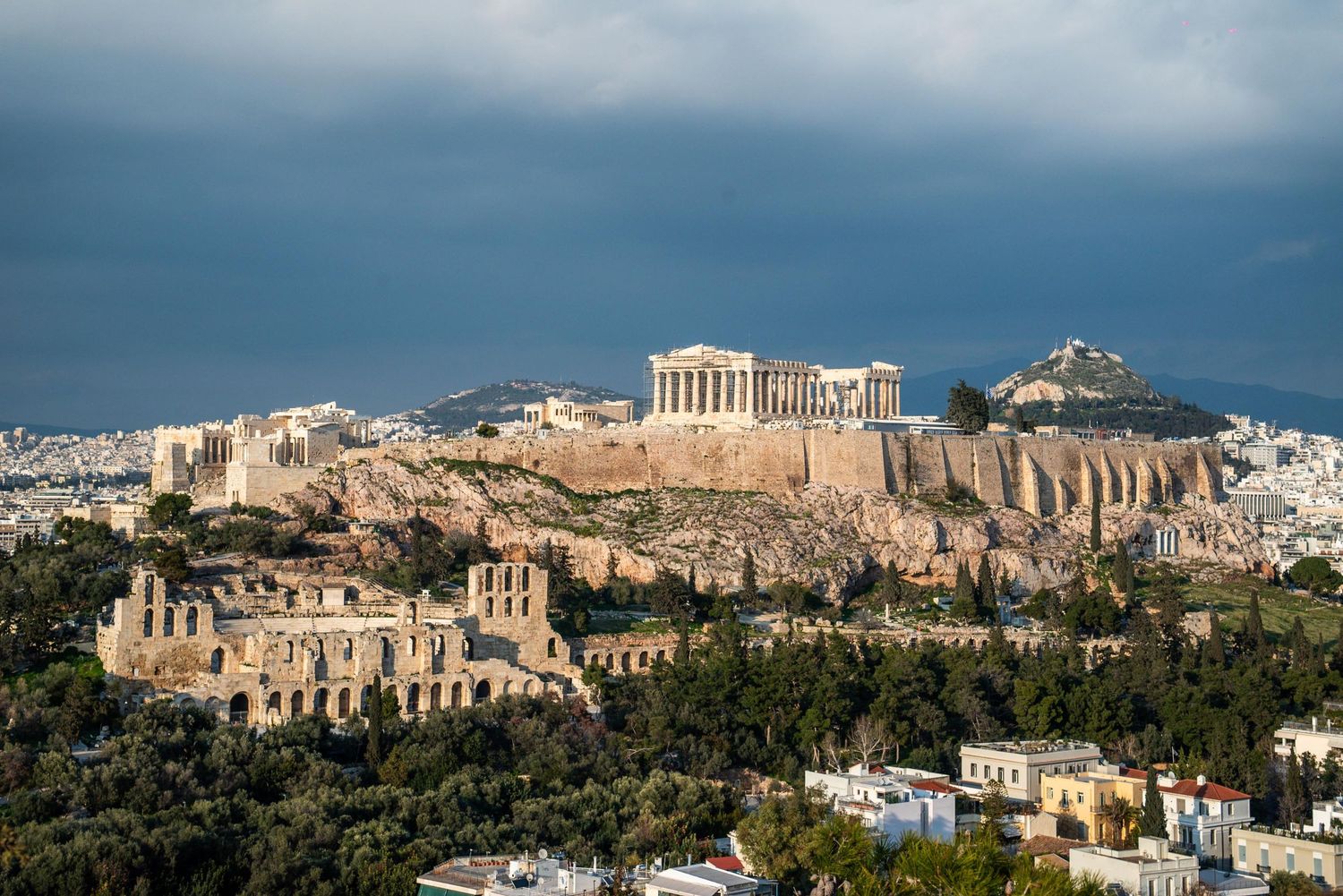
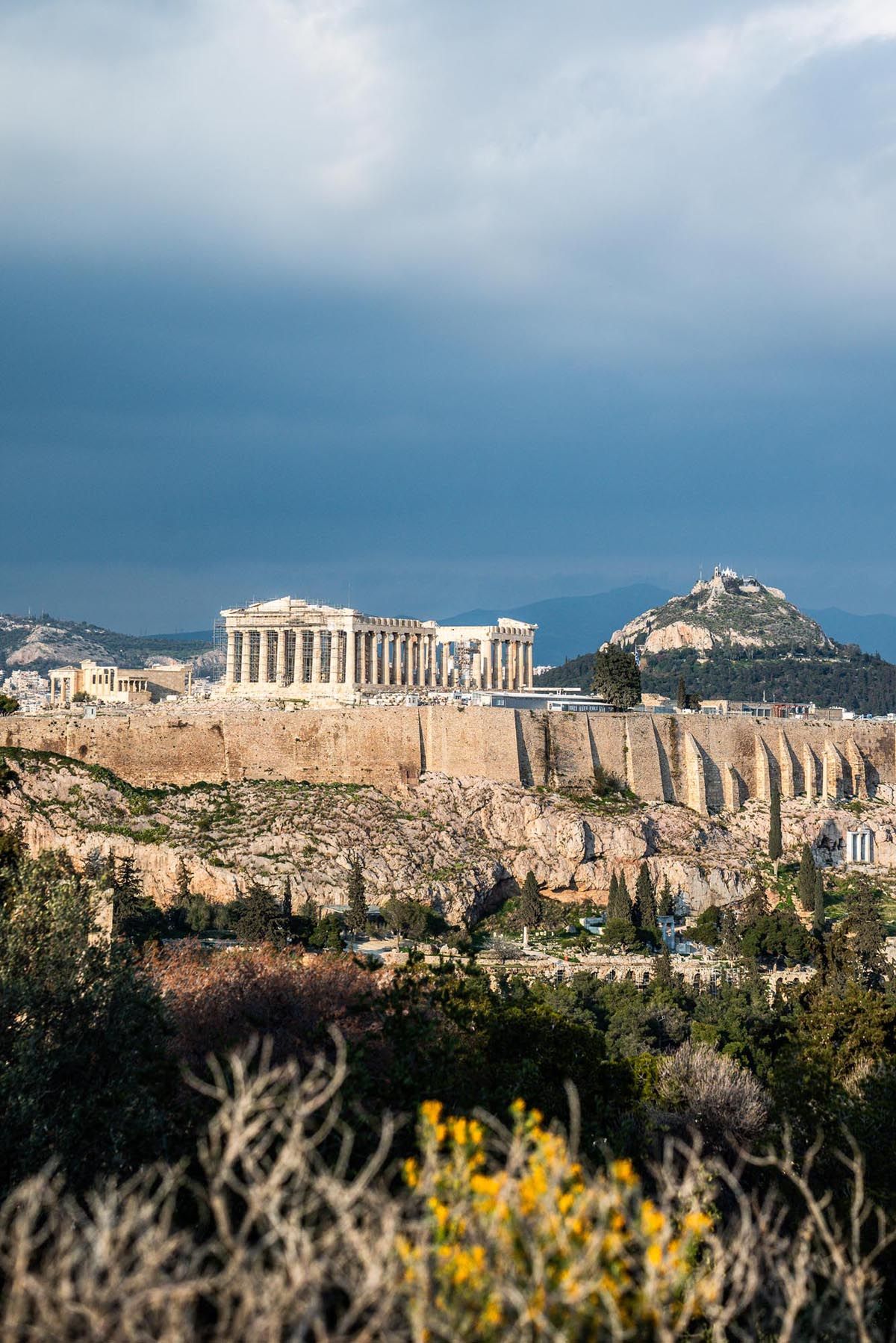
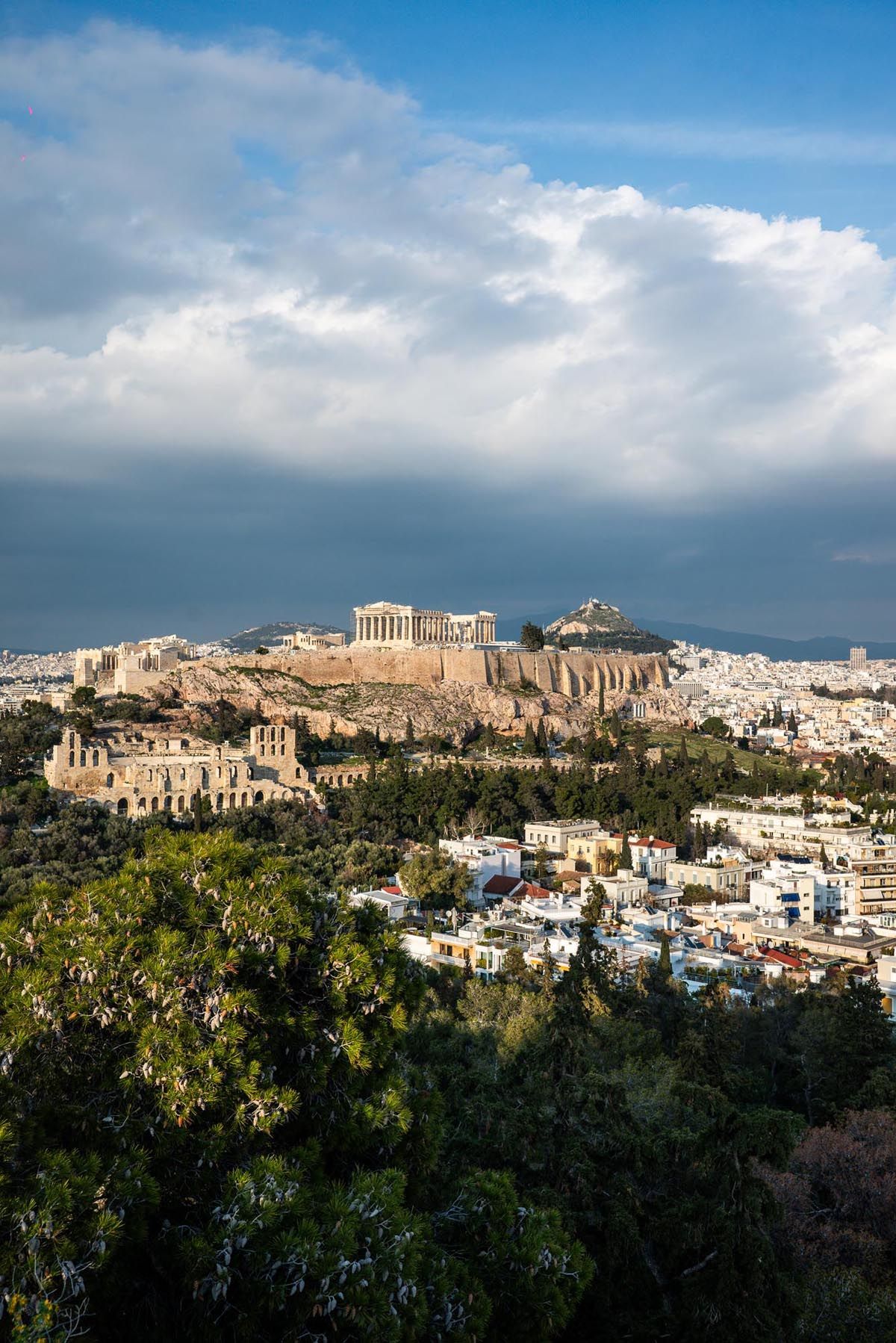
Also known as the Hill of the Muses, this peaceful green space lies directly opposite the Acropolis. From its summit, you’ll find one of the finest panoramic views in Athens, especially towards the Parthenon at sunset. But there’s far more to this hill than just a photo opportunity. It’s a place rich in mythology, philosophy and local life, and well worth exploring during your time in the city.
2. The History of Filopappou Hill
The History of Filopappou Hill
Filopappou Hill takes its name from Gaius Julius Antiochus Epiphanes Philopappos, a prince of the ancient Kingdom of Commagene and a Roman consul of Athens in the 2nd century AD. After his death, the Athenians built a marble monument in his honour, which still stands proudly on the summit today.
This area has been significant since ancient times. Just nearby lies Pnyx Hill, the birthplace of democracy, where citizens once gathered to debate public issues. Another neighbouring mound, the Hill of the Nymphs, is now home to the National Observatory of Athens. Collectively, these three hills were important cultural and strategic sites throughout antiquity.
Over the centuries, Filopappou Hill has had many identities. It was known as Seggio Hill during the Frankish period, served as a defensive position during various conflicts, and was later planted with pine trees by Princess Sophia of Greece in the 20th century, turning it into the leafy escape Athenians enjoy today.
3. How to Get There
How to Get There
Visiting the hill is simple and makes a perfect addition to a day spent exploring the Acropolis. From the Acropolis Museum or Dionysiou Areopagitou Street, you can walk towards Apostolou Pavlou and follow one of several paths leading into the park.
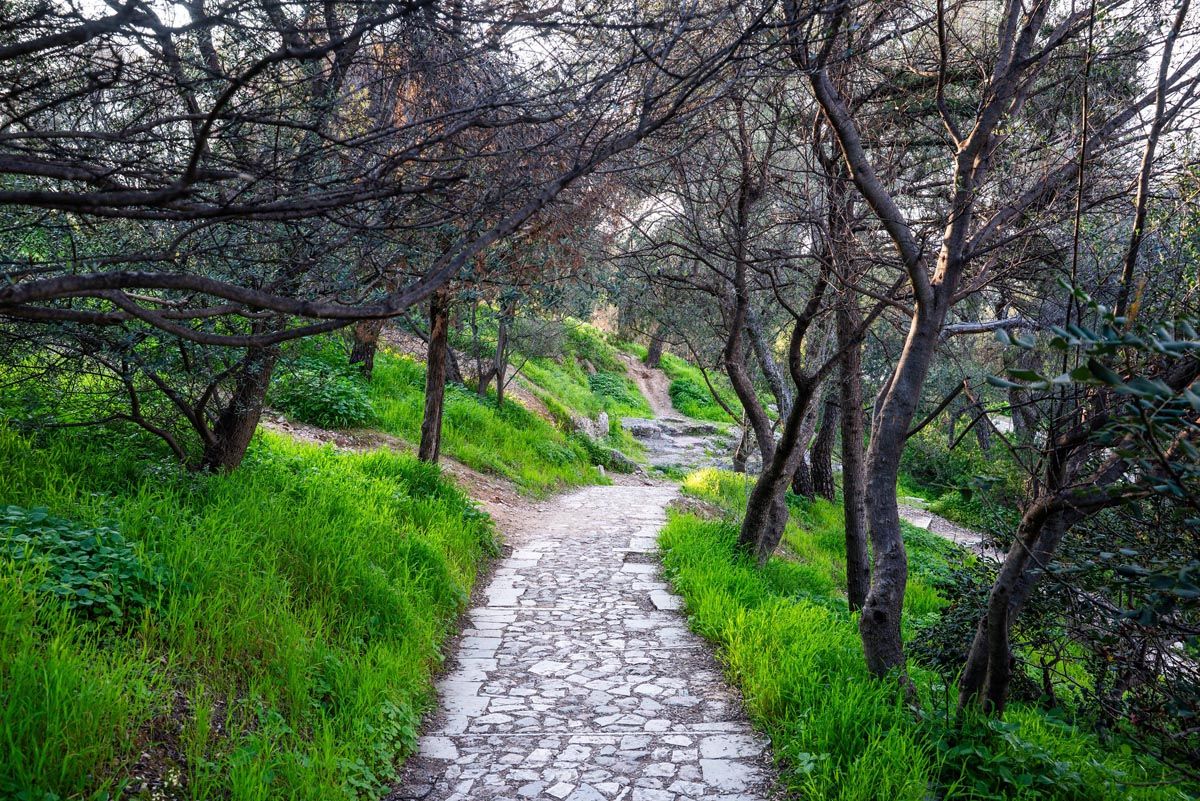
The climb to the top takes around 15–25 minutes, depending on your pace and the route you choose. Some paths are well paved with marble and stone, while others are rougher underfoot. Comfortable walking shoes are a must, as some sections can be quite steep or uneven.
If you prefer to arrive by public transport, the nearest metro stations are Thissio (Line 1) and Acropolis (Line 2). Taxis can also drop you off near the park entrances if you want to save your energy for the walk up.
4. Things to See on the Hill

Things to See on the Hill
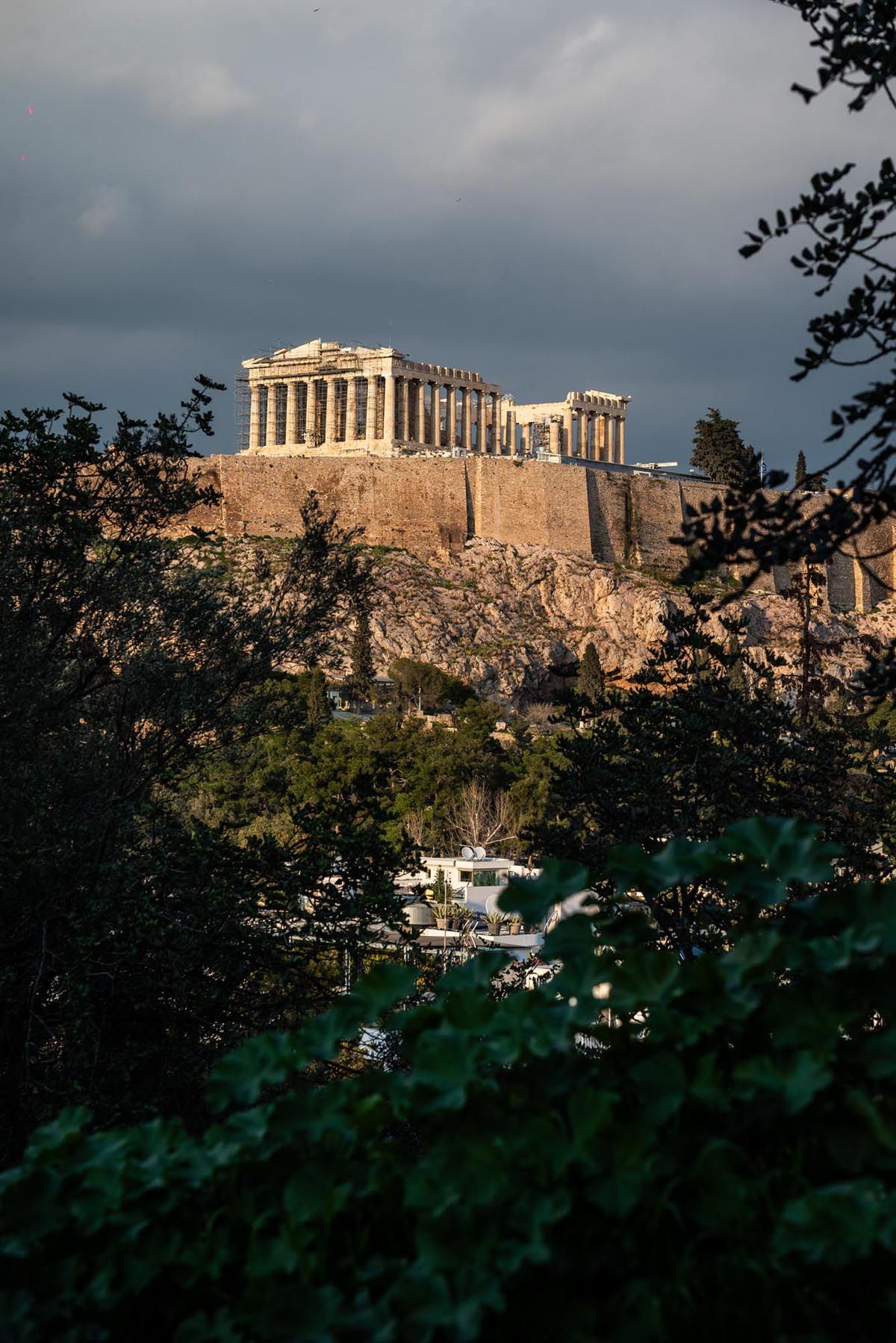
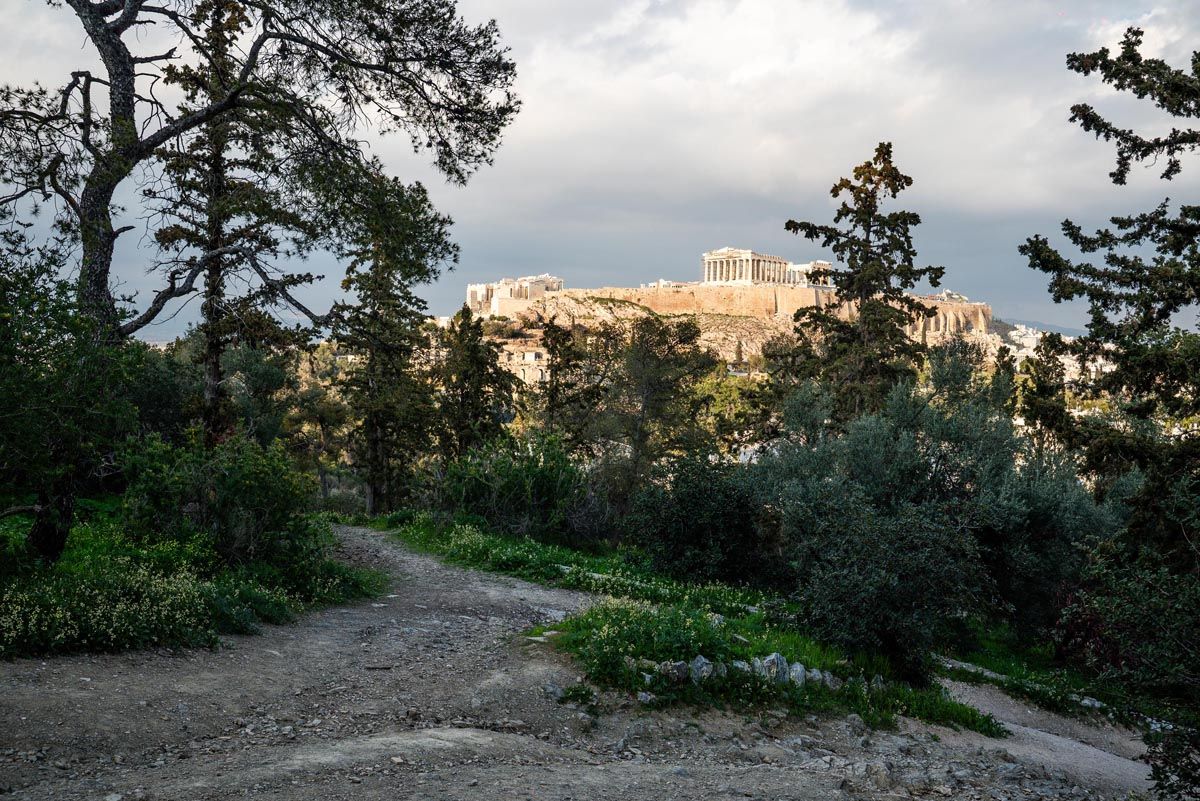
Filopappou Hill isn’t just about the view at the top. Along the way, you’ll pass through olive groves, pine trees and wildflowers, with glimpses of the Acropolis appearing through the branches. It’s a tranquil space that offers a real break from the bustle of central Athens.
Philopappos Monument – The marble monument at the summit dates back to around 115 AD and once contained the tomb of Philopappos himself. Although parts of it have been lost to time, the structure remains an impressive sight and is an important reminder of Athens’ Roman era.
Pnyx Hill – A short walk away lies Pnyx, where democracy was born. The stone speaker’s platform still stands, and it’s easy to imagine ancient citizens gathering here to hear speeches and cast their votes.
Socrates’ Prison – Carved into the rock near the base of the hill, this small site is believed to have been where the philosopher Socrates was imprisoned before his execution in 399 BC. Whether or not it’s the genuine location is debated, but it’s worth a quick visit for its atmosphere and historical significance.
Church of Agios Dimitrios Loumbardiaris – A charming 16th-century church tucked among the trees, restored by architect Dimitris Pikionis. It’s a lovely example of Byzantine architecture and provides a quiet moment of reflection before continuing your walk.
5. The Best Viewpoints
The Best Viewpoints
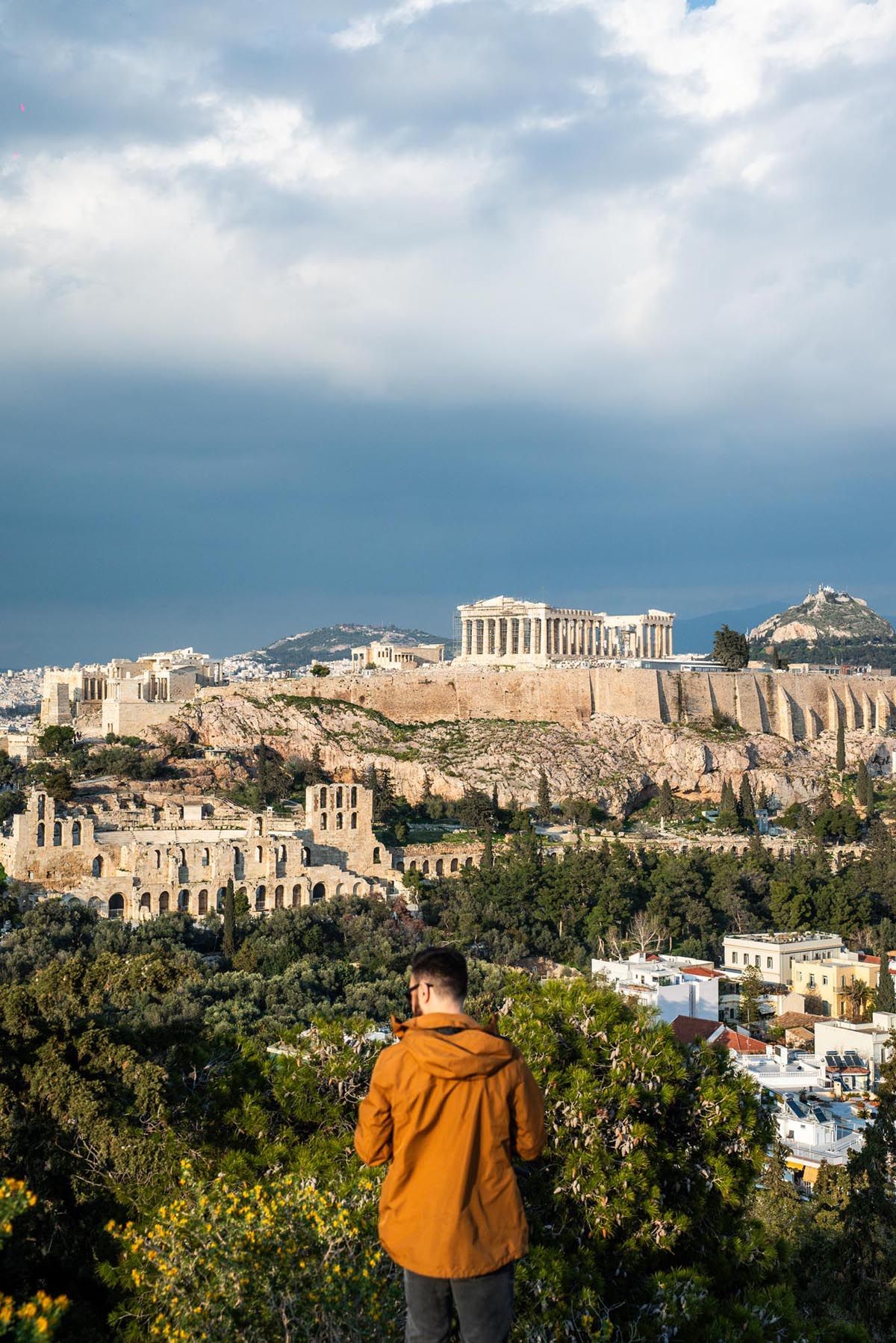
Once you reach the summit, Athens stretches out in every direction. To the east, the Acropolis stands proudly, with the Parthenon, Erechtheion, and Temple of Athena Nike clearly visible. Beyond that, you can see the sprawl of modern Athens fading into the mountains, and on a clear day, even the Saronic Gulf glinting in the distance.
There’s a main viewpoint marked by a broad stone platform with benches, where locals and visitors alike gather to watch the sunset. If you prefer a quieter spot, continue a little further down the slope in front of the monument for a more secluded vantage point.
Sunset is undoubtedly the most popular time to visit, when the golden light softens the marble of the Acropolis. Early mornings, however, are perfect for photography and solitude.
6. Practical Information
Practical Information
Opening Hours: The hill is open all day, every day, with no entrance fee. There are no gates or curfews, though lighting is limited at night, so it’s best to visit during daylight hours.
Facilities: There are no cafés or toilets on the hill itself, so bring water, wear comfortable shoes, and carry anything you’ll need. Bins are provided, so take care to leave the area tidy.
Safety: Filopappou Hill is generally safe, especially during the day. It’s a popular spot for families, joggers, and walkers. At night, however, it’s better to avoid the area due to poor lighting and occasional reports of petty theft.
7. The Best Time to Visit
The Best Time to Visit
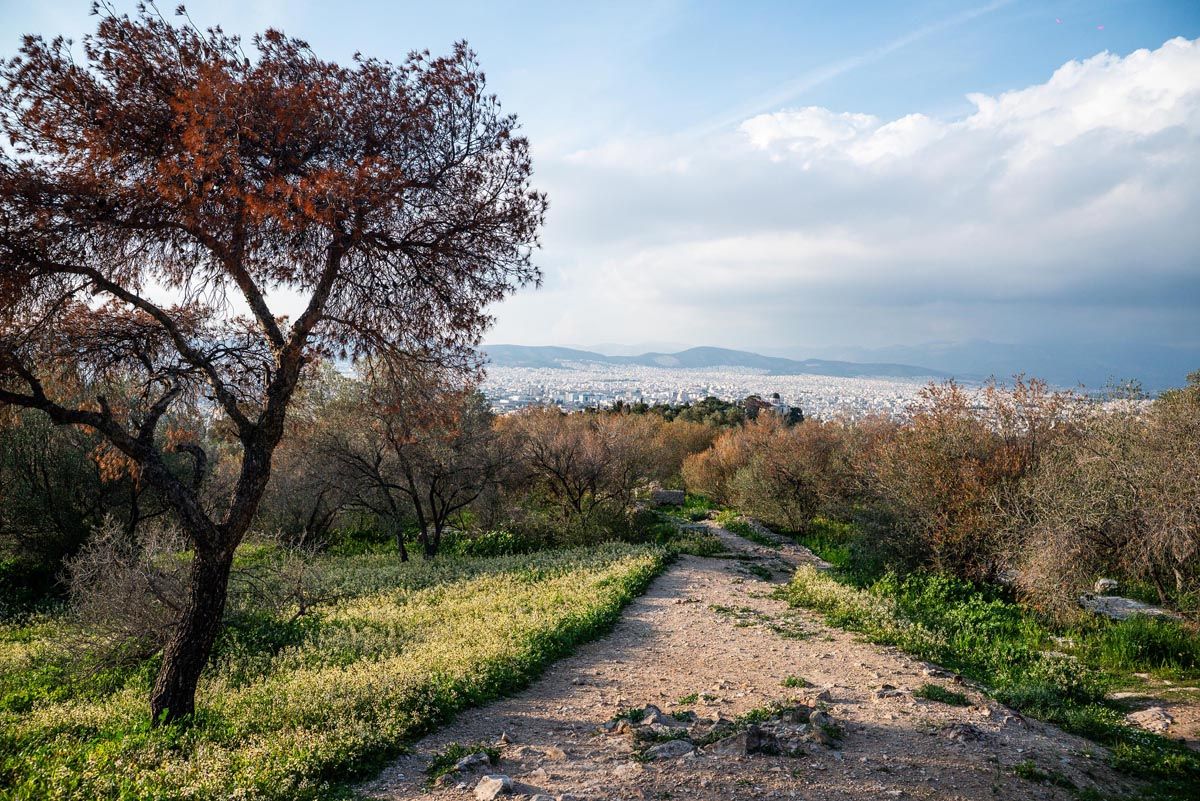
The best time to visit is in spring or autumn, when the weather is mild and the greenery is at its most vibrant. Summer afternoons can be extremely hot, so if you’re visiting then, aim for early morning or late afternoon.
If you want to catch a beautiful sunset without the crowds, arrive around an hour before sundown to find a good spot.
8. Nearby Attractions
Nearby Attractions
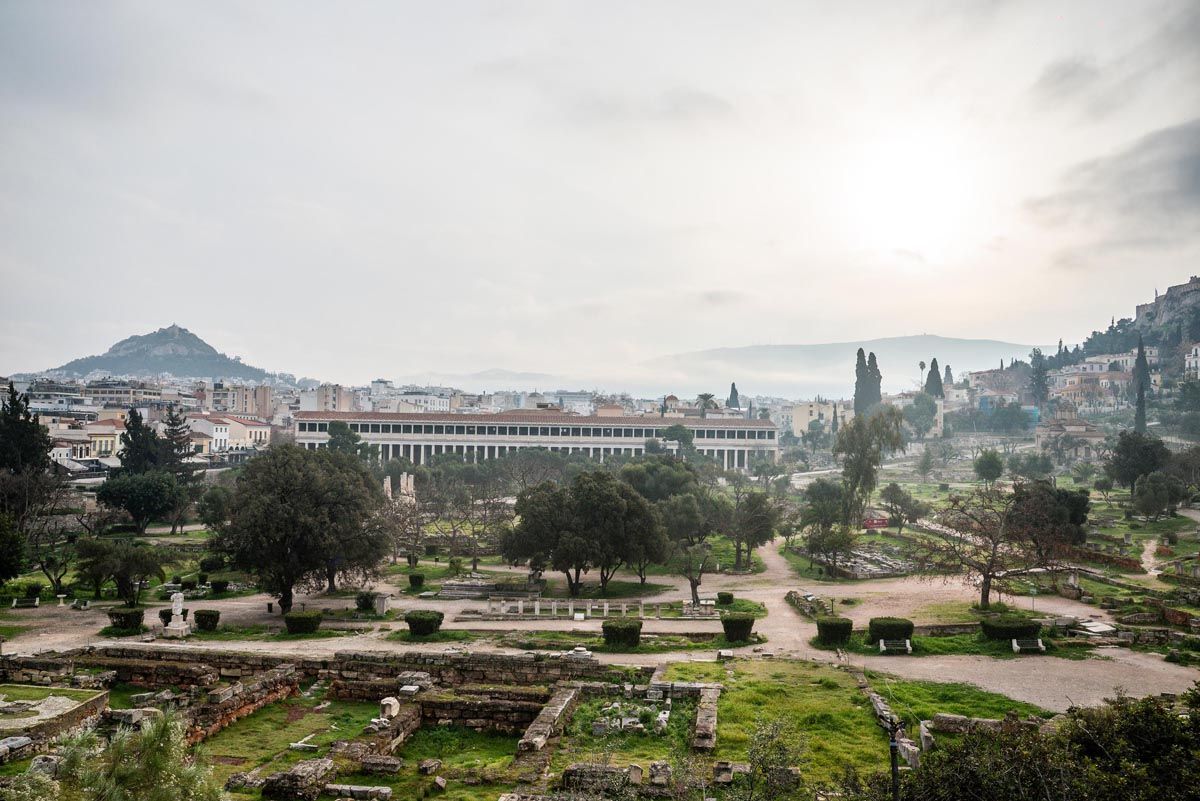
Filopappou Hill is close to several other major attractions. You can easily combine your visit with the Acropolis, Ancient Agora, or a stroll through Plaka, the old town filled with narrow lanes, cafés, and shops.
For another excellent viewpoint, take the funicular up Lycabettus Hill, which offers panoramic views over the entire city. Or, if you’d like to stay closer to ground level, the rooftop bars around Monastiraki Square offer spectacular evening scenes with the Acropolis lit up after dark.
9. Final Thoughts
Final-Thoughts
Filopappou Hill is one of those rare places where Athens slows down. It’s peaceful but full of stories, offering both historical insight and a breath of fresh air from the busy streets below. Whether you’re a photographer, a history enthusiast, or simply someone who enjoys a good view, this hill is an essential stop on any trip to Athens.