Driving to Chichén Itzá from Playa del Carmen
Visiting Chichén Itzá is one of the highlights of travelling in Mexico’s Yucatán Peninsula. While many visitors take organised tours from the Riviera Maya, driving yourself can be one of the best ways to experience the site.
Having your own car means you can arrive early before the tour buses, explore at your own pace, and potentially combine the visit with places like Valladolid, cenotes, or other Mayan ruins along the way.
However, driving to Chichén Itzá requires a bit of planning. There are toll roads, limited petrol stations on some stretches, and several different routes depending on where you are starting your journey.
This guide explains how to drive to Chichén Itzá from Playa del Carmen, Cancún, Tulum, Valladolid, and Mérida, including the best routes, toll costs, petrol stops, and useful tips to make the journey smoother.
🚗 Driving to Chichén Itzá: Quick Overview
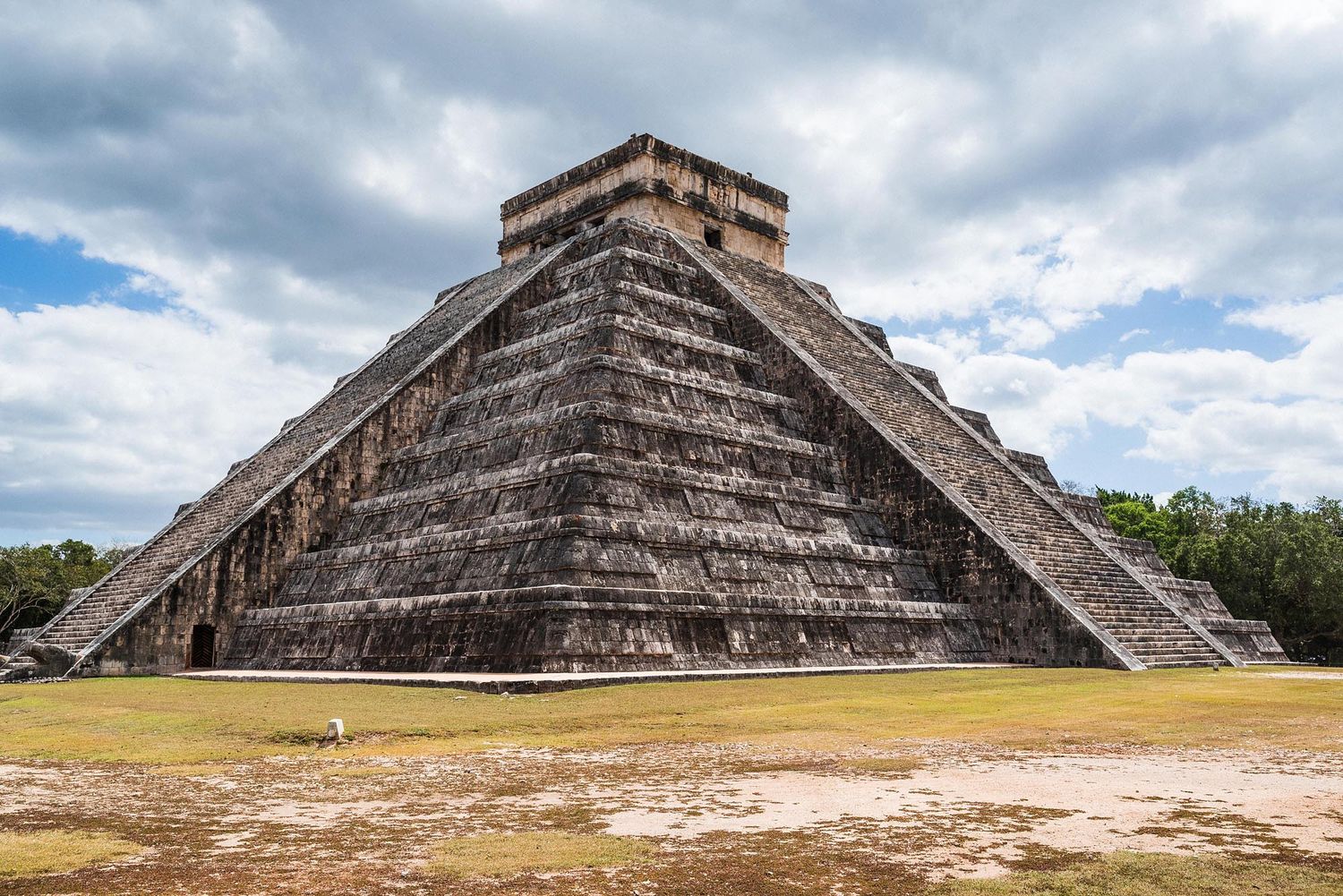
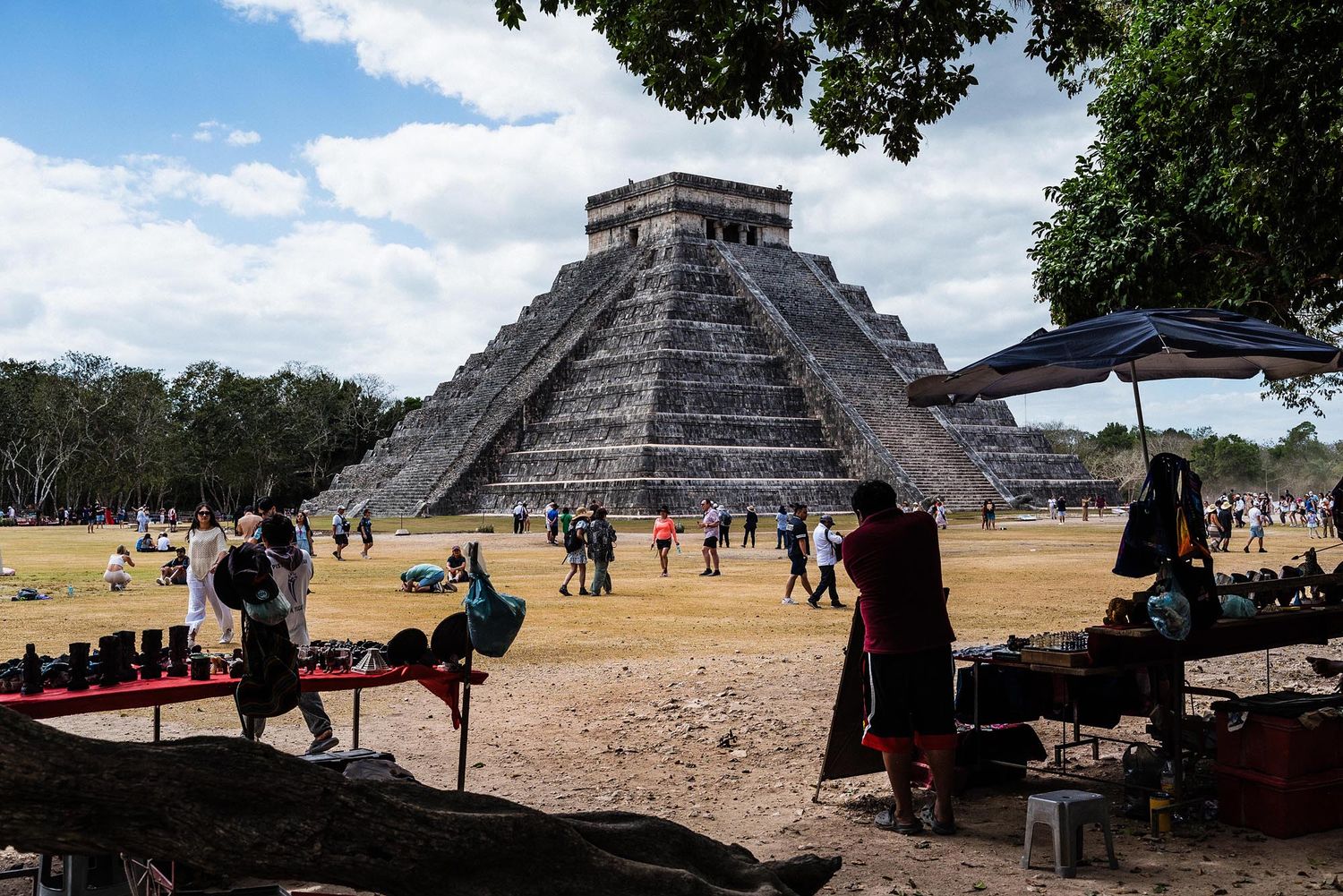
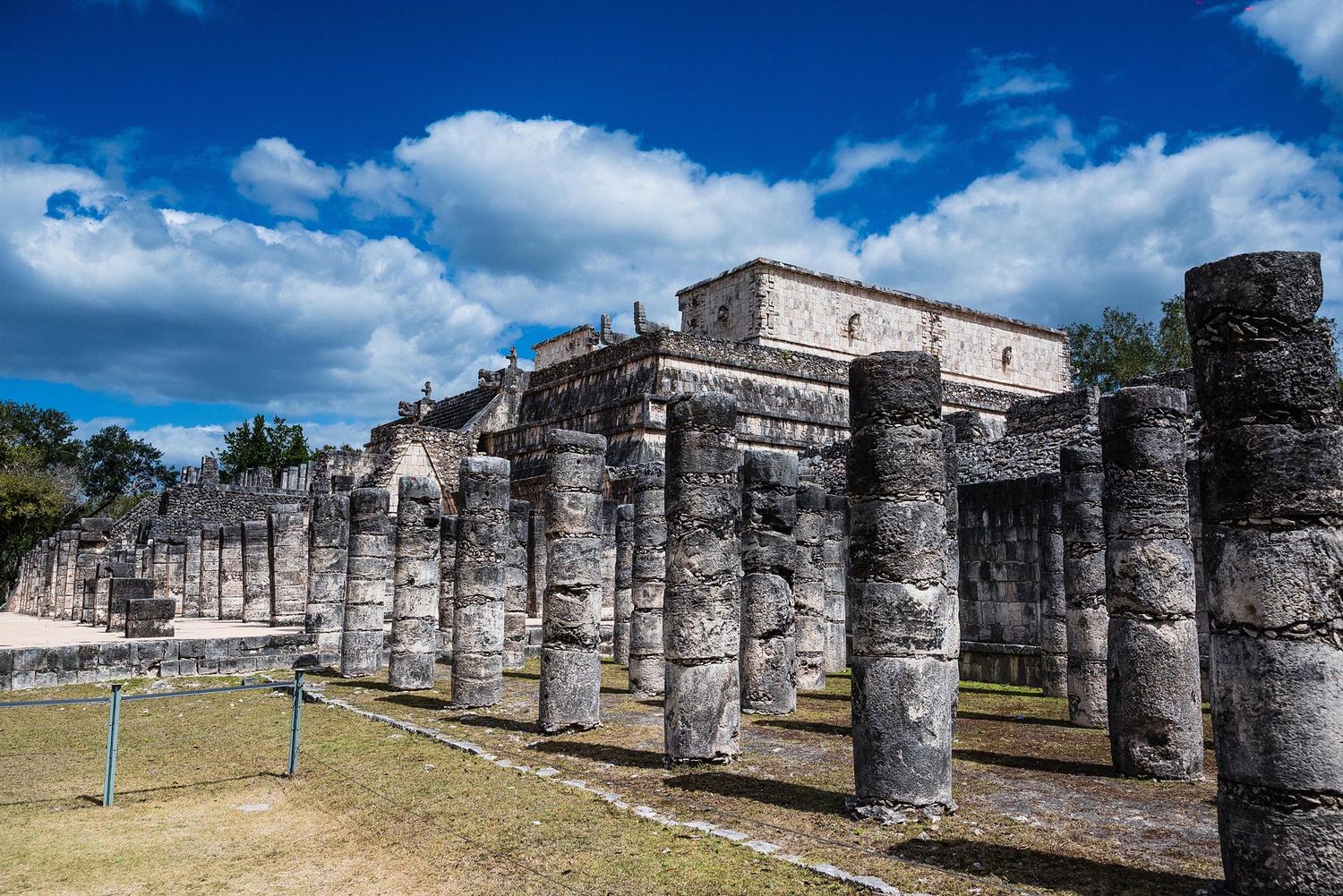
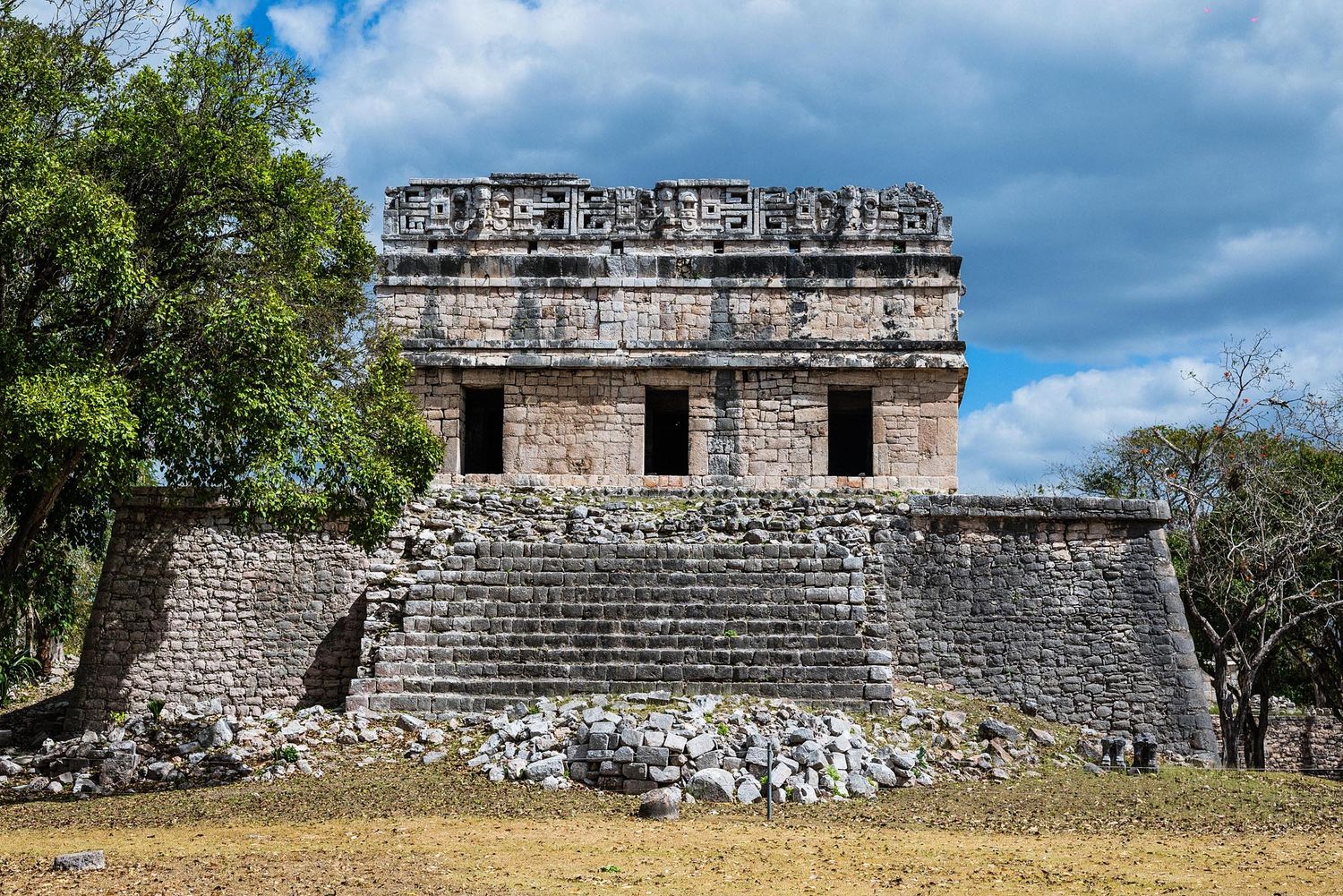
Chichén Itzá is located inland in the Yucatán Peninsula, near the town of Pisté. It’s one of the most famous archaeological sites in the world and a must-visit when travelling through Mexico.
8:00 AM – 4:00 PM daily
Before 9:00 AM (avoid crowds & heat)
Pisté & Valladolid
Large car park at main entrance
From the Riviera Maya, expect a journey of 2 to 3 hours depending on your starting point and route.
💡 Tip: Leaving early not only helps you avoid crowds, but also makes the drive easier and more enjoyable.
Driving from Playa del Carmen to Chichén Itzá
For most travellers staying in the Riviera Maya, Playa del Carmen is the most common starting point for the journey.
The fastest and easiest route is via Highway 305D and Highway 180D, both of which are toll roads.
Route Overview
Leave Playa del Carmen heading inland on Highway 305D
Follow the toll road toward El Tintal
Join Highway 180D, the main toll highway crossing the peninsula
Continue toward Valladolid
Take the exit toward Pisté / Chichén Itzá
This route avoids towns and slow roads along the coast and is generally the simplest option for visitors unfamiliar with driving in Mexico.
Distance and Driving Time
Distance: approximately 190 km
Driving time: 2 hours to 2 hours 30 minutes
Traffic leaving Playa del Carmen can slow things down slightly during busy periods.
Real Toll Costs Between Playa del Carmen and Chichén Itzá (Example from My Trip)
One of the biggest questions travellers have when planning this drive is how much the toll roads actually cost.
While prices can change slightly over time, here is a real example from my own trip using the toll road between Playa del Carmen and Valladolid.
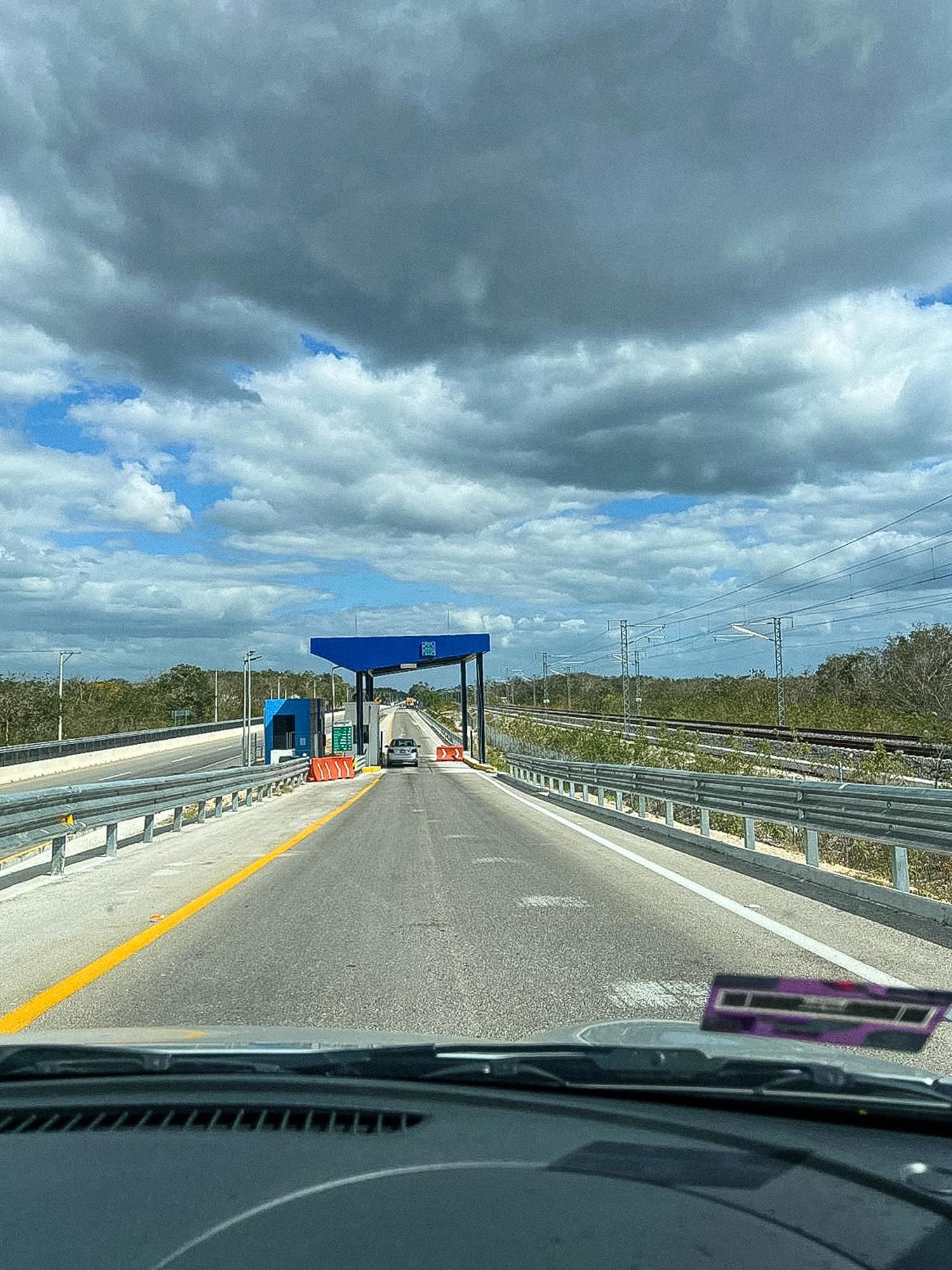
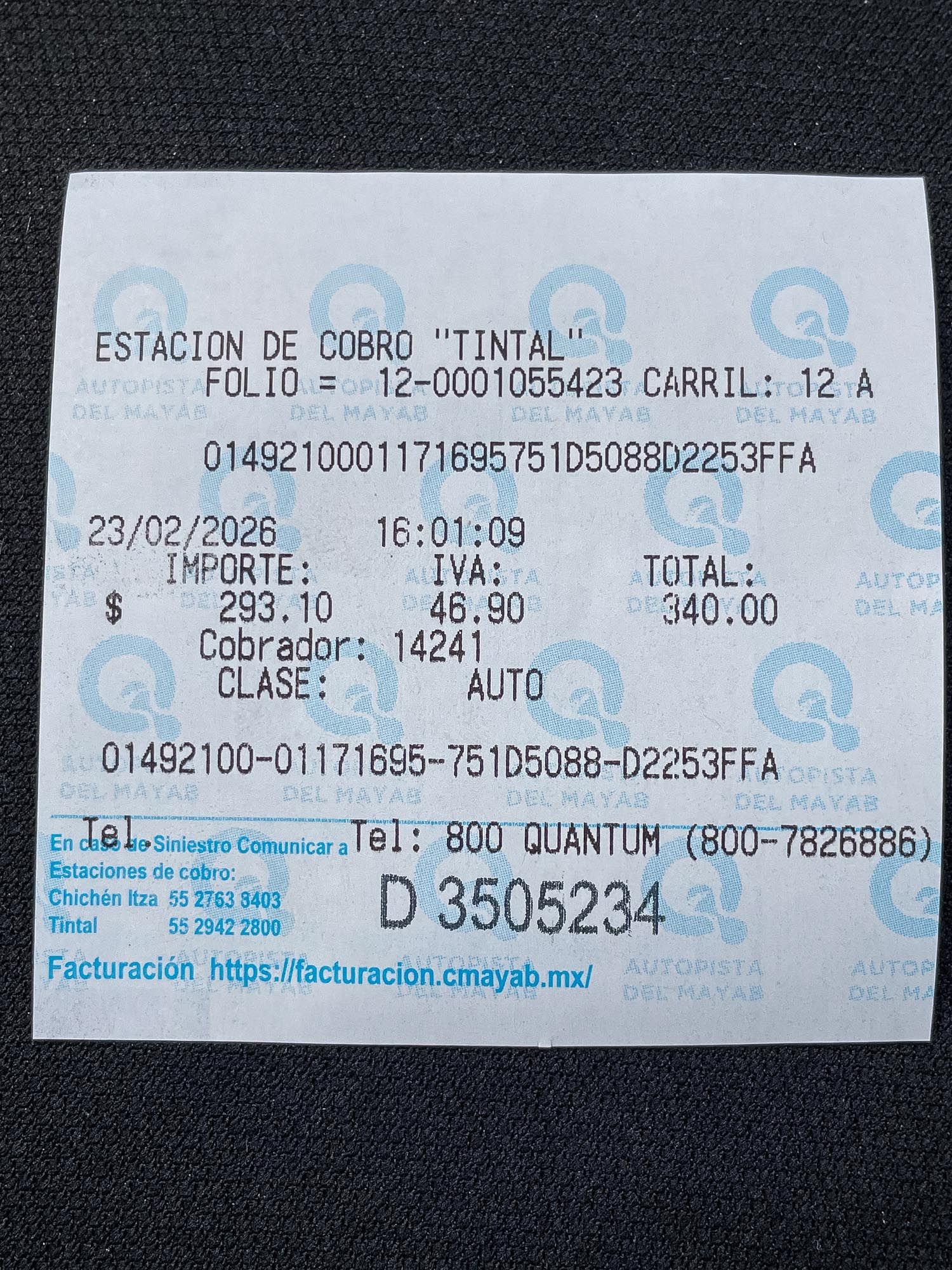
During the drive, I passed through the Tintal toll station, which is located on Highway 305D, the inland toll road that connects the Riviera Maya with Highway 180D.
According to my receipt from the toll booth, the cost for a standard passenger vehicle was: Total340.00 MXN
At the time of my visit (February 2026), this was the largest toll on the route between Playa del Carmen and Chichén Itzá.
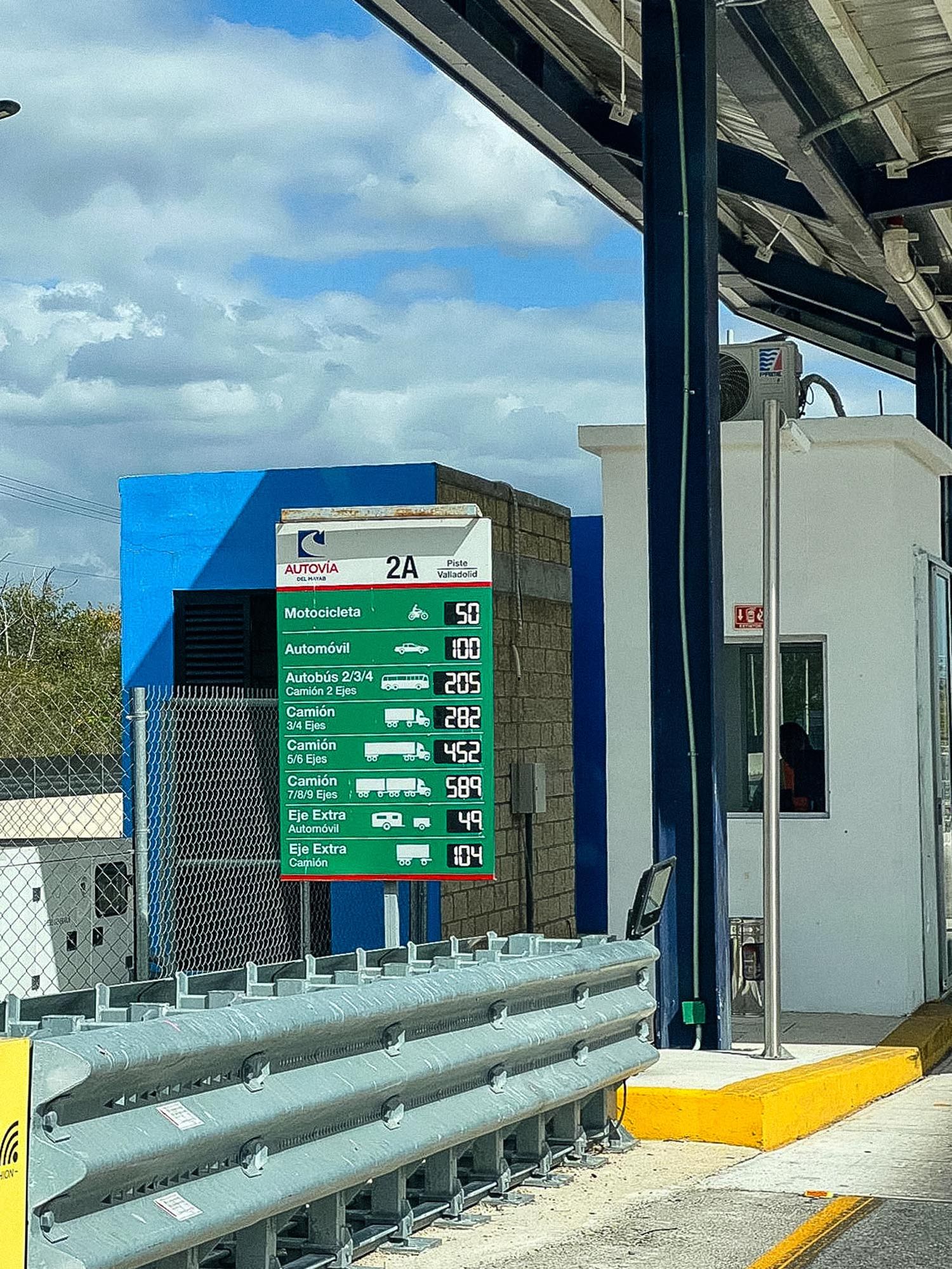
Toll Price Board at the Tintal Station
The toll board at the booth showed the following prices when heading toward Pisté and Valladolid:
VehiclePriceMotorcycle50 MXNCar (Automóvil)100 MXNBus / 2 axle truck205 MXNTruck 3–4 axles282 MXNTruck 5–6 axles452 MXNTruck 7–9 axles589 MXN
If you are renting a standard car in Mexico, you will normally pay the automóvil rate.
Including both toll roads, the total cost for a return journey between Playa del Carmen and Chichén Itzá is roughly 880 MXN (about $50 USD or £40 GBP) for a standard car.
What to Expect at the Toll Booth
The toll booths on this route are modern and easy to use.
A few useful tips:
Payment is usually cash in Mexican pesos
Some booths accept credit cards, but cash is safer
Keep your receipt, especially if you plan to expense the toll
Traffic is normally light compared with coastal highways
The toll roads in this part of Mexico are generally well maintained and much faster than the free highways that pass through towns.
Toll Road vs Free Road
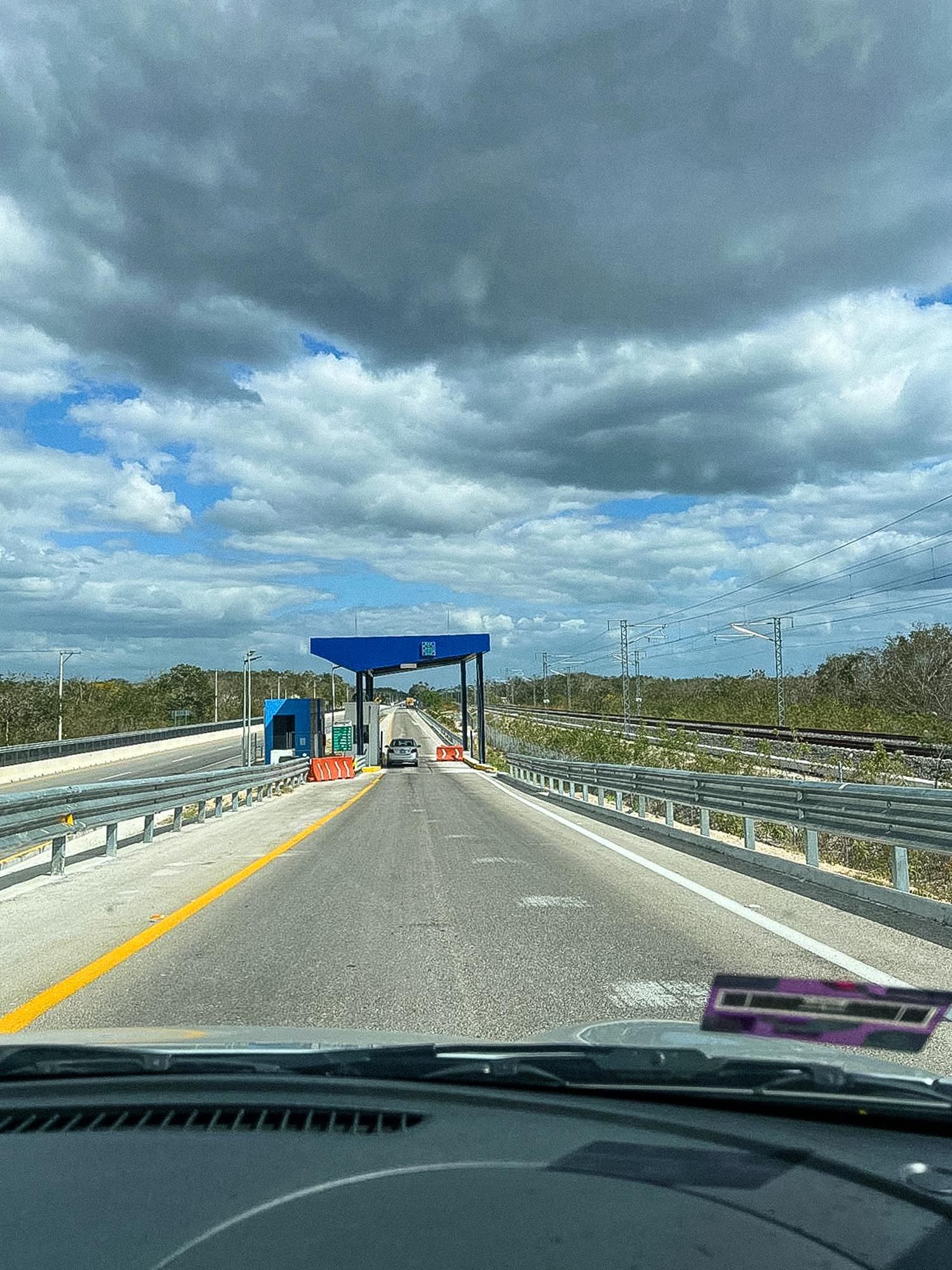
When driving across the Yucatán Peninsula, you’ll usually have a choice between toll roads (cuota) and free roads (libre). Both options will get you to Chichén Itzá, but the experience can be quite different depending on which you choose.
The toll roads are generally the easiest and fastest option, especially for travellers who aren’t familiar with driving in Mexico. These highways are usually in excellent condition, with smooth surfaces, wide lanes, and far fewer towns along the route. Because they bypass many local communities, you won’t encounter the constant speed bumps that are common on smaller roads. Navigation is also straightforward, as the routes are well signposted and designed for longer-distance travel.
The main downside is the cost. Toll roads in this region are relatively expensive compared to many other parts of the world, and services such as petrol stations and restaurants can be limited along certain stretches. It’s a good idea to fill up with fuel before leaving the Riviera Maya and bring some cash in Mexican pesos for the toll booths.
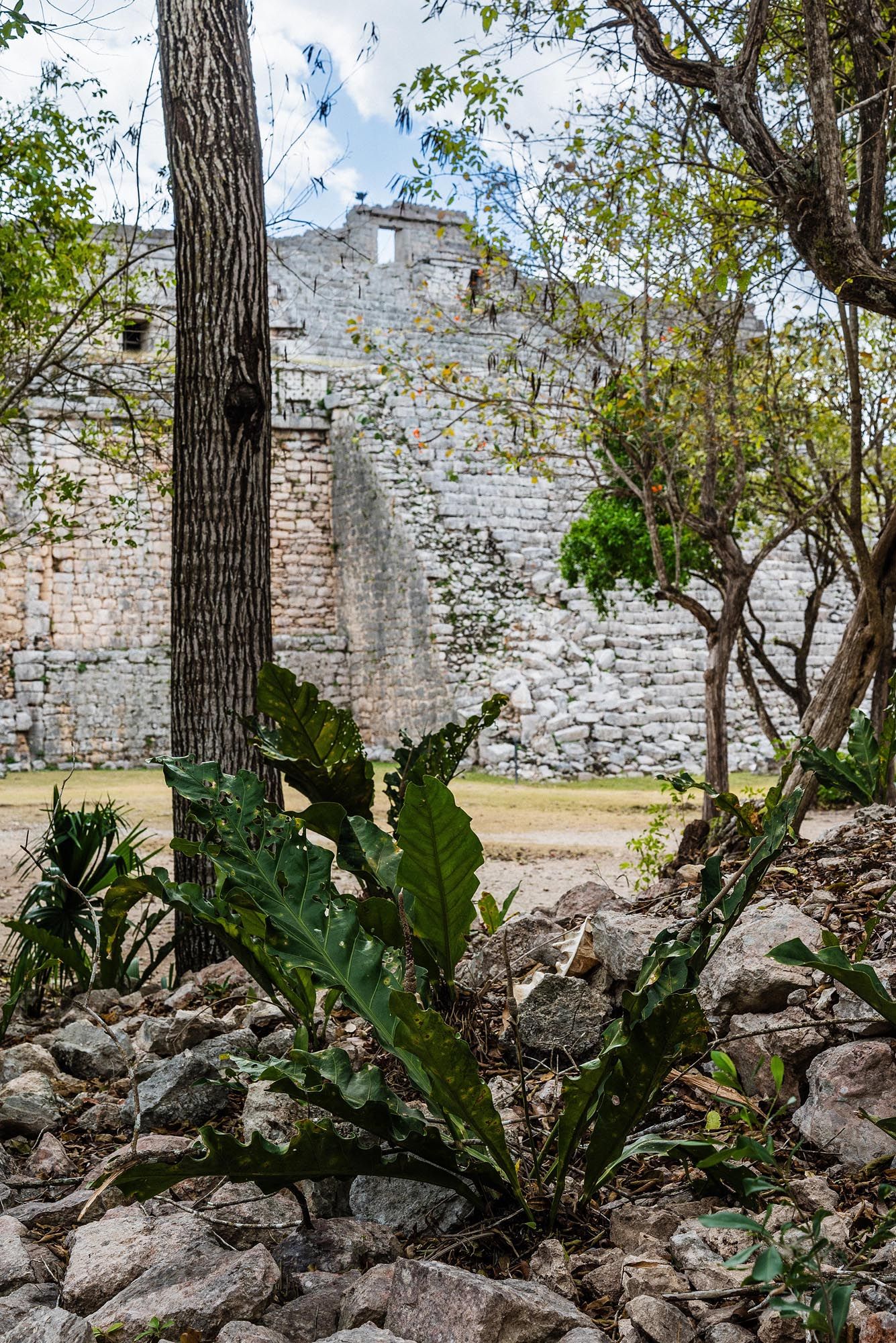
Free roads, on the other hand, offer a very different driving experience. They can be more scenic and give you a glimpse of local towns and everyday life in the Yucatán Peninsula. If you enjoy a slower, more exploratory style of travel, these routes can be rewarding. They also have the obvious advantage of costing nothing.
However, free roads are usually slower. Many towns have frequent topes (speed bumps), which force drivers to slow down repeatedly, and traffic can build up in populated areas. Because of this, journeys can take significantly longer than on the toll highways.
For most visitors travelling from Playa del Carmen or Cancún, the toll route tends to be the simplest and most convenient option. While it does add to the cost of the trip, it makes the journey much quicker and removes many of the small frustrations that can come with driving on local roads.
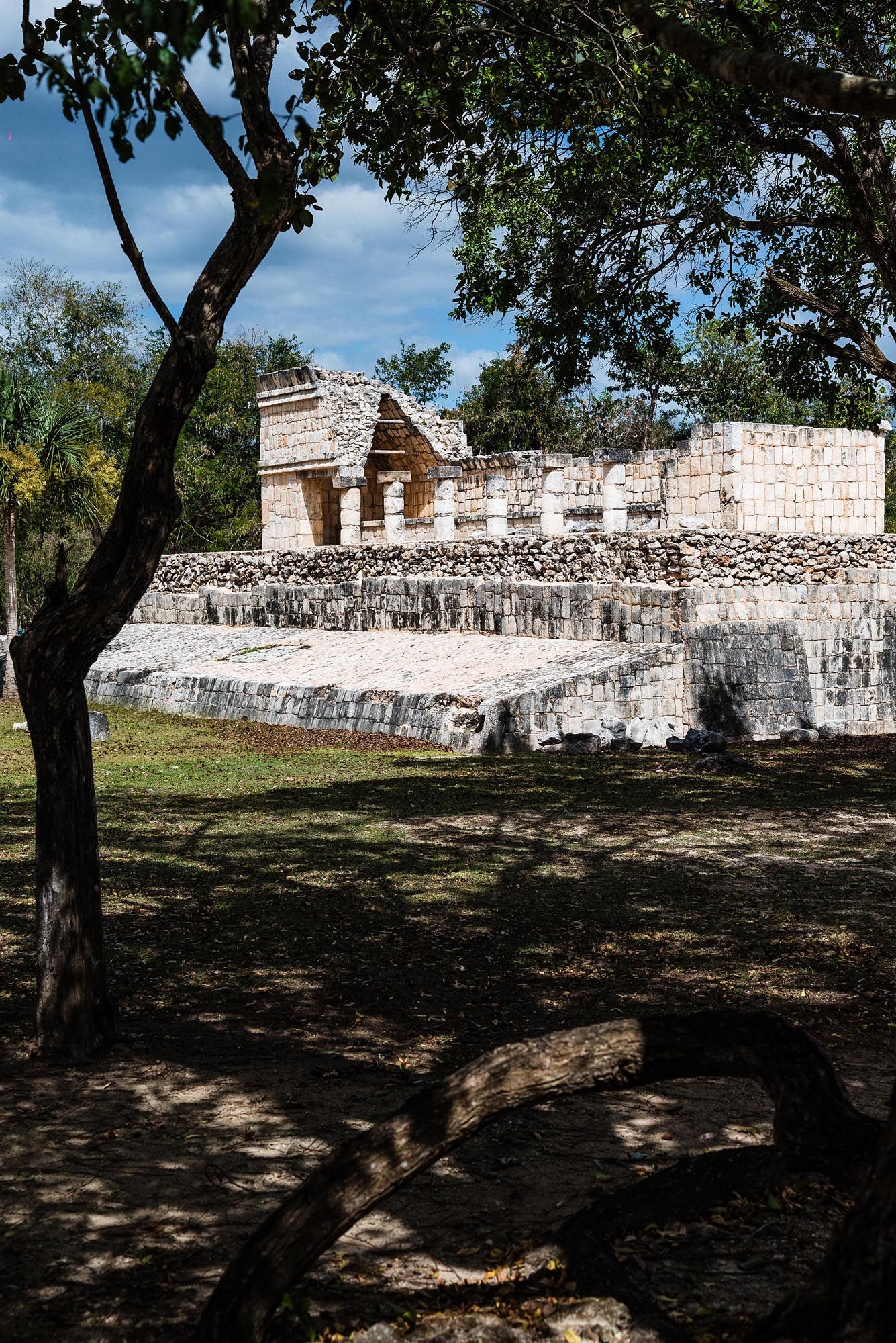
When driving to Chichén Itzá, toll roads are usually faster, smoother, and easier to navigate, while free roads are cheaper and more scenic but slower due to towns, traffic, and frequent speed bumps.
Petrol Stations on the Route
Best Place to Fill Up Before Leaving
Playa del Carmen has plenty of petrol stations, particularly along Highway 307 and the main roads leading toward Highway 305D. Because this is the last large tourist area before heading inland, it’s the most reliable place to fill up.
Popular stations near the start of the route include:
Pemex stations along Highway 307
Pemex near Avenida Luis Donaldo Colosio (the road that leads toward Highway 305D)
Several additional petrol stations in central Playa del Carmen and just north of town
Filling up here means you can comfortably complete the journey without worrying about running low on fuel.
Petrol Stations Along the Toll Road
Once you are on Highway 305D, there are very few services. This road is about 44 km long and was built as a direct toll connection between Playa del Carmen and Highway 180D, avoiding Cancun and coastal traffic. Mexican Federal Highway 305D
After joining Highway 180D, there is typically one service area with a Pemex petrol station near Valladolid, roughly halfway between Cancún and Mérida. Mexican Federal Highway 180D
However, these service areas can sometimes be easy to miss, so it’s not a good idea to rely on them unless you really need fuel.
Backup Fuel Stop: Valladolid
If you didn’t fill up before leaving Playa del Carmen or want extra peace of mind before continuing your journey, the best place to stop is Valladolid.
This small colonial city has several petrol stations on the outskirts of town, including multiple Pemex stations along Highway 180 and Highway 295.
It also makes a nice place to take a break, grab a coffee, or explore the town centre before heading on to Chichén Itzá.
Important Tip for the Final Stretch
One important thing to know is that there are no petrol stations between Valladolid and Chichén Itzá, so you should make sure you have enough fuel before leaving the city. (Chichen Itza Mexico Website)
Luckily, the distance between Valladolid and the ruins is relatively short — around 40–45 km — so this final part of the drive is quick.
One thing that often surprises people when driving from Playa del Carmen to Chichén Itzá is how few petrol stations there are once you leave the Riviera Maya.
The drive begins in a busy tourist area full of services, but once you turn inland onto the toll highways 305D and 180D, the landscape quickly becomes rural jungle and farmland. While the roads are in good condition and easy to drive, services like fuel, restaurants, and shops become much more limited.
For that reason, the safest strategy is simple: start the journey with a full tank of fuel before leaving Playa del Carmen.
Parking at Chichén Itzá
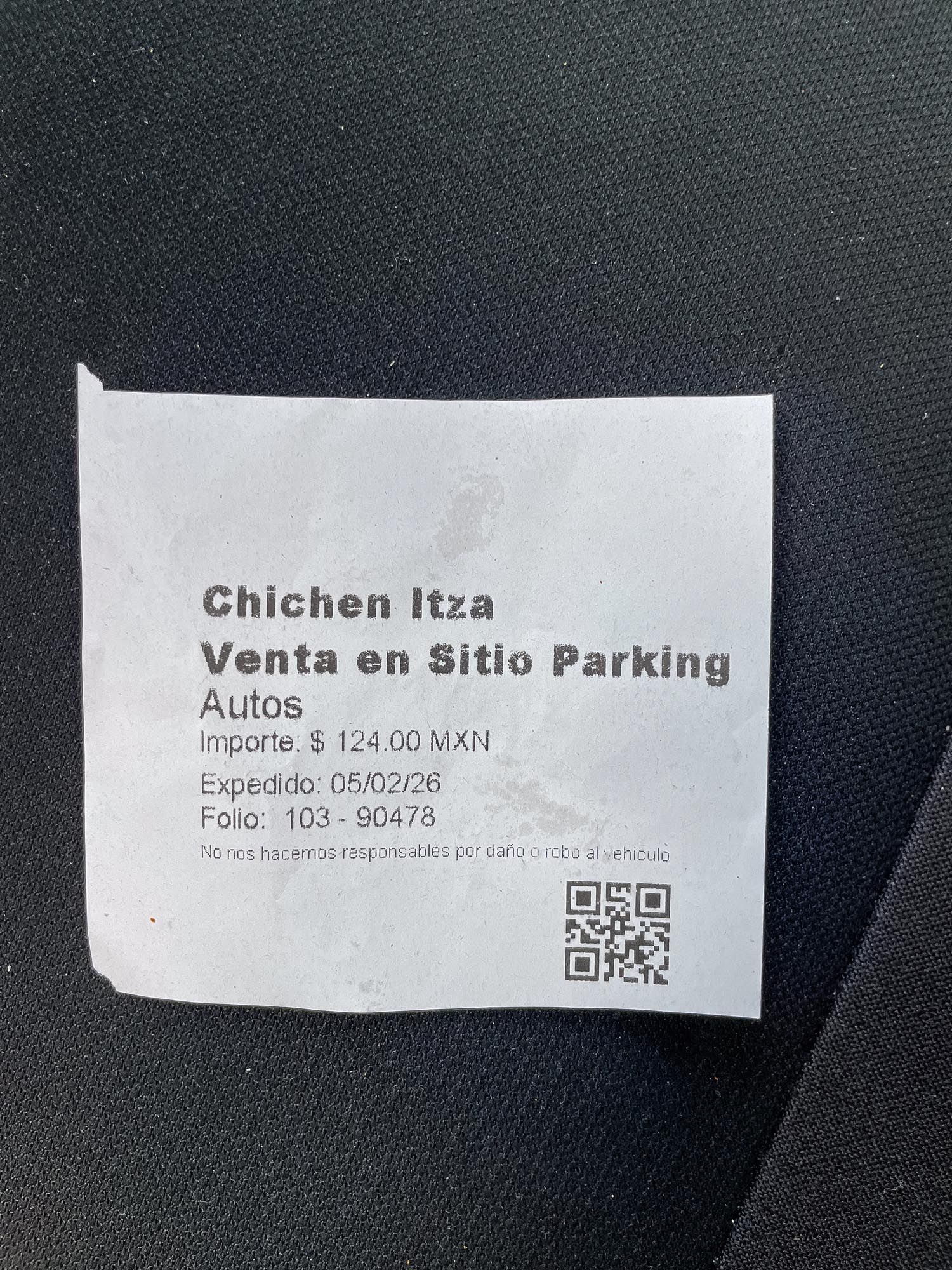
Parking at Chichén Itzá is relatively straightforward, but it’s something you’ll want to think about in advance. Especially if you’re driving from the Riviera Maya and arriving during peak hours.
There is a large official car park located right next to the main entrance, just outside the archaeological site near the town of Pisté. As you approach, it’s well signposted and easy to find.
What to Expect When You Arrive
As you drive toward the entrance, you’ll pass through a parking payment booth, where you pay to enter the main car park. It’s a simple process, but it’s worth having cash in Mexican pesos ready to keep things moving.
On the approach to the site, you’ll likely notice people trying to flag you down. They may offer parking, tours, or other services. Everyone I encountered was very friendly and helpful, and while it can feel a little persistent at first, the overall approach is relaxed and not aggressive. In many ways, it actually reflects the welcoming and easygoing nature of people in Mexico.
Parking Availability
There is plenty of parking available in the main car park, and for most visits, you shouldn’t have any issues finding a space.
However, on particularly busy days—especially late morning when tour buses arrive—it’s easy to imagine the main car park filling up. If that happens, there are alternative parking areas nearby, but the official car park at the entrance is by far the best option due to its location and convenience.
The busiest time to arrive is typically between 10:00 AM and 1:00 PM.
If you want the easiest experience, aim to arrive right when the site opens at 8:00 AM. At this time:
Touts and People Flagging You Down
One thing that can catch you off guard when driving to Chichén Itzá is the number of people trying to flag you down as you approach the entrance.
The first time I experienced this was immediately after coming off the toll road. There was a man in a high-visibility orange vest standing in the road who looked very official and signalled for us to pull over. Naturally, we assumed this was something important, so we stopped.
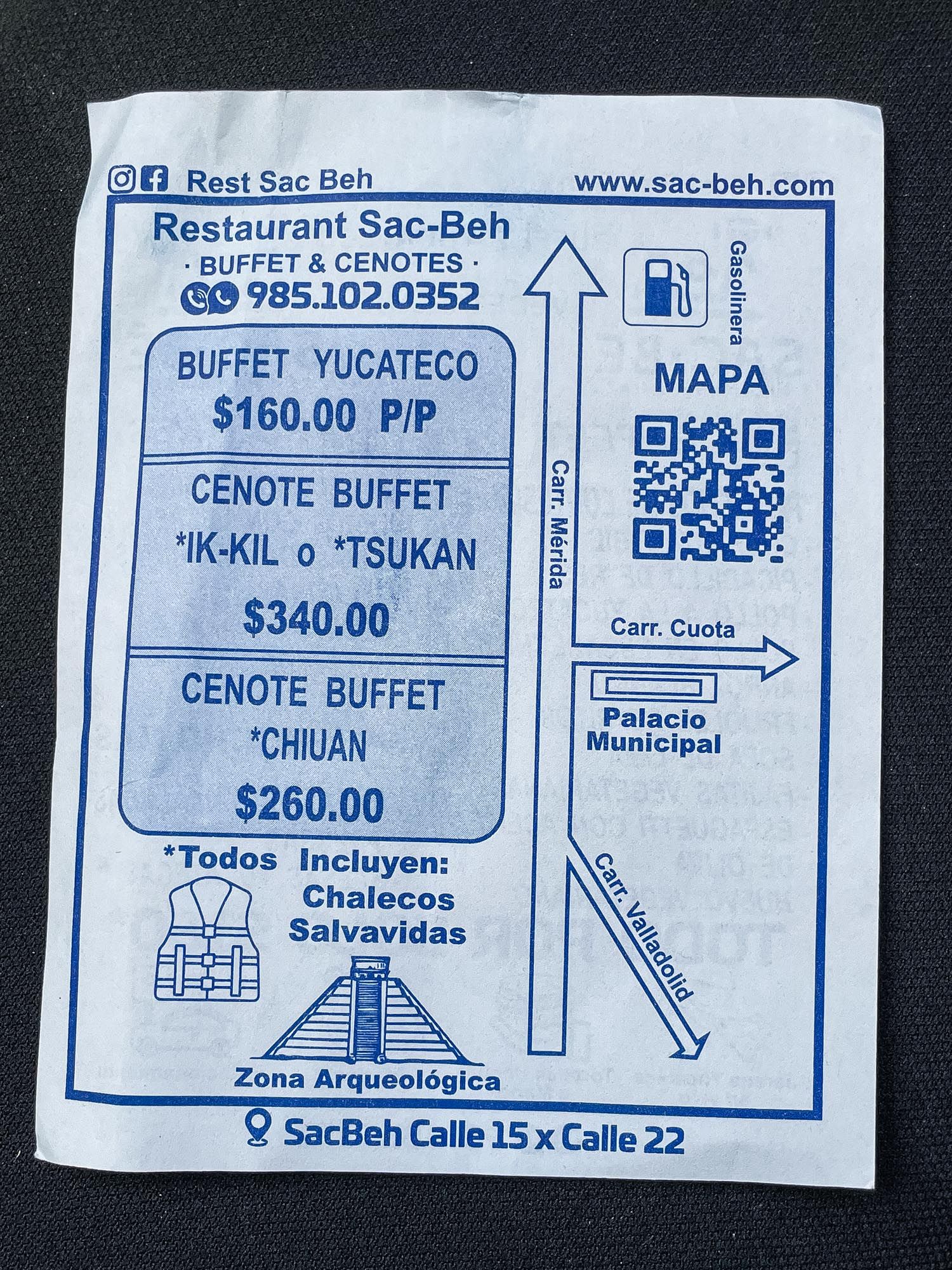
Shortly after, someone approached the car and began explaining different options for visiting Chichén Itzá. The conversation quickly shifted toward selling a guided tour and buffet package, and they handed us a leaflet with the details.
While we weren’t interested in booking a tour, the interaction itself was actually very friendly and helpful. They gave clear directions to the main car park and didn’t apply any pressure when we declined.
As we continued driving, we were stopped two more times by different people offering similar services. After that, we simply chose to politely ignore anyone trying to flag us down, which they didn’t seem to mind at all.
Alternative Parking Options
On the road toward the main entrance, you’ll also notice a number of smaller, independently run car parks. These are often slightly cheaper and typically include a shuttle service to the entrance.
However, in my opinion, they’re not really worth it.
The main car park is located right outside the entrance, and the small amount of money you might save by parking elsewhere doesn’t justify the extra hassle of waiting for transport and adding time to your visit.
Buying Tickets for Chichén Itzá
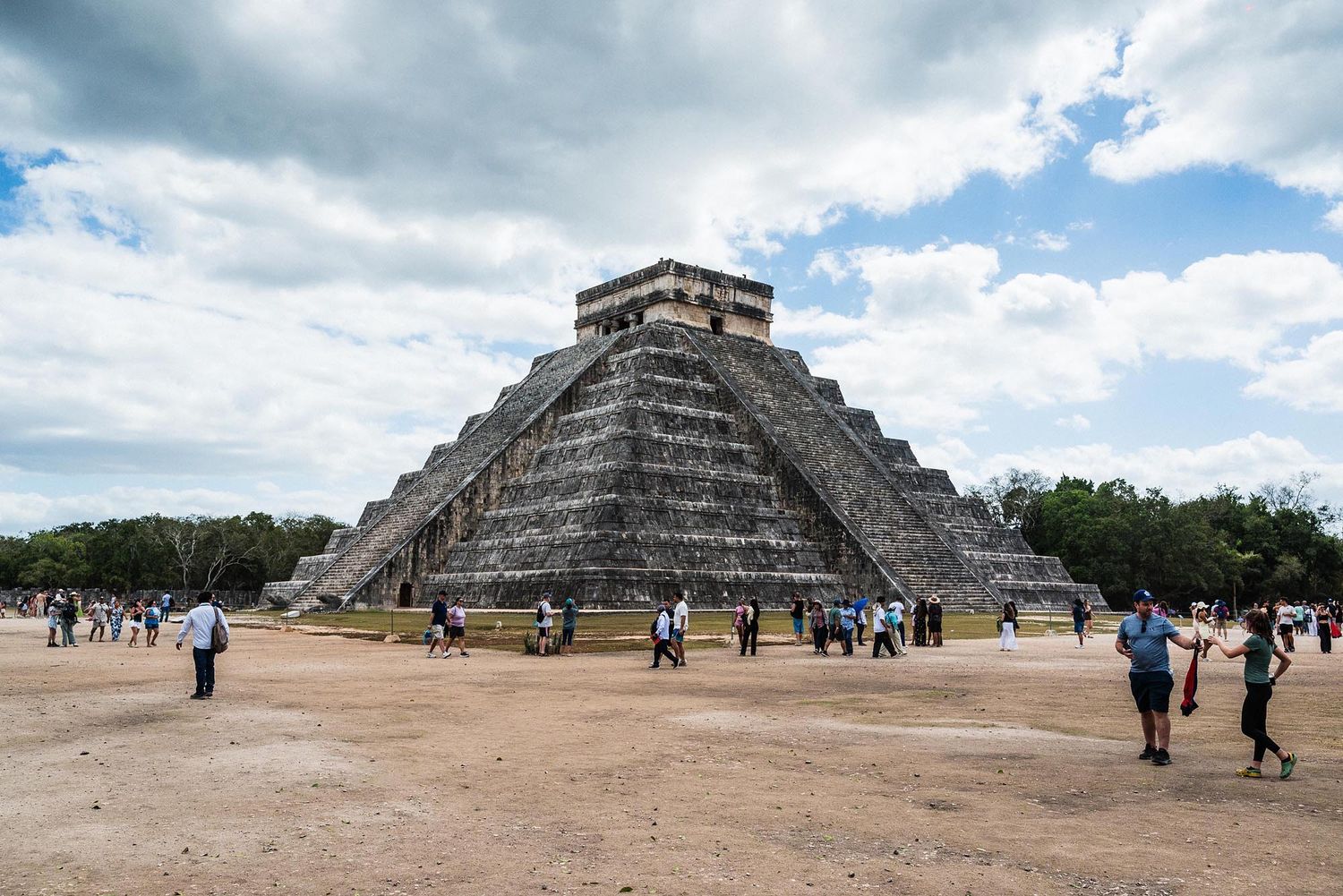
When you arrive at the entrance, you’ll find ticket booths on either side before entering the site. This is where you pay both parts of the entry fee.
In my case, I was able to pay using a credit card, which made the process very easy.
The setup is organised, and even though there are two fees, it doesn’t take long to get through.
Once you have your tickets, you’ll walk a short distance forward to the turnstiles, where your tickets are checked before entering the archaeological complex.
From there, you’re straight into the site itself, with the main pathways leading toward the central ruins.
Chichén Itzá Entry Fees
For foreign visitors, the approximate combined entry cost is:
Prices are approximate and can change, so it is always worth checking the latest entry fees before visiting.
A Quick Guide to Visiting Chichén Itzá (My Experience)
This isn’t a full, in-depth guide to Chichén Itzá—and honestly, I don’t think it should be.
For something like this, the best guides are written by locals or people with deep knowledge of the site. People who can explain the history, the culture, and the details that you might otherwise miss.
That said, I do have a few useful things to share based on my own visit, along with some honest thoughts about the experience.
Bring Your Own Food and Drinks
If I could give myself one tip before visiting, it would be this: bring snacks and drinks with you.
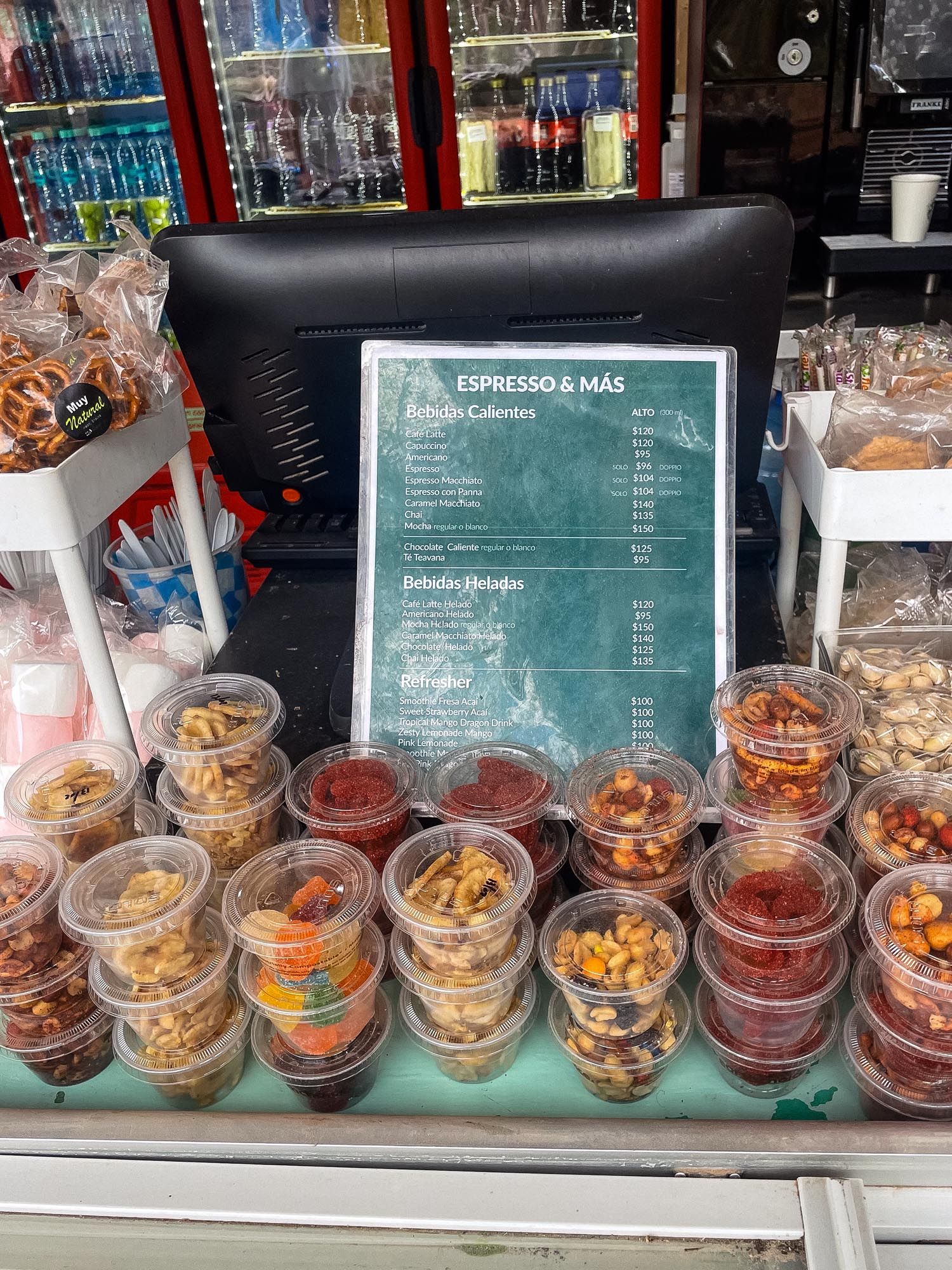
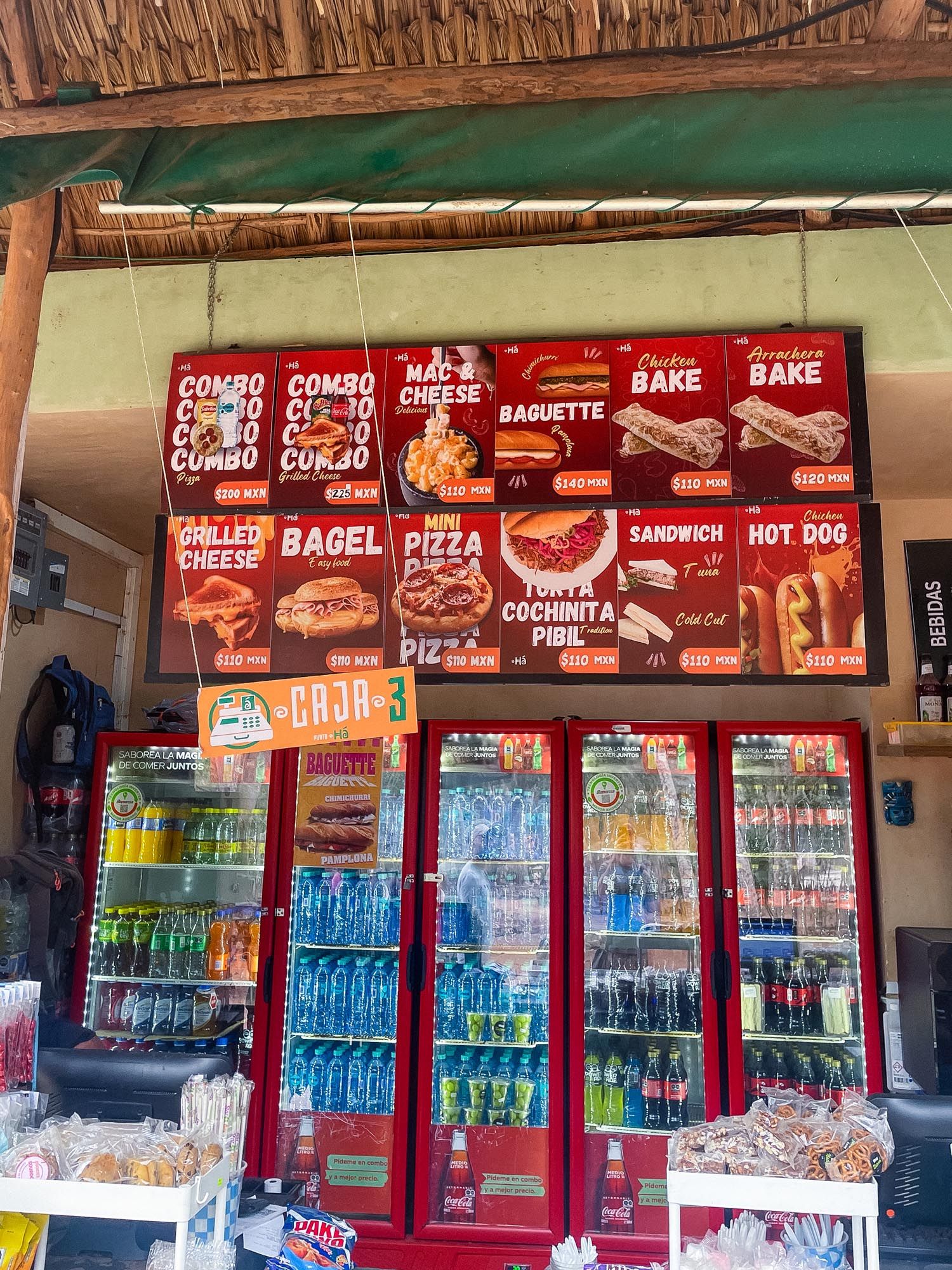
I ended up buying food and drinks inside the site, and while that’s convenient, it was extremely expensive—even by tourist standards.
To put it into perspective, I bought an energy drink (no judgement, I was tired), and it cost about the same as buying one at Heathrow Airport in London—which I previously thought was one of the most expensive places in the world to buy a drink.
In reality, you could get the same enjoyment by picking up snacks from somewhere like a local convenience store before arriving.
Arrive Early (It Really Matters)
You’ll hear this everywhere, but it’s worth repeating: the earlier you arrive, the better your experience will be.
I visited on a weekday and was lucky that it wasn’t overly crowded. That said, I could still see how busy it would become later in the day.
The Sellers Around the Site
One part of the experience I didn’t particularly enjoy was the number of vendors throughout the site.
As you walk along many of the pathways between the ruins, you’ll notice rows of sellers offering similar souvenirs. While I completely understand the importance of this—tourism provides income, and many visitors enjoy buying these items—it did slightly take away from the atmosphere for me.
Personally, I felt it might have worked better if these stalls were more centralised in one area, rather than spread throughout the site.
That said, the sellers themselves were generally friendly and not aggressive, and it’s easy enough to simply walk past if you’re not interested.
The Best Parts of the Site
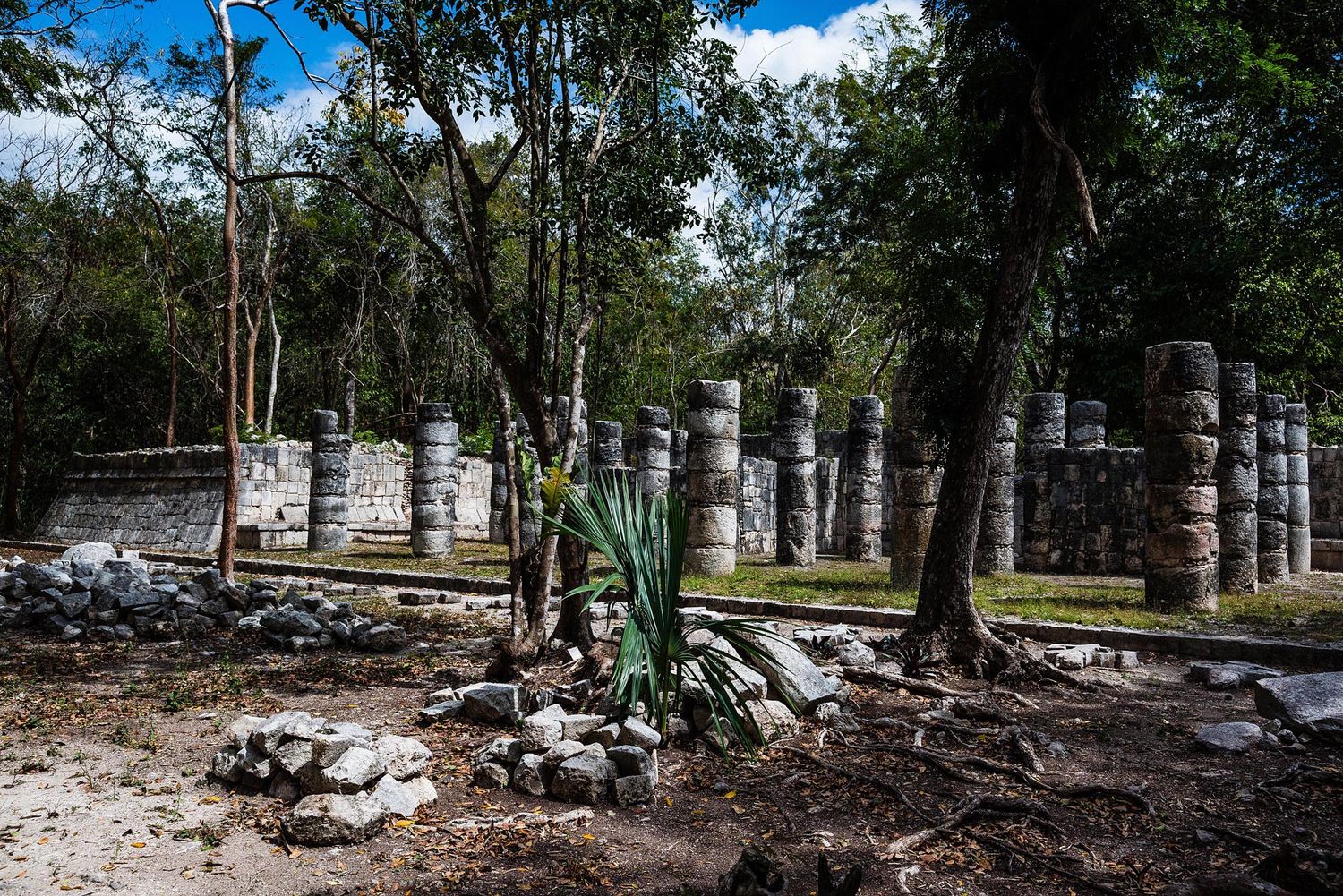
For me, the highlight of Chichén Itzá was actually the quieter areas away from the main crowds.
When you step away from the busiest sections, you get moments where you can really take in the surroundings, appreciate the scale of the ruins, and just enjoy the atmosphere without distraction.
Those quieter moments were what made the visit feel more special.
Is It Worth Visiting?
Overall, yes—Chichén Itzá is absolutely worth visiting.
It’s one of the most famous archaeological sites in the world, and for good reason. Even with the crowds, the vendors, and the tourist-heavy feel in places, it’s still an incredible place to see in person.
That said, if you’re particularly interested in Mayan ruins, I’d also recommend visiting some of the lesser-known sites in the region. You might find those offer a more relaxed and immersive experience.
But if you’re in the Yucatán Peninsula, this is definitely the one you shouldn’t miss.