Colonia Cuauhtémoc
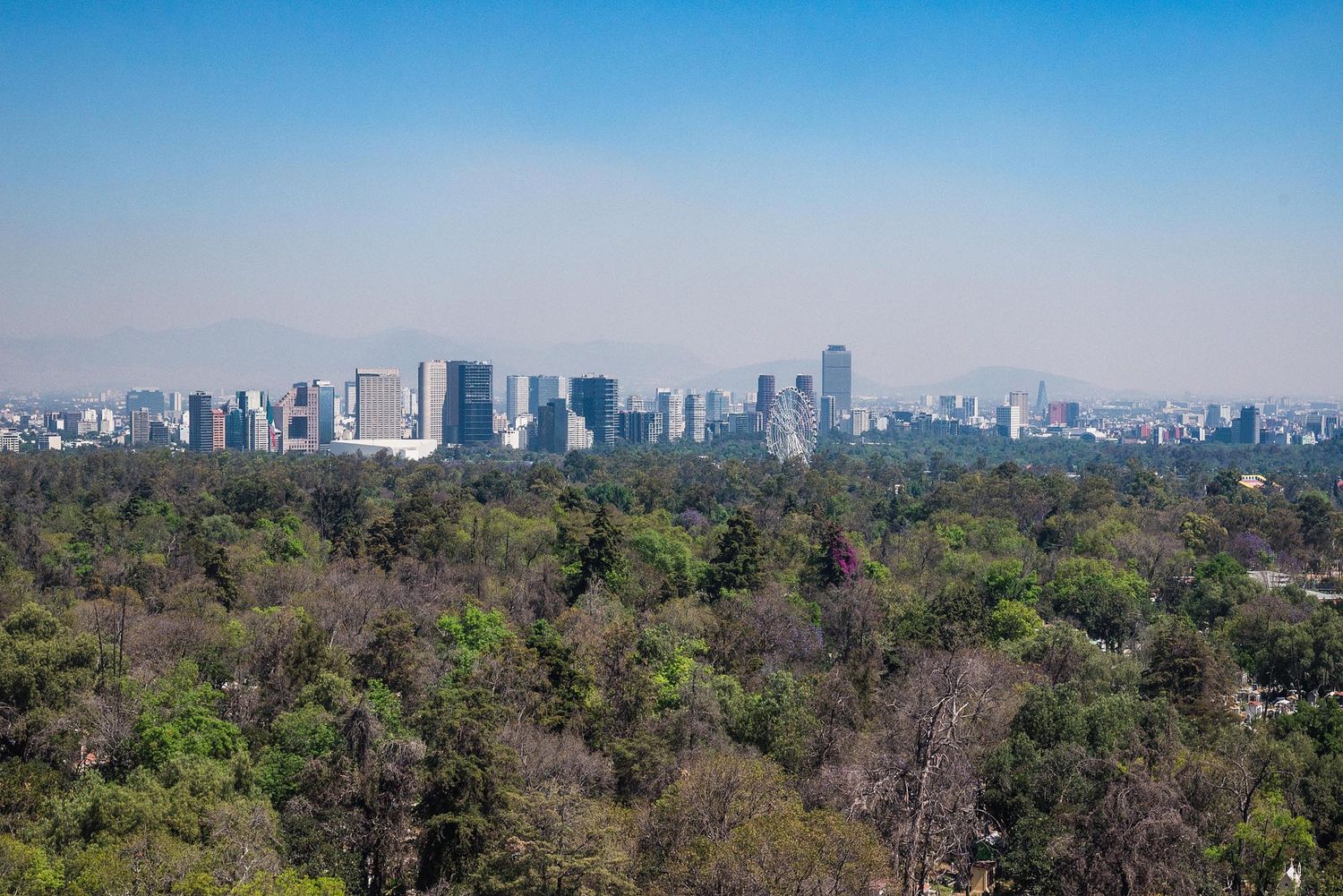
Colonia Cuauhtémoc is a centrally located neighborhood in Mexico City, just east of Paseo de la Reforma and within walking distance of Chapultepec Park. Known for its international food scene, modernist architecture, and convenient location, it offers a practical alternative to Roma Norte and Condesa.
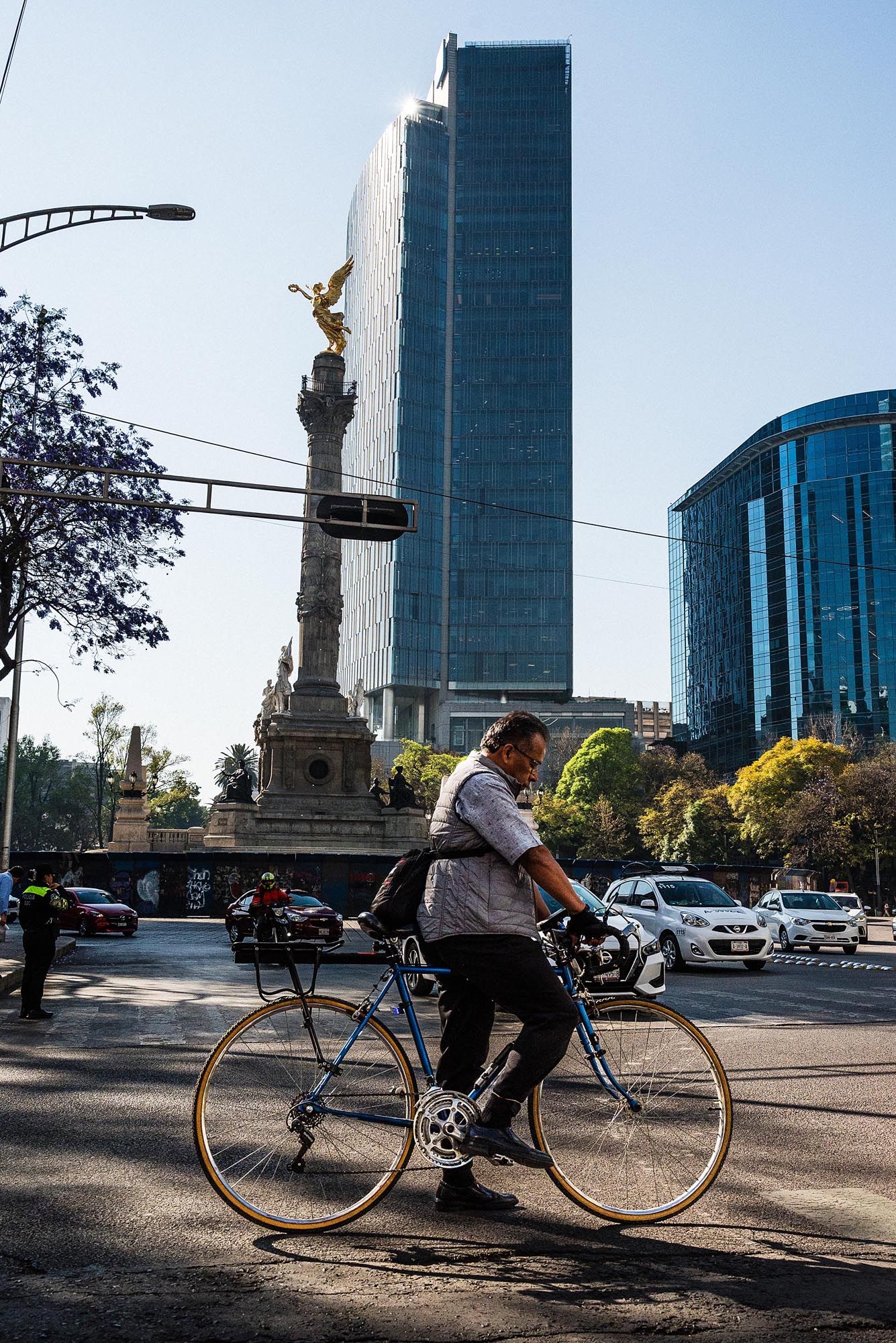
At first it feels calm, almost businesslike. It sits just east of the iconic Ángel de la Independencia along Paseo de la Reforma, one of the most important avenues in Mexico. You notice the glass office towers, the embassies, the apartment buildings, and you assume it is purely practical.
Then you start walking.
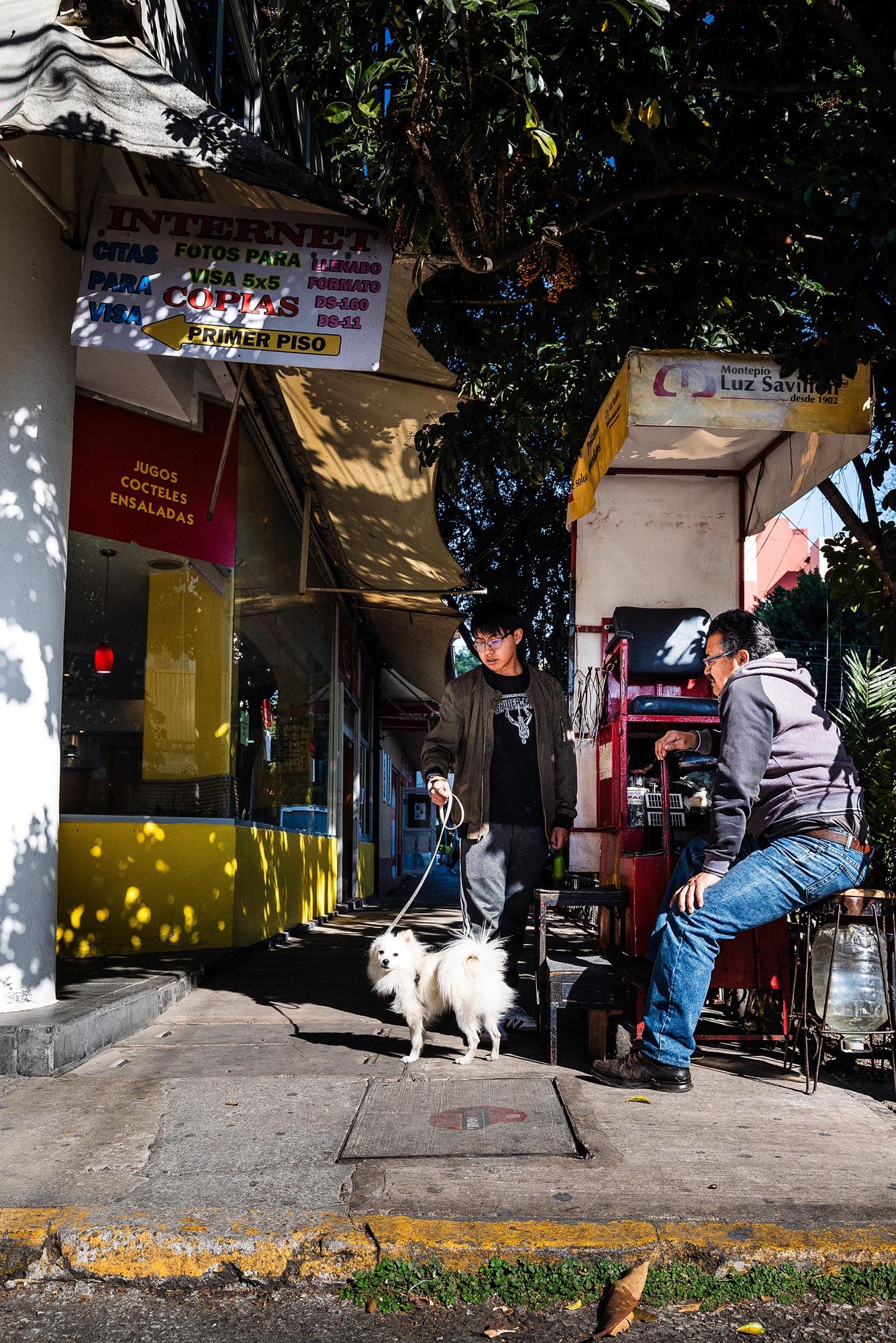
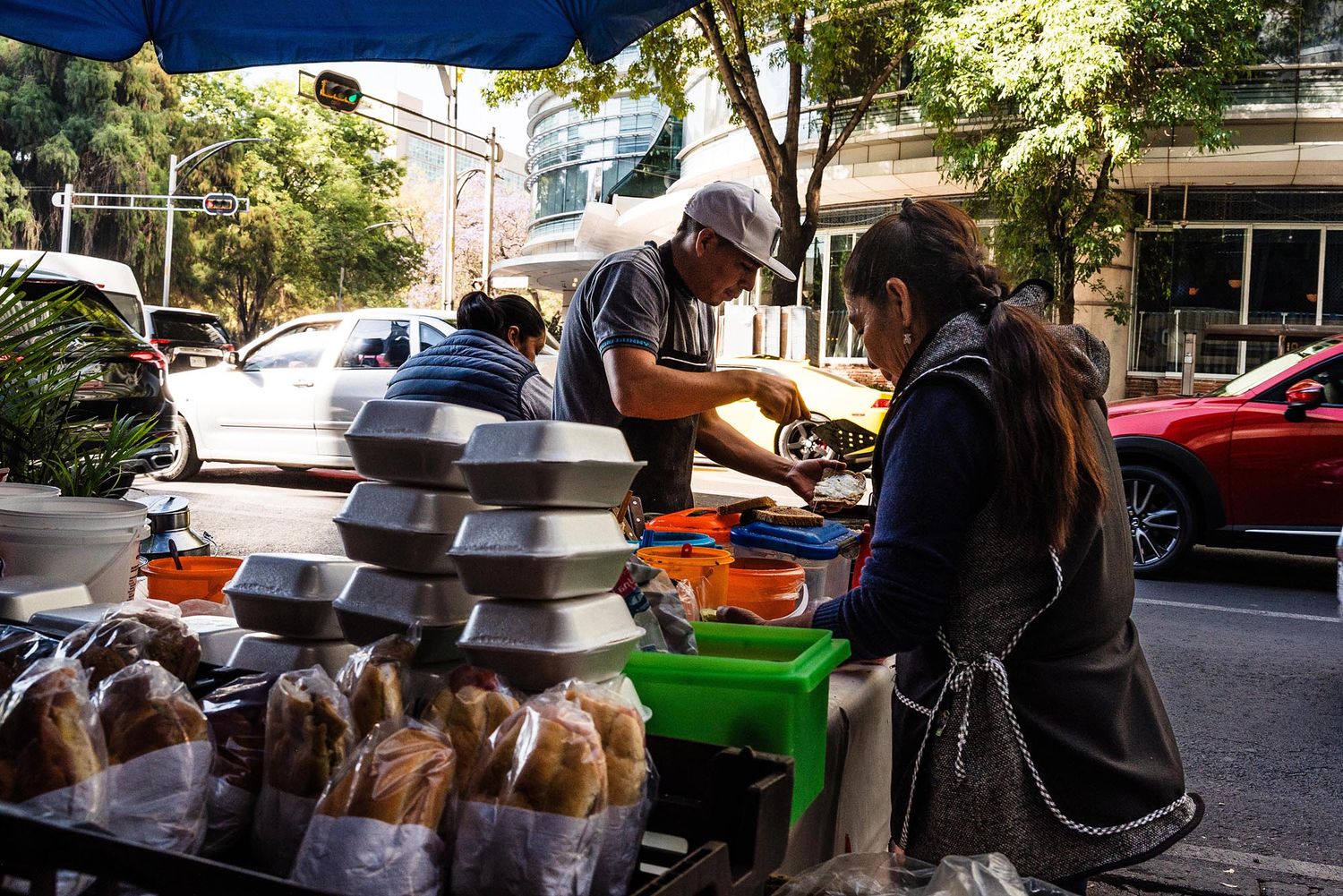
The streets are named after rivers, Río Hudson, Río Nilo, Río Pánuco. Within a few minutes you pass a minimalist Japanese ramen spot, a Lebanese restaurant, and a French style bakery known for its award winning pan de muerto. There is a Functionalist house that looks straight out of an architecture book. On a single block you might hear three different languages being spoken.
And that is when it clicks. This is one of the most layered, international, and quietly sophisticated neighborhoods in Mexico City.
While Roma and Condesa take the Instagram attention, Colonia Cuauhtémoc just carries on being effortlessly good.
📍 Quick Facts: Colonia Cuauhtémoc
- Borough: Alcaldía Cuauhtémoc
- Established: 1907
- Location: Just east of Paseo de la Reforma, beside Ángel de la Independencia
- Shape: A neat little triangle bordered by Circuito Interior, Reforma, and James Sullivan
- Vibe: Residential but international, calm but full of great food
- Nickname: Mexico City’s unofficial “Little Tokyo”
- Best For: Ramen, street tacos, modernist architecture, and Sunday cycling on Reforma
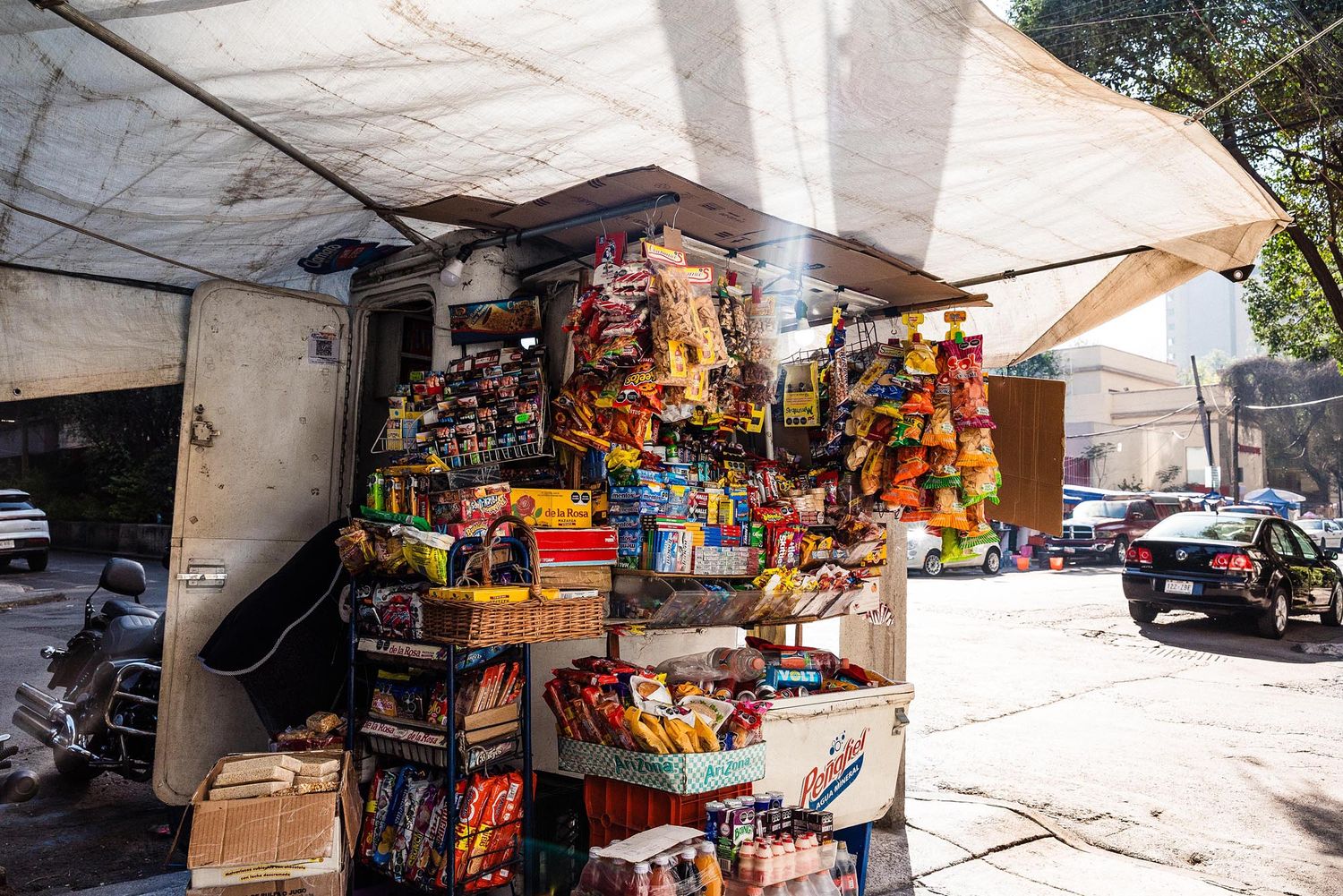
Colonia Cuauhtémoc
History
A Neighborhood Named After a Warrior
Colonia Cuauhtémoc takes its name from Cuauhtémoc, the last ruler of Tenochtitlán and one of Mexico’s most enduring historical symbols.
He inherited leadership during the collapse of the Aztec Empire. Spanish forces led by Hernán Cortés were advancing, and smallpox was devastating the population. Within a year of taking power, he was captured, tortured, and eventually executed in Guatemala.
Despite defeat, his courage became legendary. Today, his name carries weight across Mexico from boroughs to monuments to schools. In 1928, the borough of Cuauhtémoc was officially named in his honor.
Colonia Cuauhtémoc is one of Mexico City’s most fascinating neighborhoods, quietly blending residential charm with international flair. Just east of the iconic Ángel de la Independencia along Paseo de la Reforma, it offers a unique mix of modernist architecture, diverse cuisine, and vibrant local culture. While other neighborhoods like Roma and Condesa often take the spotlight, Colonia Cuauhtémoc rewards those willing to explore its river-named streets, eclectic eateries, and hidden cultural gems
A Brief History
The neighborhood takes its name from Cuauhtémoc, the last ruler of Tenochtitlán and a symbol of courage in Mexican history. Cuauhtémoc inherited leadership during the collapse of the Aztec Empire, facing the advancing Spanish forces led by Hernán Cortés and a devastating smallpox epidemic. Within a year, he was captured, tortured, and ultimately executed in Guatemala, but his bravery and legacy have endured across Mexico.
Before becoming an official neighborhood, the area was part of the Hacienda de la Teja, owned by Augustinian friars from the late 16th to early 17th centuries. Urban development began in the late 19th century, with Cuauhtémoc formally recognized in 1907. Unlike neighboring areas, it was overlooked by wealthy elites, allowing architects like Luis Barragán, Mario Pani, and Pedro Ramírez Vázquez to experiment freely with modern Mexican design — a creative spirit that still shapes the neighborhood today.
Is Colonia Cuauhtémoc Safe?
I’m always hesitant to give a definitive answer on whether a country or neighborhood is “safe,” because everyone’s experience can be different. That said, based on my own time there, I felt very safe in Colonia Cuauhtémoc. Day to day, walking around, getting coffee, and exploring the area, I never felt uncomfortable.
The only moment that disrupted that sense of calm was on 22 February, when news broke that a cartel leader had been killed in the city. For a few hours there was a noticeable tension, which is understandable given the circumstances. But aside from that isolated incident, my overall experience in both Colonia Cuauhtémoc and Mexico City as a whole was positive. I felt comfortable moving around, using public spaces, and exploring the neighborhood.
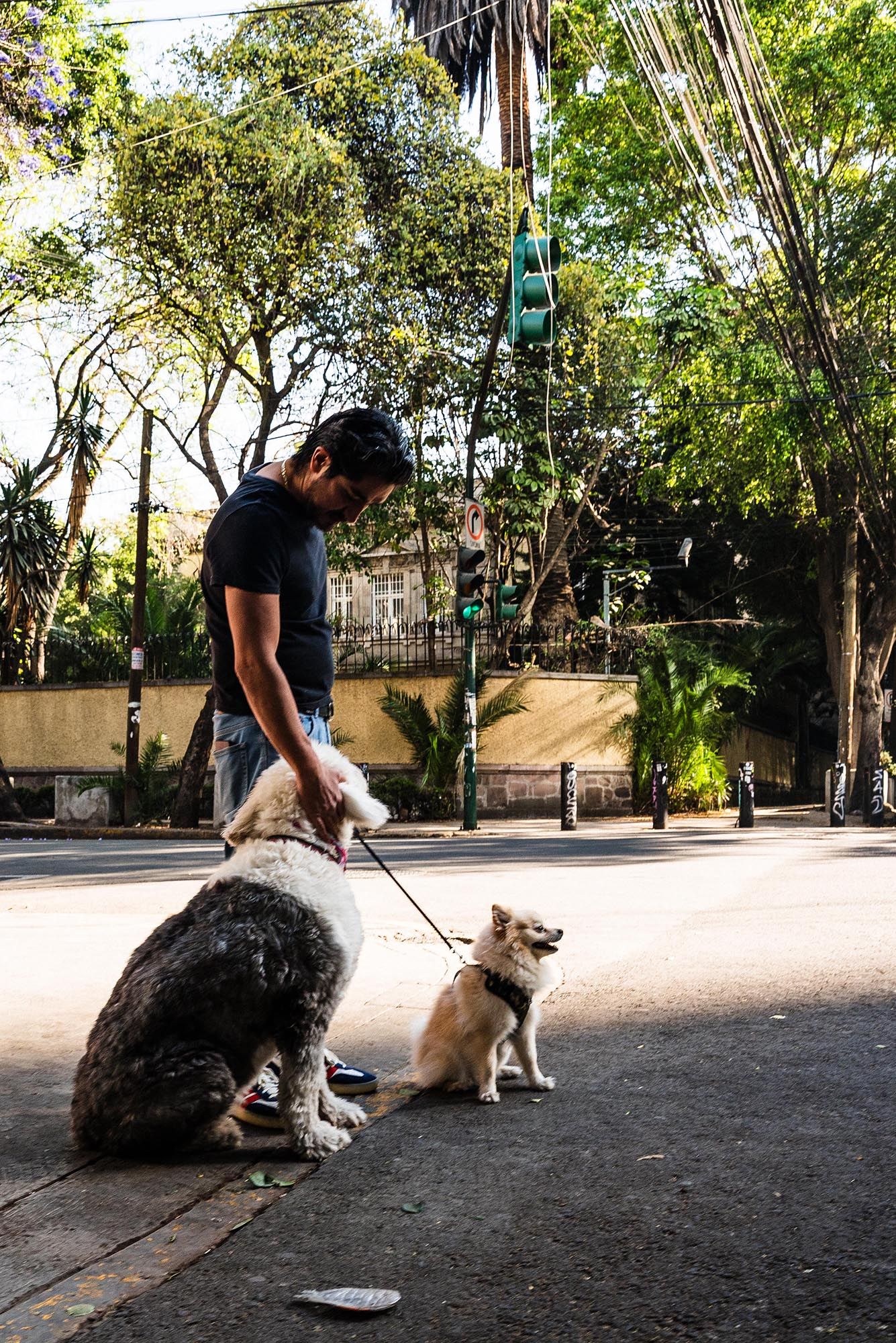
One of the most common questions people ask is: Is Colonia Cuauhtémoc safe? The honest answer is yes, generally — but like most central neighborhoods in a huge city, it depends on awareness and expectations.
Colonia Cuauhtémoc sits beside Paseo de la Reforma, one of the most important and well patrolled avenues in Mexico City. During the day, the area feels busy but orderly, with office workers, embassy staff, hotel guests, and locals moving around. Its proximity to Chapultepec Park and several major hotels adds to that sense of security.
That said, it is not a polished, uniformly upscale neighborhood like Polanco. Some streets feel residential and calm, while others can feel slightly worn or transitional. Around spots like Monumento a la Madre, the atmosphere can shift, particularly in the evenings. It’s not necessarily dangerous, but it may feel less comfortable compared to Condesa or Roma Norte.
In terms of where to stay in Mexico City safe neighborhoods, Colonia Cuauhtémoc is considered a solid mid-range option. It’s generally safe for tourists who take normal big-city precautions: avoid empty streets late at night, keep an eye on your belongings, and use registered taxis or ride apps.
So, is Cuauhtémoc safe in Mexico City? Yes, especially near Reforma and Chapultepec — just stay aware, as you would anywhere in a major global city.
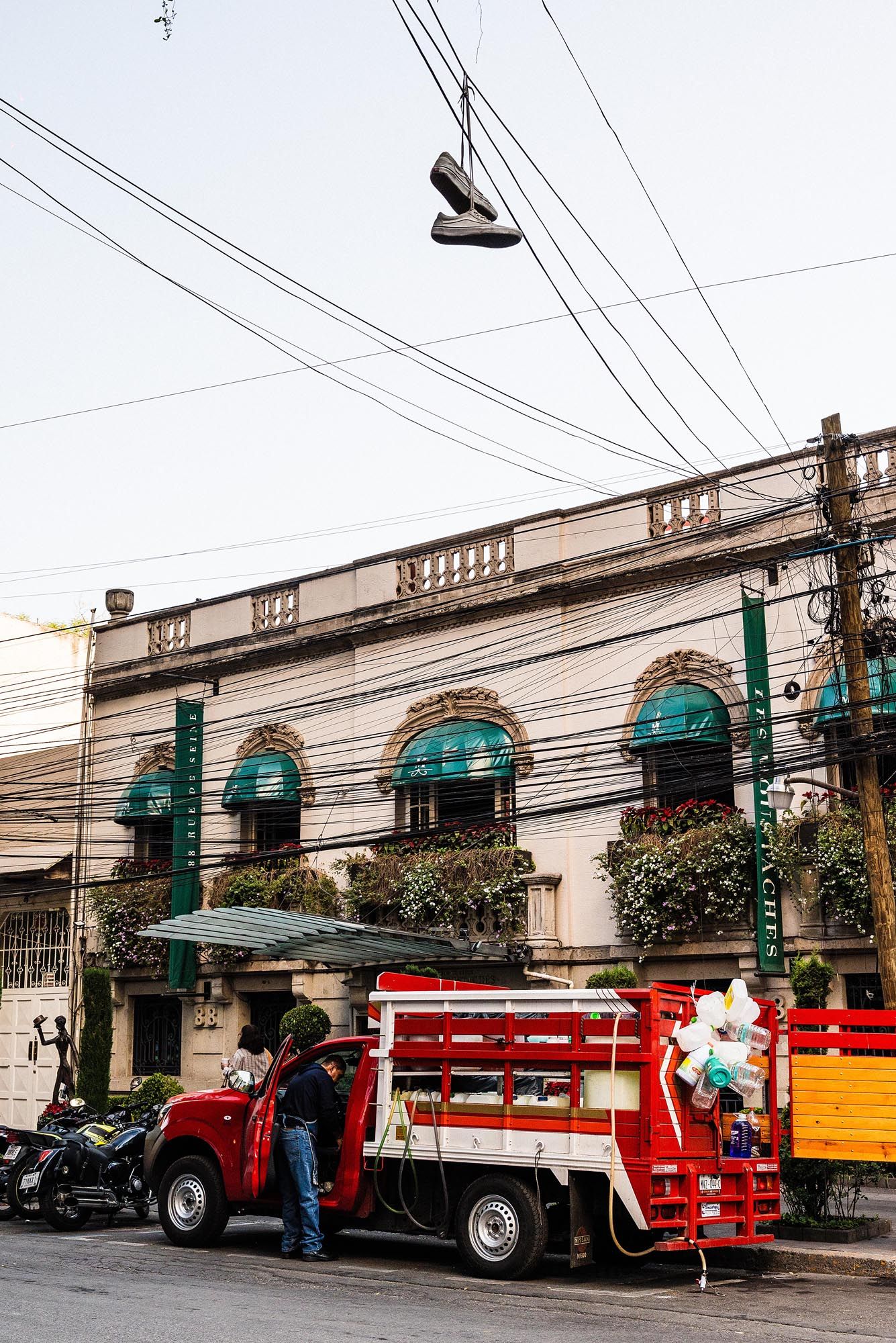

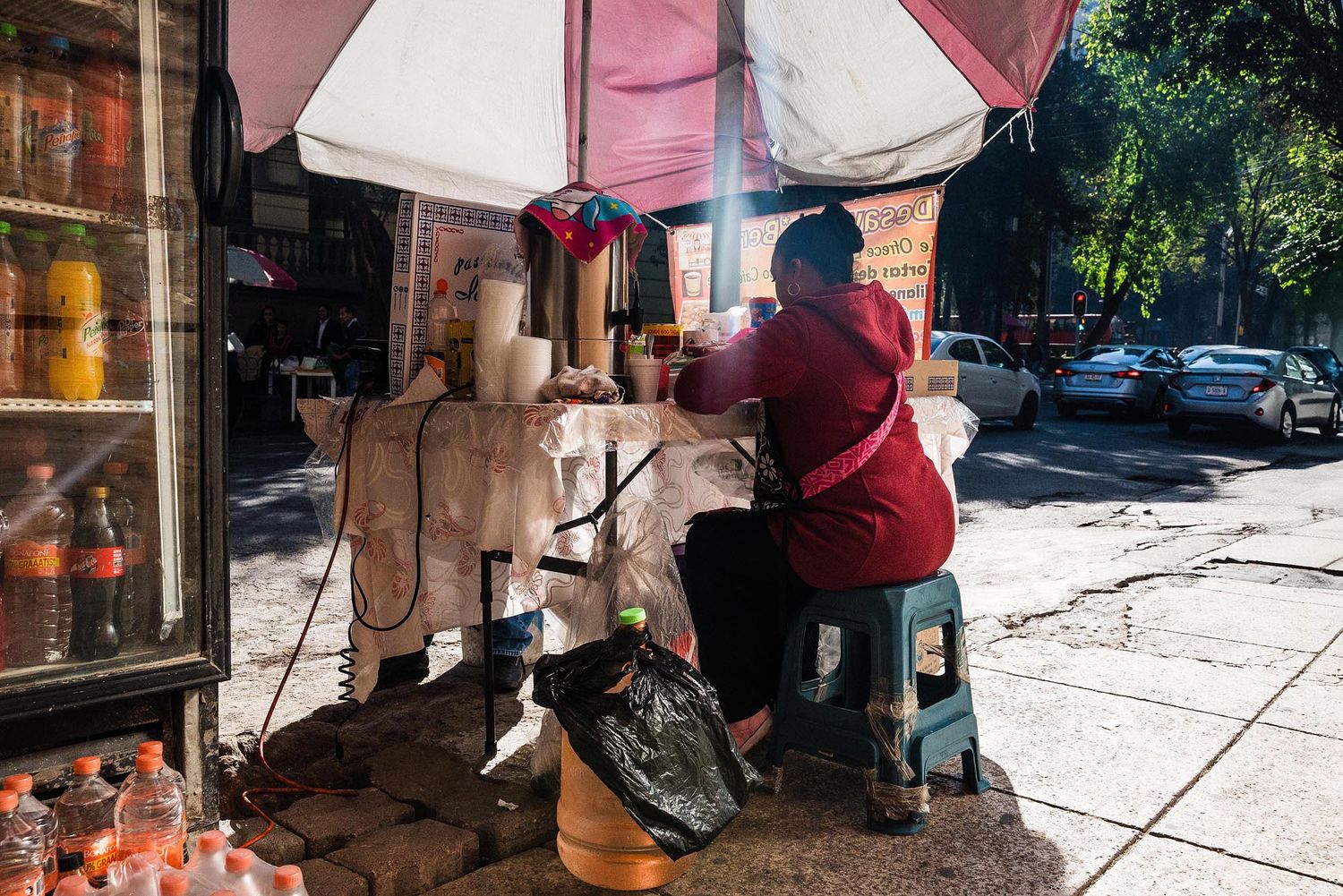
Where to Eat, Drink & Experience the Nightlife in Colonia Cuauhtémoc
Los Canarios
📍 Google Maps: https://www.google.com/maps/search/?api=1&query=Los+Canarios+Reforma+Mexico+City
A long standing and very reliable seafood restaurant near Reforma. Known for quality fish, traditional Mexican seafood dishes, and a polished but relaxed atmosphere. It’s popular with locals and business diners, which usually says a lot.
La Imperial Reforma
📍 Google Maps: https://www.google.com/maps/search/?api=1&query=La+Imperial+Reforma+Mexico+City
A modern take on a classic Mexican cantina. Expect traditional dishes, tequila, and a lively but not chaotic atmosphere. It’s one of the better spots in the area if you want something with personality rather than a hotel restaurant.
Beyond these, you’ll find a strong presence of upscale hotel dining rooms, particularly along Paseo de la Reforma. Many of them are surprisingly good, especially for breakfast and business lunches. The area caters heavily to professionals and diplomats, so standards tend to be consistent.
While Cuauhtémoc doesn’t compete with Roma Norte for cutting edge dining, it delivers dependable quality within walking distance.
Coffee & Casual Spots
Cucurucho
📍 Google Maps: https://www.google.com/maps/search/?api=1&query=Cucurucho+Cafe+Mexico+City
A solid specialty coffee option in the area. Good quality beans, relaxed atmosphere, and a reliable stop before heading toward Chapultepec.
Cardinal Casa de Café
📍 Google Maps: https://www.google.com/maps/search/?api=1&query=Cardinal+Casa+de+Caf%C3%A9+Mexico+City
A well rated brunch and breakfast spot known for traditional Mexican breakfasts done properly. A good example of how Cuauhtémoc quietly delivers quality without the hype.
These types of places suit the neighborhood’s rhythm. Calm mornings, steady weekday energy, and a less tourist heavy feel compared to other central areas.
Bars & Nightlife
Nightlife in Colonia Cuauhtémoc is more refined than rowdy.
King Cole Bar
📍 Google Maps: https://www.google.com/maps/search/?api=1&query=King+Cole+Bar+St+Regis+Mexico+City
Located inside the St. Regis, this is one of the most elegant cocktail spots in the area. It’s upscale, calm, and ideal for a polished evening drink rather than a party.
Many of the best drinking options here are hotel bars along Reforma. They’re safe, comfortable, and well designed, though not particularly wild. After office hours, the neighborhood quiets down significantly.
If you are specifically looking for big nights out, this probably isn’t your base. But if you prefer a relaxed cocktail, a proper dinner, and an early morning walk in Chapultepec, Cuauhtémoc fits that lifestyle well.
After properly looking into the area and its best-rated, consistently recommended spots, Colonia Cuauhtémoc actually has more going for it than it first appears. It’s not Roma Norte, but if you know where to go, you can eat and drink very well without leaving the neighborhood.
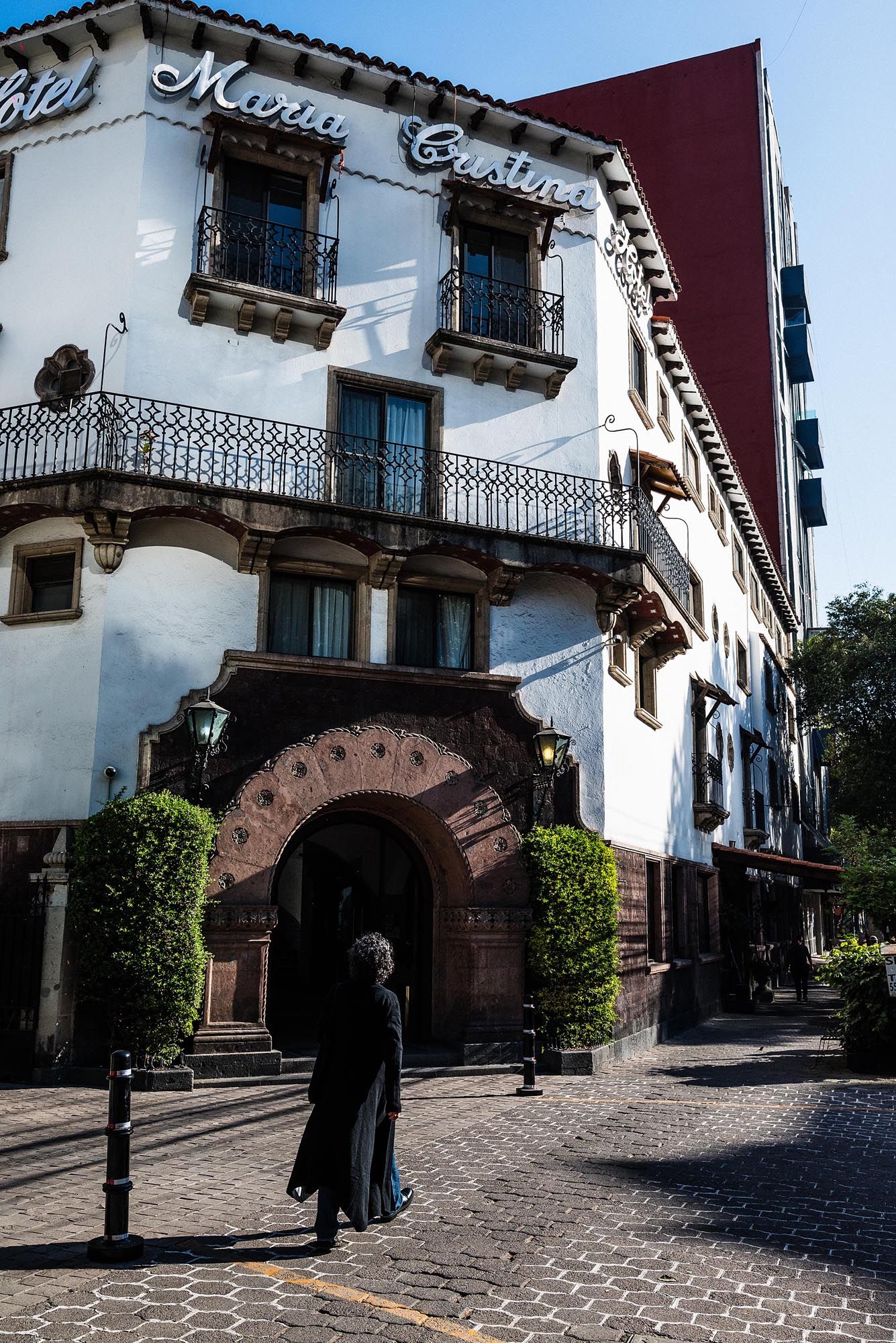
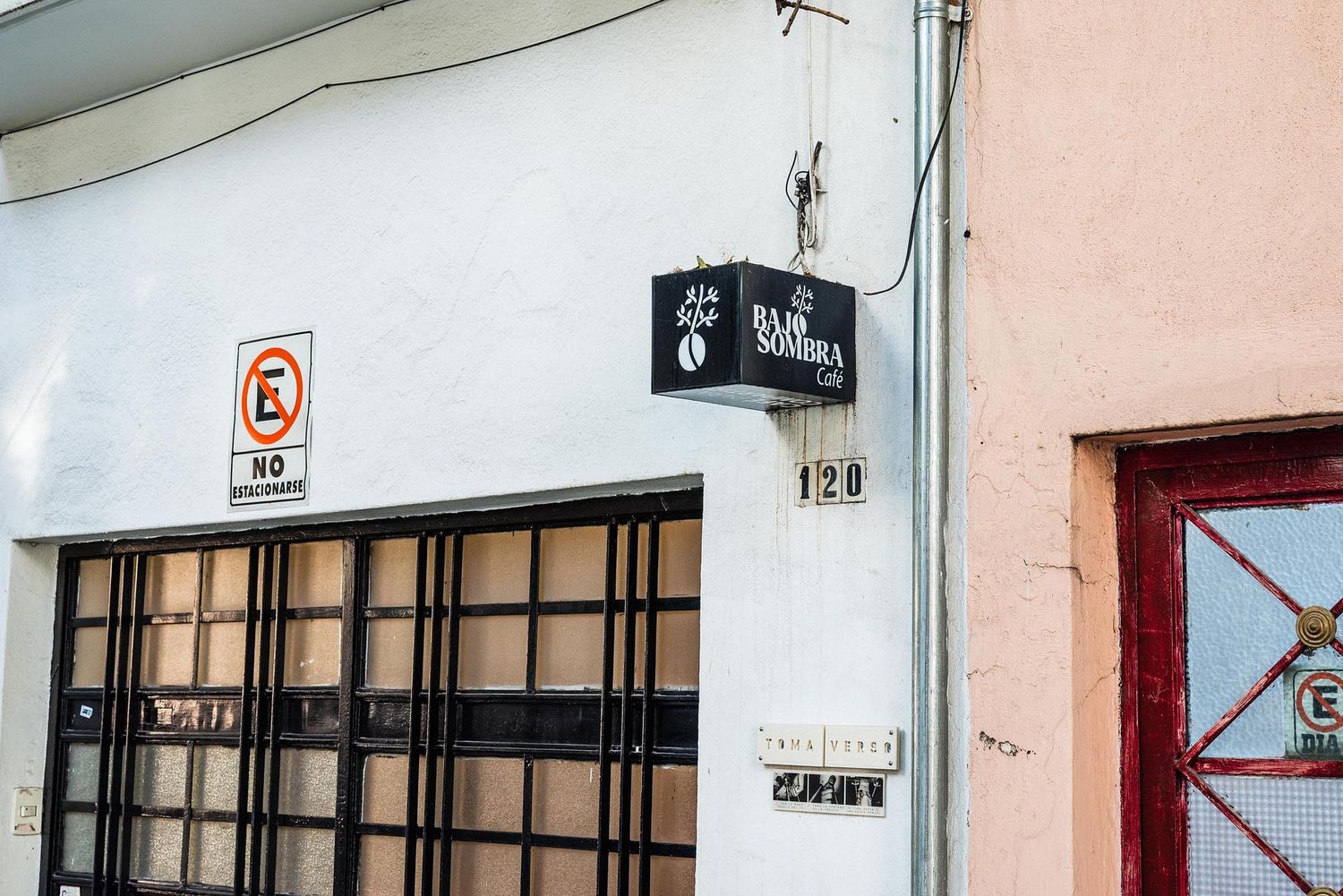
What to Do in Colonia Cuauhtémoc
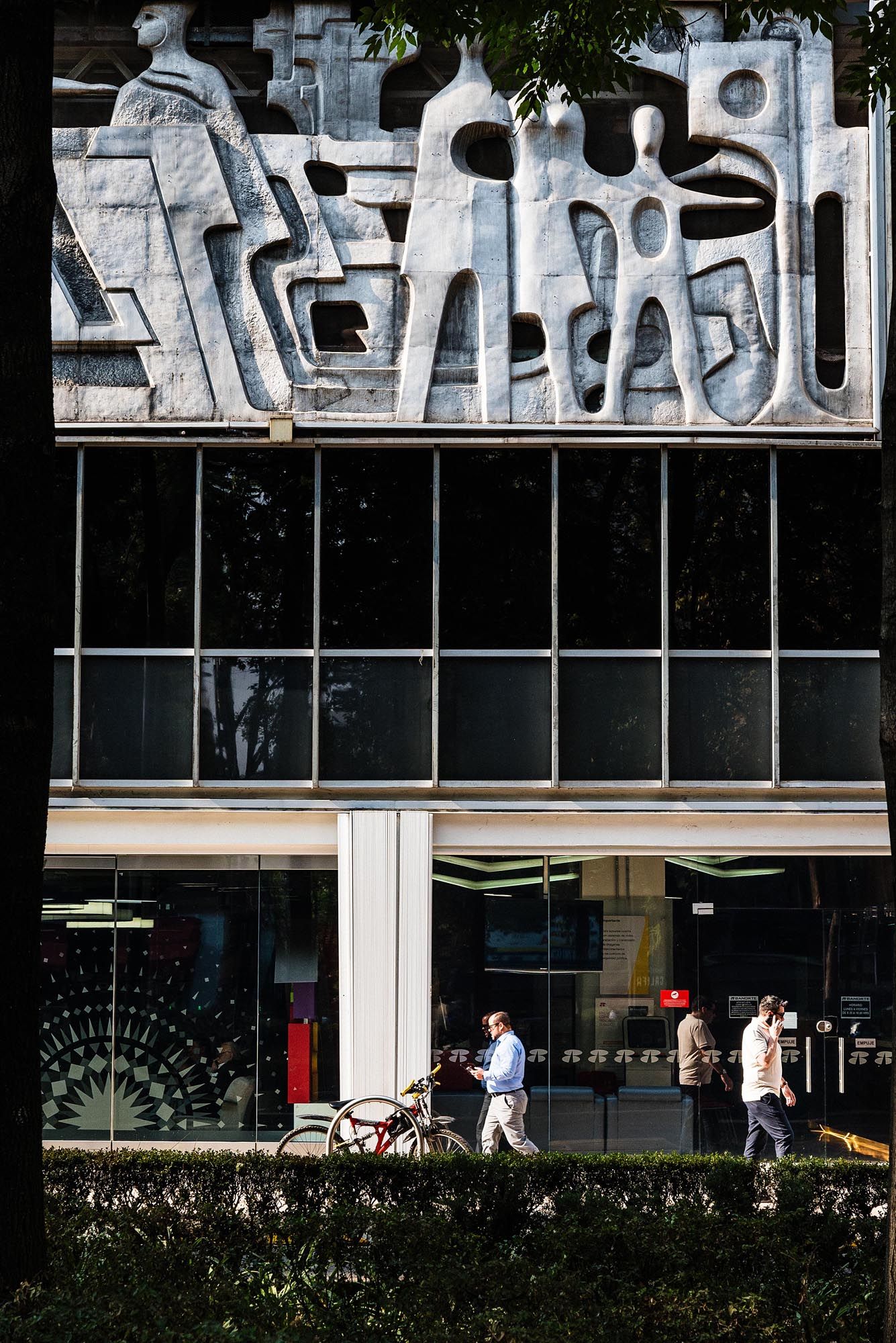
Colonia Cuauhtémoc has a charm that’s equal parts relaxed and sophisticated. Whether you’re into culture, outdoor activities, or just wandering streets to soak up the local vibe, there’s plenty to keep you busy for a day
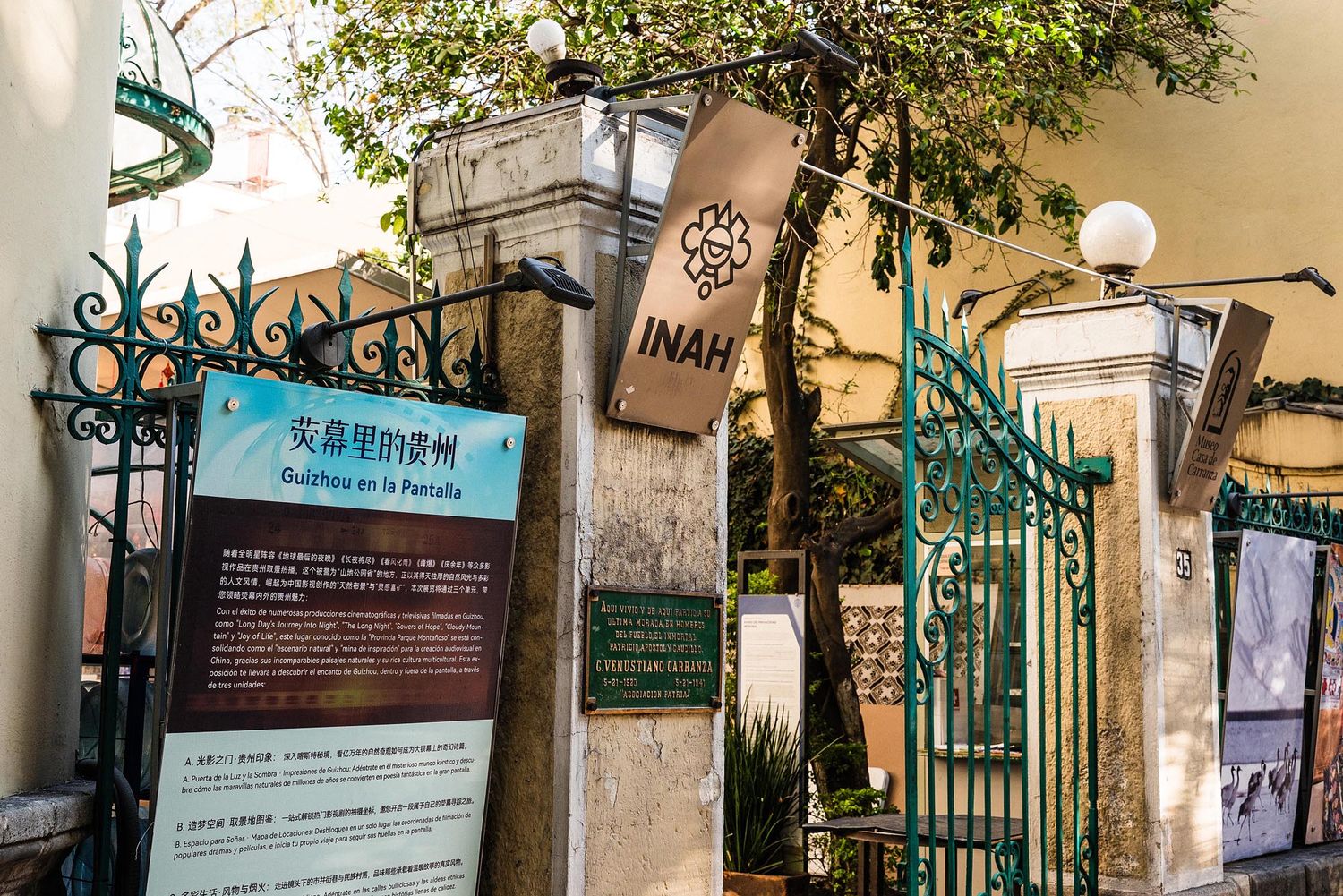
If you’re a history buff, start with the Museo Casa de Carranza, the former home of revolutionary leader Venustiano Carranza. The museum preserves artifacts, letters, and furniture from the Mexican Revolution, offering a glimpse into the final months of Carranza’s life and the turbulent period he lived in.
For something more unusual, check out the Museo de la Bolsa Mexicana (MUBO), located inside the Mexican Stock Exchange. It’s a surprisingly interactive museum where you can explore the history and workings of Mexico’s financial markets—a perfect stop if you enjoy a blend of history and hands-on exhibits.
Art & Galleries
Cuauhtémoc is quietly an art lover’s paradise. On Sundays, head to Jardín del Arte Sullivan, where the park transforms into an open-air art market. Local artists display everything from paintings to sculptures while families browse, musicians play, and the atmosphere hums with creativity.
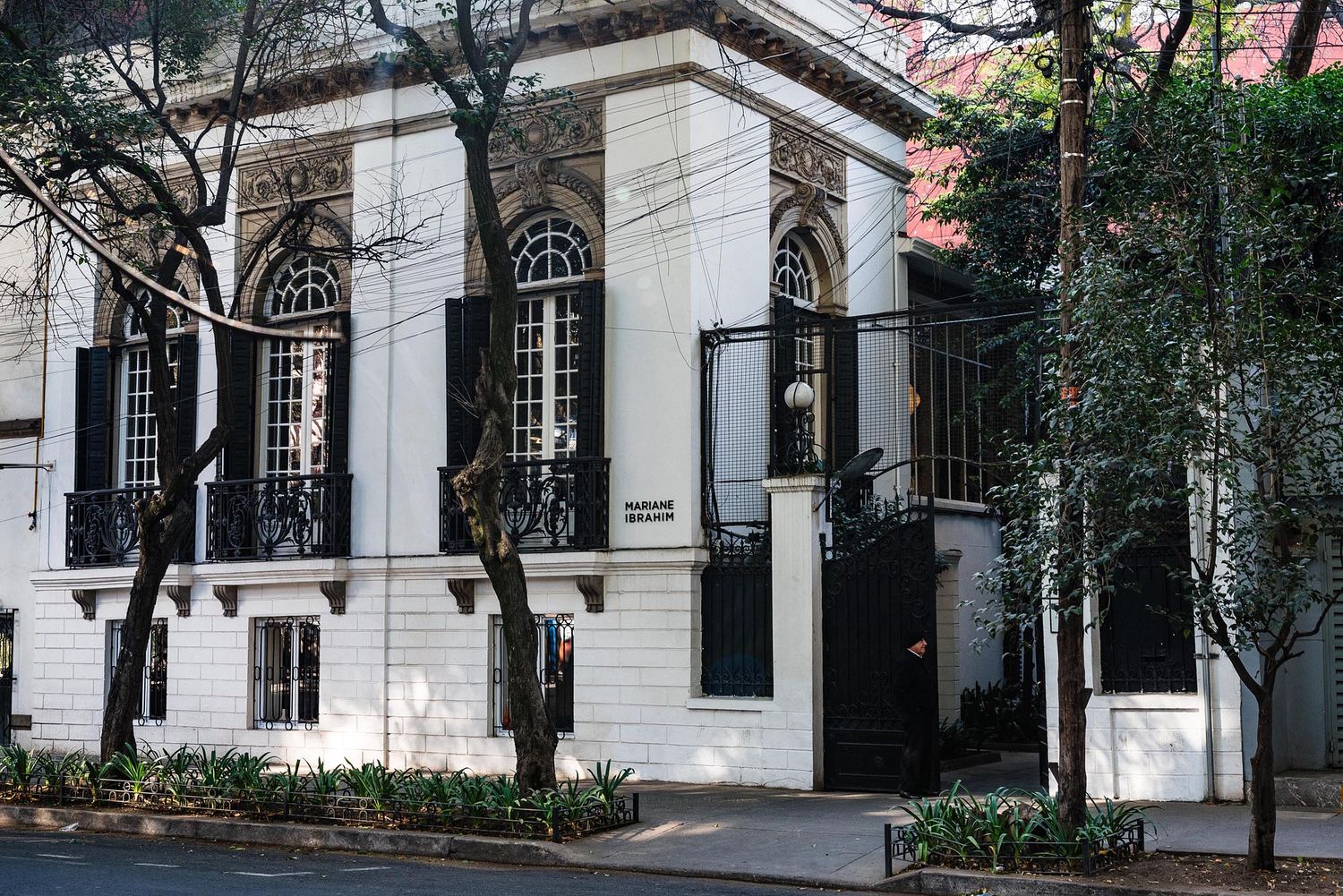
For contemporary art, don’t miss the Mariane Ibrahim Gallery. Specializing in emerging and established artists, particularly from Africa and its diaspora, the gallery offers a bold, colorful experience. Even the building itself is worth a look, and if you’re hungry, grab a bite at Panúco 36 on the ground floor.
Bookworms and literary fans should stop by Librería Góngora, an independent bookstore with a well-curated selection of literature and art books, and yes—a resident cat who wanders the aisles making the experience even more charming.

What is not worth seeing
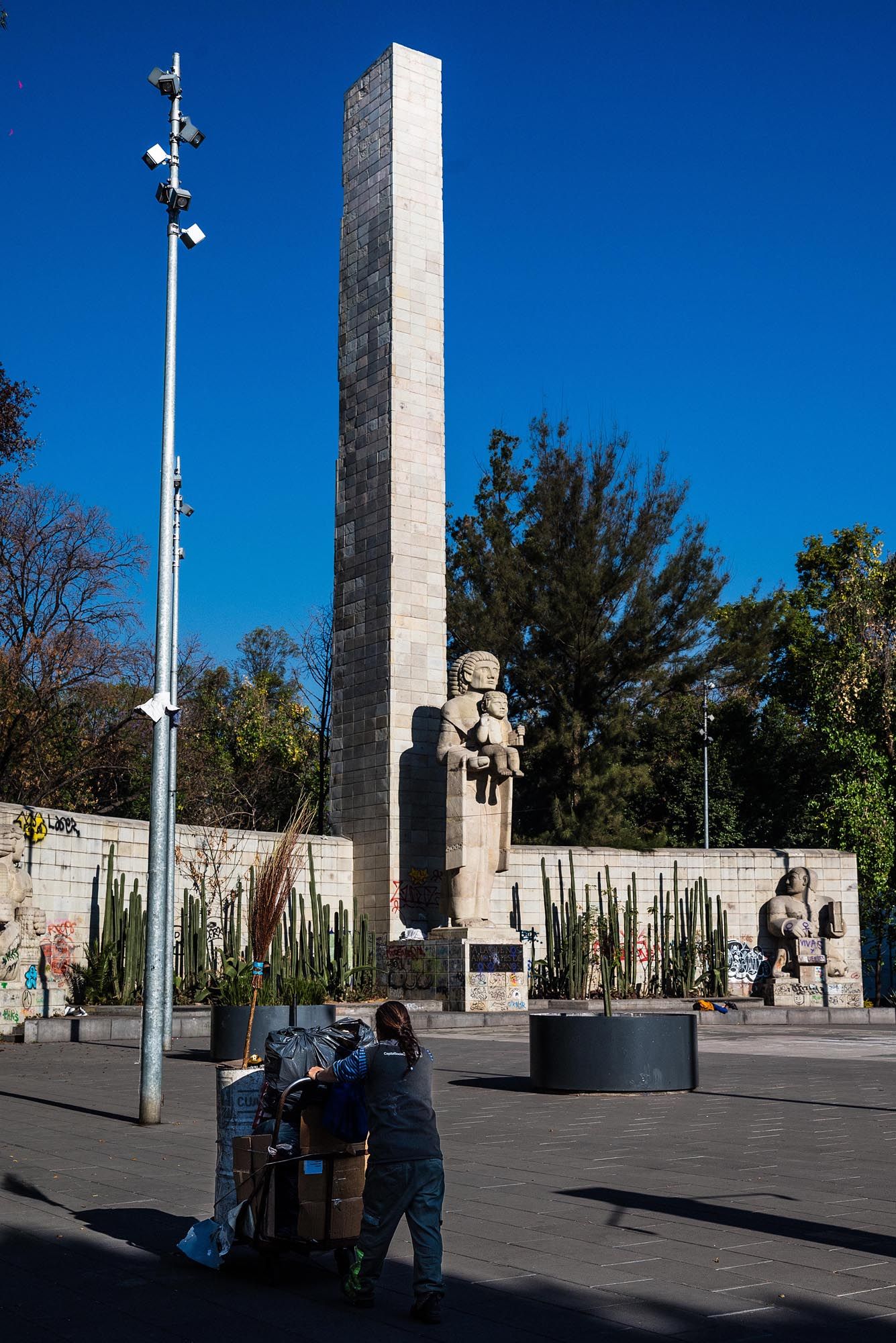
One spot that often draws attention is the Monumento a la Madre, a towering tribute to mothers. In reality, the area around the monument feels a bit off compared to the rest of the neighborhood. During my visit, it was somewhat dirty, and there were people sleeping nearby, giving the space a rougher vibe. Unless you have a keen interest in the monument itself, it’s probably best to skip this one and focus on other nearby attractions.
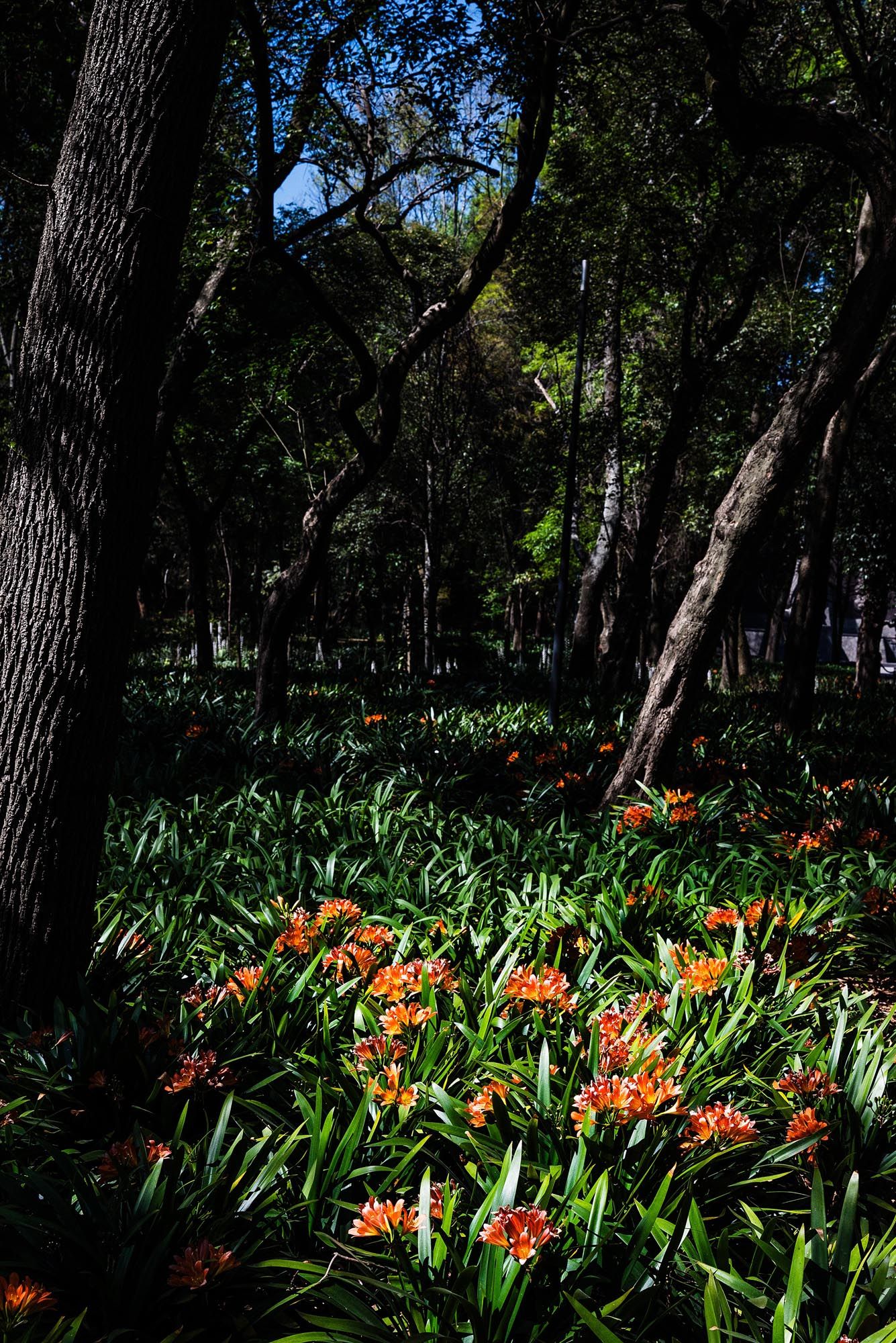
If you’re looking for green space or outdoor activities, I’d skip Jardín del Sullivan—the area has a similar less-friendly vibe to the Monumento a la Madre and doesn’t feel particularly welcoming. For a much better park experience, nothing beats Chapultepec Park, which offers wide open spaces, walking paths, and a lively, safe atmosphere for locals and visitors alike.
If you happen to visit on a Sunday, you can enjoy Paseo de la Reforma like a local. The avenue is closed to traffic, turning into a massive bike path and pedestrian space. Families, cyclists, and rollerbladers all take over the street, making it the perfect day to rent a bike and explore the city in a fun, safe way.
Chapultepec Park
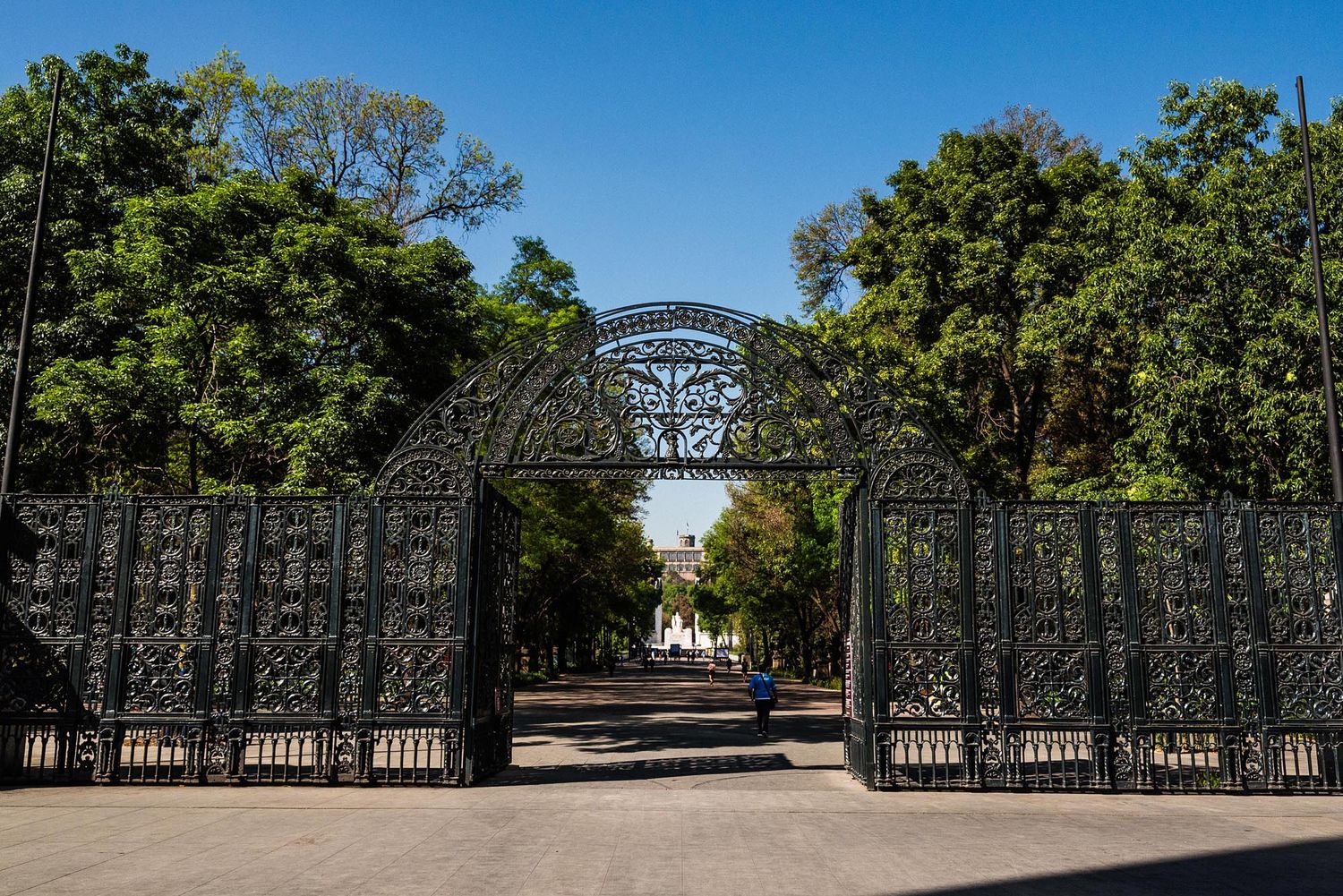
If you’re planning a trip to Mexico City, Chapultepec Park is one place you shouldn’t miss. Covering nearly 700 hectares, it’s one of the largest city parks in the world and home to some of the city’s most famous attractions, including Chapultepec Castle, the National Museum of Anthropology, lakes, monuments, and even a zoo. I’ve put together a complete guide to Chapultepec Park covering the best things to do, where to eat, bike rentals, toilets, prices, and useful tips to help you make the most of your visit.
Where to Stay in and Around Colonia Cuauhtémoc
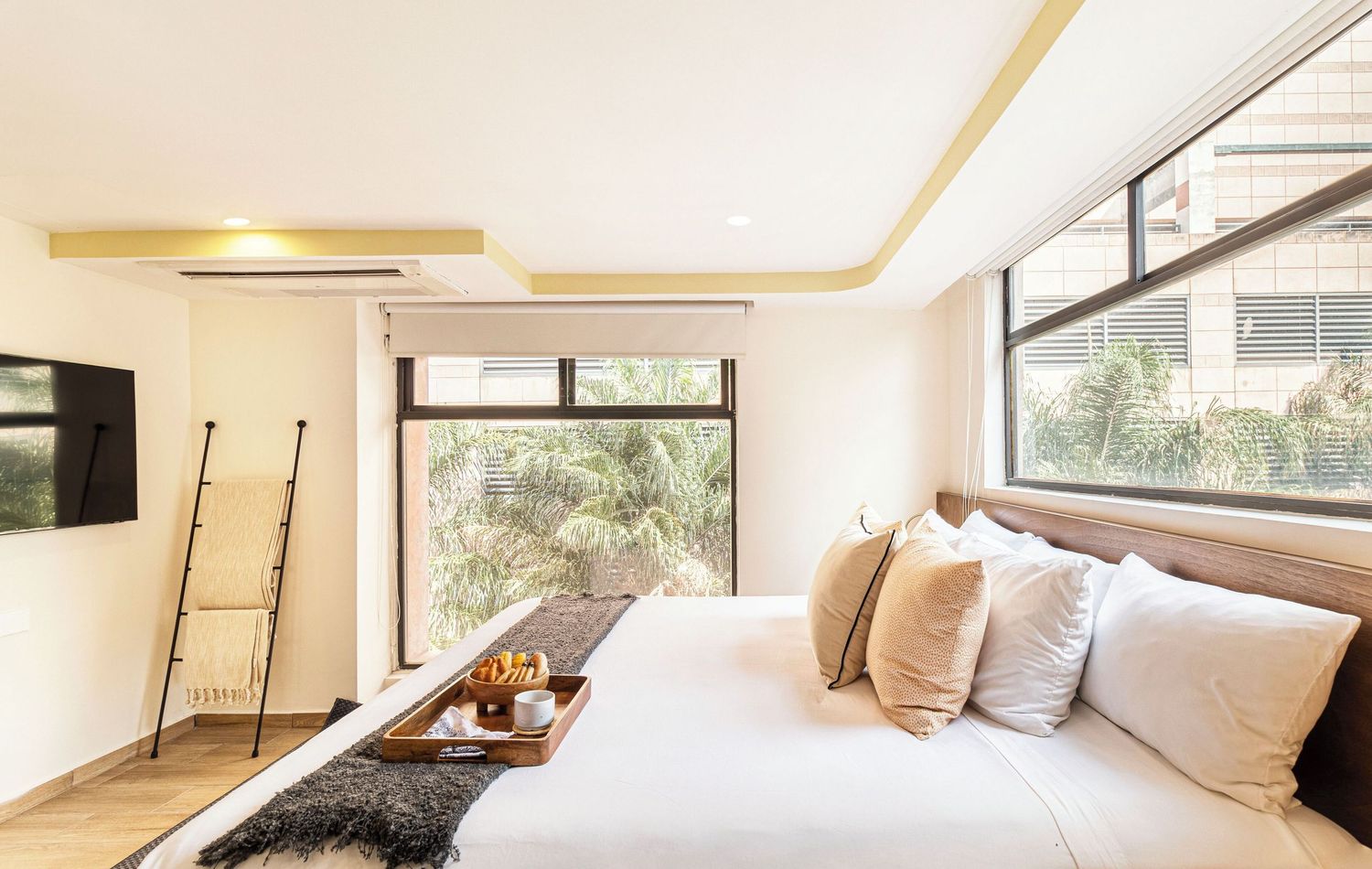
Where you stay in Mexico City really shapes your experience. It’s such a huge, layered city that each neighborhood has its own rhythm. Colonia Cuauhtémoc sits in a strategic position — close to Paseo de la Reforma, walking distance to Chapultepec Park, and well connected to the rest of the city.
It’s not the most visually charming area, and parts of it can feel slightly corporate or transitional, but what it offers is convenience. If you’re the kind of traveler who wants easy access to museums, wide avenues, and major landmarks without being in the middle of constant nightlife, it works well.
From here, you can walk straight into Chapultepec Park, one of the largest and most impressive city parks in the world. You’re also close to major museums, including the Anthropology Museum, and Reforma makes getting around simple. For short stays or first-time visitors, that kind of positioning makes life easy. That said, depending on what you’re looking for, nearby neighborhoods might suit you better.
Just south of the park is Condesa, a leafy, café-filled area with art deco buildings and a polished, social feel. It’s very walkable, full of brunch spots and wine bars, and feels relaxed but lively. If you like wandering without a plan and stopping wherever looks good, Condesa makes that easy.
Next door is Roma Norte, which has a bit more edge and creative energy. The food scene here is one of the best in the city, and the architecture is beautiful. It feels more atmospheric than Cuauhtémoc, and there’s always something happening — whether that’s a gallery opening, a new restaurant, or a packed terrace at night.
Head north of Chapultepec and you’ll reach Polanco, which is noticeably more upscale. Think luxury hotels, high-end shopping, and immaculate streets. It’s also walking distance to several major museums. If comfort and security are your priorities — or you’re travelling with family — Polanco is an easy choice.
Then there’s Zona Rosa, which borders Cuauhtémoc. It’s more affordable, more chaotic, and much livelier at night. It has a strong LGBTQ+ scene and plenty of budget hotel options. It’s central and practical, though not as polished as Condesa or Polanco.
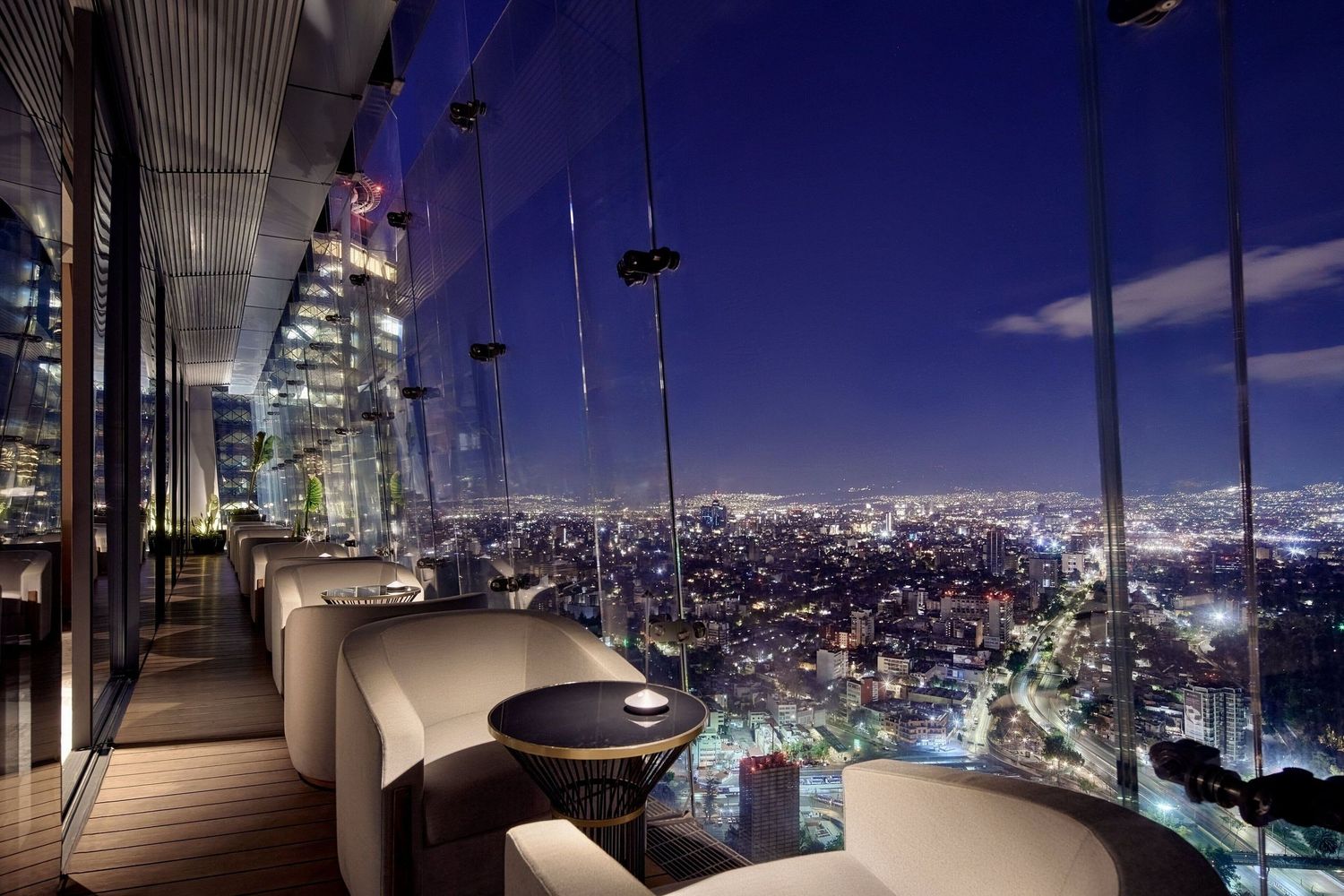
The Ritz-Carlton Residences

The St. Regis Mexico City
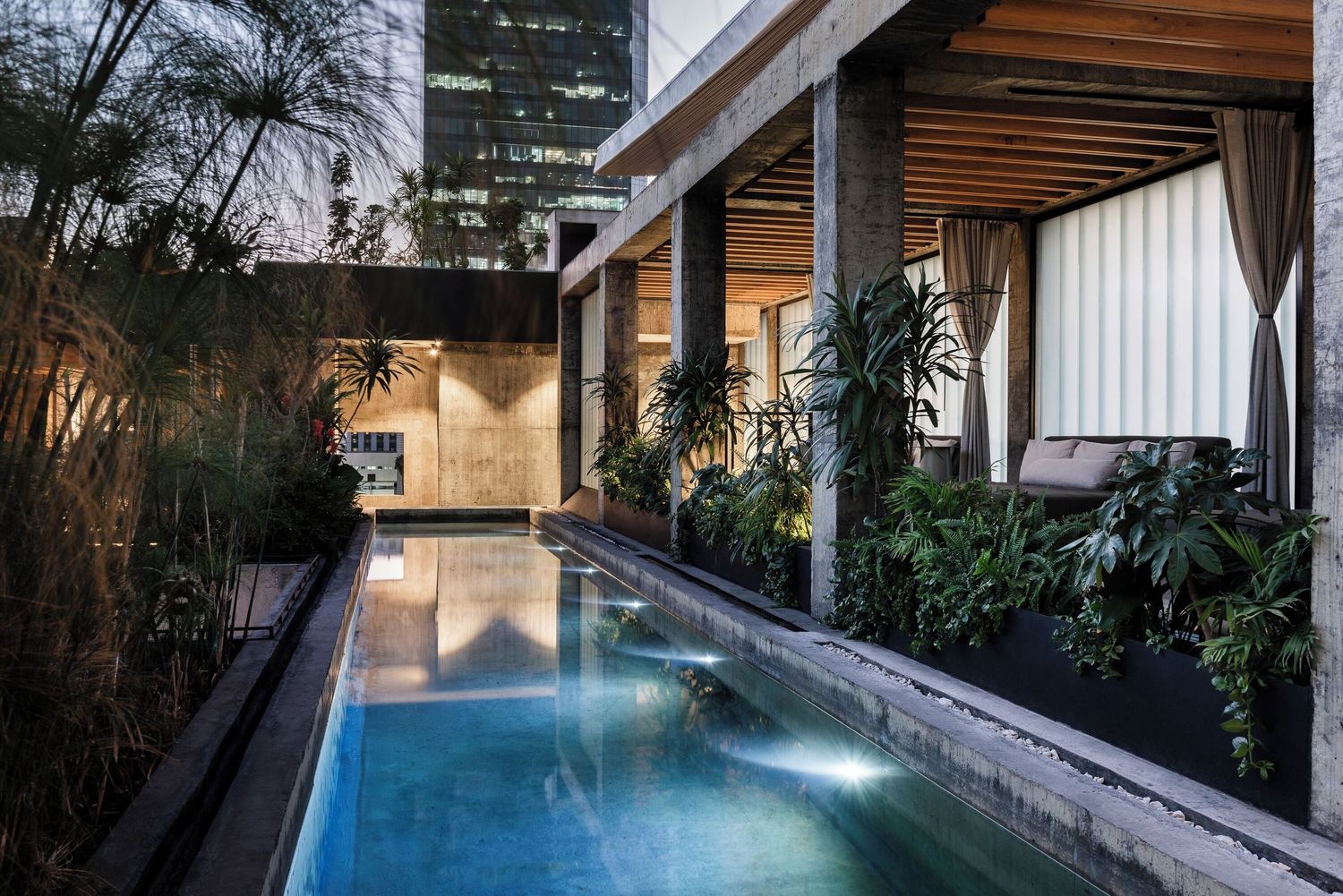
Volga, Member of Preferred Hotels & Resorts
Where Should You Stay?
- Colonia Cuauhtémoc – Best for convenience, walkability to Chapultepec, and easy access to Reforma.
- Condesa – Best for cafés, greenery, and a relaxed but stylish vibe.
- Roma Norte – Best for food, atmosphere, and creative energy.
- Polanco – Best for luxury, museums, and a clean, upscale feel.
- Zona Rosa – Best for budget stays and central nightlife access.
If your main goal is being close to Chapultepec Park and centrally positioned without paying luxury prices, Colonia Cuauhtémoc makes practical sense. But if you’re chasing atmosphere and character, Roma Norte or Condesa will likely feel more memorable.
First, Zona Rosa. It’s more known for its nightlife, and the area definitely felt more lively, so it might suit you if you enjoy more of a party scene. At this point in my life, I’m more into a relaxed, quiet vibe, and Zona Rosa didn’t feel like it offered me much in that sense.
The main walking street is busy, with lots of vendors selling goods, and overall it felt more touristy than most parts of Mexico City. I hope this doesn’t come across as negative, because that isn’t my intention. It just wasn’t for me. I experienced it, and I felt no need to return, which probably sums up my feelings best.
Architecture & Design in Colonia Cuauhtémoc
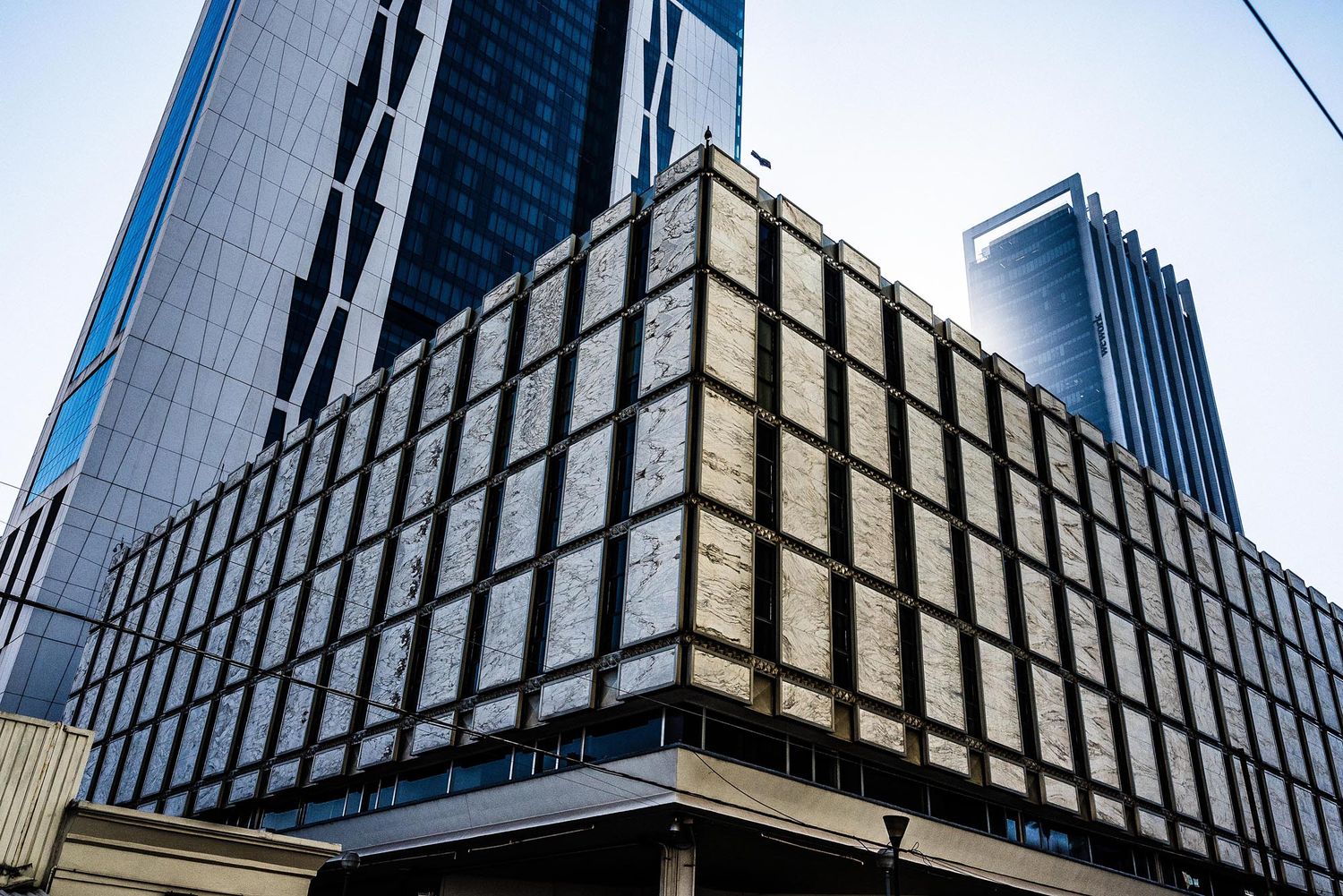
Colonia Cuauhtémoc isn’t as instantly photogenic as Roma Norte or as polished as Polanco, but if you slow down and actually look up, there’s more architectural variety here than you might expect.
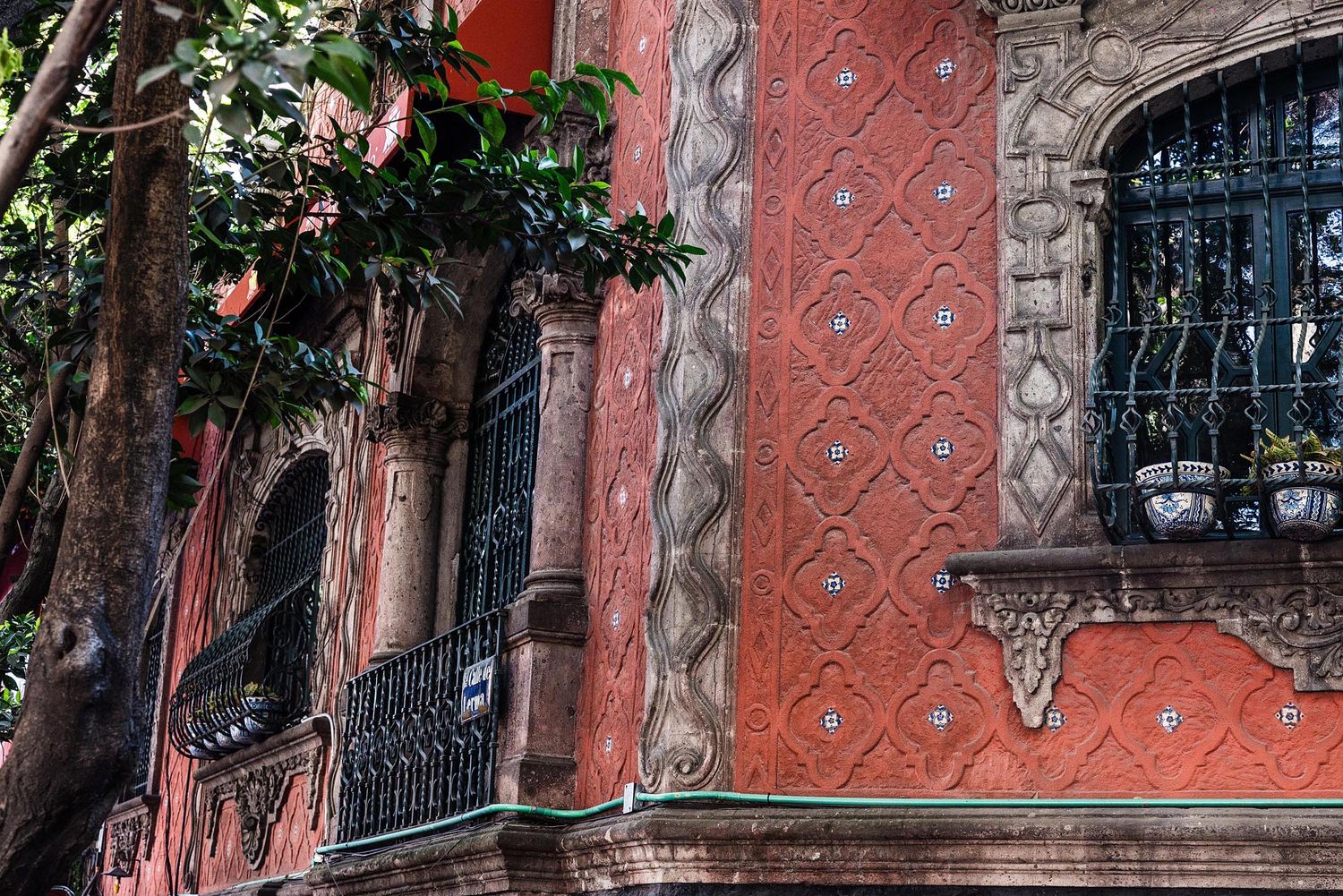
The neighborhood developed mainly in the early 20th century, and you can still see traces of that period in its residential streets. Tucked between modern office blocks are older homes with subtle European influences, decorative balconies, carved stone details, and tall wooden doors. Some feel beautifully preserved, others slightly worn, which gives parts of the area a layered, transitional feel.
Running alongside the neighborhood is Paseo de la Reforma, one of the city’s most important avenues. Reforma is wide, dramatic, and lined with a mix of historic monuments and modern glass towers. The contrast is striking. On one side, you have contemporary skyscrapers reflecting the skyline. On the other, early 20th century structures that hint at Mexico City’s rapid expansion during that era.
One landmark that stands out architecturally is the Monumento a la Madre. Designed in the 1940s, it represents a more monumental, mid-century style. While the space around it may not feel particularly inviting, the structure itself is an interesting example of post-revolution civic architecture.
Embassy buildings also shape the area’s aesthetic. Several grand former mansions now serve diplomatic purposes, which adds to that slightly formal, international atmosphere you notice when walking through certain streets.
Overall, the design of Colonia Cuauhtémoc feels mixed. It doesn’t have a single defining architectural identity. Instead, it reflects layers of growth, redevelopment, and modernization. You’ll see art deco influences, mid-century elements, and contemporary glass towers all within a few blocks.
If you’re specifically looking for ornate facades and Instagram ready streets, you may prefer Roma. But if you enjoy observing how a city evolves over time, Cuauhtémoc offers a quieter, more subtle architectural story — one that feels practical, lived in, and connected to the business heart of Mexico City rather than its bohemian side.
Final Thoughts on Colonia Cuauhtémoc
Colonia Cuauhtémoc isn’t the most beautiful neighborhood in Mexico City, and it’s not the most exciting either. It doesn’t try to compete with Roma Norte’s creativity or Condesa’s café culture. Instead, it sits quietly between the city’s business core and its green lung, offering something far more practical than picturesque.
For me, this is a neighborhood that makes sense more than it inspires. The proximity to Chapultepec Park is a real advantage. Being able to walk into one of the largest urban parks in the world whenever you like is a luxury in itself. Add to that easy access to Paseo de la Reforma, major museums, and reliable transport connections, and you have a very convenient base.
That said, parts of the area feel transitional. Some streets are elegant and calm, others feel corporate or slightly worn. The food scene is solid but not standout. The nightlife is there if you want it nearby, particularly toward Zona Rosa, but the neighborhood itself winds down fairly early.
I experienced it, explored it, and understood it. But if I returned to Mexico City, I would probably choose to stay somewhere with a bit more atmosphere and character. Still, if your priority is location, walkability, and being close to Chapultepec without paying Polanco prices, Colonia Cuauhtémoc delivers exactly that.
It may not steal the spotlight, but it plays a dependable supporting role in one of the most dynamic cities in the world.
To help you explore the neighborhood properly, I’ve created a custom Google Maps walking route based on the exact walk I did through Colonia Cuauhtémoc. It links together the main sights, a few worthwhile streets, coffee stops, and places to eat, so you can follow it step by step or dip in and out depending on your time. The route is designed to give you a real feel for the area rather than just ticking off landmarks, taking you from Reforma toward Chapultepec and through the quieter residential pockets in between. Open it on your phone, save it to your account, and you’ve got a ready made self guided walk of the neighborhood.