Affordable, Unique, and Easy to Reach Destinations for Your Next Mini Getaway
If you’ve ever searched for the best short city breaks in Europe, you’ve probably seen the same list: Paris, Rome, Amsterdam, and maybe Barcelona. And while those cities are amazing (although I don’t particularly like them too much), they’re also overcrowded, expensive, and often exhausting.
After visiting every European country and countless cities, I’ve found that some of the best city breaks are the smaller, lesser-known ones — the kind of places where you can relax, enjoy great food, and feel like you’re experiencing something authentic and different.
Before we dive in, a quick note: this isn’t a definitive “Top 5” list. These are simply my personal recommendations based on my own travels and preferences (though I like to think my taste is pretty good). Everyone has different travel styles, but hopefully, this list gives you some fresh ideas for your next short European getaway. So, here are five short European city breaks I personally recommend, each offering something unique, from cities that don’t get the attention they deserve.
The Perfect Short European City Break
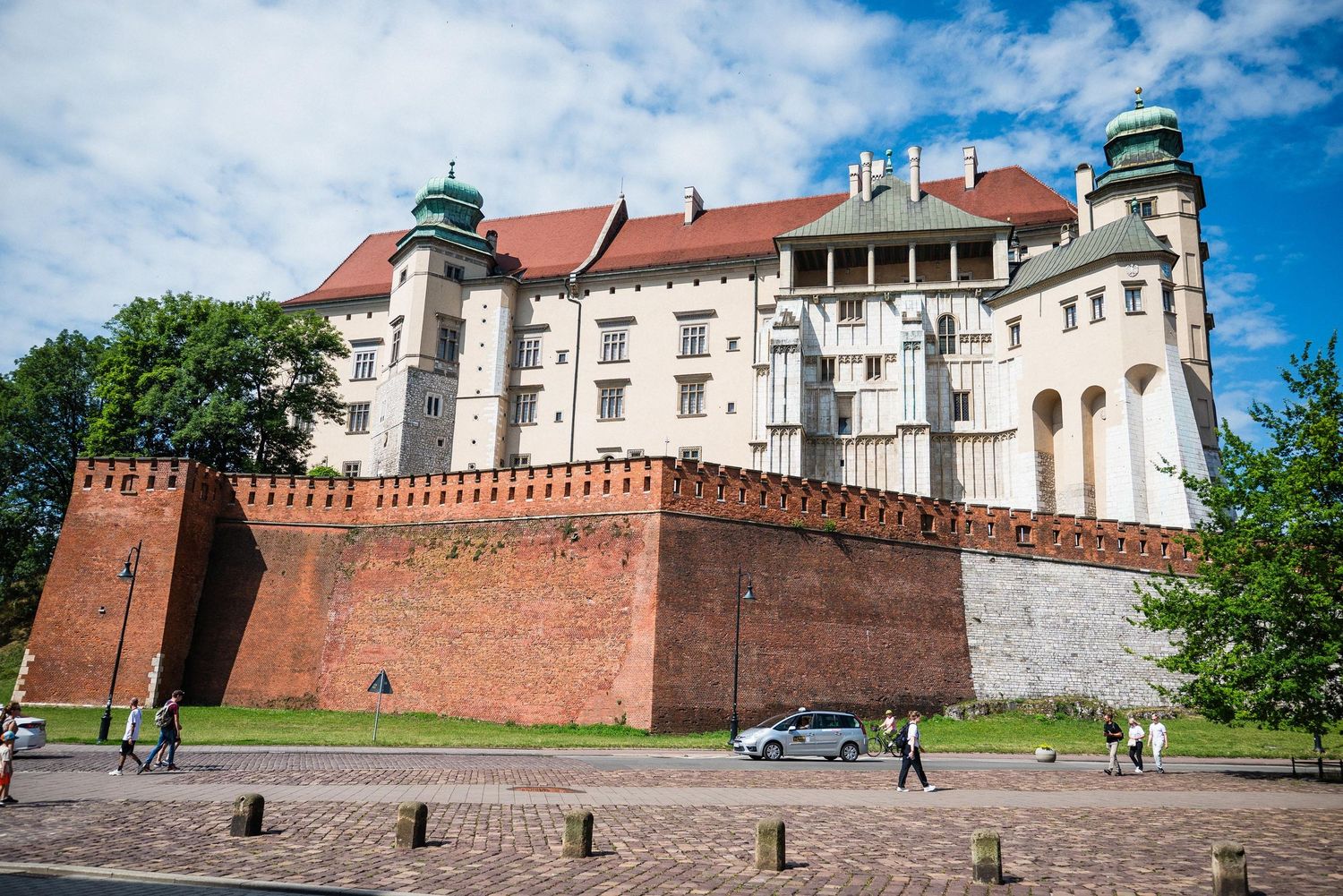
Krakow, Poland
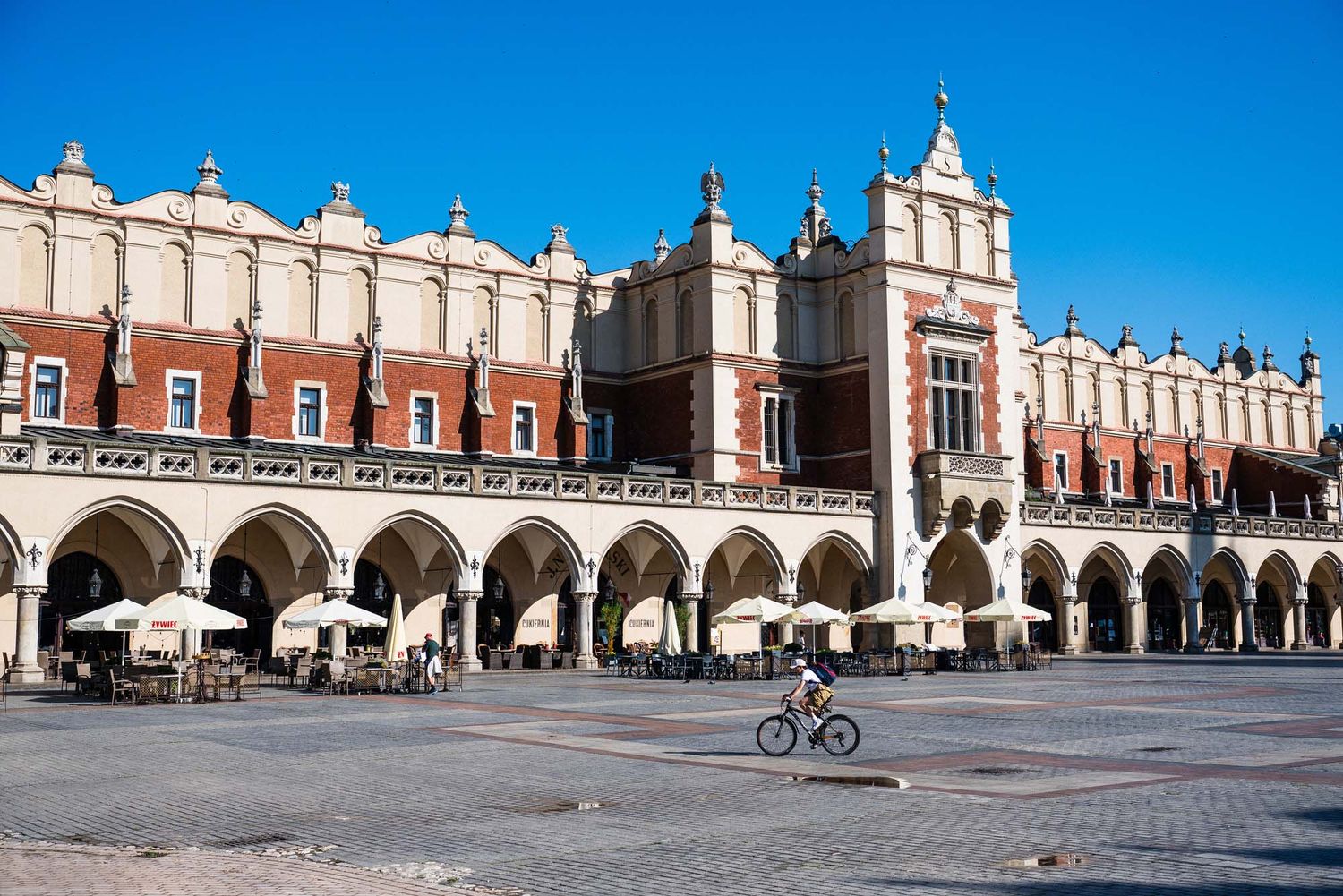
Krakow is one of those cities that just makes sense for a short European getaway. It’s incredibly easy and affordable to reach from most parts of Europe, especially from the UK. The last time I visited, my return flights were under £70 (€80 / $85), which is a bargain for such a rewarding destination.
One of Krakow’s biggest advantages is how quick and simple it is to get from the airport to the city centre. The train connection is efficient and inexpensive, and taxis or Bolt rides are also very affordable. When you only have a few days to explore, that convenience makes a big difference. Nobody wants to spend half their city break commuting.
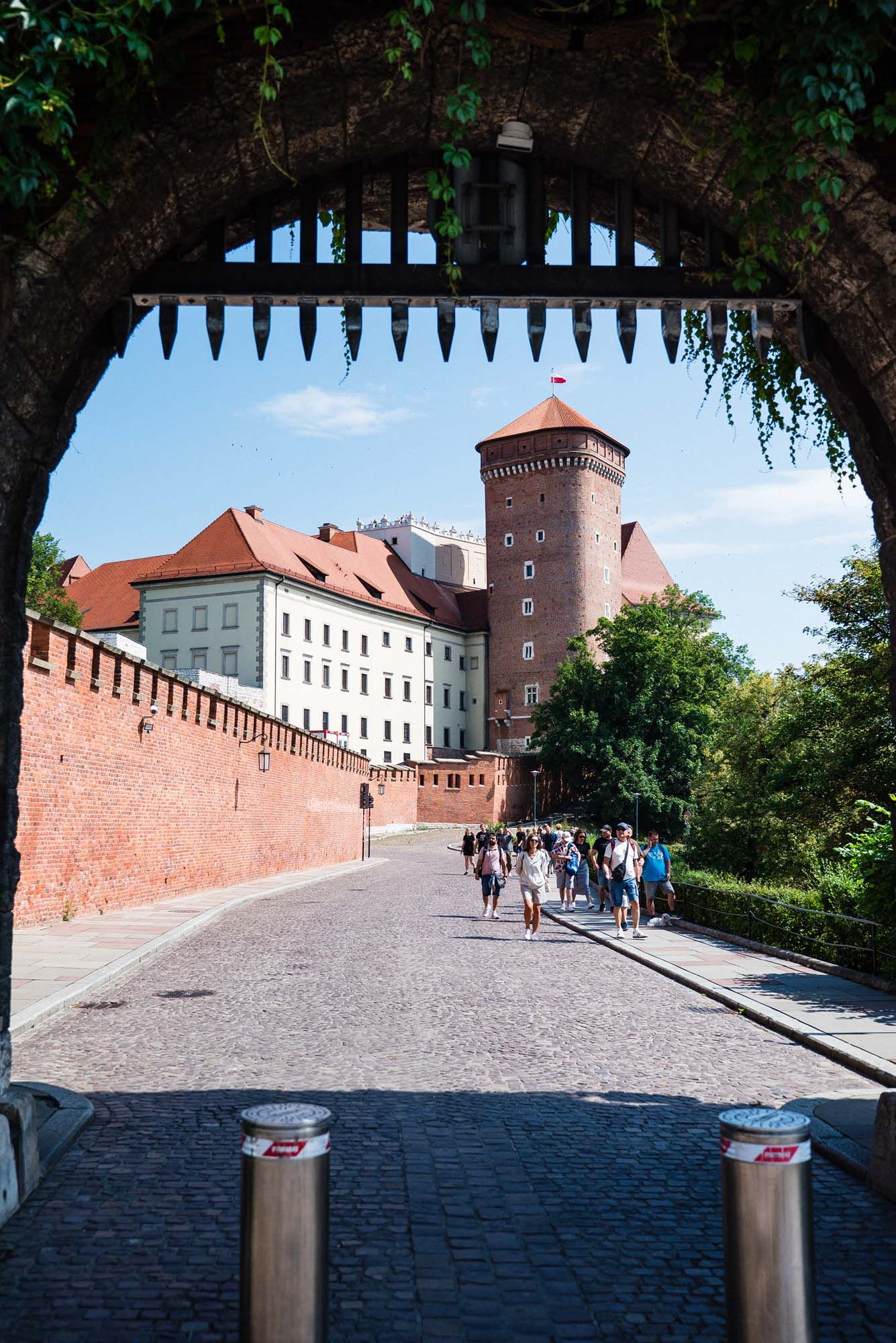
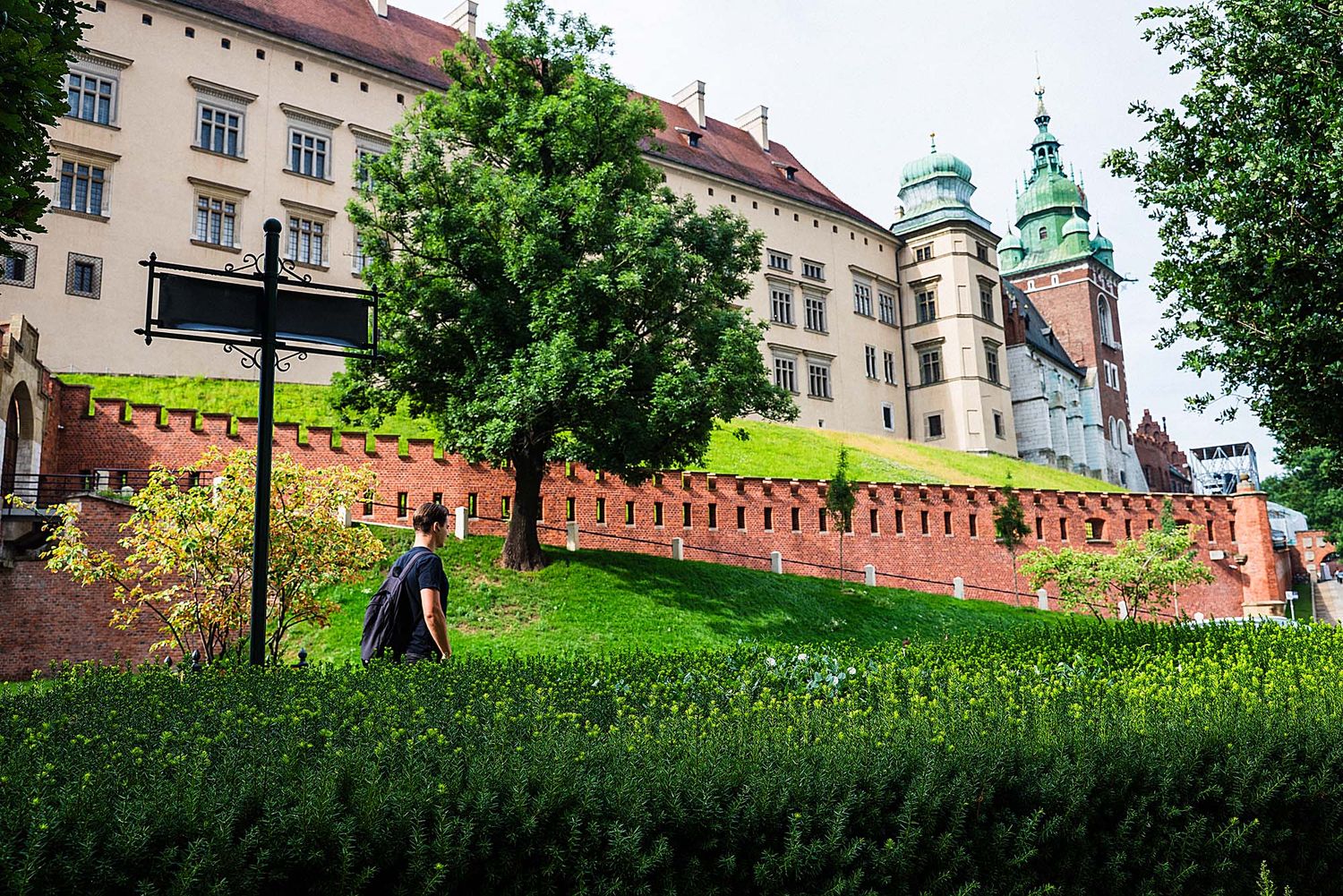
The city itself is compact and easy to navigate, yet it offers a surprising amount of variety. The Old Town is the heart of Krakow, filled with beautiful architecture, street performers, and the famous Main Square (Rynek Główny), which is definitely the highlight. Just a short walk away, the Jewish Quarter (Kazimierz) has a completely different atmosphere, a bit more bohemian, with cafés, vintage shops, and synagogues.
Krakow also makes a great base for short day trips. Whether you’re visiting Auschwitz-Birkenau for a sobering yet important historical experience, or exploring the Wieliczka Salt Mine, both are easily accessible and add depth to your trip.For a three or four-day city break, Krakow hits the perfect balance: compact, cultural, and full of great food. It’s affordable, easy to explore, and packed with charm. Stay any longer, and you might start running out of things to do, but for a short trip, it’s just about perfect.
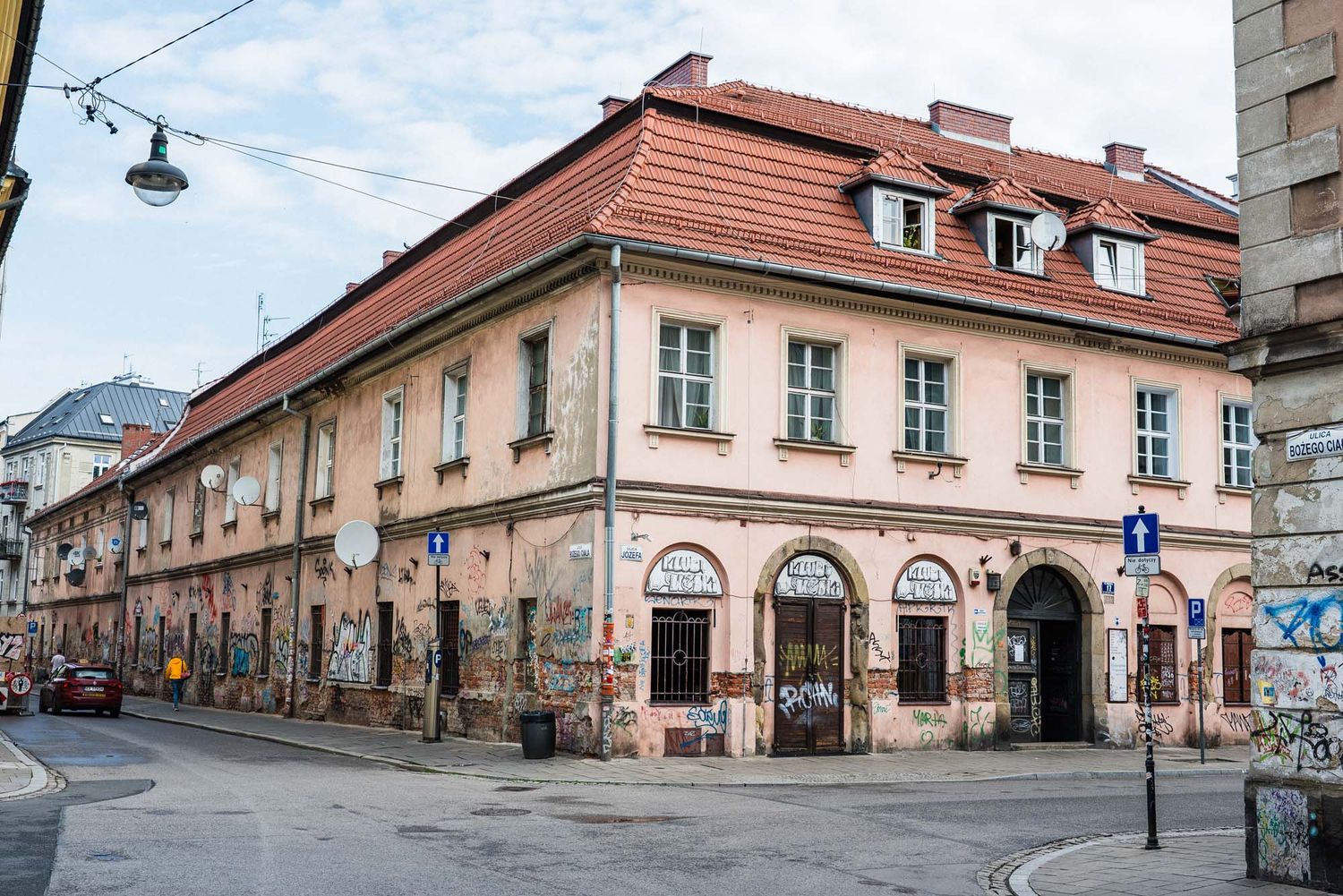
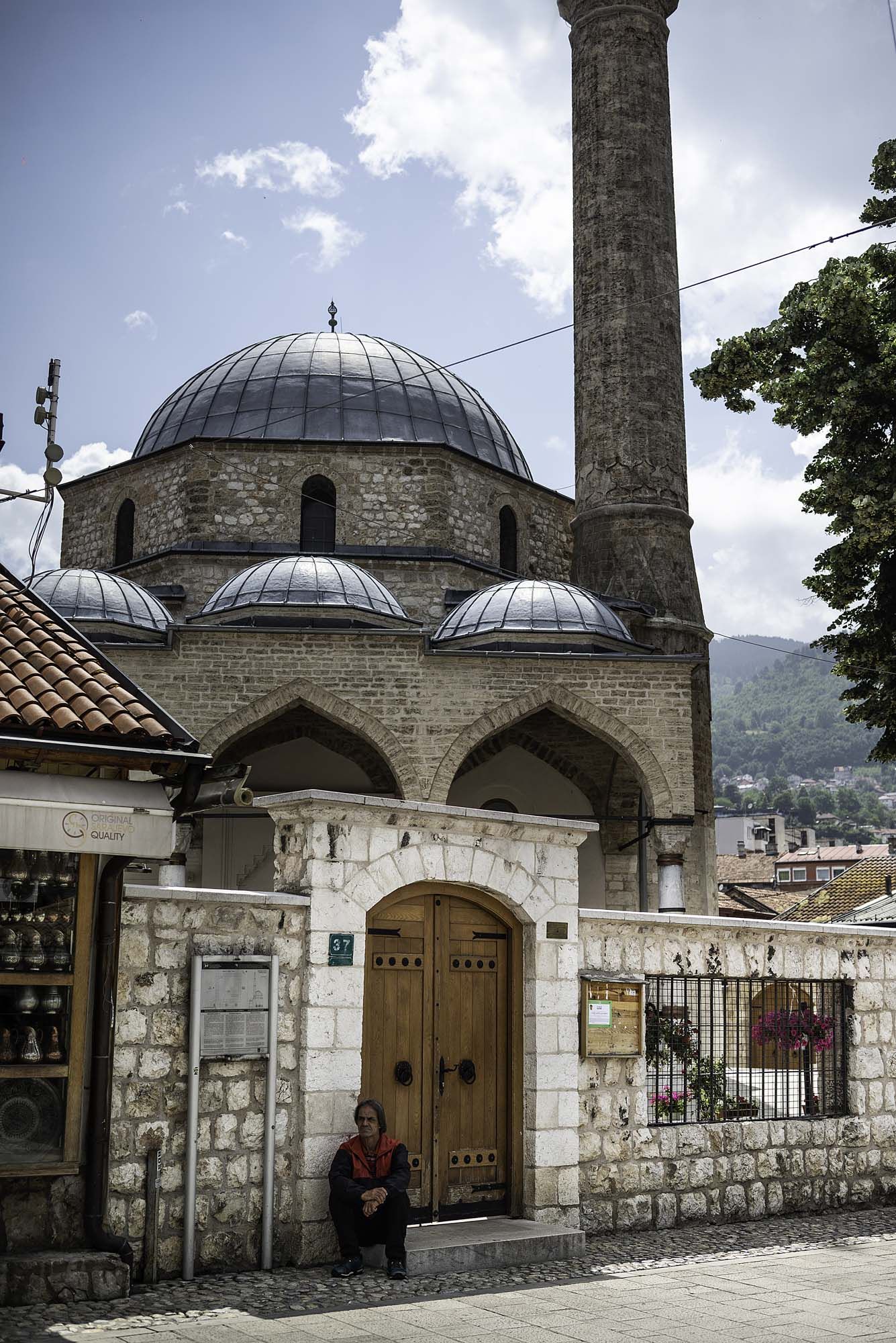
Sarajevo, Bosnia:
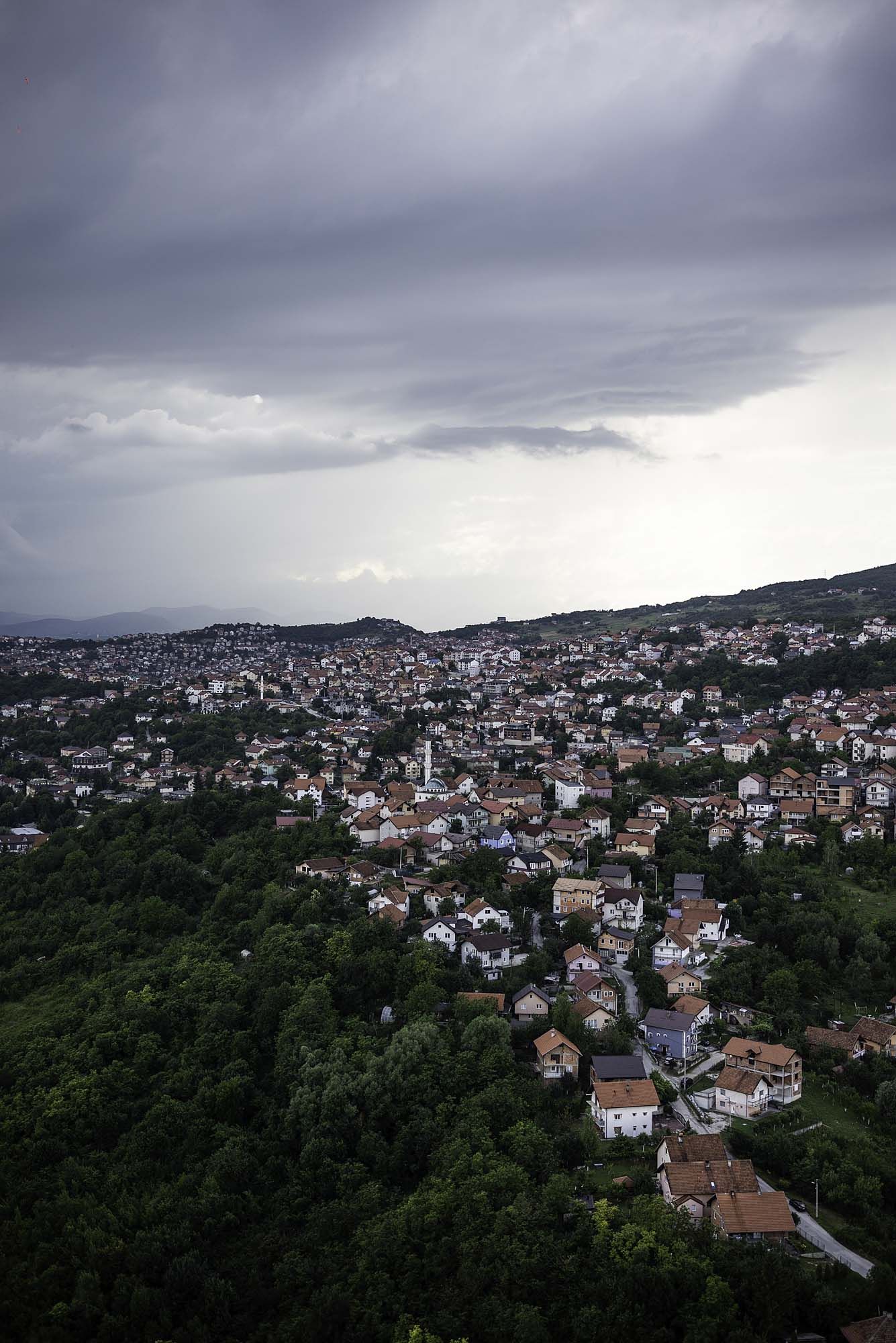
Sarajevo in Bosnia and Herzegovina is probably the most unusual and least-visited city on this list, but it’s also one of the most rewarding. I’ll admit upfront, Sarajevo isn’t for everyone. If you’re new to travelling in Europe and haven’t yet ticked off the classics like Paris, Rome, or Prague, then this might not be the first place to go. But if, like me, you’ve explored most of the big-name destinations and you’re now searching for something different, more authentic, and less polished, then Sarajevo is absolutely worth your time.
What makes Sarajevo so special is how different it feels from other European capitals. The city blends so many influences, Ottoman, Austro-Hungarian, and modern European. All within walking distance of each other. You can literally wander from cobbled streets lined with mosques and Turkish tea houses into wide boulevards filled with Austro-Hungarian architecture and cafés that wouldn’t feel out of place in Vienna. It’s this mix that gives the city its charm and makes it feel genuinely unique.
Getting there is easier than you might expect. Flights from most major European cities, including London, are relatively short and affordable, and once you land, taxis from the airport to the city centre are cheap. Accommodation is another bonus, hotel and Airbnb prices are far lower than in Western Europe, so you can stay somewhere spacious and stylish without breaking the bank. When I visited, a group of friends and I rented a huge luxury apartment for a fraction of what we would have paid elsewhere in Europe.
Beyond its affordability, Sarajevo has a fascinating energy rooted in its complex history. You’ll see traces of the city’s past everywhere, from old bullet holes on buildings to museums detailing the Bosnian War and the city’s long history as a crossroads of cultures. Yet despite its past, Sarajevo today feels welcoming and forward-looking.
One of my favourite things about visiting was the food. The cuisine is rich, hearty, and full of flavour, think grilled meats, freshly baked bread, and plenty of strong Bosnian coffee. You’ll find amazing local restaurants scattered across the city, offering both traditional dishes and modern twists.
If you’re looking to do something a little more adventurous, take the cable car up the mountain that overlooks the city. It’s a short trip that rewards you with views of Sarajevo and the surrounding hills. At the top, you can explore the eerie but fascinating abandoned bobsleigh track from the 1984 Winter Olympics. A perfect half-day outing that gives you a different perspective on the city. Sarajevo may not be as glossy or busy as other European capitals, but that’s exactly why it’s worth visiting. It’s safe, affordable, and full of character, offering a blend of cultures, history, and warmth that’s hard to find elsewhere. For travellers who crave something a little more real, Sarajevo is an excellent choice for a short and memorable city break.
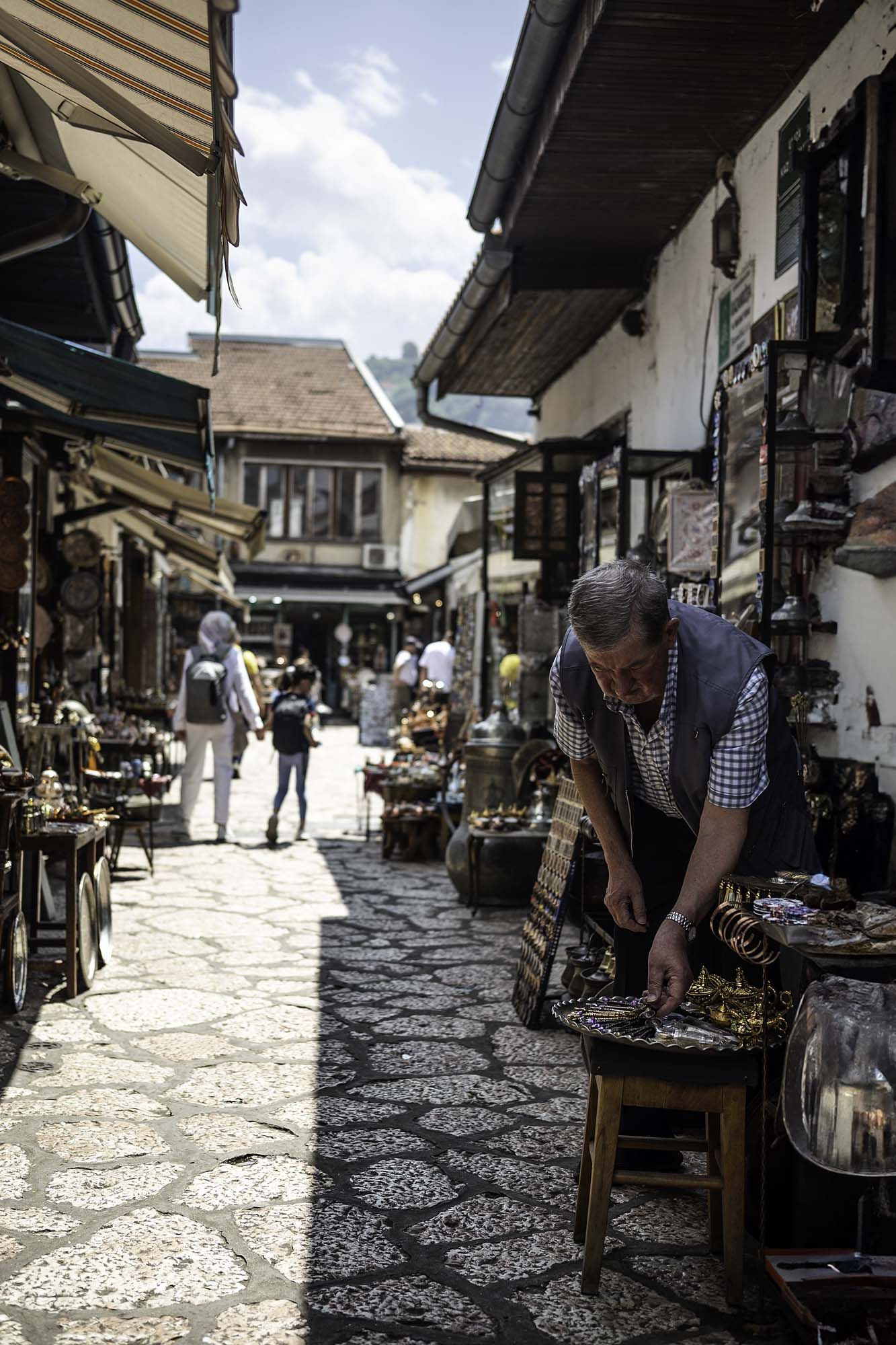
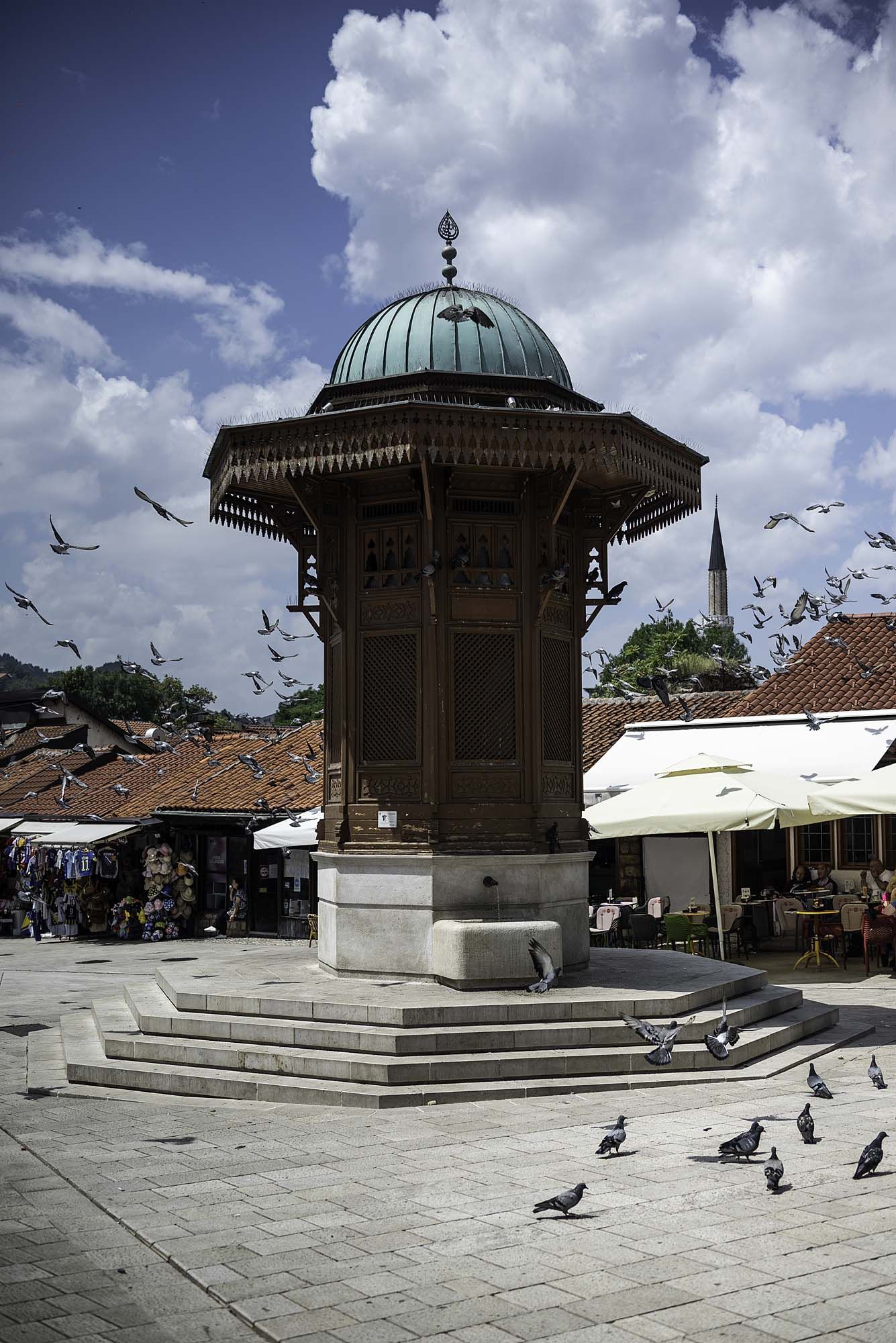
A Peaceful City Break with a Must-Do Day Trip to Lake Bled
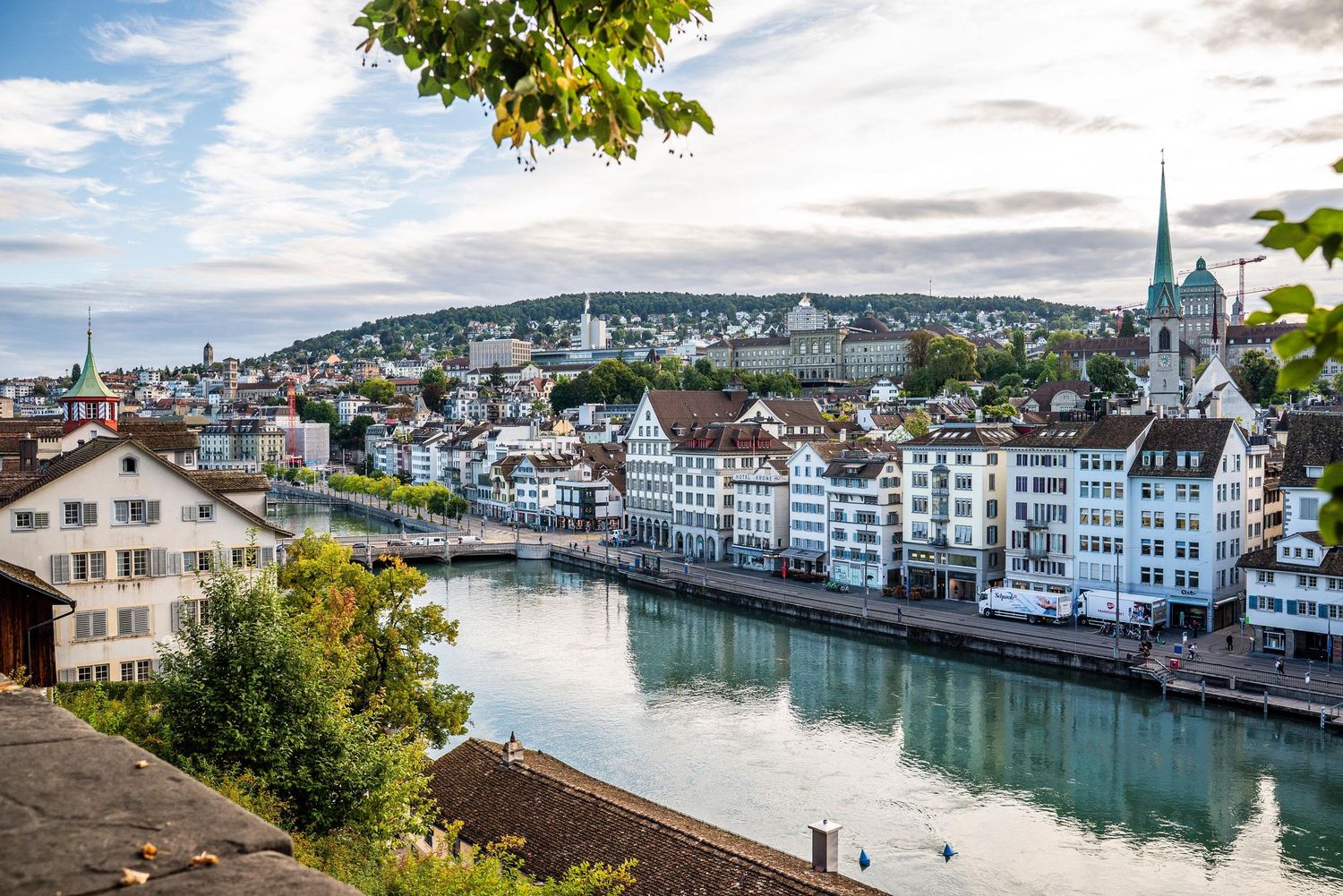
Ljubljana, Slovenia:
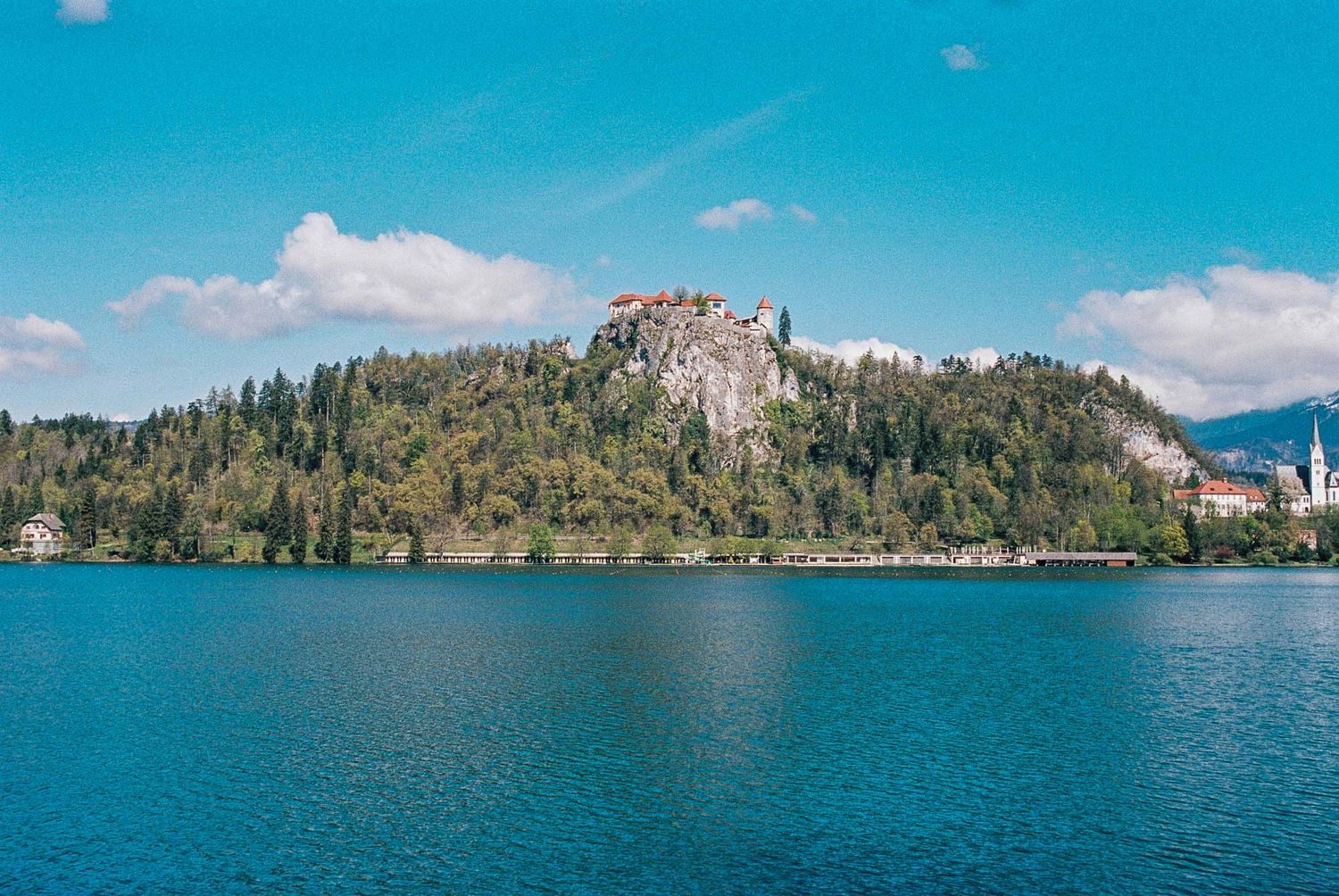
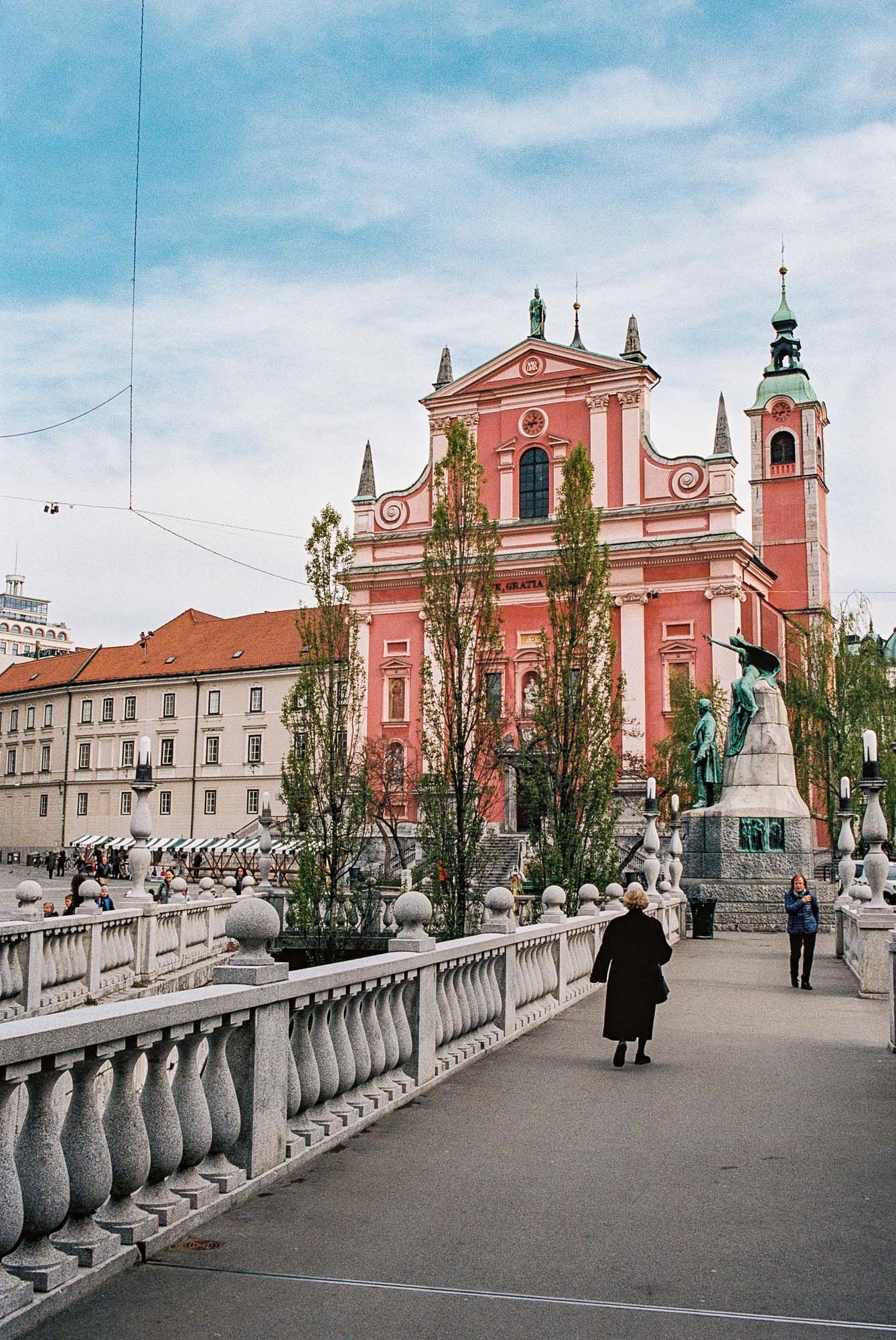
Ljubljana is probably the quietest and most laid-back city on my list, but that’s exactly what makes it such a great place for a short city break. It’s small, calm, and incredibly picturesque, offering just the right mix of charm and convenience. I’d say this is one of those cities where a day trip is almost compulsory, and in this case, that trip has to be to Lake Bled, which is one of the most beautiful spots in Europe.
Getting to Ljubljana is straightforward, with affordable and frequent flights from much of Europe. Like many of my favourite destinations, it’s also very easy to get from the airport into the city centre, either by taxi or shuttle. Hotel prices are pretty standard for Central Europe, though when I visited, I found it was still good value for money. In fact, I managed to stay in a five-star hotel without breaking the bank, something that’s rare for me on a short trip, and a good sign that Ljubljana offers quality without the usual high price tag.
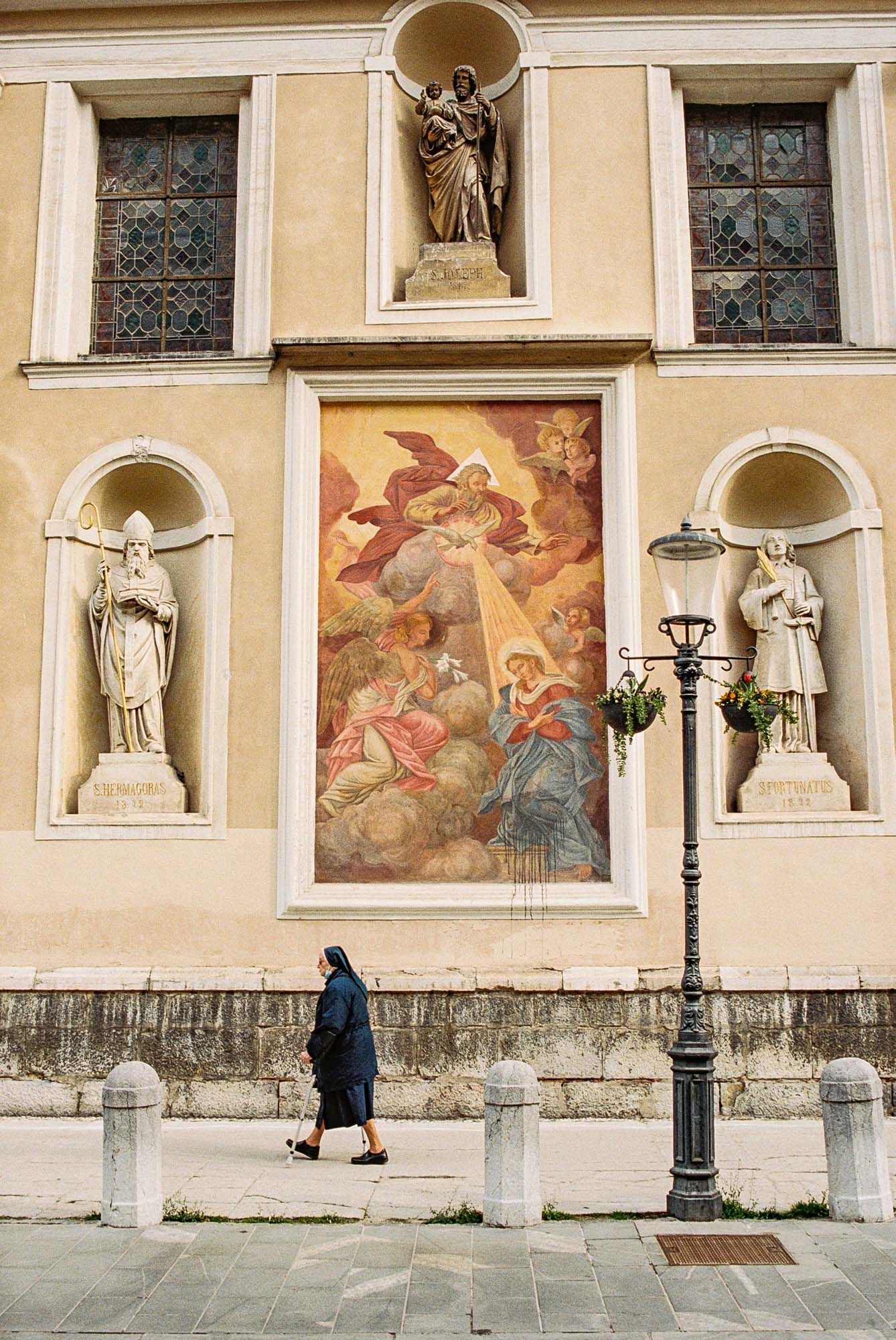
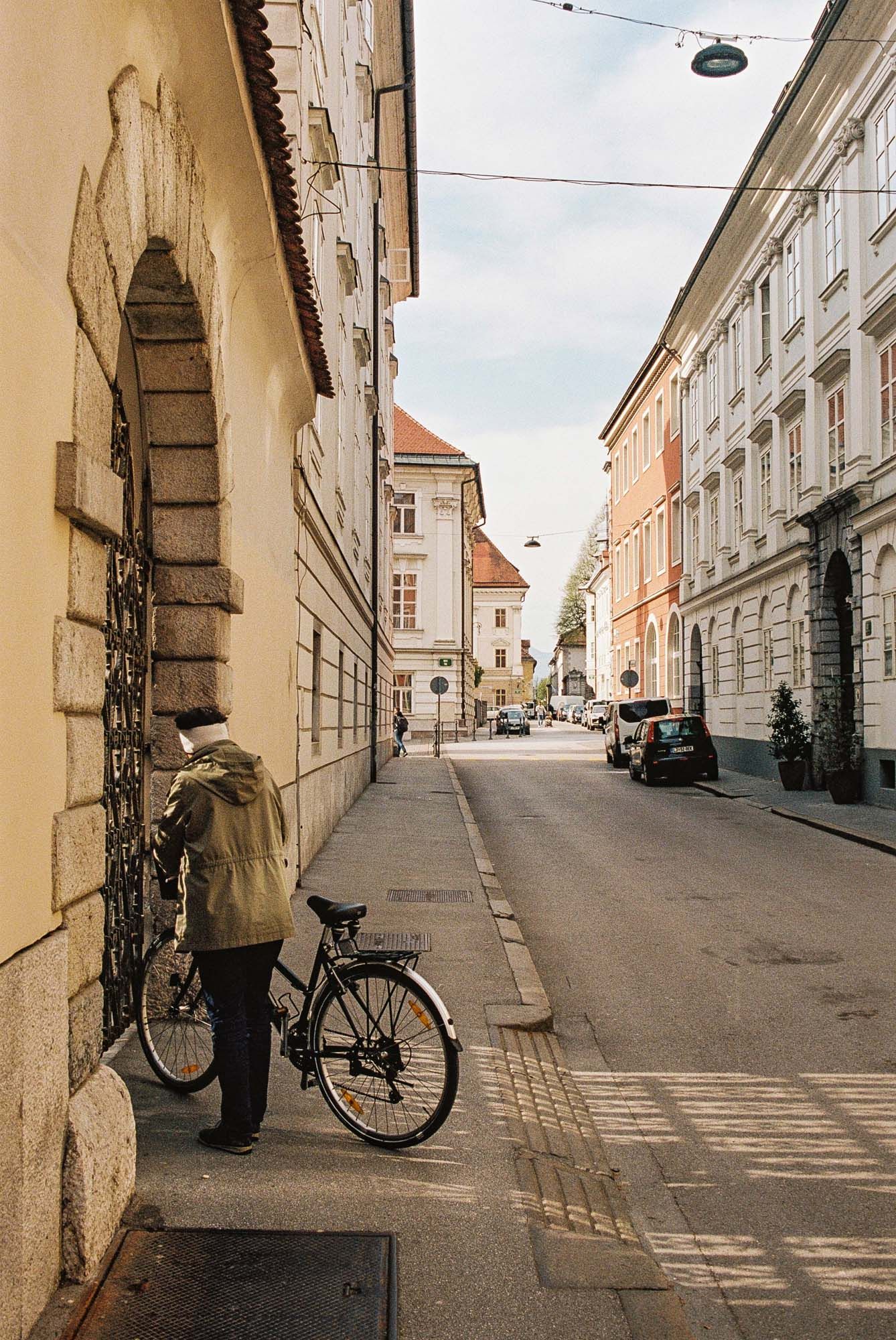
The city itself is compact and beautiful. The old town is full of colourful buildings and relaxed riverside cafés, and walking along the Ljubljanica River is one of the simplest but best things to do. I visited in late spring, and the warm weather made a huge difference. I do think visiting in winter might give a different impression, perhaps a little quieter and more subdued, but still charming in its own way.
One of the biggest surprises for me was the food. The restaurant scene in Ljubljana is genuinely impressive, with a strong focus on local ingredients and traditional Slovenian dishes. I had one of the best meals I’ve eaten all year in a traditional restaurant there, which says a lot considering how much I travel.
For something a bit active, I recommend the walk up to Ljubljana Castle, which gives great panoramic views of the city. If you don’t fancy the climb, the funicular is an easy and cheap alternative.
And of course, you can’t visit Ljubljana without taking that day trip to Lake Bled. It’s super easy to reach, there are regular buses throughout the day, and it only takes about an hour. Once there, rent a bike and cycle around the lake, stop for a slice of the famous Bled cream cake, and enjoy the incredible views.
Overall, Ljubljana might not be the most exciting city in Europe, but that’s part of its appeal. It’s a clean, safe, and effortlessly beautiful place to unwind for a couple of days. Paired with a trip to Lake Bled, it’s an ideal short break that feels refreshing and peaceful, exactly what a city break should be.
Stockholm
Stockholm, Sweden, is by far the most expensive destination on my list, in fact, it’s easily in the top tier of pricey European cities. But here’s the thing: you can visit Stockholm without spending a fortune, and it’s absolutely worth it. While it might not suit the tightest budgets, with some smart planning you can experience the best of the city without breaking the bank.
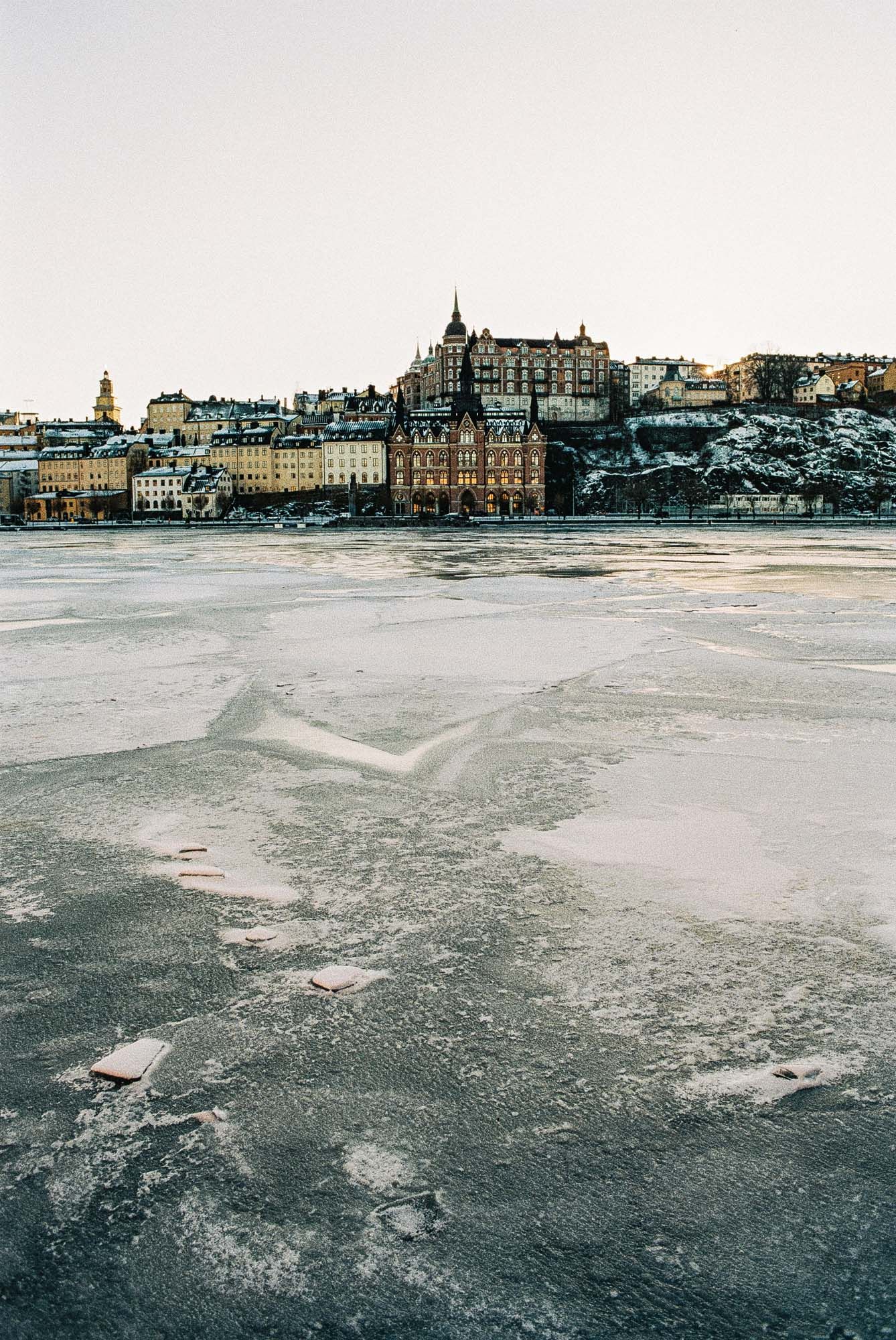
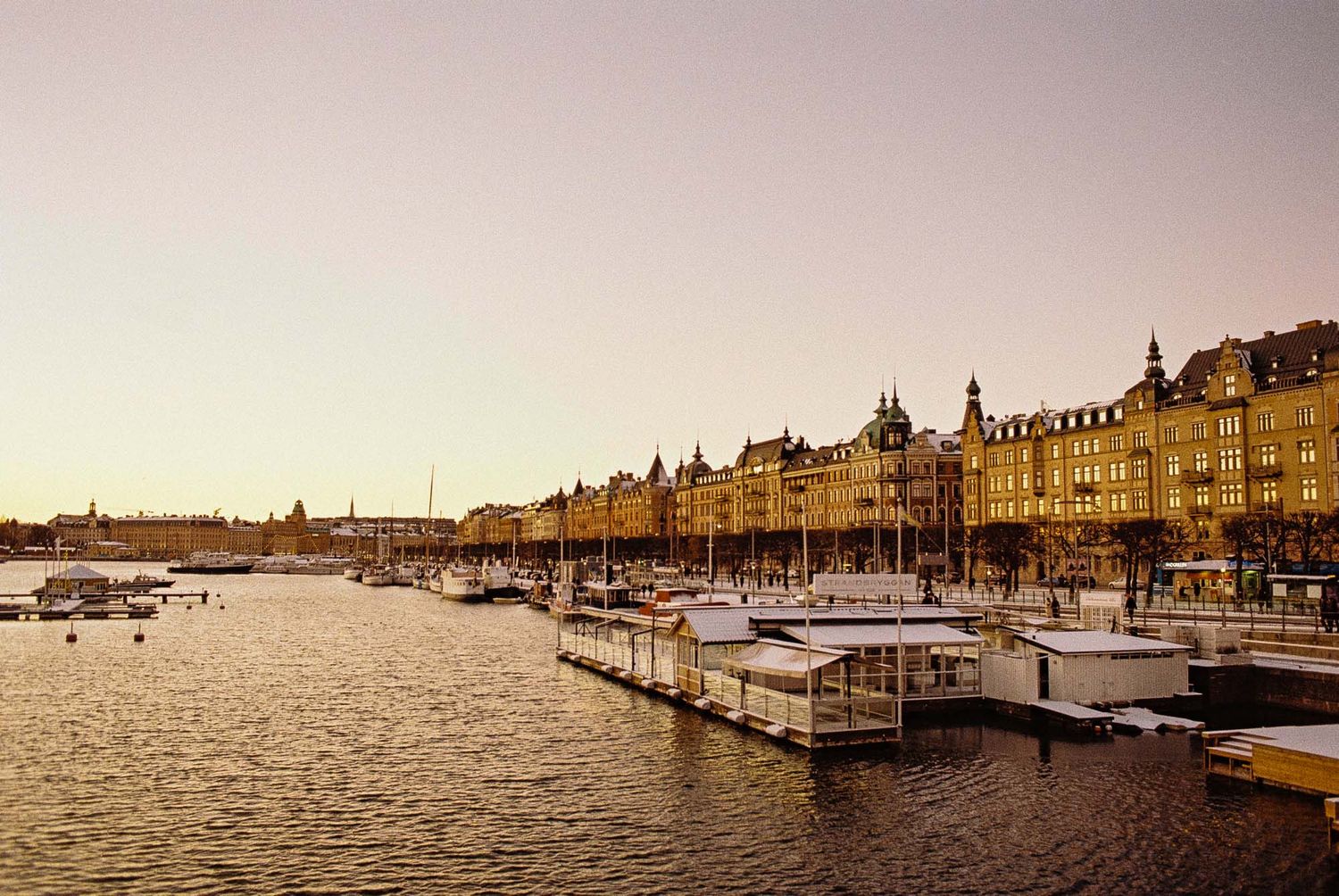
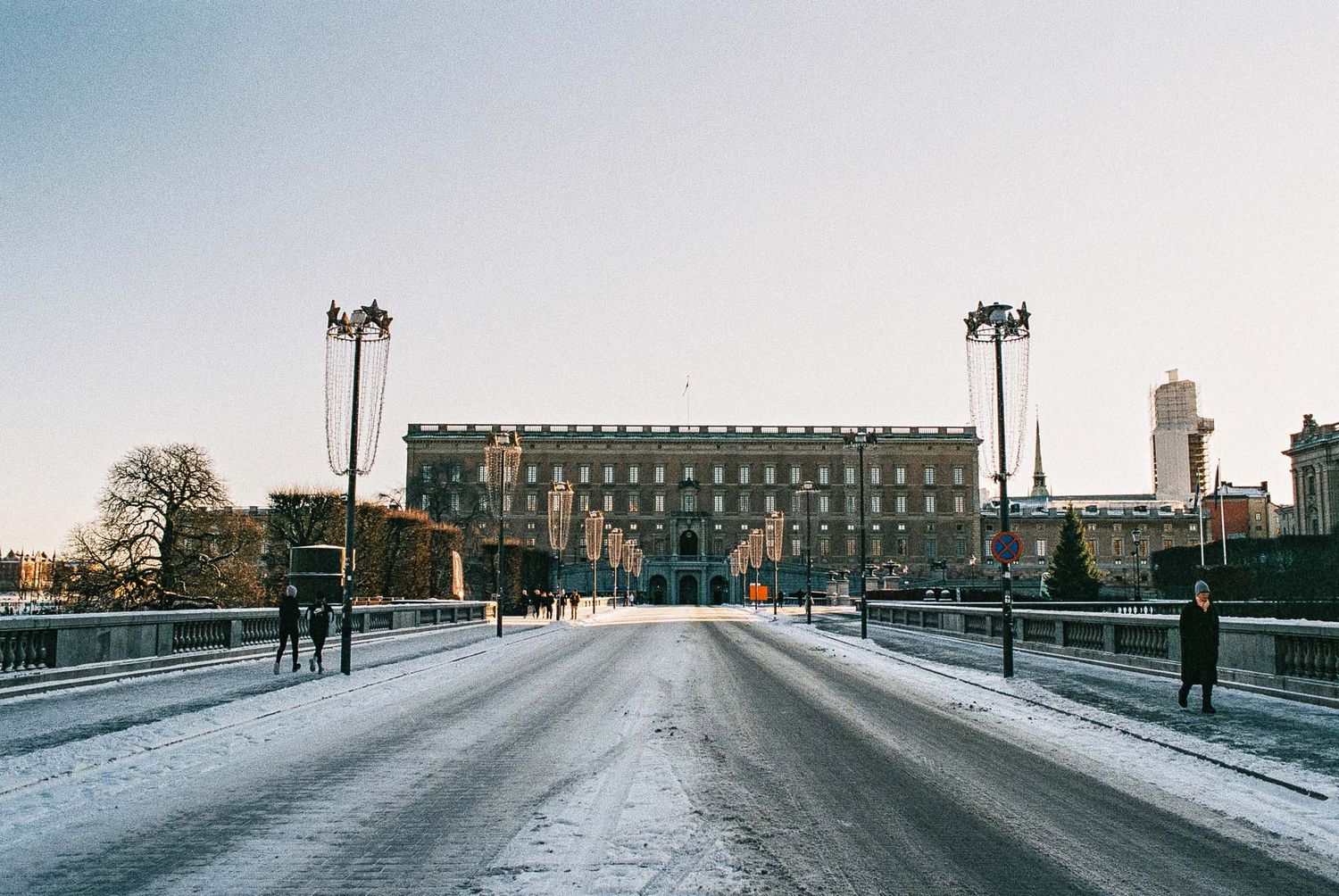
When I recommend a trip to Stockholm, I always picture my own visit there. Arriving just as the snow began to fall, with the city blanketed in white. It gave Stockholm an incredible atmosphere, that perfect Nordic winter feel you imagine when you think of Scandinavia: cosy cafés, glowing lights reflecting on the snow, and that crisp, clean air. While summer in Stockholm has its own charm with long days and lively waterfronts, there’s something special about seeing the city in winter.
What makes Stockholm such a great city break is the balance it strikes between things to do and the joy of simply being there. The Old Town (Gamla Stan) is one of the prettiest in Europe, with narrow cobbled streets, colourful buildings, and cosy restaurants tucked into old stone cellars. Beyond that, Stockholm’s layout, spread across islands and connected by bridges,means that just walking around and exploring the different neighbourhoods feels like an adventure.
Accommodation can be tricky, though. Prices for hotels are generally high, and you’ll probably need to compromise if you’re trying to save money. On my trip, I went for a budget option and ended up in a room below ground, not exactly glamorous, but it fit my budget and did the job. If you can stretch your budget a little, there are some great mid-range boutique hotels that offer much more comfort without reaching the sky-high luxury prices.
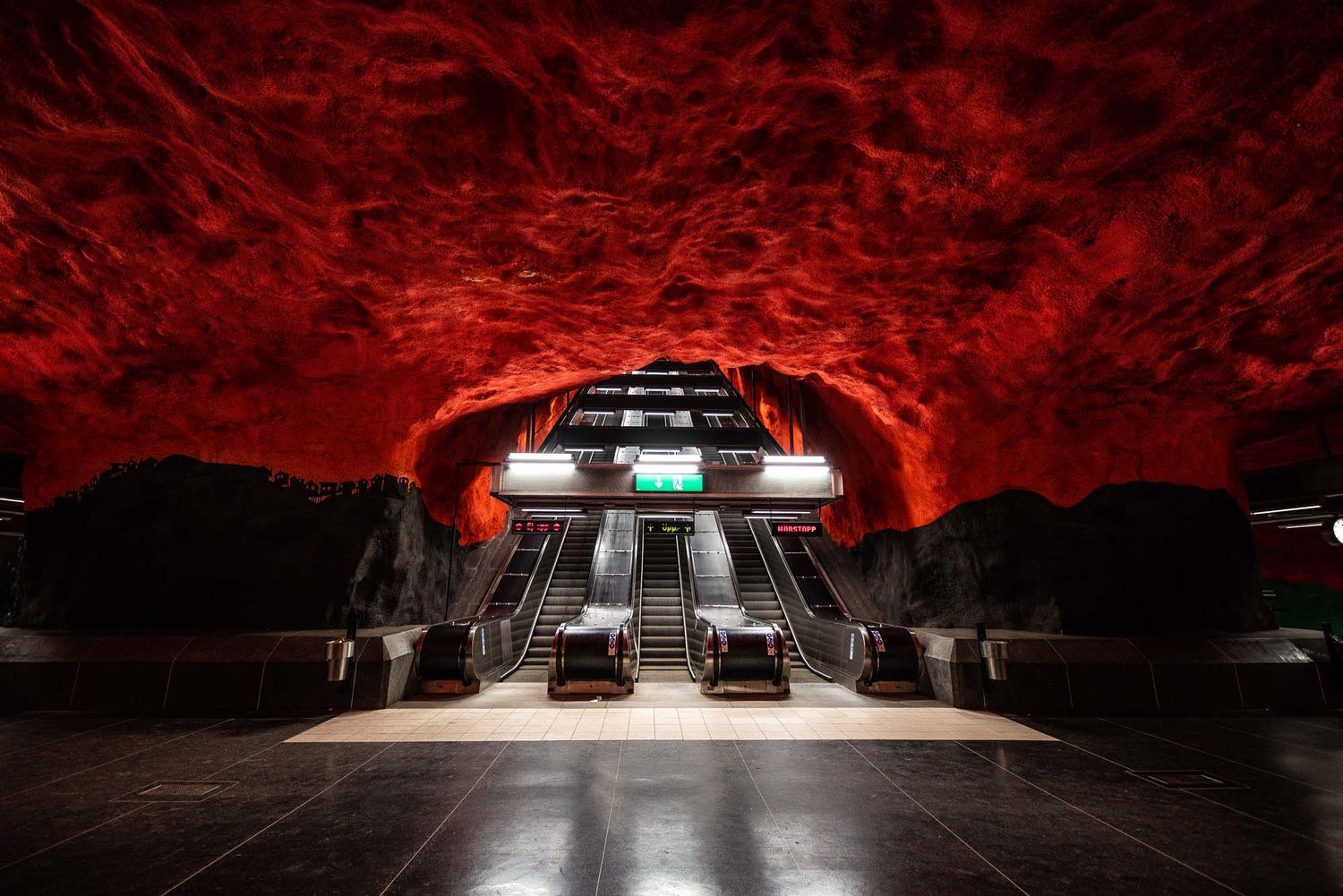
One of the most surprising highlights of Stockholm is its metro system. It’s not just efficient and easy to use, but many of the stations are literally works of art, painted ceilings, sculptures, and creative lighting make it feel like you’re in an underground gallery. Even if you’re not much of a public transport enthusiast, it’s genuinely worth taking a ride just to see some of the designs.
Another bonus is that Stockholm is easy to reach. There are plenty of affordable flights from across Europe, especially if you book early or fly with budget airlines. Once you’re there, public transport is reliable, and you can even explore the nearby islands by ferry.
To me, Stockholm stands out as the most interesting and beautiful of the Scandinavian capitals. I’ve been to all of them Copenhagen, Oslo, Helsinki and while they each have their charm, Stockholm combines culture, scenery, and atmosphere better than any of the others. Whether you visit in the snow or under the summer sun, it’s a city that feels both elegant and deeply relaxing.
It might not be cheap, but it’s definitely worth it.
Tallinn
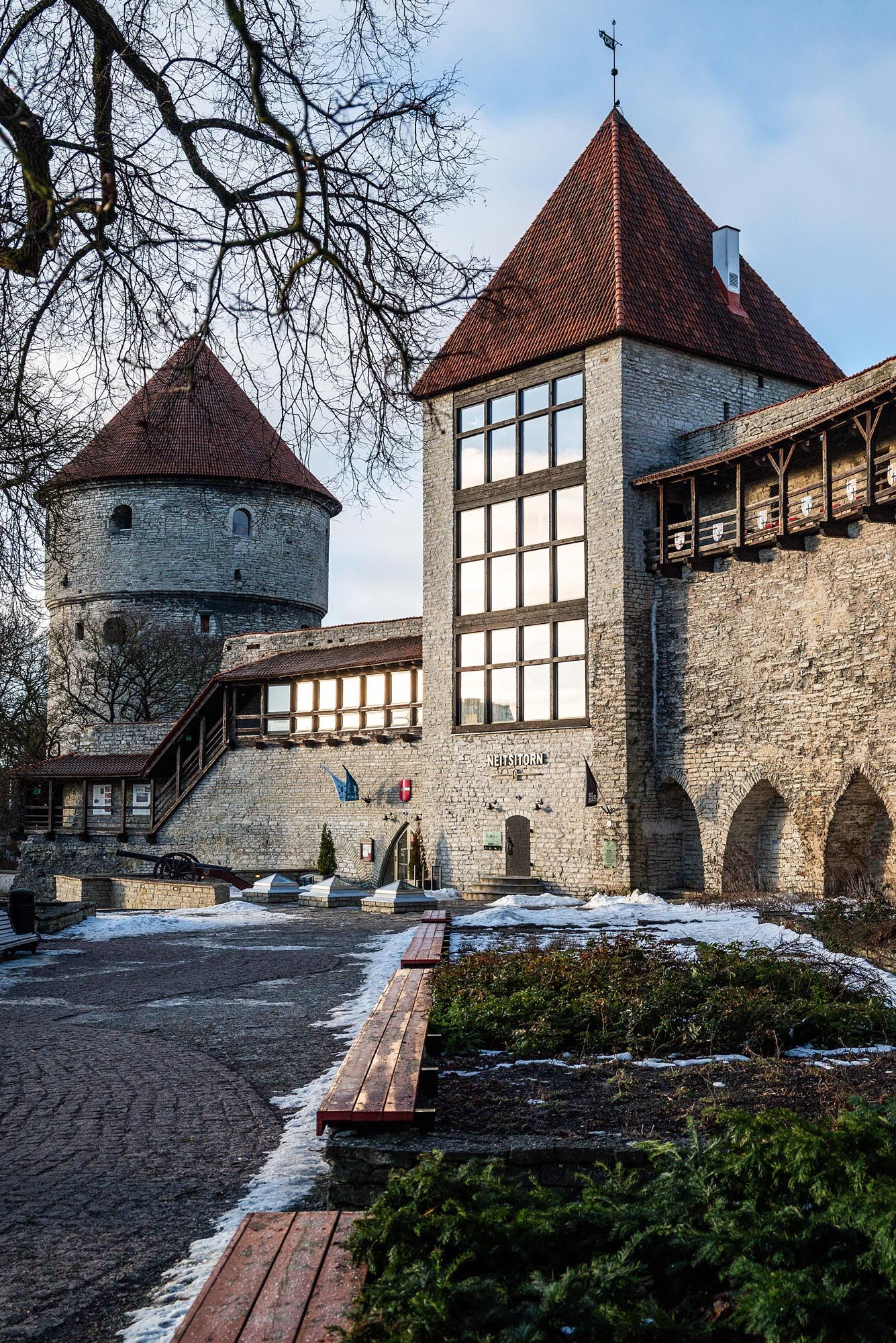
Tallinn is my final choice on this list, and honestly, it’s one of the most charming small capitals in Europe. All three Baltic capitals,Tallinn, Riga, and Vilnius are worth visiting, but Tallinn stands out as my favourite and, in my opinion, the one most worth prioritising.
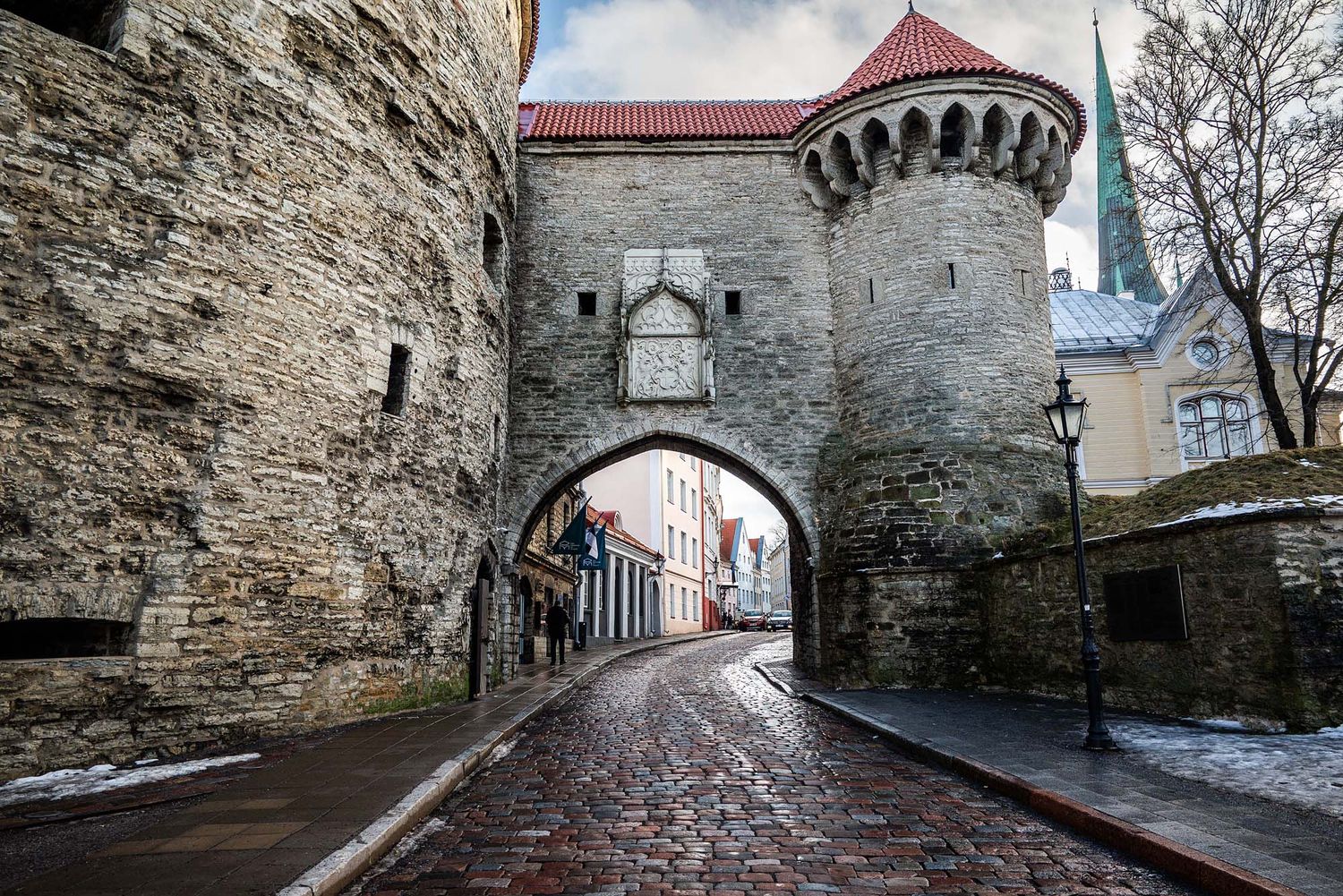
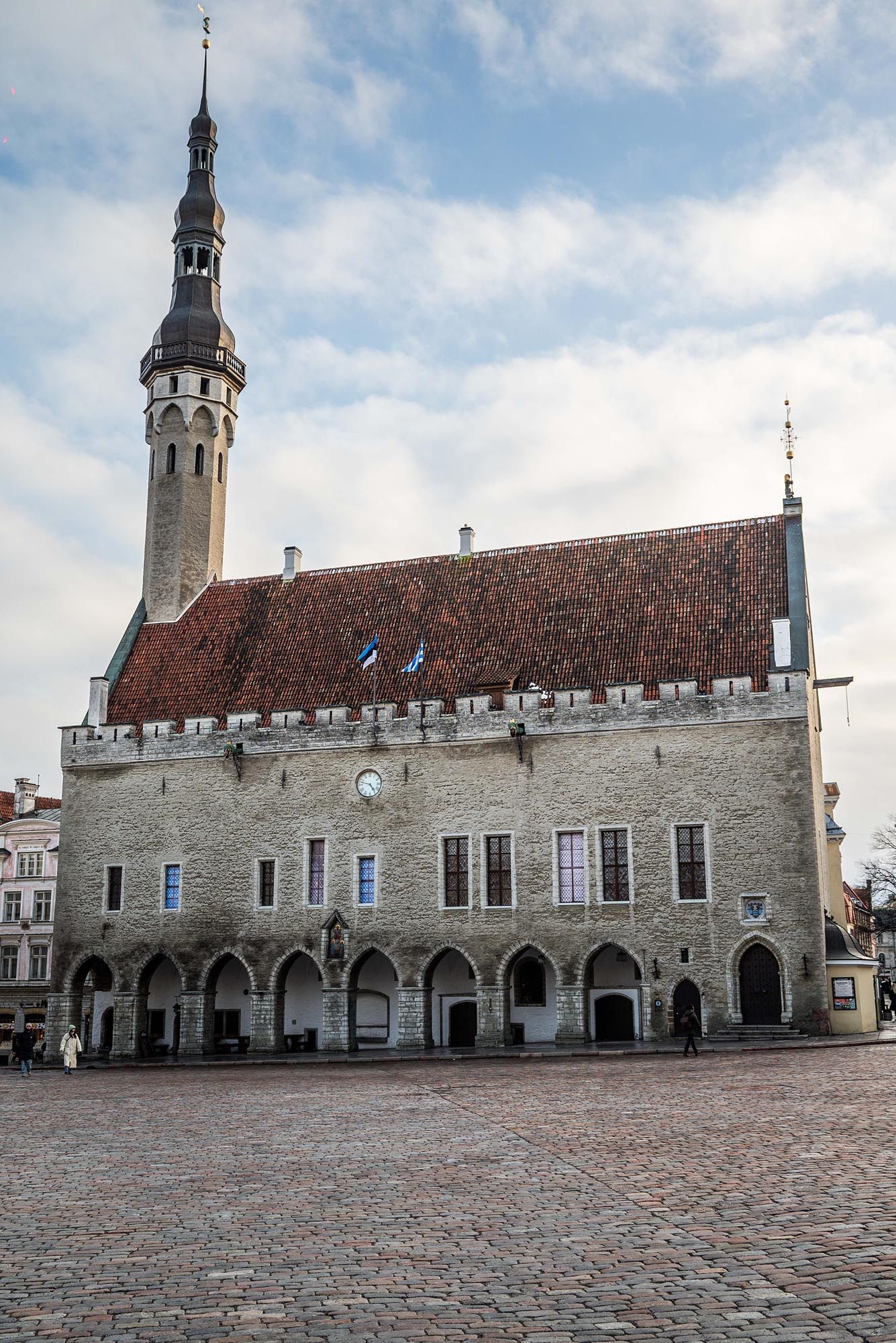
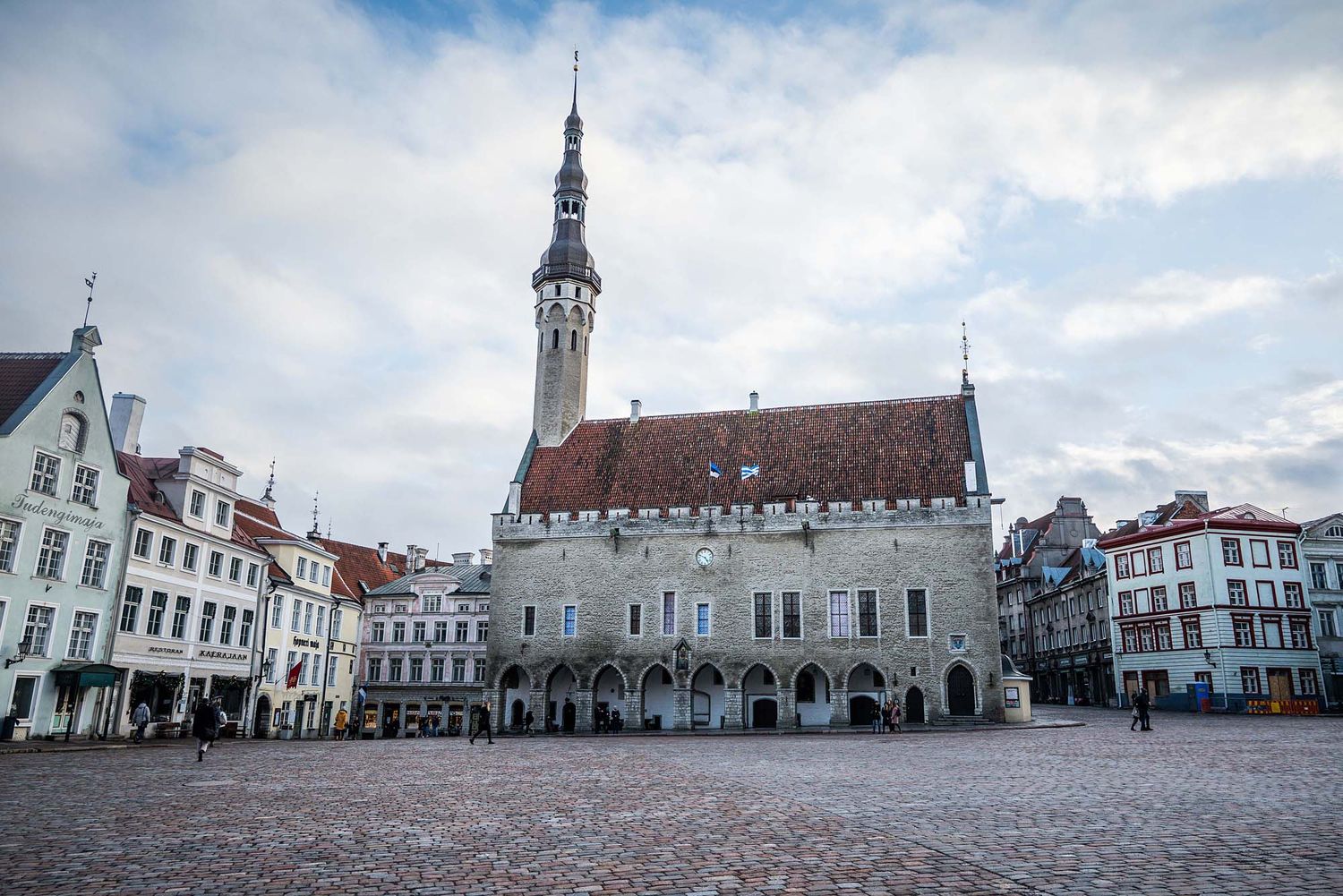
What makes Tallinn truly special is its medieval Old Town, which is one of the best-preserved in Europe. While Riga and Vilnius both have beautiful centres, Tallinn’s cobbled streets, gothic towers, and perfectly intact city walls give it an atmosphere that feels straight out of a fairy tale. Wandering through the narrow lanes, stopping for coffee in a tucked-away courtyard, or climbing up to the viewpoints overlooking the red rooftops is a simple but incredibly rewarding experience.
Another reason Tallinn is such a great short city break is that it’s affordable yet high quality. Hotels and Airbnbs are relatively cheap compared to Western Europe, and you can often find luxurious 4- or 5-star hotels for what you’d pay for a basic chain hotel elsewhere. It’s one of those rare cities where you can enjoy a more upscale experience, fine dining, spa hotels, or boutique stays without destroying your budget.
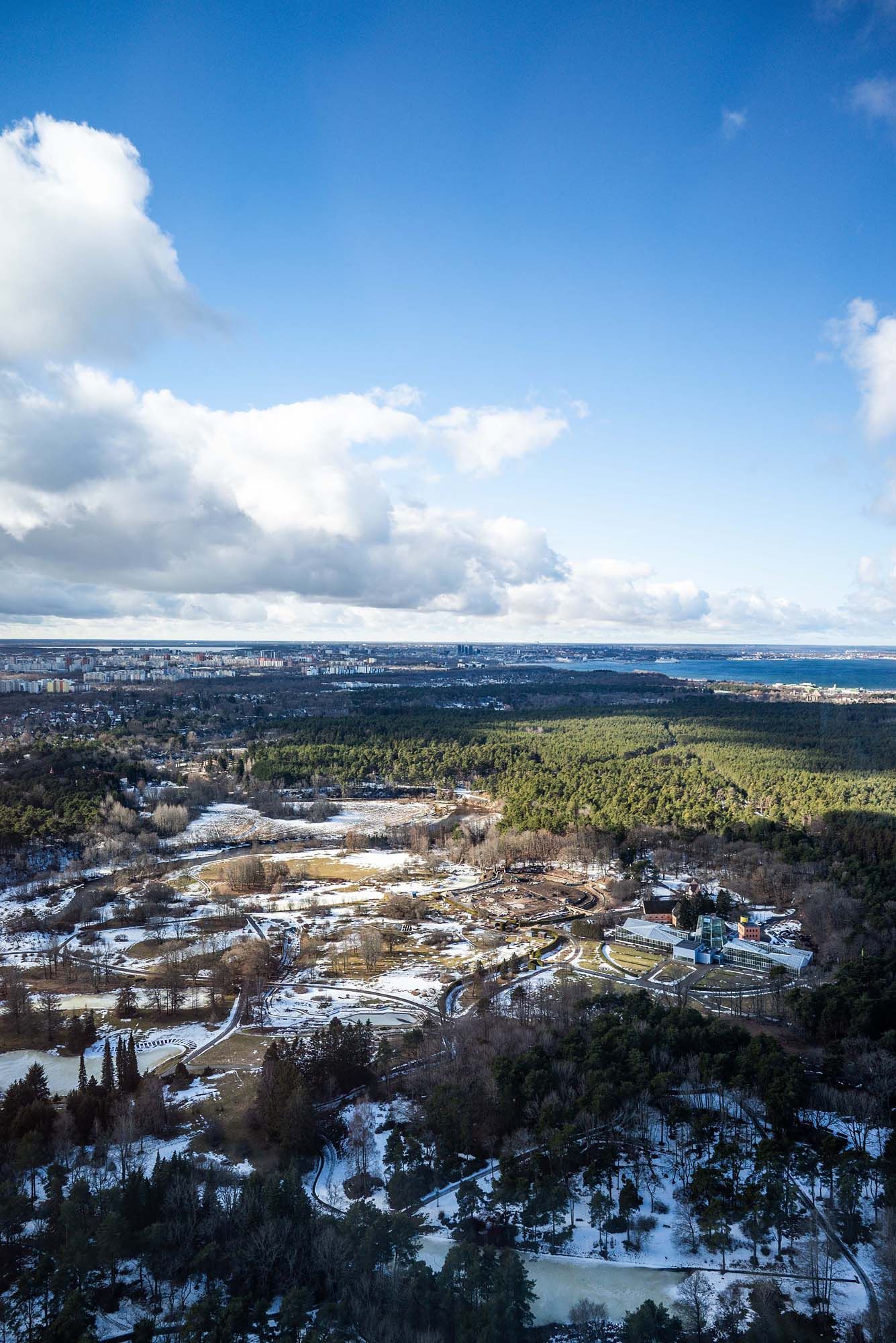
Tallinn is also compact and easy to explore, making it ideal for a 3 to 4-day trip. You can comfortably see the main sights within the Old Town in a day or two, and then use the rest of your time for small excursions or relaxed exploring. A nice, easy mini day trip is to Arch Tower, which you can reach by local bus. It’s cheap, quick, and gives you another perspective on the city and its surroundings.
Beyond the Old Town, there’s a growing modern side to Tallinn that blends seamlessly with its history. Areas like Telliskivi Creative City offer trendy cafés, street art, and boutique shops that contrast nicely with the medieval core. It gives the city a dynamic energy, you can explore centuries of history in the morning and enjoy a modern, creative vibe by the afternoon.
In short, Tallinn offers the perfect mix of history, affordability, and atmosphere. It’s a city that feels magical but still authentic, and because it’s small and manageable, it’s one of those places you can truly unwind in. Whether you’re visiting in summer, when the days are long and the outdoor cafés are buzzing, or in winter, when the Christmas market lights up the town square, Tallinn always delivers something memorable.
Tallinn is my final pick in this list of five short European city breaks and what a place to end on. All three Baltic capitals (Tallinn, Riga, and Vilnius) are absolutely worth visiting, but if I had to choose just one, it would be Tallinn. It’s the one that feels the most complete as a destination: atmospheric, compact, and beautifully preserved.
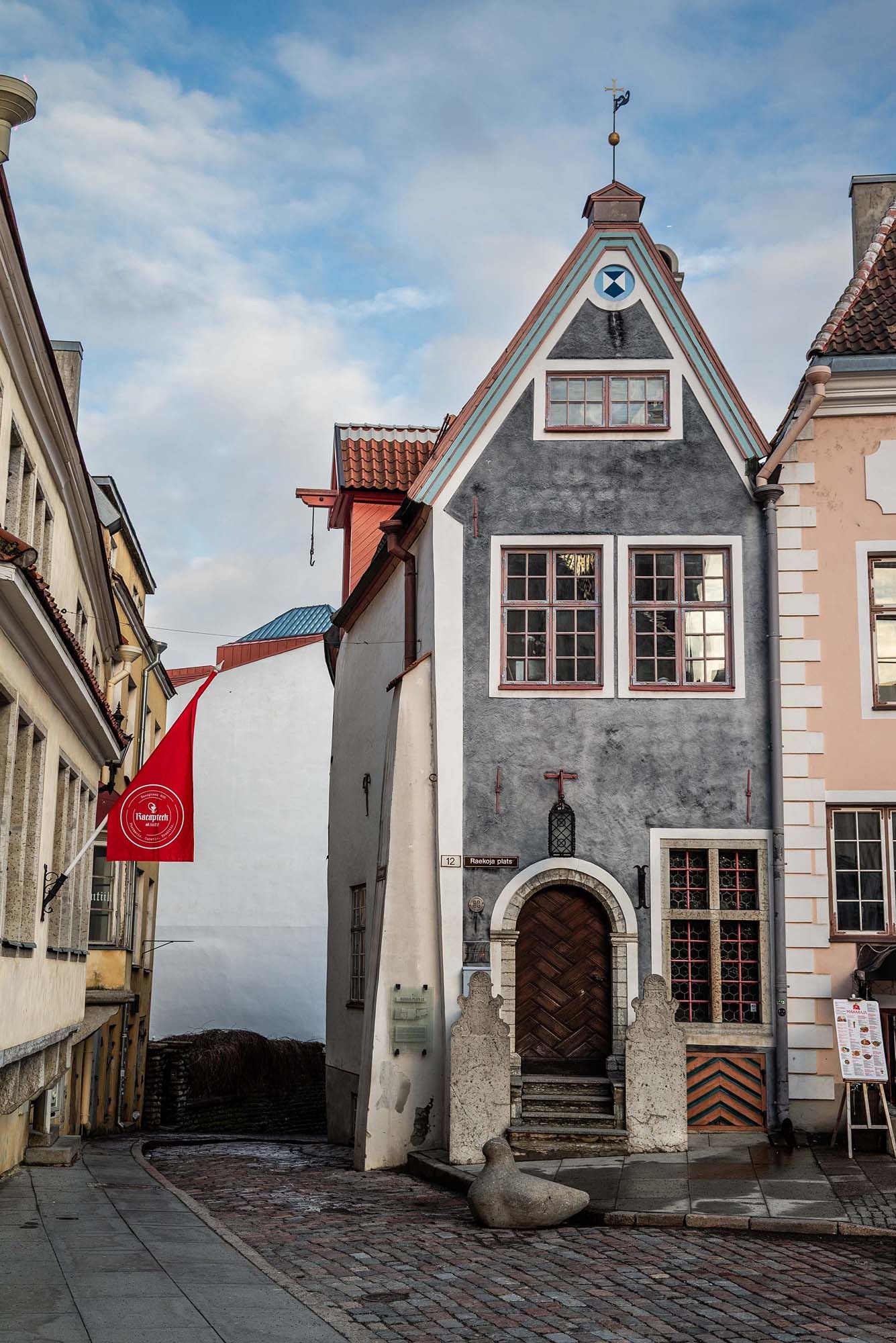
What really sets Tallinn apart from its Baltic neighbours is its medieval Old Town. While Riga and Vilnius both have charming old centres, Tallinn’s stands out as one of the best-preserved medieval towns in all of Europe. Walking through its cobbled streets feels like stepping straight into a fairytale, with stone towers, city walls, and charming pastel houses that look like they belong on a film set. It’s not overly polished either; it still feels authentic and lived-in, which adds to its character.
Another huge advantage of visiting Tallinn is the great value for money. Compared to Western Europe, accommodation, food, and attractions are all reasonably priced, and even luxury hotels are much more affordable. If you’ve ever wanted to experience a 5-star stay without the 5-star bill, Tallinn is one of the best places to do it. On my visit, I stayed in a stylish, modern hotel for a fraction of what something similar would cost in places like Paris or Amsterdam.
Tallinn is also the perfect size for a short break. You can comfortably see most of the city’s highlights in three or four days, without feeling rushed. The Old Town itself is very walkable, and there are plenty of cosy cafés, traditional restaurants, and hidden courtyards to explore along the way. The city’s compact size means you can enjoy a slow, relaxed pace without missing out on anything.
If you want to venture beyond the Old Town, there are also some great little day trips. One of the easiest we did was visiting the Arch Tower, which we reached by taking a local bus, cheap, simple, and a fun way to see a bit more of the city beyond the main tourist area. Tallinn also has a growing modern side, with trendy neighbourhoods like Telliskivi full of street art, independent shops, and cool cafés, giving the city a creative edge that balances perfectly with its historical charm.Overall, Tallinn strikes that rare balance between being affordable, beautiful, and relaxed. It’s a city that doesn’t need a long stay to make an impression. For a long weekend or a quick escape, it’s absolutely ideal — full of character, easy to explore, and without the tourist crowds you’d find in many other European cities.